 MomSkoop

Parents pour their hearts into raising their children, but sometimes the little things hurt more than big arguments. Many younger adults don’t realize that certain everyday behaviors can leave their parents feeling unappreciated or pushed aside. Understanding these unintentional slights can help bridge the gap between generations and strengthen family bonds.
1. You Dismiss Their Opinions Like They Don’t Matter

Parents have lived through decades of experiences that shaped who they are today.
When you wave off their advice or roll your eyes at their suggestions, it sends a message that their wisdom holds no value.
They’re not trying to control your life when they share their thoughts.
Most of the time, they genuinely want to help you avoid mistakes they’ve already made.
Even if you choose a different path, acknowledging their perspective shows respect for the years they’ve invested in caring for you.
A simple “I appreciate your input” can mean everything to someone who raised you from infancy.
2. You Rarely Call, and It Feels Like You Don’t Care

Your parents remember every scraped knee they bandaged and every fever they monitored through sleepless nights.
Now that you’re grown, silence from you feels like being forgotten by someone they’d never forget.
They understand you’re busy building your own life, but a five-minute call can brighten their entire week.
Technology makes it easier than ever to stay connected, yet many adult children go weeks without reaching out.
Parents often won’t complain because they don’t want to seem needy or demanding.
Regular contact doesn’t require grand gestures, just consistency that shows they still matter in your world.
3. You Keep Major Life Events a Secret from Them

Finding out through social media that you got engaged, changed jobs, or moved to a new city cuts deeper than most wounds.
Parents invested everything in your journey, so being excluded from your milestones feels like rejection.
Maybe you worry they’ll be overbearing or judgmental, but shutting them out completely denies them the joy of celebrating with you.
They’ve earned the right to be among the first to know when something important happens in your life.
Sharing big news doesn’t mean giving them control over your decisions.
It simply honors the bond you’ve shared since birth.
4. You Ignore Their Health Concerns

When your mom mentions her upcoming surgery or your dad talks about his heart medication, brushing it off feels dismissive.
Parents spent years worrying about every cough and fever you had.
Now that they’re facing real health challenges, your indifference stings more than any physical pain they’re experiencing.
Asking follow-up questions or offering to attend a doctor’s appointment shows you still care about their wellbeing.
They’re not seeking pity or trying to burden you with their problems.
They simply want reassurance that they matter enough for you to pay attention when things get serious.
5. You Don’t Make Time to Visit
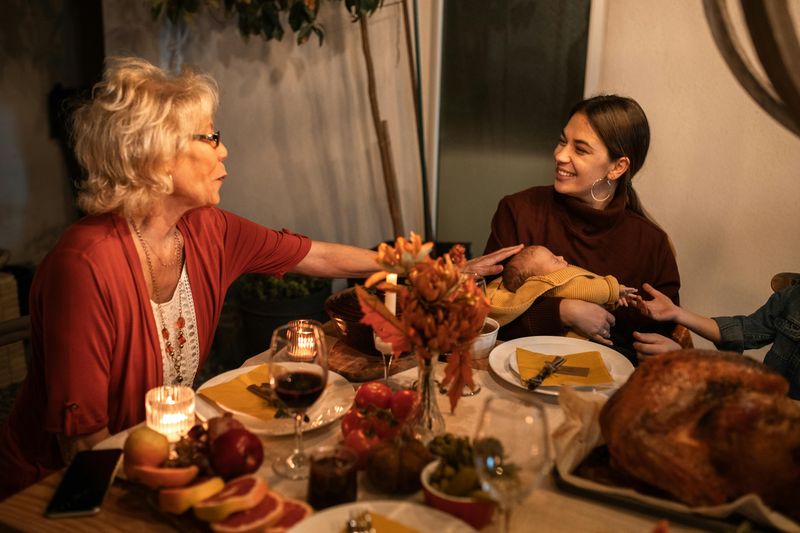
Your childhood home holds memories in every corner, and your parents still live there hoping you’ll walk through the door.
Excuses about being too busy pile up while months turn into years between visits.
They watch their friends welcome children and grandchildren for Sunday dinners while their own calendar remains empty.
Distance can be a real obstacle, but prioritizing a visit shows them they’re worth the effort and travel time.
Phone calls and video chats help, but nothing replaces sitting together at the kitchen table where you once did homework.
Time is precious, and they’re painfully aware of how much less they might have left.
6. You Only Reach Out When You Need Something

Parents notice patterns, especially when your calls only come with requests for money, babysitting, or help moving furniture.
Being treated like a bank or free service rather than a person with feelings creates resentment over time.
They want to help you succeed, but the relationship shouldn’t feel one-sided or transactional.
Calling just to chat about their day or share something funny makes them feel valued beyond their usefulness.
Remember all those years they helped you without keeping score or expecting anything in return.
Now it’s your turn to invest in the relationship without always having an agenda behind your contact.
7. You Make Them Feel Like They’re Competing with Your In-Laws

Every holiday spent entirely with your spouse’s family sends an unspoken message about who matters more.
Parents understand that marriage means balancing two families, but feeling consistently second-choice breaks their hearts.
They raised you, celebrated your achievements, and supported you through difficult times, yet now they’re fighting for scraps of your attention.
Fair doesn’t always mean equal, but it should mean thoughtful consideration of everyone’s feelings.
Including your parents in important moments or alternating holiday visits shows you haven’t forgotten where you came from.
They’re not asking to be chosen over your in-laws, just to be remembered as equally important.
8. You Don’t Show Interest in Family Traditions
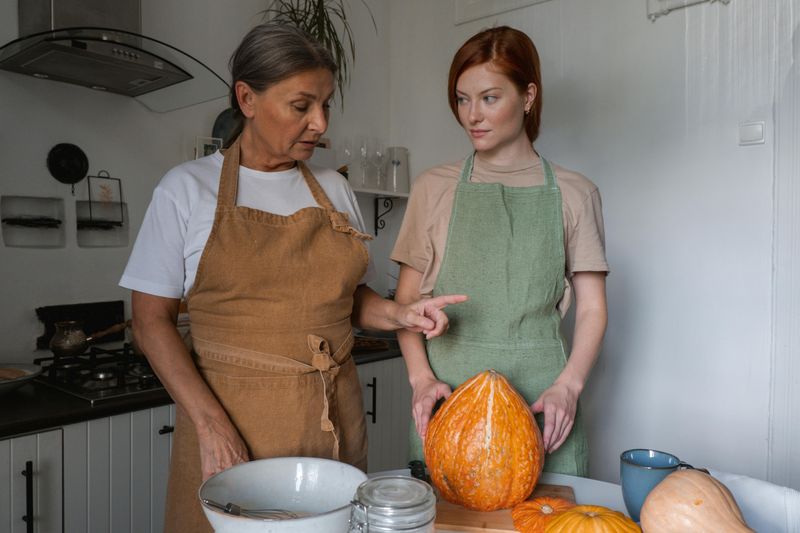
That recipe your grandmother passed down or the way your family always celebrates certain occasions carries generations of love and history.
When you skip these traditions or mock them as outdated, you’re essentially saying their heritage means nothing to you.
Parents hoped to see these customs continue through you and eventually their grandchildren.
Watching traditions die because nobody cares anymore feels like watching part of themselves disappear.
You don’t have to follow every old custom, but showing curiosity about why they matter demonstrates respect for your roots.
These rituals connect you to ancestors you never met and stories that shaped your family identity.
9. You Never Say Thank You for the Little Things

Parents continue doing small favors long after you’ve left home, often without being asked or expecting recognition.
They still slip money into your pocket, watch your kids on short notice, or drop everything when you need help.
Taking these gestures for granted makes them feel like their efforts go unnoticed and unappreciated.
A heartfelt thank you costs nothing but means everything to someone who continues putting your needs before their own.
They don’t keep a running tally of everything they do, but occasional acknowledgment validates that their love and effort still matter.
Gratitude strengthens bonds and reminds parents that raising you was worthwhile.
10. You Seem Embarrassed by Their Old-Fashioned Ways

Cringing when your dad tells the same joke he’s told for years or sighing when your mom dresses a certain way hurts more than you realize.
They’re products of their generation, and their quirks are part of what makes them who they are.
Treating them like they’re embarrassing or out of touch damages their self-esteem and creates distance between you.
Your parents once proudly showed you off to everyone despite your awkward phases and questionable fashion choices.
Now they deserve the same unconditional acceptance they always gave you, even if they don’t understand current trends or technology.
Love means embracing the whole person, outdated references and all.
11. You Brush Off Their Tech Struggles

Sighing dramatically when your mom asks how to attach a photo to an email makes her feel stupid and burdensome.
Technology that seems obvious to you represents a completely foreign language to many older adults.
They once patiently taught you to tie your shoes, ride a bike, and navigate the world despite endless questions.
Now they’re asking for help with something genuinely confusing, and your impatience tells them they’re a bother.
Taking a few extra minutes to explain things clearly and kindly shows the same patience they once showed you.
Remember that everyone struggles with new skills, and someday you’ll need help with things younger generations find simple.
12. You Forget to Say I Love You

Those three words might feel awkward or unnecessary to you, but parents never tire of hearing them from their children.
They said it countless times while tucking you in, sending you to school, and watching you grow into an independent adult.
Now that you’re older, you might assume they know how you feel without needing to hear it spoken aloud.
But verbal affirmation matters, especially as parents age and become more aware of mortality.
Ending phone calls or visits with a simple expression of love takes seconds but can sustain them through lonely moments.
Don’t let pride or awkwardness prevent you from saying words that might someday become impossible to share.