 MomSkoop
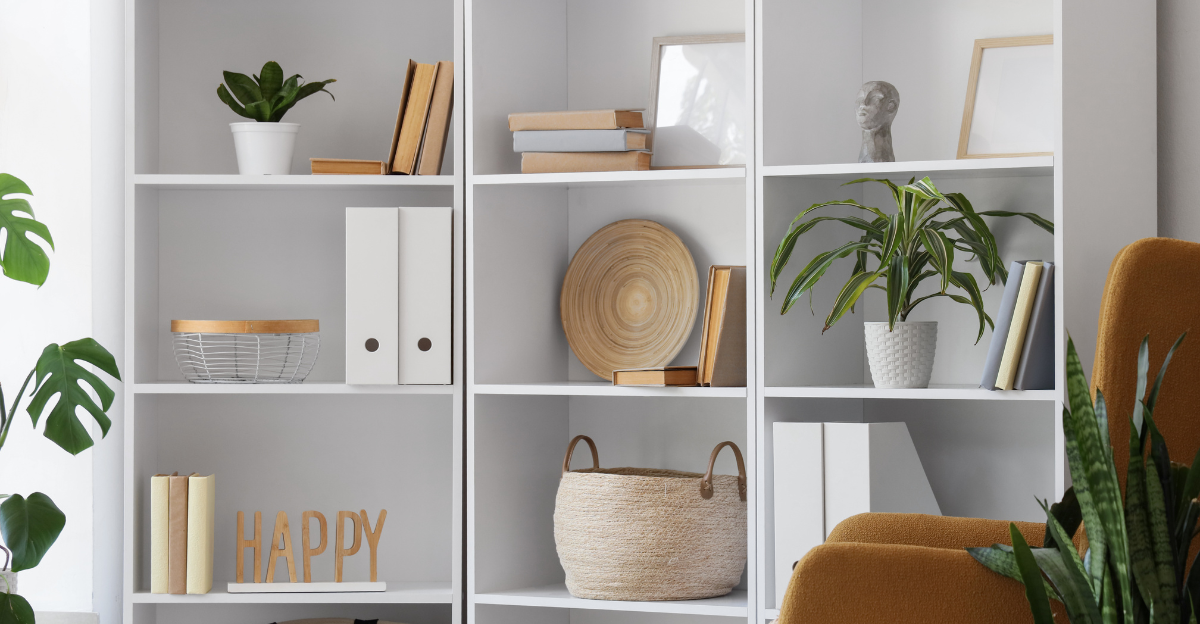
Books can make any room feel cozy and interesting, but styling them the wrong way might come across as trying too hard.
The good news is that you can show off your book collection without making your space look like a museum or a staged photo shoot. With a few simple tricks, your books can feel natural, welcoming, and perfectly you.
1. Stack Them Horizontally as Decor Pedestals

Forget standing every book upright like soldiers in a row. Horizontal stacks bring instant character and function to your shelves or tables. Try layering three to five books flat, then place a small plant, candle, or framed photo on top.
This approach transforms books into useful furniture pieces while keeping things relaxed. The height variation adds visual interest without screaming for attention. Plus, it gives you a reason to show off those beautiful book covers you usually hide.
Choose books with sturdy spines and similar sizes for stability. This styling trick works beautifully on coffee tables, bookshelves, or even window sills for a casual, collected-over-time vibe.
2. Mix Books with Everyday Objects

Your bookshelf should tell a story about your life, not just your reading list. Weaving in everyday items like vases, bowls, or picture frames keeps your display from feeling like a library catalog. This balance makes the space feel personal and approachable.
Start by removing some books to create breathing room. Then add objects that mean something to you—a souvenir from a trip, a handmade bowl, or a family photo. The key is mixing textures and heights.
Avoid overcrowding or making everything match perfectly. Random pairings often look the most natural. When books share space with life’s little treasures, your shelves become conversation starters rather than showpieces.
3. Organize by Color or Tone

Rainbow bookshelves can look stunning, but they sometimes feel too staged for everyday living. Instead, group your books by general color families—neutrals, darks, or pastels—for a softer, more sophisticated appearance. This method still creates visual harmony without the “I spent three hours arranging this” vibe.
Grouping by tone rather than exact color gives you flexibility and looks intentional without being fussy. Cream, beige, and white books together create a calm section, while darker tones add depth and contrast.
This approach works especially well if your room has a specific color palette. Your books blend into the decor naturally while still looking organized and thoughtful.
4. Display Books Backward for Texture

Turning books backward—spines facing in—might sound strange, but it creates a surprisingly calm and cohesive look. The uniform page edges provide texture without loud colors or busy titles competing for attention. It feels modern and understated.
This trick works best when you want books as background texture rather than focal points. Mix in a few spine-out books for variety so it doesn’t look too deliberate. The contrast between hidden and visible spines adds dimension.
Some people worry they won’t find their books, but this method works great for decorative shelves where you display books you’re not constantly grabbing. It’s perfect for creating a gallery-like backdrop.
5. Style a Coffee Table with Books and a Tray

Coffee table books don’t have to be giant art tomes that nobody actually reads. Grab two or three books you genuinely enjoy and place them on a simple tray with a candle or your morning coffee mug. This setup feels effortless and inviting.
The tray keeps everything contained so it looks intentional rather than messy. Choose books with covers that match your room’s colors or subjects that reflect your interests—travel, photography, cooking, or anything that sparks joy.
Change them out when you finish reading or when the seasons shift. This small touch makes your living space feel curated without trying too hard, and guests can actually flip through them.
6. Create Leaning Stacks on Shelves

Perfectly straight rows of books can look rigid and uninviting, like you’re afraid to touch anything. Instead, let some books lean slightly against each other or prop them at gentle angles. This small change makes shelves feel more organic and lived-in.
You don’t need special bookends for this—just lean a few books against sturdier stacks or decorative objects. The slight tilt breaks up visual monotony and adds movement to your shelves.
Mix leaning books with upright ones for the best effect. This styling technique suggests that you actually use your books rather than just displaying them. It’s the difference between a showroom and a real home.
7. Leave Empty Space on Shelves

One of the biggest mistakes in book styling is cramming every inch of shelf space. Empty space is your friend—it prevents your shelves from looking cluttered or overly styled. Breathing room makes each book grouping stand out and gives your eyes a place to rest.
Try leaving at least one-third of your shelf space open. This doesn’t mean bare shelves, but rather thoughtful gaps between groupings. The negative space actually makes your books more noticeable, not less.
This approach also makes it easier to grab books without disturbing everything around them. A little emptiness signals confidence and restraint, proving you’re not trying to impress anyone—just creating a comfortable space.
8. Let Books Sit Casually Around the House

Books belong wherever you actually use them, not just on designated shelves. A novel on your nightstand, a cookbook in the kitchen, or a magazine on the bathroom counter makes your home feel genuinely lived-in rather than staged for a photoshoot.
Don’t worry about these casual placements looking messy—they add personality and warmth. An open book on a chair suggests someone was just reading there, which is far more inviting than pristine, untouched surfaces.
Rotate these books as you read them, and don’t stress about keeping everything tidy. This natural scattering shows that books are part of your daily life, not just decorative props collecting dust.
9. Use Books as Functional Risers

Books don’t have to just sit there looking pretty—they can actually do something useful. Try stacking a few sturdy hardcovers under a small lamp to bring it to the perfect height, or place them beneath a potted plant to create visual interest at different levels.
This trick works especially well on shelves or side tables where everything sits at the same boring height. The best part? You’re not hiding your books away, but you’re also not making them the star of the show.
Choose books with colors that match your room’s vibe, and don’t stress about perfection. A slightly wobbly stack actually looks more real and less like you spent hours arranging everything.
10. Create Mini Themed Book Clusters

Instead of organizing every single book by color or size, group a few together by topic in a relaxed way. Maybe put your travel guides near a small globe, your cookbooks by a vintage kitchen scale, or photography books beside a camera.
Keep these little collections loose and unforced—three to five books per cluster is plenty. This approach tells a story about what you’re actually interested in without screaming “I spent all weekend arranging my bookshelf.”
The magic happens when you don’t overthink it. Let some books lean, others stand upright, and leave breathing room between groups. Your shelves will feel curated but not calculated, personal but not pretentious.
11. Add Natural Textures Alongside Books

Pairing books with natural materials like wood, stone, or plants instantly makes them feel less stuffy. A smooth wooden bowl, a piece of driftwood, or a few river rocks scattered among your books breaks up the paper-and-ink monotony.
Plants are especially magical for this—a trailing pothos or small succulent softens the hard edges of book spines and adds life to the arrangement. These organic touches remind people that real humans live in your space, not interior design robots.
Don’t go overboard though. Two or three natural elements per shelf is plenty to create that effortlessly balanced look you’re after.
12. Rotate Books Seasonally for Freshness

Keeping the same books on display year-round can make your space feel stale and forgotten. Try swapping out a few titles with the seasons—bring out beach reads and travel memoirs in summer, then switch to cozy mysteries and recipe collections when fall arrives.
This doesn’t mean redecorating your entire house every three months. Just rotating five or six visible books keeps things feeling intentional and current without much effort.
Bonus: you’ll actually rediscover books you forgot you owned. Your display stays fresh, and you might even find your next favorite read hiding in a storage box.