 MomSkoop

Your brain takes shortcuts every single day, especially when dealing with other people. These mental shortcuts, called cognitive biases, affect how you see friends, family members, and even strangers without you realizing it.
Understanding these hidden patterns can help you build stronger connections and avoid unnecessary conflicts in all your relationships.
1. Confirmation Bias

Ever notice how you remember all the times your friend was late but forget when they arrived early? Your brain loves finding evidence that supports what you already believe.
When you think someone is unreliable, you start collecting proof of their flakiness while ignoring times they came through. This creates a loop where your opinions about people get stronger, even if they are not totally fair. Breaking this pattern means actively looking for evidence that challenges your assumptions.
Try writing down both positive and negative examples of someone’s behavior. You might be surprised at how balanced the truth really is compared to what your mind has been telling you.
2. Anchoring Bias

First impressions stick like glue in your brain. Whatever you learn about someone initially becomes the anchor point for everything else you discover later.
If someone seems rude during your first meeting, you might interpret all their future actions through that lens, even when they are being perfectly nice. Your brain weighs that first piece of information way more heavily than it should. This explains why recovering from a bad first impression feels so difficult.
Give people second chances and remind yourself that everyone has off days. That grumpy person you met might have just received terrible news, and their true personality could be completely different.
3. Availability Heuristic

Your best friend cancels plans twice, and suddenly you are convinced they hate spending time with you. Recent or dramatic events dominate your thinking more than they should.
Because those cancellations are fresh in your memory, they feel more significant than the fifty times your friend showed up happily. Your brain overestimates how often negative things happen simply because they are easier to recall. This bias makes you worry about unlikely problems while ignoring common positive patterns.
Keep a longer perspective by thinking back over months, not just days. Most relationships have way more good moments than bad ones, but the bad ones scream louder in your memory.
4. Bandwagon Effect

When everyone in your friend group dislikes someone, you might start disliking them too, even without a personal reason. Humans are wired to follow the crowd because it feels safer and more comfortable.
This bias makes you adopt opinions just because they are popular among people you care about. You might ignore your own positive experiences with someone if your friends are all talking negatively about them. The bandwagon effect can damage potentially good relationships before they even start.
Form your own opinions by spending one-on-one time with people. What the group thinks does not always match reality, and you might discover amazing friends others have misjudged completely.
5. Hindsight Bias

After a friendship ends badly, you tell yourself you saw it coming from the beginning. Hindsight bias makes past events seem way more predictable than they actually were when you lived through them.
You rewrite history in your mind, convincing yourself that obvious warning signs existed everywhere. This distorts your memory and makes you overly confident about predicting future relationship problems. The truth is that most relationship outcomes are not nearly as obvious as they seem looking backward.
Be honest about uncertainty when evaluating past relationships. Admitting you could not have known something prevents you from becoming paranoid or overly cautious with new people who deserve a fair shot.
6. Self-Serving Bias

When arguments happen, your brain automatically blames the other person while giving yourself full credit for anything good. This lopsided thinking protects your ego but damages your relationships.
You remember that you apologized once but forget the ten times your friend apologized to you. Self-serving bias makes you the hero and everyone else the villain in your own life story. This unfair scorekeeping creates resentment on both sides because everyone is doing the same thing.
Practice owning your mistakes out loud. Saying sorry genuinely and acknowledging your role in conflicts helps balance out this natural tendency to see yourself as always right and reasonable.
7. Optimism Bias

You meet someone new and immediately imagine your perfect future together, ignoring any potential problems. Optimism bias makes you believe good things will happen to you more than to others.
This feels wonderful at first, but it sets you up for disappointment when reality does not match your rosy predictions. You might overlook real incompatibilities or red flags because your brain is focused only on positive possibilities. While hope is healthy, unrealistic expectations create unnecessary heartbreak.
Balance excitement with realistic thinking by asking trusted friends for their honest opinions. They can often spot potential issues your optimism-clouded brain misses completely while you are caught up in the honeymoon phase.
8. Negativity Bias

Someone gives you nine compliments and one piece of criticism, and you obsess over that single negative comment for days. Your brain is hardwired to notice and remember bad things more intensely than good ones.
This ancient survival mechanism helped humans avoid danger, but now it makes you focus on every small slight while taking kindness for granted. One harsh word from a friend can erase the memory of a hundred kind gestures. Negativity bias damages relationships by making you seem ungrateful or overly sensitive.
Actively celebrate positive moments by writing them down or sharing them with others. Training your brain to give good experiences equal weight takes effort but transforms how you experience relationships.
9. Status Quo Bias

You stay in an okay friendship even though it stopped making you happy years ago. Status quo bias makes you prefer things to stay the same, even when change would improve your life.
The familiar feels safe, so you avoid difficult conversations or ending relationships that no longer serve you. This bias keeps you stuck in patterns that range from mildly unsatisfying to genuinely harmful. Fear of the unknown often feels scarier than staying in a mediocre situation.
Evaluate your relationships honestly by asking whether you would choose them again today. Sometimes the bravest and healthiest choice is letting go of connections that have run their natural course, making room for better ones.
10. Sunk Cost Fallacy

You have been friends with someone for eight years, so you feel obligated to continue the friendship even though you have nothing in common anymore. The sunk cost fallacy tricks you into considering past investment when making current decisions.
Time already spent cannot be recovered, but your brain struggles to accept this truth. You keep investing energy into relationships that make you miserable because walking away feels like admitting those years were wasted. This faulty logic keeps many people trapped in unhealthy situations far longer than necessary.
Judge relationships based on present value, not past history. The years you spent together have worth regardless of whether you continue forward, and staying out of obligation helps nobody involved.
11. Dunning-Kruger Effect
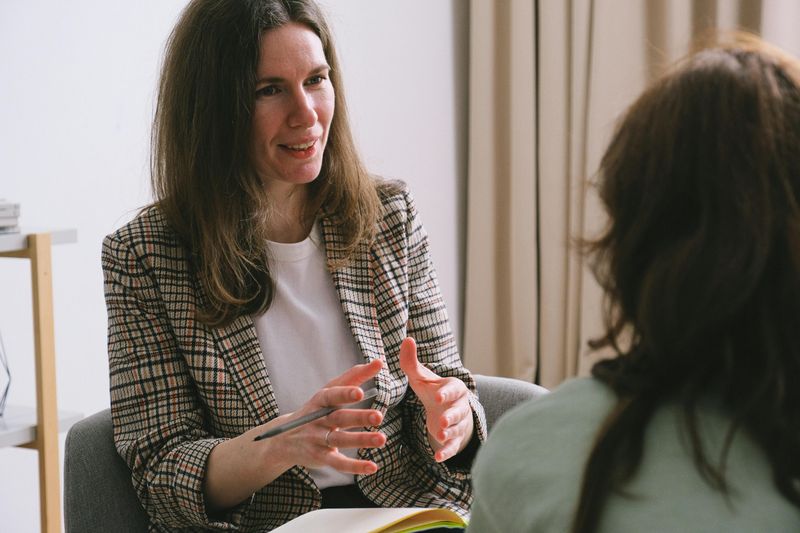
After reading one article about communication, you suddenly think you are a relationship expert who can fix everyone’s problems. The Dunning-Kruger effect describes how people with limited knowledge often feel the most confident.
You might give friends terrible advice because you overestimate your understanding of complex situations. Meanwhile, people with actual expertise tend to doubt themselves more because they understand how complicated relationships truly are. This bias can make you seem arrogant or cause you to dismiss valuable input from others.
Stay humble by recognizing that every relationship teaches you something new. Listening more than you speak and admitting when you do not have answers makes you a better friend than pretending to know everything.
12. Framing Effect

Your mom says you only visit twice a month, making you sound neglectful. You say you visit eight times every two months, making you sound devoted. Same facts, totally different feelings based on how information gets presented.
The framing effect shows how word choice and context completely change your perception of identical situations. In relationships, how someone describes an event influences your reaction more than the actual event itself. Arguments often happen because two people frame the same situation in opposite ways.
Practice reframing situations from the other person’s perspective before reacting. Understanding that multiple true versions of the same story exist helps you respond with empathy instead of defensiveness or anger.