 MomSkoop

Owning a home comes with plenty of expenses, from utility bills to maintenance costs. But what if you could keep more money in your pocket without sacrificing comfort or quality? Smart homeowners know that small changes can add up to big savings over time. These practical tips will help you reduce expenses while maintaining your home beautifully.
1. Repurpose Used Furniture
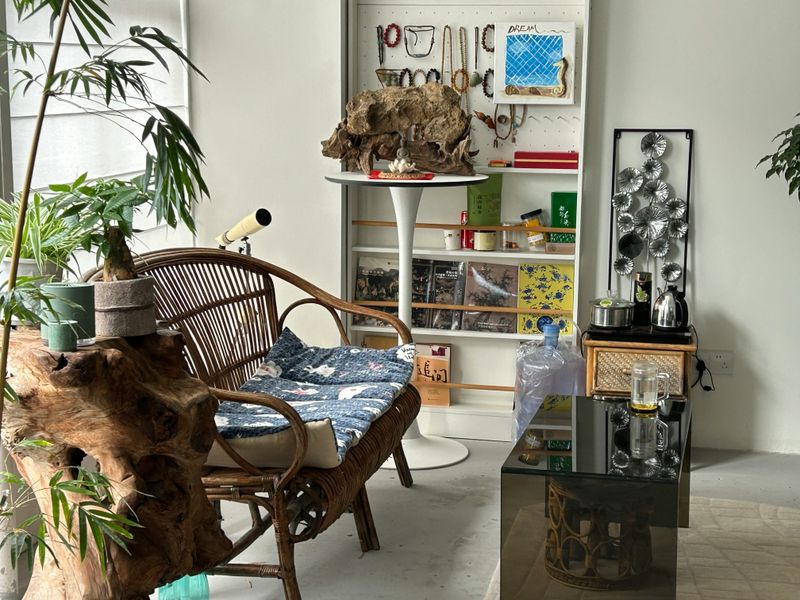
Buying brand-new furniture can drain your wallet faster than you think. Instead of heading to expensive stores, explore thrift shops, garage sales, and online marketplaces for gently used pieces. A fresh coat of paint or new cushions can transform an old table or chair into something that looks custom-made.
Many homeowners spend thousands on furniture when they first move in. However, secondhand furniture often has better quality construction than modern budget pieces. With a little creativity and elbow grease, you can create a unique, stylish home for a fraction of the cost.
Plus, repurposing furniture is better for the environment. You are keeping items out of landfills while saving money at the same time.
2. Install Timers and Smart Thermostats
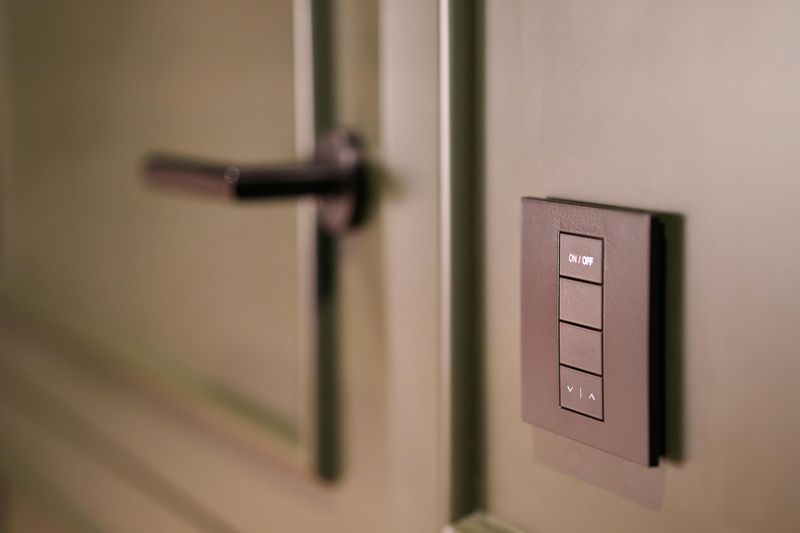
Your heating and cooling system probably uses more energy than any other appliance in your home. A programmable thermostat lets you automatically adjust temperatures when you are sleeping or away. Smart thermostats take this further by learning your schedule and adjusting themselves.
Most families can save hundreds of dollars yearly by simply lowering temperatures at night and when nobody is home. The thermostat does all the work automatically, so you never have to remember to adjust it. Installation is usually simple enough for a handy homeowner to tackle.
Some utility companies even offer rebates for purchasing energy-efficient thermostats. Check with your provider before buying to maximize your savings right from the start.
3. Rent Tools Instead of Buying
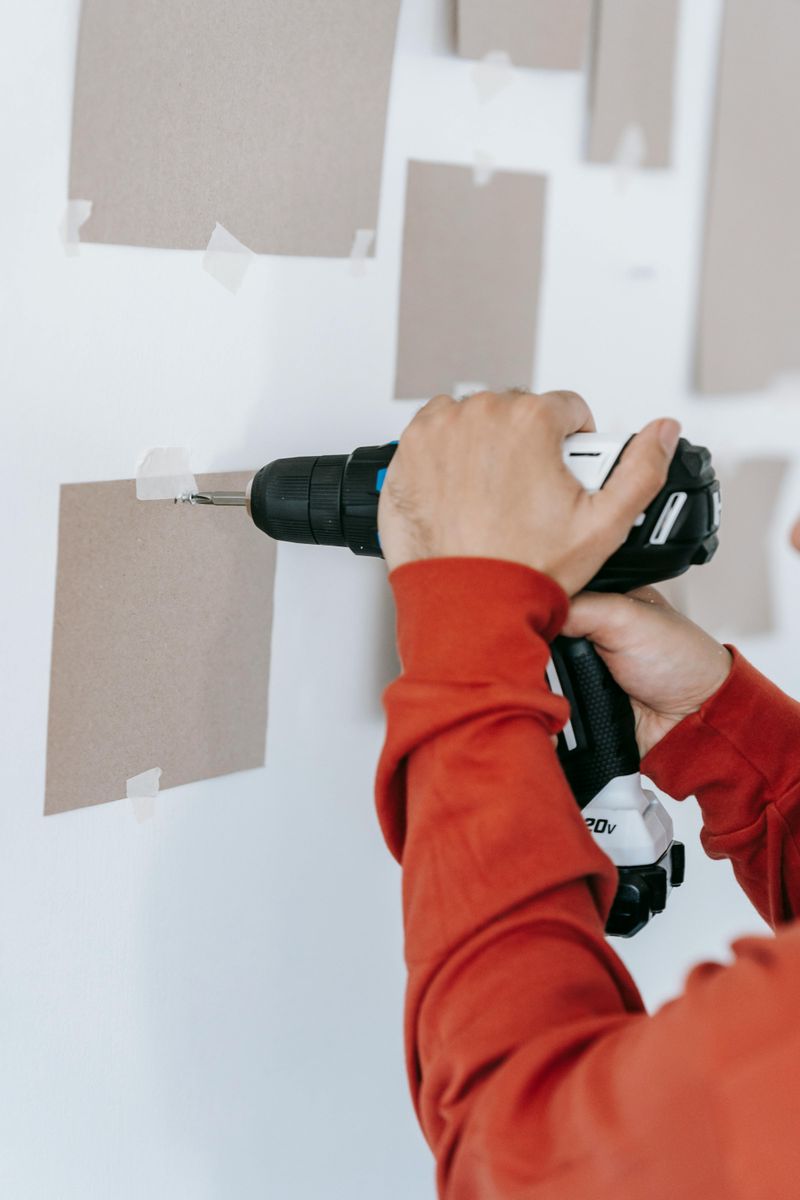
Power tools and specialized equipment can cost hundreds or even thousands of dollars. But here is the thing: most homeowners only need these tools once or twice a year. Renting makes much more sense for occasional projects like pressure washing your deck or aerating your lawn.
Hardware stores and rental centers offer daily or weekly rates that cost far less than purchasing. You also avoid storage problems and maintenance hassles. When the job is done, simply return the tool and forget about it.
Before your next big project, calculate the rental cost versus purchase price. You will probably discover that renting saves you serious money while still getting professional results.
4. Make Your Own Household Cleaners

Store-bought cleaning products contain fancy packaging and marketing costs that you ultimately pay for. Meanwhile, simple ingredients like vinegar, baking soda, and dish soap can handle almost every cleaning job in your home. These basic supplies cost just a few dollars and last for months.
Mixing your own cleaners takes only minutes and works just as well as expensive brands. An all-purpose cleaner might combine water, vinegar, and a few drops of essential oil for fragrance. Windows sparkle with a simple vinegar-water solution.
Besides saving money, homemade cleaners reduce chemical exposure for your family and pets. You will know exactly what ingredients touch your surfaces and breathe easier knowing your home is truly clean.
5. Save More on Groceries via Cashback Apps

Grocery bills represent one of the biggest monthly expenses for most families. Cashback apps like TopCashback and Quidco put money back in your pocket just for buying things you already need. Simply scan receipts or shop through their links to earn rewards.
These apps partner with thousands of retailers and brands to offer cashback on everyday purchases. Over time, small percentages add up to real savings that you can withdraw or spend. Many users earn hundreds of dollars annually without changing their shopping habits.
Combine cashback apps with coupons and store sales for maximum impact. Planning meals around discounted items multiplies your savings even further while reducing food waste at home.
6. Drive Slower To Save Money on Gas

Aggressive driving and high speeds guzzle gas faster than you might realize. Every five miles per hour over 50 mph is like paying an extra 20 cents per gallon. Slowing down and driving smoothly can improve your fuel economy by up to 30 percent on highways.
Rapid acceleration and hard braking waste fuel unnecessarily. Coasting to stops and gradually speeding up keeps more money in your wallet. Using cruise control on highways maintains steady speeds and optimizes efficiency.
Proper tire inflation also plays a huge role in fuel economy. Check your tire pressure monthly and keep them inflated to the recommended level for even better gas mileage and safer driving.
7. Grow Your Own Vegetables
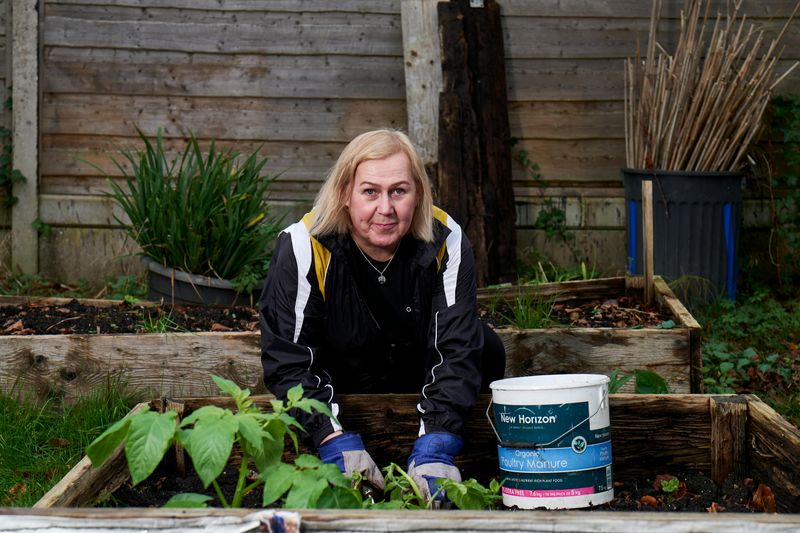
Fresh produce prices keep climbing, but a small garden can supply your family with vegetables for pennies. Even a few pots on a sunny balcony can grow tomatoes, peppers, and herbs. Seed packets cost just a couple of dollars and produce pounds of food.
Gardening connects you with your food while providing healthy exercise outdoors. Kids especially enjoy watching plants grow and taste better when they help cultivate them. Starting small prevents overwhelm while you learn what grows best in your area.
Homegrown vegetables taste incredibly fresh compared to store-bought options. You will also avoid pesticides and reduce packaging waste, making this an environmentally friendly money-saver that benefits everyone.
8. Install a Clothes Line
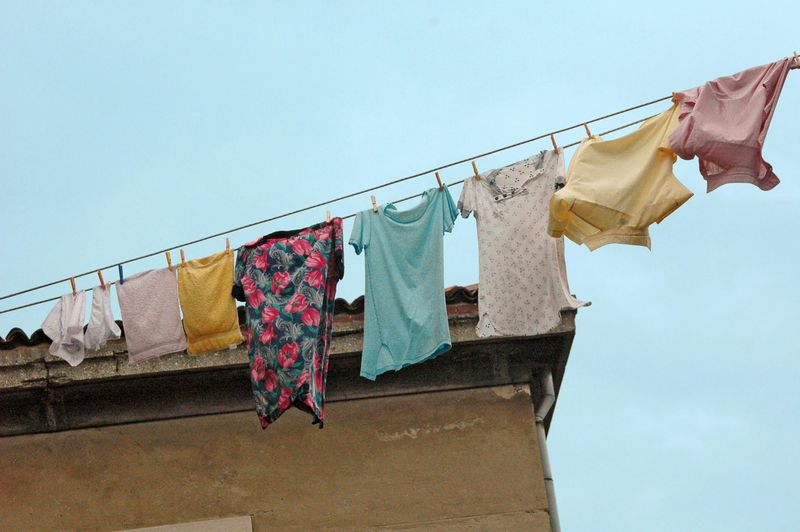
Electric dryers rank among the biggest energy hogs in your home. A simple clothesline or drying rack costs almost nothing and uses zero electricity. Sunshine naturally sanitizes and freshens clothes while saving you money on every load.
Air-dried clothes last longer because heat from dryers breaks down fabric fibers over time. Your favorite shirts and jeans will maintain their color and shape better. On rainy days, an indoor drying rack works perfectly in a spare room or basement.
Some homeowners save over $200 yearly by line-drying most of their laundry. The initial investment is minimal, and the payback happens almost immediately through lower utility bills each month.
9. Weatherstripping To Lower Utility Bills
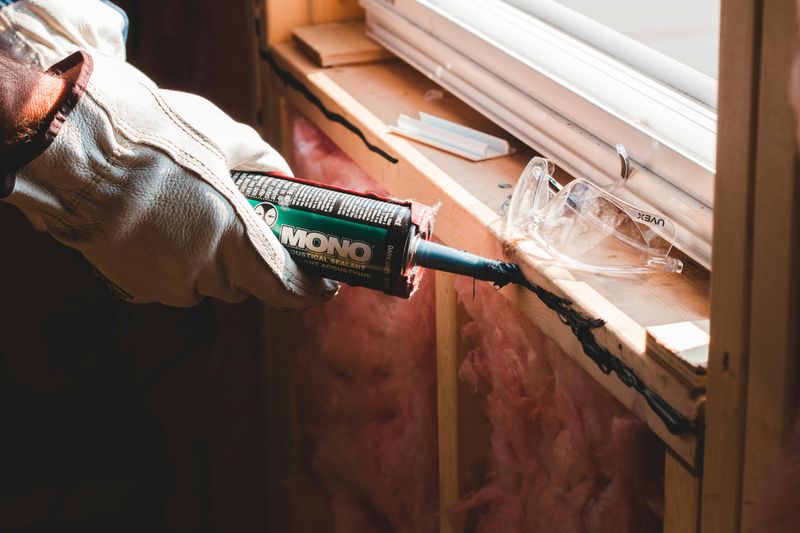
Air leaks around doors and windows force your heating and cooling system to work overtime. Weatherstripping seals these gaps and can reduce energy bills by 10 to 20 percent. The materials cost just a few dollars per door or window.
Installation requires no special skills or expensive tools. Most weatherstripping products have adhesive backing that sticks right to door frames and window sashes. You can complete your entire house in an afternoon.
Feel around doors and windows on a windy day to find problem areas. Even small drafts waste energy and make rooms uncomfortable. Sealing them improves comfort while cutting costs throughout the year, especially during extreme weather.
10. Basic Car Maintenance
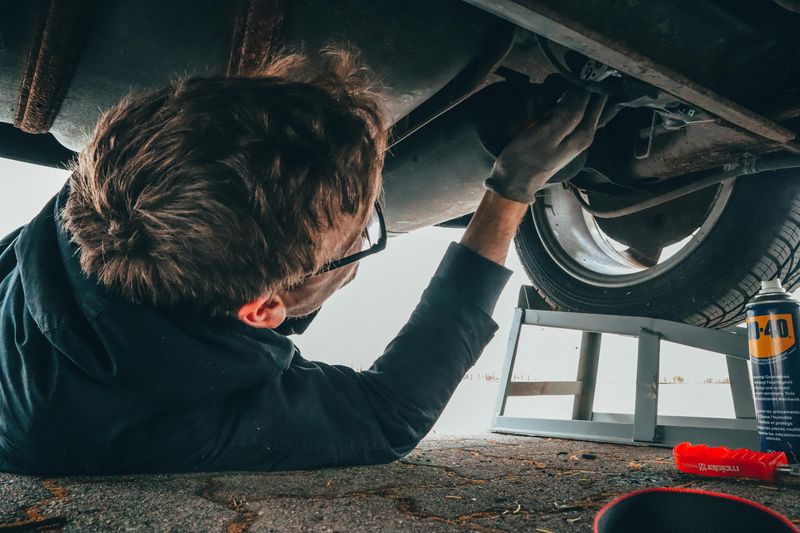
Mechanics charge premium prices for simple tasks like oil changes, air filter replacements, and tire rotations. Learning these basic skills can save hundreds of dollars annually. Online videos walk you through each step, making it easier than ever to maintain your vehicle.
An oil change at a shop might cost $50, but doing it yourself costs around $20 in materials. Air filters take five minutes to replace and cost a fraction of shop prices. These small savings add up quickly over a year.
Regular maintenance prevents expensive repairs down the road. Taking care of your car yourself means you know exactly what was done and when, giving you peace of mind and extra cash.
11. Switch to LED Light Bulbs
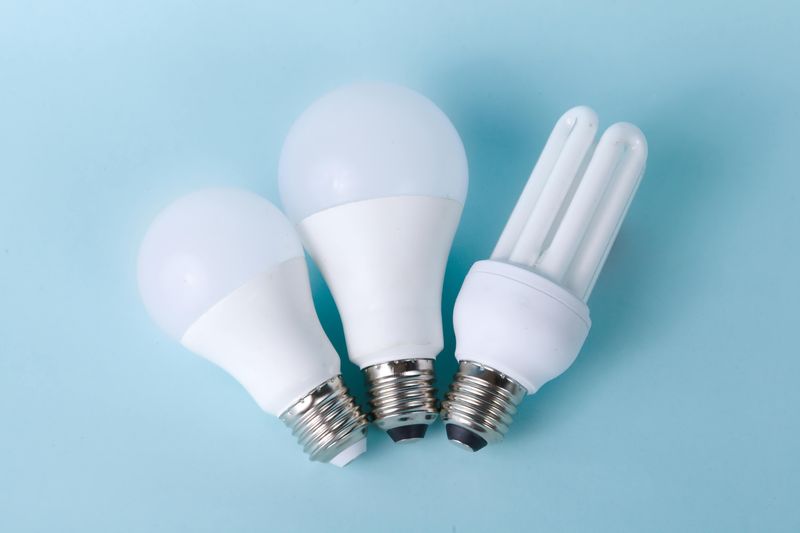
Traditional incandescent bulbs waste most of their energy as heat rather than light. LED bulbs use about 75 percent less electricity and last up to 25 times longer. Though they cost more upfront, the long-term savings are undeniable.
A single LED bulb can save you over $80 in electricity costs during its lifetime. Replace your most-used lights first to see immediate impact on your utility bills. Most LEDs now offer warm, pleasant light that feels just like traditional bulbs.
Calculate how many bulbs you have burning several hours daily. Switching just those high-use fixtures creates noticeable savings. As old bulbs burn out, replace them with LEDs to gradually transform your entire home affordably.
12. Cancel Unused Subscriptions and Memberships

Monthly subscriptions sneak up on you, quietly draining your bank account for services you rarely use. Gym memberships, streaming platforms, magazine subscriptions, and app services can total hundreds of dollars monthly. Take an hour to review your statements and cancel what you do not need.
Many people forget about free trials that automatically convert to paid subscriptions. Check your credit card statements carefully for recurring charges you do not recognize. Even saving $10 monthly equals $120 annually that could go toward home improvements.
Consider rotating subscriptions instead of maintaining them all year. Watch one streaming service for a few months, cancel it, then switch to another. This strategy lets you enjoy entertainment without paying for everything simultaneously.