 MomSkoop

Getting dressed shouldn’t feel like solving a puzzle every morning. If you’ve ever stood in front of your closet feeling overwhelmed by choices yet convinced you have nothing to wear, you’re not alone.
Building simple fashion systems takes the guesswork out of your daily routine, giving you more time and mental energy for what really matters.
1. Build a Capsule Wardrobe

Start by cutting your wardrobe down to about 30-40 pieces that all work together. This means keeping only clothes you actually wear and love, not things you think you should wear someday.
When everything coordinates, you can grab almost any top and pair it with any bottom without worrying. No more buying cute pieces that don’t match anything else.
A capsule wardrobe saves you time, money, and closet space. You’ll stop impulse shopping because you’ll know exactly what fits into your collection and what doesn’t belong there at all.
2. Choose Your Color Palette

Pick two or three neutral colors as your foundation—think black, navy, grey, beige, or white. Then add two accent colors that you genuinely love wearing and that complement your skin tone.
This simple rule means every piece in your closet can mix with multiple other items. You won’t end up with orphan clothes that only work with one specific thing.
Shopping becomes easier too because you can quickly decide if something fits your palette. If it doesn’t match your chosen colors, walk away no matter how cute it looks on the rack or screen.
3. Create Outfit Formulas

Think of outfit formulas as recipes for getting dressed. For example: blazer plus jeans plus flats equals instant polish for casual Friday or weekend brunch with friends.
Write down five to seven formulas that work for your lifestyle. Maybe it’s sweater plus midi skirt plus boots, or tee plus trousers plus sneakers for running errands comfortably.
Once you have your formulas memorized, getting dressed becomes automatic. You’re not creating something new each morning—you’re just plugging different pieces into a proven formula that already works perfectly for your body and schedule.
4. Invest in Core Basics
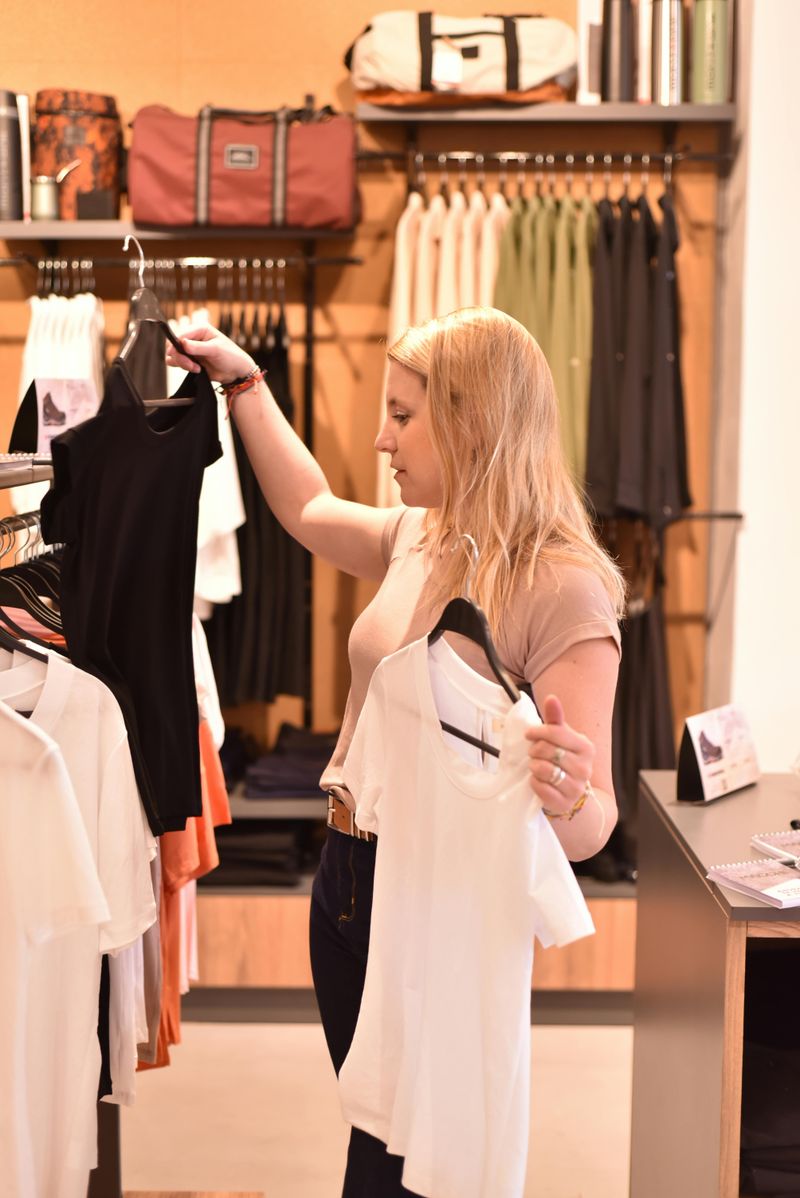
Every wardrobe needs heroes—those reliable basics that fit perfectly and make you feel confident. We’re talking about your best-fitting jeans, a flattering white tee, a blazer that actually suits your shoulders, and trousers that don’t need constant adjusting.
These pieces might cost more upfront, but they’re worth it because you’ll wear them constantly. Quality basics last longer and look better wash after wash.
When your foundation is solid, everything else becomes easier. You can add trendy pieces here and there, but your core basics keep your wardrobe functional and stress-free every single day.
5. Declutter Ruthlessly

Pull everything out and be brutally honest about what you actually wear. If you haven’t worn something in a year, it’s taking up valuable space and mental energy every time you see it hanging there.
Get rid of clothes that don’t fit right now, pieces you’re keeping out of guilt, and anything that makes you feel less than amazing. Your closet should only contain items that are practical and pleasing.
A smaller, curated wardrobe is so much easier to manage. You’ll actually see what you own, which stops you from buying duplicates and helps you get dressed faster each morning.
6. Stick to Timeless Silhouettes

Trends come and go faster than you can say fast fashion, but classic silhouettes never look dated. Straight-leg pants, A-line skirts, tailored blazers, and simple shift dresses have looked good for decades and will continue looking good.
When you focus on timeless shapes, you avoid the cycle of buying something trendy, wearing it twice, then feeling silly when the trend dies. Quality pieces in classic cuts give you better value.
This doesn’t mean dressing boring—it means building a foundation that won’t embarrass you in photos five years from now. You can still express personality through colors, textures, and accessories.
7. Design Setting-Specific Formulas

Create one reliable outfit formula for each major area of your life: work, home, and going out. This way you’re never starting from scratch depending on where you’re headed that day.
Your work formula might be tailored pants, a blouse, and loafers. Home could be joggers, a cozy sweater, and slides. Going out might mean a slip dress, leather jacket, and heeled boots.
Having these formulas ready means you can dress appropriately for any situation without overthinking it. You know what works for each setting, so you just adapt the formula with the weather or your mood.
8. Limit Patterns and Details

Bold patterns and lots of decorative details can be fun, but they’re harder to mix and match. One loud print limits your options because it only pairs well with certain things in your closet.
Instead, focus on interesting textures and subtle patterns like thin stripes, small dots, or tonal prints. These give visual interest without screaming for attention or clashing with everything else you own.
Solid colors in beautiful fabrics—think cashmere, linen, silk, or quality cotton—look sophisticated and never get boring. You can wear them repeatedly without people noticing because they blend seamlessly into different combinations every time.
9. Choose Versatile Accessories
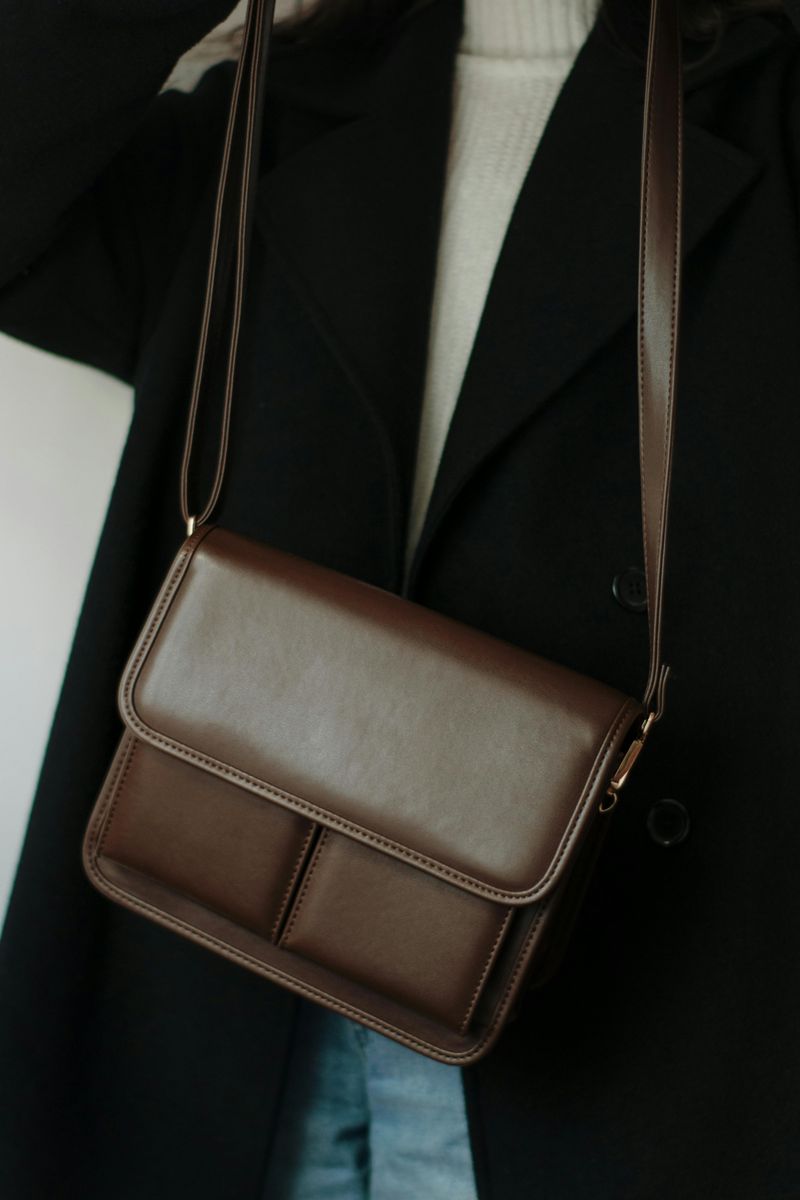
Accessories can make or break an outfit, but you don’t need dozens of shoes and bags. Instead, invest in a few high-quality pieces that work with almost everything you own.
One great leather bag in a neutral shade, a classic watch, simple jewelry in your preferred metal, and shoes in black, nude, and maybe one fun color will cover most situations. These workhorses go with countless outfits.
When your accessories are versatile, you don’t waste money on single-use items that only match one dress. Everything in your collection earns its keep by working hard across your entire wardrobe.
10. Define Your Signature Style
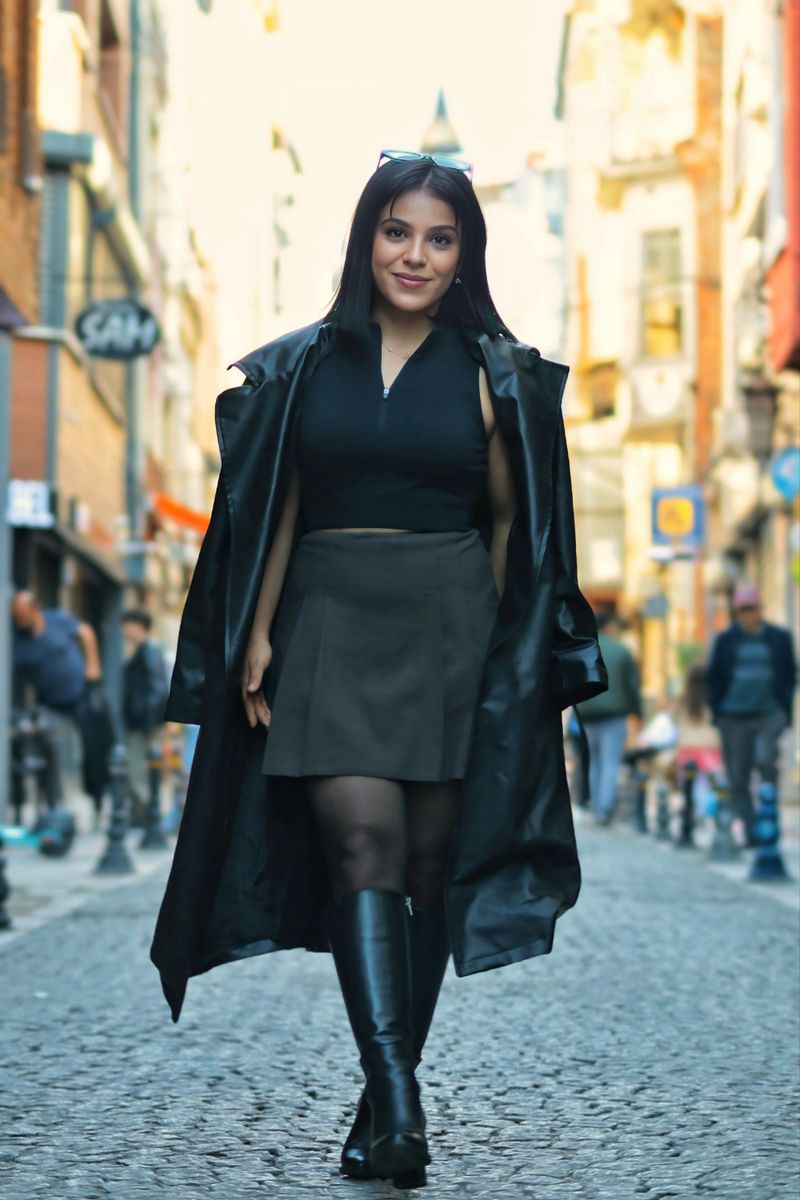
Pick one or two elements that feel uniquely you—maybe it’s always wearing red lipstick, throwing on a leather jacket, or choosing clothes with interesting sleeve details. This becomes your style signature.
Having a signature helps you recognize what fits your aesthetic when shopping. If something doesn’t align with your signature style, it’s probably not right for you, even if it looks great on someone else.
This trick also makes getting dressed easier because you’re not trying to be someone different every day. You know who you are style-wise, and you dress accordingly with confidence and consistency that people notice.
11. Adopt a Uniform Mindset
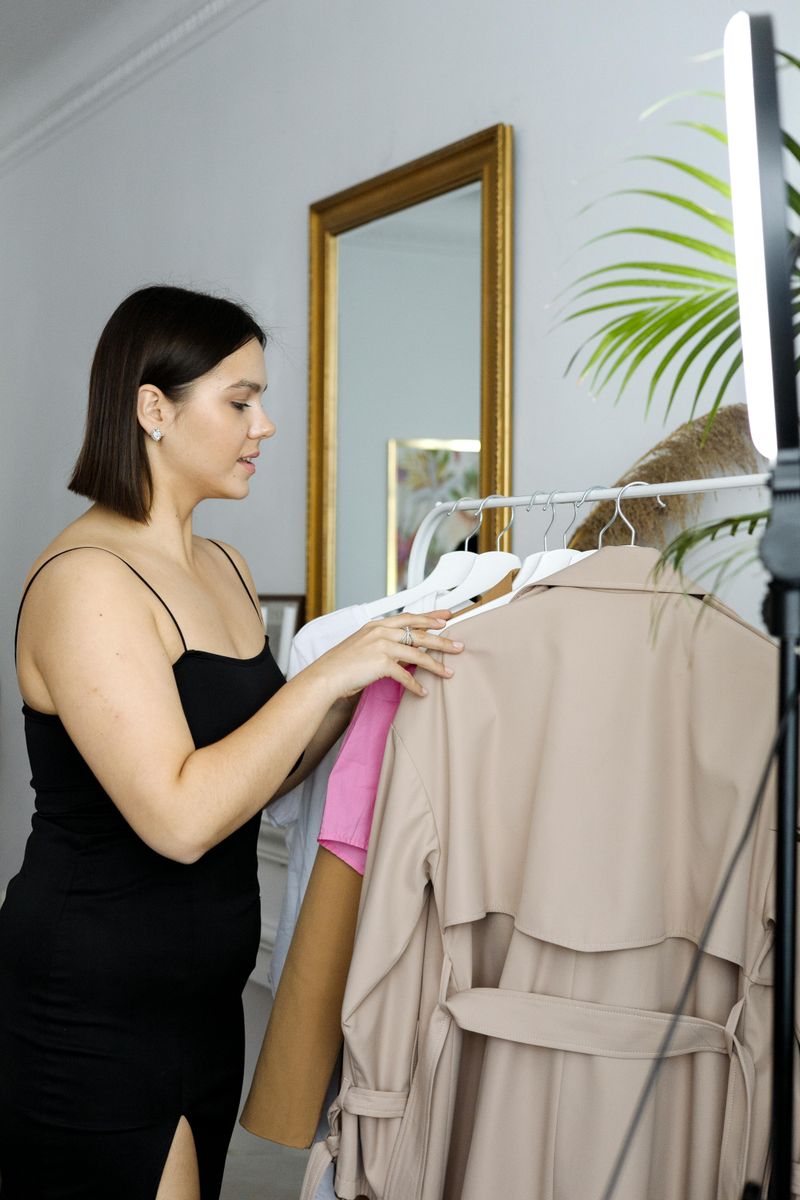
Some of the most stylish people wear virtually the same thing every day with tiny variations. Steve Jobs had his black turtleneck, and you can have your version too—call it your youniform.
Pick three to five outfit combinations you feel great in and simply rotate them throughout the week. Change up accessories or swap a navy sweater for grey, but keep the basic formula consistent and reliable.
This might sound boring, but it’s actually incredibly freeing. You’re not wasting brain power on outfit decisions every morning, and you always look put-together because you’re wearing combinations you know work flawlessly on your body.
12. Ask Three Questions Before Buying

Before purchasing anything new, run it through this quick test: Does it fit my color palette? Will it mix with at least three things I already own? Does it reflect my signature style?
If the answer to any question is no, put it back. This simple system prevents impulse buys that end up unworn in your closet with the tags still attached six months later.
These three questions keep your wardrobe cohesive and functional. Every new piece earns its place by working with your existing system rather than creating more confusion and clutter that makes getting dressed harder instead of easier.