 MomSkoop
American kitchens have changed dramatically over the past few decades, and some foods that were once dinner table staples have quietly disappeared from our cooking routines.
Busy lifestyles, changing tastes, and new food trends have pushed certain classic dishes to the back of our memories.
Many foods our grandparents cooked regularly now seem strange or outdated to younger generations.
Join us as we explore twelve everyday foods that Americans have quietly stopped preparing at home.
1. Jell-O and Gelatin Salads
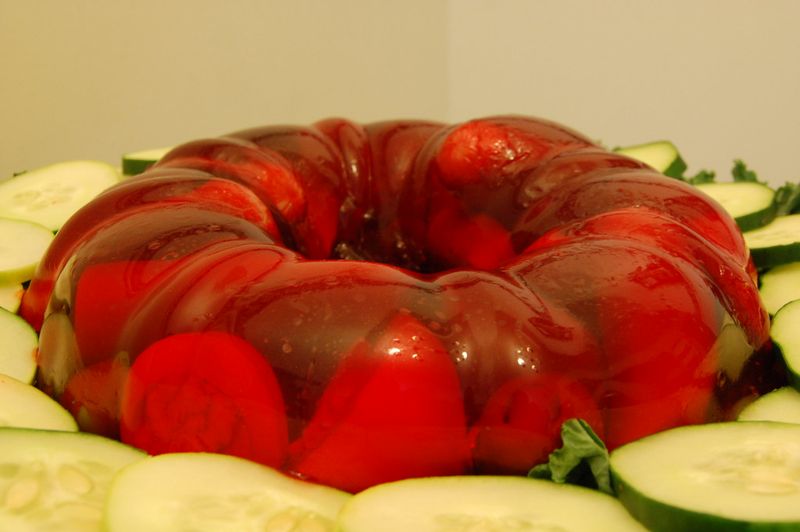
Grandma’s shimmering gelatin molds once graced every holiday table and potluck dinner across America.
These colorful creations mixed fruit, vegetables, and sometimes even meat or cheese into flavored gelatin, then chilled in fancy molds.
They represented culinary creativity in the 1950s and 1960s.
Modern cooks find these dishes odd and time-consuming compared to simpler side options.
Fresh salads and roasted vegetables have replaced these wiggly concoctions.
The special molds now collect dust in attic boxes.
Younger generations often laugh at vintage recipe cards showing lime Jell-O with cottage cheese or tomato aspic.
What once symbolized sophistication now feels like a strange food relic from another era.
2. Cottage Cheese as a Staple Snack
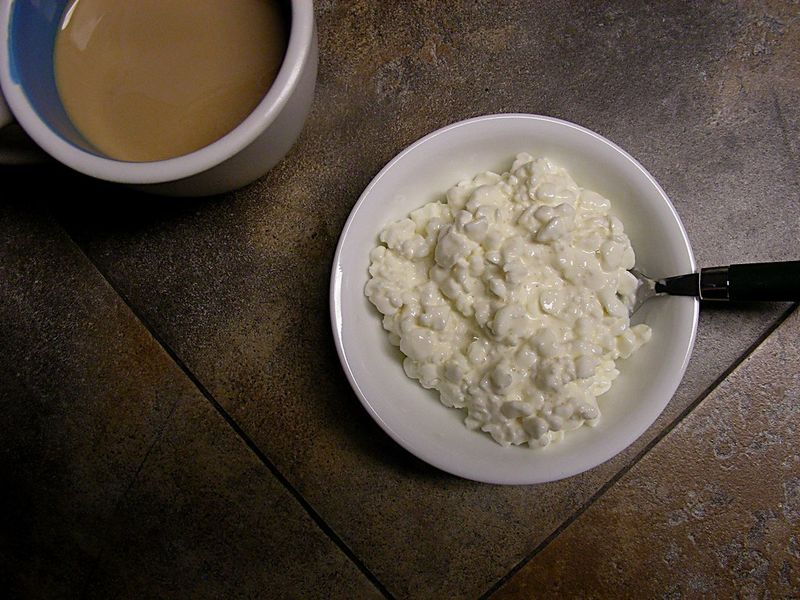
Not too long ago, cottage cheese sat in almost every American refrigerator as the go-to healthy snack.
Dieters loved it for being high in protein and low in calories.
People ate it plain, with fruit, or sprinkled with pepper for a quick meal.
Today’s snackers prefer Greek yogurt, hummus, or protein bars instead.
Cottage cheese’s lumpy texture doesn’t photograph well for social media, which may have hurt its popularity among younger eaters.
Grocery stores still stock it, but sales have dropped significantly.
The comeback attempts with whipped varieties and flavored options haven’t quite worked.
Once a diet staple, cottage cheese now feels old-fashioned to most shoppers browsing the dairy aisle.
3. Fruitcake
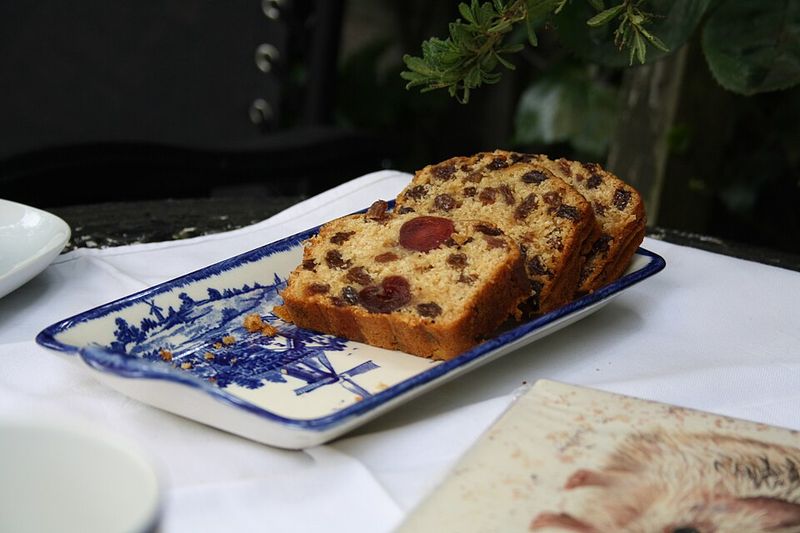
Heavy, dense, and packed with candied fruit, fruitcake was once the ultimate holiday gift and Christmas dessert tradition.
Families baked them weeks ahead, sometimes soaking them in rum or brandy.
Mail-order fruitcakes arrived in decorative tins from specialty bakeries.
Somewhere along the way, fruitcake became America’s most-joked-about dessert.
Comedy routines mocked its weight and longevity, claiming the same fruitcake got re-gifted for years.
Younger generations grew up hearing these jokes more than tasting actual fruitcake.
Modern holiday bakers choose chocolate cakes, pies, or cookies instead.
The fruitcake tradition has nearly vanished, surviving mostly as a punchline rather than a beloved seasonal treat worth making.
4. TV Dinners and Traditional Frozen Meals
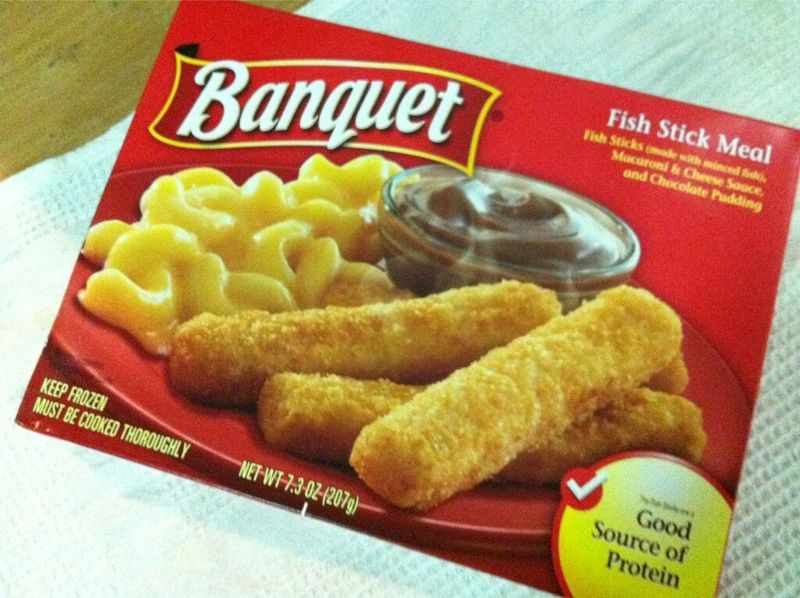
The aluminum tray TV dinner revolutionized American eating in the 1950s, offering complete meals that heated in the oven while families watched television.
Salisbury steak, turkey with stuffing, and fried chicken dinners came in compartmentalized trays.
They represented modern convenience and futuristic living.
Today’s freezer aisles still have frozen meals, but the classic TV dinner format has mostly disappeared.
People now choose microwaveable bowls, meal kits, or food delivery services instead.
The nostalgia factor remains, but few actually buy or eat them regularly.
Modern frozen options focus on health, global flavors, and dietary restrictions rather than mimicking traditional home-cooked dinners in foil trays.
5. Spam as a Common Home Meal

This canned meat product once appeared regularly in American home cooking, especially during and after World War II when fresh meat was scarce.
Cooks fried it for breakfast, added it to casseroles, or made Spam sandwiches.
Many families considered it an affordable protein staple.
Cultural attitudes shifted, and Spam became associated with poverty or low-quality food in mainland America.
While it remains beloved in Hawaii and some other places, most American households stopped cooking with it decades ago.
The bright blue can now triggers jokes rather than meal ideas.
Younger cooks rarely consider Spam when planning dinners, preferring fresh meats or plant-based proteins instead of this processed option.
6. Canned Meatballs
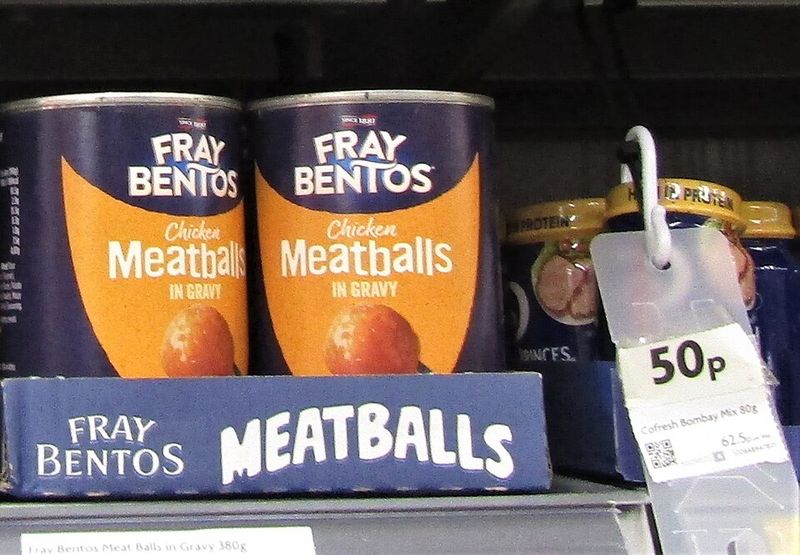
Pantry shelves once regularly held cans of pre-cooked meatballs swimming in gravy, ready for quick spaghetti dinners or meatball subs.
Busy parents relied on them for fast weeknight meals.
Just heat and serve over pasta or in a sandwich roll.
Fresh and frozen meatball options have largely replaced the canned variety.
People also make homemade meatballs more easily now with food processors and stand mixers.
The texture and flavor of canned meatballs can’t compete with fresher alternatives.
Most grocery stores still carry them, but they occupy shrinking shelf space.
The convenience they once offered doesn’t justify the taste compromise for today’s home cooks who expect better quality.
7. Deviled Ham Spread

Those little cans with the red devil logo were once lunchbox staples and sandwich spread favorites across America.
Deviled ham mixed finely ground ham with spices and seasonings, creating a smooth, spreadable product.
Kids and adults ate it on crackers, bread, or celery sticks.
Modern sandwich makers prefer deli meats, nut butters, or hummus instead of processed canned spreads.
Health concerns about processed meats and high sodium content have also reduced its appeal.
The distinctive flavor that once seemed normal now tastes overly salty and artificial to many palates.
Few young people today have even heard of deviled ham, let alone tried it or know how to use it in recipes.
8. Canned Vegetables as Primary Sides
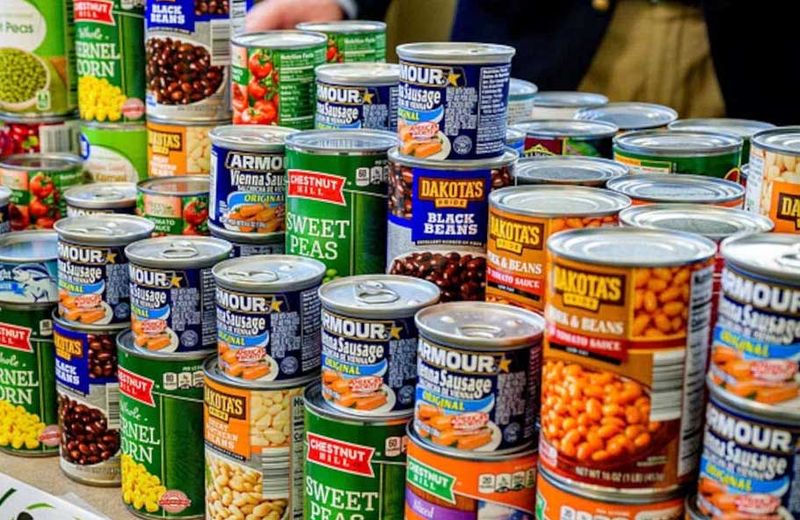
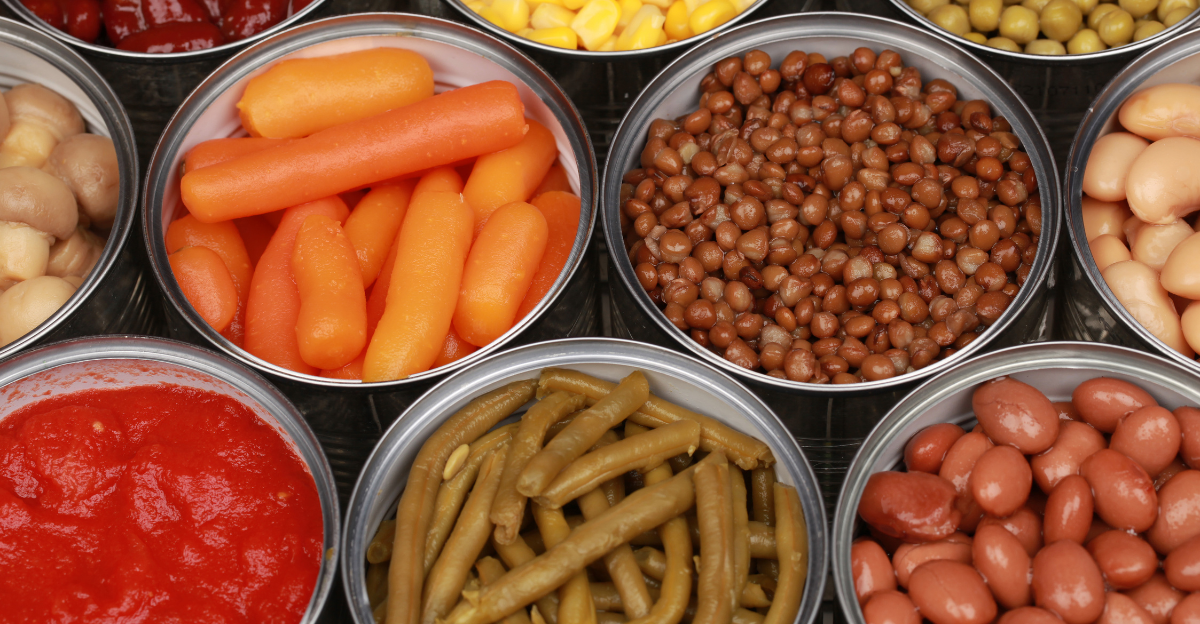
Opening cans of green beans, corn, or peas for dinner sides was standard practice in American kitchens for decades.
Families kept pantries stocked with various canned vegetables for convenience and long shelf life.
Just heat and serve alongside the main dish.
Fresh and frozen vegetable options have become more affordable and accessible, offering better taste and nutrition.
People now understand that freezing preserves nutrients better than canning.
The mushy texture and metallic taste of canned vegetables can’t compete with crisper alternatives.
While canned vegetables remain useful for emergencies or certain recipes, few families now rely on them as their primary vegetable source for daily meals like previous generations did.
9. Jellied Cranberry Sauce
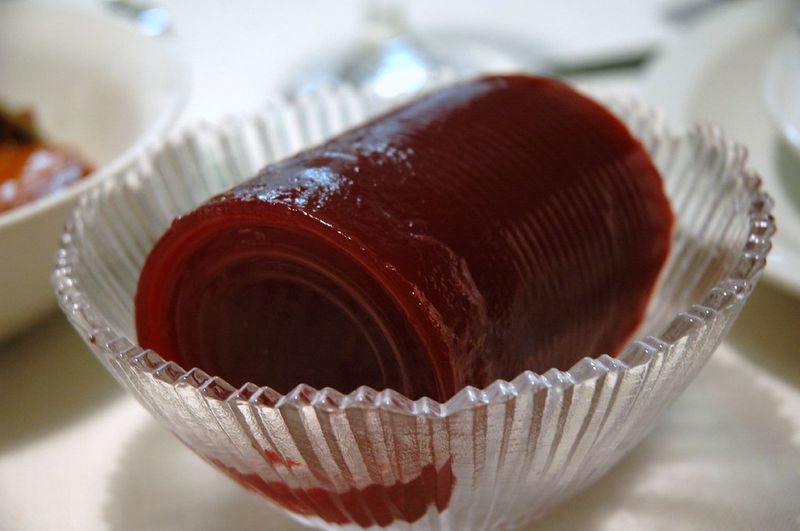
That wobbly cylinder of cranberry jelly, complete with can ridges, defined Thanksgiving dinners for generations of Americans.
Families sliced it into rounds and arranged them on plates beside turkey and stuffing.
The sweet-tart flavor and unique texture were holiday traditions.
Homemade cranberry sauce has gained popularity as people seek more natural, less processed holiday foods.
Fresh cranberries are inexpensive and simple to cook with orange, sugar, and spices.
Many find the canned version too sweet and artificial-tasting compared to homemade versions.
While grocery stores still stock jellied cranberry sauce each November, more families now skip it entirely or make their own from scratch for Thanksgiving celebrations.
10. Vienna Sausages
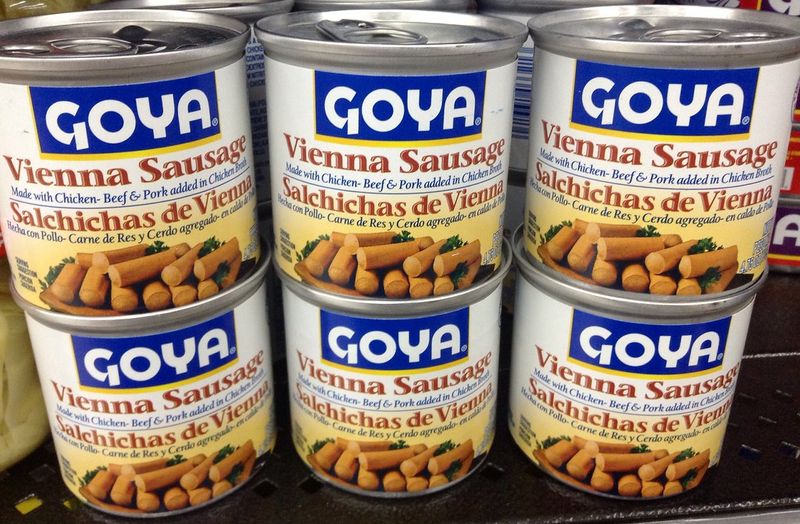
These tiny canned sausages were once popular quick snacks and camping food across America.
Kids ate them straight from the can, and adults added them to simple meals.
They provided cheap, shelf-stable protein that needed no refrigeration or cooking.
Health awareness about processed meats and sodium has reduced their appeal significantly.
The soft texture and mystery meat quality don’t match modern preferences for whole foods and cleaner ingredients.
Younger generations often find them unappetizing or don’t know they exist.
While still available in stores, Vienna sausages have become associated with poverty or emergency food supplies rather than everyday eating.
Most families have removed them from their regular shopping lists entirely.
11. Aspic and Savory Gelatin Dishes
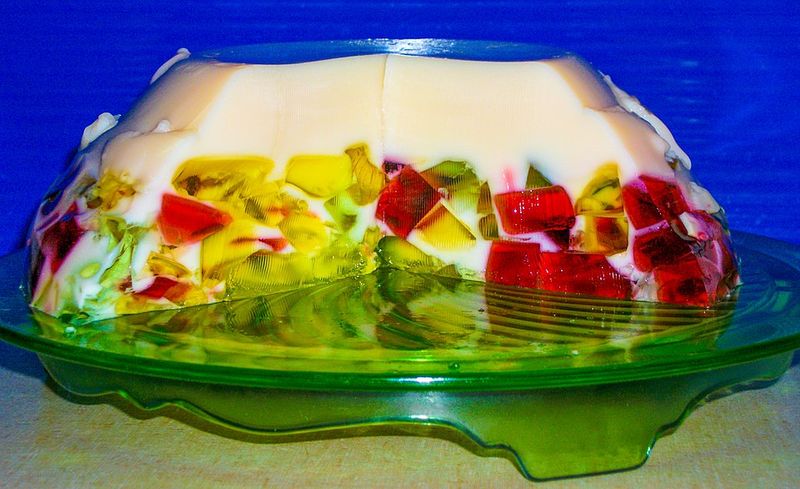
Savory gelatin dishes called aspic once represented elegant entertaining and sophisticated cooking skills.
Cooks suspended vegetables, meats, or seafood in clear or flavored gelatin, creating impressive molded presentations.
Fancy restaurants and home entertainers featured these shimmering creations prominently.
Modern diners find the concept of meat suspended in jiggly gelatin completely unappealing and strange.
What once symbolized culinary achievement now seems bizarre and unappetizing.
Food preferences have shifted dramatically toward fresh, simple presentations rather than elaborate molded dishes.
Aspic has virtually disappeared from American cooking, surviving only in some traditional European restaurants or historical cooking demonstrations.
Few people under fifty have ever tasted it or would want to try.
12. Olive Loaf Processed Deli Meat
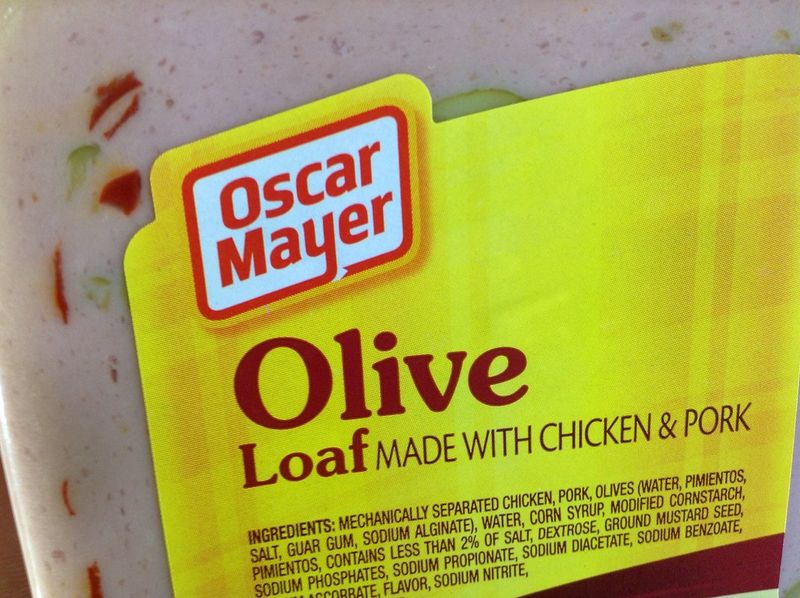
This pink processed luncheon meat studded with green olives was once a popular deli counter choice for sandwiches and cold cuts platters.
The combination of bologna-style meat with pimiento-stuffed olives seemed perfectly normal to previous generations.
Delis sliced it fresh for customers making sandwiches at home.
Tastes have changed dramatically, and olive loaf now seems odd rather than appetizing to most shoppers.
Deli counters stock less of it, and many younger people have never encountered it.
The processed meat category itself has fallen from favor as health concerns have grown.
Those who remember eating olive loaf sandwiches as children rarely buy it now, preferring turkey, ham, or roast beef instead for their deli needs.