 MomSkoop
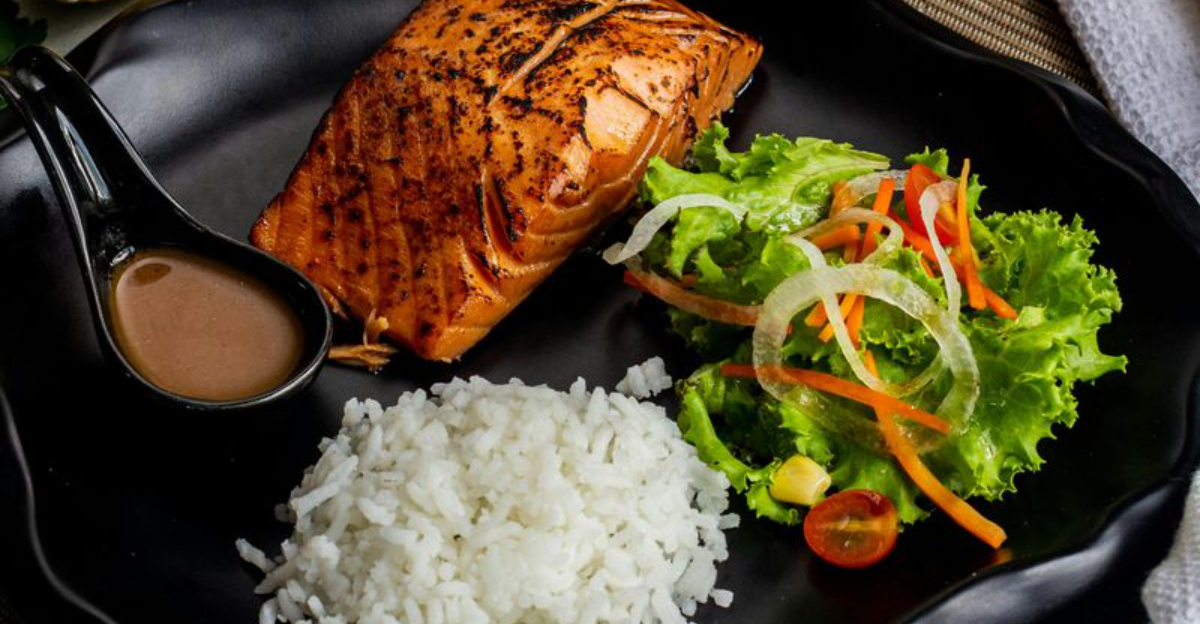
After turning 50, your body goes through natural changes that can throw your hormones out of whack, leading to mood swings, weight gain, fatigue, and sleep troubles.
The good news is that certain everyday foods can help restore balance and make you feel more like yourself again. By adding these nutrient-rich options to your meals, you can support your body’s hormone production naturally and enjoy better health overall.
1. Salmon

Rich in omega-3 fatty acids, salmon helps reduce inflammation throughout your body while supporting hormone production. These healthy fats are especially important for women experiencing menopause because they can ease hot flashes and mood changes.
Your brain needs omega-3s to produce serotonin, the feel-good hormone that keeps you happy and calm. Eating salmon twice a week provides enough of these essential nutrients to make a real difference.
Wild-caught varieties contain higher levels of beneficial oils than farmed versions. Try grilling, baking, or pan-searing salmon with simple seasonings for a delicious meal that supports your hormonal health naturally.
2. Avocados
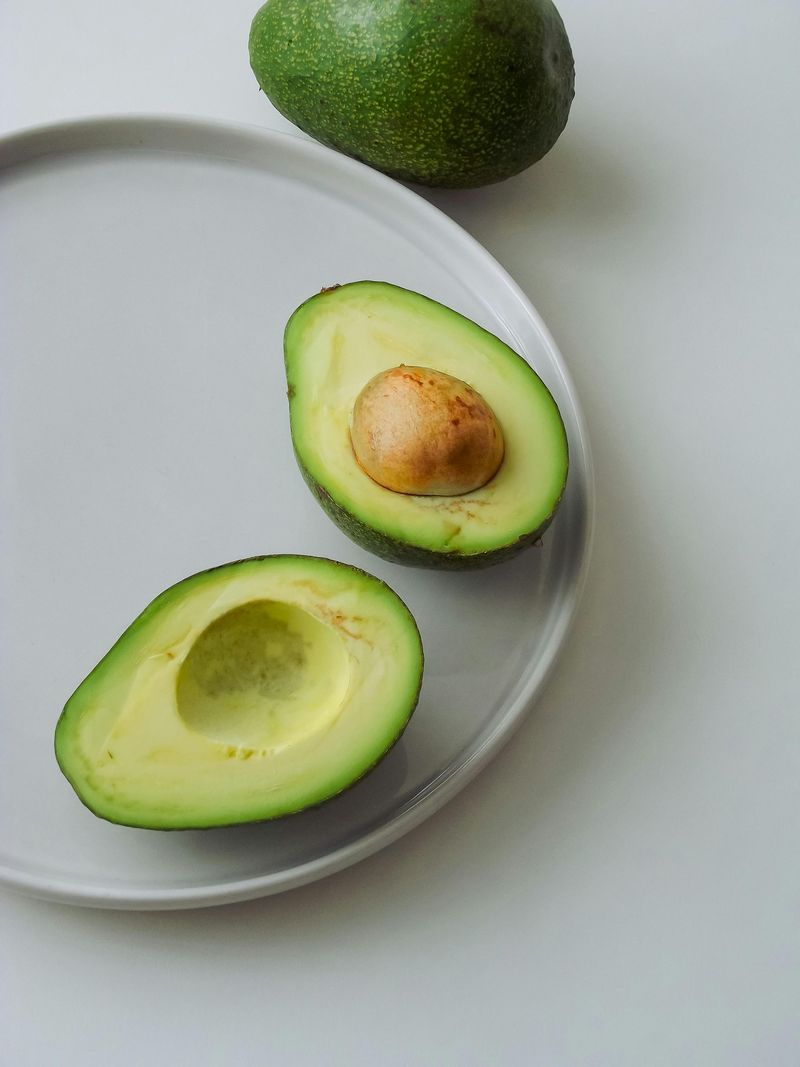
Creamy avocados pack a powerful punch when it comes to balancing hormones after 50. They contain beta-sitosterol, a plant compound that helps regulate cortisol, your body’s main stress hormone.
High cortisol levels can mess with your sleep, increase belly fat, and make you feel anxious. Avocados also provide healthy monounsaturated fats that your body uses to build hormones like estrogen and progesterone.
Plus, they’re loaded with fiber, which helps your digestive system remove excess hormones efficiently. Spread avocado on toast, toss it in salads, or blend it into smoothies for a hormone-friendly boost that tastes amazing and keeps you satisfied for hours.
3. Flaxseeds
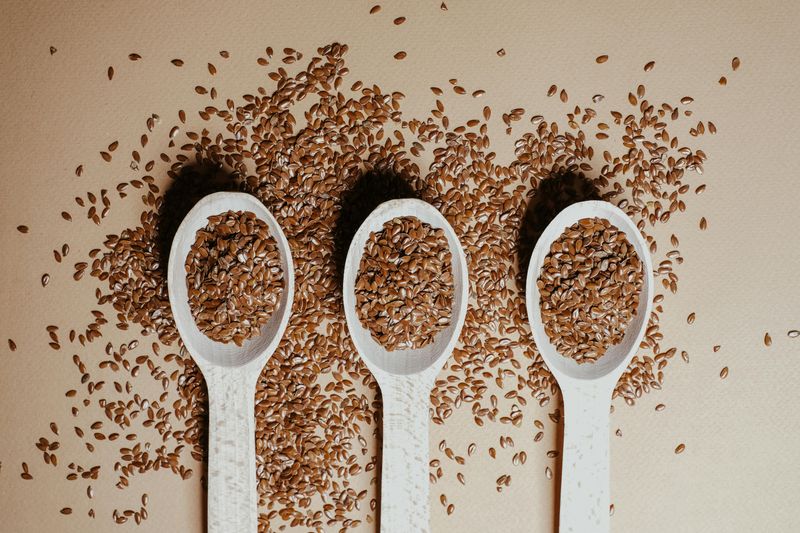
Tiny but mighty, flaxseeds contain lignans, which are plant compounds that act like weak estrogens in your body. When your natural estrogen levels drop after menopause, lignans can help fill the gap and reduce uncomfortable symptoms.
Ground flaxseeds are easier for your body to absorb than whole seeds, so consider grinding them fresh or buying pre-ground versions. They also provide fiber and omega-3 fatty acids that support heart health and reduce inflammation.
Sprinkle two tablespoons daily on yogurt, oatmeal, or smoothies. Store ground flaxseeds in your refrigerator to keep them fresh and preserve their nutritional benefits for maximum hormone-balancing power.
4. Broccoli
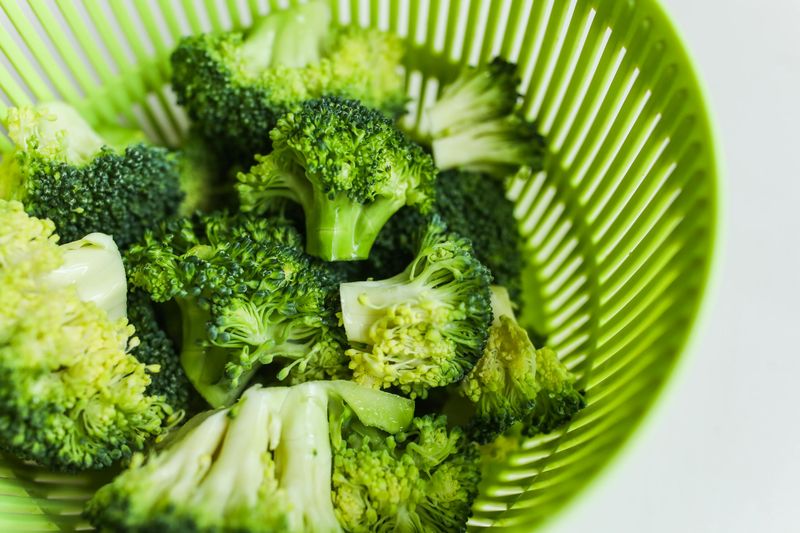
This green powerhouse contains a special compound called indole-3-carbinol that helps your liver break down excess estrogen. Too much estrogen floating around can cause weight gain, mood swings, and other frustrating symptoms.
Broccoli also provides sulforaphane, an antioxidant that protects your cells from damage and supports healthy hormone metabolism. Steam it lightly to preserve the most nutrients, or roast it with olive oil and garlic for extra flavor.
Eating cruciferous vegetables like broccoli three to four times weekly can make a noticeable difference in how you feel. Add it to stir-fries, pasta dishes, or enjoy it as a simple side vegetable.
5. Greek Yogurt
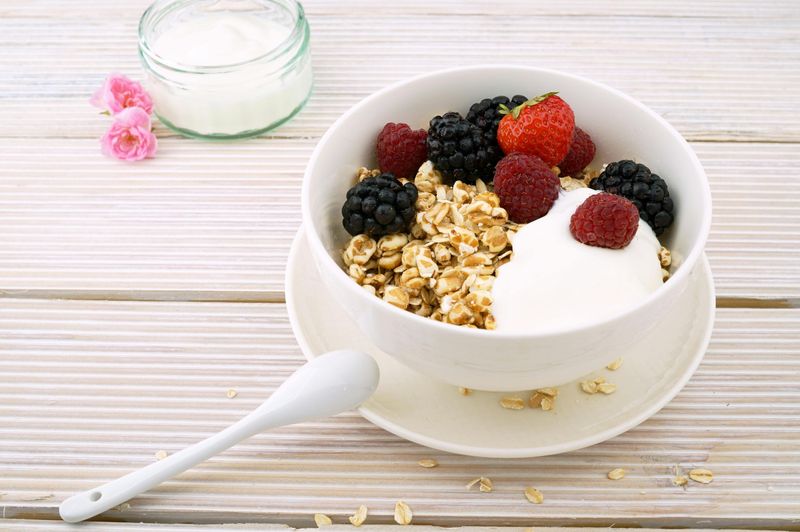
Packed with probiotics, Greek yogurt supports your gut health, which plays a huge role in hormone balance. Your intestines help remove old hormones from your body, but they need good bacteria to do the job properly.
Greek yogurt also provides calcium and vitamin D, two nutrients that become extra important after 50 for bone health and mood regulation. The high protein content helps stabilize blood sugar, preventing the insulin spikes that can throw other hormones off balance.
Choose plain varieties without added sugar, then sweeten naturally with berries or a drizzle of honey. Eating yogurt daily can improve your gut microbiome and support better hormonal health overall.
6. Walnuts

Crunchy walnuts offer more omega-3 fatty acids than any other nut, making them excellent for reducing inflammation and supporting brain health. Your brain uses these fats to produce neurotransmitters that regulate mood and sleep patterns.
Walnuts also contain melatonin, a hormone that helps you sleep better at night. Many people over 50 struggle with insomnia, and eating walnuts in the evening might help you drift off more easily.
A small handful daily provides just the right amount without overdoing calories. Toss them into salads, bake them into muffins, or simply snack on them raw for an easy way to support your hormones naturally and deliciously.
7. Sweet Potatoes
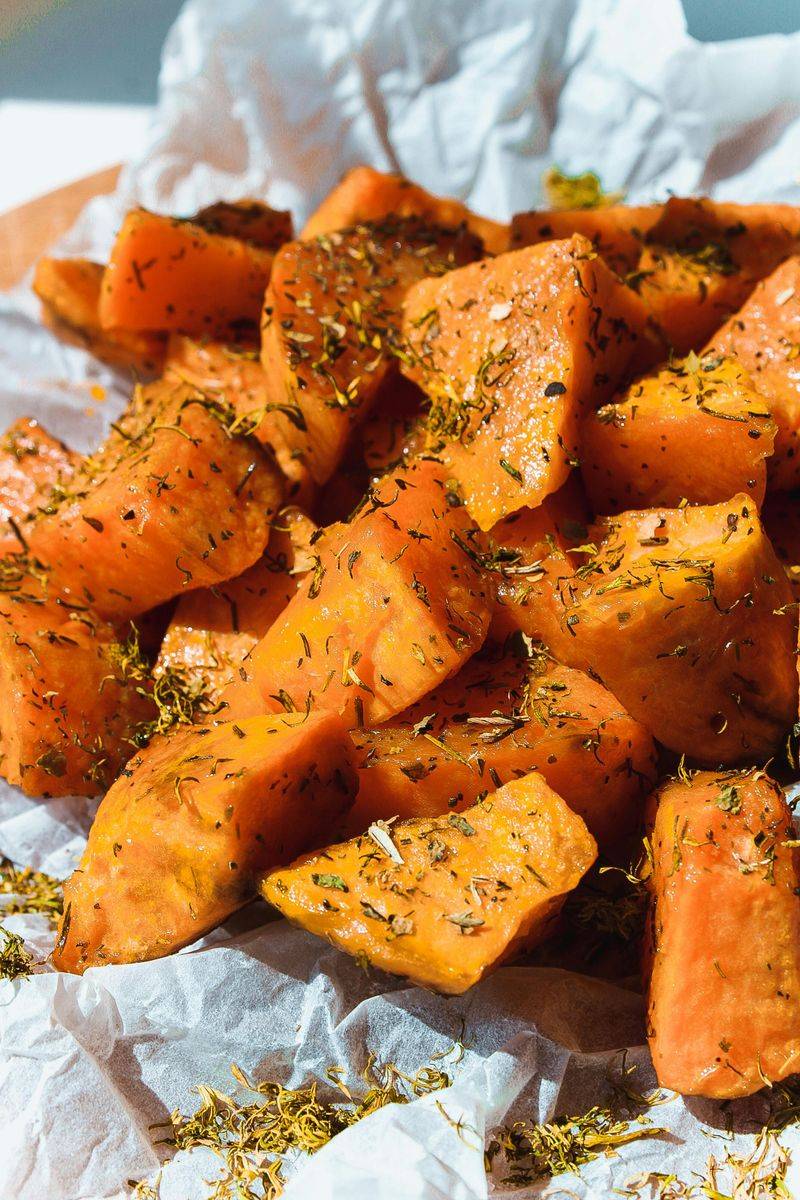
Vibrant sweet potatoes provide complex carbohydrates that help regulate blood sugar without causing dramatic spikes. Stable blood sugar is essential for balanced insulin levels, which affects nearly every other hormone in your body.
They’re also rich in vitamin B6, which your body needs to produce serotonin and reduce symptoms of depression and anxiety. The natural sweetness satisfies cravings while providing fiber that keeps you full.
Orange-fleshed varieties contain beta-carotene, an antioxidant your body converts to vitamin A for healthy skin and immune function. Bake, roast, or mash sweet potatoes as a nutritious side dish that supports hormonal wellness with every delicious bite you take.
8. Chickpeas

Versatile chickpeas contain phytoestrogens, plant compounds that gently mimic estrogen in your body and help ease menopausal symptoms. They’re also loaded with fiber and protein, which work together to keep blood sugar stable throughout the day.
Protein helps your body repair tissues and build hormones, while fiber supports healthy digestion and hormone elimination. Chickpeas provide magnesium, too, a mineral many people lack that’s crucial for stress management and sleep quality.
Roast them for crunchy snacks, blend them into hummus, or toss them into soups and salads. Eating legumes like chickpeas several times weekly provides steady hormone support without complicated meal planning or expensive supplements.
9. Spinach
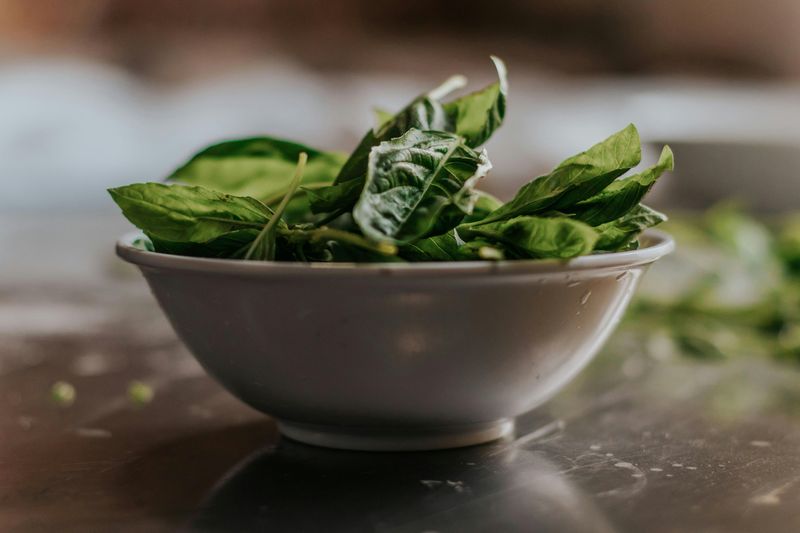
Dark leafy spinach delivers magnesium, a mineral that helps calm your nervous system and reduce cortisol levels. When stress hormones stay high, they interfere with sex hormone production and make you feel exhausted.
Spinach also contains iron, which many women over 50 need more of to maintain energy levels and support thyroid function. Your thyroid gland controls metabolism and influences nearly every cell in your body.
Raw spinach works great in smoothies and salads, while cooked spinach provides more concentrated nutrients in smaller portions. Add a handful to omelets, pasta dishes, or soups for an easy nutritional boost that helps keep your hormones working properly every single day.
10. Eggs

Affordable and nutritious, eggs provide complete protein with all the amino acids your body needs to build hormones. The yolks contain vitamin D, which functions as a hormone itself and helps regulate calcium absorption and immune function.
Eggs also deliver choline, a nutrient that supports brain health and helps produce acetylcholine, a neurotransmitter important for memory and mood. Many people don’t get enough choline from their diet, making eggs especially valuable.
Contrary to old beliefs, eating eggs doesn’t harm your cholesterol levels for most people. Enjoy them scrambled, poached, or hard-boiled as a quick breakfast or snack that provides lasting energy and hormone-building blocks your body craves.
11. Blueberries
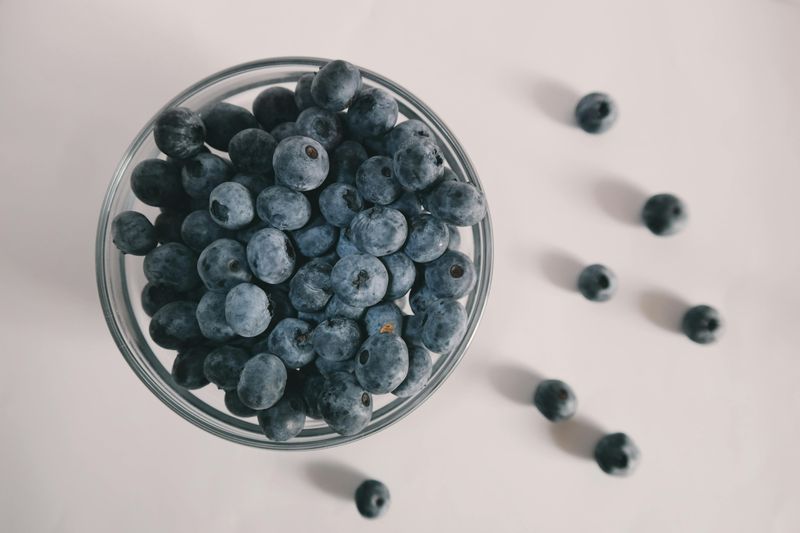
Bursting with antioxidants, blueberries help protect your cells from damage caused by stress and aging. These little berries contain compounds that support insulin sensitivity, helping your body use sugar efficiently and preventing hormonal imbalances.
Research shows that eating berries regularly can improve brain function and memory, which often decline during hormonal changes. Blueberries are also low in sugar compared to many fruits, making them a smart choice for blood sugar control.
Fresh or frozen blueberries work equally well and provide the same nutritional benefits year-round. Mix them into yogurt, blend them into smoothies, or eat them by the handful for a sweet treat that naturally supports balanced hormones.
12. Quinoa

This ancient grain offers complete protein, meaning it contains all nine essential amino acids your body can’t make on its own. Protein is the building block for hormones, enzymes, and neurotransmitters that keep you feeling your best.
Quinoa also provides complex carbohydrates that release energy slowly, preventing blood sugar crashes that trigger cortisol release. It’s naturally gluten-free and packed with magnesium, iron, and B vitamins that support energy production and stress management.
Use quinoa as a base for grain bowls, mix it into salads, or serve it as a side dish instead of rice. Its mild, nutty flavor pairs well with almost anything while delivering steady hormone support throughout your day.