 MomSkoop

Feeling tired all the time after 50? You are not alone, and the good news is that many common habits might be quietly draining your energy without you even realizing it.
Small daily choices, from what you eat to how much you move, can make a huge difference in how you feel each day. Taking a closer look at these habits could be the first step toward feeling more energized, focused, and alive.
1. Skipping Breakfast

Ever rushed out the door without eating and then wondered why you felt foggy by 10 a.m.?
Skipping breakfast is one of the most common energy mistakes people make, especially after 50.
When you sleep, your body goes hours without fuel, and your blood sugar drops overnight.
By morning, your brain and muscles are running on empty.
Missing that first meal means low blood sugar continues into your day, causing sluggishness, irritability, and poor focus.
A balanced breakfast with protein, fiber, and healthy fats helps restore your energy levels and keeps you feeling steady.
Think eggs, whole grain toast, or Greek yogurt with fruit.
Starting your morning with real food sets the tone for a much more productive day.
2. Not Drinking Enough Water

Most people do not realize how quickly mild dehydration can zap their energy.
By the time you actually feel thirsty, your body is already mildly dehydrated, and that is enough to cause fatigue, headaches, and brain fog.
After 50, your thirst signals can become less reliable, making it easier to forget to drink throughout the day.
Water is involved in almost every function your body performs, from digesting food to regulating your temperature.
Without enough of it, everything slows down.
Aim for at least 6 to 8 glasses of water daily, more if you are active or live in a warm climate.
Keeping a water bottle within sight is a simple trick that can make a surprisingly big difference in how you feel.
3. Sleeping Too Little or Too Much

Sleep is not just rest, it is when your body repairs itself, consolidates memory, and recharges for the next day.
Adults over 50 generally need about 7 to 9 hours of quality sleep each night.
Getting less than that leaves you running on fumes, while sleeping too much can actually make you feel groggy and unmotivated.
Both extremes disrupt your natural energy rhythm.
Poor sleep quality, even if you are in bed long enough, is equally problematic.
Conditions like sleep apnea become more common with age and silently rob you of deep, restorative sleep.
Sticking to a consistent sleep schedule, limiting screen time before bed, and keeping your bedroom cool and dark can dramatically improve both the quality and duration of your sleep.
4. Sitting for Long Periods

Sitting might feel restful, but spending most of your day in a chair is actually one of the sneakiest energy drains out there.
Prolonged sitting slows blood circulation, which means your muscles and organs receive less oxygen and nutrients.
Over time, this leaves you feeling stiff, sluggish, and mentally dull.
Research shows that people who sit for more than eight hours a day have significantly higher fatigue levels, even if they exercise regularly.
The fix does not have to be dramatic.
Simply standing up every 30 to 45 minutes, taking a short walk, or doing a few gentle stretches can keep your circulation moving and your energy levels up.
Small breaks throughout the day add up to a big difference in how you feel overall.
5. Eating Too Much Sugar
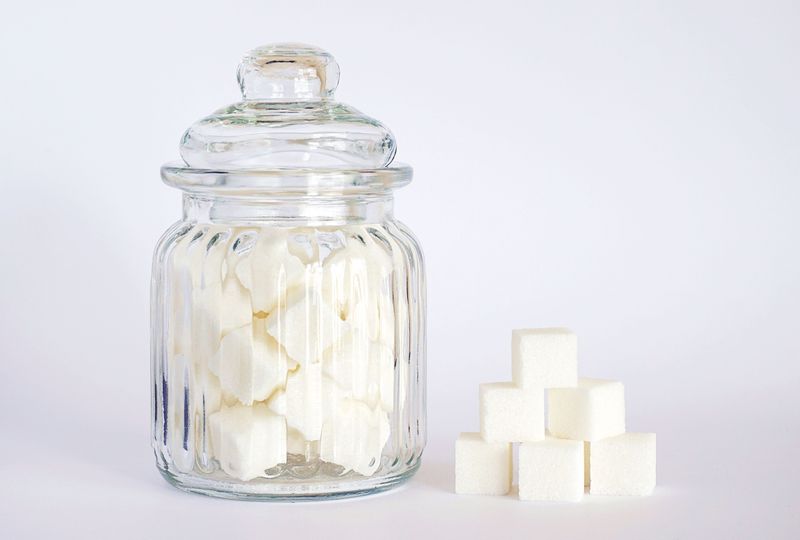
That afternoon cookie or sugary soda might feel like a quick pick-me-up, but it is setting you up for a crash.
Sugary foods cause your blood sugar to spike rapidly, giving you a short burst of energy.
Then, just as quickly, your blood sugar drops, leaving you feeling more tired than before.
After 50, your body becomes less efficient at managing blood sugar swings, making the crash even harder.
Over time, a high-sugar diet can contribute to chronic fatigue, inflammation, and even mood swings.
Swapping sugary snacks for options like nuts, cheese, or fresh fruit provides more stable energy without the rollercoaster effect.
Your body will thank you for the steadier fuel source, and you will likely notice a real improvement in your afternoon energy levels.
6. Not Eating Enough Protein

Protein is the building block your body uses to maintain muscle, produce hormones, and keep your energy steady throughout the day.
After 50, muscle mass naturally begins to decline, a process called sarcopenia, and not eating enough protein speeds that process along.
Less muscle means less strength, slower metabolism, and lower energy overall.
Many adults unknowingly under-eat protein, filling their plates with carbohydrates and fats while skimping on lean meats, legumes, eggs, or dairy.
Aim to include a quality protein source at every meal.
Spreading your protein intake throughout the day is more effective than eating it all at once.
Even simple swaps, like adding Greek yogurt to breakfast or beans to a salad, can meaningfully support your energy, mood, and physical stamina as you age.
7. Ignoring Strength Training
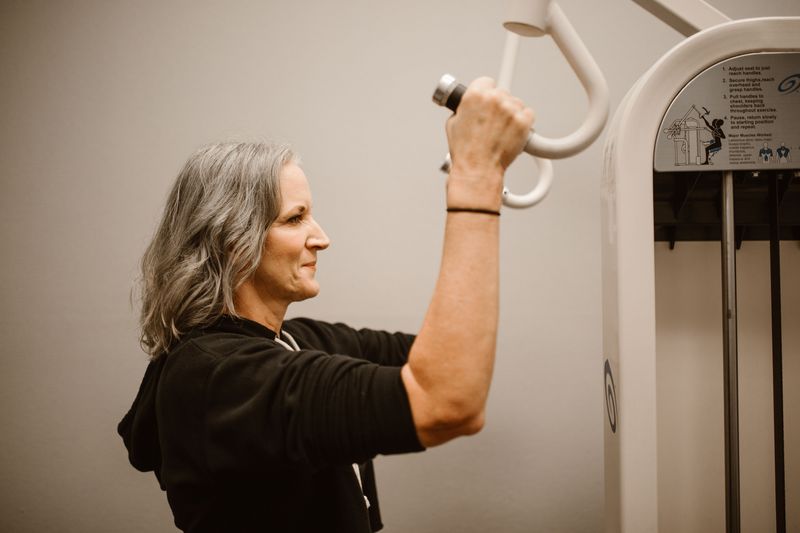
Here is something worth knowing: muscle is your body’s engine.
The more you have, the more efficiently your body burns energy and keeps you feeling strong throughout the day.
After 50, you naturally lose muscle mass at a rate of about one to two percent per year if you do not actively work to maintain it.
Skipping strength training accelerates this decline, leaving you with less stamina, weaker bones, and noticeably lower energy.
You do not need to become a gym fanatic.
Even two to three sessions per week using resistance bands, light weights, or bodyweight exercises like squats and push-ups can make a remarkable difference.
Strength training also boosts mood, improves sleep, and supports healthy metabolism, making it one of the best investments you can make for your energy after 50.
8. Living with Chronic Stress

Stress is not just a mental burden, it is a full-body energy thief.
When you are under constant stress, your body keeps pumping out cortisol, the primary stress hormone.
While short bursts of cortisol are helpful in emergencies, chronically elevated levels wreak havoc on your sleep, digestion, immune system, and energy reserves.
After 50, the body is less resilient to prolonged stress, meaning recovery takes longer and the fatigue runs deeper.
Many people accept chronic stress as just part of life, but that acceptance comes at a real cost.
Practices like deep breathing, meditation, regular exercise, and even setting firmer boundaries in your schedule can significantly lower your stress load.
Managing stress is not a luxury, it is a necessity for maintaining your energy and overall health.
9. Skipping Regular Health Checkups

Fatigue is one of the most common symptoms of several treatable medical conditions, yet many people brush it off as a normal part of aging.
Conditions like anemia, thyroid disorders, type 2 diabetes, and vitamin B12 deficiency can all cause persistent tiredness that never seems to go away no matter how much you rest.
Without regular health checkups, these issues can quietly go undetected for years, steadily stealing your energy and quality of life.
A simple blood test can often identify these problems quickly.
Catching and treating them early can restore your energy levels dramatically.
Scheduling an annual checkup and being honest with your doctor about how tired you feel is a small step that can lead to life-changing answers and renewed vitality.
10. Taking Medications Without Reviewing Side Effects

Did you know that some of the most commonly prescribed medications for people over 50 can contribute to fatigue?
Blood pressure medications, antihistamines, antidepressants, and certain sleep aids all have drowsiness or low energy listed among their side effects.
When you are taking multiple medications, these effects can compound each other significantly.
Many people assume their tiredness is simply age-related when it might actually be a medication side effect that can be addressed.
Never stop taking a prescribed medication without guidance, but do bring up your concerns with your healthcare provider.
There may be alternative medications, adjusted dosages, or different timing options that reduce fatigue while still managing your condition effectively.
A proactive conversation with your doctor can open doors to feeling noticeably better every single day.
11. Drinking Too Much Alcohol

A glass of wine in the evening might feel relaxing, and for many people over 50, it has become a nightly ritual.
The problem is that alcohol, even in moderate amounts, interferes significantly with your sleep quality.
It may help you fall asleep faster, but it disrupts the deeper, restorative stages of sleep that your body truly needs.
The result?
You wake up feeling unrested, foggy, and low on energy, even after a full night in bed.
Alcohol is also a depressant that affects your mood and motivation the following day.
Cutting back, even just a few nights a week, often leads to noticeably better sleep, sharper thinking, and more consistent energy.
Your tomorrow-self will feel the difference almost immediately after making this change.
12. Staying Socially Isolated

Human beings are wired for connection, and after 50, social circles can naturally shrink as careers wind down, children leave home, and friendships shift.
What many people do not realize is that loneliness and social isolation are physically exhausting.
Research consistently shows that people with strong social ties have better energy, sharper minds, and longer lives.
When you lack meaningful interaction, your mood drops, motivation fades, and even simple tasks start to feel overwhelming.
You do not need a packed social calendar to combat this.
Regular phone calls, joining a club, volunteering, or even attending a fitness class can restore a sense of connection and purpose.
Nurturing your relationships is not just good for your heart emotionally, it is essential fuel for your daily energy and mental well-being.