 MomSkoop

Life before smartphones and instant everything required patience, creativity, and a whole lot of luck. Older generations navigated daily challenges that would leave modern folks completely baffled and frustrated.
From waiting weeks just to see a single photo to memorizing dozens of phone numbers, these struggles built character in ways today’s technology has made nearly obsolete. Get ready to appreciate your Wi-Fi connection a whole lot more.
1. Waiting Weeks to See Your Photos
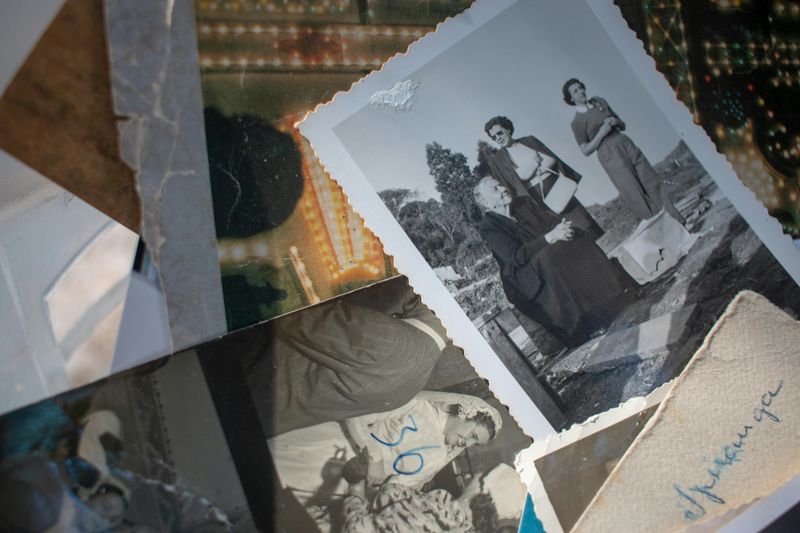
Film cameras meant living with uncertainty for weeks at a time. You snapped your 24 or 36 exposures carefully, drove to the pharmacy or photo shop, and handed over your precious roll. Then came the agonizing wait—sometimes a week or two—before you could see if your pictures turned out.
Half might be blurry, overexposed, or feature someone blinking at exactly the wrong moment. There were no do-overs, no filters, and absolutely no deleting the unflattering shots. You paid for every single print, good or bad.
2. Surviving Dial-Up Internet

That screeching, beeping modem sound became the soundtrack of the late 90s internet experience. Connecting to AOL or any online service meant tying up the phone line and praying nobody needed to make a call. Speed? Think molasses in January—a single image could take minutes to load.
If someone picked up the phone mid-session, your connection died instantly. Downloading a song might take an entire evening. Streaming video was pure fantasy.
Patience wasn’t just a virtue back then; it was a survival skill. Today’s buffering complaints would have seemed laughable to anyone who endured the dial-up era’s torturous wait times.
3. Getting Lost Without GPS

Paper maps were your only navigation tool, and they required actual skill to read. Before every road trip, you’d plot your route with a highlighter, hoping you understood the legend correctly.
Miss your exit? Good luck finding your way back without driving 20 miles in the wrong direction.
Getting hopelessly lost was just part of the adventure, though nobody appreciated it at the time.
4. Rewinding VHS Tapes by Hand
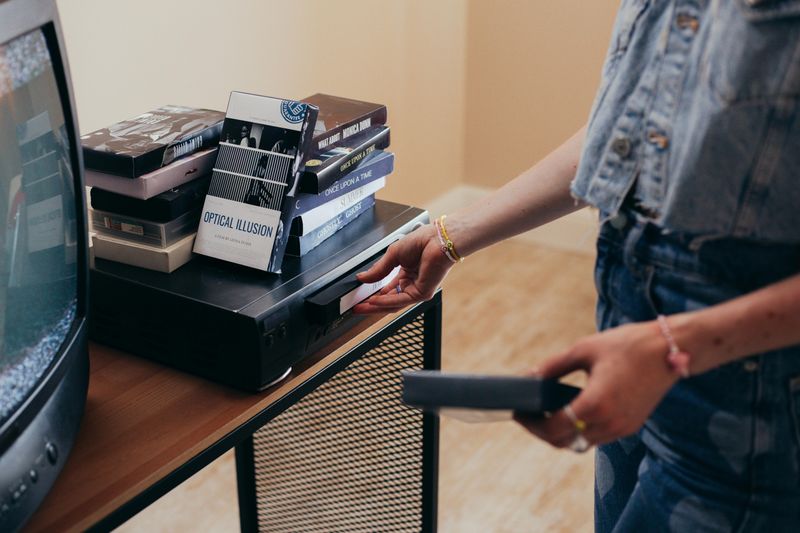
Renting movies came with an unspoken social contract: rewind before returning. Video stores posted those “Be Kind, Rewind” signs everywhere, and clerks actually checked. Forget to rewind, and you’d face judgmental stares and possible late fees next visit.
Worse than forgetting was when the tape got eaten by your VCR mid-movie. That tangled ribbon of magnetic tape spelled disaster. You’d spend an hour trying to wind it back with a pencil, usually making things worse.
5. Calling a Crush on the House Phone

Romantic communication required genuine courage back then. No hiding behind text messages or carefully crafted DMs—you dialed their home number and hoped they answered instead of their parents. Hearing “Hello?” in their dad’s deep voice triggered instant panic.
If you made it past the gatekeeper, your entire family might be listening from the kitchen. Privacy was a luxury most teenagers couldn’t afford. Every awkward pause, every nervous laugh echoed through the house.
You rehearsed conversations beforehand, wrote down talking points, and still stumbled over your words. That vulnerability made connections feel more real, even if your sweaty palms disagreed.
6. Sharing One TV for the Whole Family

One television ruled the household, and whoever controlled it wielded ultimate power. Forget streaming on your personal device—if Dad wanted news, everyone watched the news. Cartoons only happened when the adults allowed it, and even then, you might get outvoted.
Family arguments over programming built negotiation skills nobody asked for, and democracy often failed when the person paying the electric bill made executive decisions.
7. Memorizing Phone Numbers

Your brain served as your contact list, storing dozens of phone numbers you dialed repeatedly. Best friends, grandparents, the pizza place—all committed to memory through sheer repetition. Lose your address book, and your social network vanishes with it.
No speed dial, no contact sync, no calling someone whose number you didn’t know by heart. If you forgot, you’d have to call directory assistance and pay for the privilege of getting a number.
8. Waiting for Music on the Radio
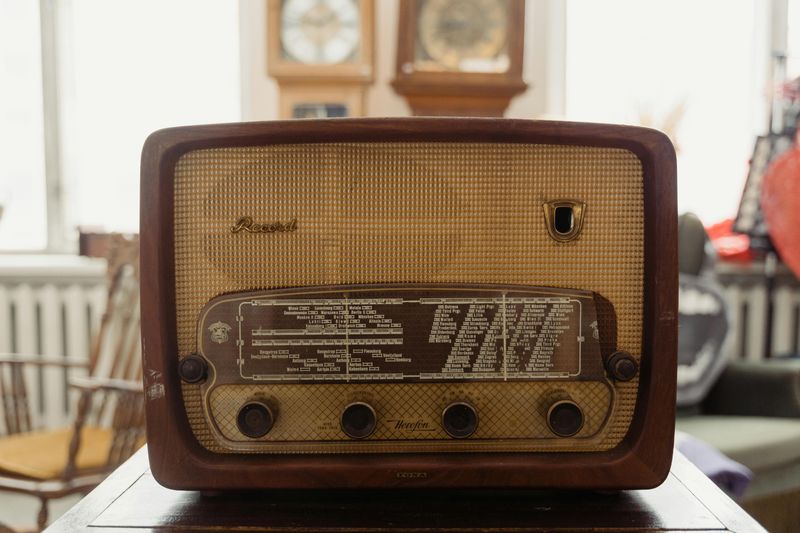
Building a music collection required dedication and perfect timing. When your favorite song started playing, you’d sprint across the room to hit record on your cassette player.
You’d sit through hours of radio programming, waiting for that one track. No playlists, no on-demand listening, just hope and patience. Sometimes you’d record half a song before the tape ran out.
Those homemade mixtapes, complete with DJ interruptions and commercials, became treasured possessions. The effort made every successful recording feel like a genuine victory worth celebrating.
9. Writing Actual Letters

Long-distance communication moved at a snail’s pace compared to today’s instant messages. Missing someone meant grabbing pen and paper, pouring your thoughts onto the page, and mailing it off. By the time they received and responded to your letter, weeks had passed.
Your feelings might have changed completely by then. That heartfelt confession? They’re reading it three weeks later when you’ve moved on.
Waiting for the mail became its own form of torture and excitement. That anticipation of finding an envelope in your mailbox created emotional investment technology has diluted considerably.
10. Long Lines for Everything
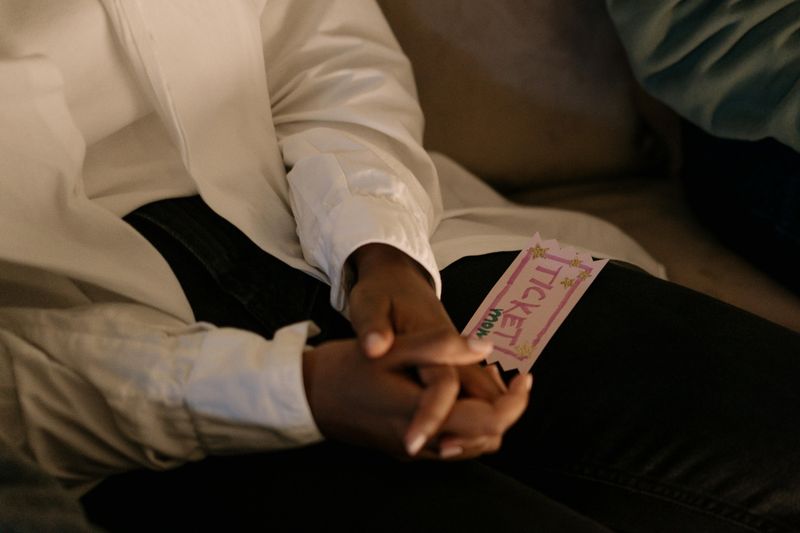
Physical lines defined daily life before online everything. Need cash? Stand in line at the bank during business hours only. Want movie tickets? Show up early and hope they don’t sell out while you wait. Every transaction required your physical presence and patience.
No mobile banking, no ticket apps, no Amazon Prime. You planned your day around business hours and accepted waiting as inevitable.
People actually talked to each other in those lines, making small talk with strangers. That forced social interaction built a community that our digital shortcuts have eliminated.
11. TV Commercials You Couldn’t Skip

Commercial breaks were mandatory viewing experiences nobody could escape. When ads started, you had two choices: watch or use those precious 90 seconds for a bathroom sprint. No skip buttons, no fast-forwarding through recorded shows—just pure, unfiltered advertising.
Everyone watched the same commercials, creating shared cultural moments. Water usage actually spiked during popular show breaks as entire neighborhoods flushed simultaneously.
12. Finding Information the Hard Way

Research meant actual legwork before search engines existed. Need to know something? You consulted encyclopedias, visited libraries, or asked knowledgeable people directly.
Librarians were the original search engines, and their mood determined your success. Wrong section? Start over. Book checked out? Come back next week.
That difficulty made knowledge feel more valuable and hard-won. Today’s instant answers have made information cheap and forgettable, eliminating the satisfaction of genuine discovery through effort.