 MomSkoop
For many musicians, reaching the height of fame is the ultimate dream. Sold-out tours, chart-topping hits, prestigious awards, and millions of devoted fans are all signs of a successful career. Yet, for some of the biggest names in music, even extraordinary success wasn’t enough to keep them in the spotlight. While most artists spend their lives chasing fame, a select few made the surprising decision to walk away just when their careers seemed unstoppable.
Whether driven by personal struggles, creative burnout, a desire for privacy, or the pursuit of a different life, these musicians proved that fame and fortune don’t always equal happiness. Some disappeared from the industry entirely, while others stepped away for years before making unexpected comebacks. From legendary rock stars to beloved pop icons, here are 15 famous musicians who turned their backs on the spotlight at the peak of their success, leaving fans wondering what might have been
1. Syd Barrett’s Mysterious Departure
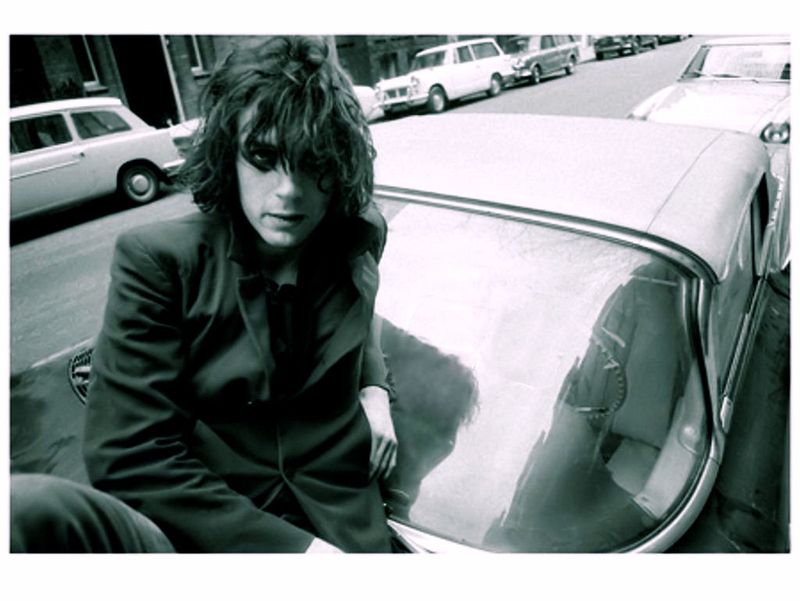
Pink Floyd’s founding member vanished from music at just 25 years old.
After creating the band’s psychedelic sound, Barrett’s increasing erratic behavior led to his replacement by David Gilmour in 1968.
He attempted a brief solo career before completely withdrawing from public life in 1972.
Barrett spent his remaining years painting and living quietly in Cambridge, England, never returning to music again.
The band later paid tribute to their former leader in songs like “Shine On You Crazy Diamond,” immortalizing the creative genius who walked away from rock stardom to find peace in solitude.
2. Kurt Cobain’s Tragic Exit
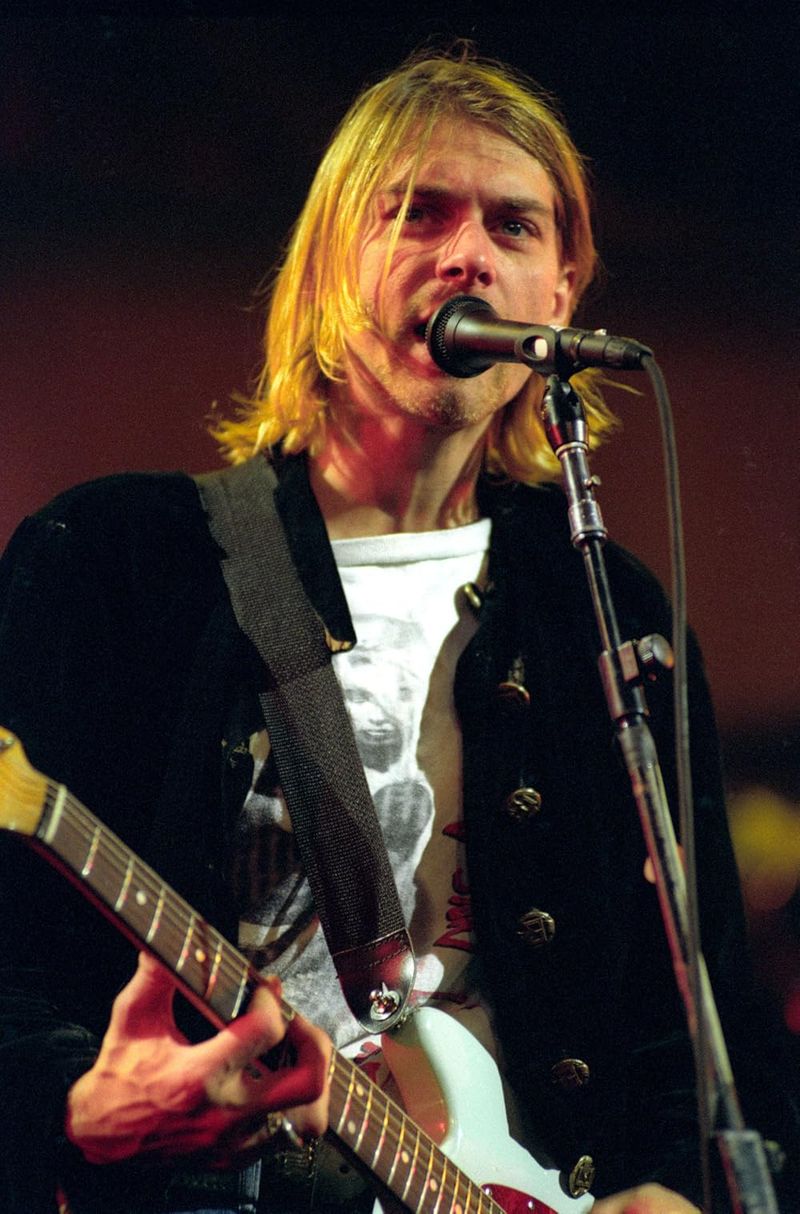
The reluctant voice of Generation X never wanted the massive fame Nirvana achieved.
When “Smells Like Teen Spirit” exploded in 1991, Cobain found himself thrust into a spotlight he deeply resented.
His journals reveal a man uncomfortable with celebrity status and the commercialization of the grunge movement he helped create.
Struggling with chronic health issues, addiction, and the pressures of fame, Cobain effectively walked away from his career in the most permanent way in April 1994.
At just 27, he left behind a musical legacy that continues to influence artists decades later.
3. Cat Stevens Follows His Faith
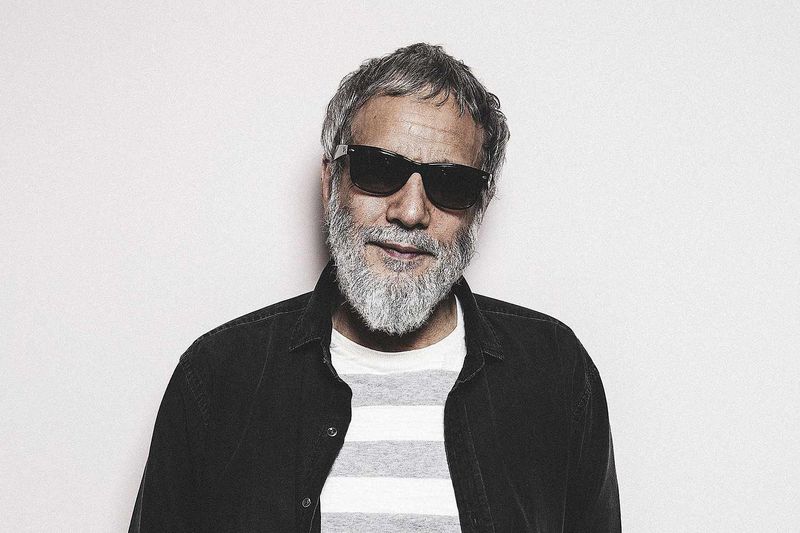
Folk-rock superstar Cat Stevens was selling out arenas when a near-death experience changed everything.
After nearly drowning in Malibu in 1976, the “Peace Train” singer made a promise to God that would transform his life.
By 1978, at the peak of his popularity, Stevens converted to Islam, changed his name to Yusuf Islam, and abandoned his music career entirely.
He sold his instruments, devoted himself to religious study, and didn’t perform publicly for nearly 30 years.
His unexpected departure left fans bewildered, but Stevens found the spiritual fulfillment he’d been searching for throughout his musical career.
4. Lauryn Hill’s Retreat From The Machine

After “The Miseducation of Lauryn Hill” won five Grammy Awards in 1999, everyone expected Hill to dominate music for decades.
Instead, she virtually disappeared.
Overwhelmed by the music industry’s demands and feeling artistically compromised, Hill stepped back from public life.
Her 2002 MTV Unplugged appearance revealed an artist struggling with fame’s pressures, performing new, raw material that confused many fans.
Though she occasionally performs today, Hill never released another studio album.
Her self-imposed exile represents one of music’s most puzzling departures—an artist who chose authenticity over commercial success when the world was at her feet.
5. John Deacon’s Silent Goodbye
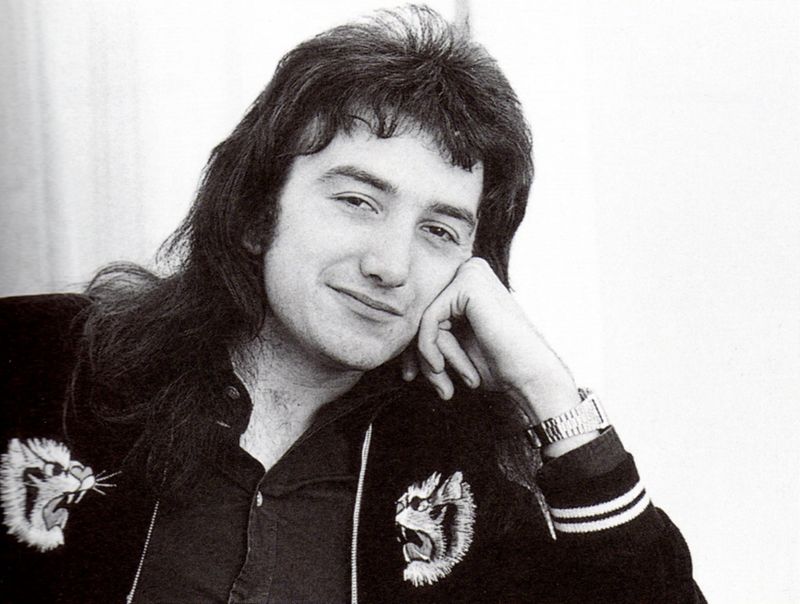
Queen’s bassist never officially quit the band, but after Freddie Mercury’s death in 1991, Deacon gradually faded away.
He performed at The Freddie Mercury Tribute Concert in 1992 and recorded final tracks with remaining members in 1997.
Then, without fanfare, Deacon simply stopped.
He retired completely from music and public life, declining to participate in any Queen-related activities since.
While Brian May and Roger Taylor continued performing, Deacon chose family life over fame.
The quiet Beatle-like member became even quieter, managing the band’s financial affairs from afar while living a deliberately private existence away from rock stardom.
6. Bill Withers’ Quiet Exit
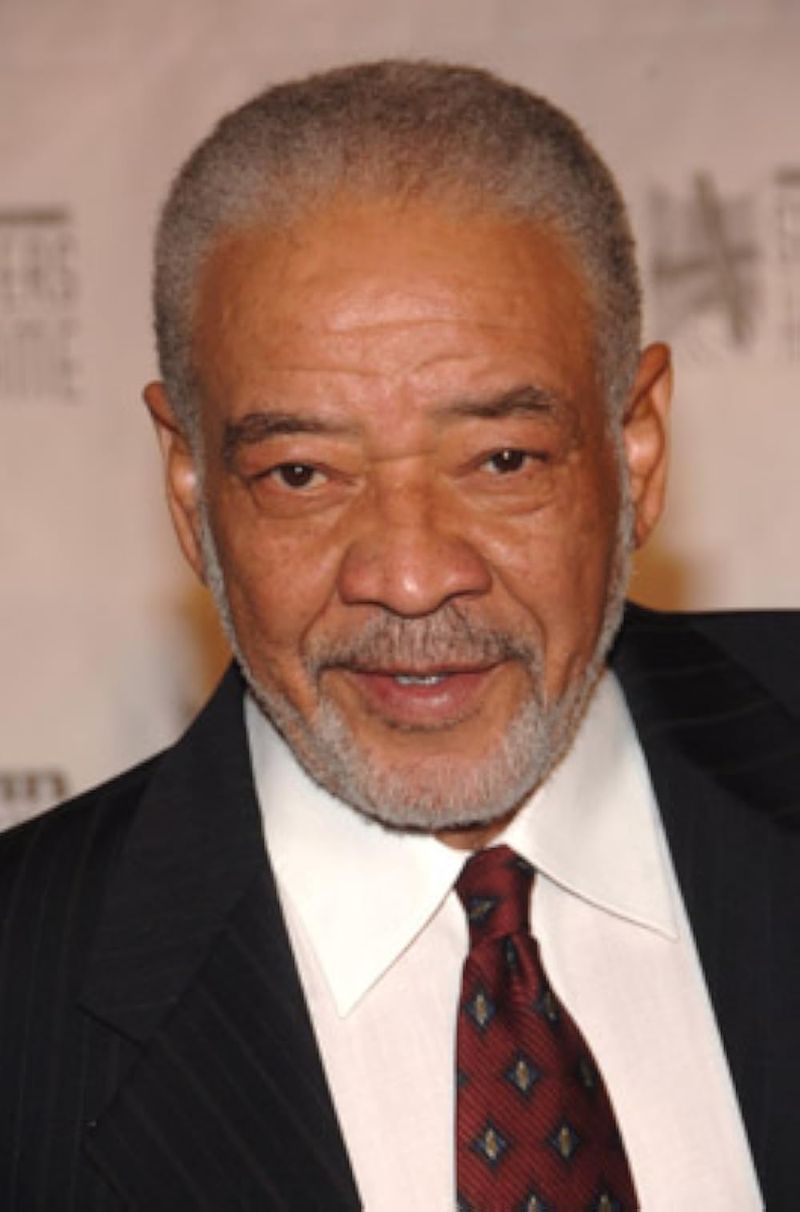
The man who gave us “Lean On Me” and “Ain’t No Sunshine” walked away from music in 1985 when most artists would have continued cashing in.
Withers, who didn’t even start his music career until his thirties, grew tired of fighting with Columbia Records executives over creative control.
Rather than compromise his artistic integrity, he simply quit.
Withers returned to a normal life, working in real estate and raising his family away from the spotlight.
Unlike many who leave fame, Withers never seemed to regret his decision, once saying: “I’m not motivated to wanna draw attention to myself or travel all over the place.”
7. Zayn Malik’s One Direction Departure
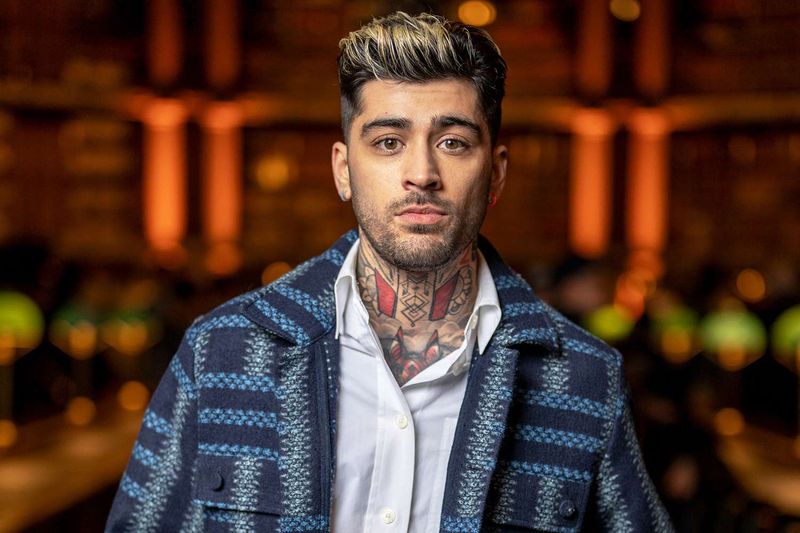
Being in the world’s biggest boy band wasn’t enough to keep Zayn Malik happy.
In March 2015, while One Direction was in the middle of a world tour, Malik shocked millions of fans by announcing his immediate departure from the group.
At just 22, he walked away from guaranteed millions to pursue “a normal life.” The pressure of fame, constant touring, and lack of creative freedom had taken a severe toll on his mental health.
Though he later launched a solo career, that moment represented a star choosing self-preservation over continued global domination—something few young performers have the courage to do.
8. Dave Chappelle of Music: Andre 3000
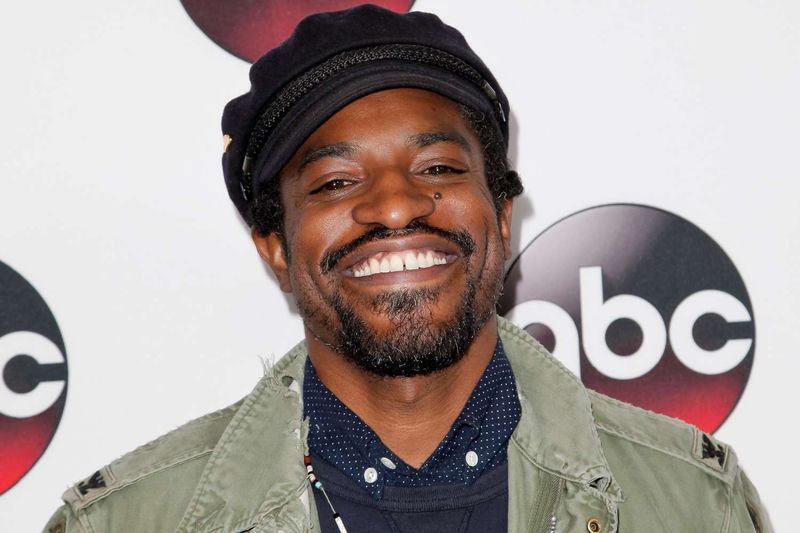
OutKast’s creative genius Andre 3000 vanished from music following the massive success of albums like “Speakerboxxx/The Love Below.” After hits like “Hey Ya!” made him a household name, Andre retreated from the spotlight, turning down millions in potential earnings.
He occasionally appears for guest verses but has largely abandoned music for acting and fashion design.
In rare interviews, he’s expressed discomfort with the commercialization of hip-hop and the constraints of fame.
Like comedian Dave Chappelle, who famously walked away from $50 million, Andre chose personal peace over continued fame, becoming one of rap’s most mysterious figures.
9. Kate Bush’s 12-Year Disappearance
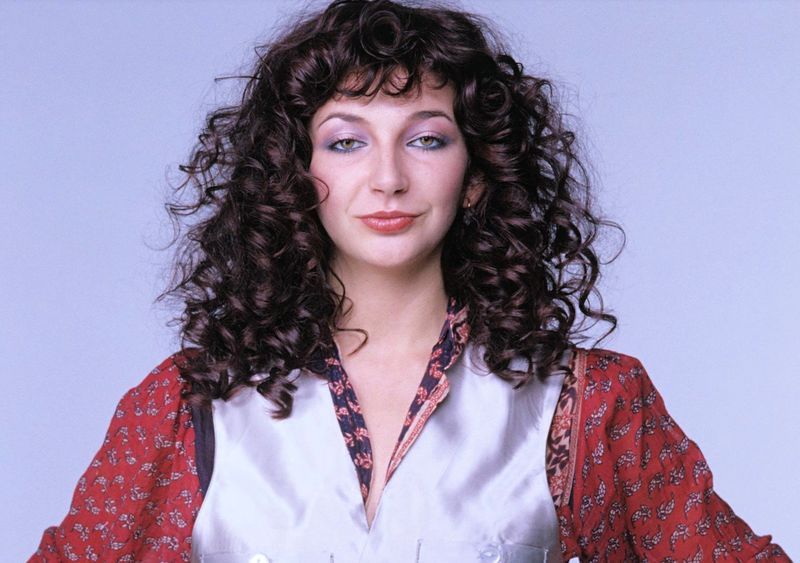
The “Wuthering Heights” singer was Britain’s most successful female artist when she suddenly stopped performing live in 1979.
After releasing “The Red Shoes” in 1993, Bush disappeared completely for 12 years, not releasing another album until 2005.
She retreated to her countryside home, raising her son and living quietly away from public scrutiny.
Unlike many artists who leave at their peak, Bush eventually returned on her own terms.
Her 2014 London concert series sold out in 15 minutes, proving her mystique had only grown stronger during her absence—a rare example of an artist whose cultural relevance increased during their time away.
10. Jim Morrison’s Parisian Escape
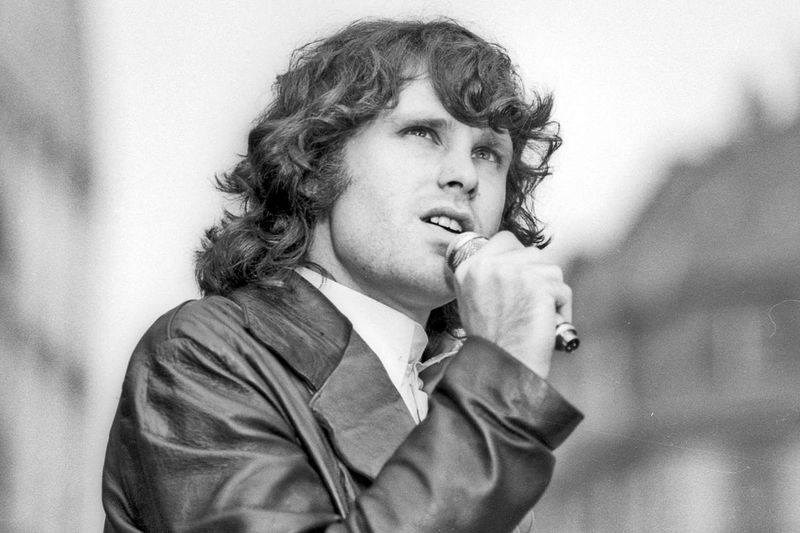
Before his death at 27, The Doors’ enigmatic frontman had already begun his exit from music.
After a disastrous 1970 Miami concert led to Morrison’s arrest for alleged indecent exposure, the singer grew increasingly disillusioned with rock stardom.
Morrison moved to Paris in March 1971, hoping to reinvent himself as a serious poet.
He left The Doors at their commercial peak, walking away from American fame to pursue artistic fulfillment in France.
Though his death in July 1971 cut short this new chapter, Morrison had already made the decision to abandon the rock god persona that had both defined and trapped him.
11. Justin Bieber’s Temporary Retirement
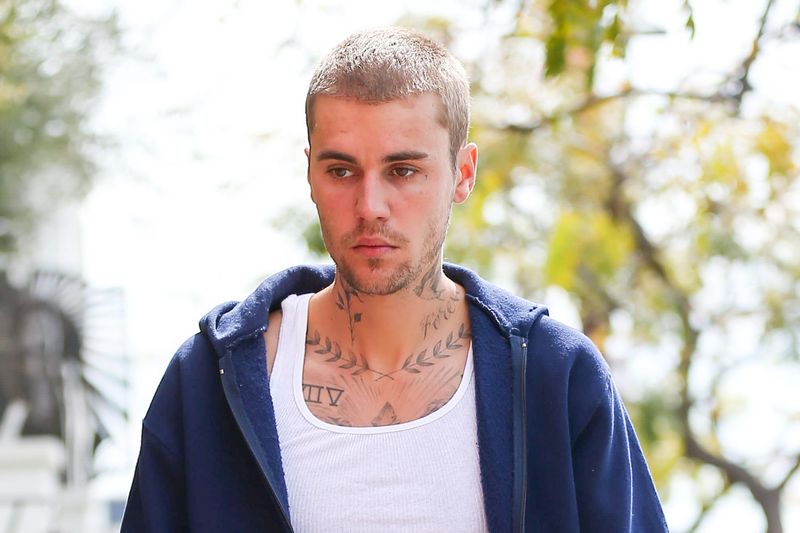
Child stars often crash and burn, but Bieber chose a different path.
In 2013, at just 19 years old and at his commercial peak, he shocked fans by announcing his “retirement” from music via Twitter.
Though the break proved temporary, it signaled a young artist overwhelmed by fame since childhood.
Bieber later revealed struggles with depression, substance abuse, and the psychological toll of growing up under constant scrutiny.
His brief step back represented a rare moment of self-preservation in pop music—a teenager choosing mental health over continued commercial exploitation, even if he eventually returned to the spotlight on more mature terms.
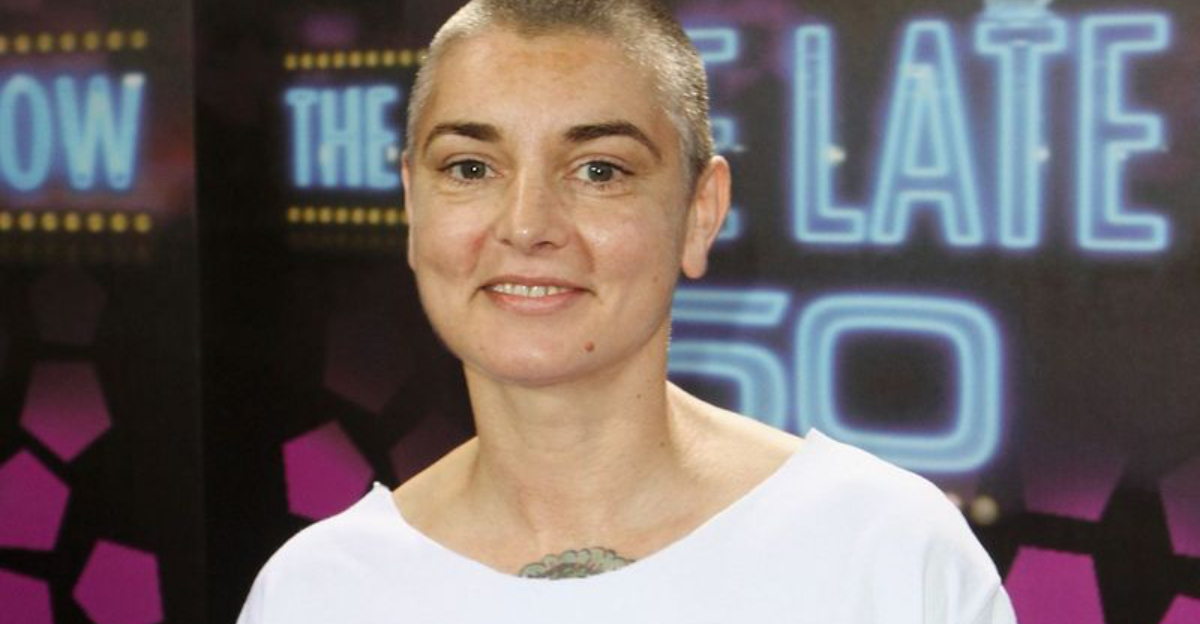
12. Sinéad O’Connor’s Priesthood Pursuit
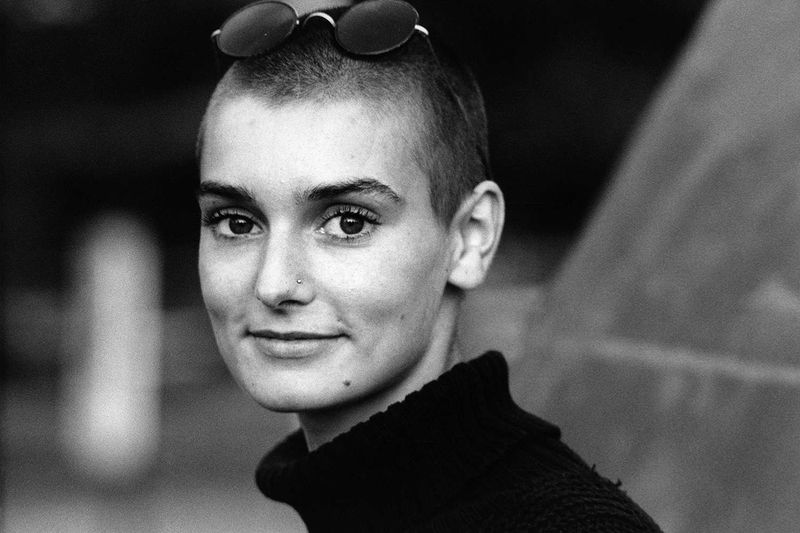
The Irish singer with the haunting voice was at her commercial peak when she tore up a photo of the Pope on Saturday Night Live in 1992.
The controversial act effectively ended her mainstream career in America overnight.
Rather than apologize or attempt to rebuild her pop career, O’Connor leaned into her spiritual journey.
In 2018, she converted to Islam and changed her name to Shuhada’ Davitt, having previously been ordained as a Catholic priest by a breakaway church in 1999.
Her willingness to sacrifice fame for her beliefs makes her one of music’s most principled figures, regardless of how one views those beliefs.
13. John Lennon’s Family Retreat
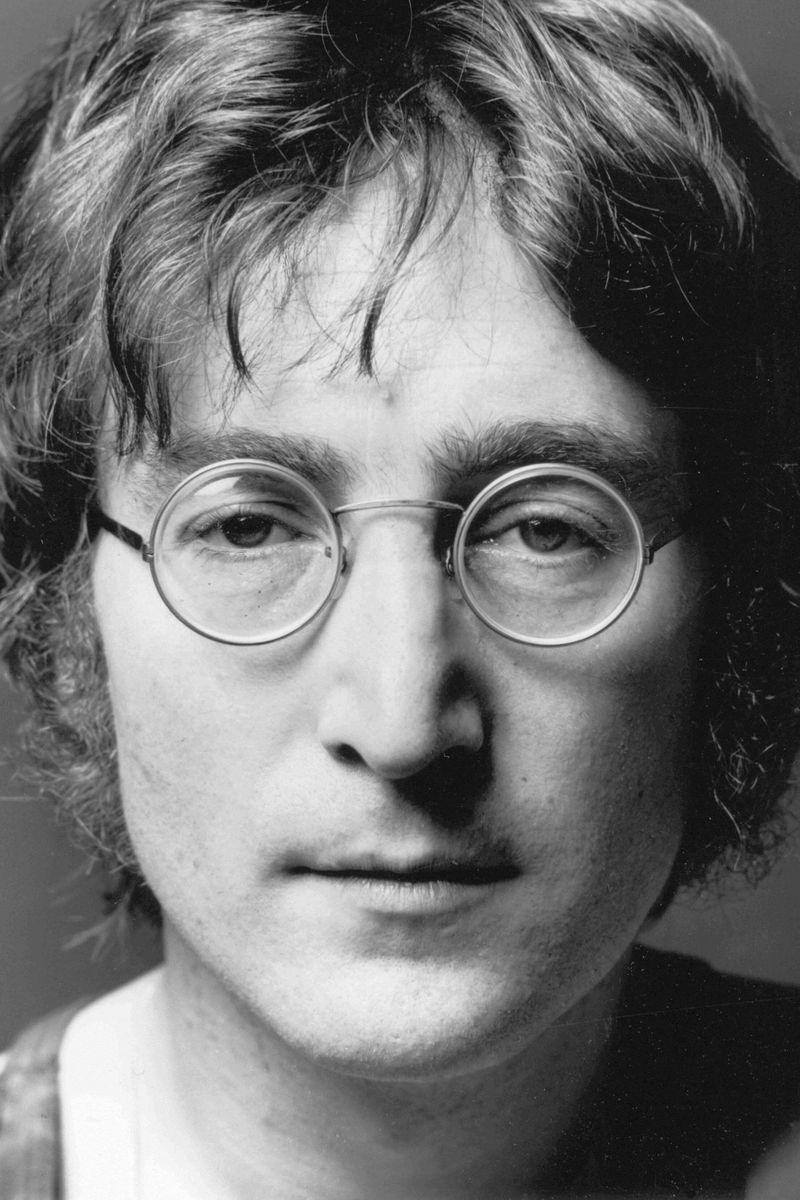
In 1975, John Lennon traded recording sessions for time at home with his newborn son, Sean.
The former Beatle had already built a successful solo career but decided that raising his child mattered more than another hit.
For five years, he largely stayed out of the music business while Yoko Ono handled their business affairs.
His break was a choice to focus on family, not a permanent goodbye.
Lennon returned with Double Fantasy in 1980, shortly before his murder.
That return makes his story different, reminding fans that stepping away can mean choosing another part of life for a while.
14. Steve Perry’s Escape From The Spotlight
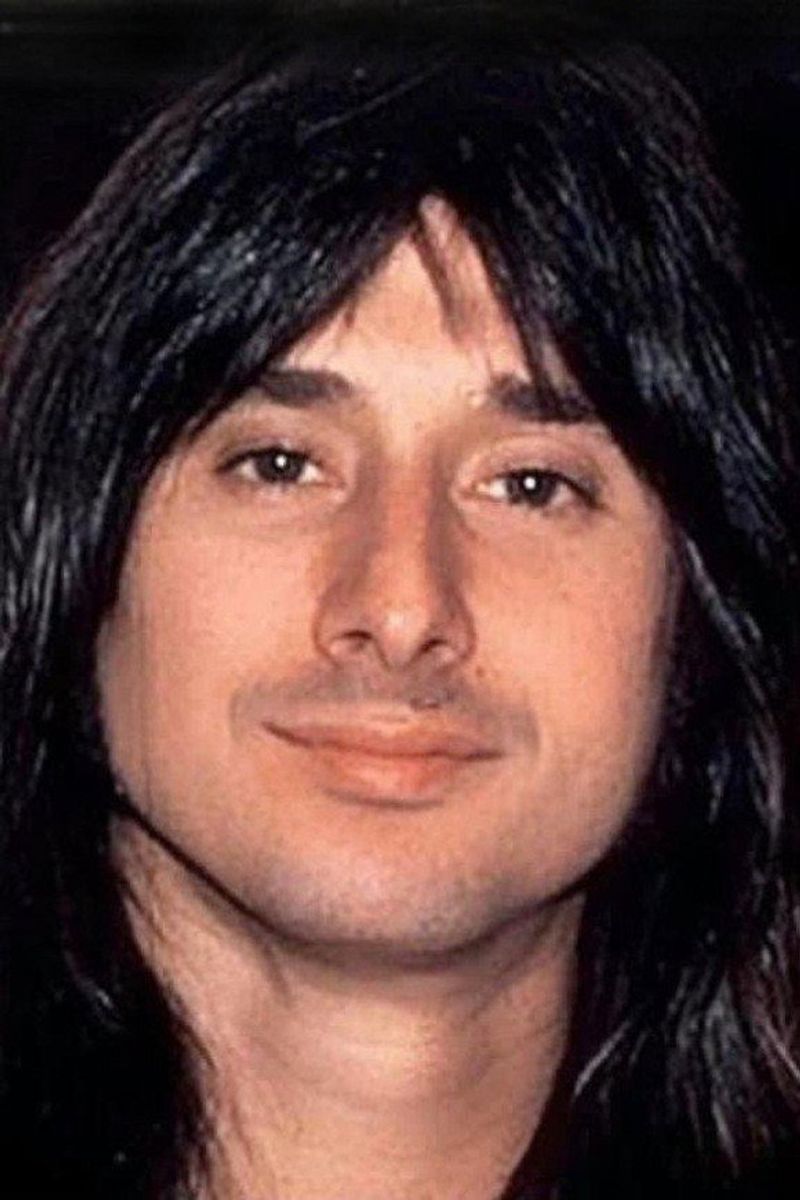
Behind Journey’s soaring hits stood a singer who needed room to breathe.
Steve Perry stepped away in 1987 after years of recording and touring had left him worn down.
He reunited with Journey for the successful 1996 album Trial by Fire, but a hip problem delayed touring.
Disagreements over his return helped end his time with the band.
Long stretches of silence followed, making his voice feel almost frozen in time for fans.
His 2018 solo album, Traces, finally brought new songs.
Perry’s story shows that even a beloved voice belongs to a person with limits, grief, and changing needs, too.
15. Grace Slick’s Goodbye To Rock
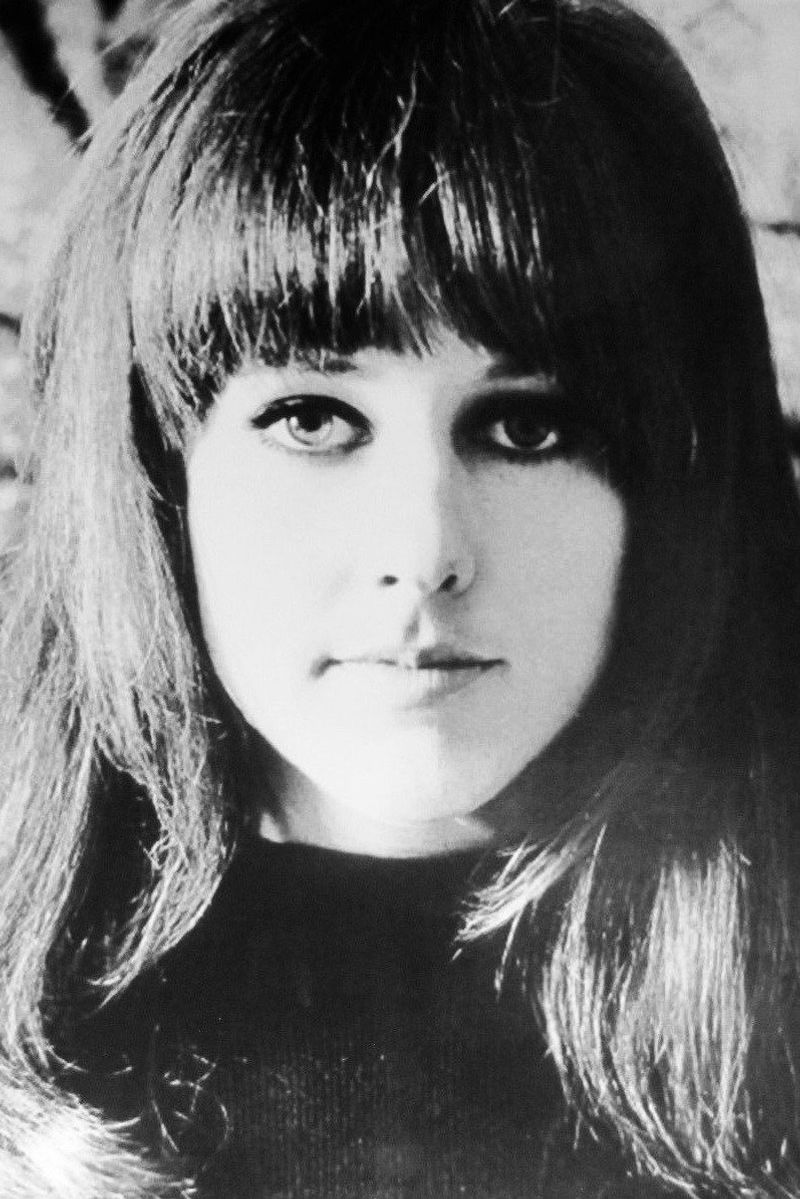
Few singers could make a rock anthem sound as commanding as Grace Slick.
After helping Jefferson Airplane and Starship reach huge audiences, she stepped away from regular performing following Jefferson Airplane’s 1989 reunion tour.
Slick felt that growing older on a rock stage no longer suited her.
Rather than chase another round of applause, she turned much of her attention toward painting and drawing.
Occasional appearances followed, but she never returned to a full touring career.
Her departure offers a refreshing lesson: changing direction does not erase past success.
Sometimes, knowing when to stop becomes its own kind of creative freedom.