 MomSkoop
Fashion changes faster than ever, and what looks cool today might seem outdated tomorrow. Some trends that ruled recent years are already losing their shine as people shift toward smarter, more sustainable choices.
From impractical accessories to uncomfortable silhouettes, certain styles are headed for the exit as we approach 2026.
1. Ultra–Low-Rise Everything

Remember when jeans sat so low that bending over became a risky move?
That extreme silhouette from the early 2000s made a comeback recently, but it’s already fading again.
People want clothes that work for real life, not just photo ops.
Mid-rise and high-rise options offer better coverage and comfort without sacrificing style.
Brands are listening to customers who value versatility over nostalgia.
Plus-size shoppers especially appreciate waistlines that flatter different body types.
Fashion is finally realizing that comfort and confidence go hand in hand, making those belly-baring bottoms a relic once more.
2. Logomania Overload
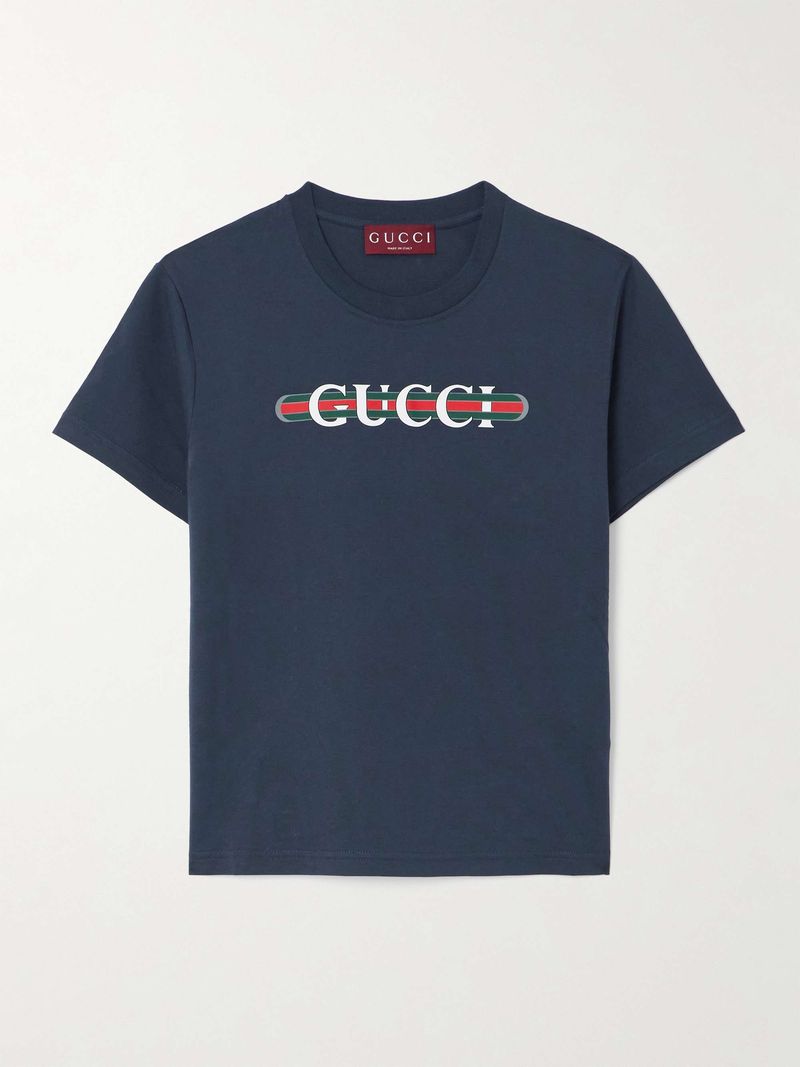
Wearing a designer label from head to toe used to scream wealth and status.
Now, it just feels loud and unnecessary.
Shoppers are moving toward quiet luxury, where quality speaks louder than logos.
Subtle craftsmanship and timeless pieces are becoming the new status symbols.
People want others to notice their style, not just recognize a brand name.
This shift reflects growing confidence in personal taste rather than relying on flashy labels.
Understated elegance is taking over, proving that true style doesn’t need to shout.
3. Micro Bags With No Function

Can it hold your phone? No. Your wallet? Definitely not.
These adorable but useless bags became Instagram darlings, but practicality is winning.
Modern life requires carrying essentials like keys, phones, cards, and sometimes snacks.
A bag that barely fits a lipstick just doesn’t cut it anymore.
Designers are responding with multi-functional pieces that balance style and utility.
Crossbody bags with smart compartments and adjustable straps are replacing these miniature novelties.
Fashion can be fun, but it also needs to work for everyday adventures and responsibilities.
4. Fast-Fashion Trend Cycling
Blink and you’ll miss the latest microtrend flooding your feed.
This breakneck pace of constant newness is exhausting both shoppers and the planet.
Social media pushes trends that last mere weeks before something else takes over.
People are getting tired of buying clothes that feel outdated almost immediately.
Environmental concerns about waste and overproduction are changing buying habits.
Consumers now prefer investing in pieces that last multiple seasons instead of chasing every viral moment.
Slower, more intentional fashion is replacing the frantic cycle that benefits no one except fast-fashion giants.
5. Distressed Denim
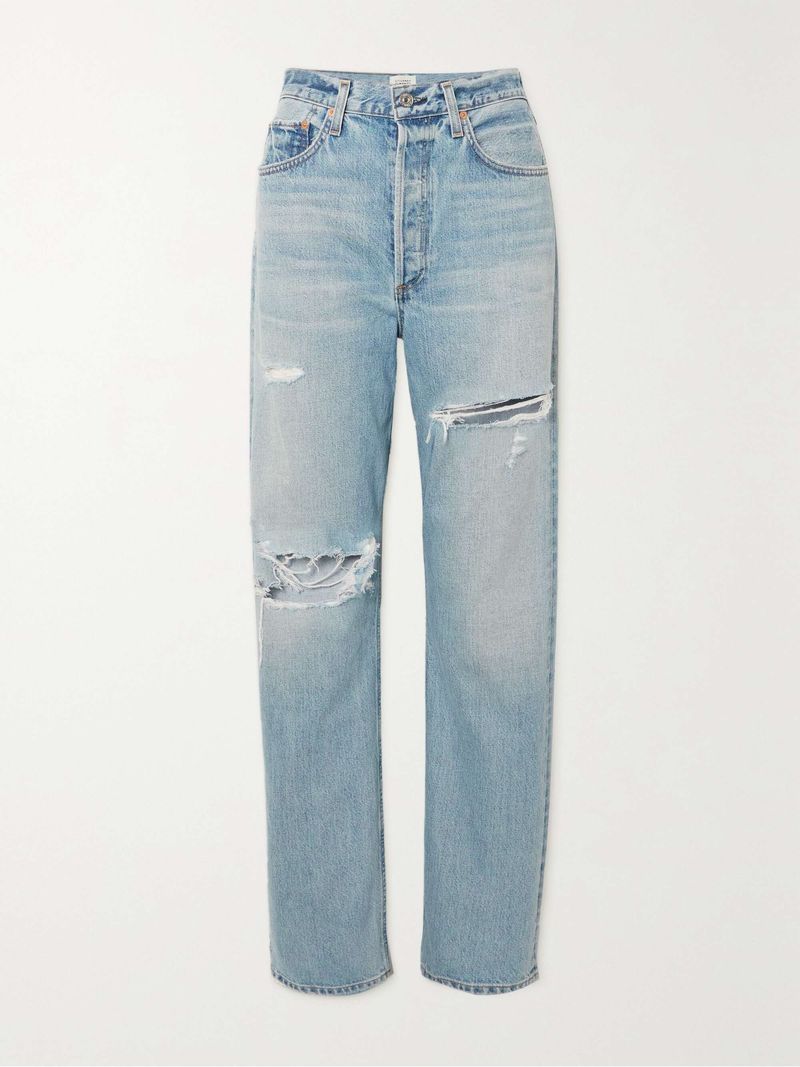
Jeans so ripped they barely hold together used to signal edgy coolness.
But when your pants have more holes than fabric, something’s gone too far.
The trend toward durability and longevity is pushing denim in a cleaner direction.
Raw denim and well-crafted cuts that age naturally are gaining popularity.
People want jeans that last years, not ones that fall apart after a few washes.
This shift also reflects environmental awareness about textile waste.
Classic, quality denim proves you don’t need artificial aging to look authentically stylish and put-together.
6. Overly Matching Sets

Matching your top to your pants to your shoes sounds easy, right?
Sure, but it also looks a bit robotic and uninspired.
Fashion is embracing individuality through mixing textures, patterns, and colors.
Eclectic combinations show personality and creativity in ways matchy-matchy outfits never could.
Personal style means taking risks and pairing unexpected pieces together.
Influencers and designers are celebrating clashing prints and contrasting fabrics.
Cookie-cutter coordination is giving way to outfits that tell a story and reflect who you really are inside.
7. Neon Everything
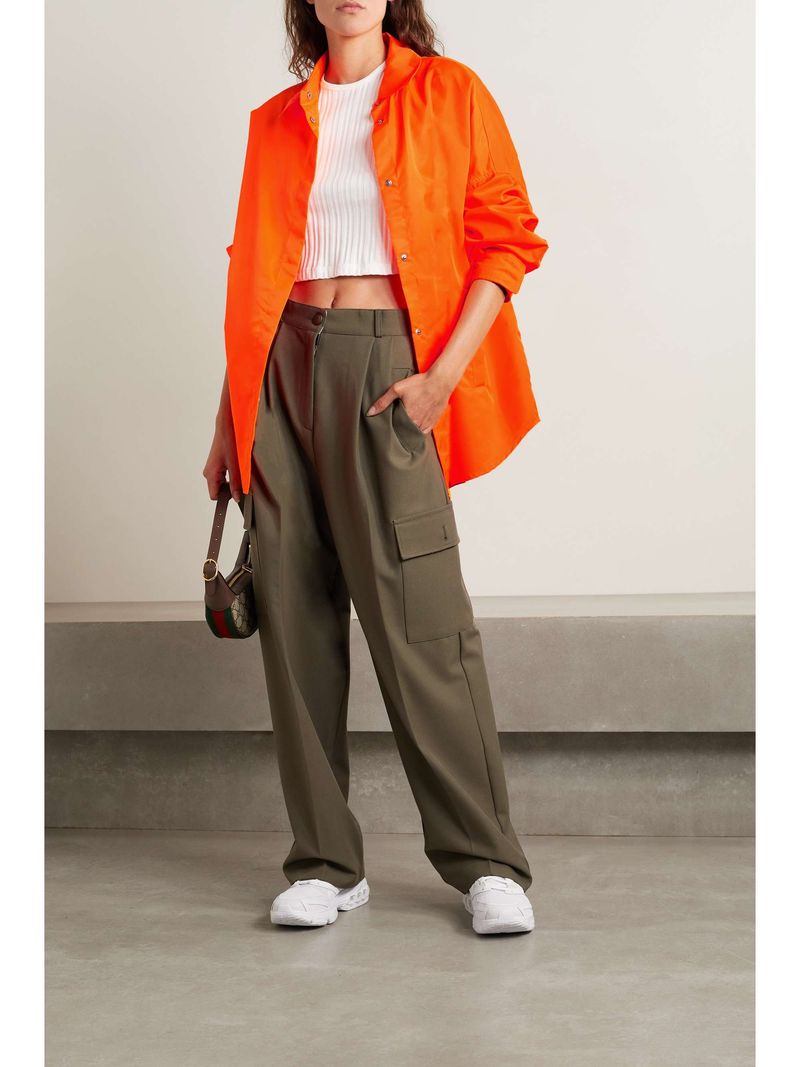
Highlighter-bright colors dominated runways and streetwear for several seasons straight.
Electric yellows, shocking pinks, and blazing greens were everywhere you looked.
But eyes get tired of that intensity, and palettes are shifting.
Earth tones, muted shades, and refined neutrals are replacing those eye-popping brights.
These softer colors feel more sophisticated and easier to style with existing wardrobes.
Neon had its moment screaming for attention, but subtlety is making a powerful comeback.
Fashion is proving that you don’t need to glow in the dark to stand out and make a memorable impression.
8. Excessive Cutouts

Strategic cutouts can be sexy and interesting when done right.
But when a garment has more openings than a Swiss cheese, it crosses into impractical territory.
These overdesigned pieces are hard to wear with undergarments and offer little versatility.
Cold weather? Forget it. Need a bra? Good luck finding one that works.
Fashion is scaling back to thoughtful, wearable cutout placements instead of going overboard.
People want clothes that enhance their confidence, not create wardrobe malfunctions.
Less is genuinely more when it comes to showing skin through clever, purposeful design choices.
9. Disposable Statement Pieces
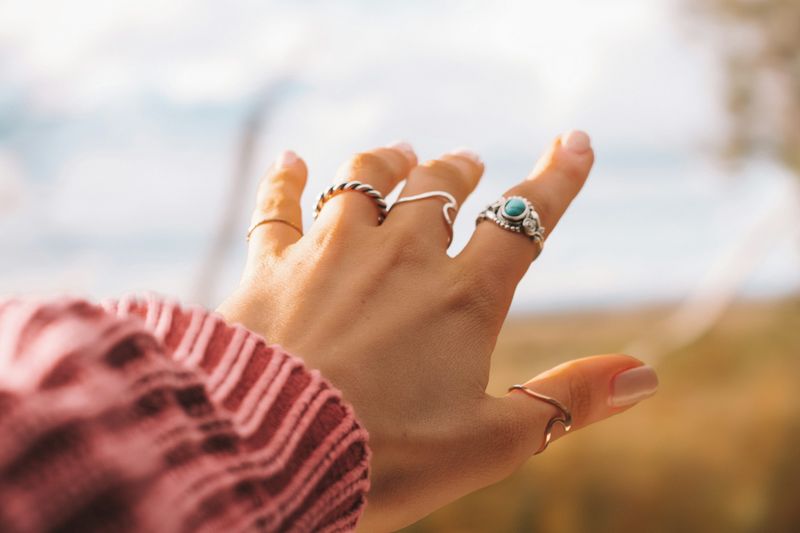
Buy it, wear it once for the perfect photo, then never touch it again.
This wasteful approach to fashion is finally losing its appeal.
People are realizing that closets full of one-hit wonders don’t make sense financially or environmentally.
Repeatable wardrobe staples that work for multiple occasions are becoming priorities.
Social media is even celebrating outfit repeating and creative restyling.
Investing in versatile pieces beats constantly chasing viral moments that fade overnight.
True style comes from building a wardrobe you actually love and use, not collecting disposable content props.
10. Hyper-Skinny Silhouettes
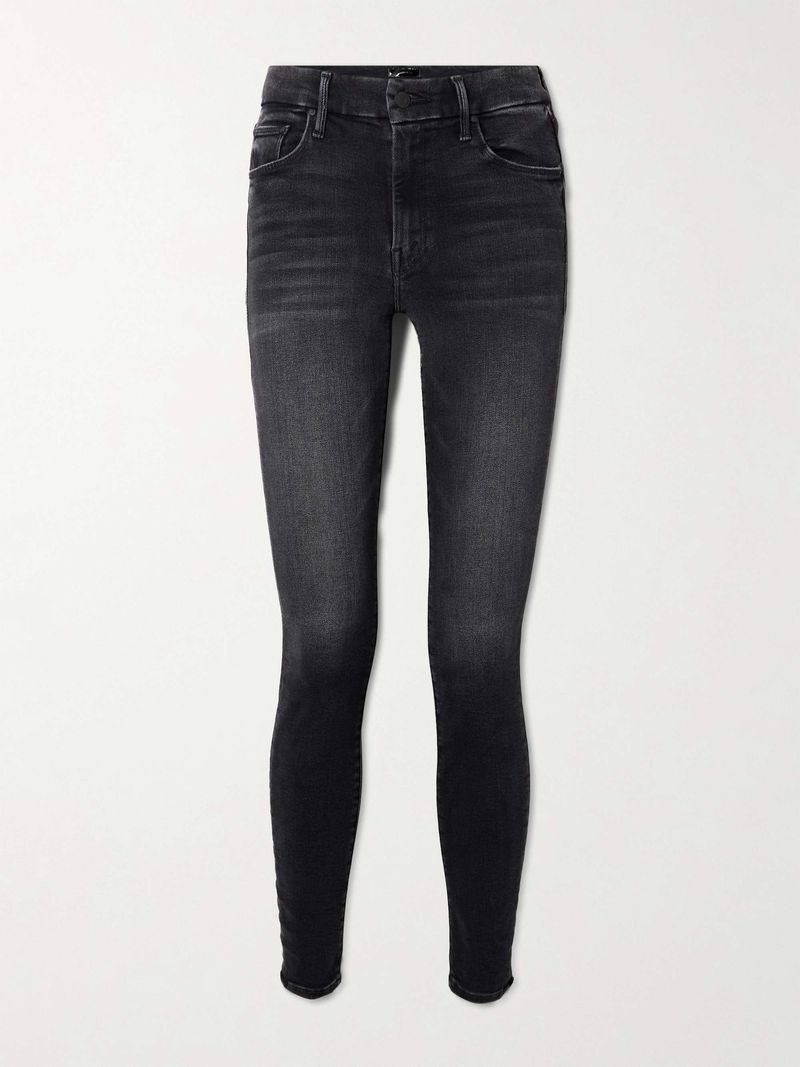
Painted-on jeans and body-hugging everything defined fashion for over a decade.
But comfort is no longer something people want to sacrifice for style.
Relaxed tailoring, fluid fits, and breathable fabrics are taking center stage.
These looser silhouettes work for more body types and feel better throughout the day.
Whether working from home or heading out, people want clothes that move with them.
Comfort-led design doesn’t mean sloppy; it means thoughtful construction that flatters without constricting.
Fashion is finally understanding that feeling good matters just as much as looking good does.
11. Plastic-Based Faux Leather
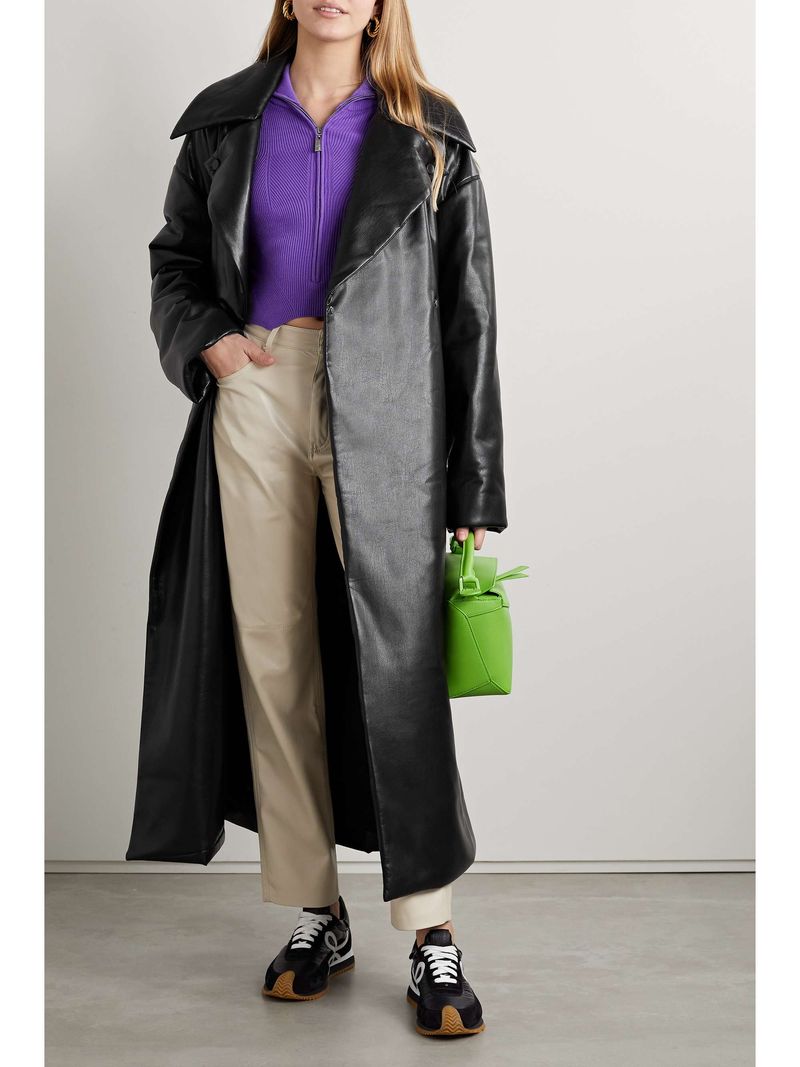
Vegan leather sounded like a perfect solution for animal-friendly fashion lovers.
But traditional versions made from plastic come with serious environmental baggage.
PU and PVC materials don’t biodegrade and contribute to pollution throughout their lifecycle.
Brands are now turning toward innovative alternatives made from mushrooms, cacti, and recycled materials.
These bio-based options offer similar aesthetics without the ecological guilt.
Consumers are becoming smarter about reading labels and asking questions about material sources.
Sustainable fashion means considering the full impact, not just skipping animal products while harming the planet differently.
12. Algorithm-Driven Aesthetic Labels

Cottagecore, goth, dark academia—the list of hyper-specific aesthetics seems endless.
Social media algorithms love categorizing people into neat little style boxes.
But real humans rarely fit perfectly into one aesthetic identity.
These rigid labels can feel limiting rather than liberating for creative expression.
People are rejecting the pressure to commit to one narrow vision.
Mixing elements from different styles creates more authentic, interesting personal fashion.
True individuality means borrowing what you love from anywhere, not subscribing to algorithm-approved categories that change every month.