 MomSkoop
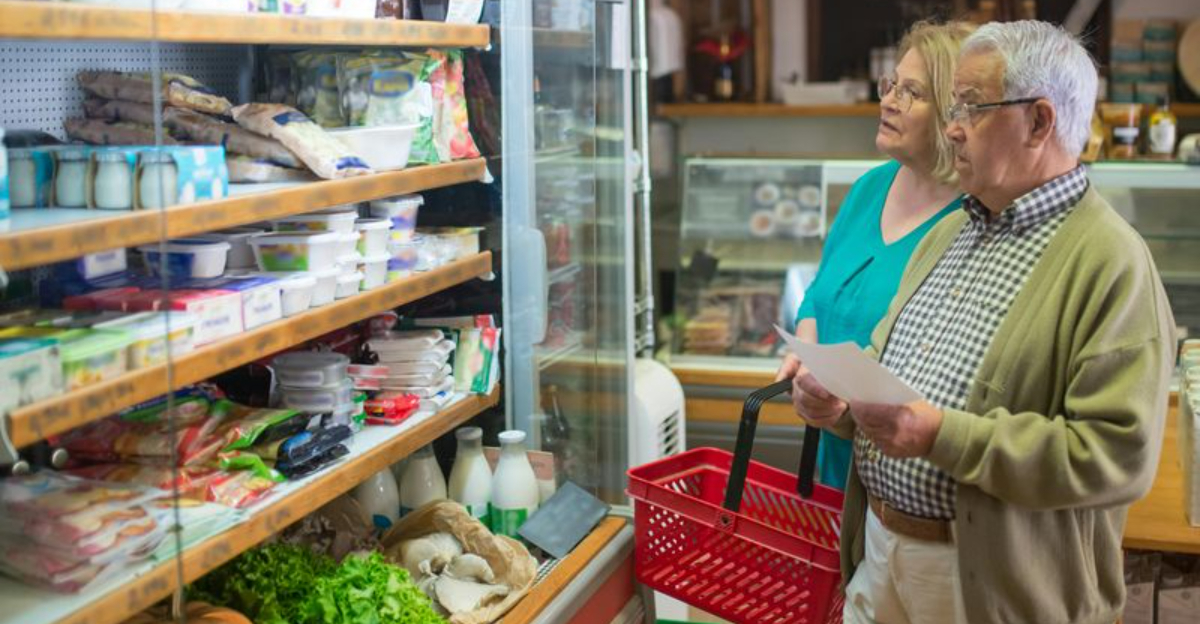
Ever wonder why your grocery bill seems to climb higher every week, even when you think you’re shopping smart? Stores use clever tactics to get you to spend more money than you planned.
From sneaky product placements to overpriced convenience items, these traps are designed to empty your wallet. Understanding these tricks can help you save serious cash on your next shopping trip.
1. Hard-Boiled Eggs
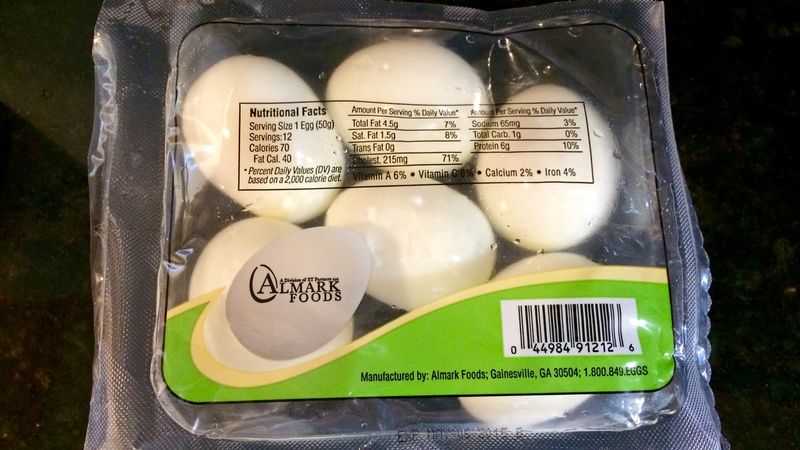
Grabbing pre-cooked hard-boiled eggs might save you ten minutes, but it costs you way more than it should.
Stores charge a huge markup for something you can easily make at home.
A dozen raw eggs costs a fraction of what those little peeled packages run you.
Boiling eggs takes minimal effort—just put them in water, heat them up, and wait.
You can make a whole batch on Sunday and have breakfast ready for the week.
The convenience factor tricks shoppers into thinking it’s worth the extra money.
But when you break down the actual cost per egg, you’re paying triple or more for someone else to boil water.
2. Precut Fruit and Vegetables
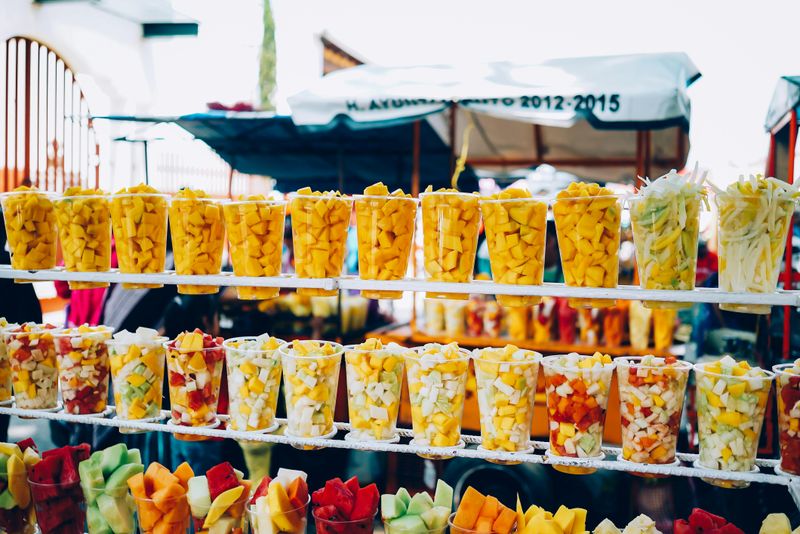
Those containers of sliced watermelon or chopped onions look tempting when you’re in a rush.
However, you’re paying a premium price for someone else to do five minutes of knife work.
The markup on precut produce can be 200% or more compared to whole versions.
Grocery stores know busy shoppers will pay extra for convenience.
But a sharp knife and a cutting board at home will save you tons of money over time.
Plus, whole fruits and veggies stay fresh longer than their pre-chopped cousins.
You also get more actual food since stores remove cores, peels, and stems before packaging.
3. Parfaits
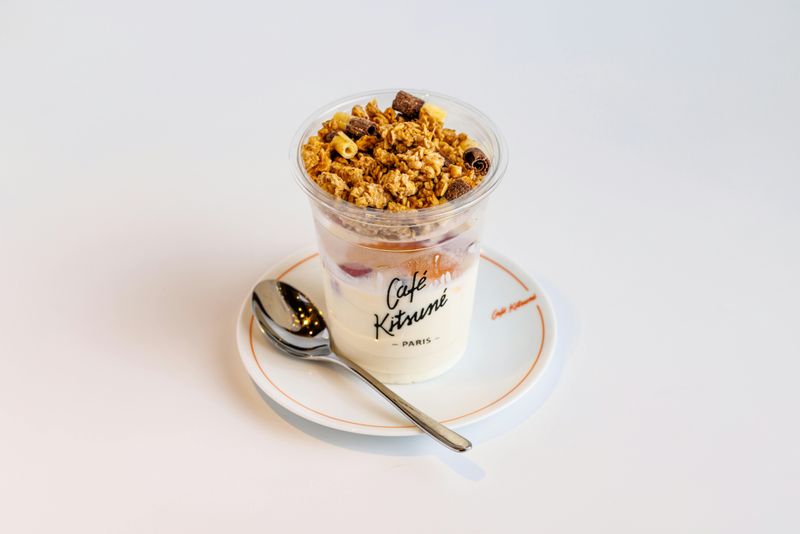
Yogurt parfaits in the refrigerated section seem like a healthy, quick breakfast option.
But you’re essentially paying restaurant prices for yogurt, granola, and fruit you could layer yourself.
A single parfait might cost five dollars, while buying the ingredients separately gives you enough for a whole week.
Stores love selling these because the profit margins are enormous.
The actual ingredients cost them pennies, but they charge you premium prices.
Making parfaits at home takes less than two minutes.
Just grab some plain yogurt, your favorite granola, and fresh berries, and you’ve got a better breakfast for way less money.
4. Bottled Water
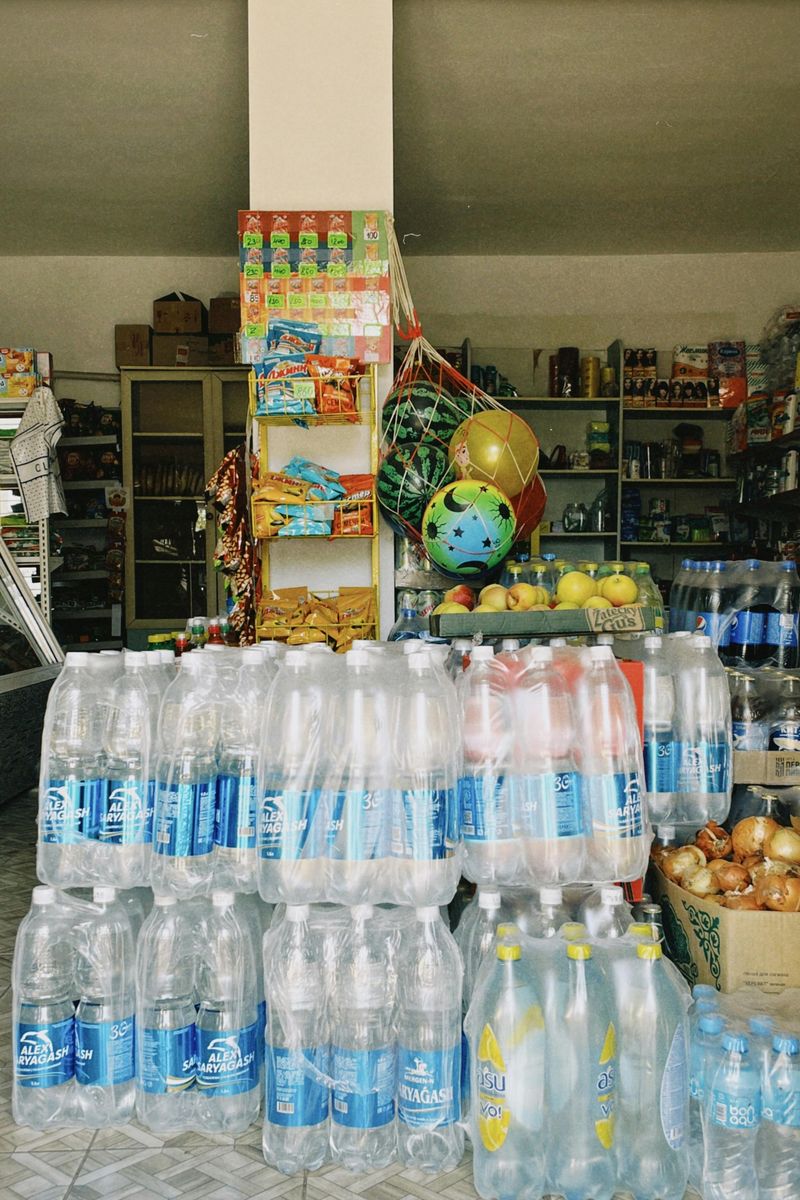
Buying bottled water is one of the biggest money drains at the grocery store.
Tap water in most places is perfectly safe to drink and costs almost nothing.
A reusable water bottle pays for itself after just a few uses compared to constantly buying plastic bottles.
Companies charge you for packaging and marketing more than the actual water inside.
Some bottled water literally comes from municipal tap sources anyway.
If you’re worried about taste or quality, a simple water filter pitcher costs about as much as a few cases of bottled water.
You’ll save hundreds of dollars yearly while reducing plastic waste too.
5. Certain Deli Meats
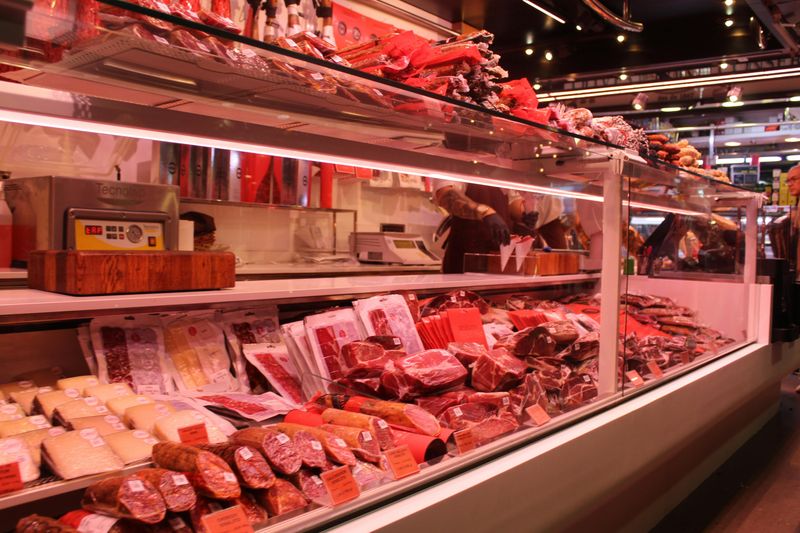
Pre-packaged deli meats sitting in the refrigerated case often cost more per pound than meat from the actual deli counter.
Fancy packaging and brand names jack up the price, even though you’re getting the same basic product.
Stores count on shoppers grabbing convenient packages without checking prices.
Walking to the deli counter and asking for freshly sliced meat usually saves you money.
You can also specify exactly how much you need, reducing waste.
The quality is often better too since it hasn’t been sitting in plastic for days.
Compare the price per pound next time, and you’ll see the difference adds up quickly.
6. Breads, Pastries, Pizza Dough, and Pie Crusts
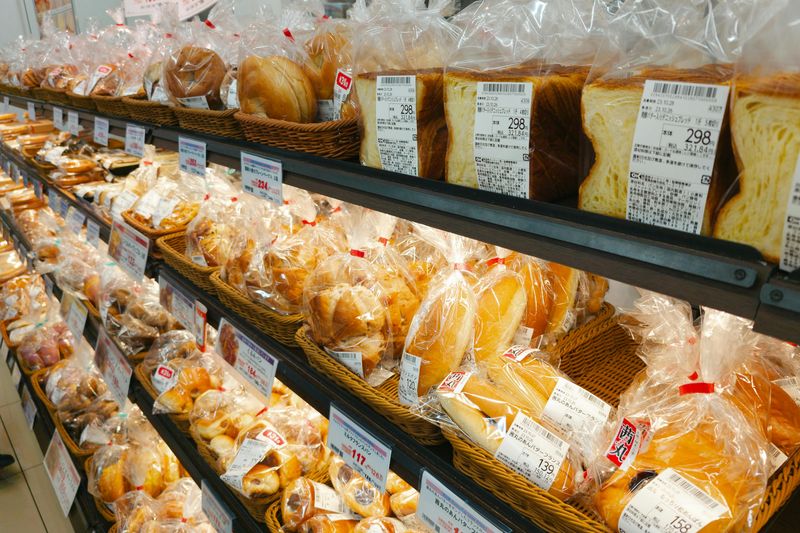
Store bakeries smell amazing, but their prices aren’t as sweet as the treats.
Bakery items have huge markups because stores know the aroma and presentation make them irresistible.
A loaf of artisan bread might cost four times what basic bread costs in the bread aisle.
Pizza dough and pie crusts are especially overpriced for what they are—basically just flour, water, and fat.
Making your own dough takes minutes and costs pennies.
If you must buy convenience dough products, check the refrigerated section rather than the bakery.
You’ll often find cheaper options that work just as well for your recipes.
7. Junk Food
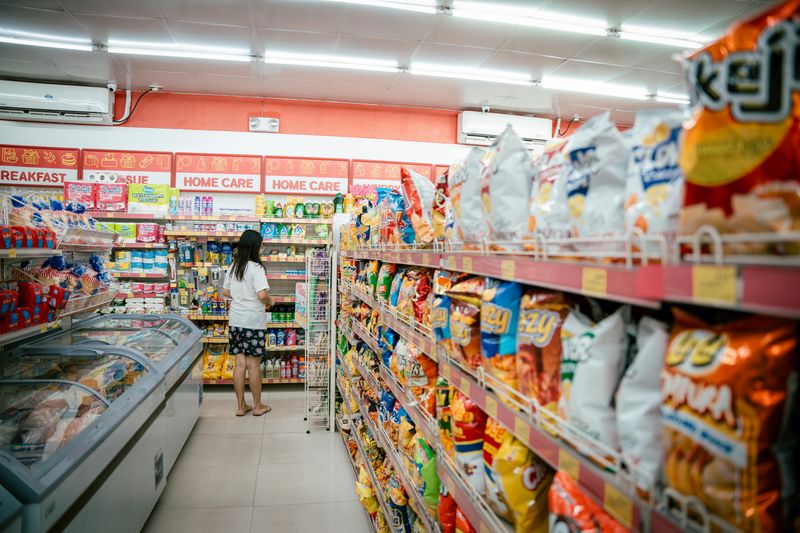
Chips, cookies, and candy are strategically placed throughout the store to tempt you into impulse buys.
These items have some of the highest profit margins in the entire store.
You’re paying mostly for packaging, marketing, and addictive flavoring rather than actual nutrition.
Stores put junk food at eye level and near checkout lanes because they know it’s hard to resist.
Each bag of chips you toss in your cart adds dollars without adding real value.
Planning your snacks ahead and sticking to your list helps you avoid these expensive traps.
Your wallet and your health will both thank you later.
8. Chicken Stock
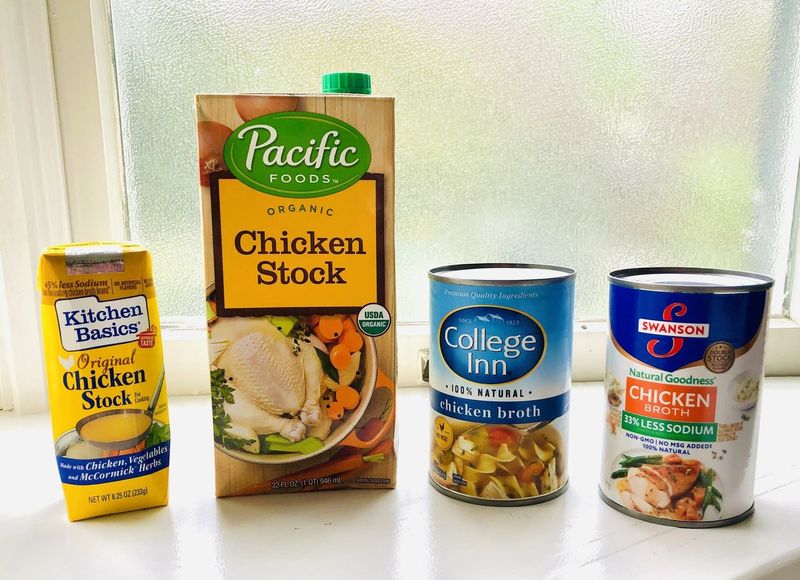
Those cartons of chicken stock seem convenient, but you’re paying for mostly water and packaging.
Making stock at home costs almost nothing if you save chicken bones and vegetable scraps.
Even bouillon cubes or powder cost a fraction of what premade stock runs.
Stores charge premium prices because the cartons look fancy and healthy.
But the actual chicken content is minimal compared to what the label suggests.
A big container of bouillon makes gallons of stock for the price of one carton.
If you roast chicken regularly, toss the bones in a pot with water and vegetables, and you’ve got homemade stock that tastes better anyway.
9. Salad Dressing
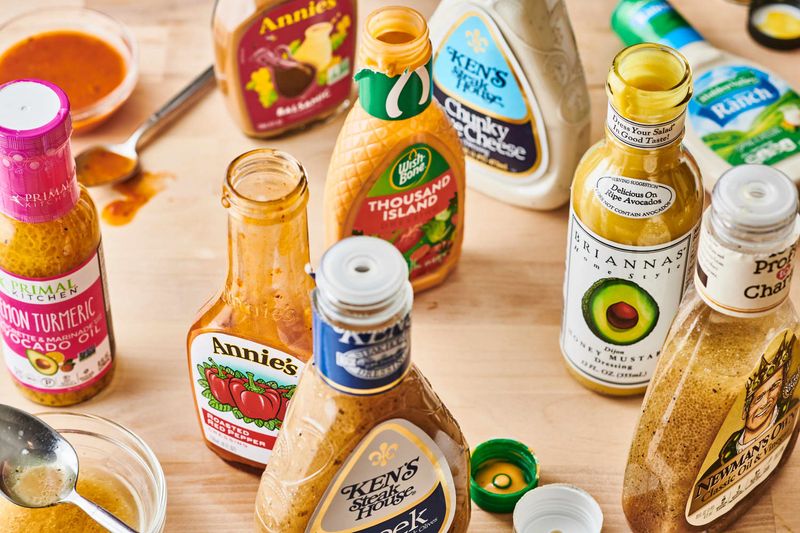
Bottled salad dressings are one of the easiest things to make at home, yet people spend big money on them.
Most dressings are just oil, vinegar, and seasonings mixed together.
A bottle that costs four dollars contains ingredients worth maybe fifty cents.
Grocery stores stock dozens of varieties to make you think you need specialty options.
But a simple vinaigrette takes thirty seconds to whisk together in a jar.
Homemade dressing tastes fresher and lets you control the ingredients.
You avoid preservatives and excess sugar while saving money.
Keep basic oils, vinegars, and spices on hand, and you’ll never need store-bought again.
10. Bottled Juices
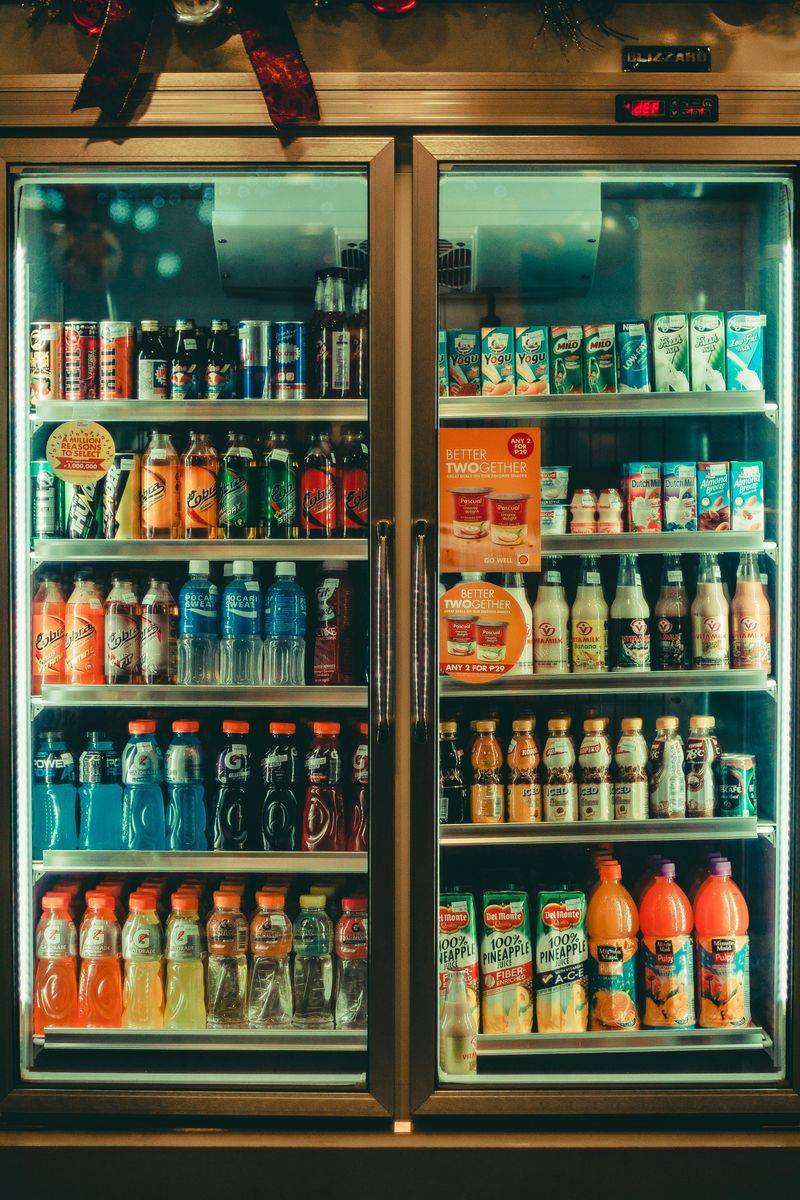
Fruit juice seems healthy, but bottled versions are expensive and often loaded with added sugar.
You’re paying for packaging, processing, and marketing more than actual fruit.
A jug of orange juice costs several dollars, while a bag of oranges gives you fresh juice plus fiber.
Many juices labeled as 100% juice still undergo heavy processing that removes nutritional value.
Stores position them in the health food section to justify higher prices.
If you love juice, consider buying whole fruit instead.
You get more nutrients, less sugar, and better value.
A simple citrus squeezer or blender turns fresh produce into drinks for pennies per serving.
11. Individual Packages of Just About Anything
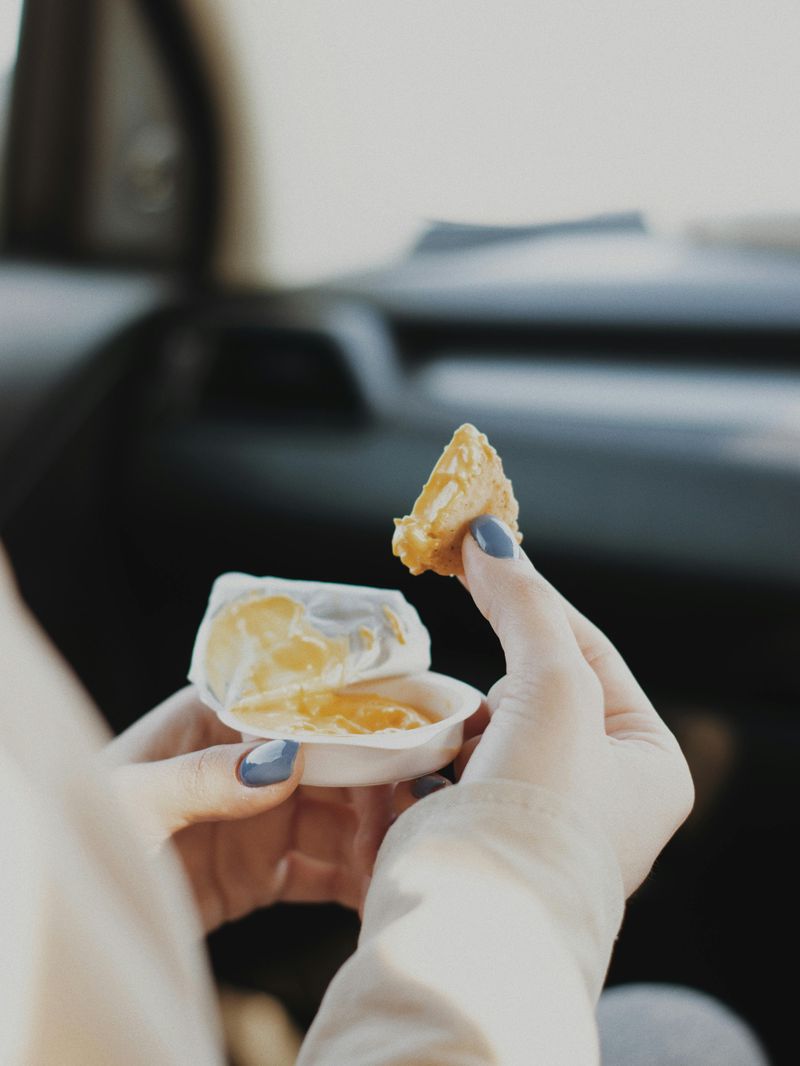
Single-serve portions of crackers, cheese, cookies, or nuts cost way more per ounce than regular-sized packages.
Stores bank on people wanting grab-and-go convenience for lunches or snacks.
But you’re paying double or triple for extra packaging.
Buying bulk sizes and portioning them yourself into reusable containers saves enormous amounts of money.
A box of individual chip bags might cost six dollars, while a regular bag costs two dollars with more chips inside.
This trap works because people don’t calculate the per-unit cost.
Spending five minutes at home dividing snacks into portions pays off big over time.
12. Cold Cereal
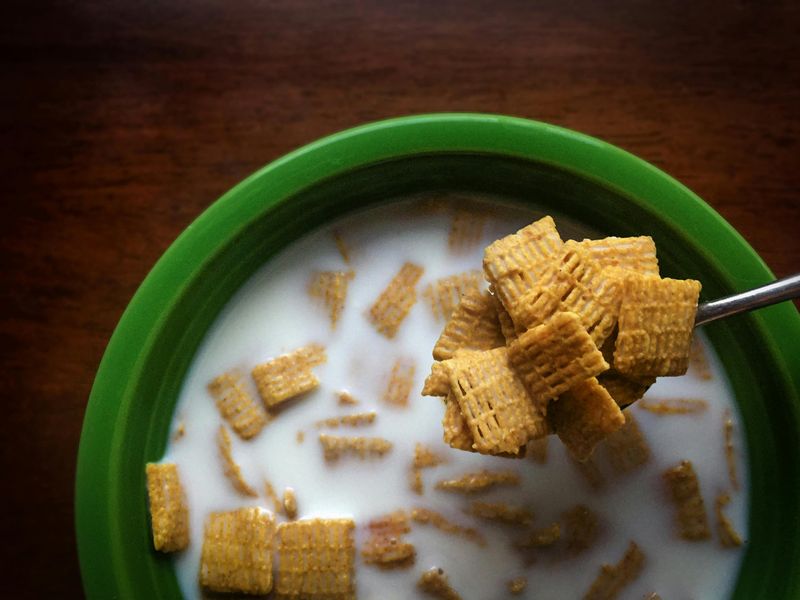
Breakfast cereal takes up massive shelf space and carries huge profit margins for grocery stores.
Name-brand cereals cost several dollars per box, even though the ingredients are mostly cheap grains and sugar.
You’re paying for cartoon characters and advertising more than nutrition.
Store brands offer nearly identical products for half the price.
Better yet, buying oats, making granola, or choosing simpler breakfast options saves even more money.
Cereal companies spend millions on marketing to make their boxes irresistible, especially to kids.
Comparing prices per ounce reveals just how overpriced these colorful boxes really are.
Your morning meal doesn’t need to cost that much.