 MomSkoop

Many parents convince themselves that staying in an unhappy marriage is the selfless choice—the ultimate sacrifice for their children’s well-being.
But what if that decision causes more harm than good?
After years of living this reality, I discovered painful truths about what really happens when you prioritize an intact household over genuine happiness.
Here are the hard lessons that changed everything I thought I knew about love, parenting, and what children truly need.
1. Children Absorb Emotional Tension, Even When Conflict Is Hidden
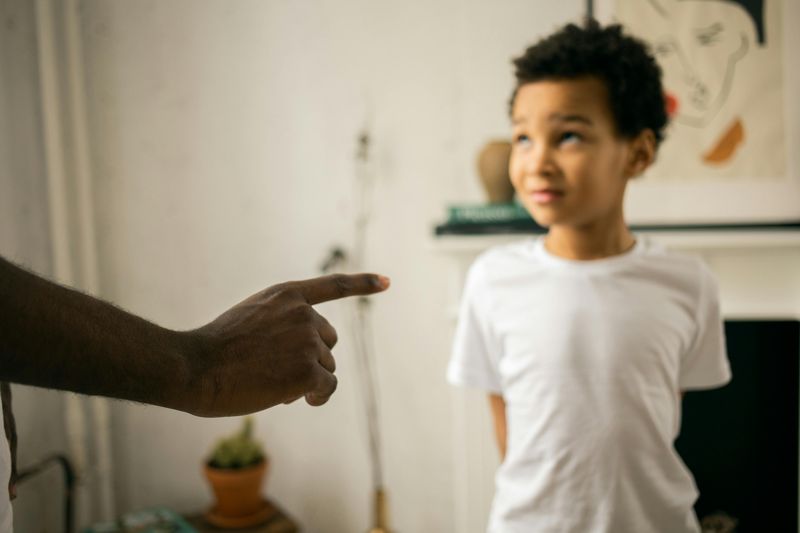
Kids possess an almost supernatural ability to sense when something is wrong.
No matter how carefully you hide arguments behind closed doors or paste on smiles during dinner, they feel the heaviness in the air.
That emotional tension seeps into their nervous systems, creating a constant state of low-level anxiety.
They might not understand the specifics, but they know their home doesn’t feel safe or stable.
Over time, this chronic stress affects their emotional development, sleep patterns, and even their ability to focus at school.
What you think you’re protecting them from, they’re actually experiencing in ways you never intended.
2. It Models Unhealthy Relationship Norms
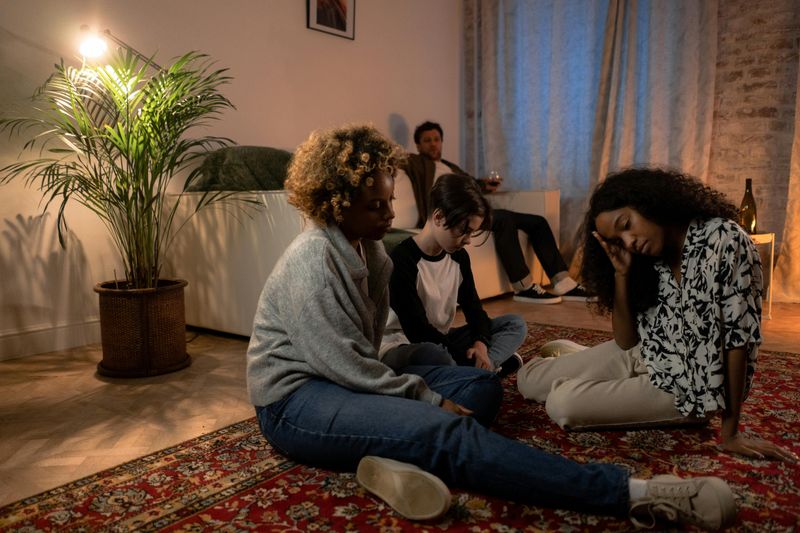
Your relationship becomes their blueprint for love.
When children watch parents who are distant, cold, or merely coexisting, they internalize these patterns as normal.
They may grow up believing that marriage means enduring unhappiness, that love requires constant sacrifice of self, or that emotional neglect is just part of commitment.
These lessons don’t come from lectures—they come from observation.
Years later, they might find themselves trapped in similar dynamics, wondering why they keep choosing partners who make them feel invisible.
The cycle continues because the original model was flawed from the start.
3. Mental Health Declines Over Time

Living in constant dissatisfaction doesn’t just make you sad—it fundamentally changes your brain chemistry.
Depression creeps in slowly, often disguised as exhaustion or numbness.
Anxiety becomes your constant companion as you navigate daily life with someone who feels like a stranger.
Your self-worth erodes bit by bit until you barely recognize the person staring back from the mirror.
Professional help can only do so much when the source of pain remains unchanged.
The toll on mental health isn’t just about bad days—it’s about years of your life spent in emotional survival mode, which leaves lasting scars.
4. Parenting Quality Often Suffers

Emotional exhaustion leaves you with nothing left to give.
When your own cup is empty, finding patience for your child’s needs becomes nearly impossible.
You might snap over small things, zone out during conversations, or go through the motions without really being present.
The joy that should come naturally in parenting feels like another task on an endless list.
Ironically, staying together “for the kids” can mean giving them a less engaged, less joyful version of you.
They don’t just need two parents under one roof—they need parents who have the emotional capacity to truly show up.
5. The Marriage Rarely Improves by Waiting It Out
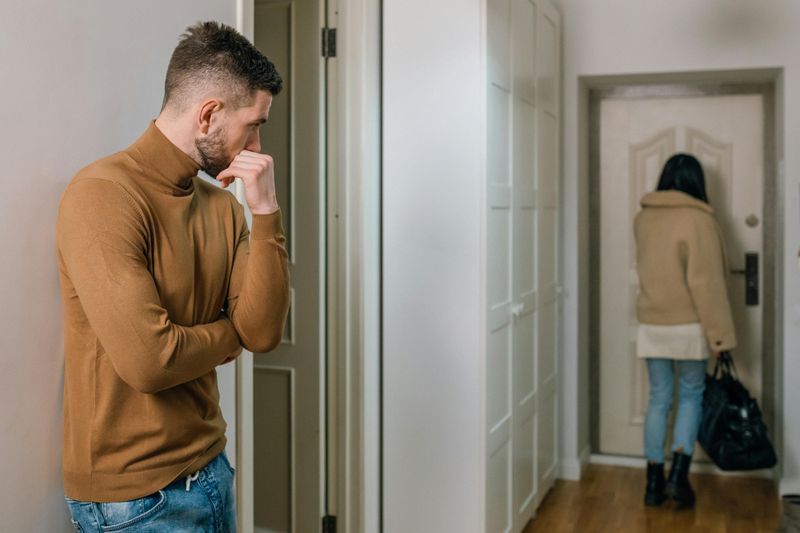
Hope can be a dangerous thing when it keeps you stuck.
Many believe that time will heal wounds or that circumstances will magically shift, making everything better.
But avoiding difficult conversations and ignoring fundamental incompatibilities doesn’t resolve them—it allows resentment to calcify into something permanent.
Each passing year adds another layer of hurt, making reconciliation even harder.
Problems left unaddressed don’t disappear; they multiply.
What might have been fixable with honesty and effort years ago becomes an insurmountable wall of accumulated disappointment and bitterness that no amount of waiting can break down.
6. Children May Blame Themselves Anyway

Kids have a tendency to make everything about them.
When they sense unhappiness in their parents, they often conclude that they’re somehow responsible.
“If I were better behaved, maybe Mom would smile more.”
“If I got better grades, maybe Dad wouldn’t be so angry.”
These thoughts become internal narratives that shape their self-image.
The irony is crushing: you stayed to protect them from guilt, but they carry it anyway.
They might even feel worse knowing their parents sacrificed happiness on their behalf, creating a burden no child should bear about their very existence.
7. Authentic Happiness Is Delayed or Lost
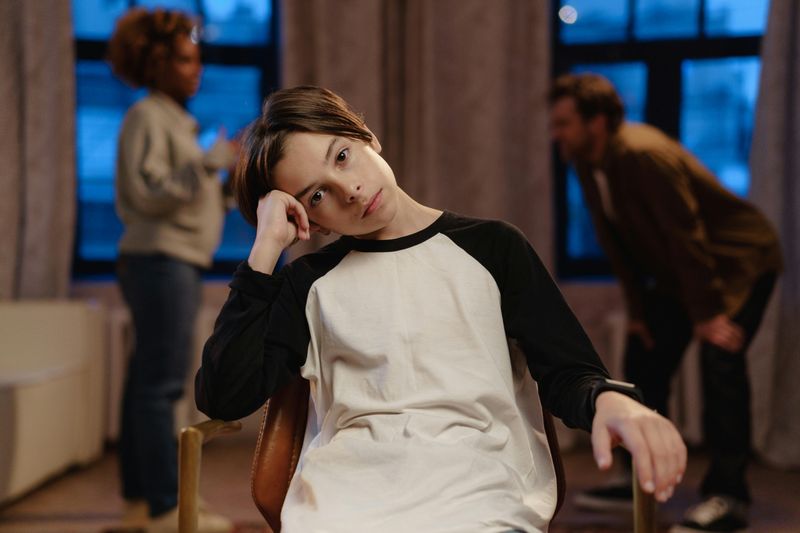
Years slip by faster than you realize.
What starts as “just until they’re older” becomes “just until high school” and then “just until college.”
Before you know it, decades have passed and you’ve spent them merely surviving rather than truly living.
The dreams you postponed, the adventures you skipped, the person you might have become—all sacrificed at the altar of “someday.”
When you finally reach the other side, the grief can be overwhelming.
You can’t reclaim those years, and the regret of a life half-lived is one of the heaviest burdens to carry into your later years.
8. Co-Parenting from a Place of Resentment Is Harder

Staying together doesn’t eliminate conflict—it often intensifies it.
When resentment builds over years, every parenting decision becomes another battlefield.
You disagree about discipline, schedules, money, and priorities, not because of the issues themselves but because of the underlying anger.
Your child becomes a messenger, a weapon, or a shield in ongoing emotional warfare.
Separated parents who’ve done the emotional work often co-parent more effectively than married ones trapped in bitterness.
Respectful distance can actually create healthier communication than forced proximity filled with contempt and unresolved hurt.
9. Emotional Intimacy Erodes Completely

Intimacy requires vulnerability, and vulnerability requires trust.
When that foundation crumbles, so does any real connection between partners.
You stop sharing your thoughts, dreams, and fears.
Conversations become transactional—about schedules, bills, and logistics.
You’re roommates at best, adversaries at worst, but certainly not partners.
What’s most devastating is that this erosion often becomes permanent.
After years of emotional distance, even if you wanted to reconnect, the skills and willingness to be truly open with each other have atrophied beyond repair.
The marriage becomes an empty shell.
10. Children Benefit More from Healthy Adults Than Intact Households
Research consistently contradicts the assumption that staying together is always best.
What children truly need isn’t an intact household—it’s emotionally healthy, present parents.
Kids thrive when they see adults who respect themselves and others, who handle challenges with grace, and who model genuine happiness.
These qualities are nearly impossible to maintain in a chronically unhappy marriage.
Two separate homes filled with peace, authenticity, and emotional stability provide a far better environment than one home filled with tension and pretense.
Children are remarkably resilient when given honesty and healthy role models.
11. Personal Identity Shrinks

Constantly suppressing your needs creates a strange phenomenon—you start to forget what those needs even are.
Your preferences, dreams, and boundaries gradually disappear.
You become a version of yourself designed solely to keep peace, to accommodate, to manage someone else’s emotions.
The vibrant person you once were fades into a shadow focused only on survival.
This loss of self doesn’t happen overnight, which makes it even more insidious.
One day you wake up and realize you can’t remember the last time you made a choice based on what you actually wanted rather than what would cause the least conflict.
12. It Teaches Endurance Instead of Agency

Perhaps the most damaging lesson is the one about what we deserve.
When children watch parents endure unhappiness year after year, they learn that this is what adults do—they tolerate, they sacrifice, they endure.
They don’t learn that it’s okay to advocate for their own happiness, to set boundaries, or to make difficult choices that honor their well-being.
Instead, they internalize the message that their feelings don’t matter as much as maintaining appearances.
This lesson follows them into adulthood, affecting career choices, friendships, and romantic relationships.
They become experts at endurance but novices at recognizing they deserve respect, joy, and fulfillment in their lives.