 MomSkoop
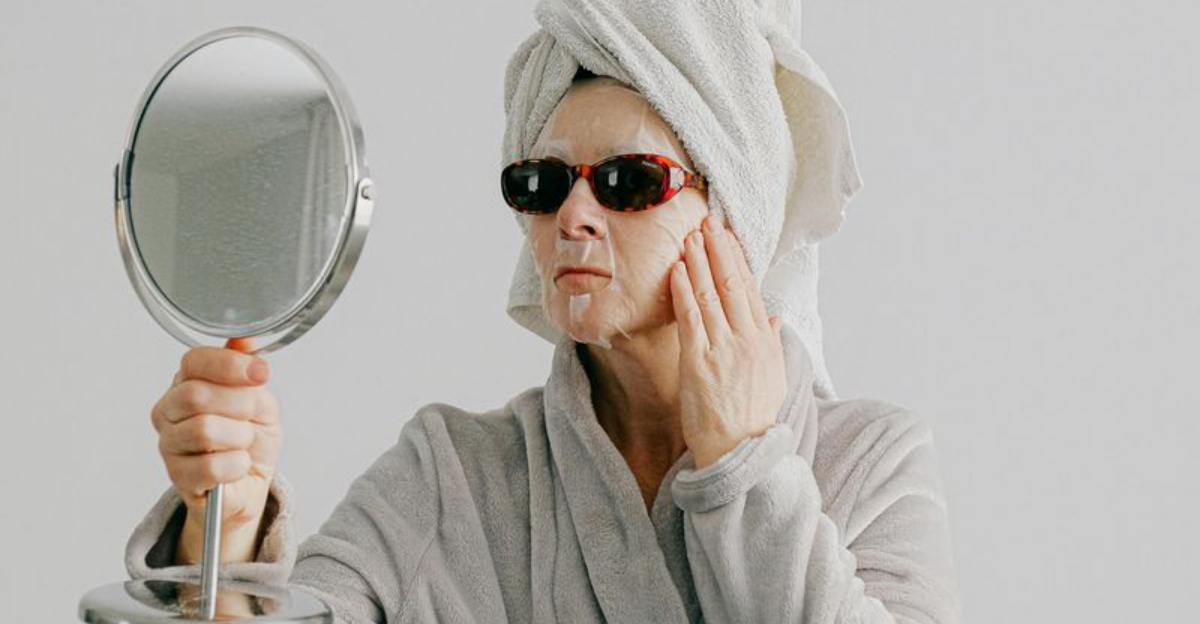
Many of us grow up hearing things about getting older that simply are not true. These ideas can sneak into our thinking and hold us back from living full, exciting lives.
Letting go of harmful beliefs about aging is one of the most freeing things you can do, no matter how old you are. Your best chapter might just be the one you have not written yet.
1. I’m Too Old to Start Something New
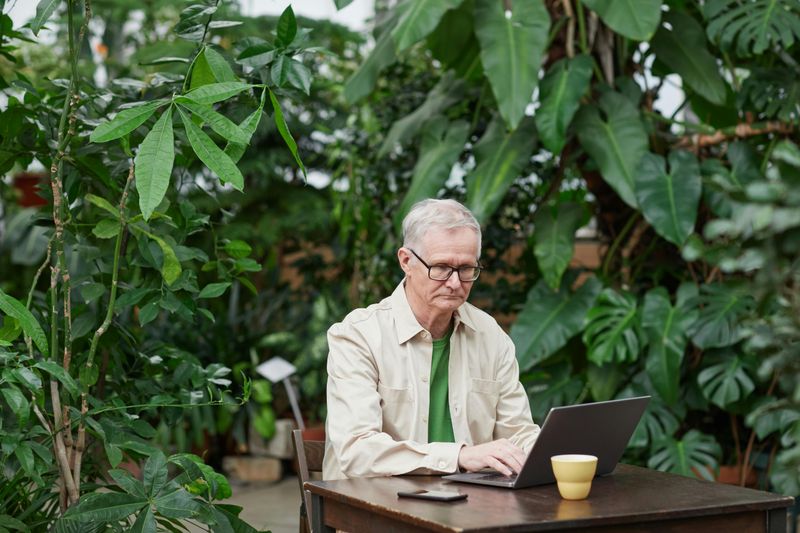
Colonel Sanders did not launch KFC until he was 62.
That single fact should stop any “too old” thought in its tracks.
Starting something new has nothing to do with the number of candles on your birthday cake.
Age actually brings advantages that younger people simply do not have yet.
You have patience, life experience, and a clearer sense of what truly matters to you.
Those qualities make you a stronger starter, not a weaker one.
Whether it is learning guitar, launching a small business, or picking up photography, the only real barrier is the belief itself.
Drop that belief, and the door swings wide open.
2. Getting Older Automatically Means Becoming Weak

Strength is not something that just disappears with age like car keys.
Many people in their 60s, 70s, and beyond are stronger, faster, and more physically capable than they were in their 30s, simply because they made healthy choices.
Research consistently shows that regular exercise, good nutrition, and quality sleep can preserve and even build muscle well into later decades.
The body responds to effort at any age.
It wants to be challenged.
Weakness is not a guaranteed side effect of aging.
It tends to be a side effect of inactivity.
Staying active, even with gentle walks or stretching, keeps your body resilient and your energy levels surprisingly high.
3. My Best Years Are Behind Me
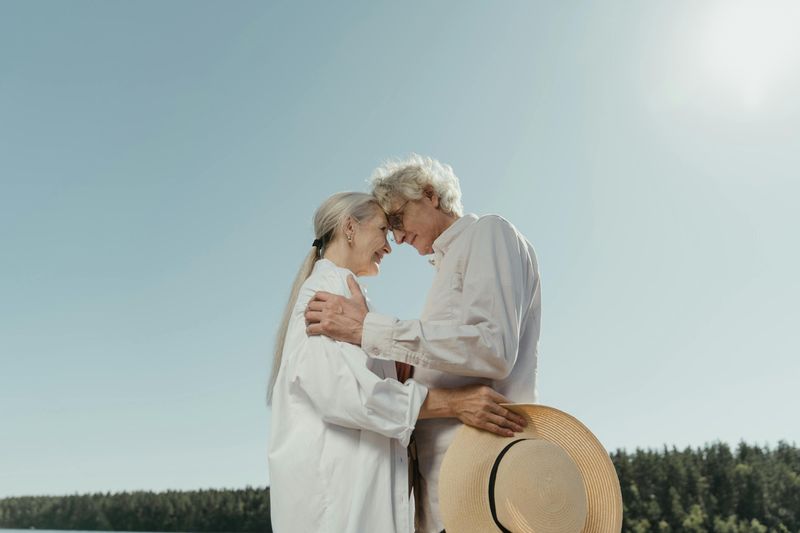
Here is something worth sitting with: studies on happiness consistently show that people tend to report greater life satisfaction in their 60s and 70s than they did in their 30s and 40s.
That is not a typo.
Older adults often worry less about what others think, feel more comfortable in their own skin, and have learned which things in life are actually worth their energy.
That kind of emotional wisdom is genuinely priceless.
The idea that life peaks early and then slides downhill is a story, not a fact.
Many people describe their later years as the most meaningful, joyful, and purposeful stretch of their entire lives.
Your story is still unfolding.
4. It’s Too Late for Me to Change
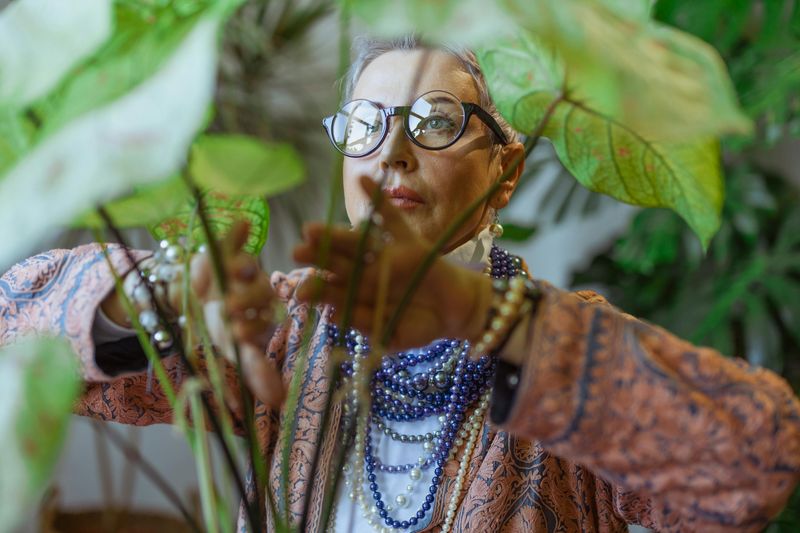
Change does not have an expiration date stamped on the bottom.
The human brain, thanks to a quality called neuroplasticity, keeps forming new connections and adapting throughout your entire lifetime.
You are literally wired for change.
Breaking old habits or building new ones takes effort, sure, but that effort pays off at 55 just as much as it does at 25.
Countless people have transformed their health, relationships, mindset, and careers in the second half of life.
Holding onto the belief that change is no longer possible is a way of giving up before even trying.
Swap that thought for curiosity, take one small step, and watch what starts to shift around you.
5. Aging Means Losing Your Purpose
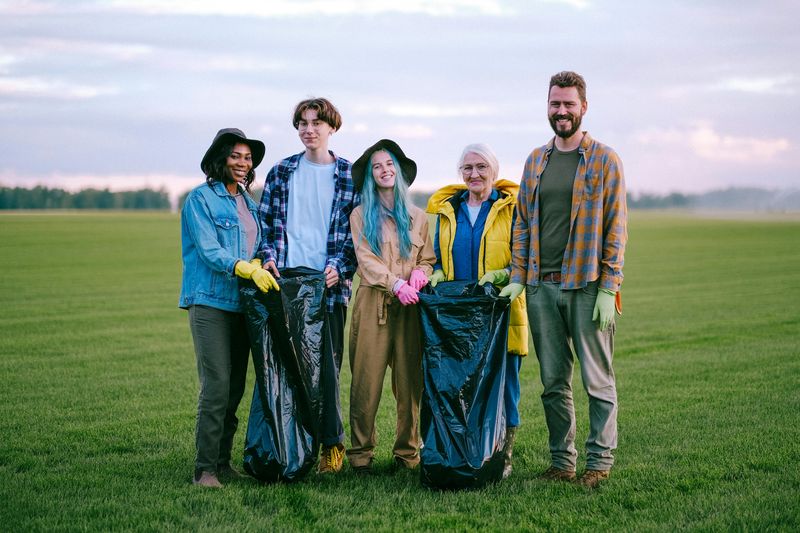
Purpose does not retire just because you do.
In fact, many people discover their deepest sense of meaning after stepping away from careers that kept them too busy to notice what truly mattered to them.
Volunteering, mentoring younger generations, creating art, raising grandchildren, advocating for causes you believe in, these are all powerful sources of purpose that become more available, not less, as you grow older.
The Japanese have a concept called “ikigai,” which roughly means your reason for getting up in the morning.
Research on ikigai shows it is strongly linked to longer, healthier lives.
Purpose is not something you lose with age.
Sometimes, it is something you finally find.
6. Older People Can’t Learn New Skills
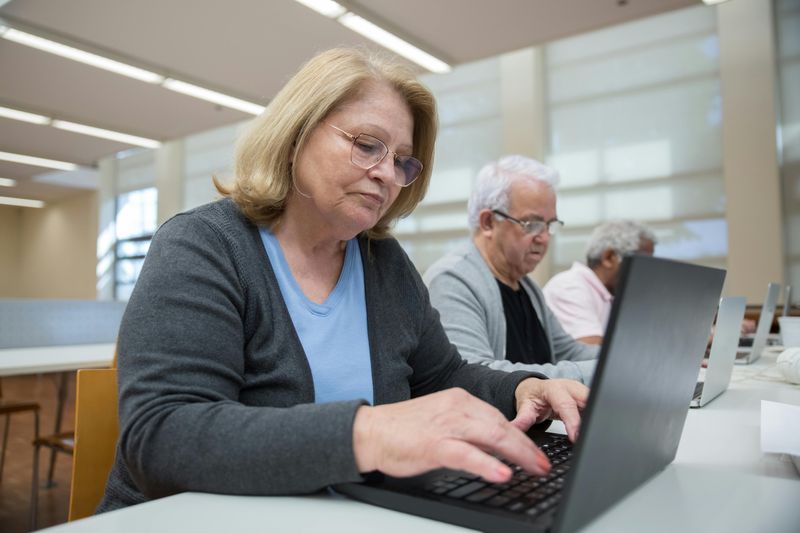
The brain is not a fixed machine that stops accepting updates after a certain age.
Learning new skills actually helps keep the brain sharp, reducing the risk of cognitive decline over time.
Picking up something new is basically a workout for your mind.
Older learners often bring something young students lack: real motivation.
When you choose to learn something as an adult, it is because you genuinely want to, and that internal drive makes a huge difference in how well the material sticks.
From learning new languages to mastering smartphone apps to taking cooking classes, older adults are doing it all.
The pace might look different, but the results are just as real.
Curiosity has no age requirement.
7. I Have to Slow Down Because of My Age
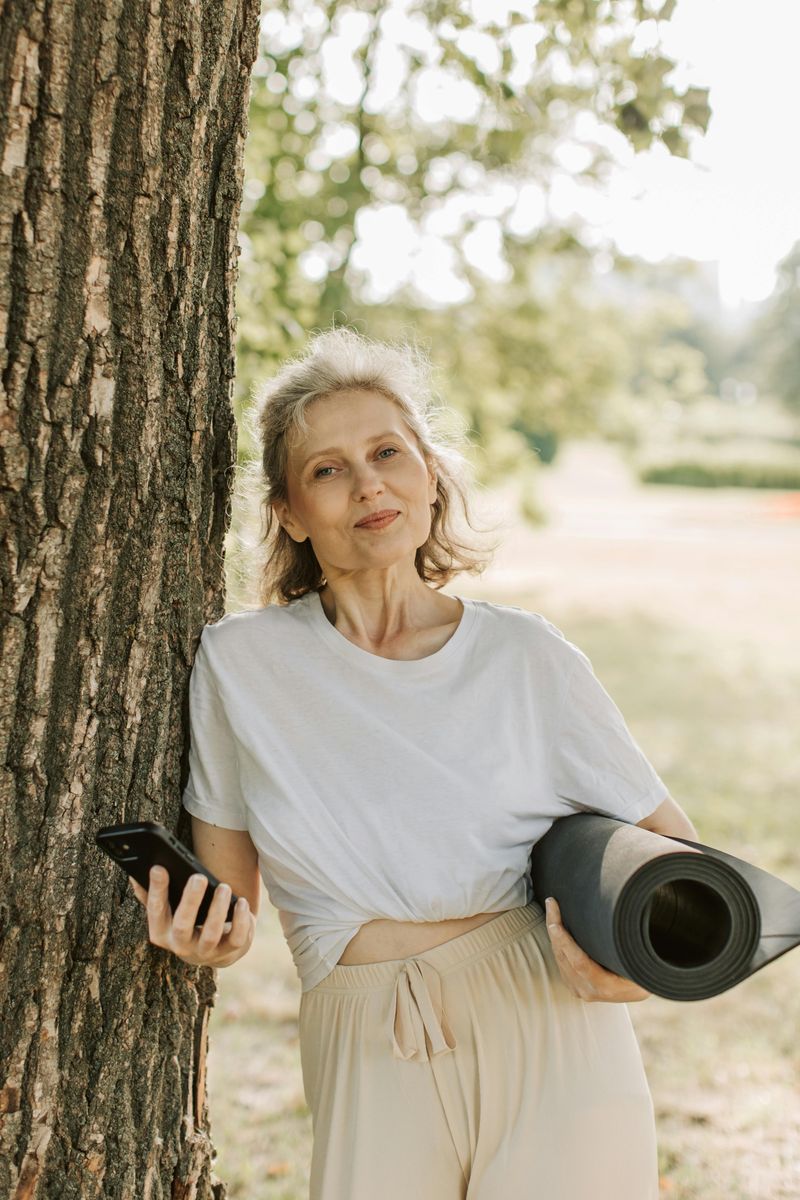
Slowing down is sometimes wise, but it should be a choice based on your body’s real signals, not a rule handed down by society.
There is a big difference between listening to your body and surrendering to a stereotype.
Many doctors and fitness experts actually encourage older adults to stay as active as possible, because movement protects joints, boosts mood, supports heart health, and sharpens the mind.
Sitting still too much is often more harmful than staying in motion.
Some adjustments along the way are completely normal and smart.
But adjusting your pace is not the same as stopping altogether.
Keep moving in whatever way feels right for your body, and your body will thank you for it.
8. No One Notices or Values Older People
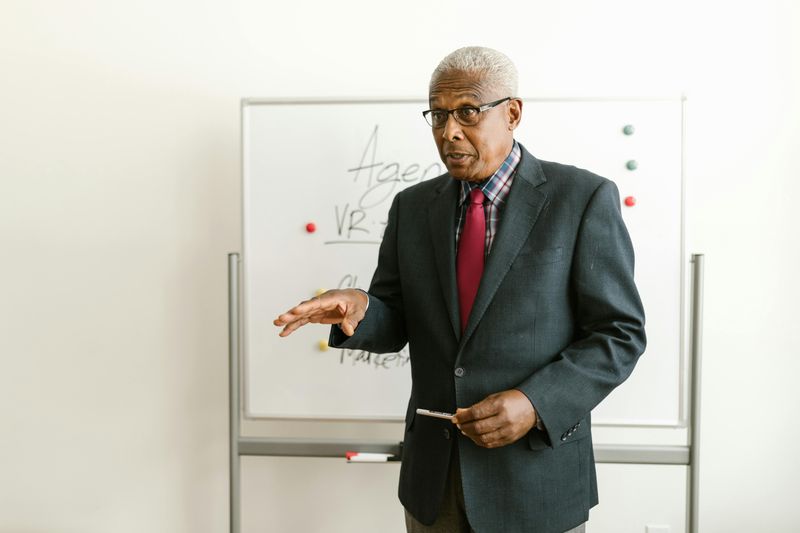
Ageism is real, and it can sting.
But confusing a social problem with a personal truth is a trap worth avoiding.
Just because some corners of society undervalue older adults does not mean you are actually invisible or unimportant.
Families, communities, workplaces, and entire industries regularly rely on the experience, steadiness, and judgment that older adults bring.
Mentorship, institutional knowledge, and emotional maturity are qualities that simply cannot be downloaded or faked.
Beyond usefulness, your presence, your stories, your laughter, and your hard-earned perspective matter to the people around you more than you might realize.
Feeling unseen is sometimes a signal to seek better communities, not proof that you have lost your value.
9. Aging Means Becoming Irrelevant
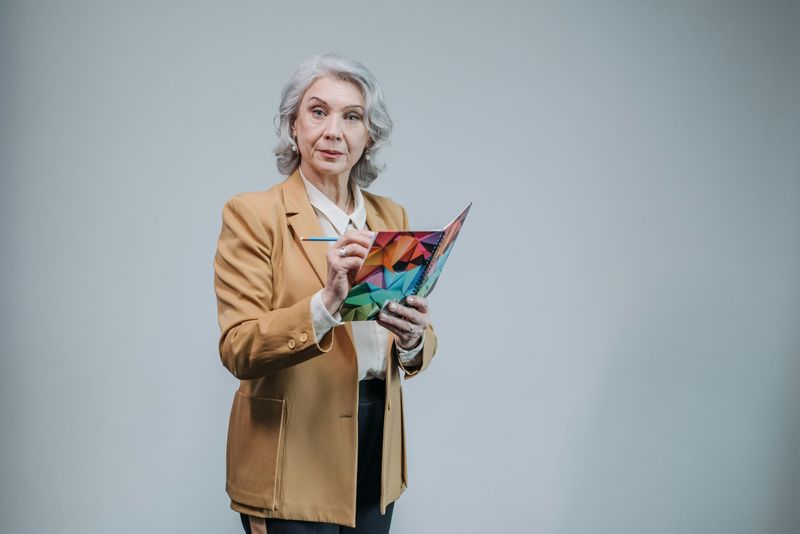
Relevance is not a privilege reserved for the young.
Some of the most influential voices in business, art, science, politics, and culture belong to people well past 60.
Their relevance comes from depth, not from youth.
Think about the mentors, teachers, or elders who shaped your thinking.
Their relevance had nothing to do with their age and everything to do with their wisdom, authenticity, and willingness to keep showing up.
That same power lives in you.
Staying curious, staying connected, and continuing to grow keeps you relevant in every room you walk into.
Relevance is earned through engagement, not handed out based on birth year.
Keep engaging, and irrelevance simply does not stand a chance.
10. I Can’t Be Attractive or Confident Anymore
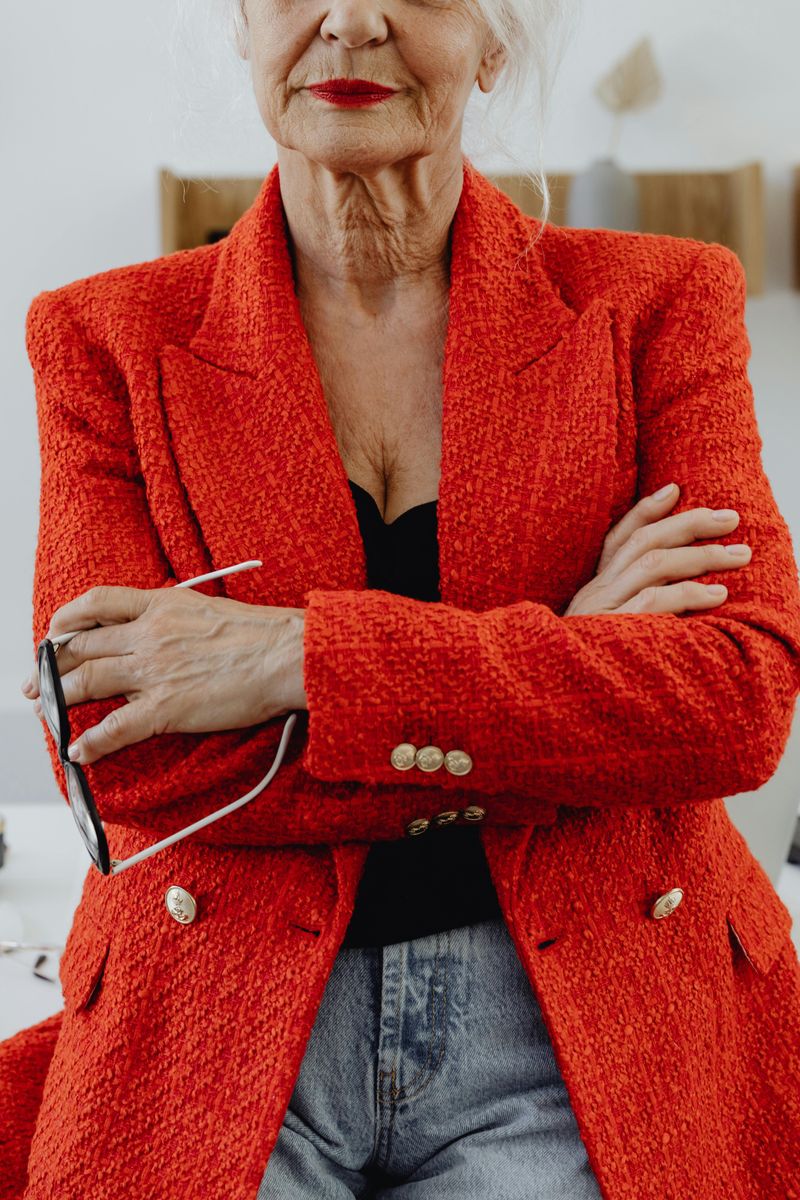
Confidence is arguably more magnetic at 60 than it ever was at 20.
When you stop chasing approval and start living from a place of genuine self-knowledge, something shifts.
People feel it when they are around you.
Attractiveness is not a single look frozen at a specific age.
It is warmth, presence, humor, and the way someone makes you feel when you are in their company.
Those qualities deepen with time, not fade.
Research on attraction consistently shows that confidence, kindness, and a good sense of humor rank higher than physical features across nearly every age group.
You have all of those things.
Wear them like the assets they truly are, because they absolutely are.
11. My Health Is Destined to Decline No Matter What
Genetics load the gun, but lifestyle pulls the trigger.
That phrase has been used by doctors for decades because it captures something genuinely important: your daily choices have enormous power over how your health unfolds as you age.
Dozens of large-scale studies confirm that regular movement, a plant-rich diet, strong social connections, quality sleep, and stress management can prevent or significantly delay many of the conditions we assume are just inevitable parts of aging.
Some health changes are natural and expected, but catastrophic decline is far from guaranteed.
People who treat their bodies with consistent care often feel dramatically better in their 70s than they did in their sedentary 40s.
Your choices today are writing your health story tomorrow.
12. Happiness Fades as You Get Older
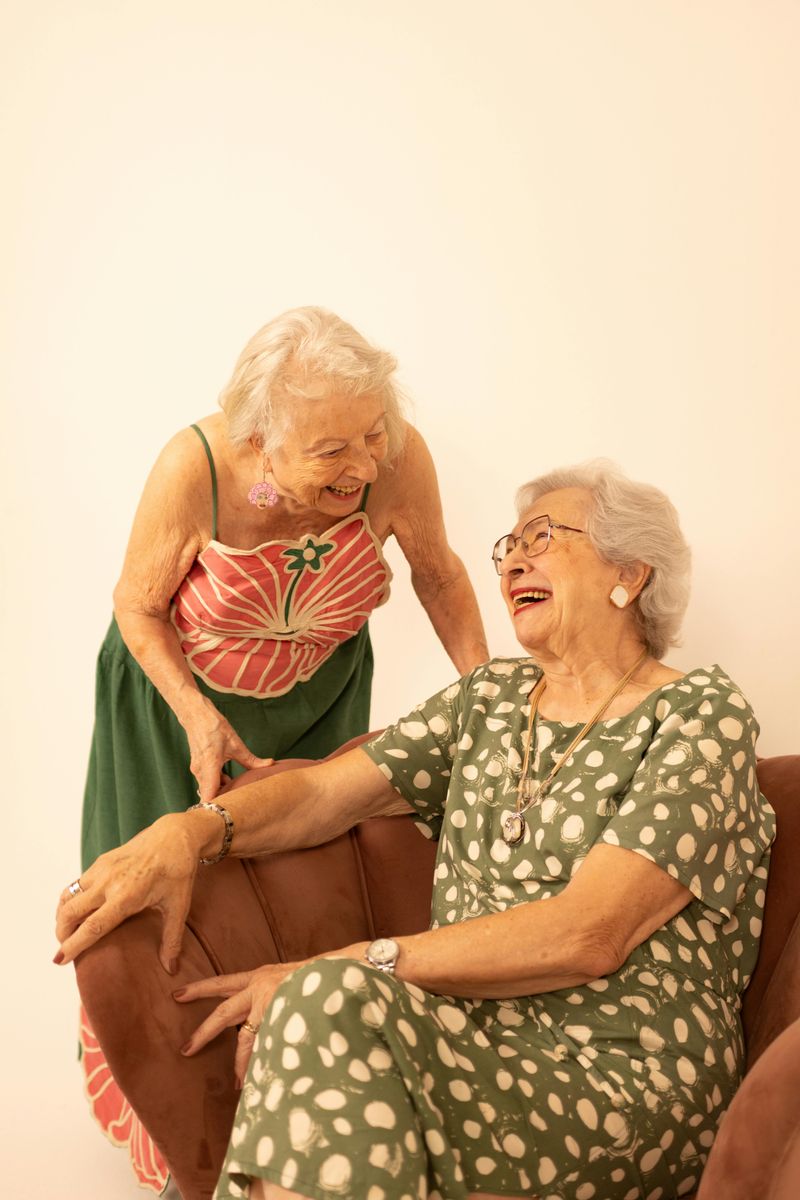
Psychologists call it the “happiness curve,” and it tells a surprisingly uplifting story.
Happiness tends to dip in midlife and then climb again steadily, often reaching its highest point in the 60s and 70s.
Aging and joy are not opposites.
Older adults generally report less anxiety, fewer regrets, and a stronger ability to savor small pleasures than younger people do.
The emotional turbulence of early adulthood tends to settle, leaving room for a quieter, steadier kind of contentment.
Letting go of the belief that happiness belongs to the young frees you to actually notice and appreciate the joy available right now.
Happiness is not a finish line you passed.
It is something you can keep building, one good day at a time.