 MomSkoop
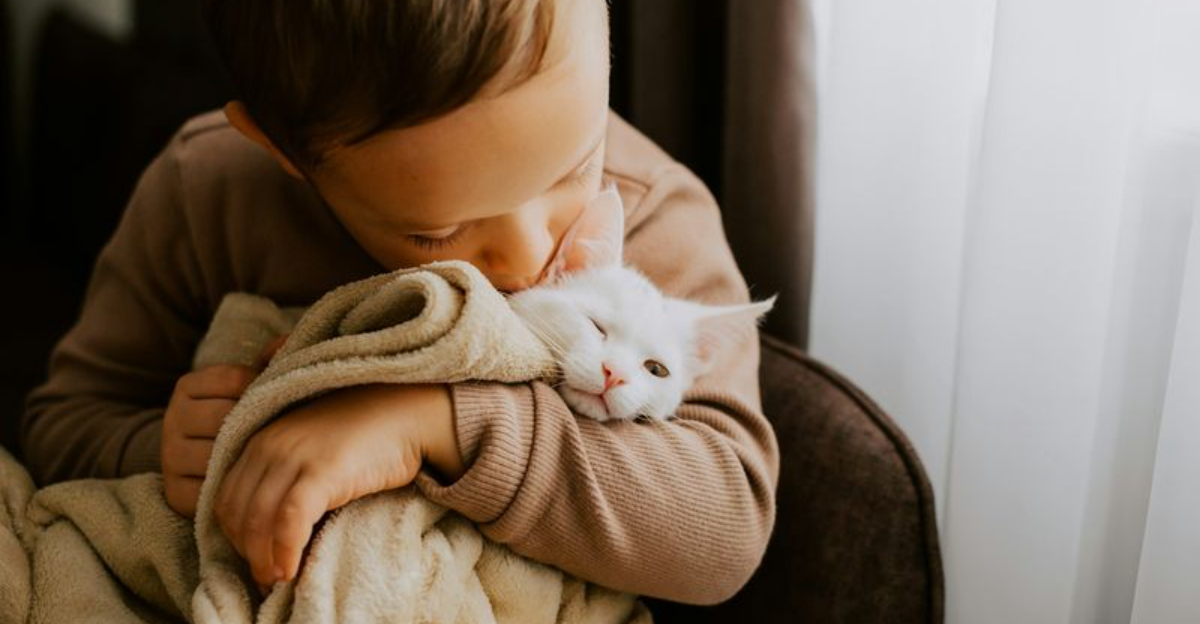
Every parent wonders at some point whether they’re doing a good job raising their kids. The truth is, kindness and compassion don’t show up on a report card—they show up in the small, everyday moments that often go unnoticed.
If you pay close attention, you might already see the signs that your child is growing into a truly caring person. Here are twelve heartwarming clues that tell you you’re on the right track.
1. They Show Empathy Without Being Prompted
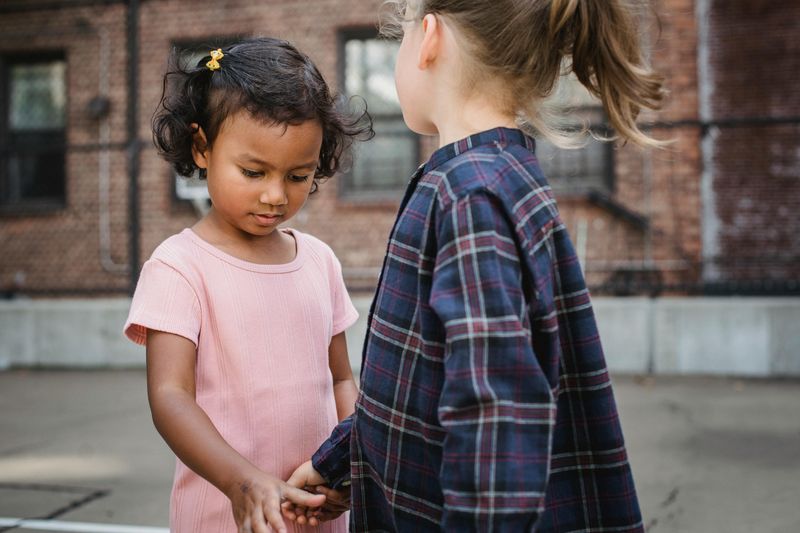
Picture this: your child walks into a room, notices a friend sitting alone with teary eyes, and immediately goes over to check on them—without you saying a word.
That kind of instinctive empathy is one of the most powerful signs of emotional maturity in a young person.
Kids who respond naturally to others’ pain are building the foundation for lifelong, meaningful relationships.
They aren’t just reacting—they’re genuinely feeling along with the other person.
Encourage this by acknowledging their sensitivity and letting them know it’s a strength, not a weakness.
2. They Share Willingly and Generously
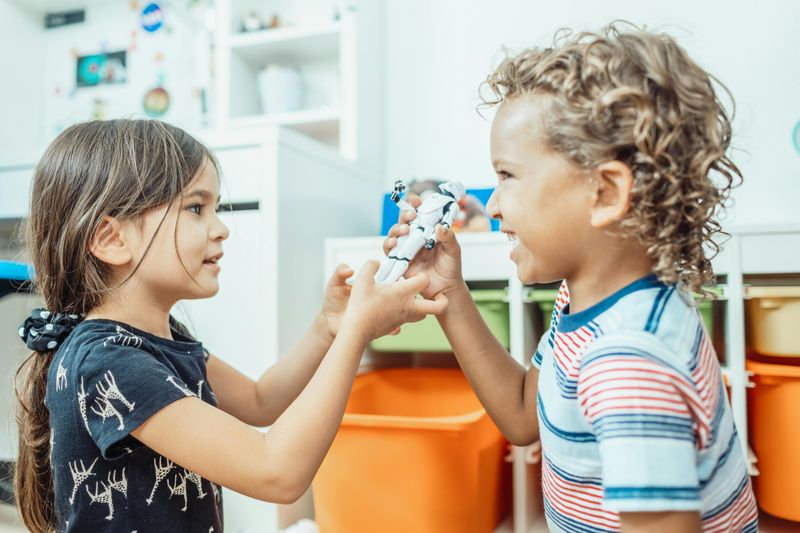
Sharing doesn’t come naturally to every child, which makes it all the more special when yours does it without being told.
When a kid offers the last cookie or moves over on the swing without any adult nudging, that’s generosity coming straight from the heart.
Children who share freely understand something powerful: making someone else happy actually feels good.
It’s not about giving things away—it’s about valuing connection over possession.
If your child regularly includes others in what they have, that’s a beautiful sign of a giving spirit that will carry them far in life.
3. They Use Kind Words as Second Nature
There’s something quietly wonderful about a child who says “please” and “thank you” without being nudged every single time.
Even better?
When they pause in the middle of play to ask a friend, “Are you okay?” because they noticed something was off.
Kind language becomes a habit when children grow up in environments where respectful communication is modeled consistently.
These words aren’t just good manners—they signal emotional awareness and respect for others.
When your child uses considerate language naturally, it shows they’ve truly internalized the value of treating people with dignity, not just performing politeness when adults are watching.
4. They Stand Up for Others
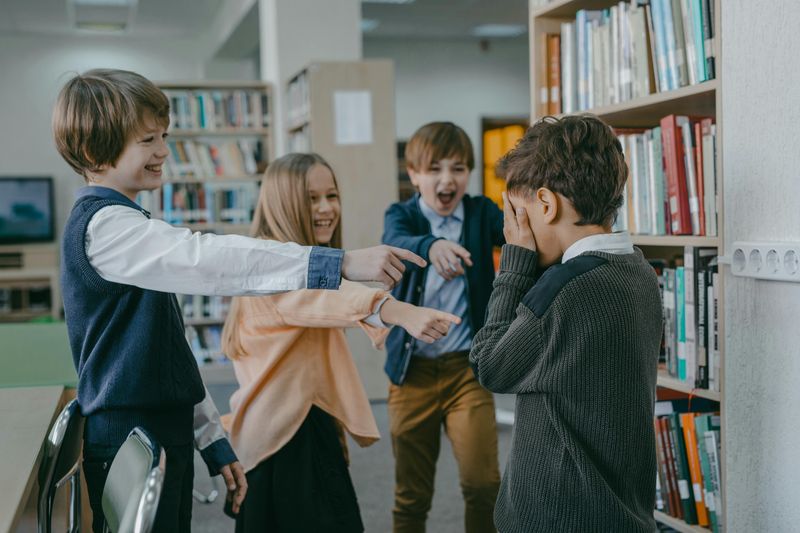
Standing up for someone who’s being mistreated takes real courage, especially for a child.
When your kid steps in—whether by speaking out or quietly supporting the person being targeted—they’re showing a moral compass that many adults struggle to develop.
This kind of bravery doesn’t always look dramatic.
Sometimes it’s as simple as sitting next to the kid being left out or telling a trusted adult about something unfair they witnessed.
Children who advocate for others are developing integrity and leadership at an early age.
That’s not something you can teach directly—it grows from a deep sense of fairness and love.
5. They Go Out of Their Way to Include Others
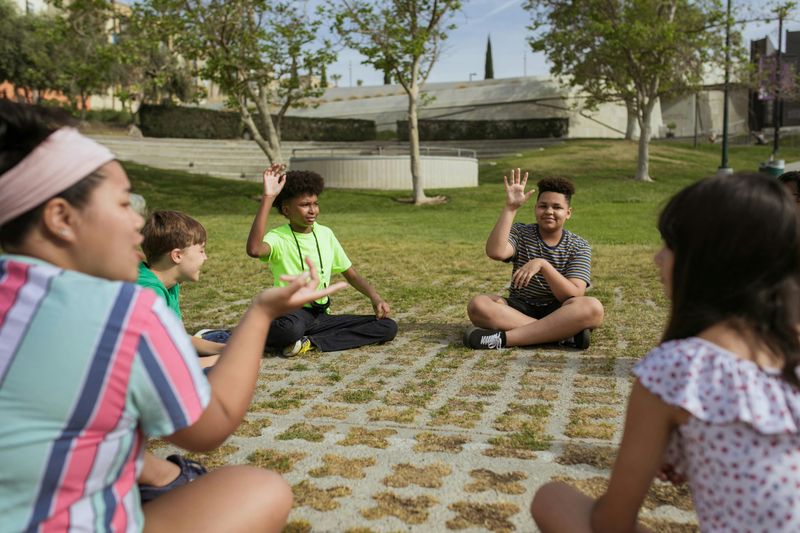
Recess can be a lonely place for kids who don’t know how to break into a group.
But some children have a special radar for spotting the one standing on the edge, and they do something about it.
If your child is the one waving someone over and saying, “Come play with us!” that’s a remarkable quality.
Inclusion is an act of emotional intelligence.
It requires noticing others, setting aside any social awkwardness, and choosing connection over comfort.
Kids who consistently include others are building communities wherever they go.
Celebrate this trait—it’s rarer than you think and more powerful than most people realize.
6. They Express Genuine Gratitude
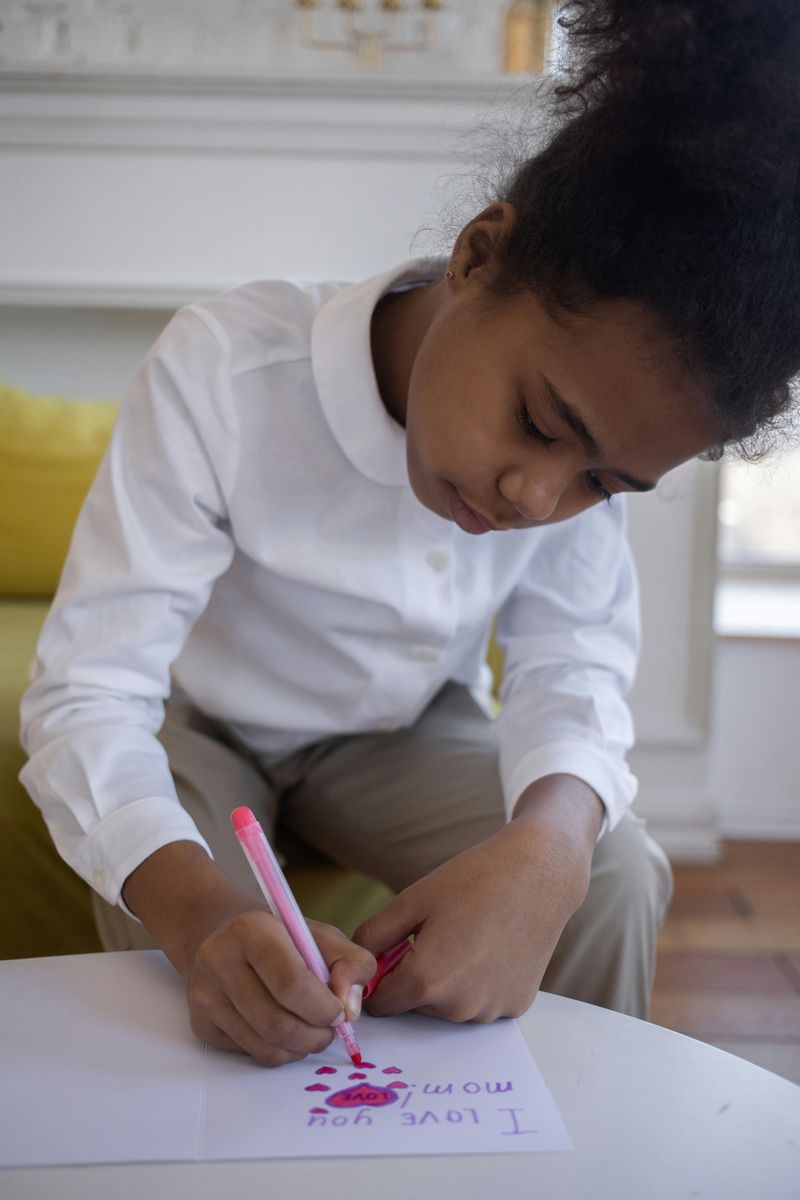
Gratitude is more than saying “thanks”—it’s a way of seeing the world.
A child who appreciates the little things, like a neighbor holding the door or grandma making their favorite meal, is developing a mindset that will serve them well throughout life.
Research actually shows that grateful kids tend to be happier, more resilient, and more socially connected.
When your child notices and appreciates everyday kindnesses, they’re practicing a habit that rewires the brain toward positivity.
Whether it’s a heartfelt thank-you note or a spontaneous hug, these moments of appreciation reveal a child who pays attention—and truly values the people around them.
7. They Apologize with Sincerity
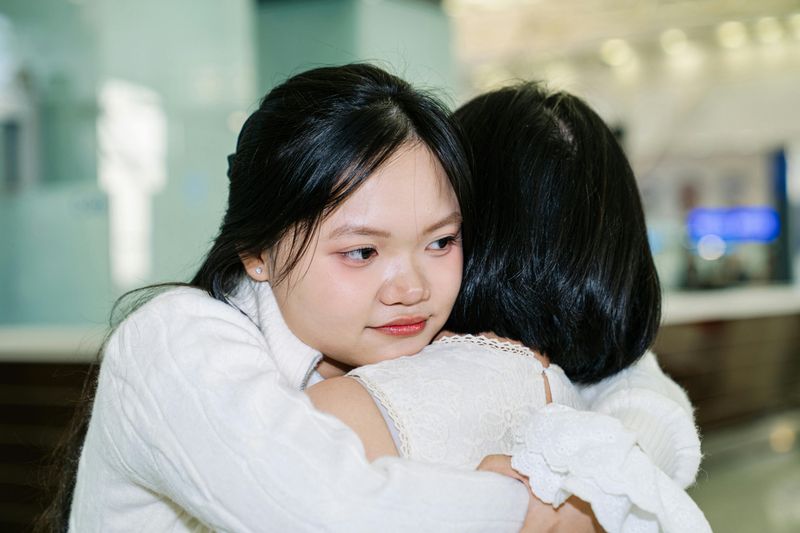
Anyone can mumble a quick “sorry” to end an argument.
But a child who stops, looks someone in the eye, and says “I’m really sorry—I know that hurt you” is doing something far more meaningful.
That kind of apology requires self-awareness, empathy, and humility all at once.
Sincere apologies signal that your child understands the impact of their actions on others.
They’re not just trying to get out of trouble—they genuinely want to repair the relationship.
This is one of the most important social skills a person can have, and kids who practice it early tend to grow into adults who handle conflict with grace and accountability.
8. They Help Without Being Asked
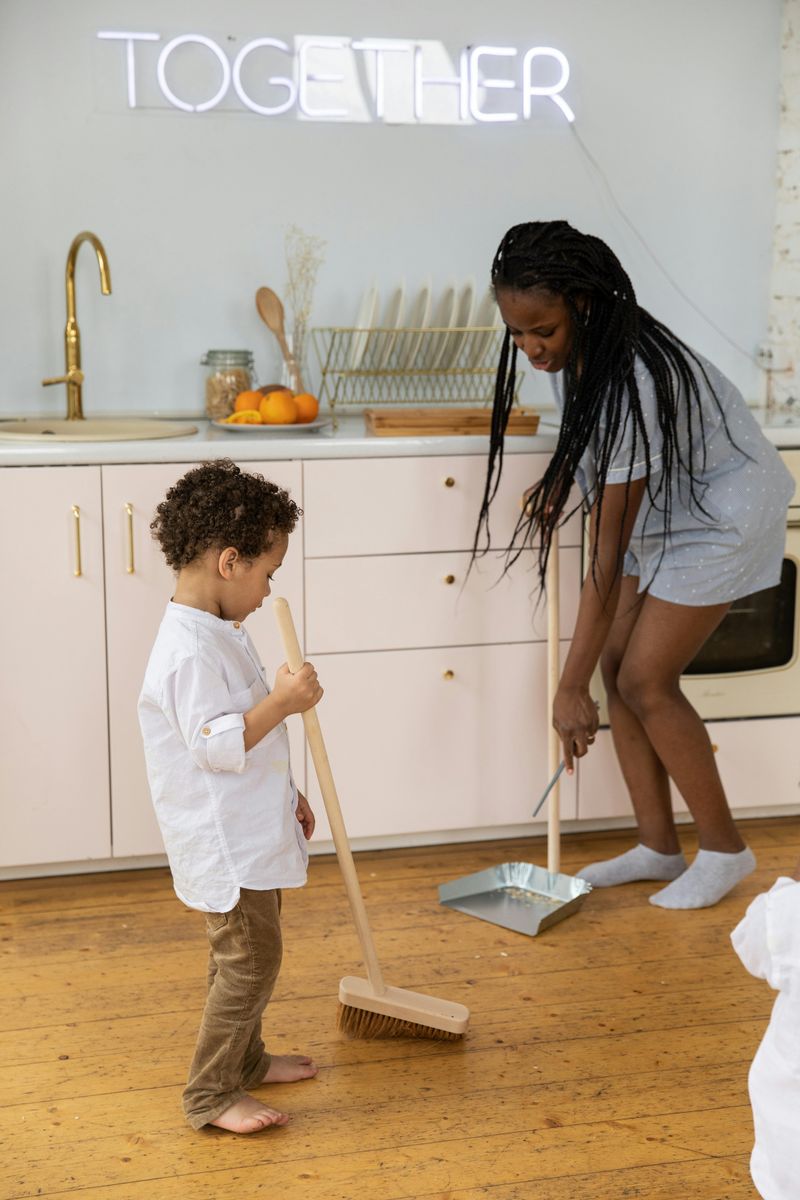
You didn’t ask.
You didn’t hint.
But there your child was, already picking up the scattered papers or carrying the heavy bag without a word.
That quiet, self-initiated helpfulness is one of the clearest signs of a genuinely caring heart.
Kids who help without prompting have learned to observe their surroundings and respond to need—not out of obligation, but out of genuine concern.
Whether it’s at home, at school, or out in the community, this habit reflects deep character.
It also shows that your child sees themselves as someone who contributes to the world around them, which is a powerful and beautiful identity to hold.
9. They’re Gentle with Animals and Younger Kids
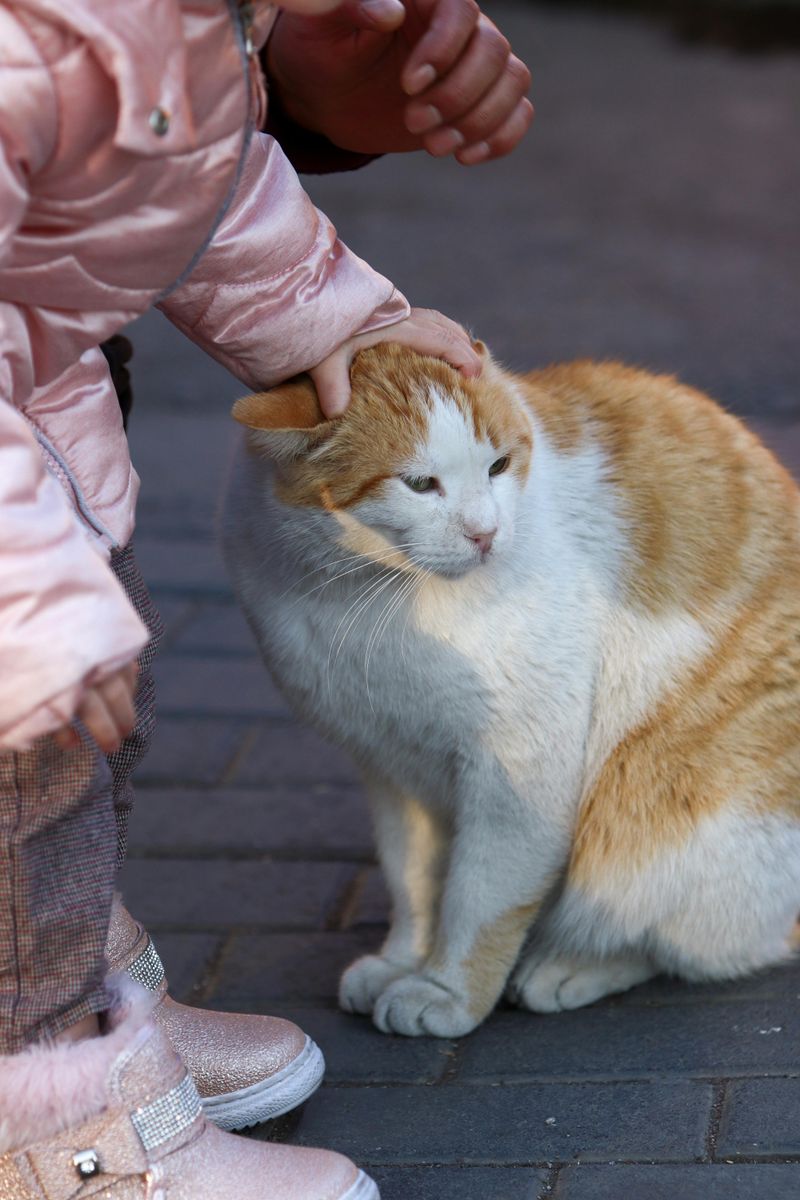
Watch how a child treats those who can’t speak up for themselves—animals, toddlers, babies—and you’ll learn a lot about who they truly are.
A kid who crouches down to pet a dog softly, or who slows their pace to match a toddler’s steps, is showing a level of patience and awareness that goes beyond manners.
Tenderness toward vulnerable creatures is a sign of emotional depth.
It means your child understands that not everyone operates at their speed or strength, and they’re willing to adjust.
That kind of thoughtfulness doesn’t just make them good with animals and little ones—it makes them the kind of person others feel safe around.
10. They Celebrate Others’ Successes
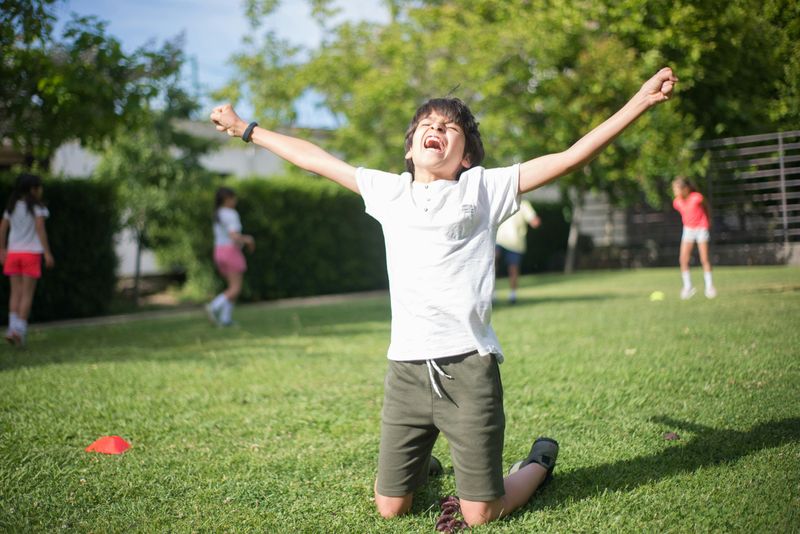
Jealousy is a very human feeling, and even adults struggle with it.
So when a child genuinely lights up because their friend won the spelling bee or got the lead in the play, that’s something worth celebrating.
It means they’ve learned to separate their own worth from someone else’s achievements.
Kids who cheer others on—without secretly wishing it had been them—are developing emotional security and generosity of spirit.
They understand that someone else’s win doesn’t shrink their own value.
Encourage this by praising their reaction as much as you’d praise any personal achievement.
A child who uplifts others will always have people who want to uplift them in return.
11. They Speak Up About What’s Fair
“That’s not fair!” can sometimes sound like whining—but when a child says it on behalf of someone else, it’s something entirely different.
A kid who notices injustice and feels compelled to address it is showing the early signs of a strong moral compass and social conscience.
Children who care about fairness are paying attention to the world beyond themselves.
They’re asking important questions: Who’s being left out?
Who’s being treated differently?
Is this right?
Nurturing this instinct—by having honest conversations about fairness, rules, and responsibility—helps shape future leaders, advocates, and changemakers.
Don’t dismiss their concerns.
Instead, help them channel that passion into thoughtful, constructive action.
12. They Reflect Your Kindness Right Back to You
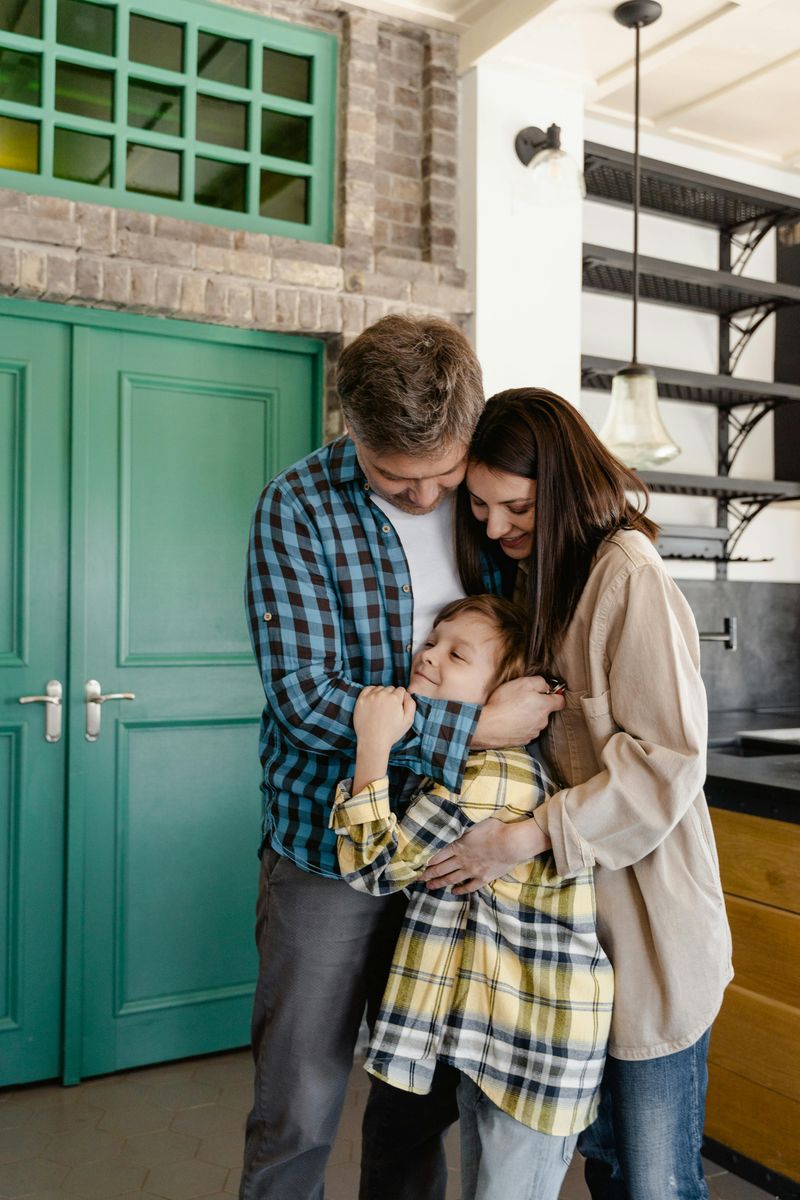
At the end of a long, hard day, your child climbs into your lap, pats your hand, and says, “You seem tired, Mom.
Do you want some water?” And just like that, your heart is full.
Children absorb everything—the love, the patience, the way you treat others—and eventually, they give it right back.
The way your child treats you is one of the most honest reflections of the home you’ve built together.
Respect, warmth, and genuine care don’t appear out of nowhere—they’re learned.
When your child mirrors those values back to you, it’s the clearest, most beautiful confirmation that the love you’ve poured into them has taken root.