 MomSkoop
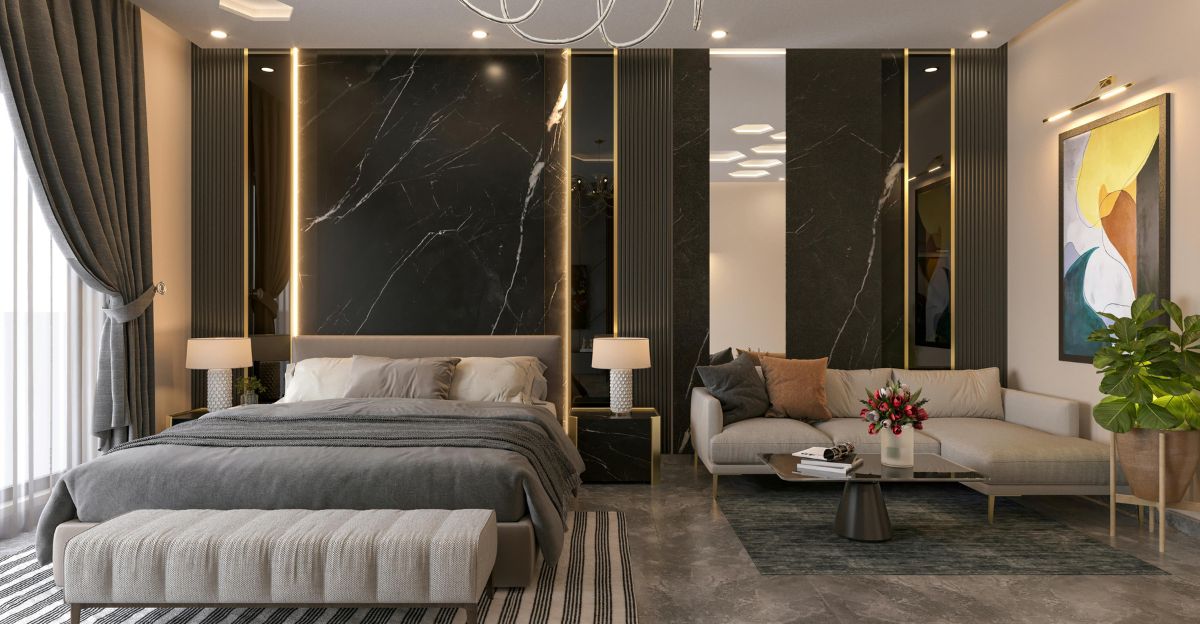
Home design is always changing, and what felt fresh a few years ago can start to look tired today. Designers are now urging homeowners to rethink certain décor choices that make spaces feel cold, cluttered, or too staged.
Whether you’re planning a full makeover or just want to refresh a room, knowing which trends to leave behind can help your home feel modern, personal, and truly yours.
1. Matching Furniture Sets
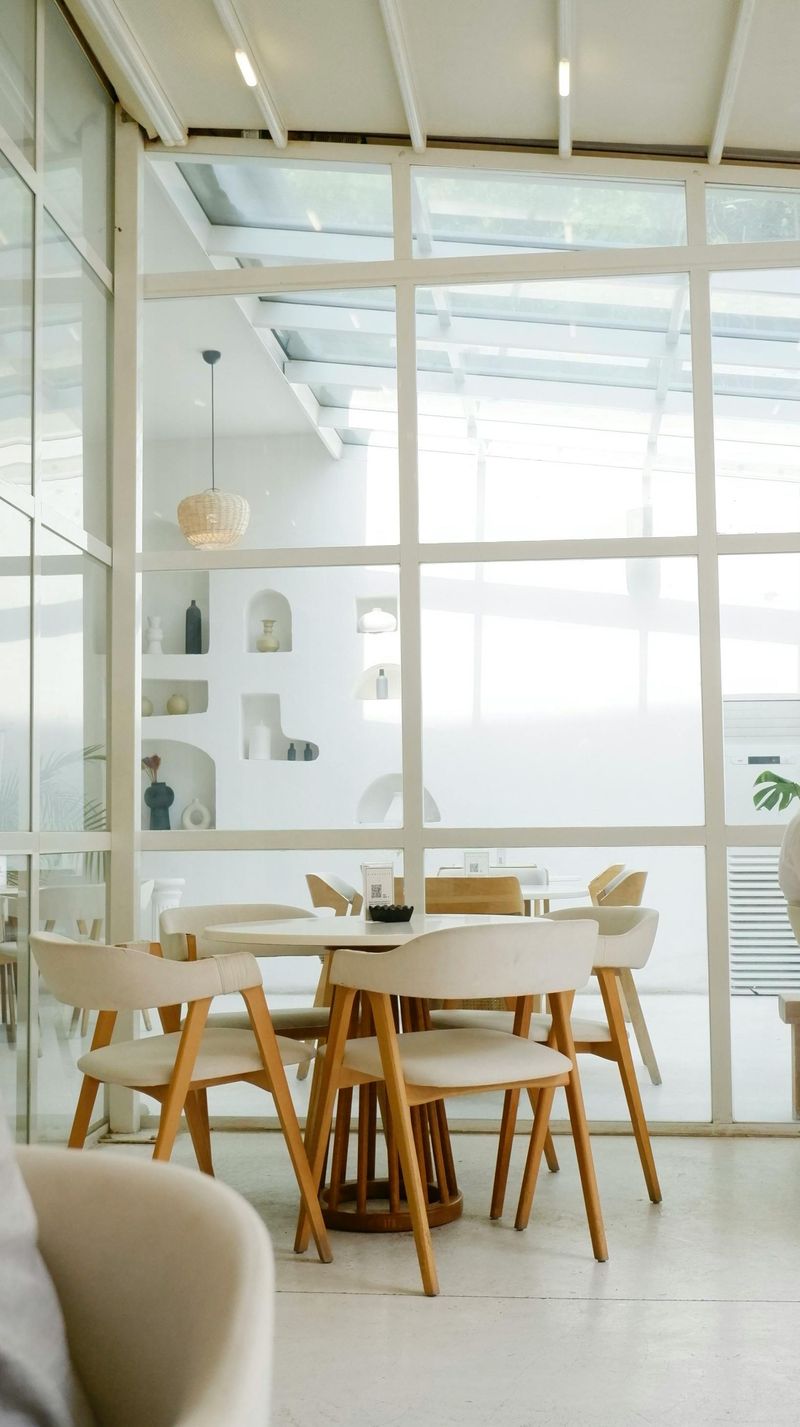
Walking into a room where every piece of furniture matches perfectly can feel more like browsing a catalog than coming home. Overly coordinated sets lack personality and make spaces look stiff and uninviting.
Designers now encourage mixing different styles, materials, and finishes to create layers of interest. A vintage coffee table paired with a modern sofa, or mismatched dining chairs around a rustic table, adds character and warmth.
Your home should tell your story, not look like a showroom floor. Embrace variety and let each piece shine on its own while still working together as a whole.
2. Impersonal Decor
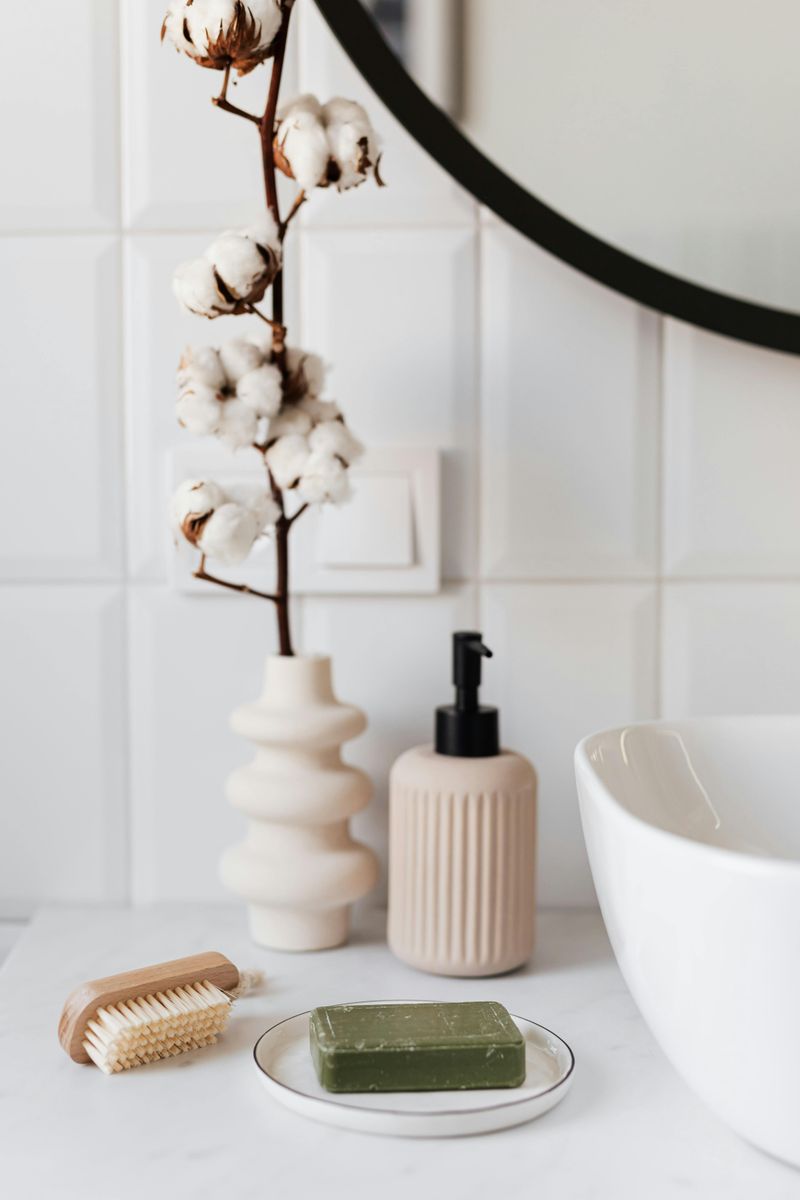
Generic décor pieces bought just to fill space often fall flat and make your home feel forgettable. Items that could belong in anyone’s house don’t reflect who you are or what you love.
Today’s design philosophy celebrates meaningful objects with stories behind them. Travel souvenirs, family heirlooms, handmade pottery, or artwork from local artists instantly add soul and authenticity.
When guests walk in, they should get a sense of your personality and passions. Swap out cookie-cutter accessories for pieces that spark conversation and bring you joy every time you see them.
3. Art That’s Too Plain, Too Small, or Mass-Produced
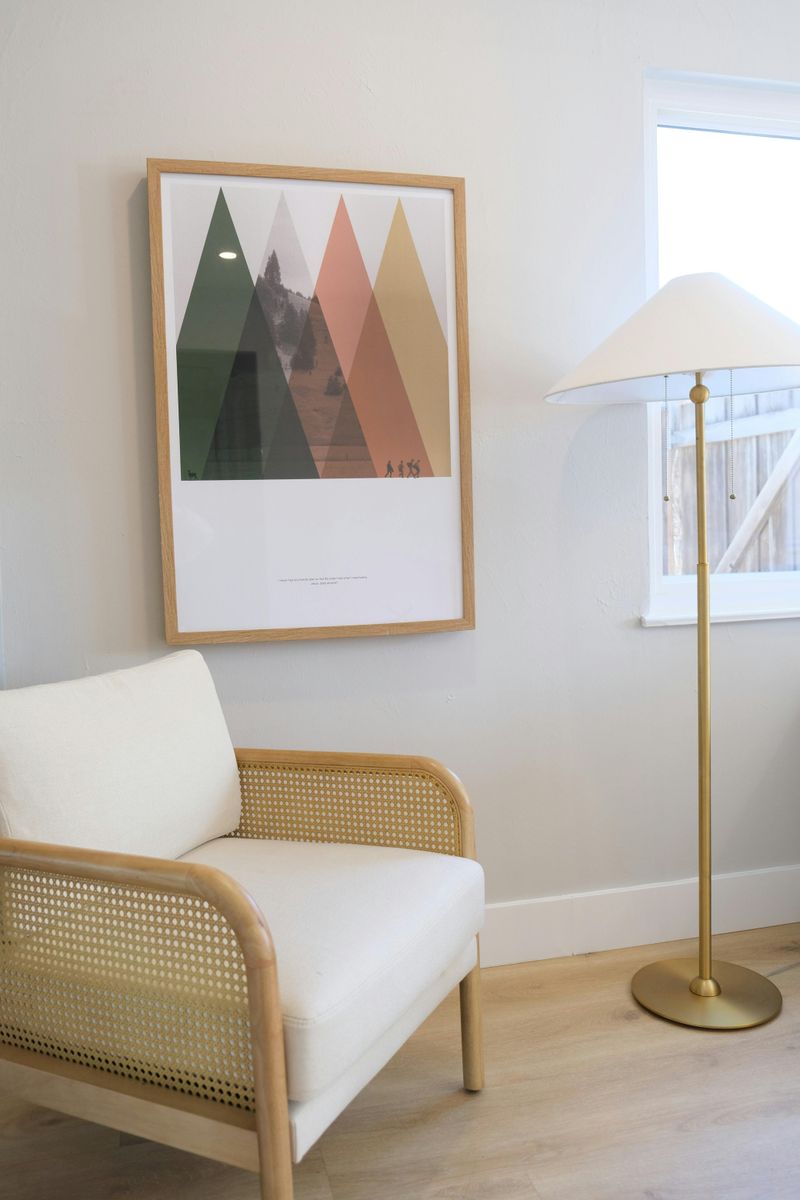
Tiny prints lost on large walls or overly common artwork from big-box stores no longer make the cut in modern interiors. Art should command attention and stir emotion, not fade into the background.
Larger-scale pieces create drama and serve as focal points that anchor a room. Whether it’s an original painting, a striking photograph, or a bold abstract work, size and uniqueness matter.
Don’t be afraid to invest in art that speaks to you personally. Even one standout piece can transform a space and give it a gallery-worthy feel that mass-produced prints simply can’t achieve.
4. Gallery Walls
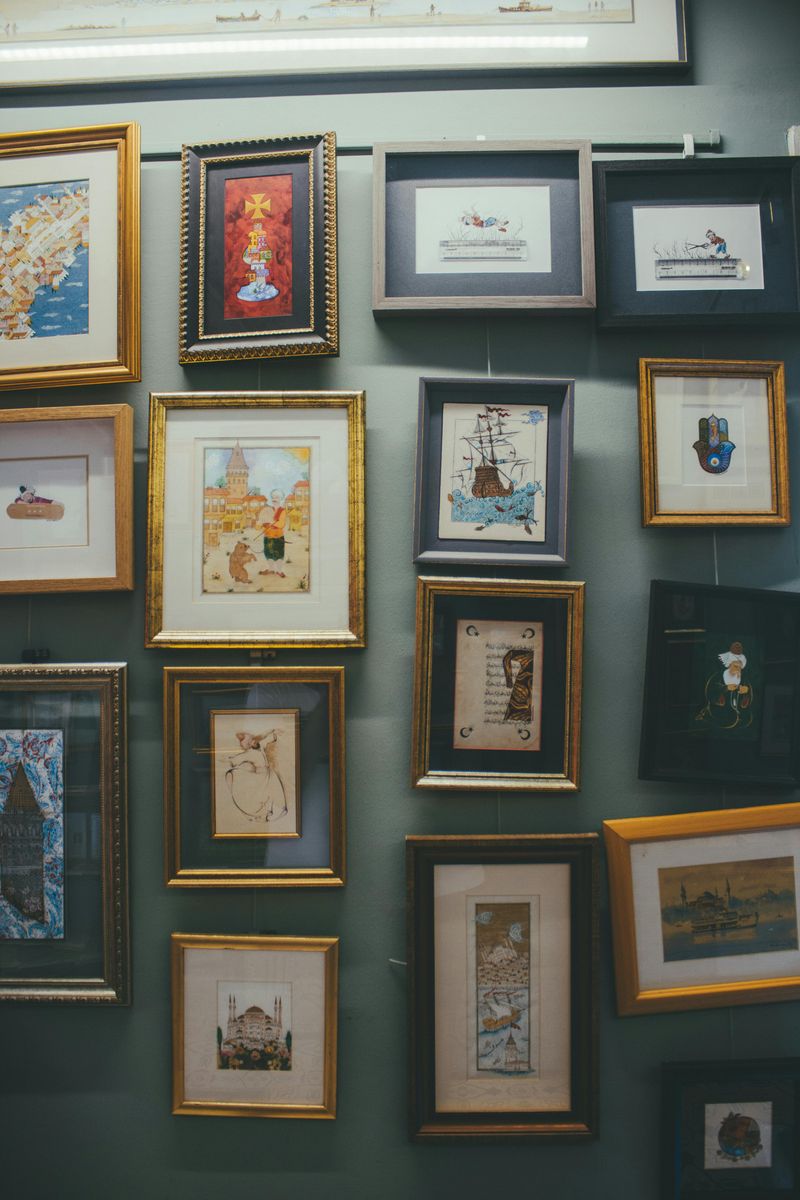
Once considered the ultimate design hack, gallery walls now often read as busy and overdone. Arranging dozens of frames can create visual clutter rather than sophistication.
A single bold statement piece or a carefully spaced trio of artworks feels cleaner and more intentional. This approach allows each piece to breathe and be appreciated individually.
Simplicity is making a comeback in wall décor. Instead of covering every inch, choose fewer, larger works that make a strong impact without overwhelming the eye or demanding constant rearranging.
5. Basic Light Fixtures
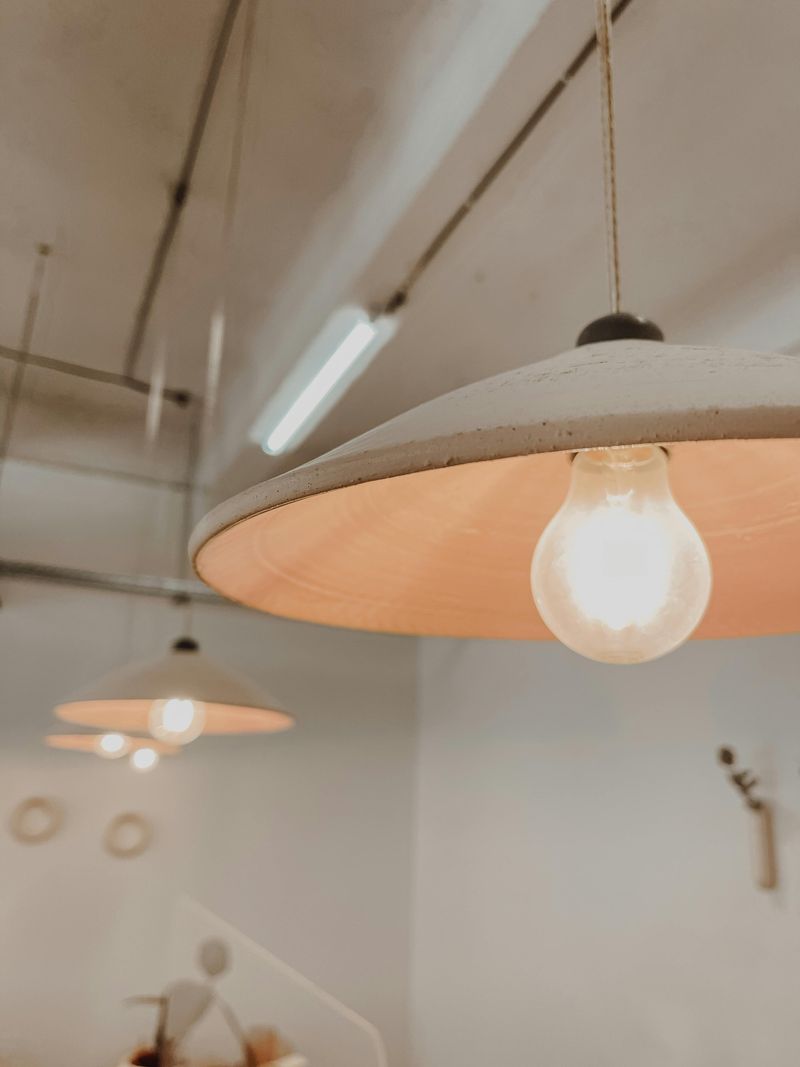
Standard builder-grade lighting does nothing to elevate a space and often goes unnoticed for all the wrong reasons. Fixtures should be functional, yes, but they can also serve as stunning focal points.
Sculptural chandeliers, textured pendants, or artistic sconces instantly add drama and personality. Lighting is like jewelry for your home—it completes the look and pulls everything together.
Swapping out basic fixtures is one of the easiest upgrades you can make. Even a single statement light can transform an entire room from bland to breathtaking and show you care about every detail.
6. All-Gray Everything
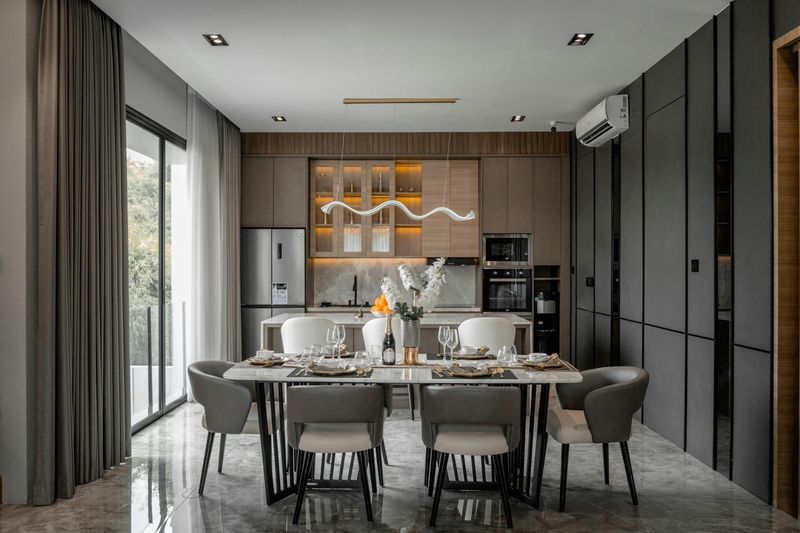
Gray dominated interiors for years, but now it often feels cold, flat, and one-dimensional. A monochrome palette lacks the warmth and depth that make a house feel like home.
Designers are shifting toward warmer neutrals like beige, cream, terracotta, and soft browns. These tones create coziness and pair beautifully with natural materials like wood and linen.
Adding richer colors doesn’t mean going bold—subtle shifts make a huge difference. Warm neutrals invite you in and make spaces feel lived-in and comforting, something all-gray schemes struggle to achieve.
7. Too Much Clutter
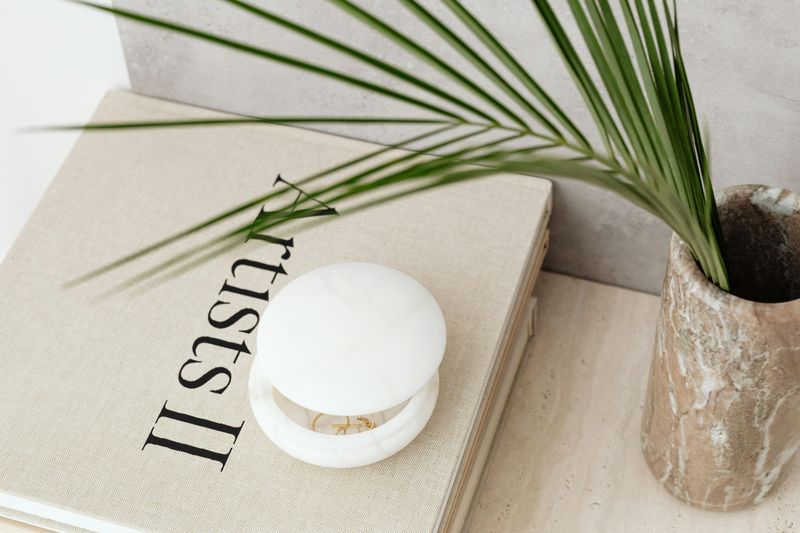
Surfaces covered with trinkets, candles, books, and random objects create visual noise that makes it hard to relax. More isn’t always better when it comes to decorating your home.
Curated, intentional styling allows each piece to stand out and be appreciated. A few meaningful items arranged thoughtfully look far more sophisticated than a crowded collection.
Give your space room to breathe by editing down to what you truly love. Clear surfaces create calm, and your favorite pieces will finally get the attention they deserve instead of competing for it.
8. Wall Signs With Phrases

Slogan décor like “Live Laugh Love” or “Gather” has become so common it’s lost any meaningful impact. What once felt inspirational now reads as cliché and less sophisticated.
Artwork, photography, or subtle typography offers a more refined way to express personality. These options feel timeless and allow for deeper interpretation and connection.
Your walls deserve better than mass-produced phrases everyone has seen a hundred times. Choose pieces that reflect your taste and spark genuine emotion, not just fill space with predictable words.
9. Too Many Decorative Pillows
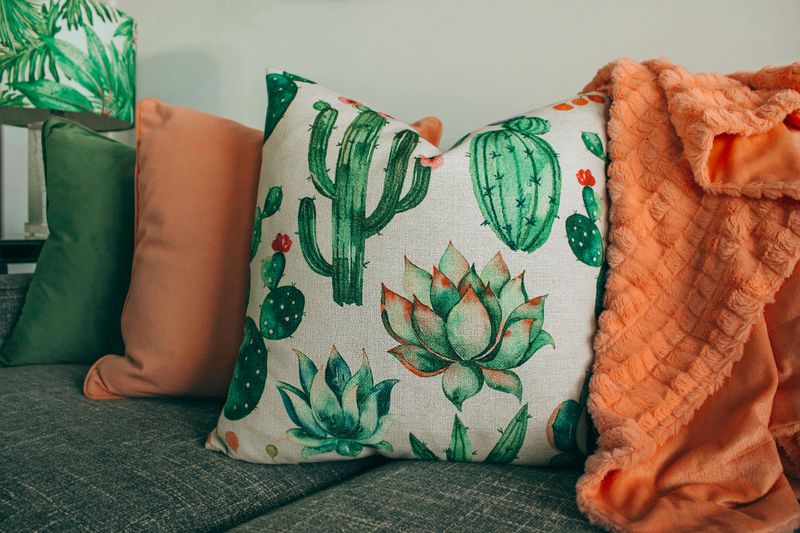
Mountains of pillows might look luxurious in magazines, but in real life they’re impractical and make your sofa look more staged than comfortable. Nobody wants to move a dozen pillows just to sit down.
A few well-chosen pillows in varied textures and sizes create a chic, balanced look. Mix patterns thoughtfully and leave enough space for actual seating.
Quality over quantity wins here. Select pillows that add color and comfort without overwhelming the furniture, and your living room will feel more inviting and genuinely livable.
10. Fake Plants
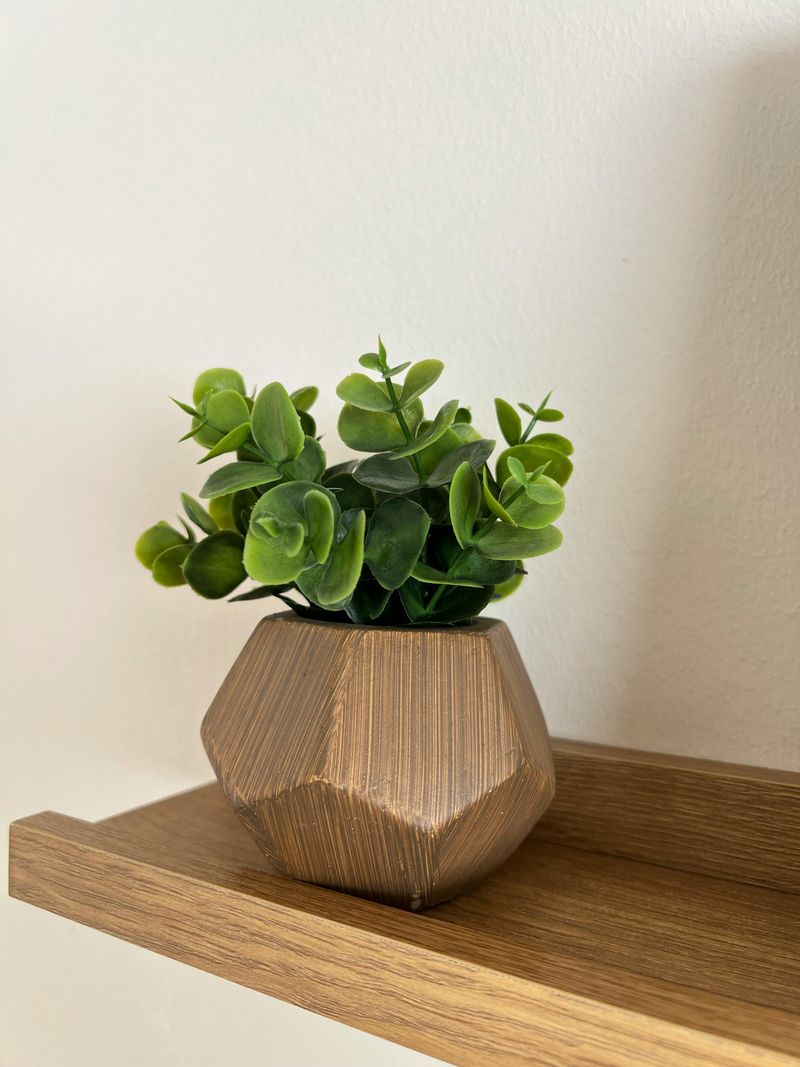
Obvious artificial greenery can instantly cheapen a room, especially when it’s dusty or poorly made. Real plants bring life, texture, and even health benefits that fake ones simply can’t match.
If maintenance is a concern, choose hardy varieties like pothos, snake plants, or succulents. Even very realistic faux plants should be used sparingly and chosen carefully.
Living greenery connects your home to nature and changes with the seasons. The effort of caring for real plants pays off in warmth and authenticity that plastic leaves will never provide.
11. Overly Matching Textiles & Accessories
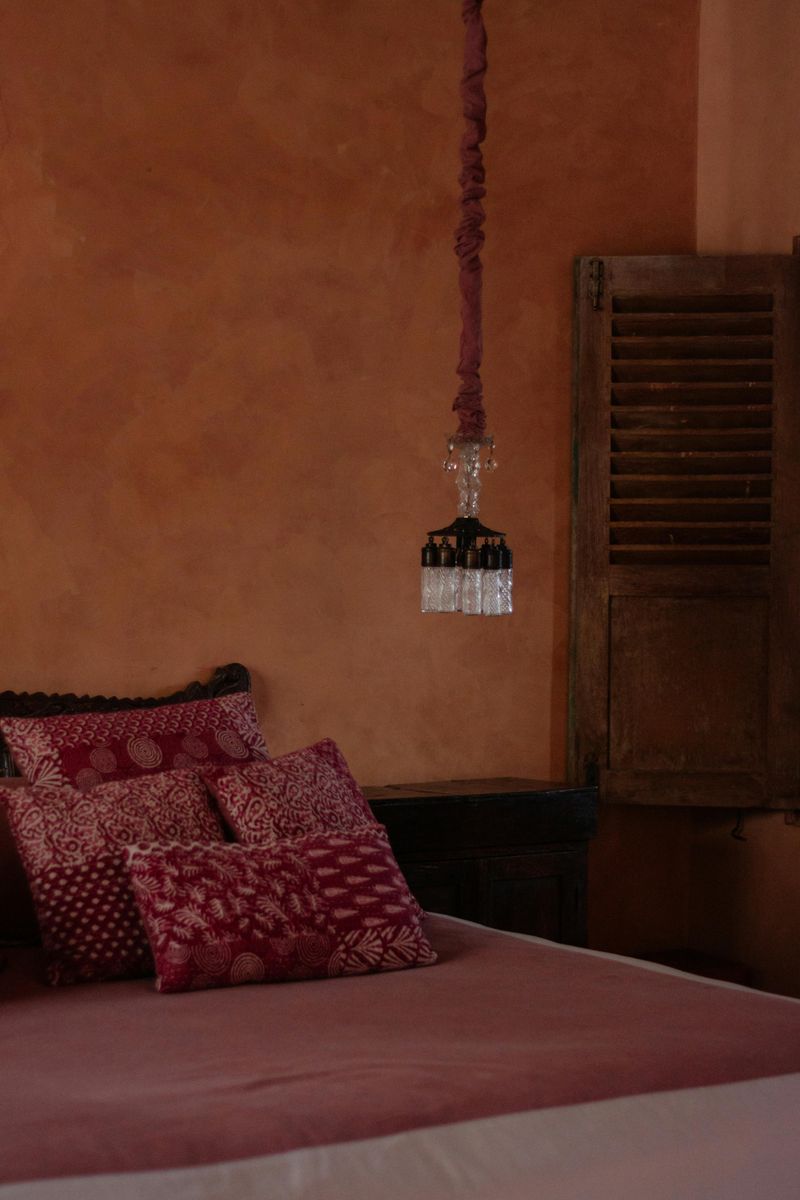
When throws, pillows, curtains, and patterns all match exactly, rooms lose dimension and feel predictable. Perfect coordination might seem safe, but it actually makes spaces look one-dimensional.
Mixing textures like velvet, linen, and wool adds richness and visual interest. Layering complementary tones instead of identical ones creates depth and sophistication.
Modern design celebrates contrast and variety. Pair a chunky knit throw with smooth silk pillows, or mix geometric and organic patterns for a collected, curated look that feels intentional yet effortless.
12. Trendy Accent Walls Used Without Purpose
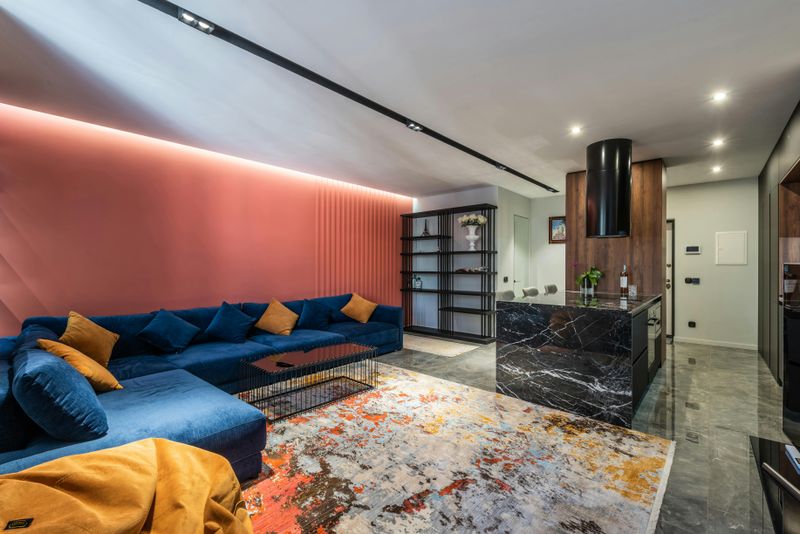
Bold statement walls applied just because they’re popular can date a room quickly and feel disconnected from the overall design. Accent walls should enhance a space, not dominate it awkwardly.
When done thoughtfully, an accent wall highlights architectural features or creates intentional focal points. It should feel integrated and purposeful, not like an afterthought or trend experiment.
Before painting or wallpapering, ask yourself if it truly enhances the room’s design story. If the answer isn’t a strong yes, stick with a cohesive palette that feels timeless and harmonious throughout.