 MomSkoop
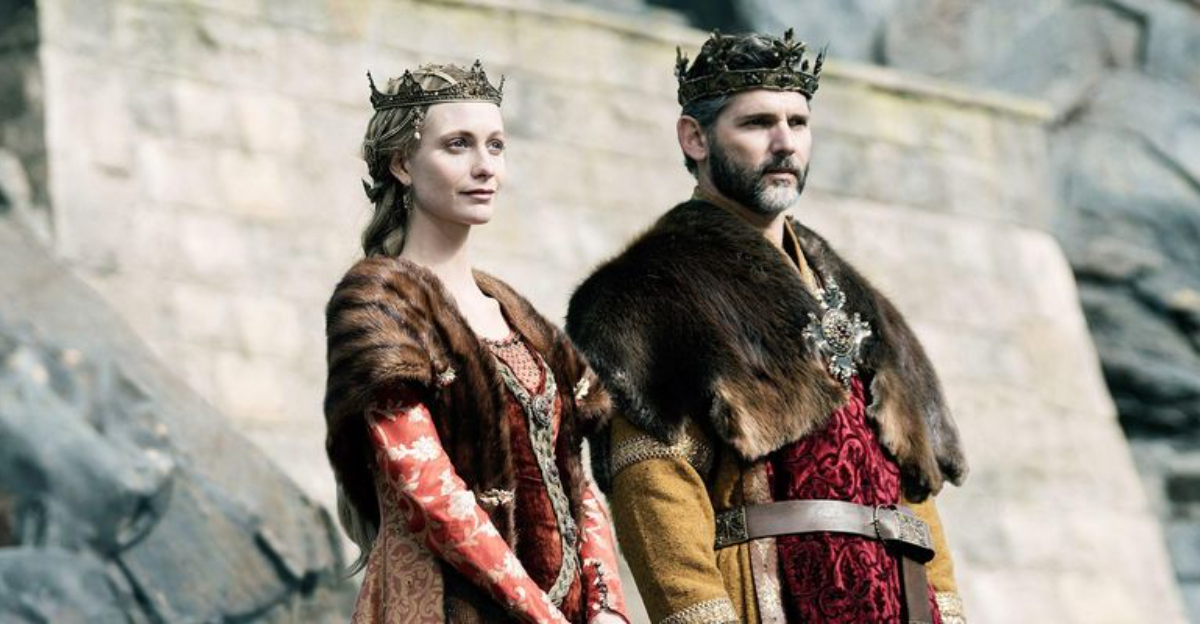
Hollywood has a long history of betting enormous sums of money on movies that were supposed to be the next big thing — and sometimes those bets go spectacularly wrong. Some films cost hundreds of millions of dollars to make, only to vanish from pop culture almost immediately after release.
You might be surprised to learn just how much cash was poured into movies you barely remember. Get ready for a wild look at 12 big-budget films that burned through fortunes and then quietly disappeared.
1. John Carter (2012)
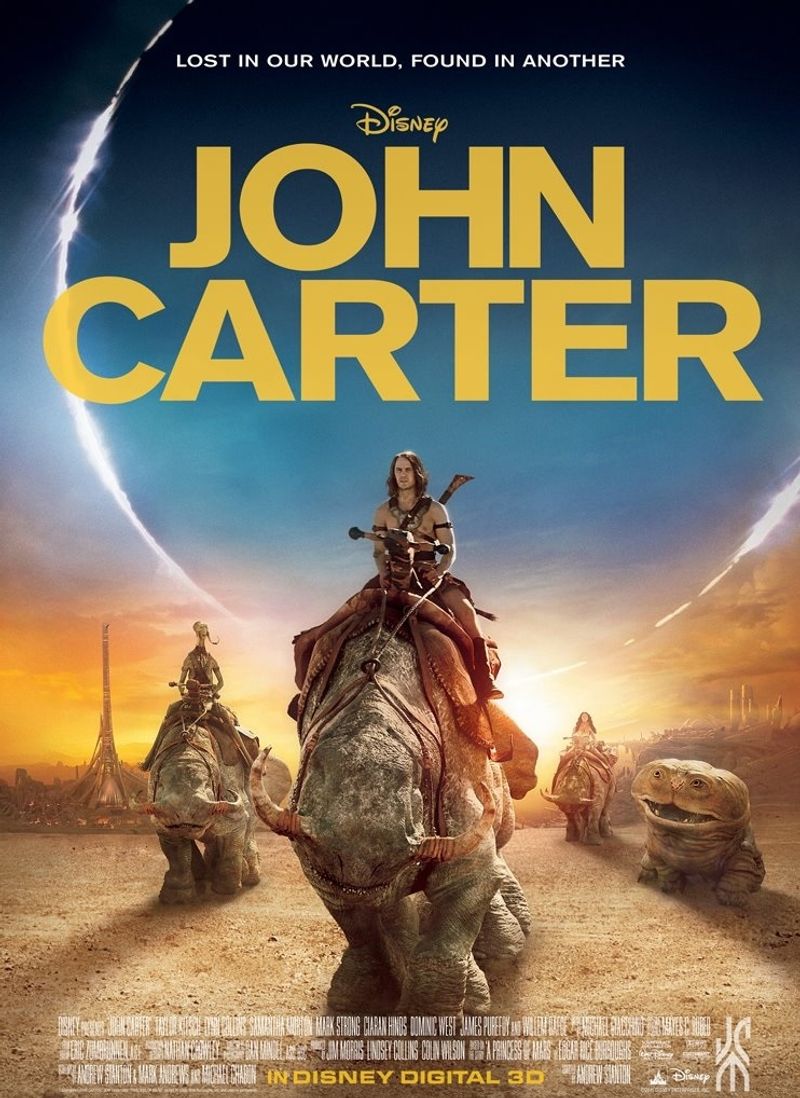
Disney placed one of its biggest bets ever on John Carter, a sci-fi adventure based on Edgar Rice Burroughs’ classic novels.
With a staggering budget of around $250 to $263 million, it was supposed to launch a massive franchise.
Instead, it flopped hard at the domestic box office and became one of the most talked-about financial disasters in Hollywood history.
The film followed a Civil War soldier mysteriously transported to Mars, where he gains superhuman abilities.
It had everything — action, aliens, romance — yet audiences simply didn’t connect with it.
Critics were mixed, marketing was confusing, and the movie quickly faded away.
Disney reportedly lost over $200 million on this one, making it a legendary cautionary tale about swinging too big.
2. The Lone Ranger (2013)
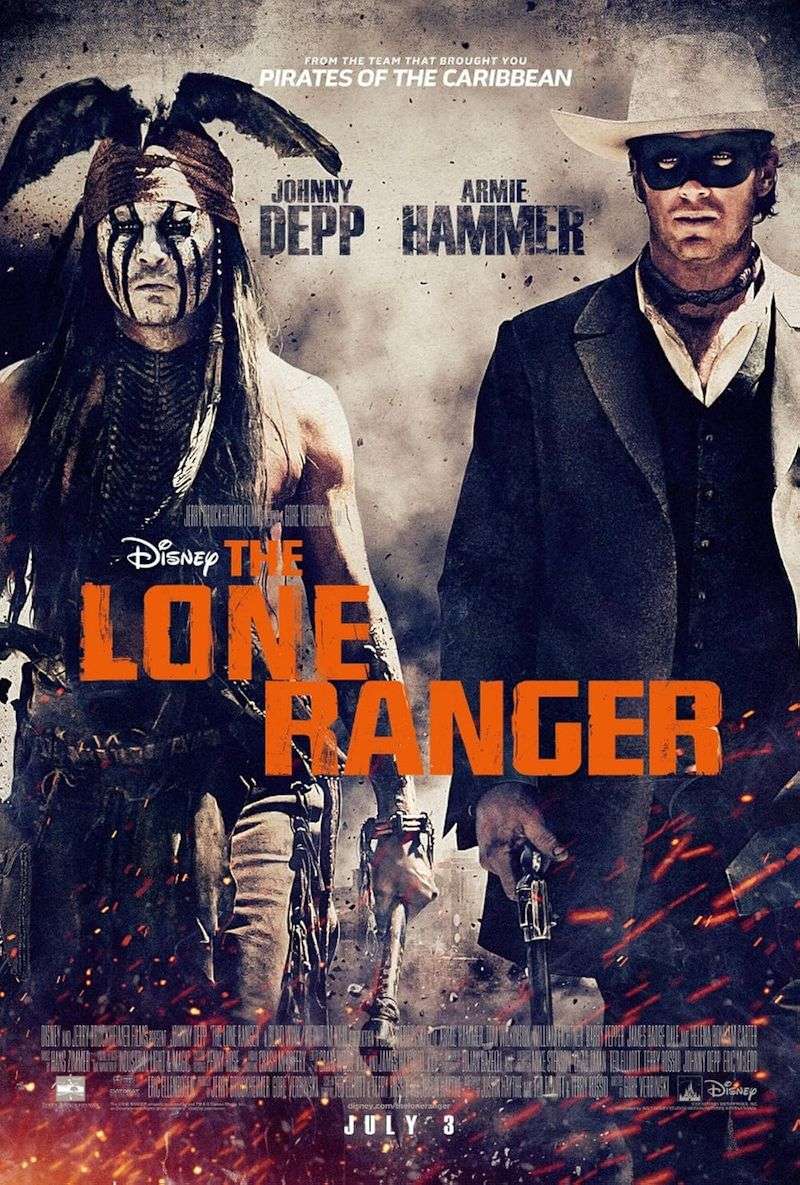
Reuniting Pirates of the Caribbean’s dream team of Johnny Depp and director Gore Verbinski seemed like a guaranteed formula for success.
With a budget estimated between $215 and $250 million, The Lone Ranger arrived with massive expectations and a serious marketing push.
Audiences, however, showed up with underwhelming enthusiasm.
Depp played Tonto in a quirky, offbeat style that divided critics and confused casual moviegoers.
The film ran nearly two and a half hours, which felt bloated for what many expected to be a fun summer adventure.
Despite some genuinely entertaining action sequences, it couldn’t recover from poor word-of-mouth.
Today, most people either vaguely remember it or have forgotten it existed altogether, which is a remarkable fate for such a costly production.
3. King Arthur: Legend of the Sword (2017)
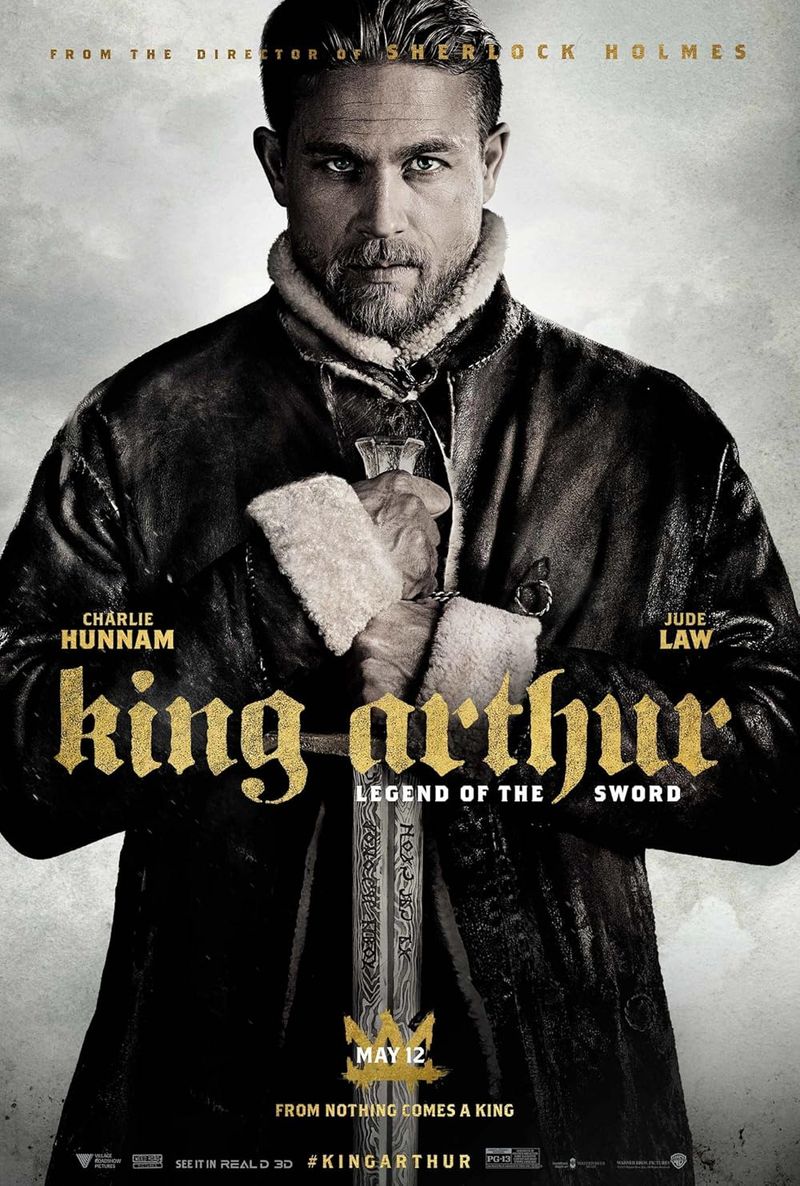
Director Guy Ritchie took one of history’s most beloved legends and cranked it up to eleven with a gritty, fast-talking, music-video-style retelling.
Warner Bros. spent roughly $175 million hoping King Arthur: Legend of the Sword would kick off a massive six-film franchise.
That plan collapsed almost immediately after the movie opened to a deeply disappointing box office weekend.
Charlie Hunnam played Arthur with plenty of swagger, and the visuals were genuinely impressive in places.
But critics found the tone too chaotic, and audiences weren’t sold on the hip, modern approach to such a classic tale.
The planned sequels were quietly shelved, and the film has largely vanished from conversation.
It stands as a perfect example of a franchise that never got off the ground.
4. Jupiter Ascending (2015)
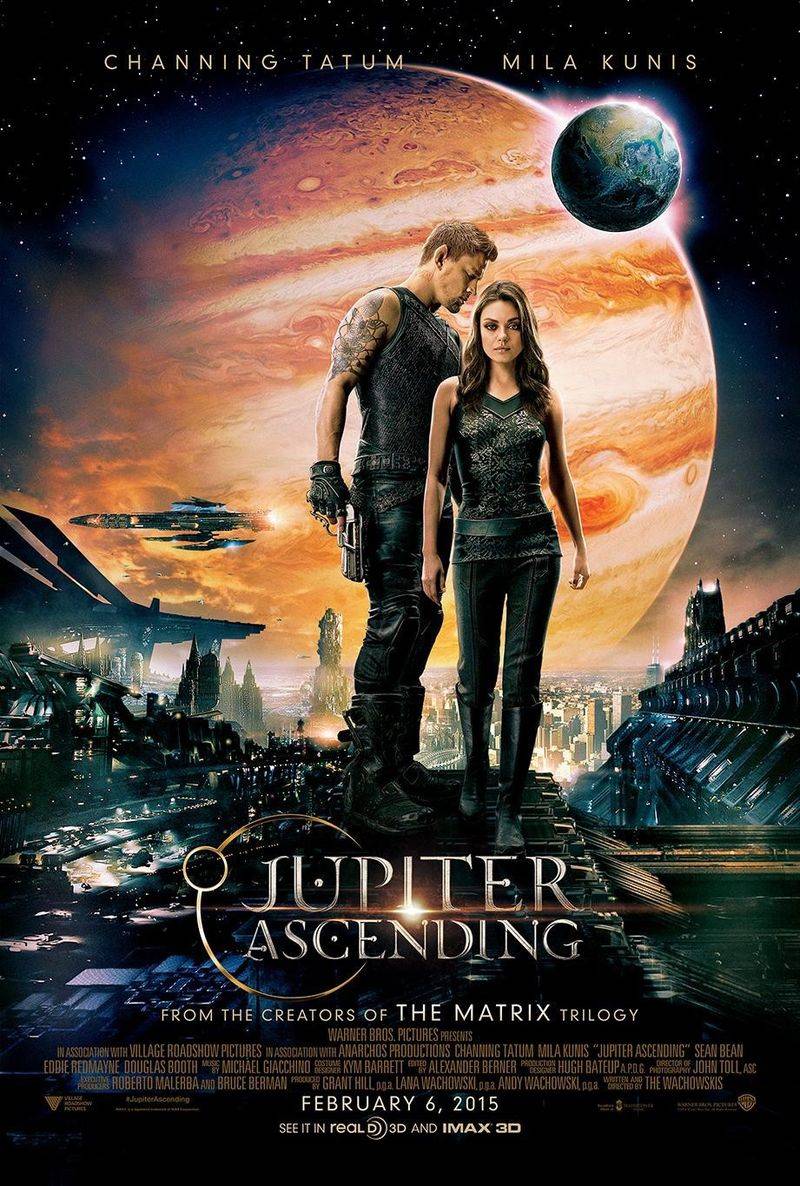
The Wachowskis, the visionary duo behind The Matrix, returned with an original sci-fi universe that cost somewhere between $176 and $200 million to build.
Jupiter Ascending featured Mila Kunis as an ordinary cleaning woman who discovers she is space royalty, and Channing Tatum as a half-wolf, half-human warrior with rocket boots.
On paper, it sounds wonderfully bizarre.
In reality, the film struggled under the weight of its own convoluted mythology.
Audiences had trouble following the story, and critics were largely unkind.
Eddie Redmayne’s wildly over-the-top villain performance became an internet meme, but not in a way that helped ticket sales.
Warner Bros. had hoped for a franchise launch; what they got instead was a beautifully expensive misfire that most people have now completely forgotten about.
5. 47 Ronin (2013)
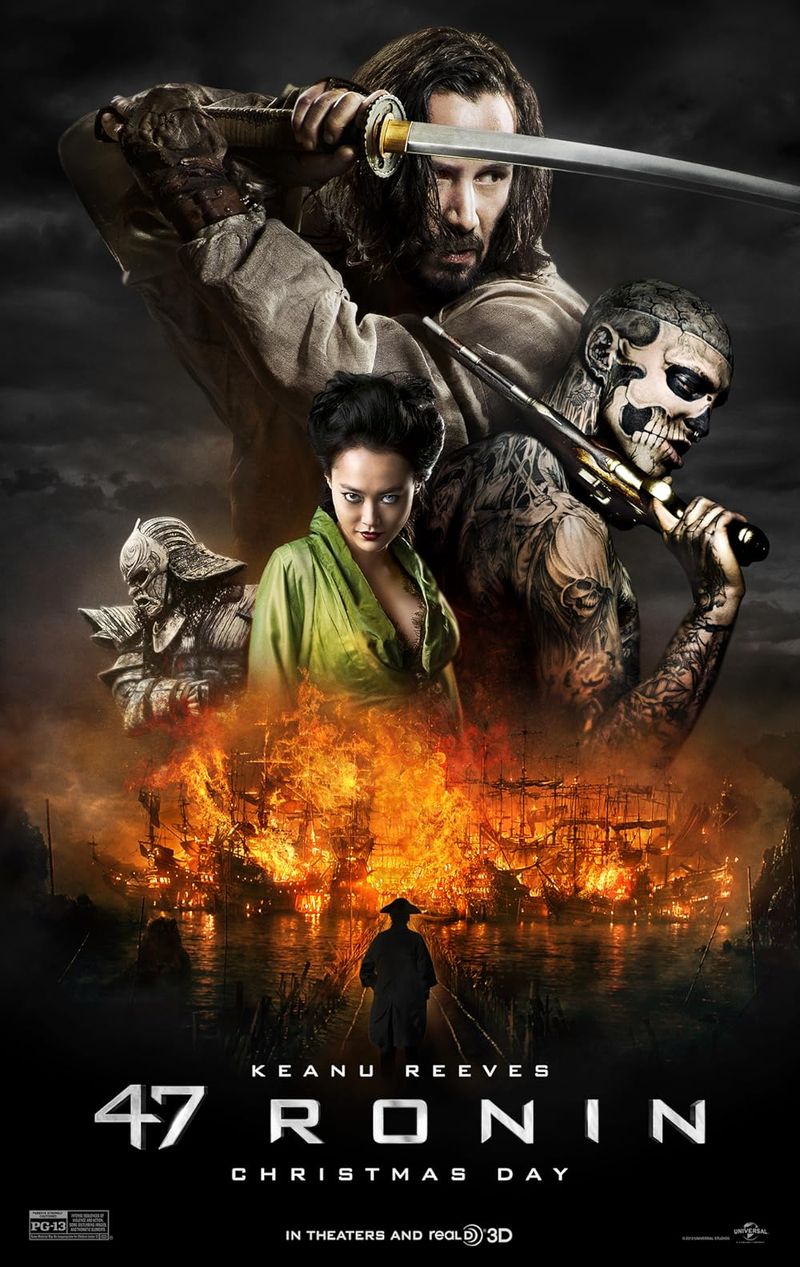
Keanu Reeves was at a somewhat quiet point in his career when 47 Ronin arrived, promising a sweeping supernatural samurai epic rooted in Japanese legend.
Universal Pictures poured between $175 and $225 million into the production, which suffered through years of reshoots and creative conflicts before finally reaching theaters.
The troubled journey behind the scenes showed in the final product.
The story blended real Japanese history with fantasy creatures and magic, which some fans found jarring rather than exciting.
Domestic audiences were lukewarm, and even strong overseas numbers couldn’t save the film from being labeled a flop.
Reeves himself has spoken candidly about the difficult production.
Today, 47 Ronin barely comes up in conversations about his career, overshadowed entirely by the John Wick franchise that followed.
6. Mortal Engines (2018)
Peter Jackson producing a big fantasy epic based on a beloved book series — what could go wrong?
Quite a lot, apparently.
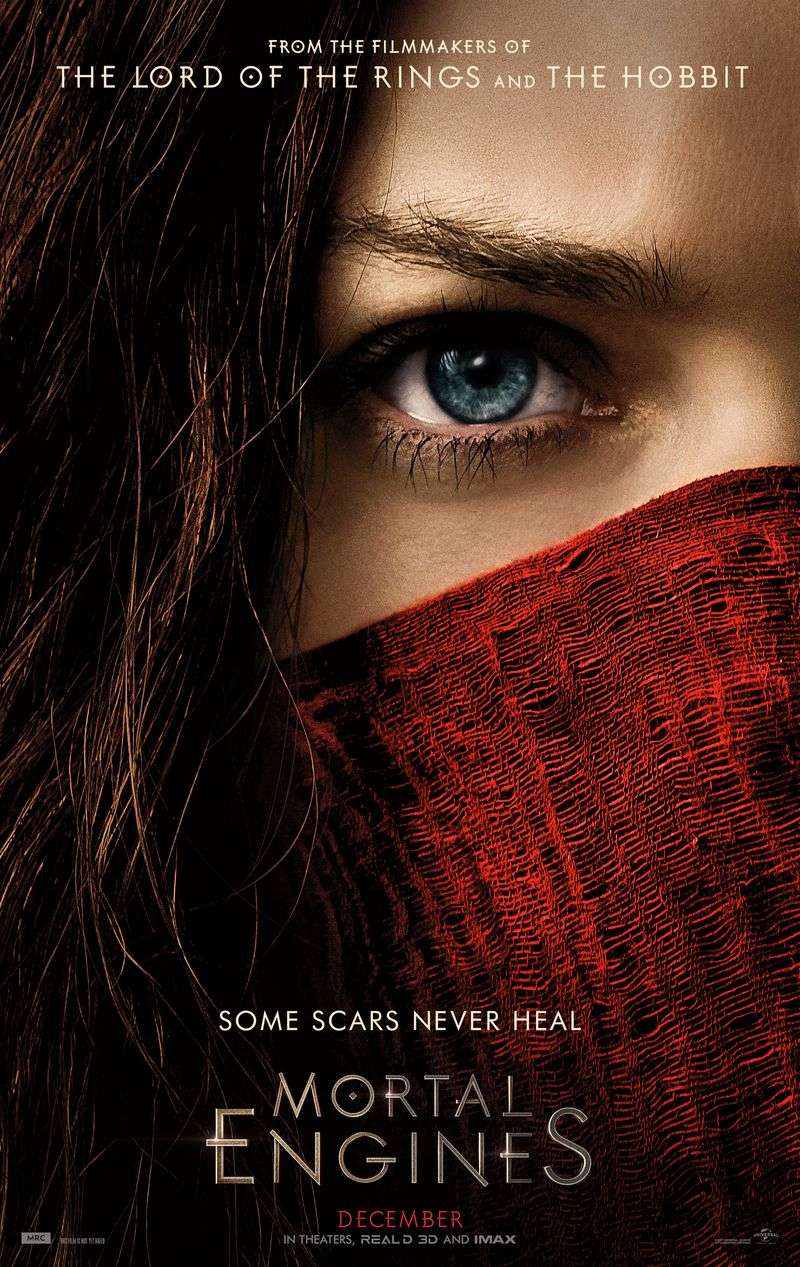
Mortal Engines arrived in December 2018 with a budget estimated between $100 and $150 million, alongside a world-building ambition that rivaled anything Jackson had attempted since Lord of the Rings.
The core concept was genuinely wild: entire cities mounted on giant wheels, hunting each other across a post-apocalyptic wasteland.
Despite spectacular visual effects and an imaginative setting, the film failed to attract audiences.
Marketing struggled to explain what the movie even was, and word-of-mouth never caught fire.
It earned only around $83 million worldwide against its massive production and marketing costs.
The planned sequels were immediately cancelled, and Mortal Engines faded from public memory with remarkable speed.
7. The Golden Compass (2007)
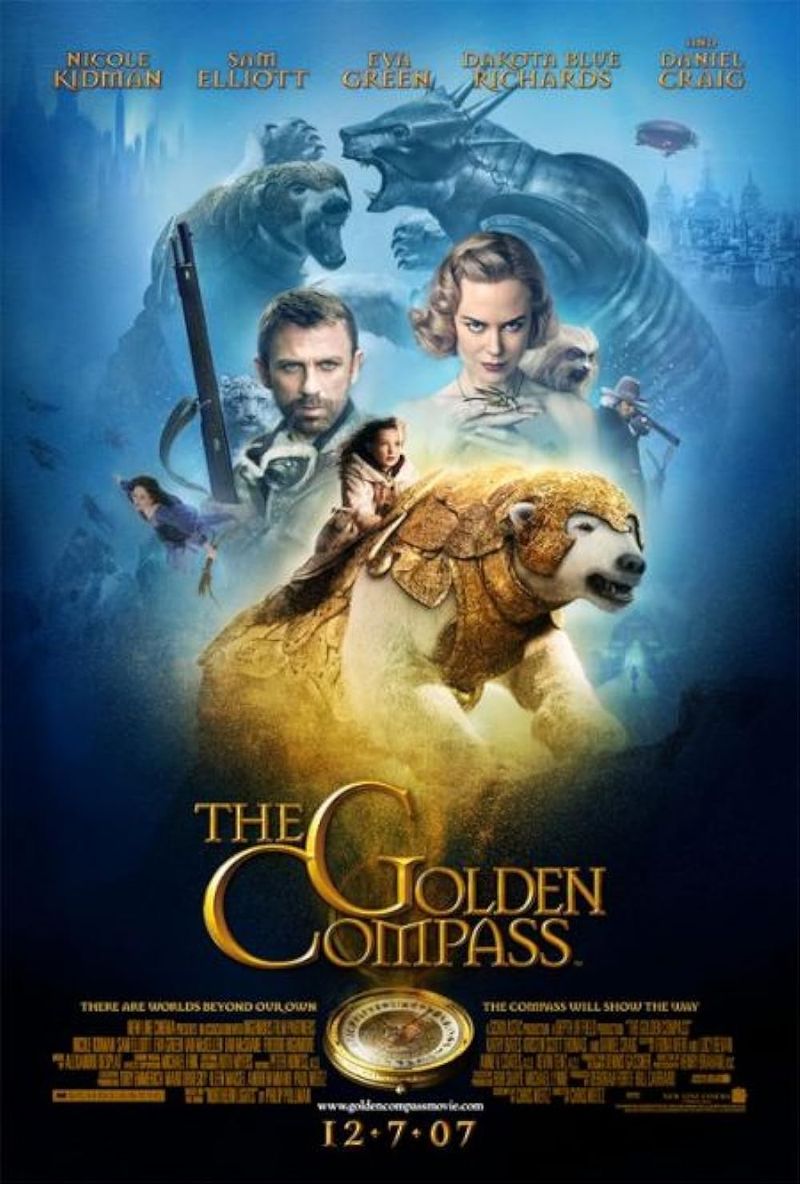
Philip Pullman’s His Dark Materials trilogy is one of the most celebrated fantasy series in modern literature, so New Line Cinema invested around $180 million hoping to capture the same magic that Lord of the Rings had delivered.
The Golden Compass had armored polar bears, parallel universes, and a feisty young heroine named Lyra — all the ingredients for a blockbuster hit.
Religious controversy in the United States hurt its domestic performance significantly, as some groups called for boycotts.
Although it performed reasonably well internationally, the North American numbers were too weak to justify continuing the series.
The planned sequels were scrapped, leaving fans of the books deeply disappointed.
Years later, the story finally got a second chance as a successful HBO television series, proving the source material was never the problem.
8. Green Lantern (2011)
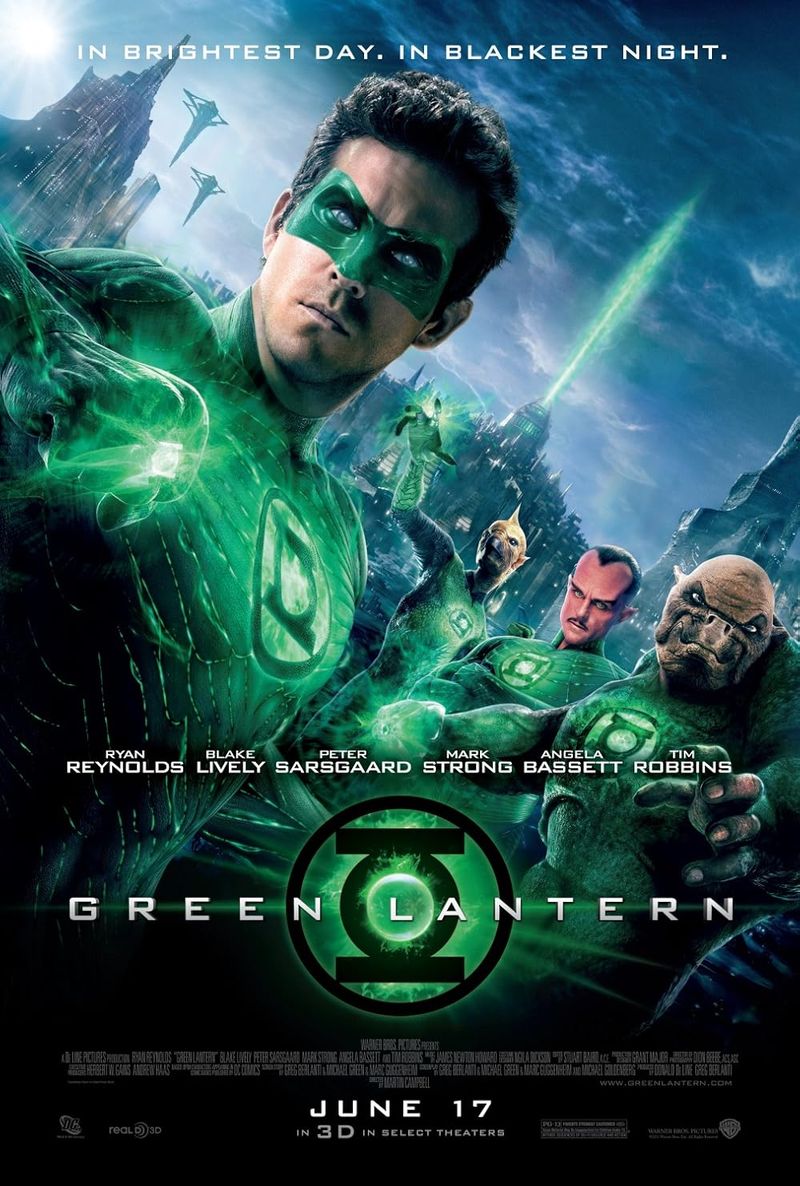
Before Ryan Reynolds found his perfect superhero role in Deadpool, he starred in what became one of the most notorious comic book movie disasters of the modern era.
Green Lantern cost around $200 million to produce, with a significant chunk of that budget going toward CGI effects — including the hero’s entirely computer-generated costume, which audiences almost universally mocked.
The film tried to establish a massive intergalactic mythology right out of the gate, overwhelming viewers with too much lore and too little heart.
Critics were brutal, and audience scores were equally harsh.
Reynolds himself has since made jokes about the film in Deadpool movies, turning the failure into self-aware comedy gold.
As a standalone DC superhero launch, though, Green Lantern remains the textbook example of how not to build a cinematic universe.
9. Battleship (2012)
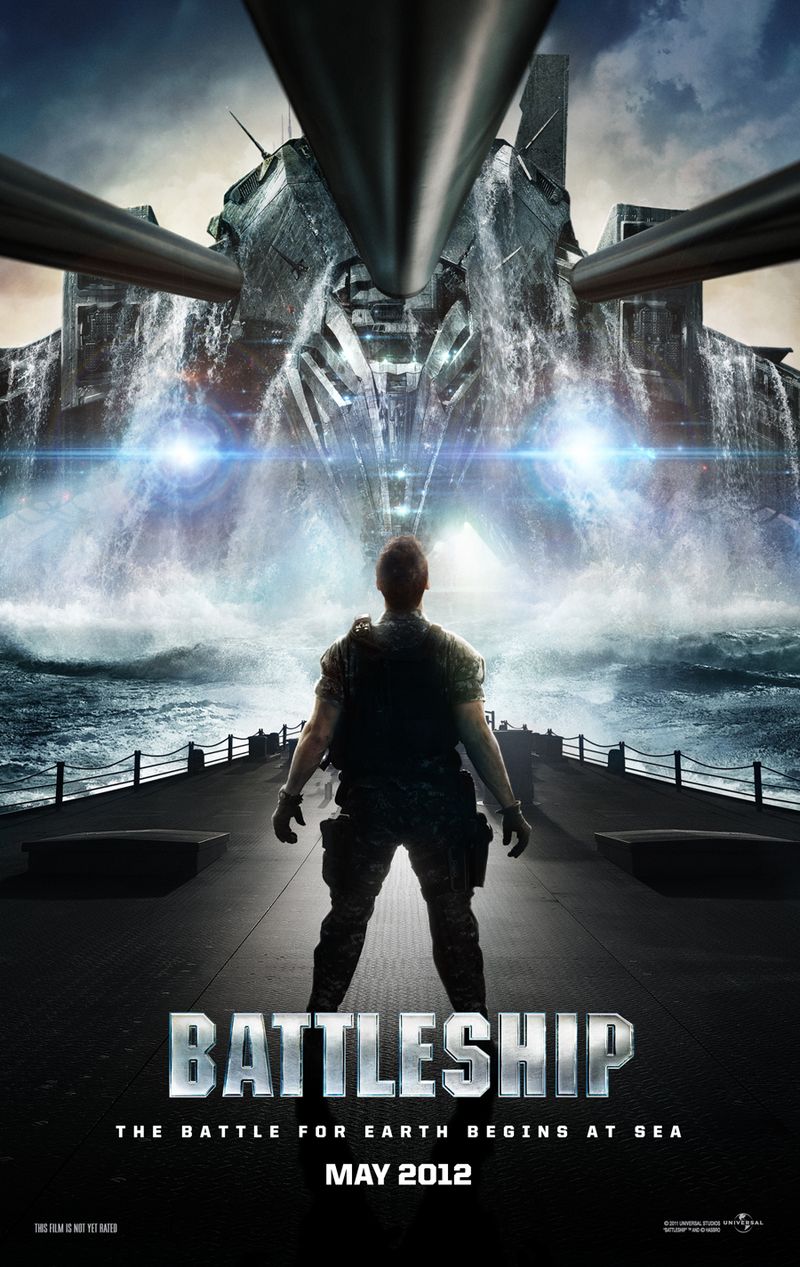
Someone at Universal Pictures looked at the board game Battleship — a game with no characters, no story, and no plot — and thought, “Yes, this should be a $209 million movie.” Director Peter Berg brought in Taylor Kitsch, Liam Neeson, and pop star Rihanna in her acting debut, surrounding them with enormous naval battles against alien invaders.
The sheer audacity of the concept was almost admirable.
Domestically, the film sank fast.
Critics pointed out the thin characters and predictable plot, while audiences who had seen The Avengers just weeks earlier had higher expectations for summer blockbusters.
It performed much better internationally, particularly in China, which softened the financial blow somewhat.
Still, Battleship is now mostly remembered as a punchline about Hollywood running out of original ideas.
10. Tomorrowland (2015)
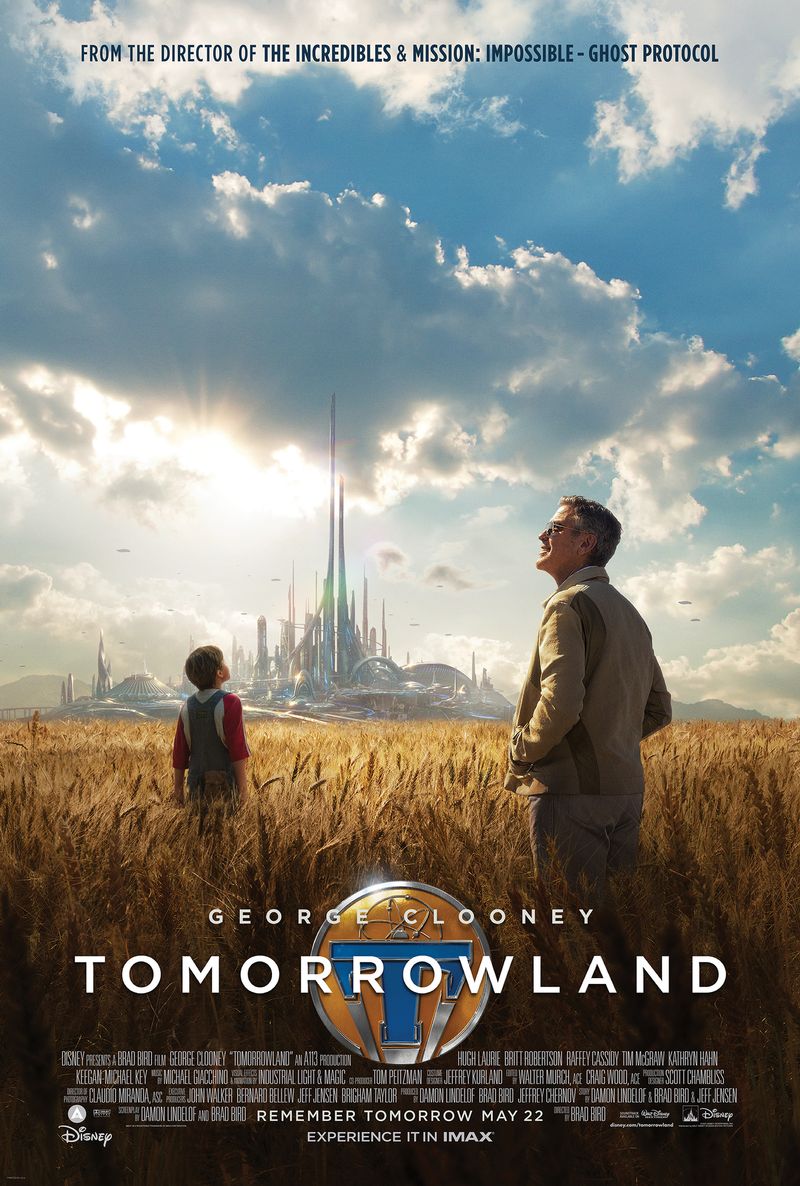
Brad Bird, the director of The Incredibles and Mission: Impossible — Ghost Protocol, teamed up with Disney on an original sci-fi adventure that carried a genuinely hopeful message about humanity’s future.
Tomorrowland cost between $180 and $190 million and starred George Clooney alongside a breakout performance from Britt Robertson.
The film wore its optimism on its sleeve, which was both its charm and its commercial weakness.
In a summer dominated by sequels and familiar brands, audiences struggled to connect with a completely original story.
Critics appreciated the ambition but felt the pacing dragged in the second half.
Disney had positioned it as a potential franchise starter, but disappointing box office numbers ended that dream quickly.
Tomorrowland is now one of those films people remember fondly if they saw it, but most simply never did.
11. The 13th Warrior (1999)
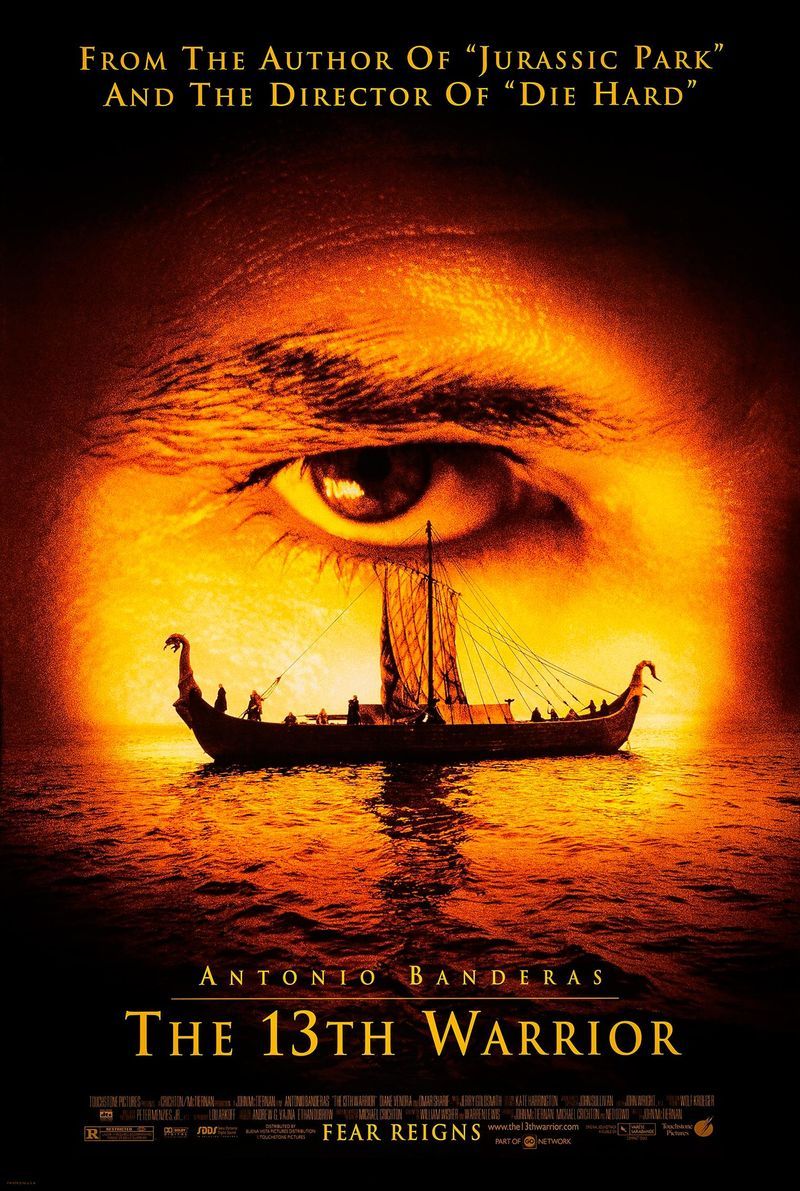
Few productions in Hollywood history were as troubled as The 13th Warrior.
Based on Michael Crichton’s novel Eaters of the Dead, the film starred Antonio Banderas as an Arab ambassador who joins a band of Viking warriors to fight a mysterious ancient evil.
The budget ballooned to around $160 million — an extraordinary sum for 1999 — largely due to years of reshoots and creative battles between Crichton and the studio.
The film was essentially taken away from its original director, John McTiernan, and recut multiple times.
Despite Crichton’s involvement and Banderas’s star power, it opened to weak reviews and even weaker ticket sales.
Touchstone Pictures lost tens of millions on the release.
Today, The 13th Warrior is a fascinating footnote in film history, remembered more for its disastrous production than anything on screen.
12. Cutthroat Island (1995)
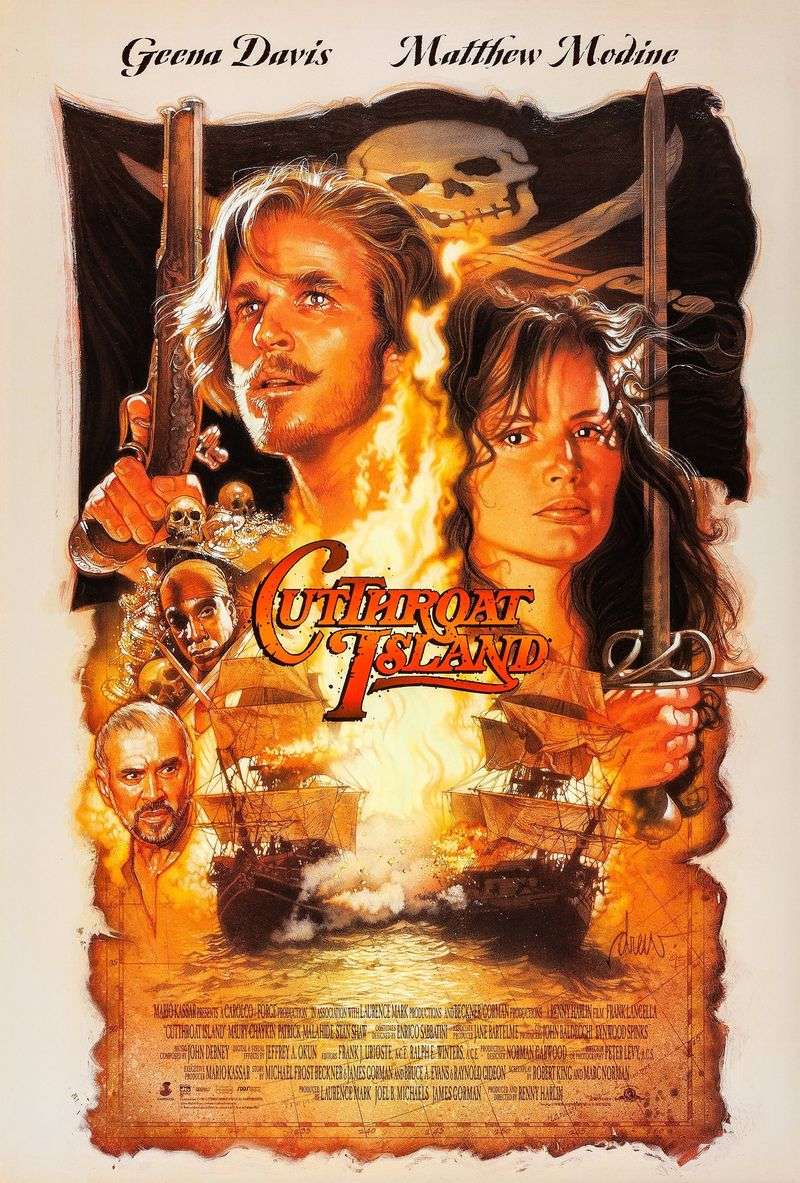
Long before Pirates of the Caribbean made pirate movies cool again, Cutthroat Island tried to do the same thing — and instead became one of the most catastrophic box office failures in cinema history.
Produced by Carolco Pictures, the film starred Geena Davis as a swashbuckling pirate captain and cost approximately $98 million, an enormous figure for a mid-90s production.
The movie earned only around $10 million domestically, a loss so severe it contributed directly to Carolco Pictures filing for bankruptcy.
For years, it held the Guinness World Record for the biggest box office flop ever recorded.
Ironically, the film itself isn’t terrible — it’s a reasonably fun adventure romp.
History, however, has not been kind, and Cutthroat Island is now remembered almost exclusively as the movie that sank a studio.