 MomSkoop

First impressions matter more than most men realize. While women might not always say it out loud, they’re constantly picking up on small fashion details that reveal a lot about who you are.
From the condition of your shoes to how well your clothes fit, these subtle habits speak volumes before you even say a word. Understanding what catches their eye can help you present your best self every single day.
1. Shoes That Don’t Match the Situation
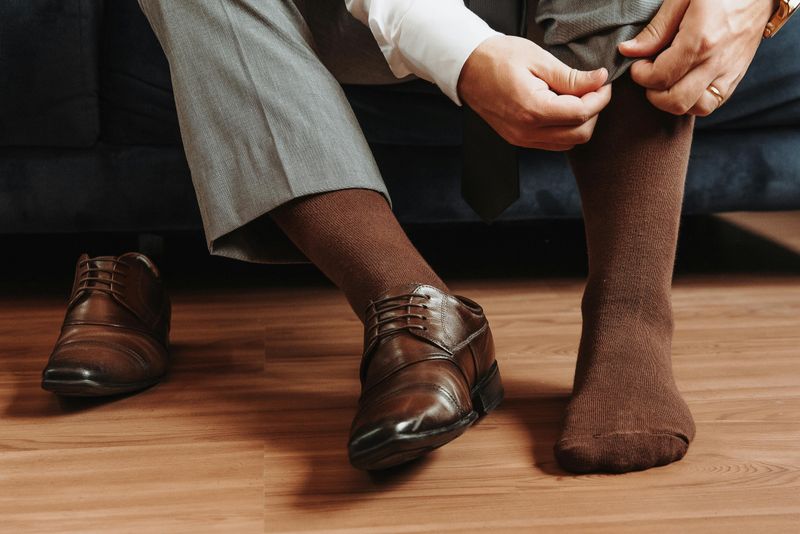
Nothing ruins a well-planned outfit faster than footwear that doesn’t belong.
Worn-out sneakers paired with dress pants create an awkward contrast that’s hard to ignore.
When you show up to a nice dinner in running shoes or wear flip-flops to a business casual event, it signals you didn’t think the occasion was worth the effort.
Women notice this immediately because shoes anchor your entire look.
They’re the foundation that either supports or undermines everything else you’re wearing.
Investing in a few versatile pairs—clean sneakers, dress shoes, and casual loafers—ensures you’re always situation-appropriate.
Matching your footwear to the setting shows respect for both the event and the people around you.
2. Poor Fit (Especially Shirts and Jackets)
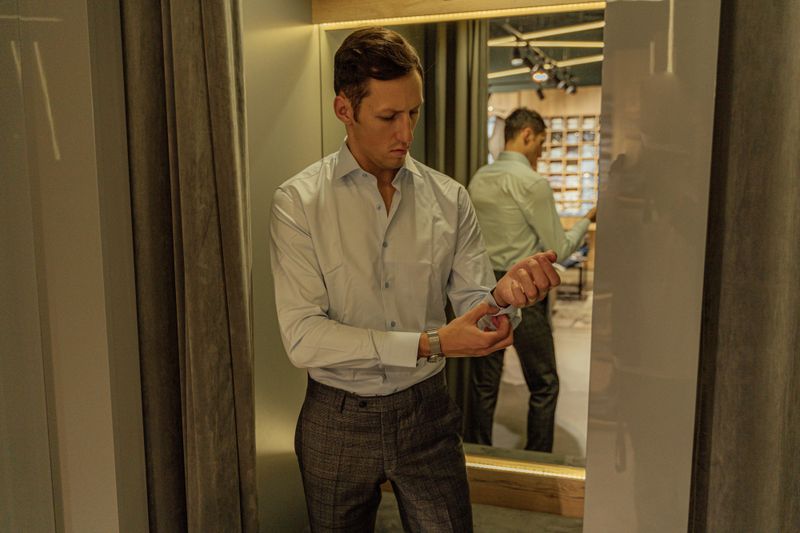
Baggy shirts that swallow your frame or pants so tight they restrict movement both send the same message: you’re not paying attention.
Fit matters more than any brand name ever could.
A well-fitted $30 shirt looks infinitely better than an expensive designer piece that’s two sizes off.
Women can tell when sleeves bunch at your wrists or when your jacket shoulders droop past where they should sit.
These details create visual clutter that distracts from your overall appearance.
Proper fit flatters your body type and demonstrates self-awareness.
Tailoring isn’t just for special occasions—it’s a game-changer for everyday wear.
Even minor adjustments transform how clothes drape on you, making everything look intentional rather than accidental.
3. Unironed or Wrinkled Clothing
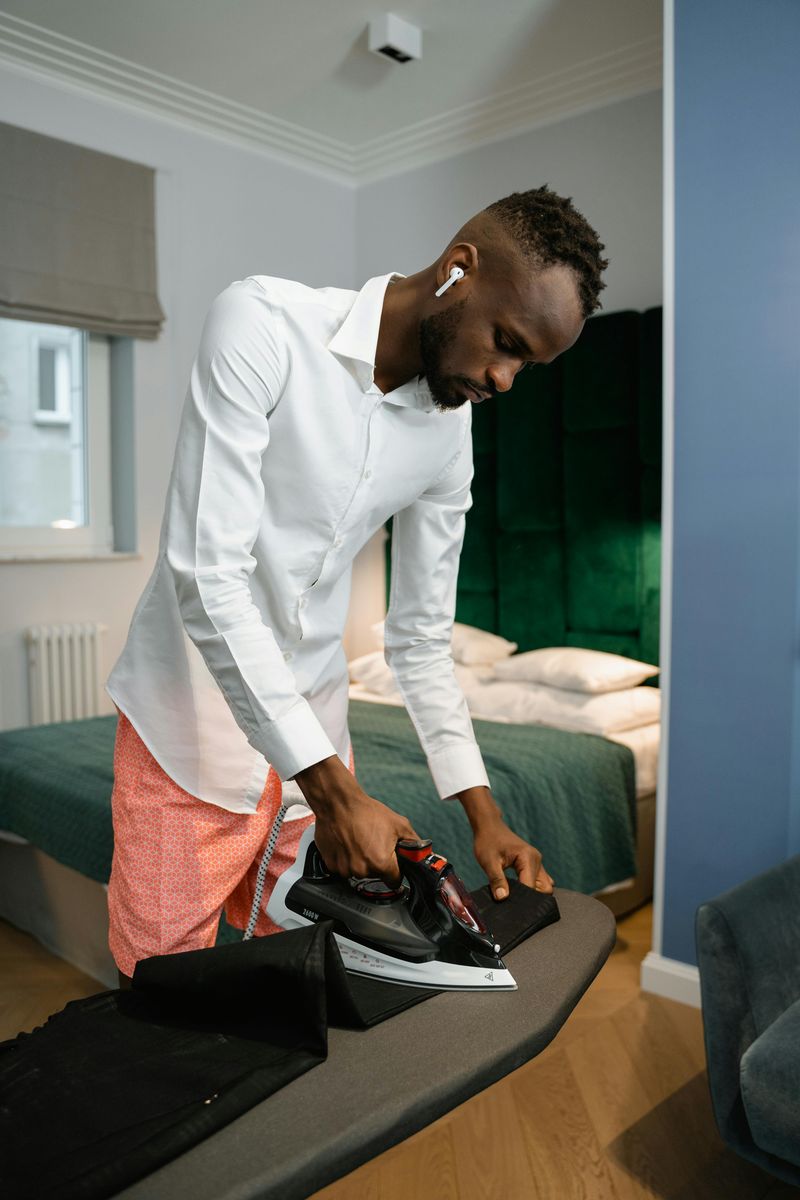
Wrinkles tell a story you probably don’t want to share.
Even if you spent time choosing your outfit, creased fabric makes it look like you grabbed it off the floor.
High-quality materials lose all their credibility when they’re rumpled and neglected.
Women immediately register wrinkles as a sign of being rushed or careless.
It suggests mornings are chaotic or that presentation isn’t a priority.
Keeping a steamer handy takes less than five minutes and makes an enormous difference.
Crisp, smooth clothing conveys professionalism and attention to detail.
If ironing feels like too much work, choose wrinkle-resistant fabrics or hang clothes properly after washing.
Small habits prevent big visual problems.
4. Overly Loud Logos or Graphics

When your shirt screams louder than your personality, something’s off.
Excessive branding or novelty graphics can make you look like a walking advertisement rather than someone with personal style.
Giant logos across your chest suggest you’re trying too hard to impress or relying on brands to define you.
Women often interpret this as insecurity masked by conspicuous consumption.
Confidence doesn’t need to announce itself through oversized text or flashy designs.
Subtle branding or no branding at all tends to read as more sophisticated and self-assured.
Your clothes should complement you, not compete with you for attention.
Choosing understated pieces allows your actual personality to shine through instead of being buried under busy patterns.
5. Belts and Shoes That Don’t Coordinate

Black belt with brown shoes?
Women catch that faster than you’d think.
Mismatched leather tones create a subtle but noticeable disconnect in your outfit.
While it might seem like a minor detail, coordination demonstrates that you understand the basics of putting yourself together.
This isn’t about rigid rules—it’s about visual harmony.
When belts and shoes align in color and style, everything flows naturally.
Women notice because it’s one of those finishing touches that separates intentional dressing from random selection.
It shows you care about the complete picture, not just individual pieces.
Keeping a brown and black belt to match your shoe collection solves this instantly.
These small investments in coordination elevate your entire wardrobe.
6. Ignoring Grooming-to-Outfit Consistency

Sharp blazer, unkempt beard—the contrast is jarring.
When your outfit says “polished professional” but your hair and facial hair say “just rolled out of bed,” it creates visual confusion.
Women pick up on this mismatch because grooming and clothing should tell the same story.
You don’t need to be perfectly groomed every moment, but consistency matters.
A casual outfit pairs naturally with relaxed grooming, while formal wear demands more attention to hair and facial hair maintenance.
This dissonance suggests you got halfway through preparation and stopped caring.
Taking those extra minutes to align your grooming with your clothing choices shows completeness in your self-presentation.
It’s about coherence—making sure all elements work together harmoniously.
7. Clothes That Are Clearly Old or Overworn
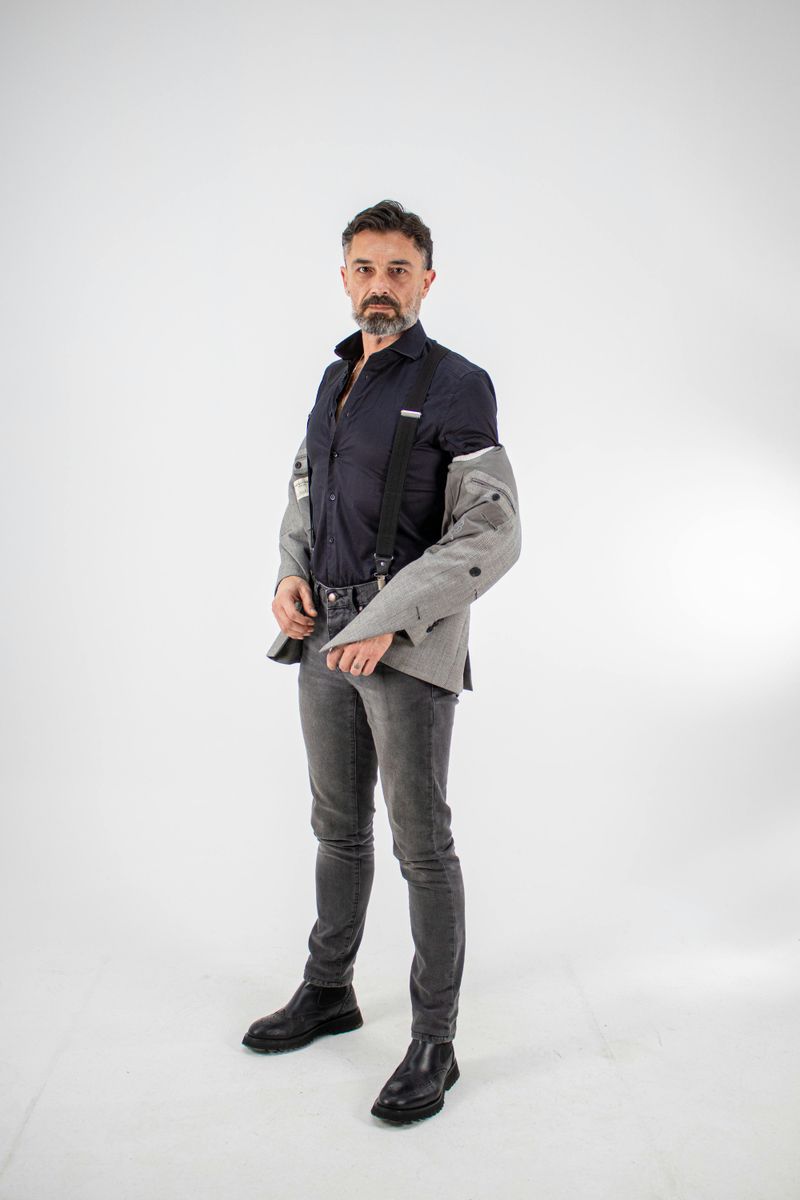
That favorite t-shirt from college might hold memories, but it’s showing its age.
Faded collars, stretched necklines, and fabric worn thin all signal resistance to refreshing your wardrobe.
Women notice these signs of wear because they suggest you’re stuck in the past or unwilling to invest in yourself.
Holding onto clothes beyond their prime doesn’t make you frugal—it makes you look outdated.
Even inexpensive replacements can dramatically improve how current and put-together you appear.
Regular wardrobe audits help identify pieces that have outlived their usefulness.
Letting go of worn items makes room for clothes that actually serve you well.
Fresh clothing shows you’re evolving and taking care of yourself in the present, not clinging to who you used to be.
8. Inappropriate Sock Choices
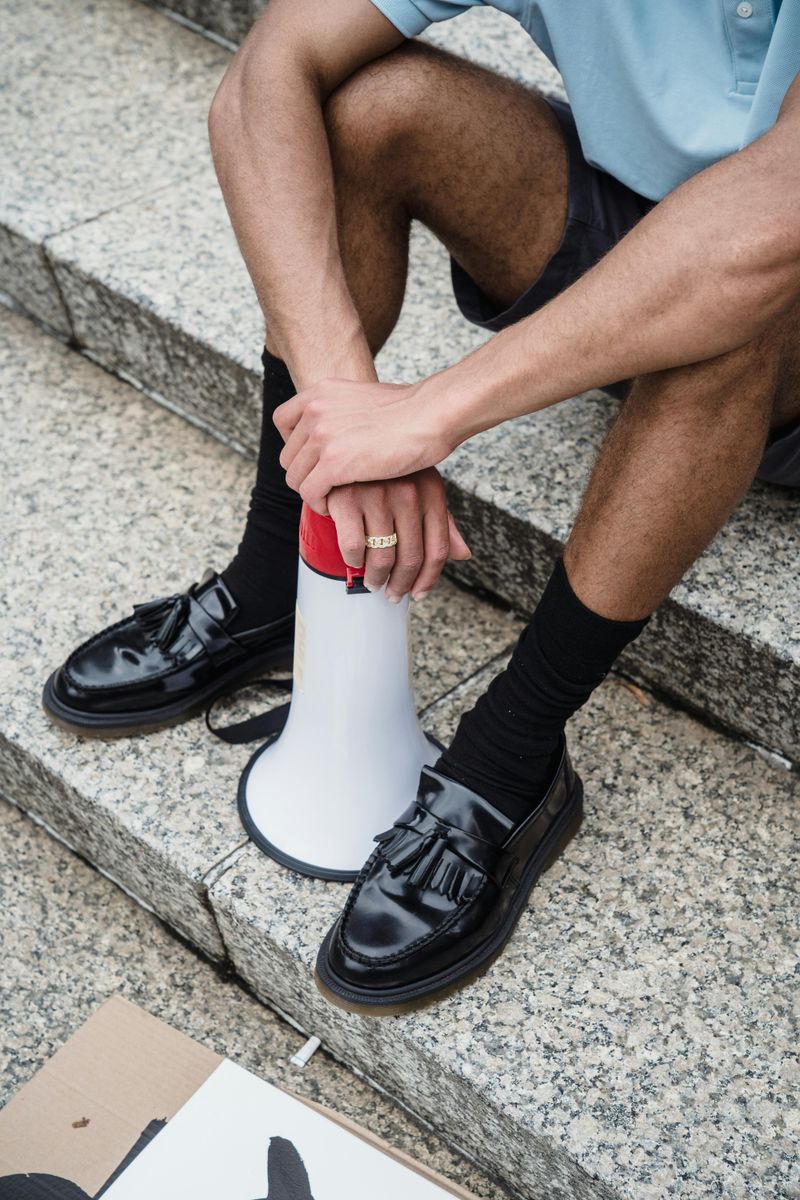
White athletic socks peeking out from under dress pants?
That’s an instant style killer.
Socks might seem insignificant, but they’re noticed the moment you sit down or cross your legs.
Pairing dress shoes with gym socks creates an awkward clash that undermines your entire outfit.
Women register this as a lack of attention to detail or ignorance about basic dress codes.
Overly playful or novelty socks in formal contexts can also read as inappropriate or immature.
Matching your sock formality to your outfit formality is a simple fix with massive impact.
Dark dress socks for professional settings, neutral casual socks for everyday wear, and fun patterns only when the situation truly allows.
This tiny adjustment prevents a common but easily avoidable fashion misstep.
9. Overuse of a Signature Item

Wearing the same leather jacket every single day, regardless of weather or occasion, stops being signature style and starts looking like a crutch.
Women notice when one item dominates your wardrobe rotation because it suggests you’re hiding behind it rather than expressing yourself.
True personal style involves variation and adaptability, not repetition.
That favorite hat or those go-to boots lose their impact when they appear constantly.
Instead of reading as confident self-expression, overuse signals stagnation or fear of trying something different.
Signature pieces work best when they’re part of a rotating wardrobe, not the only thing people remember about your appearance.
Diversifying your choices shows growth and keeps your look fresh and interesting.
10. Poor Color Coordination

All black everything might feel safe, but without contrast, it often reads as flat and uninspired.
Clashing colors or monochrome outfits that lack dimension suggest you either didn’t think about coordination or don’t understand color relationships.
Women notice when outfits feel visually off, even if they can’t always articulate exactly why.
Color coordination doesn’t require advanced knowledge—just awareness of what works together.
Complementary tones create visual interest, while clashing shades create discord.
Adding a pop of color or varying your tones within the same palette transforms dull outfits into dynamic ones.
It shows intentionality and a willingness to experiment beyond the basics.
Understanding basic color theory elevates your entire wardrobe with minimal effort.
11. Accessories That Feel Forced

Suddenly wearing five rings and three chains when you never accessorized before? Women notice the shift and question the authenticity.
Accessories should feel natural, not like you’re trying on a new identity overnight.
Excessive jewelry—especially when it’s clearly new or doesn’t match your usual style—can appear performative rather than genuine.
Women pick up on this because authenticity matters in self-presentation.
If accessories don’t align with the rest of your outfit or your personality, they create visual and psychological dissonance.
Less is usually more when it comes to jewelry and accessories.
One meaningful piece beats a handful of items that scream “look at me.”
Building your accessory collection gradually ensures everything feels integrated and intentional rather than costume-like.
12. Dressing for Comfort Only, Not Presence
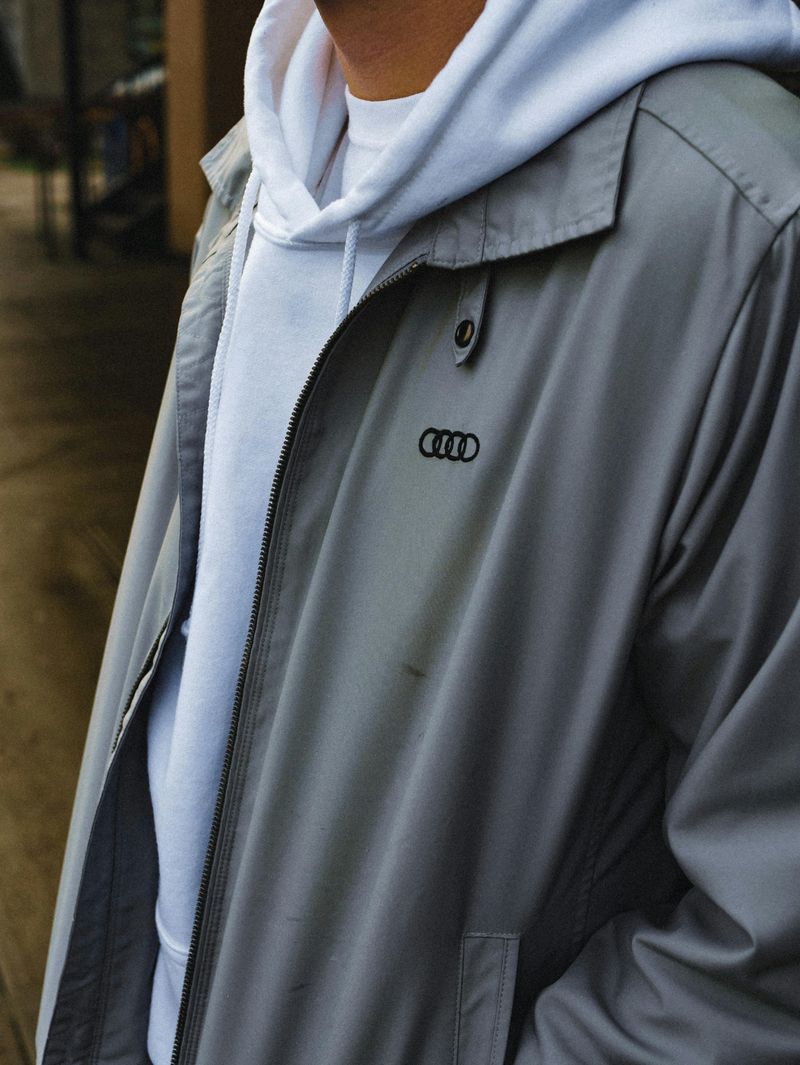
Sweatpants and a hoodie might feel great, but wearing them everywhere sends a message about how much effort you’re willing to make.
Prioritizing comfort without any consideration for presentation often reads as disengaged or low-effort.
Women notice when someone consistently chooses the path of least resistance in their appearance.
This isn’t about sacrificing comfort—it’s about finding balance.
Plenty of clothing options exist that feel good and look intentional.
Dressing with presence shows respect for yourself and those around you.
It demonstrates you value the impression you make and care about participating fully in social situations.
Small upgrades—like joggers instead of sweatpants or a fitted tee instead of an oversized one—maintain comfort while significantly improving your visual impact.