 MomSkoop
American cuisine has changed a lot over the years. Many dishes that were once popular at family dinners and holiday gatherings have slowly disappeared from our tables.
These old-school recipes tell stories of different times, when cooking methods were different and ingredients were simpler.
Let’s explore some classic American dishes that have faded from modern menus but still hold a special place in culinary history.
1. Tomato Aspic
Back in the 1950s and 60s, gelatin salads ruled the dinner table.
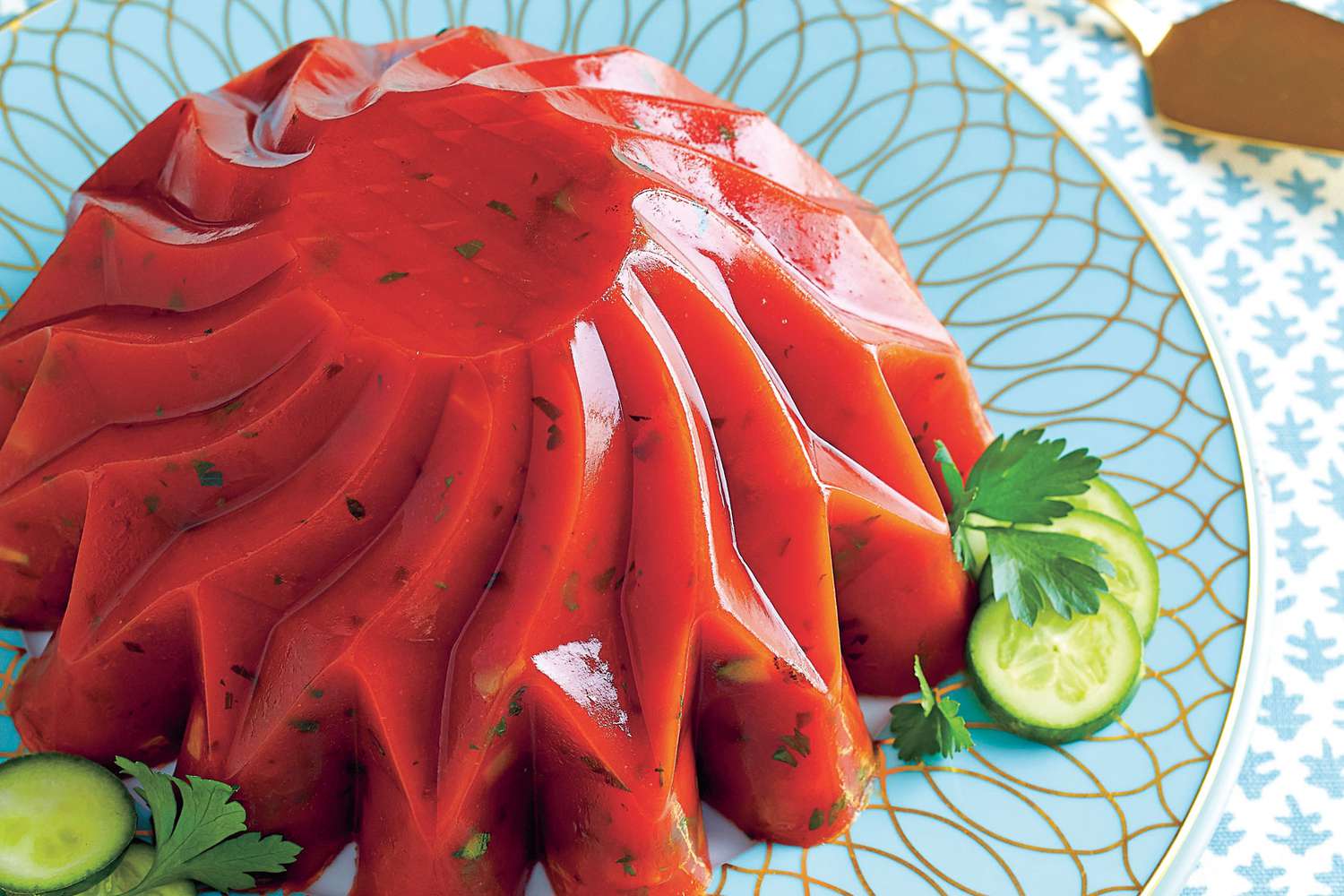
Tomato aspic was a savory jelly made from tomato juice, gelatin, and sometimes vegetables or seafood mixed right in.
Families served it at fancy dinners and holiday meals, often in decorative molds that showed off its wobbly texture.
The combination of cold, jiggly tomato flavor didn’t appeal to everyone, but it was considered elegant and modern at the time.
Today, most people prefer their tomatoes fresh in salads or cooked in sauces.
The era of savory gelatin has mostly passed, though some vintage recipe enthusiasts still make it for nostalgic fun.
2. Chicken à la King
Creamy, rich, and loaded with chicken chunks, this dish once graced restaurant menus across America.
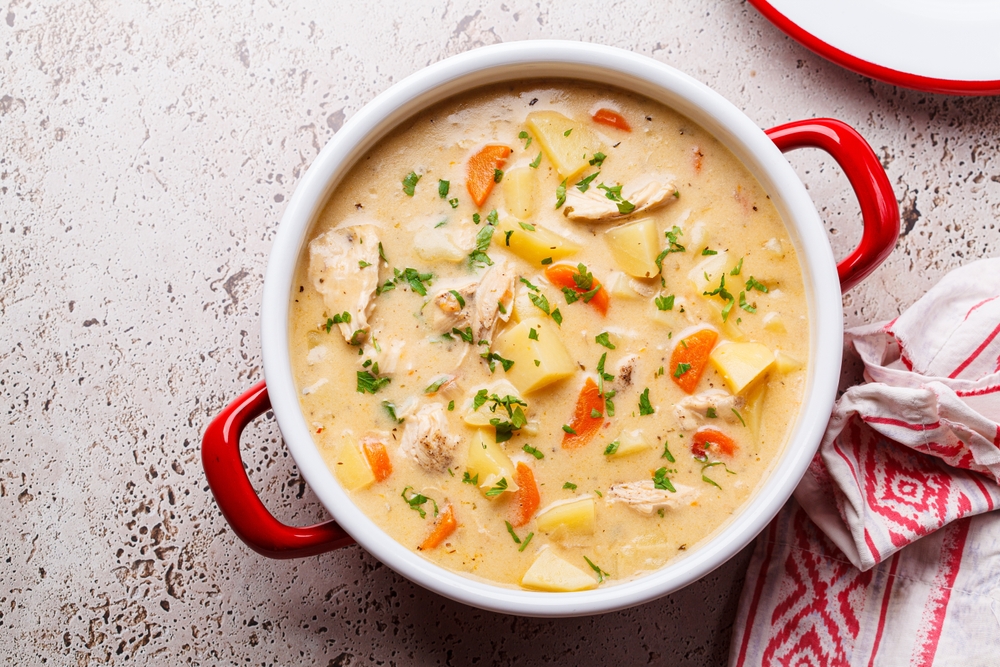
Chicken à la King features diced chicken in a thick cream sauce with mushrooms, pimientos, and sometimes green peppers.
People usually ate it over toast points, rice, or puff pastry shells.
It became popular in the early 1900s and remained a favorite through the mid-century.
The dish was considered sophisticated and appeared frequently at wedding receptions and banquets.
Modern diners tend to skip heavy cream sauces, which is why this classic has nearly vanished from contemporary menus, replaced by lighter chicken dishes.
3. Liver and Onions
Your grandparents probably ate this regularly, but younger generations often wrinkle their noses at the thought.
Liver and onions was a common weeknight dinner because liver was inexpensive and packed with iron and nutrients.
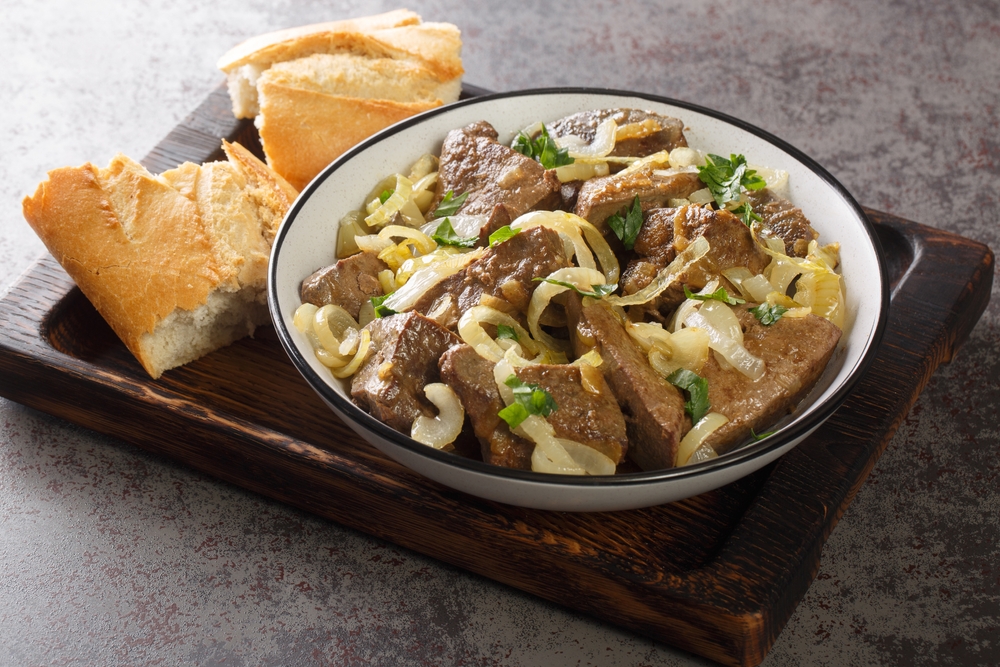
Cooks would slice beef or calf liver, fry it in a pan, and top it with caramelized onions.
The strong, distinctive flavor of liver makes it an acquired taste that many modern eaters avoid.
During harder economic times, families relied on affordable organ meats like liver.
Now that more protein options are available and affordable, liver has fallen out of favor except among devoted fans of traditional cooking.
4. Chipped Beef on Toast
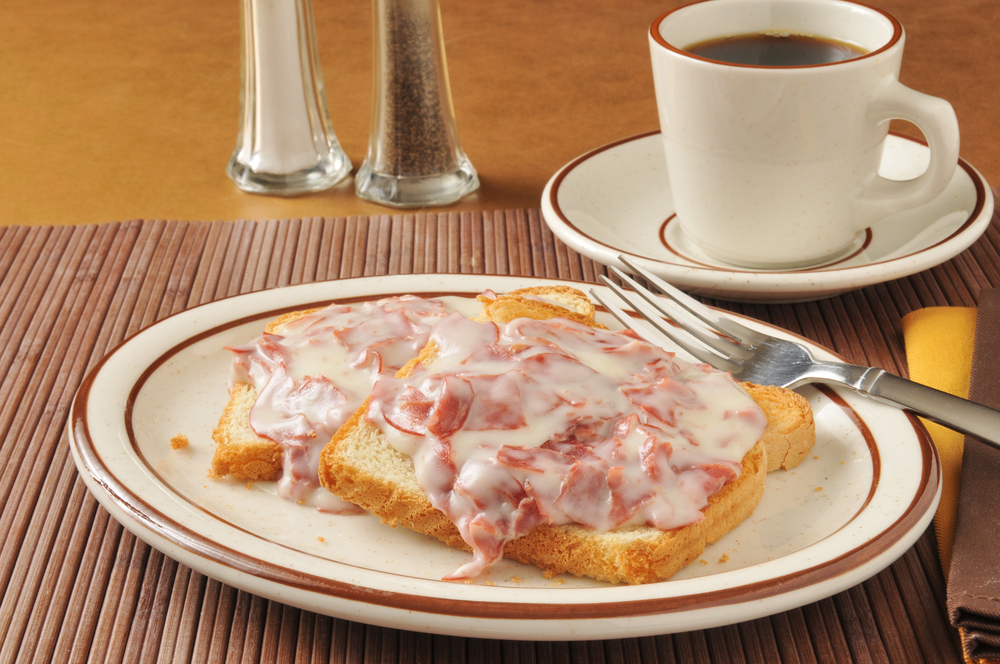
Soldiers during World War II knew this dish by a less polite nickname that referenced its appearance.
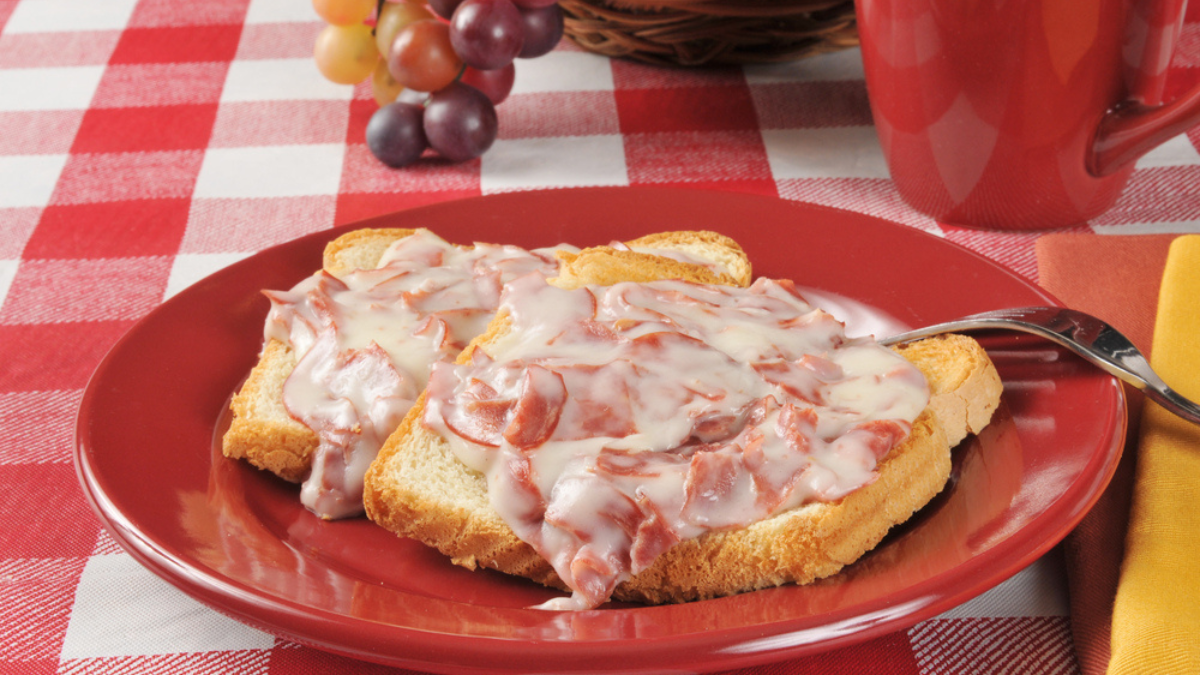
Chipped beef on toast uses dried, salted beef in a white cream sauce poured over toasted bread.
It was cheap, filling, and easy to make in large quantities, making it perfect for military mess halls.
After the war, many veterans continued making it at home, introducing it to their families.
The salty, creamy combination satisfied hungry appetites on a budget.
Today, most people prefer fresher ingredients and less processed meats, so this military staple has mostly disappeared except in nostalgic cookbooks and diners.
5. Beef Wellington
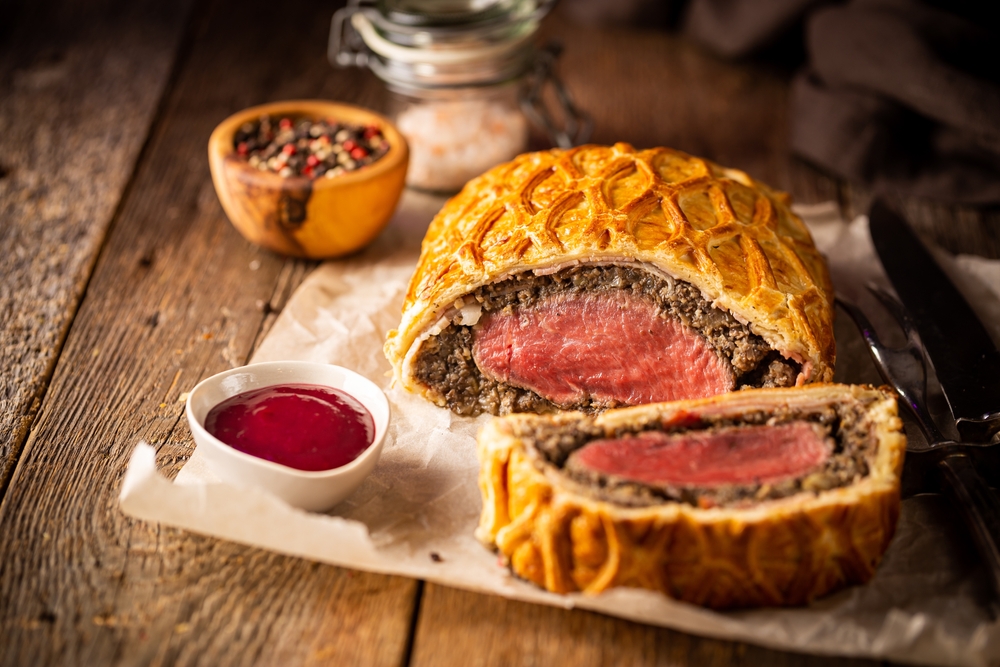
Once the ultimate showstopper for fancy dinner parties, this elaborate dish required serious cooking skills.
Beef Wellington wraps a beef tenderloin in mushroom paste and pâté, then encases everything in flaky puff pastry.
The preparation takes hours and demands precise timing to get the meat and pastry cooked perfectly.
During the 1960s and 70s, hosts served it to impress guests at special occasions.
The dish supposedly honors the Duke of Wellington, though its true origins remain debated.
Modern cooks often skip this complicated recipe for simpler entertaining options, though it occasionally appears on upscale restaurant menus as a luxury item.
6. Ambrosia Salad
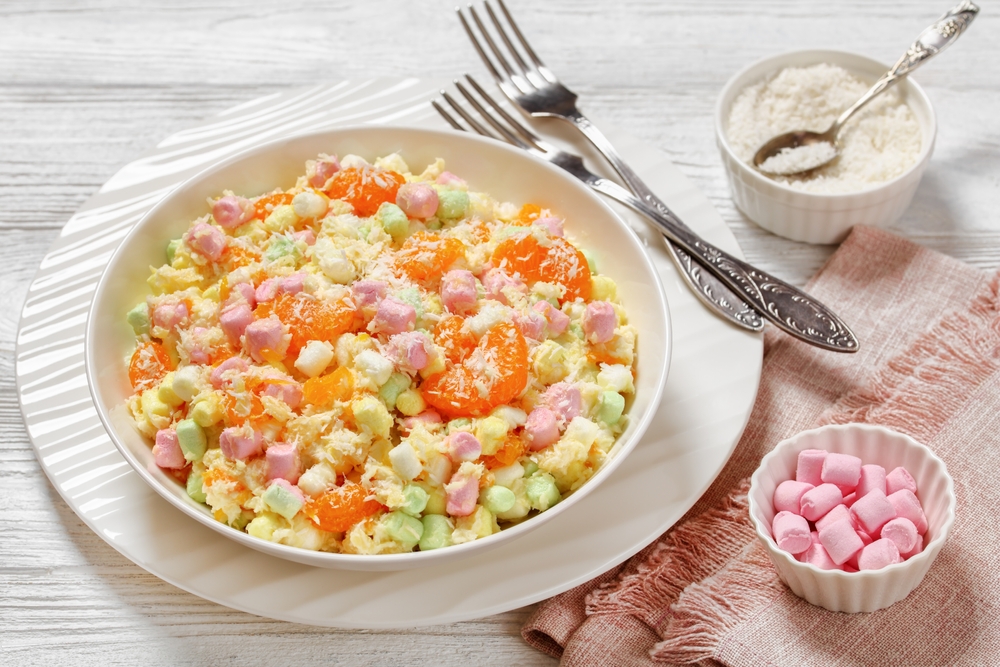
Named after the food of the Greek gods, this sweet concoction barely qualifies as a salad by today’s standards.
Ambrosia salad mixes canned fruit, shredded coconut, miniature marshmallows, and whipped cream or sour cream.
Southern families especially loved serving it at church potlucks and holiday gatherings.
The bright colors and sweet flavors made it popular with children and adults alike.
Some versions added maraschino cherries or pecans for extra texture and decoration.
As people became more health-conscious and moved away from heavily sweetened dishes, ambrosia salad lost its appeal, though it still appears occasionally at retro-themed parties.
7. Salisbury Steak
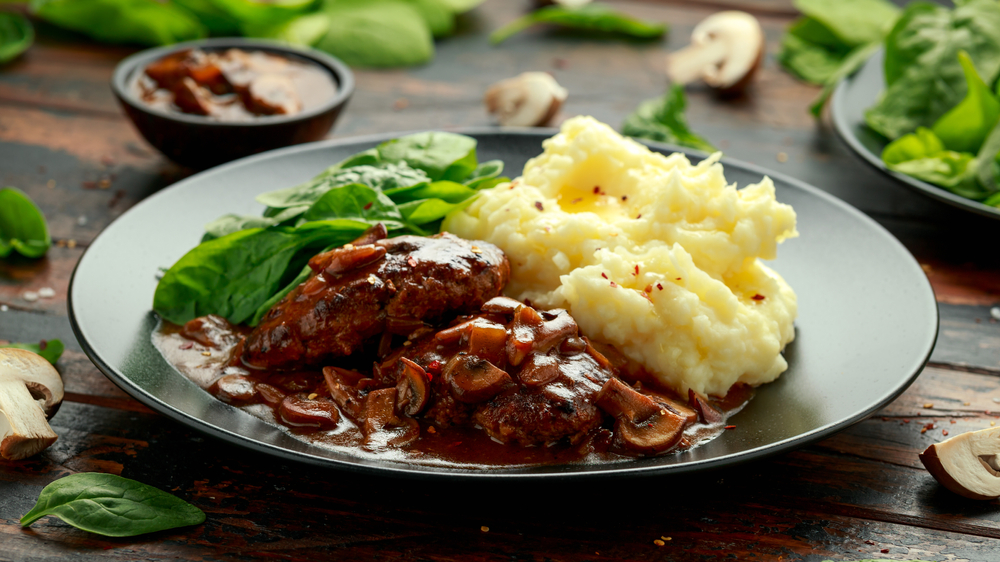
TV dinners made this ground beef patty famous in the 1950s and 60s.
Salisbury steak is basically a fancy hamburger patty without the bun, smothered in brown gravy and often served with mushrooms.
Dr. James Salisbury created it in the 1800s as a health food, believing Americans ate too many vegetables and needed more meat.
It became a staple in school cafeterias, diners, and frozen dinners across the country.
The dish offered an economical way to stretch ground beef into a filling meal.
Today, people prefer actual hamburgers or more sophisticated beef dishes, leaving Salisbury steak as a nostalgic memory of simpler times.
8. Waldorf Salad
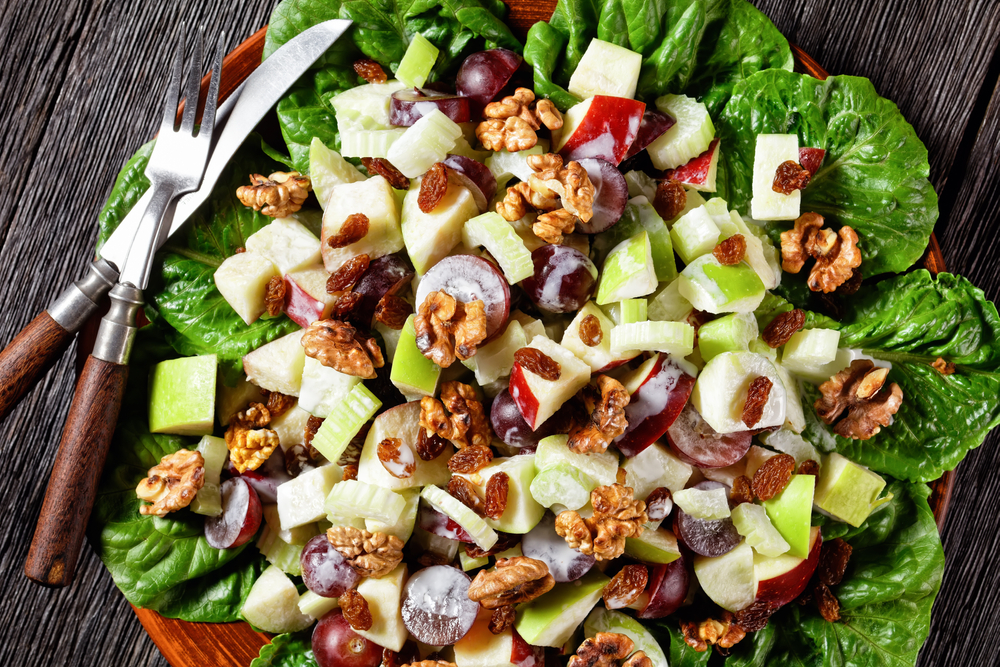
Created at New York’s famous Waldorf Hotel in the 1890s, this salad became a symbol of elegance.
The original recipe combined apples, celery, and mayonnaise, though later versions added walnuts and grapes.
People served it on lettuce leaves at luncheons and formal gatherings.
The crunchy texture and sweet-savory flavor made it different from typical green salads.
For decades, it appeared on restaurant menus and in home cooking across America.
Modern salad preferences lean toward lighter vinaigrettes and more vegetable variety, pushing this mayonnaise-heavy classic into the background, though some traditional restaurants still offer it as a retro option.
9. Tuna Noodle Casserole
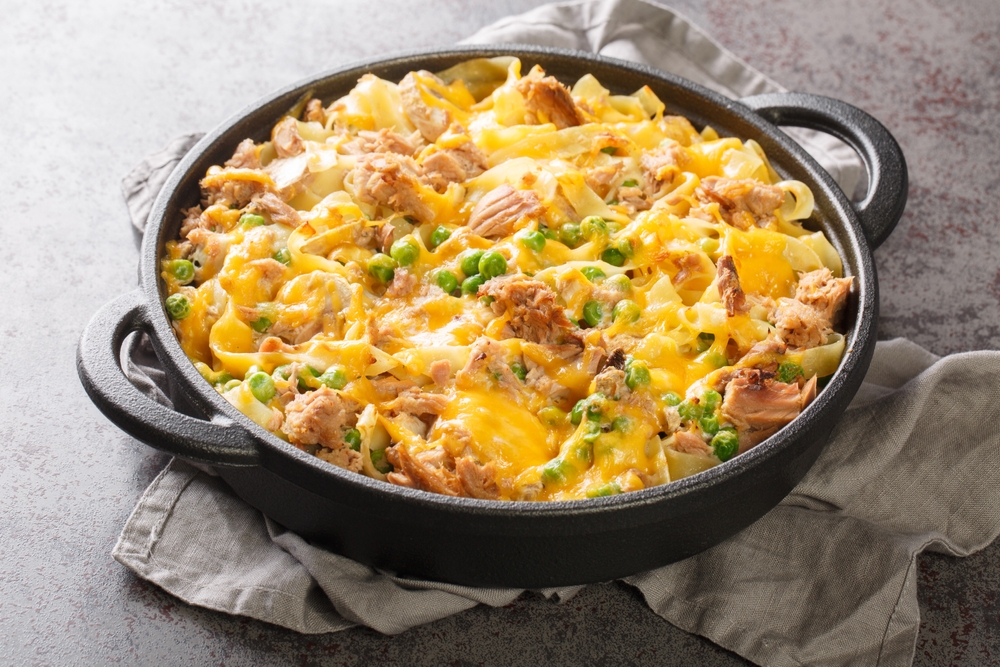
Busy moms in the 1950s relied on this one-dish meal that mixed pantry staples into something filling.
Tuna noodle casserole combines canned tuna, egg noodles, cream of mushroom soup, and frozen peas, often topped with crushed potato chips or breadcrumbs.
Families could prepare it quickly on weeknights without much planning or fresh ingredients.
The creamy, salty combination satisfied hungry kids and adults alike.
Casseroles ruled American kitchens during the mid-twentieth century because they were economical and convenient.
Today’s focus on fresh ingredients and from-scratch cooking has made this canned-soup-based dish seem outdated, though some families still make it for nostalgic comfort.
10. Pineapple Upside-Down Cake
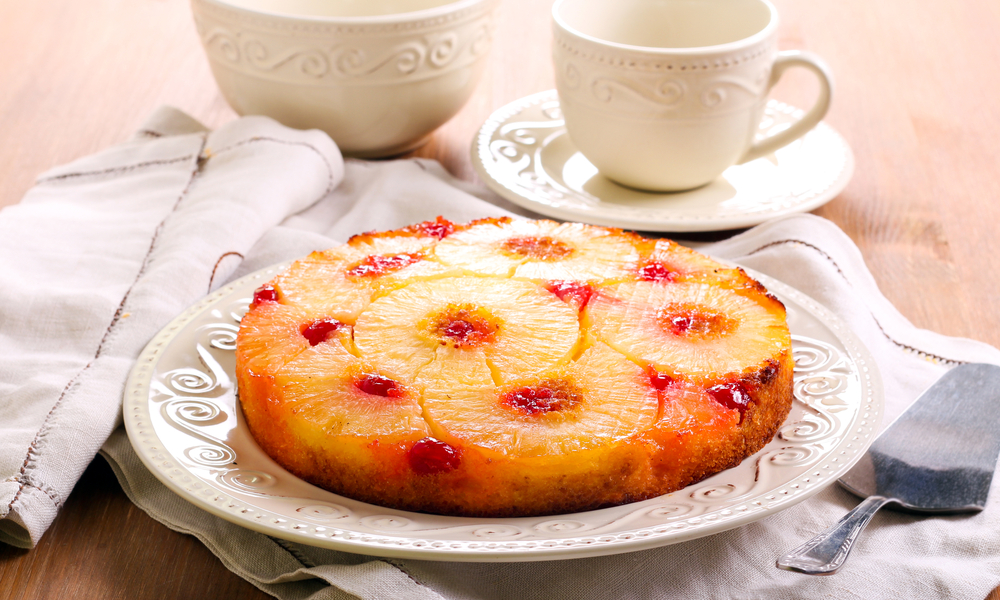
When canned pineapple became widely available, this stunning dessert took American homes by storm.
Bakers arrange pineapple rings and maraschino cherries in the bottom of a pan with butter and brown sugar, then pour cake batter over top.
After baking, they flip the cake over to reveal the beautiful caramelized fruit design.
The dramatic presentation made it perfect for special occasions and Sunday dinners.
Throughout the 1950s and 60s, nearly every cookbook included a recipe for this crowd-pleaser.
Modern dessert trends favor more complex flavors and presentations, so this simple but impressive cake has become less common at gatherings.
11. Deviled Ham Sandwiches
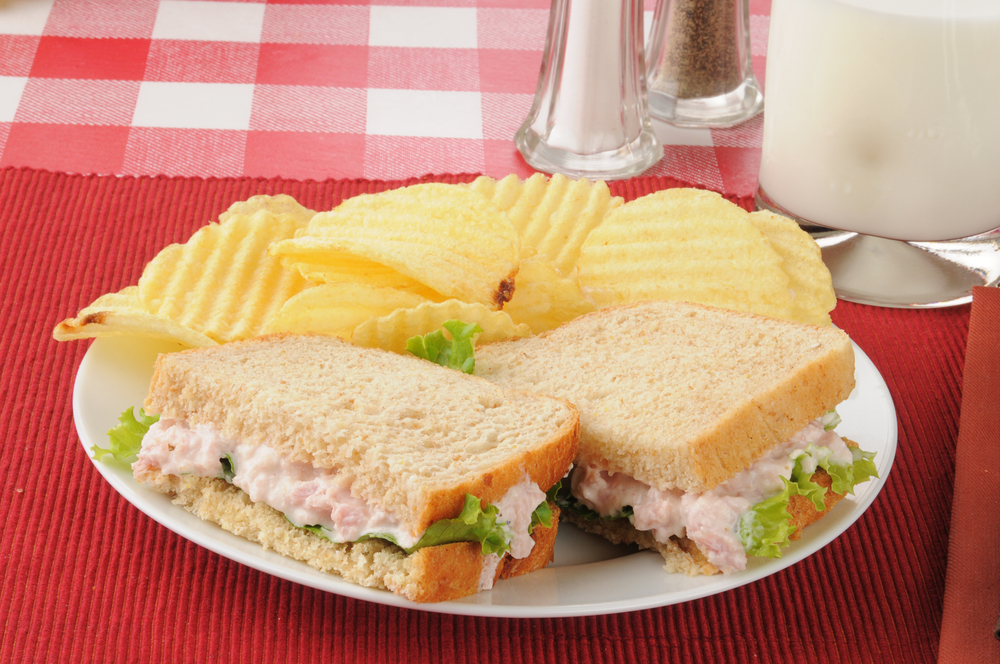
Before fancy deli meats filled supermarket cases, canned deviled ham was a popular sandwich filling.
This spreadable paste mixed ground ham with spices, creating a smooth, salty spread for bread or crackers.
Mothers packed deviled ham sandwiches in school lunchboxes and served them at afternoon tea parties.
The product came in distinctive small cans with a devil logo that became instantly recognizable.
It offered convenience before refrigeration was reliable in every home.
Today, people prefer fresh-sliced deli meats and are more skeptical of heavily processed canned products, making deviled ham a relic of past convenience foods that once dominated American kitchens.
12. Crown Roast of Pork
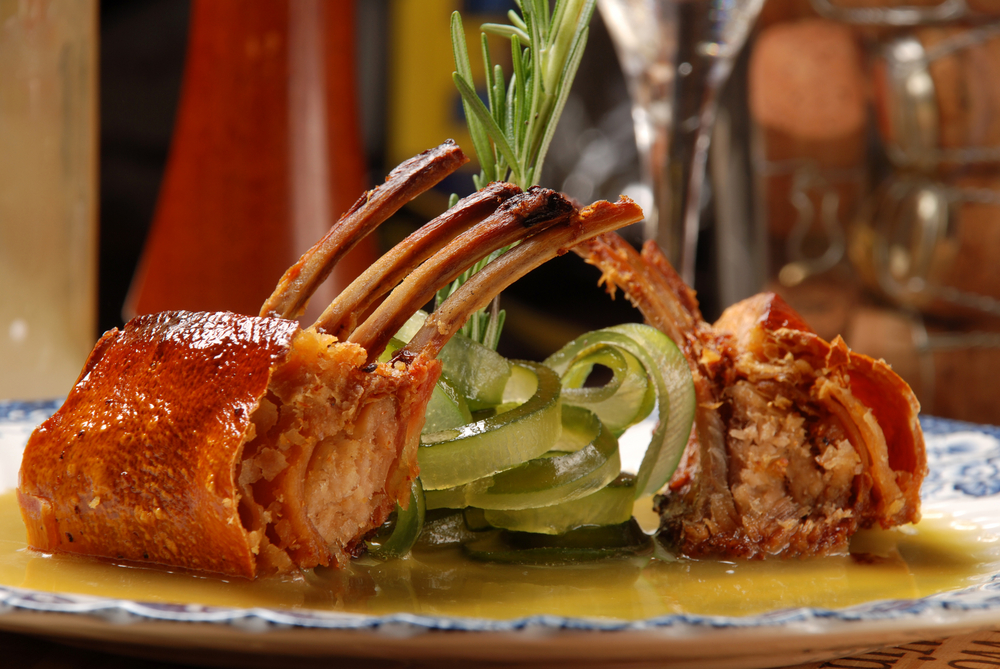
Butchers would tie pork ribs into a circular crown shape for the most impressive holiday centerpiece imaginable.
The crown roast of pork features rib bones standing upright in a circle, with the center often filled with stuffing or vegetables.
Paper frills decorated the bone tips, adding to the festive, regal appearance.
Families served this at Christmas and Easter dinners when they wanted to show off.
The preparation required special butchering skills and advance ordering from the meat counter.
Modern holiday meals tend toward simpler preparations, and fewer people want to tackle such an elaborate roast, making this once-popular showpiece a rare sight on contemporary tables.