 MomSkoop

Remember when people would wait patiently in line without checking their phones every few seconds? Or when neighbors would stop to chat on the sidewalk without feeling rushed? Many personality traits that once seemed natural are quietly disappearing from everyday life.
The way we communicate, commit to plans, and connect with others has shifted dramatically, and these changes reveal something important about how modern culture is reshaping who we are becoming.
1. Patience

Waiting used to be just part of life.
People stood in grocery lines, sat in doctor’s offices, and endured traffic jams without the constant need for distraction.
Now, even a few seconds of buffering on a video feels unbearable to many.
The instant gratification culture has rewired expectations.
Everything from food delivery to entertainment arrives within minutes, training brains to expect immediate results.
This shift makes delayed rewards feel almost painful.
When patience fades, frustration fills the gap.
Small inconveniences trigger disproportionate reactions because tolerance for waiting has shrunk.
Cultivating patience now requires intentional practice, like putting the phone away during meals or choosing the longer checkout line occasionally just to rebuild that mental muscle.
2. Deep Listening

True listening means absorbing what someone says without mentally preparing your response.
It requires full attention, eye contact, and genuine curiosity about another person’s perspective.
This kind of focus has become surprisingly rare.
Phones buzz in pockets during conversations.
Minds wander to the next task or scroll.
Even when people appear to listen, they’re often just waiting for their turn to talk.
The art of understanding before responding has given way to reactive exchanges.
Without deep listening, relationships stay surface-level.
Misunderstandings multiply because nobody feels truly heard.
Practicing this lost skill means silencing devices during conversations, asking follow-up questions, and resisting the urge to interrupt with your own similar story.
3. Humility

Admitting you don’t know something once signaled wisdom.
Saying “I was wrong” demonstrated strength, not weakness.
Humility meant recognizing that everyone has something to teach, regardless of their credentials or status.
Social media changed the game.
Platforms reward confident declarations and polished personas over vulnerability.
Admitting mistakes publicly can trigger pile-ons, so people double down instead.
The incentive structure favors appearing right over being teachable.
When humility disappears, growth stalls.
Nobody learns from mistakes they won’t acknowledge.
Communities become echo chambers where everyone performs certainty.
Reclaiming humility starts with small acts: asking questions without pretending to know answers, crediting others’ ideas, and viewing corrections as gifts rather than attacks.
4. Reliability

Your word used to be your bond.
When someone committed to showing up, they appeared.
Canceling plans required a genuine emergency, not just a better offer or low energy.
Reliability built trust in relationships and communities.
Digital communication made flaking frictionless.
A quick text can cancel plans without facing disappointment in someone’s eyes.
Calendar apps overflow with tentative commitments, and nobody expects firm answers anymore.
The cost of backing out has dropped to nearly zero.
Unreliability creates a culture of backup plans and hedged bets.
Nobody invests fully because everyone expects cancellations.
Rebuilding this trait means treating commitments seriously, saying no upfront instead of maybe, and showing up even when motivation dips.
Consistency matters more than people realize.
5. Civility

Disagreeing respectfully was once expected behavior.
People held opposing views without questioning each other’s character or intelligence.
Civility meant extending basic courtesy even during heated debates, recognizing shared humanity despite differences.
Online anonymity and algorithm-driven outrage changed discourse dramatically.
Comment sections reward the snarkiest takedowns.
Nuanced positions get flattened into tribal camps.
The middle ground disappeared as platforms amplified extreme voices because conflict drives engagement.
Without civility, every disagreement becomes warfare.
Relationships fracture over political differences.
Communities split into hostile factions.
Restoring respectful exchange requires conscious effort: pausing before responding angrily, assuming good intentions first, and remembering that the person behind the screen deserves dignity regardless of their opinion.
6. Self-Restraint

Impulse control used to develop naturally through everyday friction.
Buying something required driving to a store.
Venting anger meant waiting to cool down before mailing a letter.
These built-in delays created space for second thoughts and better decisions.
Modern life removed most obstacles.
One-click purchasing eliminates pause.
Social media lets you broadcast reactions instantly.
Credit cards and payment apps make spending feel abstract.
Every impulse can be indulged immediately without physical or temporal barriers.
When self-restraint erodes, consequences pile up: debt, damaged relationships, regrettable posts.
The discipline to pause before acting becomes a superpower.
Building this muscle means adding intentional friction back: waiting 24 hours before big purchases, drafting angry messages without sending them, and creating small obstacles between impulse and action.
7. Gratitude

Appreciating what you have creates contentment.
Previous generations counted blessings because comparisons stayed local.
You measured your life against neighbors and family, not against curated highlight reels from around the world.
Social media turned comparison into a constant background hum.
Everyone’s vacation looks better, everyone’s house seems nicer, and everyone’s life appears more exciting.
The gratitude that comes from recognizing enough gets drowned out by algorithmically-served reminders of what you’re missing.
Chronic comparison breeds perpetual dissatisfaction.
No achievement feels sufficient when someone else’s looks bigger.
Rekindling gratitude requires intentional practice: listing three specific things daily, savoring ordinary moments, and limiting exposure to comparison triggers.
Appreciation grows when you stop measuring your behind-the-scenes against everyone else’s highlight reel.
8. Face-to-Face Empathy

Reading a room used to be a survival skill.
People learned to interpret facial expressions, body language, and tone shifts.
This real-time emotional literacy helped navigate conflicts, offer comfort, and build deeper connections through unspoken understanding.
Digital communication strips away most nonverbal cues.
Text messages lack tone.
Video calls flatten three-dimensional presence.
Emoji became necessary because words alone can’t convey emotional nuance.
Reduced face-to-face interaction means fewer opportunities to practice reading subtle signals.
Without practiced empathy, misunderstandings multiply and isolation deepens.
People struggle to offer appropriate comfort or recognize when someone needs support.
Rebuilding this capacity requires prioritizing in-person time, watching faces during conversations instead of screens, and practicing the vulnerable art of being physically present during emotional moments.
9. Loyalty

Sticking with people, jobs, and communities through difficult seasons used to define character.
Loyalty meant weathering storms together rather than jumping ship when things got hard.
Long-term commitment created deep roots and lasting bonds.
Modern culture celebrates optimization and mobility.
Job-hopping accelerates careers.
Moving cities for opportunities is expected.
Relationships become transactional: what have you done for me lately?
The cost of leaving dropped while the perceived benefits of staying decreased.
When loyalty fades, everything becomes temporary and shallow.
Communities lack continuity.
Workplaces lose institutional knowledge.
Friendships stay surface-level because nobody invests in long-term connection.
Cultivating loyalty means choosing to stay through boring or difficult phases, recognizing that depth requires time, and valuing stability alongside growth.
10. Accountability

Owning your mistakes used to be the fastest path to respect.
A sincere apology and corrective action rebuilt trust.
People understood that everyone messes up; character shows in how you handle it afterward.
Cancel culture and public pile-ons changed the calculus.
Admitting fault can trigger disproportionate consequences.
Lawyers advise never apologizing because it implies liability.
Social media mobs hunt for accountability from others while deflecting personal responsibility.
Defensiveness became a survival strategy.
Without accountability, trust crumbles and problems fester.
Nobody learns from mistakes they won’t acknowledge.
Communities stay stuck in blame cycles.
Reclaiming this trait requires courage: admitting errors promptly, making amends without excuses, and creating spaces where people can own mistakes without fear of permanent condemnation.
11. Attention Span

Losing yourself in a book for hours was normal entertainment.
People sat through three-hour movies without checking phones.
Sustained focus on single tasks felt natural because fewer things competed for attention.
Fragmented media environments trained brains for constant switching.
Apps deliver dopamine hits every few seconds.
Notifications interrupt thoughts dozens of times daily.
The average attention span reportedly dropped below that of a goldfish as multitasking became the default mode.
Shortened attention spans reduce capacity for complex thinking.
Deep work becomes nearly impossible.
Relationships suffer when nobody can focus long enough for meaningful conversation.
Rebuilding concentration requires treating attention as precious: blocking notification-free time, practicing single-tasking, and gradually extending focus periods like strengthening a muscle through progressive training.
12. Neighborliness
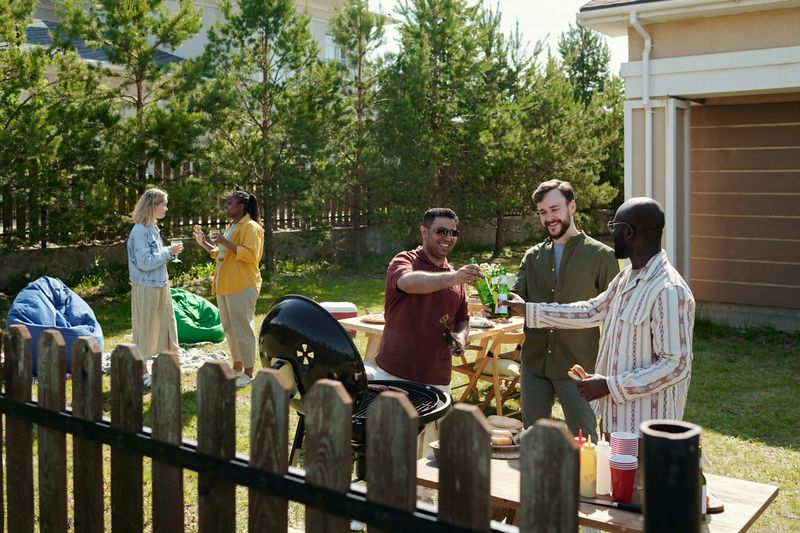
Knowing your neighbors’ names was baseline normal.
People borrowed sugar, watched each other’s kids, and helped with yard work without formal arrangements.
Casual generosity and mutual aid built resilient communities where people looked out for each other.
Urban anonymity and digital social substitution weakened local bonds.
Many people can’t name the family next door.
Online communities replace geographic ones.
Garage door openers let people come and go without sidewalk encounters.
The default shifted from connected to isolated.
Lost neighborliness means reduced safety nets and lonelier lives.
Nobody notices when you’re struggling.
Communities lack cohesion during crises.
Rebuilding local connection starts small: introducing yourself, waving consistently, offering help without expecting reciprocity, and choosing front porch time over backyard privacy.
Geographic proximity still matters.