 MomSkoop

Not long ago, certain skills were considered basic knowledge that almost everyone learned growing up. From writing a letter by hand to reading a paper map, these abilities were simply part of daily life.
Today, technology has made many of them feel outdated or unnecessary. Looking back at these once-common skills is a fun reminder of how much everyday life has changed.
1. Cursive Handwriting
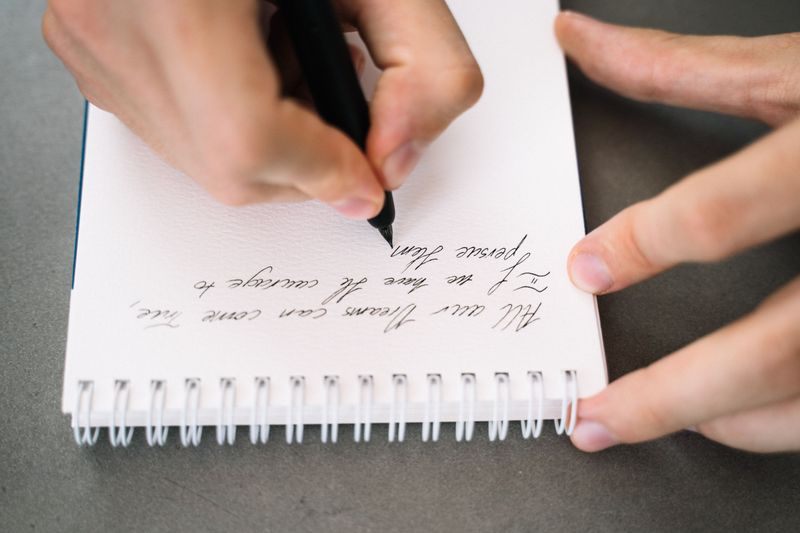
There was a time when cursive handwriting was taught in every elementary school classroom, and kids spent hours perfecting their loops and curves.
Teachers graded penmanship right alongside spelling and math.
A neat signature was something to be proud of.
Today, most schools have dropped cursive from their curriculum, replacing it with keyboard typing lessons.
Many young people today cannot read documents written in cursive, let alone write it themselves.
Historians and researchers worry this could make original historical documents harder to understand in the future.
Cursive was once a mark of education and care.
While it may feel old-fashioned now, learning it still sharpens fine motor skills and helps with creative expression.
2. Reading a Paper Map
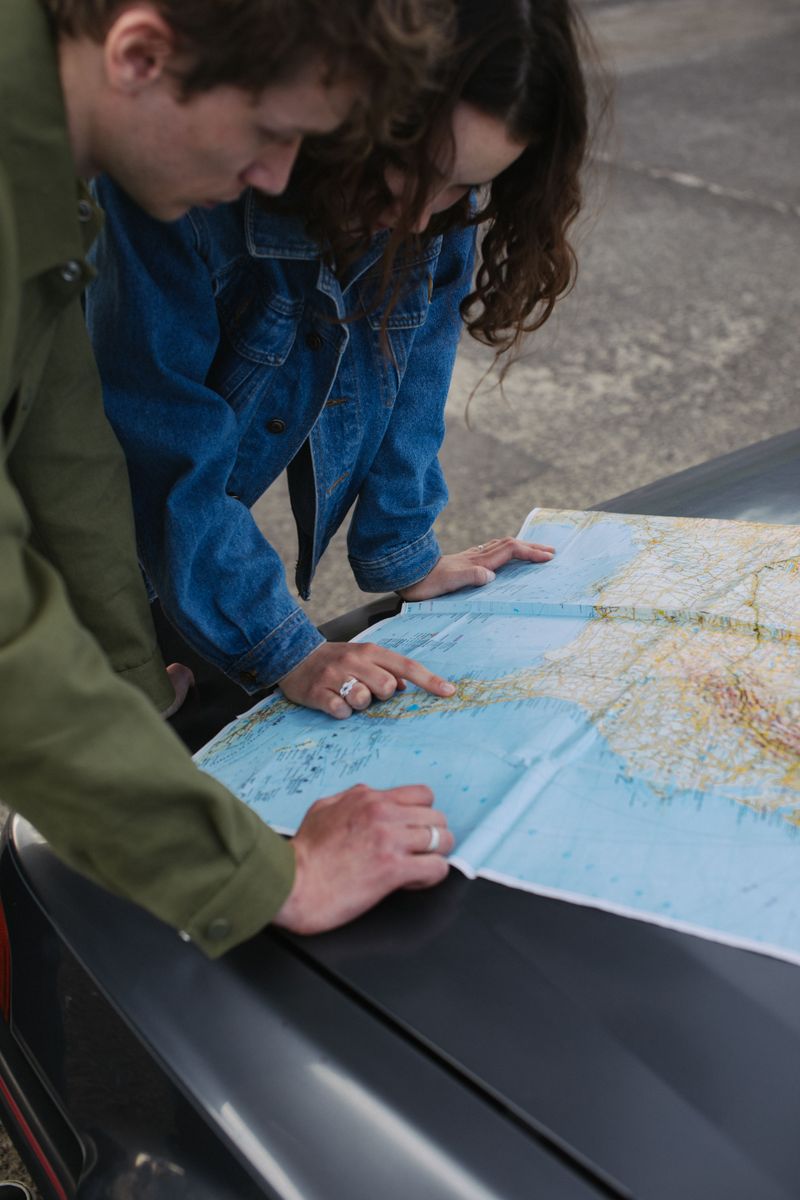
Before GPS existed, every glove compartment held a folded road map, and knowing how to use one was essential for any road trip.
Families would plan routes the night before, tracing highways with their fingers.
Getting lost meant pulling over and actually reading the map.
Today, most people just say a destination out loud and let their phone do the rest.
Paper map reading has become a rare skill, even though it builds strong spatial reasoning and geography knowledge.
Outdoor educators and survival experts still teach it because technology can fail at the worst moments.
There is something genuinely satisfying about navigating with a map and arriving exactly where you planned, all on your own.
3. Sewing and Mending Clothes
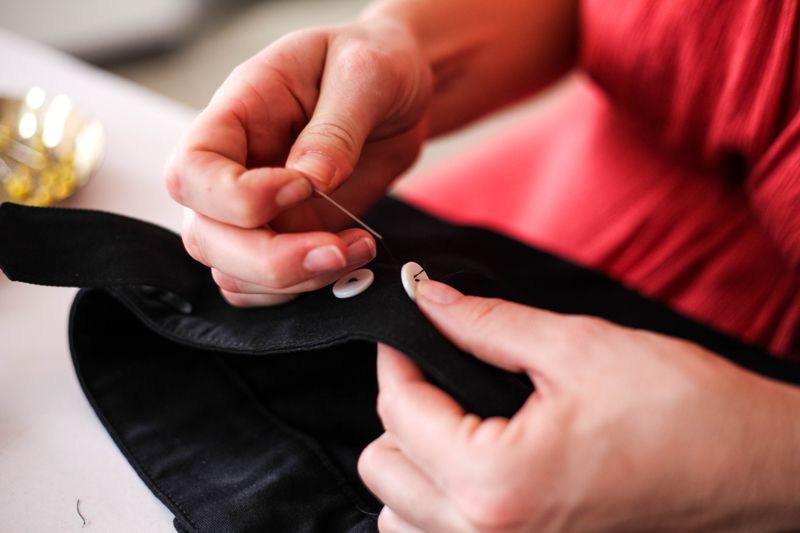
Knowing how to sew a button back on or patch a ripped pair of jeans used to be basic household knowledge.
Grandparents kept sewing kits in their drawers, and mending clothes was simply part of taking care of what you owned.
Throwing away a torn shirt would have seemed wasteful.
Fast fashion has changed that mindset completely.
Clothes are now so inexpensive that replacing them often feels easier than fixing them.
As a result, basic sewing skills have quietly faded from everyday life.
Learning to mend clothing is actually a practical and eco-friendly habit worth picking up again.
It saves money, reduces waste, and gives you a real sense of accomplishment when something you repaired looks good as new.
4. Mental Arithmetic
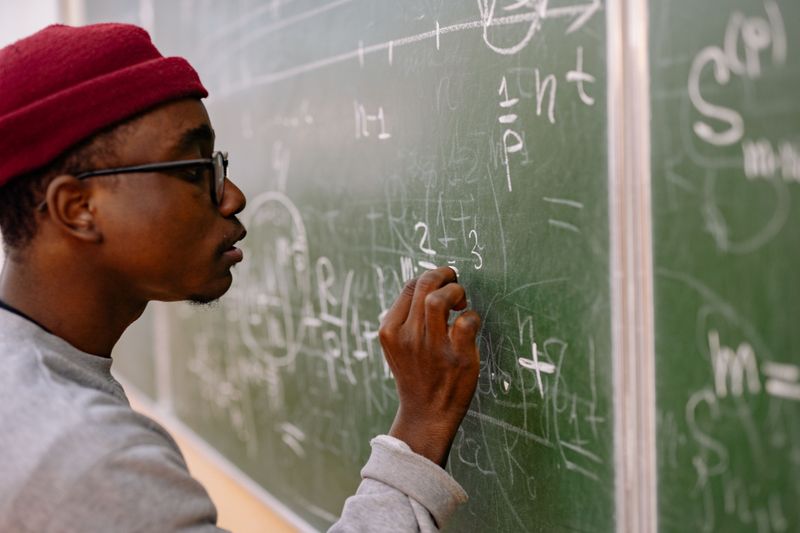
Ask someone to quickly calculate 47 times 8 without a phone or calculator, and you might get a blank stare.
Mental math was once drilled into students daily through timed exercises and flashcard drills.
Speed and accuracy in your head were considered signs of sharp thinking.
Calculators and smartphone apps have made mental arithmetic feel unnecessary for many people.
Why strain your brain when a device can answer in a fraction of a second?
But researchers say mental math keeps the brain active and builds number sense that technology cannot replace.
Practicing mental calculations regularly improves focus and problem-solving in all areas of life.
It is one of those underrated skills that quietly makes you sharper in ways you might not even notice right away.
5. Memorizing Phone Numbers
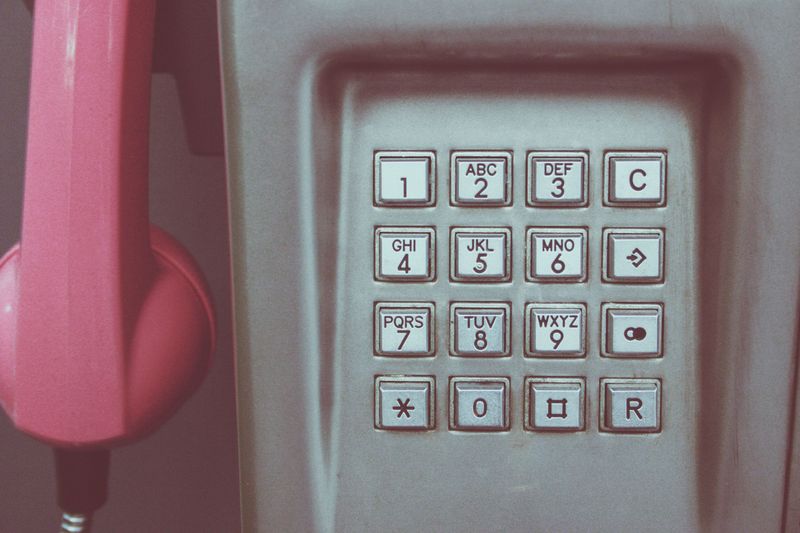
Back when phones were attached to walls, people memorized dozens of numbers by heart.
Kids knew their home number, their grandparents’ number, and their best friend’s number without ever looking them up.
It was simply expected.
Smartphones changed everything by storing every contact automatically.
Now, most people only know one or two numbers by heart, usually their own.
If a phone dies or gets lost, reaching anyone can feel impossible.
Memory experts point out that regularly memorizing information, including phone numbers, strengthens recall and keeps cognitive skills sharp.
It might seem trivial, but challenging your brain to hold onto numbers is a simple mental workout anyone can practice.
Start with just one important number and see how quickly it sticks.
6. Writing Letters by Hand

Receiving a handwritten letter in the mail used to be one of life’s small but meaningful pleasures.
People took time to choose their words carefully, knowing the letter would be read, saved, and maybe even reread years later.
Penmanship, tone, and thoughtfulness all mattered.
Email and text messaging have made handwritten letters feel almost quaint.
Why spend twenty minutes writing when you can send a message in seconds?
But something real is lost when communication becomes purely instant and digital.
Handwritten letters carry emotion and personality in a way that typed text simply cannot match.
Studies show that writing by hand also helps with memory and emotional processing.
Sending even one handwritten note a month can strengthen relationships in surprisingly meaningful ways.
7. Changing a Car Tire
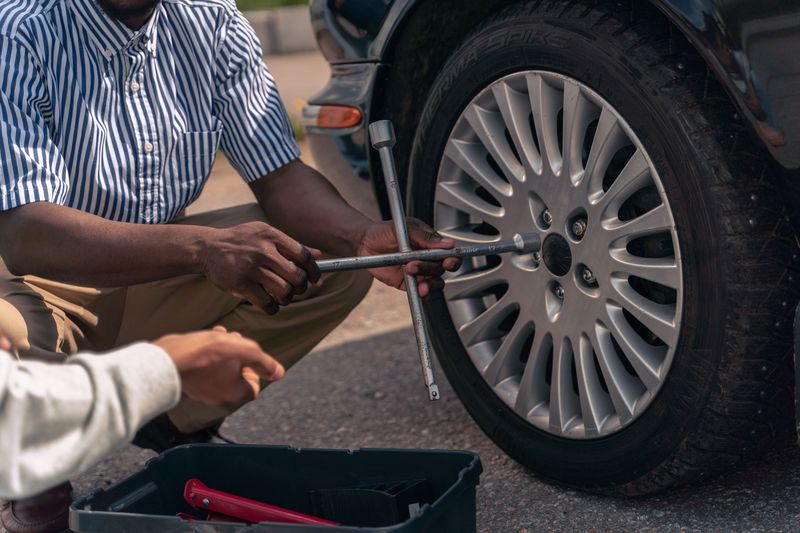
Flat tires do not announce themselves, and knowing how to swap one out used to be something every driver learned before getting their license.
Dad would walk teenagers through each step in the driveway, from loosening the lug nuts to securing the spare.
It was a rite of passage.
Roadside assistance apps and run-flat tires have made this hands-on skill feel optional to many drivers today.
Plenty of people have never even opened their trunk to check if their spare is properly inflated.
That can lead to real trouble in the wrong situation.
Learning to change a tire takes less than an hour and could save you in a genuine emergency.
It is practical knowledge that builds confidence and self-reliance, two things no app can fully provide for you.
8. Cooking from Scratch

Generations ago, cooking from scratch was not a hobby or a trend.
It was simply how meals got made.
Families baked their own bread, simmered soups from bones, and made sauces without opening a single jar.
Cooking knowledge passed naturally from parent to child in the kitchen.
Convenience foods, meal kits, and food delivery apps have quietly replaced many of those homemade traditions.
Many young adults today have never made a meal entirely from basic ingredients, and some feel genuinely intimidated by the idea.
Scratch cooking saves money, improves nutrition, and gives you full control over what goes into your food.
Even learning just five simple recipes can change your relationship with food entirely.
The kitchen does not have to be a scary place once you know a few solid basics.
9. Using a Compass
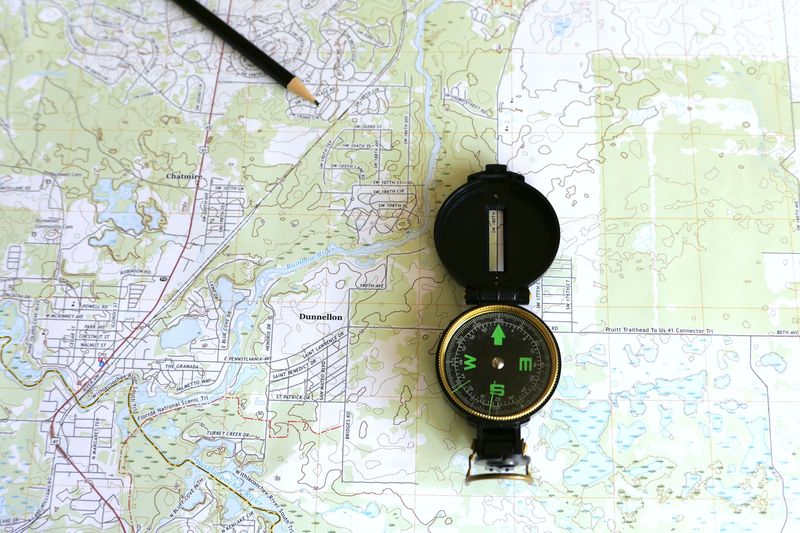
Long before satellite navigation existed, a magnetic compass was the essential tool for finding your direction in unfamiliar territory.
Scouts, soldiers, sailors, and hikers all relied on them.
Learning to orient a compass with a map was a core outdoor skill taught to kids across the country.
GPS devices have made compass skills feel like something from an old adventure novel.
Most hikers today rely entirely on their phones, which can lose signal, run out of battery, or simply fail in remote areas.
Wilderness survival instructors still teach compass navigation for good reason.
When technology lets you down in the backcountry, a compass and the knowledge to use it can be the difference between finding camp and spending a very uncomfortable night outdoors.
10. Typing on a Typewriter

For much of the twentieth century, typewriter skills were practically required for office work.
Typing classes were a standard part of high school, and students practiced speed and accuracy on clunky mechanical keyboards.
The rhythmic clacking of keys was the soundtrack of professional life.
Personal computers made typewriters obsolete almost overnight, and today most people have never touched one.
A typewriter demands commitment since you cannot easily delete or reformat your words.
Every keystroke counts, which actually encouraged more careful thinking before writing.
Some writers still swear by typewriters for that exact reason, saying the limitations force better focus.
Whether or not you ever use one, understanding why typewriters shaped modern keyboard design gives you a fascinating window into how technology evolves through everyday human needs.
11. Basic First Aid
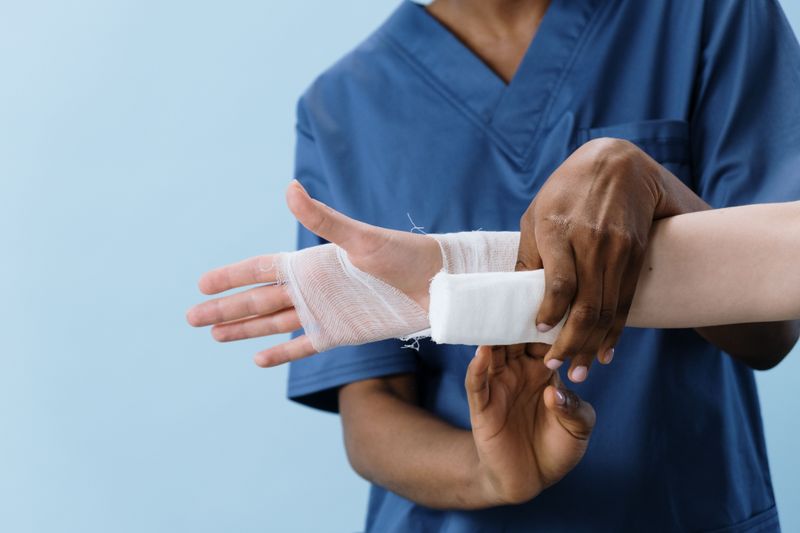
A generation ago, most adults knew how to handle common emergencies at home.
Cleaning a wound, applying pressure to a cut, treating a burn, or knowing the signs of a broken bone were skills parents passed on without much fuss.
First aid was just part of being a responsible adult.
Today, many people reach for their phones to search what to do instead of reacting confidently.
While online resources are helpful, hesitation during a real emergency can cost precious time.
First aid knowledge needs to live in your hands and memory, not just on a screen.
Community centers, schools, and local fire stations frequently offer free or low-cost first aid courses.
Taking even a basic class can make you genuinely useful in a crisis and might one day save someone’s life.
12. Telling Time on an Analog Clock

It sounds almost too simple to mention, but surveys in several countries have found that a growing number of young people struggle to read an analog clock.
For most of history, reading a clock face with hands was one of the first practical skills children mastered around age six or seven.
Digital clocks and phone screens have become so dominant that many kids rarely encounter analog clocks at all.
Some schools in Europe have even removed analog clocks from classrooms after students reported difficulty reading them during exams.
Analog clock reading actually builds a useful understanding of fractions, angles, and time relationships that digital displays skip entirely.
Keeping an analog clock at home and encouraging kids to use it regularly is a small habit with surprisingly solid educational benefits.