 MomSkoop

Fashion rules were once treated like laws — break them and face serious style judgment. But many of the so-called “rules” men grew up hearing were never really about style at all.
They were about conformity, tradition, and fear of standing out. The good news is that modern menswear has moved on, and it’s time your wardrobe did too.
1. Never Wear Black and Navy Together
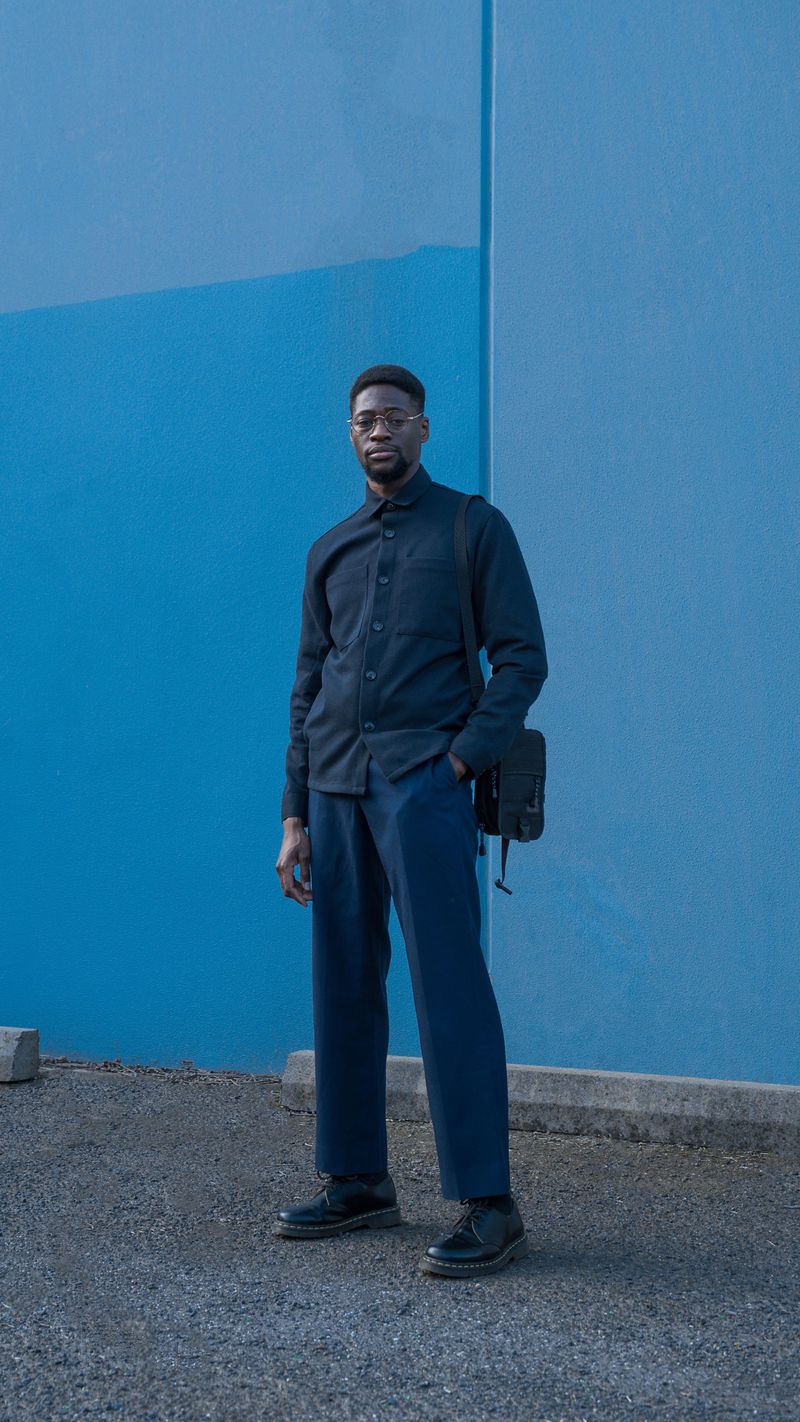
For decades, this color combo had men second-guessing their entire morning routine.
The fear was that black and navy looked like a mistake — like you grabbed the wrong pants in the dark.
But here’s the thing: when the shades are clearly distinct and the textures differ, the pairing actually looks sharp and intentional.
Luxury fashion houses have been combining black and navy on runways for years.
A navy wool blazer over black slim trousers, for example, reads as sophisticated rather than sloppy.
The trick is contrast — make sure both colors are clearly visible and neither looks faded or accidental.
Confidence matters just as much as the clothes themselves.
2. Your Belt Must Match Your Shoes Exactly
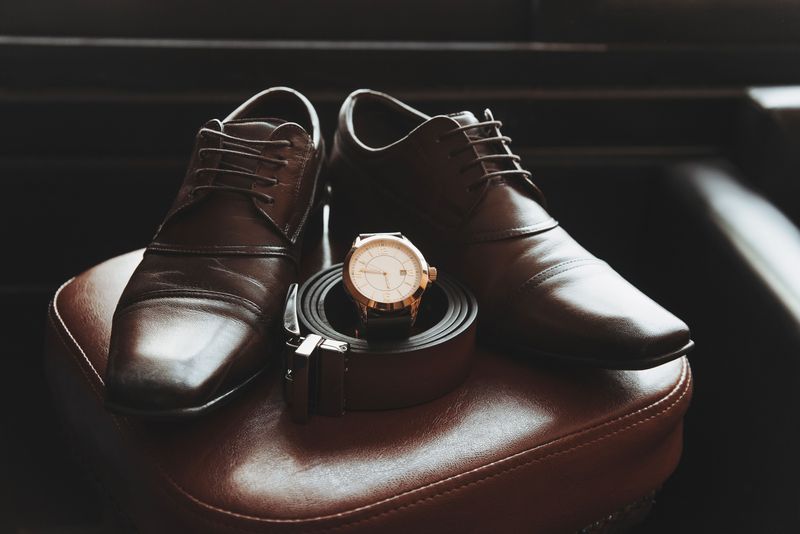
Once upon a time, a perfectly matched belt and shoe set was considered the hallmark of a truly put-together man.
Miss the match, and you’d practically hear the style police sirens.
That rigid standard has softened considerably in recent years, and honestly, it’s a relief.
Modern menswear encourages thoughtful coordination rather than strict matching.
Wearing a cognac belt with dark brown shoes, for instance, looks just as polished — sometimes even more interesting — than an exact match.
The goal is harmony, not a copy-paste approach.
Formal settings still reward closer coordination, but in everyday smart-casual dressing, a little variation shows personal taste rather than carelessness.
Trust your eye over the rulebook.
3. Brown Shoes Don’t Belong in the City
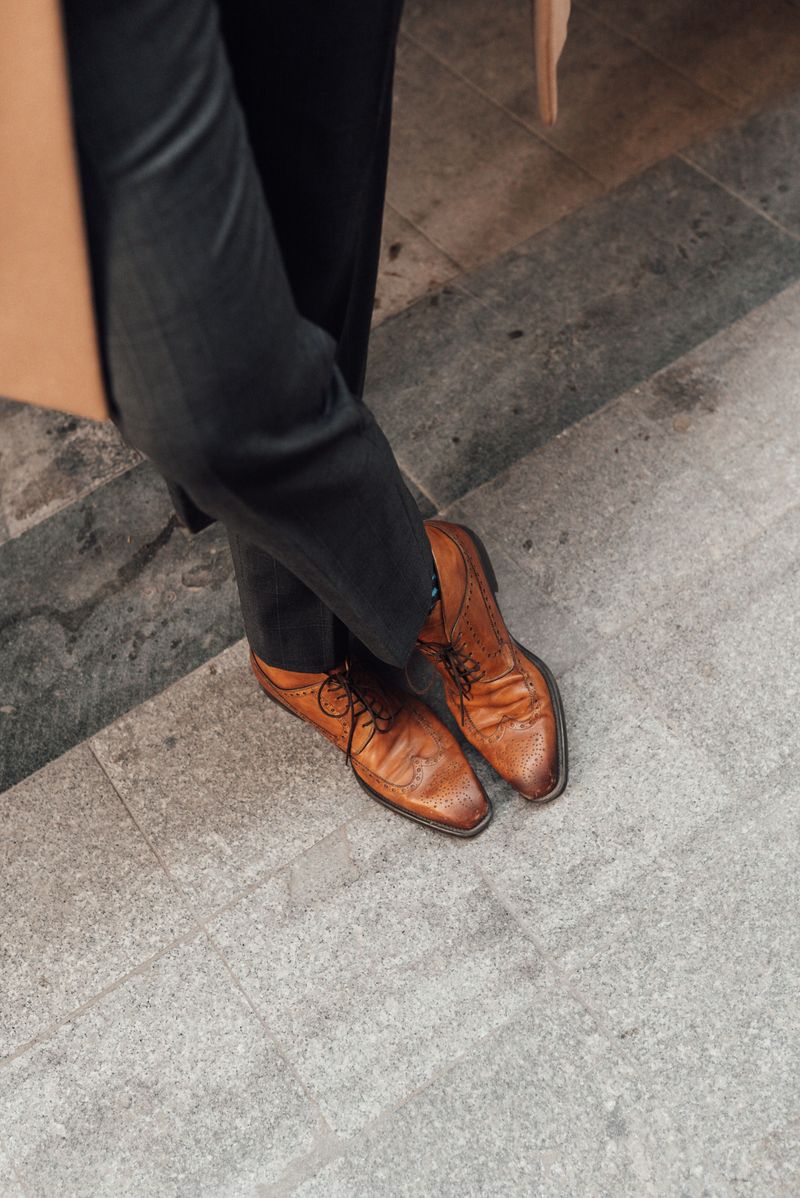
This rule traces back to early 20th-century British dress codes, when brown shoes were considered strictly countryside footwear.
The phrase “no brown in town” was practically gospel among a certain class of English gentlemen.
Fast-forward a hundred years, and the city has changed dramatically.
Brown shoes are now one of the most versatile options in a man’s wardrobe, working effortlessly across business, smart-casual, and even semi-formal settings.
A rich tan or cognac Oxford looks exceptional alongside a navy or charcoal suit.
Darker shades of brown — chocolate or mahogany — bring warmth and character that black shoes simply can’t replicate.
Cities worldwide have embraced the brown shoe.
It’s time to lace them up without a second thought.
4. Men Should Never Wear Sneakers with Tailoring

Not long ago, pairing sneakers with a suit would have earned you nothing but raised eyebrows.
Tailoring was reserved for dress shoes — full stop.
But the rise of streetwear, athleisure, and more relaxed workplace dress codes has completely rewritten that chapter.
Today, a clean, minimalist sneaker worn with an unstructured suit or tailored separates can look genuinely polished.
Think slim white leather sneakers with tapered trousers and a linen blazer — the result is effortlessly modern.
The key is keeping the sneaker sleek and low-profile rather than chunky or overly sporty.
Occasion still matters, of course.
A courtroom or black-tie event calls for proper footwear.
But for most everyday situations, sneakers and tailoring are a winning combination.
5. You Can’t Mix Patterns
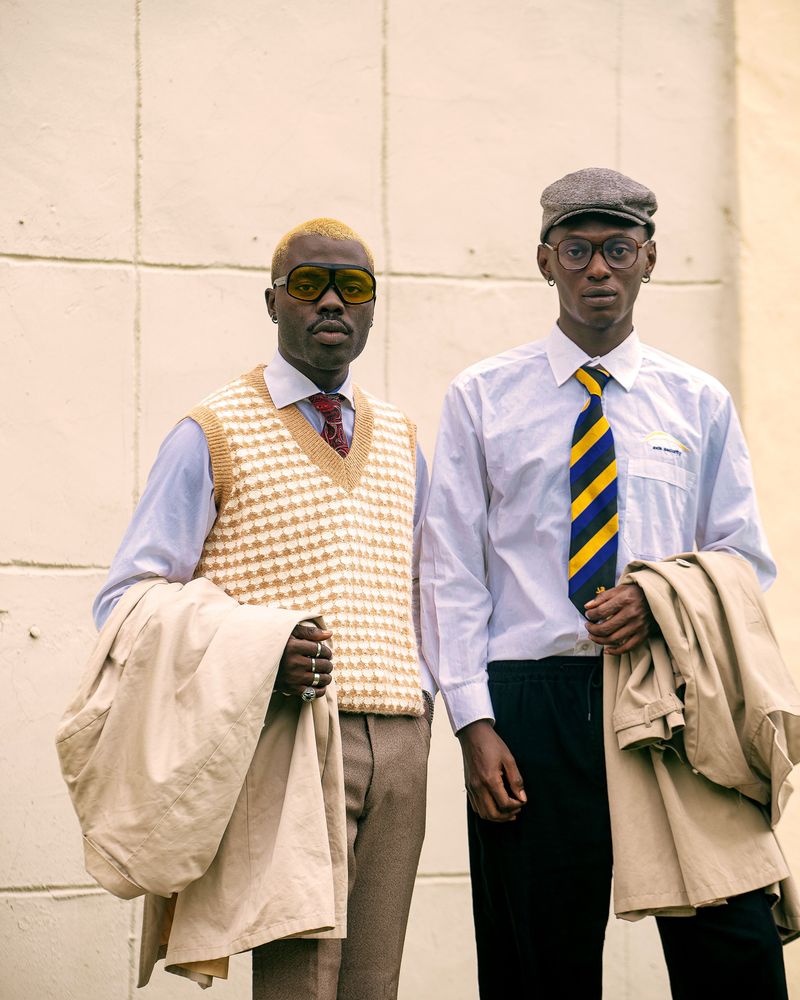
Pattern mixing has a reputation for being risky, but that reputation is wildly overblown.
The real issue was never about combining patterns — it was about combining them badly.
Once you understand the basic principle of scale variation, the whole thing becomes much more manageable and fun.
Pairing a fine-striped shirt with a larger check blazer, for example, creates visual interest without chaos.
The patterns coexist because they occupy different scales.
Keeping one pattern subtle while making the other the focal point is the simplest way to pull it off without overthinking.
Florals, textures, houndstooth, and plaid have all been mixed successfully on everything from editorial shoots to everyday street style.
Start small and build confidence as you go.
6. White Is Only for Summer

White after Labor Day?
Absolutely forbidden — or so the old rule went.
That particular fashion commandment was largely invented by early 20th-century American socialites trying to signal class distinctions.
It was never really about aesthetics, and it shows.
Winter white, cream, and ivory are now fixtures in cold-weather wardrobes.
White knitwear looks rich and luxurious layered under a camel overcoat.
White or off-white denim works beautifully in autumn when paired with warm-toned layers.
Even white outerwear has become a cool-weather statement piece rather than an oddity.
The real rule worth following is fabric choice — opt for heavier weaves like wool or brushed cotton to keep white looking intentional and seasonally appropriate rather than summery and out of place.
7. Shorts Should Never Be Worn in the City
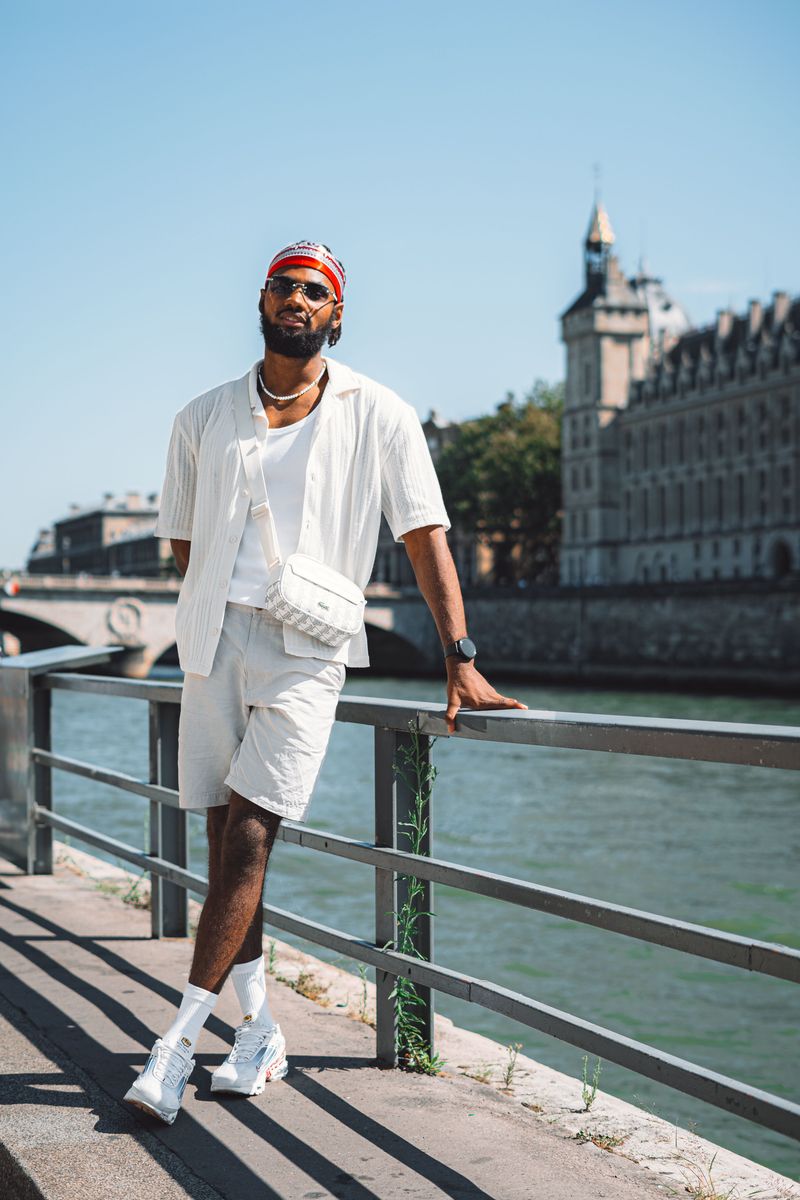
When shorts were purely athletic wear, keeping them out of the city made a certain kind of sense.
But tailoring changed everything.
Today’s well-cut chino shorts or structured bermuda shorts have very little in common with gym wear — and the city has taken notice.
Warm-weather cities around the world have embraced tailored shorts as legitimate daywear.
Pair them with a linen shirt and leather loafers, and you have an outfit that’s comfortable without looking lazy or underdressed.
Length matters — a hem that hits just above the knee tends to look the most polished.
Obviously, ultra-formal settings still call for trousers.
But for weekend errands, casual Fridays, or a warm evening out, tailored shorts are a perfectly reasonable choice.
8. Men Must Always Match Their Socks to Their Pants
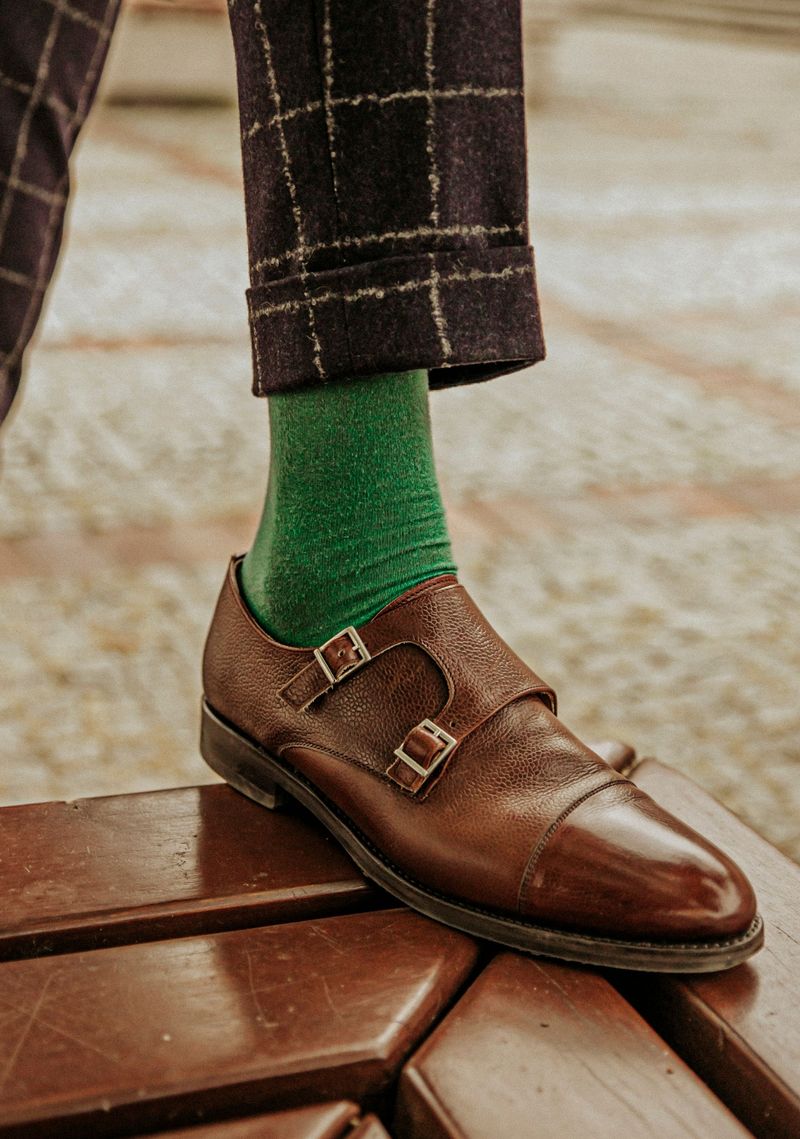
Matching socks to trousers was the safe, invisible approach — the sartorial equivalent of not saying anything interesting.
For a long time, that invisibility was the whole point.
Socks were meant to be seen as little as possible, quietly bridging the gap between trouser hem and shoe.
That philosophy has completely flipped.
Colorful, patterned, and novelty socks are now one of the easiest ways for men to inject personality into an otherwise conservative outfit.
A flash of bold stripe or a quirky geometric pattern at the ankle can transform a plain navy suit into something worth noticing.
The unspoken new rule is simply this: whatever you choose, wear it with intention.
Accidental mismatching looks careless; deliberate personality looks sharp.
9. Double Denim Is a Style Disaster

Few style combinations have suffered a worse reputation than denim-on-denim.
The so-called “Canadian tuxedo” became a punchline for decades — a cautionary tale trotted out whenever someone pushed the limits of casual dressing.
But fashion, as it always does, came full circle.
Double denim done right is genuinely stylish.
The key is wash contrast — a lighter denim jacket over dark indigo jeans creates enough visual separation that the look reads as intentional rather than accidental.
Adding a third non-denim element, like white sneakers or a plain cotton tee, helps anchor the outfit further.
Top designers and street style icons have fully rehabilitated this combination.
What was once a fashion crime has quietly become one of the most reliable casual looks a man can own.
10. Older Men Should Avoid Trends
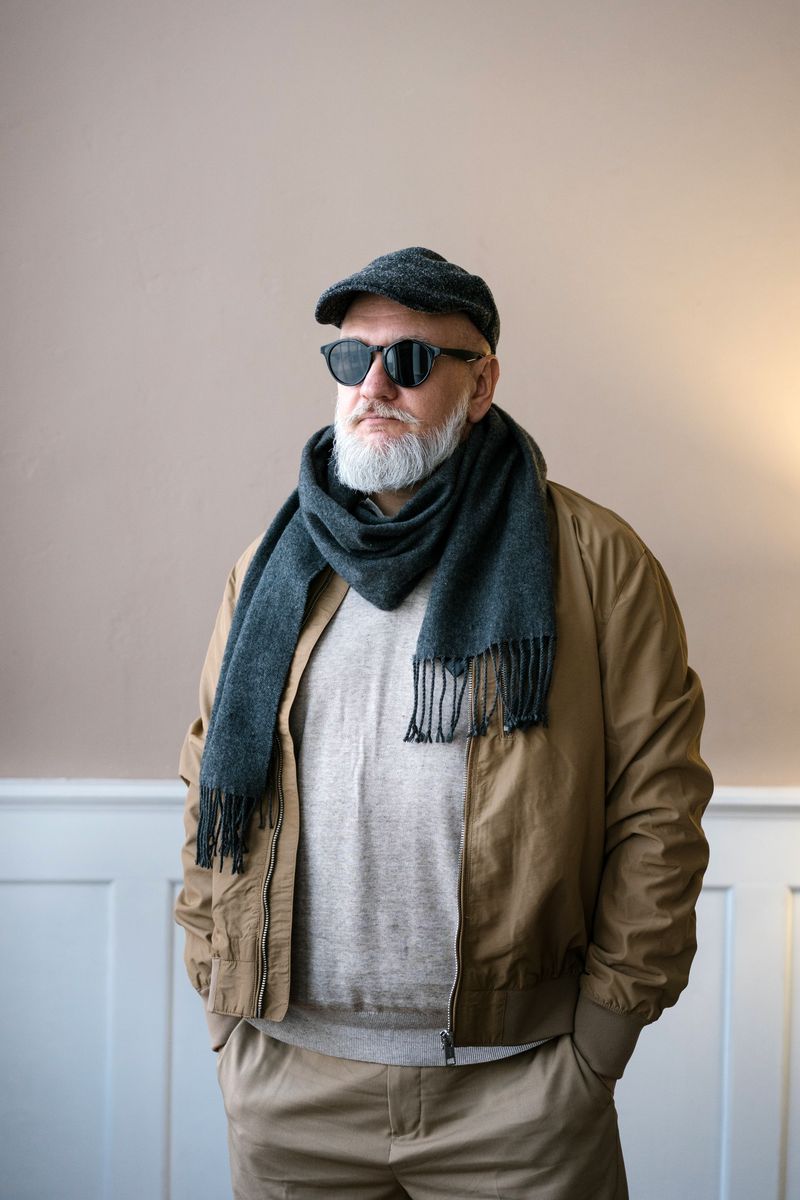
Somewhere along the way, a quiet agreement formed that men over a certain age should retreat to a wardrobe of beige chinos and safe blazers and leave the interesting stuff to younger guys.
That agreement deserves to be retired permanently.
Age has very little to do with whether a piece of clothing works.
Fit, fabric quality, and personal confidence are the factors that actually matter.
A well-chosen contemporary item — a slim-fit knit, a modern silhouette trouser, or a quality leather sneaker — can look exceptional on a man of any age when worn with conviction.
The real trap isn’t chasing trends; it’s dressing for who you used to be rather than who you are.
Authenticity always reads better than age-appropriate caution.
11. Real Men Don’t Wear Pink

Pink has had a complicated history in menswear, but its presence has actually been consistent for centuries.
Aristocratic men in the 17th and 18th centuries wore pink without hesitation.
The idea that pink is somehow “unmasculine” is a relatively recent invention — and a strange one at that.
Today, pink ranks among the most flattering and versatile colors a man can wear.
A soft blush or pale rose dress shirt works beautifully with navy, grey, or charcoal tailoring.
Dusty pink knitwear adds warmth and approachability to a casual look.
Even bold fuchsia has found its place in contemporary menswear.
Color has no gender.
Wearing pink with ease and confidence is, frankly, one of the more stylish moves available in any modern man’s wardrobe.
12. Every Stylish Man Needs a Suit

The suit used to be the default uniform for any man who wanted to be taken seriously.
Owning at least one — ideally two or three — felt like a basic requirement of adult male life.
But the modern world has shifted dramatically, and the suit’s role has shrunk considerably.
Remote work, casual office cultures, and relaxed social norms mean that many men genuinely go months without needing a suit.
A wardrobe built around versatile separates — a quality blazer, well-fitted trousers, smart chinos, and elevated casual pieces — often provides more value and flexibility than a traditional suit ever could.
If your life calls for a suit, own one.
If it doesn’t, stop feeling obligated.
Dressing well has never been about owning specific items — it’s about wearing what fits your actual life.