 MomSkoop
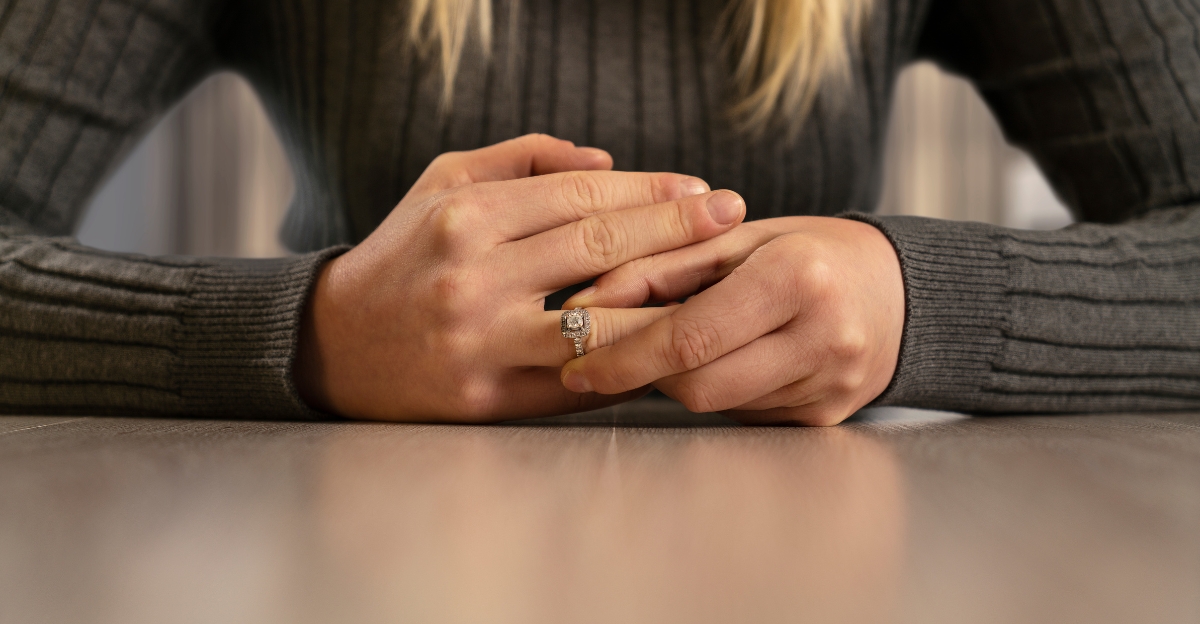
Divorce is often portrayed in movies and TV shows as either a dramatic courtroom battle or a clean break that leads to instant freedom.
But the real experience is rarely that simple.
Behind closed doors, people going through divorce face challenges that are rarely discussed openly—struggles with identity, health, finances, and emotions that can last for years.
These are the raw, honest truths about divorce that many people feel too vulnerable to share.
1. Loneliness Hits Harder Than You Expect

Going from sharing your daily life with someone to suddenly being alone feels like stepping into a silent, empty house.
Many people underestimate how deeply they’ll miss having another person around—not just for big moments, but for everyday routines like morning coffee or watching TV at night.
The isolation can feel overwhelming, especially during weekends or holidays.
Friends and family offer support, but they can’t fill the specific void left by a partner.
Rebuilding a sense of comfort with solitude takes time.
Learning to enjoy your own company becomes an unexpected but necessary part of healing and moving forward.
2. Your Social Circles Can Shift Dramatically

Friendships you thought were solid can suddenly become awkward or disappear entirely.
Mutual friends often feel caught in the middle, unsure whose side to take or how to navigate the changed dynamics.
Some people will distance themselves without explanation.
Others might pick sides based on loyalty or their own discomfort with divorce.
Social invitations may dry up, and you might find yourself excluded from gatherings you once attended as a couple.
Building new friendships or reconnecting with old ones becomes essential.
Your social world reshapes itself, sometimes in surprising ways, revealing who truly values your friendship beyond your marital status.
3. You Might Lose More Than Romance—Your Identity Changes

For years, you may have defined yourself as someone’s husband or wife, or as part of a partnership.
When that ends, you’re forced to answer the uncomfortable question: Who am I without this relationship?
This identity crisis can feel disorienting.
Hobbies, goals, and daily routines that revolved around your marriage suddenly need rethinking.
If you were primarily a homemaker or focused on supporting your spouse’s career, the shift feels even more profound.
Rediscovering yourself takes courage and patience.
Eventually, many people find freedom in building a new identity based on their own passions, interests, and values rather than someone else’s expectations.
4. Financial Stress Can Be Brutal and Unexpected

Splitting assets, paying legal fees, and suddenly managing on one income creates financial pressure that catches many people off guard.
What once felt manageable with two incomes becomes a constant juggling act.
You might need to sell your home, downsize, or take on additional work just to make ends meet.
Retirement accounts get divided, savings shrink, and unexpected expenses pile up during the transition.
Creating a new budget and financial plan becomes critical.
Some people need years to recover financially, and the stress can affect every aspect of daily life, from housing choices to career decisions.
5. Healing Doesn’t Come With a Timeline—It’s Messy and Uneven

One day you might feel strong and optimistic, ready to embrace your new life.
The next day, a random song or memory can send you spiraling back into sadness or anger.
People often expect grief to follow a neat, predictable path, but divorce recovery rarely works that way.
Emotions come in waves, sometimes triggered by unexpected things like seeing a happy couple or celebrating holidays alone.
There’s no magic timeline for feeling better.
Healing happens gradually, with setbacks mixed in with progress.
Being patient with yourself and accepting that recovery isn’t linear becomes essential for moving forward.
6. Co-Parenting Stays Challenging—Sometimes for Years

Even when both parents genuinely want what’s best for their children, coordinating schedules, making joint decisions, and managing different parenting styles creates ongoing tension.
Disagreements about discipline, education, or holidays can reignite old conflicts.
Children’s needs change as they grow, requiring constant communication and compromise with someone you may prefer to avoid.
Special events like graduations or weddings mean navigating uncomfortable situations together.
Successful co-parenting requires maturity, flexibility, and putting kids first despite personal feelings.
Many parents find this harder than they anticipated, and the challenge doesn’t end when kids turn eighteen—it evolves into new forms.
7. Your Physical Health Can Take a Toll

Research shows that divorce doesn’t just hurt emotionally—it affects your body too.
Chronic stress weakens your immune system, making you more susceptible to illnesses and infections.
Sleep problems, weight changes, high blood pressure, and increased risk of heart disease are all linked to the stress of divorce.
Some studies even suggest divorced individuals face higher mortality rates compared to married people.
Taking care of your physical health becomes crucial during this time.
Regular exercise, proper nutrition, adequate sleep, and medical checkups help protect your body from the physical consequences of emotional trauma and prolonged stress.
8. Mental Health Issues Are Common and Serious

Anxiety, depression, and overwhelming stress frequently accompany divorce, yet many people feel ashamed to admit they’re struggling.
The emotional weight of ending a marriage can trigger mental health crises even in people who’ve never experienced them before.
Self-esteem often plummets as you question your worth, decisions, and future. Intrusive thoughts, panic attacks, or persistent sadness may require professional help to manage.
Seeking therapy or counseling isn’t a sign of weakness—it’s a smart, necessary step.
Mental health support provides tools for coping, processing emotions, and rebuilding confidence during one of life’s most difficult transitions.
9. Your Trust in Relationships Can Shake—Even for a Long Time

After a marriage ends, trusting someone new with your heart feels terrifying.
You might find yourself constantly questioning potential partners’ motives or looking for red flags that may not exist.
Fear of being hurt again can create emotional walls that keep intimacy at bay.
Some people avoid dating altogether, while others jump into relationships too quickly, seeking validation or trying to prove they’re still desirable.
Rebuilding trust takes time and often requires working through old wounds.
Many people benefit from therapy to address trust issues before entering new relationships, ensuring past pain doesn’t sabotage future happiness.
10. Some People Go Through Social Isolation and Loss of Support Systems

In-laws who once felt like family may cut off contact entirely, especially if they blame you for the divorce.
Extended family gatherings become awkward or off-limits, severing connections you valued.
Religious or community groups sometimes stigmatize divorce, making you feel judged or unwelcome.
The support systems you relied on—whether family, church, or social clubs—may vanish when you need them most.
Finding new communities and building fresh support networks becomes necessary.
Support groups for divorced individuals, new hobbies, or online communities can help fill the void left by lost connections and provide understanding from people in similar situations.
11. You May Feel Guilt, Grief, and a Sense of Failure

Even when divorce is the right choice, many people struggle with feelings of failure.
You might grieve not just the relationship, but the future you imagined—the plans, dreams, and milestones you expected to share.
Guilt can be overwhelming, especially if children are involved or if you initiated the divorce.
You may question every decision, wondering if you could have done something differently to save the marriage.
These emotions are normal and valid.
Processing grief and guilt takes time, and it’s important to remember that ending an unhealthy relationship isn’t failure.
It’s choosing your wellbeing and future happiness over staying in something broken.
12. Even if Separation Felt Right—There Can Be Long-Term Ripple Effects

Divorce doesn’t end when the papers are signed.
Its effects ripple through your life for years, influencing future relationships, parenting approaches, financial decisions, and even how you view commitment.
Children may carry emotional scars into adulthood.
Your own patterns in relationships might change permanently.
Financial setbacks can delay retirement or other goals.
Health impacts may persist long after the emotional wounds seem healed.
Understanding that divorce has lasting consequences doesn’t mean it was the wrong choice—it means being realistic about recovery.
Acknowledging these long-term effects helps you prepare, seek appropriate support, and make informed decisions moving forward.