 MomSkoop
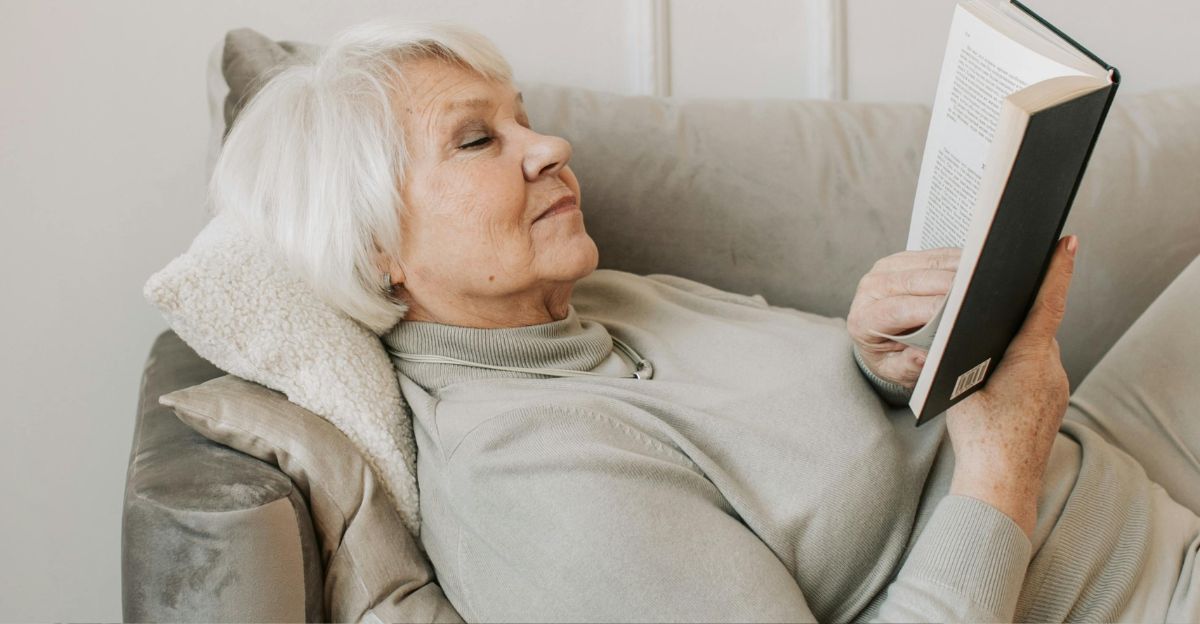
Getting older brings many changes, and one of the most common is spending more time at home. You might have noticed older relatives or neighbors who rarely leave their houses anymore.
While some people assume this happens because of laziness or boredom, the truth is far more complex and often involves physical, emotional, and practical challenges that make venturing outside feel difficult or unnecessary.
1. Physical Limitations Make Movement Painful
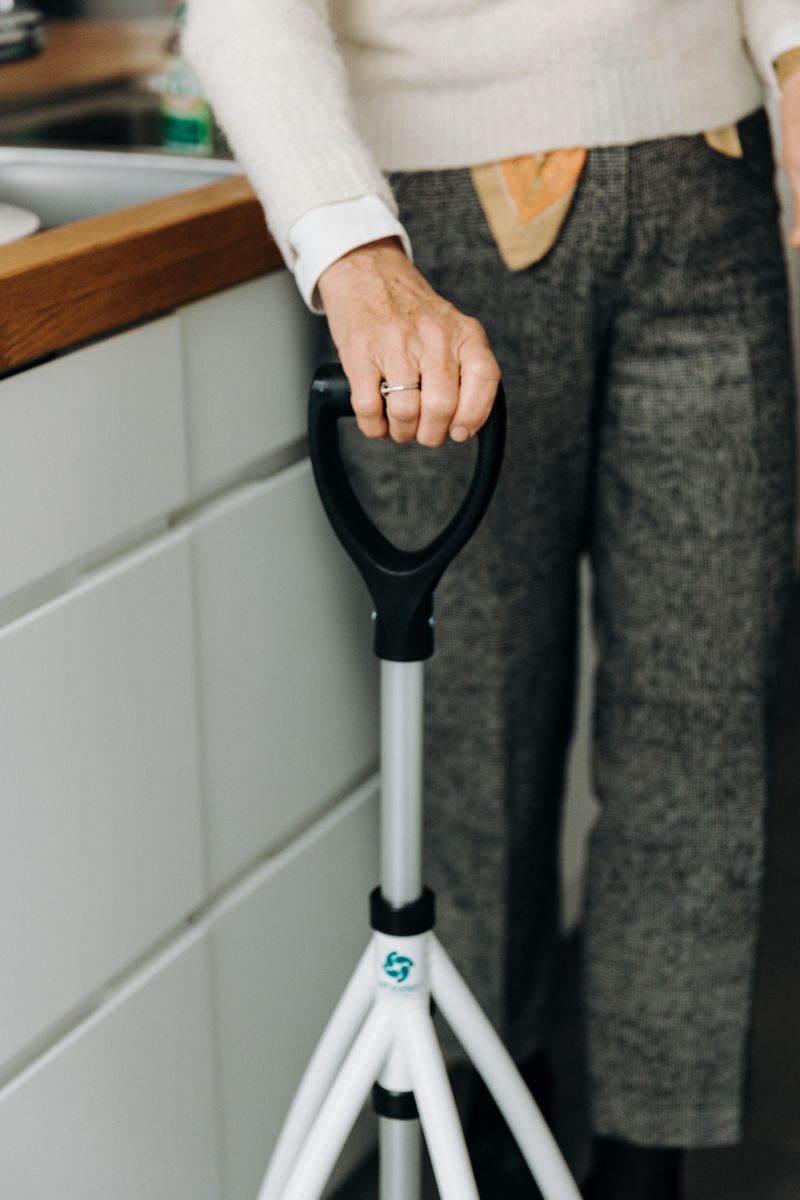
Aching knees, stiff hips, and tired muscles can turn a simple trip to the store into an exhausting ordeal. When your body hurts with every step, the couch starts looking much more appealing than any outing. Many older adults face arthritis, back problems, or balance issues that make walking difficult.
Energy levels naturally decline with age too. What once felt like an easy errand now requires careful planning and rest periods. Getting dressed, navigating stairs, and standing for long periods become genuine obstacles.
These physical challenges aren’t just uncomfortable—they can be genuinely scary. Fear of falling or injuring yourself makes staying home feel like the smarter, safer choice for many seniors.
2. Social Anxiety Grows Stronger Over Time

Crowded restaurants, noisy shopping centers, and bustling sidewalks can feel overwhelming when you’re not used to them anymore. Social confidence often shrinks as people age, making interactions with strangers feel awkward or stressful. The thought of making small talk or being judged becomes exhausting.
Some older adults worry about seeming slow or confused in public spaces. Technology like self-checkout machines and digital menus can add to the anxiety. When everything feels complicated and fast-paced, avoiding it altogether seems easier.
This isn’t weakness—it’s a natural response to feeling out of place. The world changes quickly, and keeping up with social expectations takes mental energy that many seniors would rather save.
3. Routine Becomes Comforting and Hard to Break

Humans are creatures of habit, and this becomes especially true with age. Waking up at the same time, eating familiar meals, and following a predictable schedule creates a sense of security. Breaking that routine to go somewhere feels disruptive and even a little threatening.
Home routines require no surprises or adjustments. Everything is exactly where you expect it, and you control the pace completely. Outside activities demand flexibility and adaptation, which can feel mentally draining.
Over time, the routine itself becomes the goal rather than just a pattern. Changing it requires a compelling reason, and many older adults simply don’t find enough motivation to alter what already works comfortably for them.
4. Health Concerns Create Safety Worries
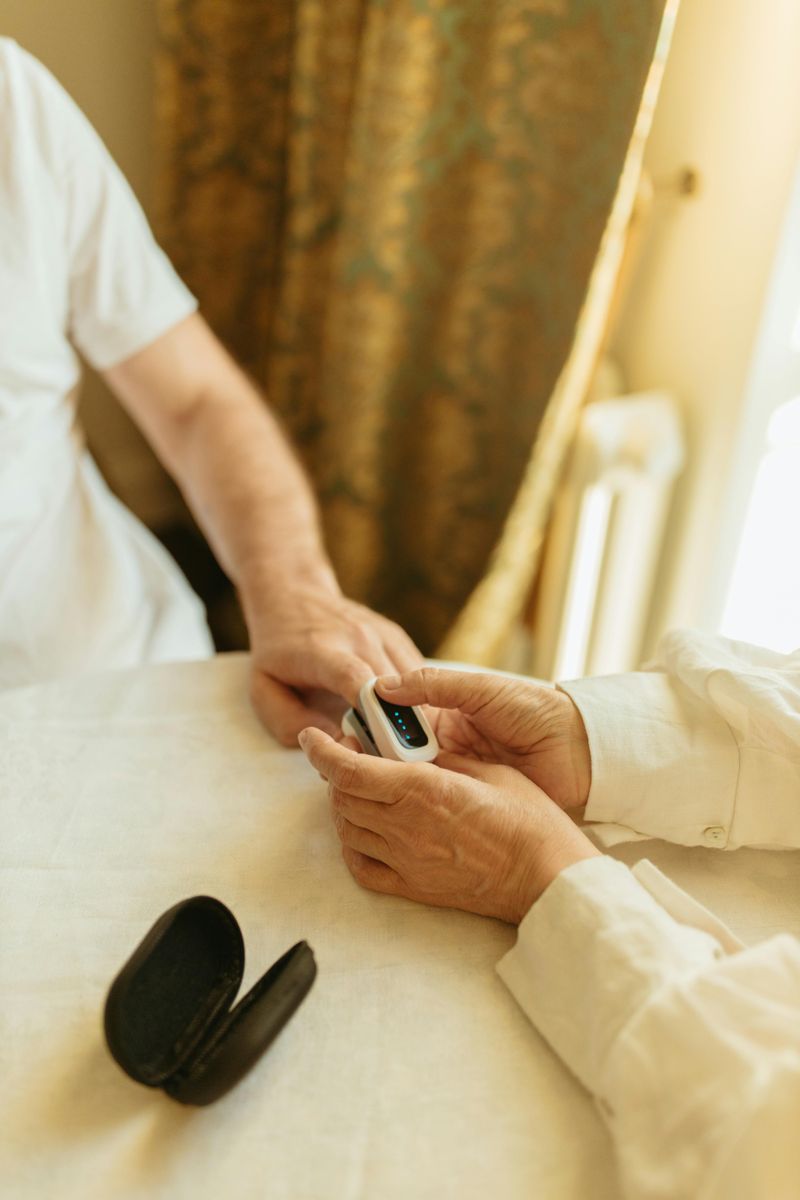
Chronic conditions like diabetes, heart disease, or breathing problems make every outing feel risky. What happens if you need medication suddenly? What if you feel dizzy or short of breath while you’re out? These aren’t unreasonable fears—they’re legitimate health considerations.
Weakened immune systems also make older adults more vulnerable to infections. A simple cold can become serious, so avoiding crowded places during flu season makes practical sense. Medical emergencies feel more manageable at home where everything is familiar.
Managing health conditions requires constant attention. Home offers the comfort of nearby medications, bathroom access, and the ability to rest immediately when needed without embarrassment or difficulty.
5. Motivation Fades Without Obligations

Remember when you had to leave the house for work, school pickups, or appointments? Those obligations created natural reasons to get dressed and go. Without them, the motivation to venture outside often disappears. Retirement removes the biggest daily reason to leave home.
When there’s no deadline or requirement, staying in pajamas until noon becomes perfectly acceptable. Why bother with the hassle of going out when nothing urgent demands it? This isn’t depression necessarily—it’s simply the absence of external pressure.
Creating self-motivated outings requires more mental effort than responding to obligations. Many older adults find this energy hard to summon consistently, especially when home feels perfectly adequate for their needs.
6. Home Offers Unmatched Comfort and Control
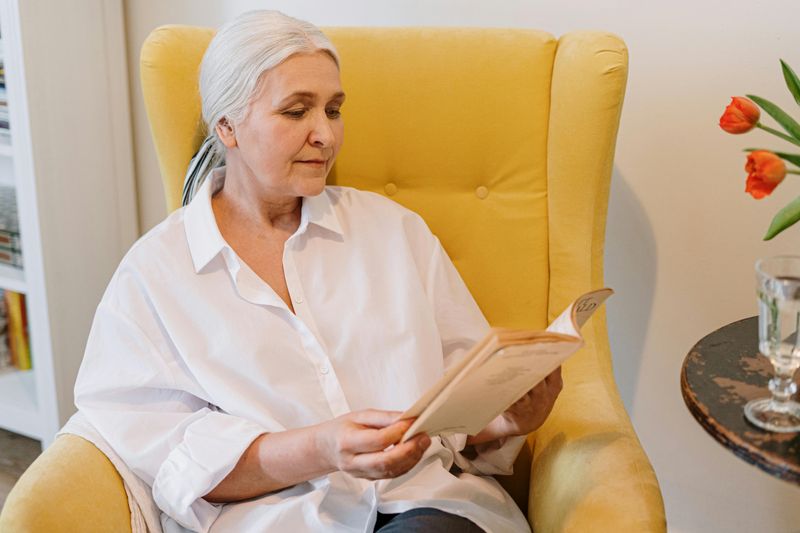
Your favorite chair knows your body perfectly. The temperature is exactly how you like it. The bathroom is ten steps away, and you know every light switch by heart. Home offers a level of comfort and control that nowhere else can match.
Outside environments demand compromise. Restaurants might be too cold or too loud. Public restrooms might be dirty or hard to reach. You can’t control the lighting, the noise, or who sits near you.
After decades of building a comfortable home space, why trade it for less comfortable alternatives? Older adults have earned the right to prioritize their own comfort, and home simply provides that better than anywhere else.
7. Technology Brings Everything Home
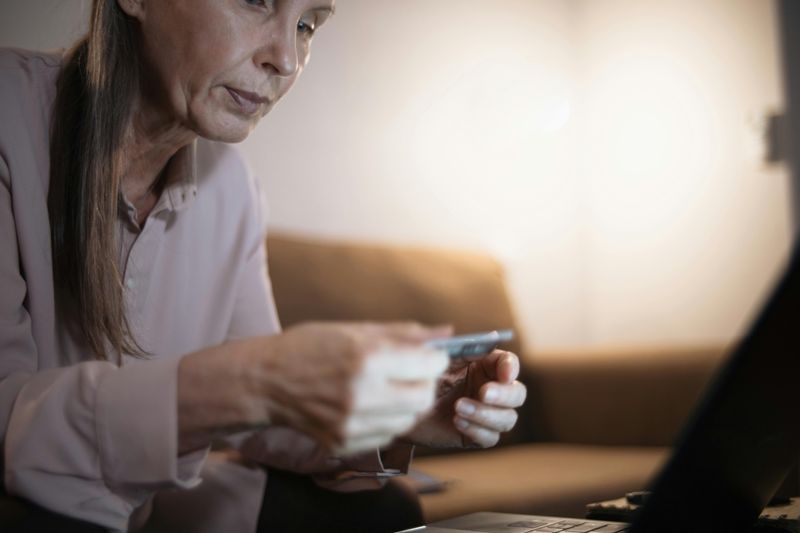
Why drive to the store when groceries can arrive at your door? Why go to the movies when thousands of films stream instantly? Technology has eliminated many traditional reasons for leaving home. Video calls replace in-person visits, and online banking handles financial tasks.
This convenience particularly appeals to older adults who find travel difficult. Shopping apps, food delivery, and telehealth appointments make staying home not just possible but genuinely practical. Entertainment options at home rival anything available outside.
While technology sometimes confuses older users, many have embraced how it simplifies life. When everything you need comes to you, going out becomes optional rather than necessary for daily living.
8. Losing Friends and Family Reduces Social Pull
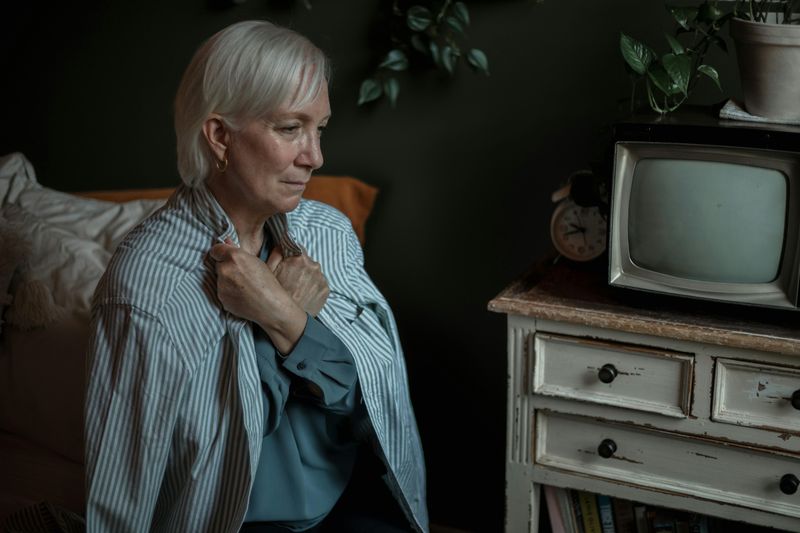
Friends move away, pass away, or become too ill to socialize. Adult children get busy with their own lives. The social circle that once pulled you out regularly shrinks dramatically with age. Without those connections, outings lose much of their appeal and purpose.
Going to restaurants alone feels awkward. Attending events without companions seems pointless. Social activities designed for couples or groups become uncomfortable reminders of who’s missing. The absence of loved ones creates a genuine barrier to going out.
This loss isn’t just sad—it’s functionally isolating. When the people who made outings enjoyable are gone, staying home alone feels no different than being out alone, except it’s more comfortable and familiar.
9. Transportation Creates Real Barriers
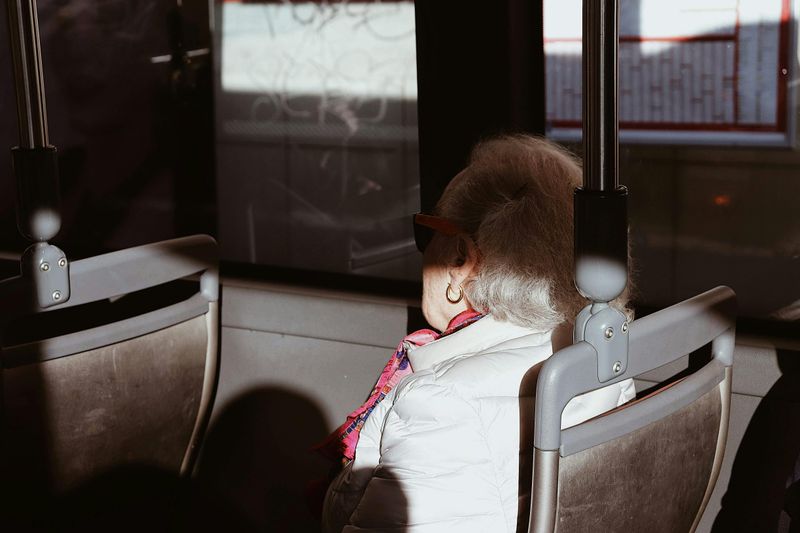
Driving becomes harder as reflexes slow and vision weakens. Many older adults voluntarily stop driving after close calls or accidents, but this leaves them dependent on others. Public transportation can be confusing, physically demanding, and unreliable, especially in areas with limited service.
Asking for rides feels burdensome. Family members have busy schedules, and hired transportation gets expensive quickly. Even short distances become impossible obstacles without reliable, accessible transportation options.
This barrier is particularly frustrating because the desire to go out might exist, but the practical means don’t. Transportation challenges trap many seniors at home despite their wishes to remain active and social.
10. Cost Concerns Limit Discretionary Spending
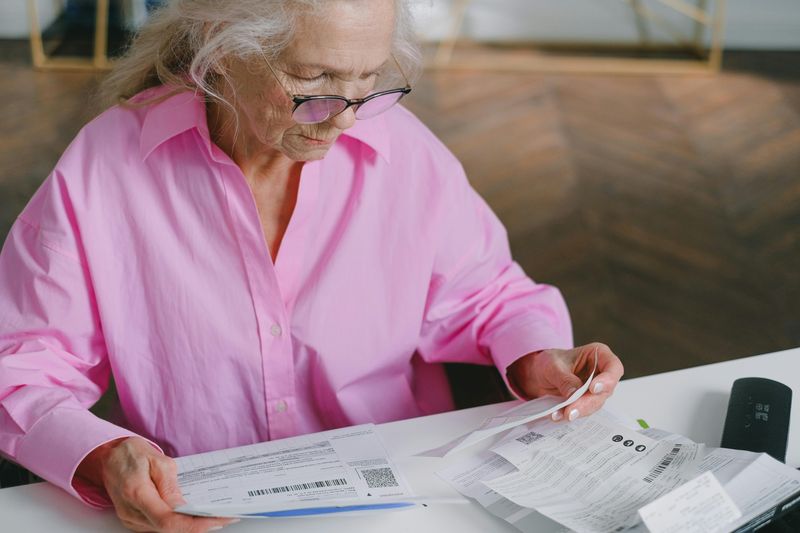
Dining out, entertainment, and social activities cost money that many older adults feel they can’t spare. Fixed incomes from Social Security or pensions don’t stretch as far as working salaries did. Every expense requires careful consideration against a limited budget.
Gas prices, parking fees, admission costs, and meal prices add up quickly. When you’re watching every dollar, staying home becomes the financially responsible choice. Free entertainment at home beats expensive outings that strain the budget.
This isn’t about being cheap—it’s about survival on limited resources. Many seniors choose to save money for medical expenses and necessities rather than spend it on outings that feel like luxuries.
11. Mental Health Struggles Drain Energy
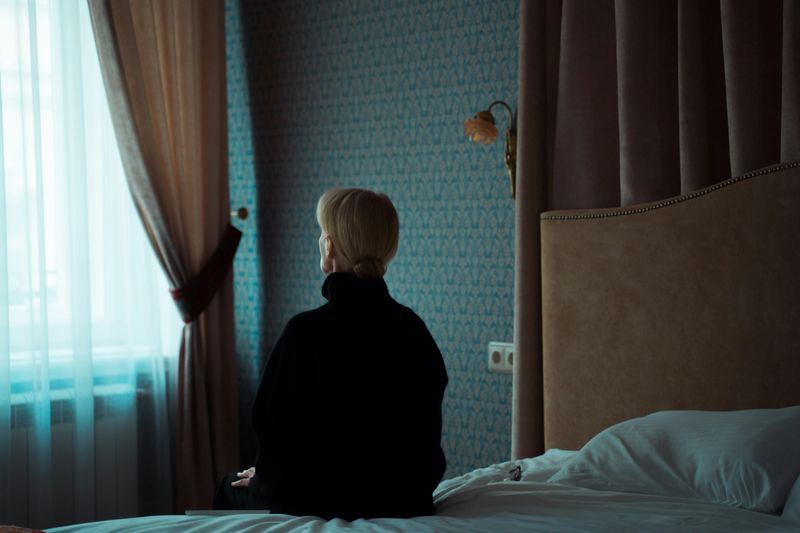
Depression doesn’t always look like crying—sometimes it looks like staying in bed all day. Anxiety can make even simple decisions feel overwhelming. Mental health challenges become more common with age, especially after losses, health problems, or major life changes like retirement.
When you’re struggling emotionally, getting dressed and leaving the house requires energy you simply don’t have. Everything feels harder and less worthwhile. The emotional effort of putting on a happy face for others becomes unbearable.
Mental health issues are real medical conditions, not character flaws. Unfortunately, they create powerful barriers to socializing and going out, trapping people in isolation that often worsens the underlying problems.
12. Sensory Overload Becomes Harder to Tolerate
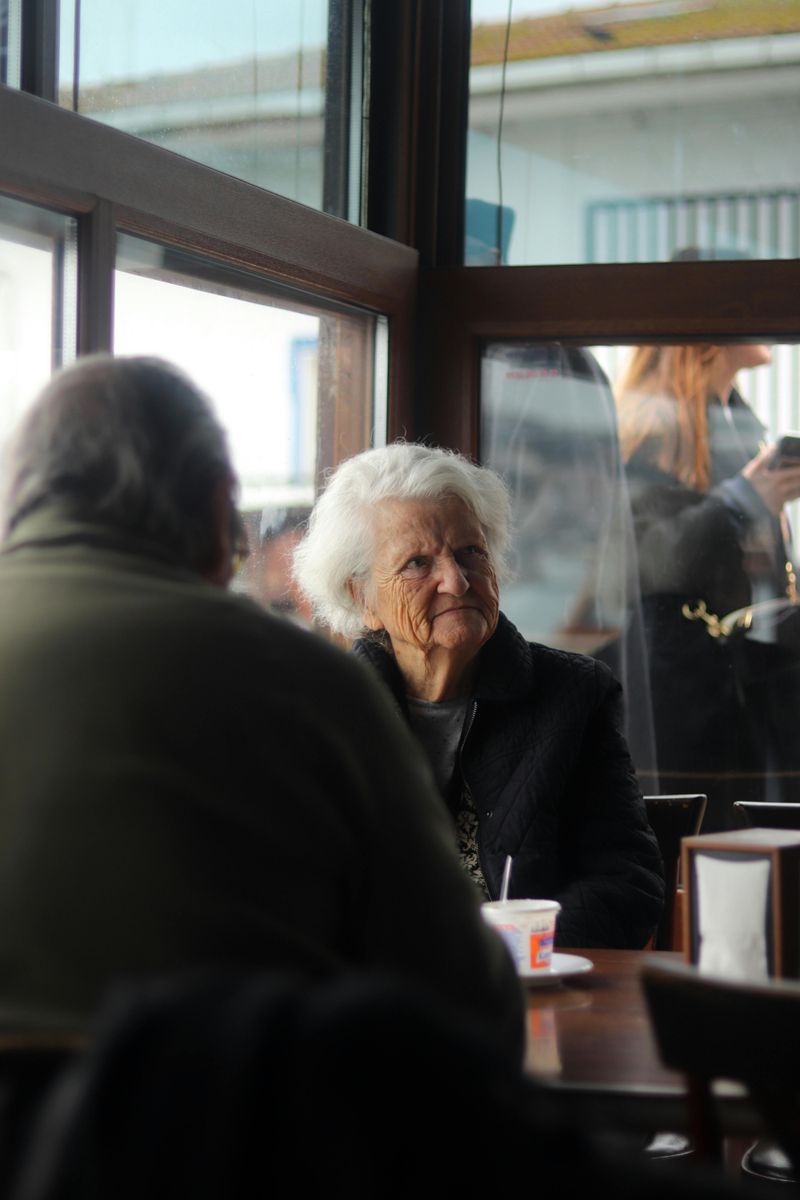
Busy restaurants, loud concerts, and crowded shopping malls can feel overwhelming when your senses become more sensitive with age. Bright lights start to hurt your eyes more than they used to, and background noise makes it tough to follow conversations clearly.
Your brain doesn’t filter out distractions as easily anymore, which turns fun outings into exhausting experiences. Many older adults find themselves craving quieter environments where they can actually hear themselves think. The chaos that once felt exciting now drains energy faster than it used to.
Staying home means controlling the volume, lighting, and pace of your surroundings without constant stimulation. This isn’t about being antisocial or grumpy. Your nervous system genuinely processes sensory information differently as decades pass, making peaceful settings feel more appealing than bustling ones.