 MomSkoop
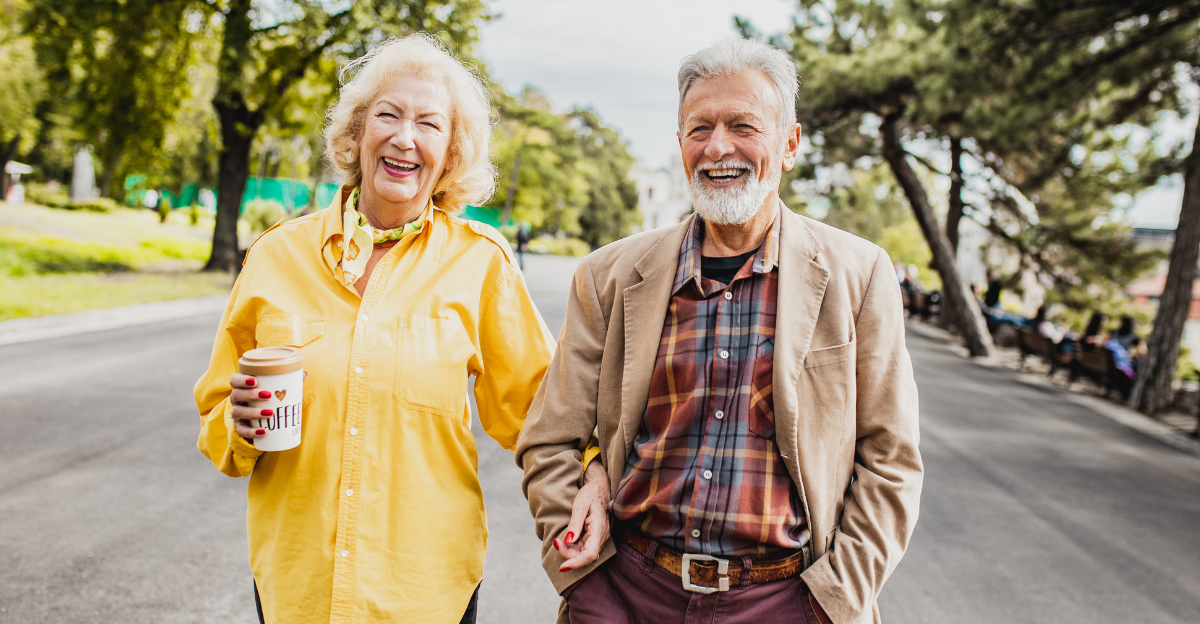
Starting fresh in the dating world after 50 can feel like entering unfamiliar territory.
Many people find themselves navigating complicated emotions, past experiences, and new challenges they never expected.
While dating at any age has its ups and downs, the reality for those over 50 comes with unique obstacles that rarely get talked about openly.
1. Emotional Baggage Weighs Heavier Than Expected
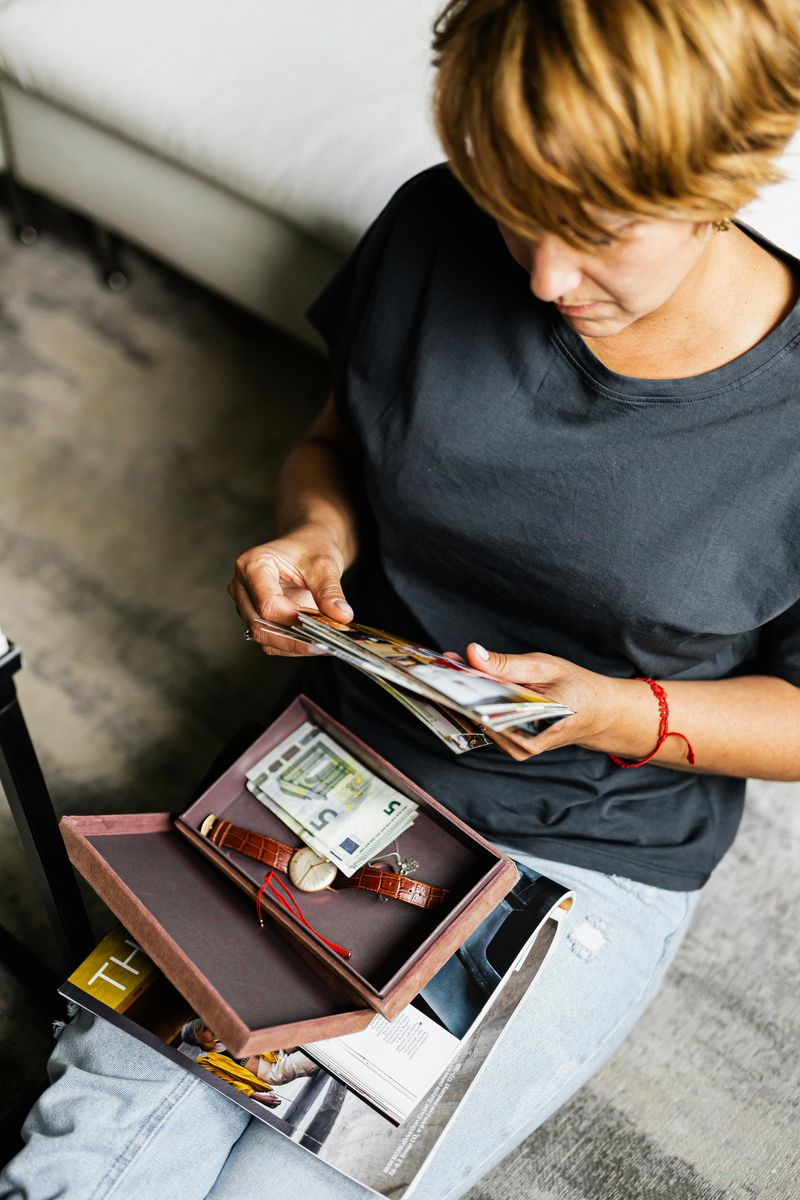
By the time you reach your fifties, most people have experienced heartbreak, divorce, or loss.
These experiences leave marks that do not simply disappear when you meet someone new.
Carrying this emotional weight into a relationship means you might struggle with trust or fear getting hurt again.
Past trauma can make vulnerability feel terrifying.
You might catch yourself comparing new partners to old ones or putting up walls without realizing it.
Healing takes time, and sometimes therapy or honest conversations help you move forward.
Being aware of your baggage is the first step.
Acknowledge what you carry, work through it, and give yourself grace as you navigate new connections.
2. The Dating Pool Shrinks Dramatically
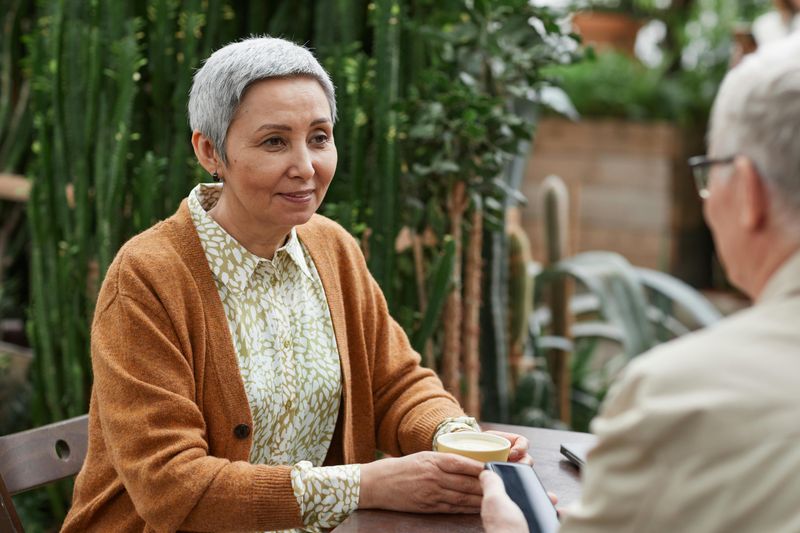
When you were younger, meeting potential partners felt easier because everyone around you was single and looking.
Now, many people your age are already married, divorced and not interested, or simply not available.
The pool of eligible singles becomes much smaller than it used to be.
Geography also plays a role.
If you live in a small town, finding compatible matches becomes even more challenging.
Online dating expands your options, but quality matches still feel rare and far between.
Patience becomes essential.
You might need to broaden your search criteria or explore new social circles to increase your chances of meeting someone special.
3. Set Routines Make Compromise Difficult
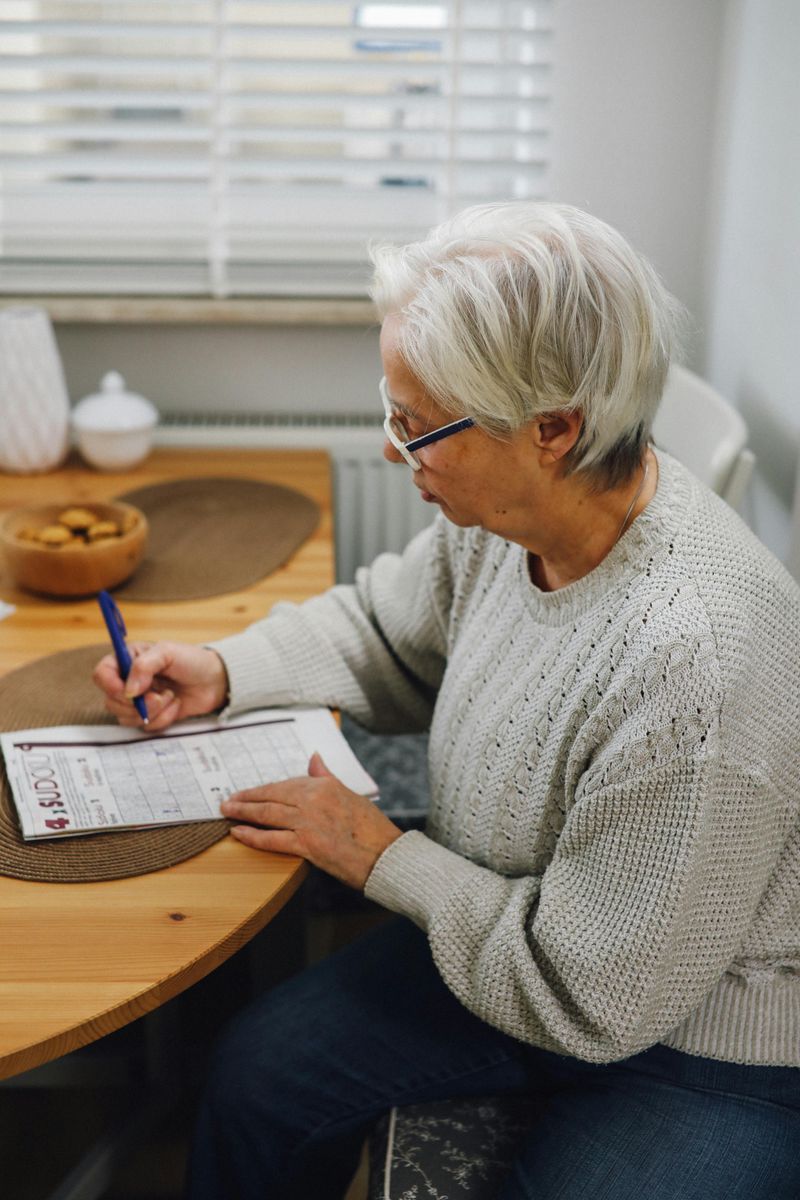
After decades of living life on your own terms, adjusting to someone else’s habits can feel uncomfortable.
You have your favorite chair, your morning routine, and your way of doing things.
Suddenly sharing space or time with another person requires flexibility you might not have practiced in years.
Being set in your ways is not necessarily bad, but it can create friction.
Maybe you like silence in the morning while they want conversation.
Perhaps you are a planner and they prefer spontaneity.
Successful relationships require give and take.
Finding someone willing to bend a little while you do the same makes all the difference in building something lasting.
4. Compatibility Does Not Always Equal Chemistry
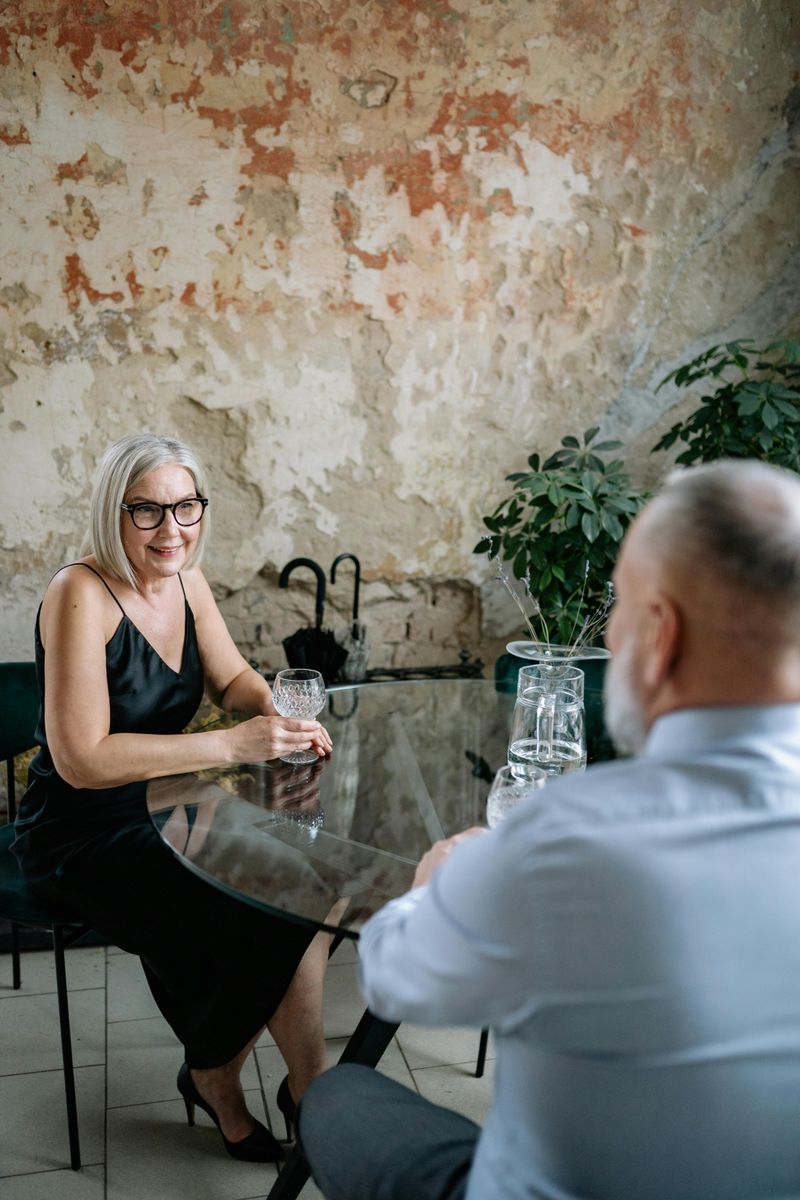
You might meet someone who checks all your boxes on paper.
They share your values, enjoy similar hobbies, and make you laugh.
Yet that spark, that undeniable chemistry, just is not there no matter how much you wish it were.
Chemistry can be elusive and unpredictable.
Sometimes it hits you immediately, and other times it never arrives.
Many people settle for compatibility alone, hoping feelings will grow, but that approach often leads to disappointment.
Finding both compatibility and chemistry is rare but worth waiting for.
Do not force a connection that feels flat, even if everything else seems perfect on the surface.
5. Ghosting Happens at Every Age
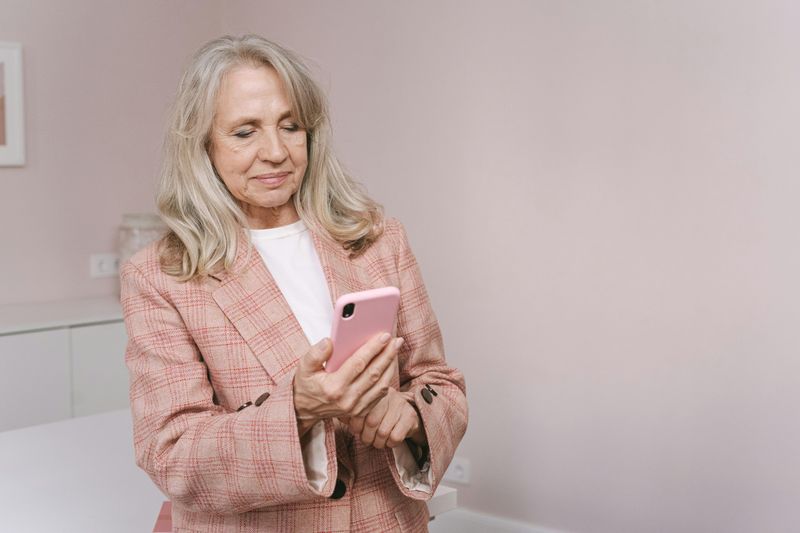
You might assume that people over 50 would have the maturity to communicate honestly, but ghosting remains surprisingly common.
One day you are texting regularly, and the next day they vanish without explanation.
The silence stings just as much now as it did decades ago.
Some people avoid confrontation at all costs.
Others simply lose interest and take the easy way out by disappearing.
Whatever the reason, being ghosted feels disrespectful and confusing.
Protect your emotional energy by not taking it personally.
Their inability to communicate says everything about them and nothing about your worth or desirability as a partner.
6. Health Concerns Become Real Factors
At fifty and beyond, health issues become more common and harder to ignore.
Chronic pain, medications, mobility limitations, or serious diagnoses can all impact how you date and what you can offer in a relationship.
These realities require open conversations early on.
Some people worry about being a burden to a new partner.
Others fear that revealing health problems will scare potential matches away.
However, honesty about your physical condition helps set realistic expectations.
The right person will accept you as you are.
Health challenges do not make you less deserving of love, companionship, and happiness in your later years.
7. Fear of Commitment Runs Deep
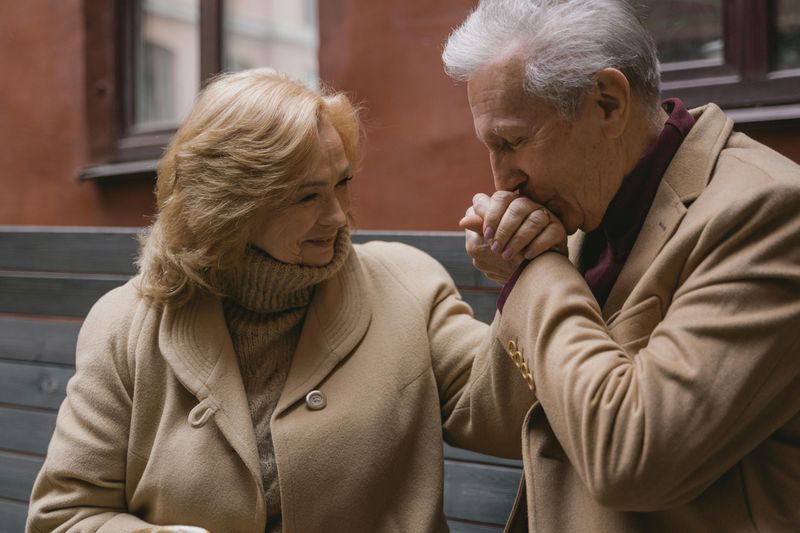
After going through a painful divorce or losing a spouse, many people become terrified of committing again.
The idea of merging lives, finances, and futures feels overwhelming.
Some prefer casual dating indefinitely rather than risk getting hurt or losing their independence.
This hesitation can be frustrating if you are ready for something serious.
You might meet someone wonderful who keeps you at arm’s length emotionally.
Their fear prevents the relationship from deepening no matter how compatible you seem.
Respect their boundaries but also honor your own needs.
If commitment matters to you, do not waste years waiting for someone who may never be ready.
8. Online Dating Feels Overwhelming and Exhausting
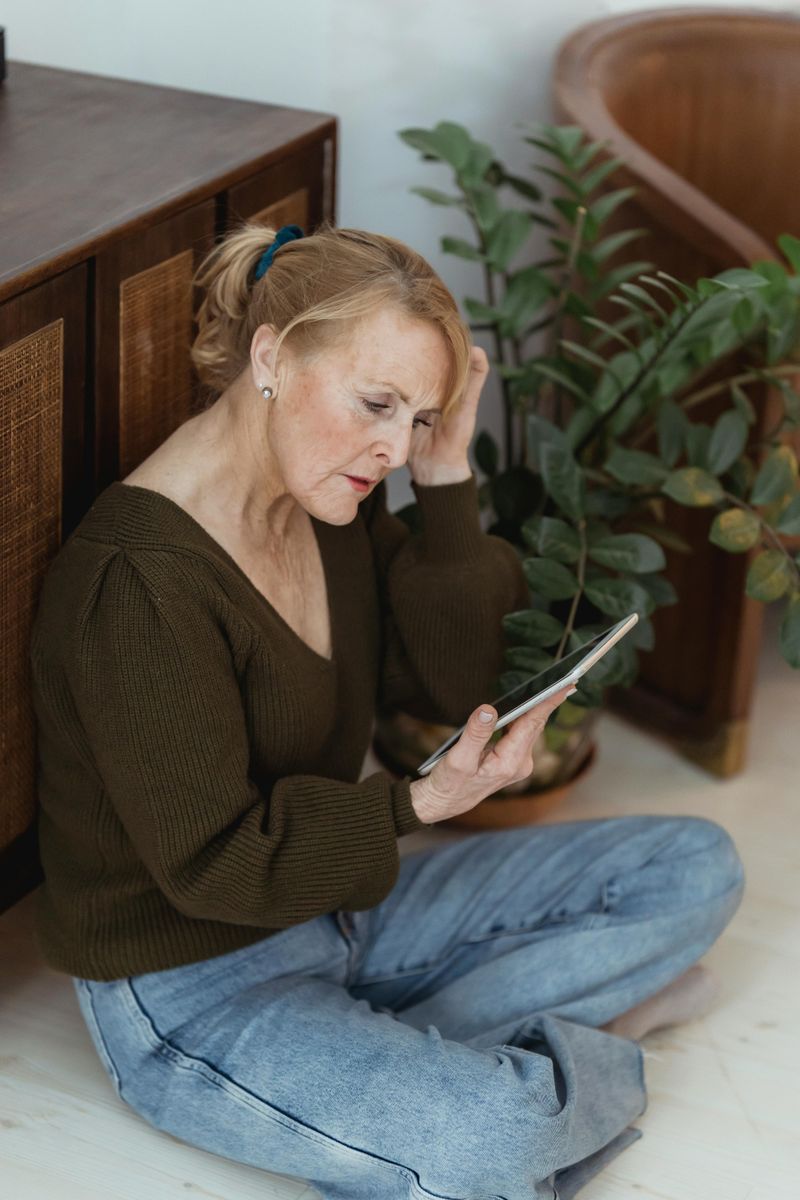
Navigating dating apps can feel like a full-time job.
Creating profiles, swiping endlessly, messaging strangers, and going on dates that lead nowhere drains your energy quickly.
The process often feels impersonal and discouraging, especially when matches do not respond or conversations fizzle out.
Scammers and fake profiles add another layer of frustration.
You might question whether anyone genuine even exists online.
The constant rejection and disappointment make many people want to give up entirely.
Take breaks when needed.
Online dating works for some, but meeting people through hobbies, volunteer work, or social groups might feel more natural and authentic.
9. Ageism Hits Women Especially Hard
Society places unfair pressure on women to look younger than their years.
Wrinkles, gray hair, and natural aging often get judged more harshly for women than men.
Many men your age seek younger partners, which shrinks your options and can damage your self-esteem.
This double standard feels infuriating and demoralizing.
You bring wisdom, life experience, and emotional maturity to the table, yet some people only see your age as a negative.
The dating world can feel cruel and superficial.
Remember that your value does not diminish with age.
The right partner will appreciate everything you have to offer beyond physical appearance and youthful looks.
10. Constant Comparisons to Past Partners
Everyone carries memories of past relationships, but some people cannot stop comparing you to their exes.
They might mention how their former spouse cooked better, looked different, or handled situations in ways you do not.
These comparisons feel hurtful and make you question your place in their life.
Being measured against someone else creates insecurity and resentment.
You deserve to be valued for who you are, not judged against who came before.
Nobody wins when the past overshadows the present.
If someone constantly compares you to their ex, they likely have not moved on.
Protect yourself by recognizing this red flag and deciding if the relationship is worth continuing.
11. Financial Complications Create Tension

Money matters become more complex as you age.
Many people carry debt, support adult children, or have complicated assets from previous marriages.
Alimony, inheritance concerns, and retirement savings all factor into new relationships in ways they never did before.
Talking about finances feels awkward but necessary.
Mismatched financial situations can create power imbalances or resentment.
Some people worry about being used for money, while others fear being judged for having less.
Transparency helps build trust.
Have honest conversations about financial expectations, responsibilities, and goals early on to avoid misunderstandings and conflict down the road.
12. Loneliness Can Cloud Your Judgment
Feeling lonely after years of being single or losing a partner can push you toward the wrong person.
Desperation for companionship sometimes overrides common sense.
You might ignore red flags, settle for less than you deserve, or rush into commitment before truly knowing someone.
Loneliness clouds judgment and makes poor matches seem appealing.
The fear of being alone forever drives people into relationships that ultimately cause more pain than happiness.
Taking time to heal and be comfortable alone is crucial.
Build a fulfilling life outside of dating.
When you feel complete on your own, you make better choices and attract healthier relationships naturally.