 MomSkoop

From the outside, a marriage can look stable while one partner quietly feels stuck inside it. Many men never say these feelings out loud because they fear conflict, guilt, or being misunderstood.
That silence can turn normal pressure into private resentment and emotional distance. If you have ever wondered what some husbands carry behind a calm face, these reasons explain more than most people realize.
1. Loss of Personal Freedom
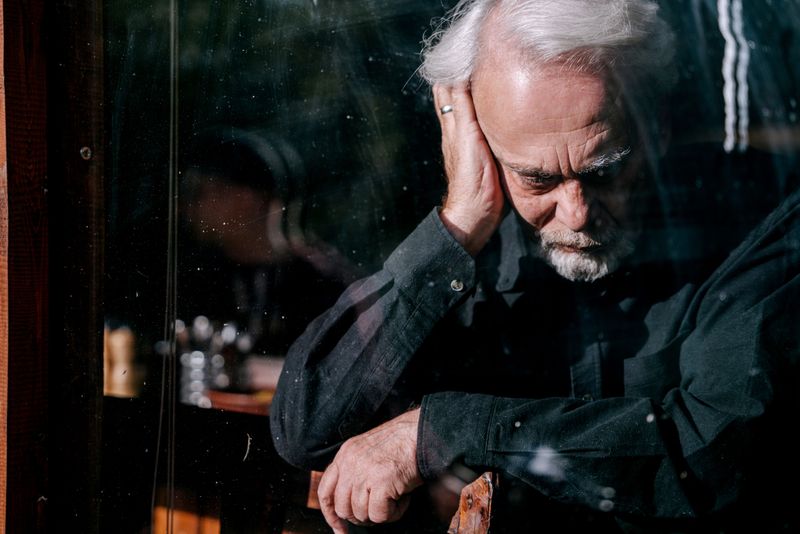
One quiet reason some men feel trapped is the loss of personal freedom.
Before marriage, it felt easy to make last minute plans, spend money casually, or enjoy a whole day without checking in with anyone.
After marriage, even reasonable choices can start feeling like negotiations, especially when schedules, children, and shared expectations shape every decision.
That does not mean commitment is bad, but the constant need to coordinate can wear a person down.
If a man already feels stretched, even small compromises may feel bigger than they really are.
Over time, he may stop seeing marriage as partnership and start seeing it as permission he always has to ask for.
2. Constant Responsibility

Marriage often brings a level of responsibility that never really turns off.
A husband may feel responsible for income, stability, emotional support, home problems, family decisions, and everyone else’s sense of security.
Even when he loves his family deeply, carrying that weight every day can feel exhausting rather than meaningful.
What makes it harder is that responsibility rarely announces itself as pressure at first.
It builds slowly through bills, emergencies, routines, and the expectation that he should stay steady no matter what.
If he feels he cannot put anything down without disappointing someone, marriage can begin to feel less like a bond and more like a burden he is never allowed to escape.
3. Feeling Taken for Granted

Some men feel trapped because they believe their efforts have become invisible.
They go to work, solve problems, help around the house, handle repairs, stay dependable, and keep showing up, yet rarely feel noticed for it.
When appreciation disappears, even genuine love can start feeling strangely one sided.
This is not always about wanting praise for every little thing.
It is about feeling seen as a person whose effort matters, not just as someone expected to perform on command.
If a husband keeps giving while hearing mostly complaints, he may begin to withdraw emotionally.
That quiet withdrawal can create a trapped feeling, because he is still needed constantly but no longer feels valued in the relationship itself.
4. Reduced Intimacy

A decline in affection can affect a man more deeply than he admits.
Intimacy is not only physical for many husbands, even if that is how it gets labeled.
It is often the place where closeness, reassurance, and feeling wanted come together in a way words do not always reach.
When that connection fades, he may stop feeling desired and start feeling rejected instead.
If the topic also becomes difficult to discuss, the loneliness gets worse because he has nowhere safe to put those feelings.
Over time, a marriage without warmth can feel emotionally confining.
He may stay loyal and committed on the outside while quietly grieving the connection he thought would always make the relationship feel alive.
5. Less Time for Hobbies and Friends

Many men start feeling trapped when the parts of life that once refreshed them slowly disappear.
Hobbies, friendships, solo time, and simple fun can get pushed aside by work, parenting, errands, and constant family needs.
At first it seems temporary, but years can pass before he realizes he no longer has space for the things that made him feel like himself.
That loss can create resentment, especially if asking for personal time feels selfish or badly received.
A man who never gets to reset may become dull, irritable, or emotionally absent without fully understanding why.
He is not always trying to escape his family.
Sometimes he is just trying to reconnect with the version of himself that used to feel energized and whole.
6. Communication That Feels One-Sided

Some husbands feel trapped because communication starts feeling less like dialogue and more like obligation.
They may be expected to listen, understand, adjust, and respond carefully, while their own concerns are minimized, interrupted, or quickly turned back on them.
After enough of those moments, silence can seem easier than trying to explain what is wrong.
The problem is that silence protects peace in the short term but creates distance over time.
When a man believes he cannot speak honestly without being dismissed or criticized, he stops bringing his real feelings into the marriage.
That can make daily life feel emotionally claustrophobic.
He is physically present, but mentally he may feel alone, guarded, and increasingly disconnected from the person beside him.
7. Financial Pressure

Financial pressure can make marriage feel like a trap when money stress becomes a constant background noise.
Mortgages, rent, groceries, insurance, child expenses, debt, retirement, and emergencies can leave a man feeling that every decision carries risk.
Even when he is managing, the fear of falling behind can stay in his body every day.
What makes this pressure so isolating is that many men feel they should handle it without complaining.
They may not want to worry their partner, admit fear, or appear incapable, so they carry the stress quietly.
Over time, marriage can start to feel linked with relentless financial duty.
Instead of thinking about connection or joy, he may think mostly about what everything costs and whether he can keep up.
8. Frequent Criticism

Frequent criticism can make even a good man feel like he is always failing.
If nearly every effort is met with correction, disappointment, or reminders of what he missed, he may start expecting negativity before he even speaks.
Living in that atmosphere wears down confidence and turns home into a place of tension instead of rest.
Not all feedback is harmful, of course, but constant fault finding changes how a relationship feels.
A husband who feels judged all the time may become defensive, avoidant, or emotionally numb because nothing seems good enough anyway.
That is where the trapped feeling grows.
He stays in the marriage, keeps functioning, and tries not to react, yet inside he feels like he can never truly relax or win.
9. Loss of Identity

Another hidden reason is the loss of identity that can happen over time.
A man may become so defined by being a husband, father, provider, problem solver, and dependable adult that he forgets who he is outside those roles.
When every conversation revolves around duties, needs, and obligations, his individual self can start to fade.
This kind of emptiness is hard to describe because nothing looks obviously wrong from the outside.
He may have a family, a home, and people who love him, yet still feel disconnected from his own inner life.
If he cannot remember what excites him, what matters to him, or what kind of man he wants to be, marriage can feel like a structure that swallowed the person he used to know.
10. Conflict Avoidance

Many men do not say they feel trapped because they are trying to avoid conflict at all costs.
They have learned that bringing up frustration can trigger arguments, defensiveness, or emotional fallout that lasts for days.
So instead of speaking honestly, they stay quiet, agree quickly, and bury what they actually feel.
At first, that strategy can look mature because it keeps the peace.
But unspoken resentment does not disappear, it hardens.
A man who constantly swallows his truth can start feeling imprisoned by his own silence.
He may appear calm, cooperative, and easygoing, while privately feeling hopeless because there seems to be no safe way to express dissatisfaction.
That internal pressure can make marriage feel inescapable even when no one else sees the struggle.
11. Different Expectations Than Imagined

Sometimes the trapped feeling comes from realizing marriage is not what he imagined it would be.
Before the wedding, he may have pictured companionship, ease, loyalty, affection, and teamwork that made life feel richer.
Instead, he may experience routine stress, miscommunication, emotional distance, or a partnership that feels more functional than fulfilling.
That gap between expectation and reality can create deep disappointment, especially when he feels guilty for even having it.
He may think he should simply be grateful and stop wanting more.
But unmet expectations do not vanish just because they are inconvenient.
If a man feels the marriage he entered is very different from the one he is living, he can become quietly disillusioned and unsure whether honesty would help or only make everything worse.
12. Fear of Starting Over

Even when a man is unhappy, fear of starting over can keep him feeling stuck.
Divorce may mean financial loss, custody worries, broken routines, loneliness, damaged reputation, or hurting children he loves deeply.
The unknown can look so overwhelming that staying unhappy feels safer than stepping into a life he cannot predict.
This fear often keeps men silent longer than people realize.
They may tell themselves things are not bad enough, that they should endure more, or that leaving would make them the villain.
As time passes, the door out can start feeling smaller and smaller.
That is why some husbands remain in marriages that feel emotionally confining.
It is not always because they are content, but because the cost of change feels too high to bear.