 MomSkoop

Gratitude is more than just saying thank you — it’s a powerful habit backed by real science.
Studies show that people who regularly practice gratitude experience better mental health, stronger relationships, and even improved physical well-being.
Whether you’re going through a tough time or simply want to feel happier day to day, gratitude can make a surprising difference.
Here’s a look at what the research says and how this simple practice might change your life.
1. Improves Overall Mood

Waking up grumpy is something most of us know too well.
But here’s what’s fascinating — research from the University of California found that people who wrote down things they were grateful for each week reported feeling significantly more positive about their lives.
Gratitude shifts your brain’s spotlight away from what’s going wrong and places it firmly on what’s going right.
Over time, this mental habit rewires how you respond to everyday situations.
Small wins start to feel bigger, and minor frustrations lose their power.
Even jotting down three good things before bed can noticeably lift your mood within just a few weeks.
2. Reduces Stress Levels
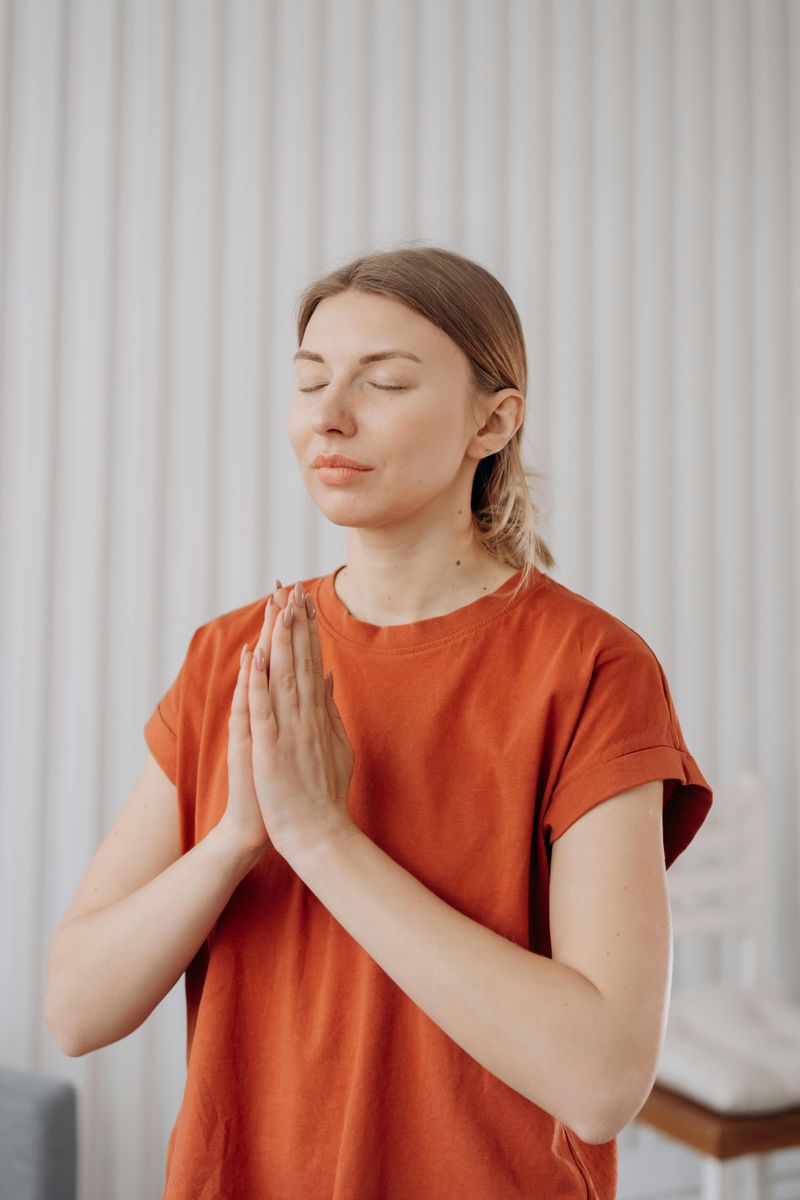
Stress has a sneaky way of building up without you realizing it — until your shoulders are tight and your mind is racing at midnight.
Gratitude, surprisingly, works like a natural pressure valve for that tension.
Studies published in the Journal of Personality and Social Psychology show that grateful people have lower levels of cortisol, the body’s main stress hormone.
When you focus on appreciation, your nervous system calms down and emotional reactions become easier to manage.
Practicing gratitude regularly helps you feel less overwhelmed, even when life gets genuinely hard.
It doesn’t erase problems — it changes how you carry them.
3. Enhances Mental Resilience

Life throws curveballs — failed tests, friendship drama, family stress, and disappointments that sting.
What separates people who bounce back from those who stay stuck often comes down to one thing: resilience.
Gratitude helps build that inner strength.
A study from the Greater Good Science Center found that people who regularly practiced thankfulness recovered faster from trauma and setbacks.
Recognizing what still works in your life, even when parts of it are falling apart, gives you a mental foothold to climb back up.
Think of gratitude as emotional armor — not something that prevents hard times, but something that helps you survive them with your spirit intact.
4. Supports Better Sleep

Counting blessings instead of sheep might actually work.
Research published in Applied Psychology: Health and Well-Being found that spending just 15 minutes writing in a gratitude journal before bed helped people fall asleep faster and sleep longer.
When your mind is busy replaying worries, sleep becomes elusive.
Gratitude interrupts that cycle by redirecting your thoughts toward positive experiences and feelings of safety.
Your brain gets the signal that things are okay — and that makes rest possible.
Swapping late-night doom-scrolling for a few grateful thoughts could be the sleep upgrade you didn’t know you needed.
Simple, free, and surprisingly effective.
5. Strengthens Relationships

“Thank you” might be two of the most underrated words in any relationship.
Expressing genuine appreciation to someone doesn’t just make them feel good — it deepens the bond between you in ways that last.
A study from the University of Georgia found that feeling appreciated by a partner was the single strongest predictor of relationship quality.
Gratitude creates a cycle of generosity and trust that keeps connections strong through disagreements and distance.
Whether it’s texting a friend to say you value them or telling a family member what they mean to you, these small expressions carry enormous weight.
Appreciation is relationship glue.
6. Boosts Self-Esteem

Social media has turned comparison into a full-time sport — and most of us lose every round.
Scrolling through highlight reels of other people’s lives can quietly chip away at how you feel about your own.
Gratitude flips the script.
Instead of measuring your life against someone else’s, it trains you to recognize and appreciate what you already have.
Research shows that grateful people are less likely to feel envious and more likely to feel satisfied with who they are.
When you genuinely value your own journey, the need to measure up starts to fade.
Your life stops being a rough draft and starts feeling like enough.
7. Encourages Optimism

Optimism isn’t about pretending everything is perfect — it’s about genuinely believing that good things are possible.
And gratitude is one of the most reliable ways to get there.
Neuroscientists have found that regularly focusing on positive experiences actually rewires the brain over time.
The more you practice noticing what’s good, the more naturally your brain looks for it.
It’s like building a mental muscle that keeps flexing toward hope instead of dread.
People who practice gratitude consistently report feeling more hopeful about the future, even during difficult periods.
That forward-looking mindset makes it easier to set goals and take meaningful action in your life.
8. Improves Physical Health Habits

Here’s something that might surprise you — grateful people tend to take better care of their bodies.
It’s not a coincidence.
When you feel good about your life, you’re more motivated to protect it.
A study published in Personality and Individual Differences found that grateful people reported exercising more, attending regular checkups, and making healthier food choices.
Gratitude creates a kind of positive momentum — when you appreciate your health, you invest in keeping it.
You don’t need a dramatic lifestyle overhaul to start.
Even small shifts in mindset toward thankfulness can nudge you toward better daily choices, one step at a time.
9. Reduces Symptoms of Anxiety and Depression

Mental health struggles are real, and gratitude isn’t a cure — but it is a meaningful tool.
Multiple clinical studies have found that gratitude practices are linked to measurable reductions in symptoms of both anxiety and depression.
One reason is that gratitude activates the brain’s reward system, releasing dopamine and serotonin — the same chemicals targeted by many antidepressants.
Regularly tuning into appreciation creates small but consistent boosts in mood that accumulate over time.
Therapists often recommend gratitude journaling as part of a broader mental health plan.
It works best alongside other support, but its impact on emotional well-being is well-documented and genuinely worth exploring.
10. Increases Emotional Awareness

Most people rush through positive moments without really letting them land.
You get good news, feel a flicker of happiness, and then immediately move on to the next thing.
Gratitude slows that process down.
When you practice thankfulness regularly, you become better at noticing and savoring positive experiences as they happen.
Psychologists call this “savoring,” and it’s a key ingredient in lasting happiness.
Your brain gets better at recognizing what feels meaningful and why.
Over time, this heightened emotional awareness makes you more in tune with yourself and others.
You start responding to life with more intention — and less on autopilot.
11. Enhances Patience and Empathy

Road rage, snapping at a sibling, losing patience in a long line — we’ve all been there.
But people who practice gratitude regularly tend to handle these moments with a lot more grace.
Research from Northeastern University found that grateful individuals were more likely to show patience when making decisions and more willing to help others without expecting anything in return.
Appreciation for what you have naturally extends outward into how you treat people around you.
Empathy grows when you stop seeing others as obstacles and start seeing them as fellow humans doing their best.
Gratitude quietly plants that shift in perspective every single day.
12. Promotes Long-Term Life Satisfaction

Ask someone who’s lived a long, fulfilling life what their secret is, and many will say some version of the same thing: appreciating what you have.
That folk wisdom is now backed by serious science.
Longitudinal studies show that people who maintain a consistent gratitude practice report higher levels of life satisfaction over years and even decades.
It’s not about having more — it’s about genuinely valuing what’s already there.
That mindset compounds over time, creating a deeper sense of meaning and purpose.
Fulfillment isn’t something you find at the finish line.
Often, it’s something you build quietly, day by day, through the habit of noticing what’s worth being grateful for.