
Being the responsible one can feel like a compliment at first. She’s the person everyone counts on, the one who remembers important details, solves problems, and makes sure things don’t fall apart. Whether it’s at home, at work, or in her relationships, she’s often expected to keep everything running smoothly. But constantly being the dependable one can become exhausting, especially when others start taking her efforts for granted.
Over time, carrying so much responsibility can take an emotional toll, even on a woman who seems to have everything under control. She might stop offering to help, become easily frustrated, or quietly wish someone would take care of her for a change. These changes aren’t necessarily signs that she no longer cares. Sometimes, they simply mean she’s reached her limit. Here are 12 signs a woman is growing tired of always being the responsible one.
1. Rest Stops Working

Eight hours of sleep should feel like a reset button.
For a woman who carries the household on her shoulders, she can wake up feeling like she never went to bed.
Plain tiredness usually fades after a lazy weekend or an early night.
The deeper kind sticks around, and simple tasks like answering an email or folding towels start to feel like climbing stairs in wet boots.
That heaviness often comes from months or years of mental and emotional strain, not from a lack of naps.
Here’s the tricky part.
A woman in this spot may keep pushing through because stopping feels like letting people down.
She might joke about needing coffee to function, but the joke wears thin when the coffee stops helping.
If this sounds familiar, try noticing what drains you most during the week.
Is it the physical chores, or is it the nonstop planning and remembering behind them?
Naming the real source can make it easier to ask for specific help instead of general sympathy.
Lasting exhaustion can also have medical causes, so a checkup with a doctor is a smart move.
Ruling out other issues gives you clearer information and one less thing to wonder about late at night.
2. A Short Fuse Over Small Things

An empty cereal box put back in the pantry should not feel like a personal attack.
Yet for a woman running on fumes, that little box can spark a reaction bigger than anyone expected, including her.
Small annoyances pile up when one person handles most of the follow-through.
The cereal box is never really about cereal.
It stands for the hundred other things she noticed, fixed, or replaced without anyone saying a word.
Family members often see only the snap, not the long buildup behind it.
That can lead to hurt feelings on both sides and a lot of confused faces around the dinner table.
If you catch yourself bristling at tiny things, try pausing before you respond.
A quick breath or a walk to another room can give you a moment to sort out what is really bothering you.
Later, when things feel calmer, share the bigger pattern instead of the single incident.
Saying something like, I feel like I am the only one who tracks groceries, opens a more useful conversation than a fight over a box.
It also gives the people around you a real chance to step up and help in ways that actually matter.
3. Resentment That Keeps Building
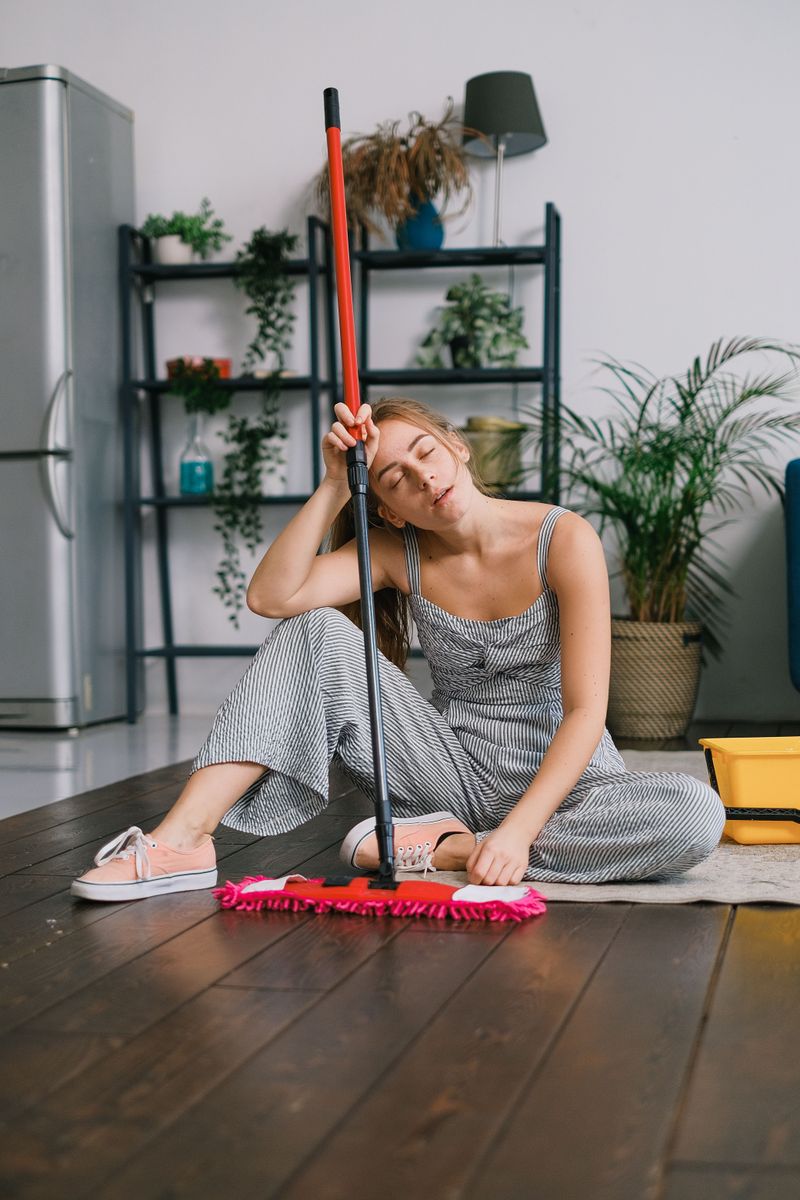
Resentment rarely arrives all at once.
It grows slowly, like dust under a couch, until one day it is impossible to ignore.
A woman who always handles the details may start keeping a quiet scorecard in her head.
She notices who sat down after dinner while she cleared the table, and who forgot the school fundraiser she reminded them about twice.
The frustration is less about the chores and more about feeling like the effort is lopsided.
Bitterness can feel uncomfortable to admit, especially for someone who prides herself on being dependable.
Still, that feeling carries useful information, because it points straight at what needs to change.
One practical step is writing down the recurring tasks in your home, including invisible ones like scheduling and gift shopping.
Seeing the full list on paper can surprise everyone, sometimes even the person doing most of it.
From there, you can talk about handing off whole tasks, not just helping out.
Owning a job from start to finish, like planning weekly meals, takes real weight off the person who used to remember it.
It also means no more reminders, which might be the best part for everybody involved.
4. Pulling Away From People

Group chats go unanswered.
Weekend plans get a polite maybe that quietly turns into a no.
When someone spends her days taking care of everyone else, she may have very little left for socializing.
Pulling back can become a way to protect what energy remains.
It is not always about losing interest in friends, but about running too low to show up the way she wants to.
Sometimes the withdrawal also looks like emotional flatness.
Good news lands with a shrug, and bad news barely registers because there is no room left to feel it fully.
For friends and partners, this sign is easy to misread as rudeness or distance.
A gentle check-in that asks how she is really doing, without pressure to fix anything, can mean more than another invitation.
If you are the one pulling away, consider keeping one small connection alive.
A short walk with a friend or a five-minute call might feel more doable than a big dinner out.
Low-effort contact still counts, and it keeps the door open for when you have more to give.
Longer stretches of numbness deserve attention from a mental health professional.
5. Help Feels Hard to Ask For

I’ve got it.
Those three words may be the most overused phrase in the responsible woman’s vocabulary.
Many women learned early that being capable meant handling things alone.
Asking for help can feel like admitting failure or adding to someone else’s burden.
So she carries the groceries, the calendar, and the worry, all while insisting she is fine.
The irony is that refusing help often keeps the imbalance in place.
Other people learn that she will always pick up the slack, so they stop offering.
Try starting small if asking feels awkward.
Request one specific thing, like picking up the kids on Tuesday, and let the other person handle it their way.
Their method might look different from yours, and that is okay.
Accepting help also means resisting the urge to redo the task afterward.
Refolding the towels someone else folded sends a message that their effort did not count.
Letting it stand, even if the corners are crooked, builds trust on both sides.
Over time, asking can start to feel less like weakness and more like teamwork.
Strong people lean on others too, and they usually get more done because of it.
6. Feeling Unseen and Unthanked

Clean laundry does not magically appear in drawers.
Somebody washed it, dried it, folded it, and put it away, yet that somebody often gets zero credit.
When a woman’s work becomes expected, it can start to feel invisible.
She may feel less like a valued partner or parent and more like the household’s operating system, running quietly in the background.
The moment anything breaks, though, everyone suddenly notices.
Appreciation does not fix an uneven workload by itself.
Still, a simple thank-you can make extra effort feel noticed instead of taken for granted.
If you live with someone who carries a heavy load, try naming specific things she does.
Saying thanks for remembering the vet appointment lands better than a vague thanks for everything.
On the flip side, if you feel unseen, it is fair to say so directly.
Something like I would love it if my effort got noticed more is honest and clear without turning into a lecture.
Feeling valued tends to make hard work feel lighter.
Gratitude is free, quick, and surprisingly underused in many busy homes, so it is worth handing out generously and often.
7. Hobbies Start Feeling Like Chores

The yoga mat stays rolled up in the closet.
The paint set gathers dust, and the book club novel sits half-read on the nightstand.
When responsibility takes over, even fun things can start to feel like obligations.
A hobby that once brought joy turns into one more item on the to-do list.
Ambition can fade too, replaced by a flat sense of not caring much either way.
This kind of apathy is easy to brush off as just being busy.
Yet losing interest in things you used to love is a signal worth paying attention to.
One idea is to shrink the hobby down to a size that fits.
Ten minutes of sketching or one chapter of a book is still a win, and it does not require clearing a whole afternoon.
Another approach is protecting one hour a week that belongs only to you.
Put it on the family calendar like any other appointment, and let others cover the house during that time.
If interest stays gone for weeks, along with low mood, talking with a doctor or counselor can help.
Some things deserve more than a pep talk and a fresh paint set.
8. Stress Shows Up in the Body

Tight shoulders that live somewhere near the ears are a pretty common look for the family organizer.
Stress has a habit of moving from the mind straight into the body.
Ongoing pressure can show up as headaches, muscle tension, stomach trouble, or restless sleep.
Some women notice they catch every cold going around, while others clench their jaw without realizing it.
These signals are easy to ignore when there are lunches to pack and bills to pay.
Paying attention to these physical cues can help you catch stress before it piles higher.
A quick body scan at the end of the day, checking your neck, jaw, and stomach, takes less than a minute.
Small habits might ease some of the tension.
Stretching, a short walk, or a regular bedtime are options worth trying, though results vary from person to person.
Physical symptoms should never be blamed on stress without a proper look.
Headaches, stomach issues, and sleep problems can come from many causes, so check in with a doctor if they stick around.
Taking your own health seriously is part of being responsible too, even if it does not feel like it at first.
9. A Brain That Never Clocks Out

Lying in bed at 11 p.m., she suddenly remembers the library books are due.
Then the field trip money, the dog’s flea medicine, and her mother’s birthday card all come rushing in.
That nonstop planning is often called the mental load.
It covers the thinking behind the doing, like noticing the toothpaste is low before anyone runs out.
The tasks might take seconds, but tracking them never really stops.
Because the mental load is invisible, others may not realize how much space it takes up.
Someone can be sitting on the couch looking relaxed while her mind runs a full schedule in the background.
Getting things out of your head can help.
A shared family calendar or a running list on the fridge lets other people see and grab tasks instead of waiting for reminders.
The bigger shift comes when someone else takes over the noticing part.
If a partner owns the grocery list completely, including spotting what is low, that whole category leaves your brain for good.
Your mind gets a little quieter, and those late-night reminders might finally give you a break so you can actually fall asleep.
10. Her Own Needs Slide to the Bottom

Everyone else’s dentist appointment is booked months ahead.
Hers, somehow, has been on the someday list for two years.
Women who handle most of the responsibilities often put themselves last without even deciding to.
Lunch becomes leftover crusts eaten over the sink, and exercise disappears because there is always something more urgent.
Her own checkups get pushed back again and again.
Skipping self-care can feel selfless in the moment.
Over time, though, running on empty makes it harder to show up for the people she cares about.
Self-care does not have to mean spa days or expensive retreats.
It can be as basic as eating a real meal sitting down, drinking water, or scheduling that overdue appointment.
A helpful trick is booking your own appointments at the same time as the kids’ or a partner’s.
Since you are already making the calls, adding your name keeps you from slipping off the list.
Budgets, schedules, and family needs differ, so pick what fits your life.
Even one small habit that is just for you is a reminder that your needs count as much as anyone else’s in the house.
11. Sorry Becomes Her Favorite Word

Sorry to bother you.
Sorry, quick question.
Sorry I need a minute.
A woman who feels stretched thin may apologize for things that are not her fault at all.
She might feel guilty for resting, saying no, or simply needing something.
Many women grow up hearing that putting others first is the right thing to do, and that message can stick hard.
Constant apologizing can quietly shrink a person.
It sends a signal, even to herself, that her needs are an inconvenience.
Try swapping some apologies for thank-yous.
Instead of sorry I am late, say thanks for waiting.
The tone shifts from guilt to appreciation, and it feels better on both ends.
Guilt over setting boundaries is common, especially at first.
Saying I can’t take that on this week might feel uncomfortable, but discomfort is not the same as doing something wrong.
Notice how often you apologize in a single day.
Counting can be eye-opening, and a little humor helps, like treating each unnecessary sorry as a point you are trying not to score.
Before long, you may find yourself speaking up with a lot more confidence and a lot fewer apologies.
12. Control and Defensiveness Creep In

The dishwasher gets reloaded the right way.
The grocery list gets rewritten, and the kids’ backpacks get double-checked after someone else already packed them.
When a woman feels overwhelmed, control can start to feel like safety.
If she handles it herself, at least she knows it will get done.
Gentle feedback might also sting more than usual, because she already feels judged for carrying so much.
This pattern can create a loop that keeps her stuck.
Others stop trying because their efforts get corrected, and she ends up doing even more alone.
Loosening the grip a little can help break that cycle.
Pick one area, like laundry or bedtime routines, and let someone else run it fully, even if the results look different.
When defensiveness flares, try a pause before answering.
Asking yourself whether the comment is truly criticism or just a suggestion can soften the reaction.
Partners and family members can help by offering support without scorekeeping.
A simple what can I take off your plate goes a long way.
Sharing responsibility means sharing control too, and that trade often leaves room to breathe for the person who has been holding it all together.