 MomSkoop
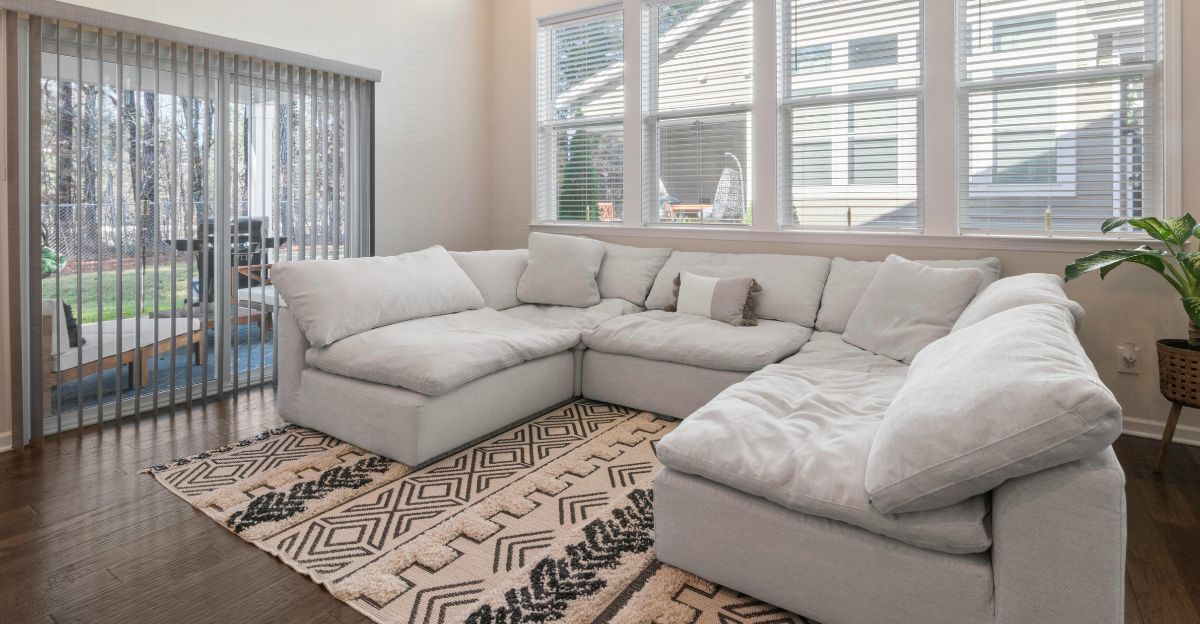
Interior designers spend years studying aesthetics, functionality, and timeless style. They know what works in a home and what doesn’t.
Interestingly, there are certain items and design choices they avoid at all costs in their own spaces. Understanding what professionals steer clear of can help you create a more beautiful, functional, and lasting home environment.
1. Overhead Fluorescent Lighting
Fluorescent bulbs emit a cold, clinical glow that belongs more in an office than a cozy living space. Professionals understand that lighting sets the mood for your entire home, and fluorescent options fail miserably at creating warmth.
Colors appear washed out and distorted under these harsh rays. Skin tones look sickly, and artwork loses its vibrancy. The constant buzzing and flickering can also be distracting and headache-inducing.
Designers prefer layered lighting with warm LED bulbs, table lamps, and dimmable fixtures. These alternatives create inviting ambience while highlighting your home’s best features. Natural light remains the gold standard, complemented by thoughtfully placed artificial sources that enhance rather than detract from your space.
2. Matching Furniture Sets
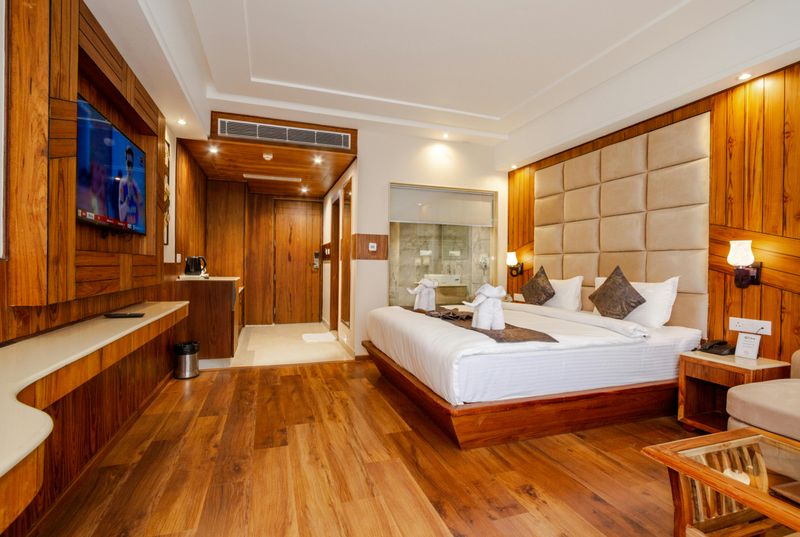
Walking into a showroom and buying everything at once might seem convenient, but it creates a space that feels generic and soulless. Coordinated sets scream “catalogue page” rather than “carefully curated home.”
Real character comes from mixing different eras, textures, and materials. A vintage wooden dresser paired with a modern upholstered bed creates visual interest and tells a story. Layering pieces collected over time gives your space personality and depth.
Professionals embrace the beauty of imperfection and variety. They might combine a mid-century modern chair with a rustic farmhouse table, creating unexpected harmony. This approach feels intentional and sophisticated, reflecting genuine taste rather than playing it safe with pre-packaged coordination.
3. Wall-to-Wall Carpeting
Carpeting every inch of floor space was popular decades ago, but designers now recognize its numerous drawbacks. Dust, allergens, and pet dander become trapped deep within fibers, affecting air quality and health.
Stains are inevitable and nearly impossible to remove completely. High-traffic areas wear unevenly, creating visible pathways that age your space prematurely. Replacement becomes costly and wasteful.
Hardwood floors, tile, or luxury vinyl offer durability and timeless appeal. Area rugs provide warmth and softness exactly where needed while remaining easy to clean or replace. This layered approach adds visual interest and flexibility, allowing you to update your look without tearing up permanent flooring. Designers appreciate the cleaner aesthetic and practical benefits of exposed floors accented with carefully chosen textiles.
4. Trendy Accent Walls
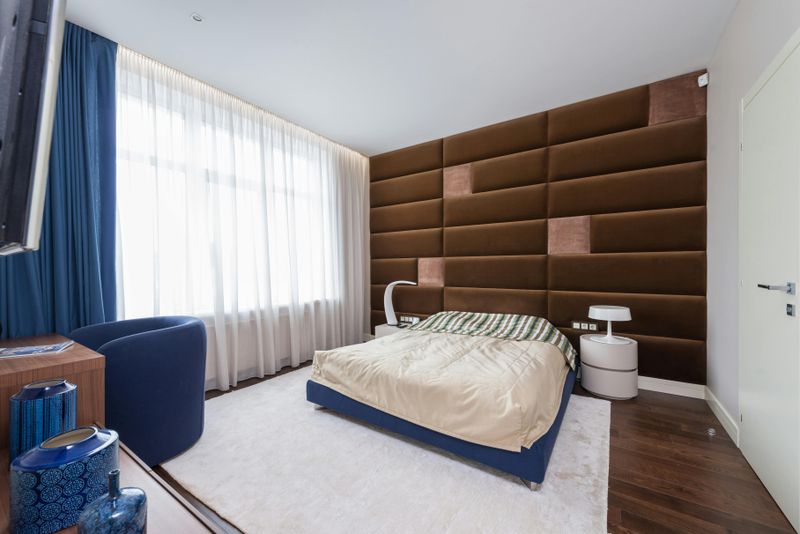
Painting just one wall in a bold, trendy color might feel exciting initially, but it dates your room faster than almost any other design choice. What seems fresh today often looks tired within months as trends shift rapidly.
Design professionals advocate for cohesive color palettes that flow throughout spaces. Intentional color blocking can work beautifully when executed thoughtfully, but random single-wall treatments usually feel disjointed and amateur.
Instead of chasing fleeting trends, consider timeless approaches to adding color. Incorporate hues through artwork, textiles, and accessories that you can easily update. If you crave drama, paint entire rooms in rich tones rather than creating awkward focal points. This creates sophistication and allows your space to evolve gracefully without requiring major overhauls.
5. Cheap Replica Art
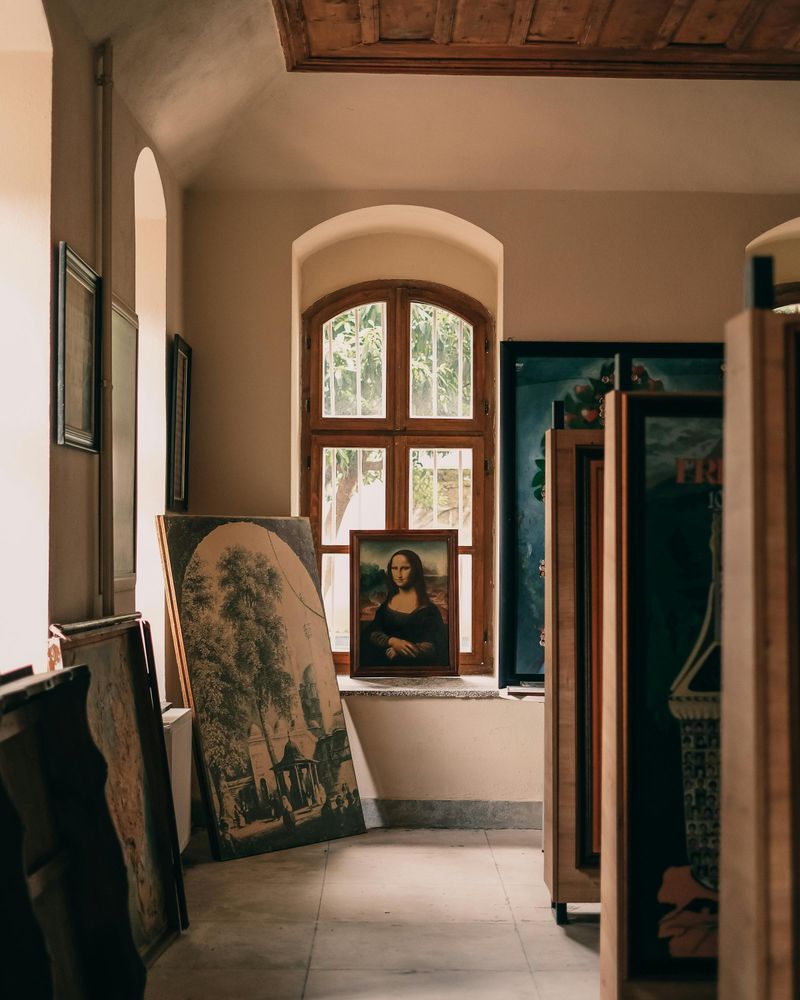
Mass-produced prints of famous paintings or generic inspirational quotes diminish your home’s character rather than enhance it. These pieces lack authenticity and tell visitors nothing about who you actually are.
Professionals understand that art should reflect personal taste and experiences. Even affordable options like thrifted pieces, local artist works, or your own photography carry infinitely more meaning than factory-produced knock-offs.
Original doesn’t mean expensive—it means genuine. Frame children’s artwork, display vintage maps from places you’ve visited, or support emerging artists at community shows. These choices create conversation and connection. Your walls should tell your story, not replicate someone else’s generic vision of what art should be. Authenticity always trumps imitation, regardless of price point or prestige.
6. Open Shelving in Kitchens
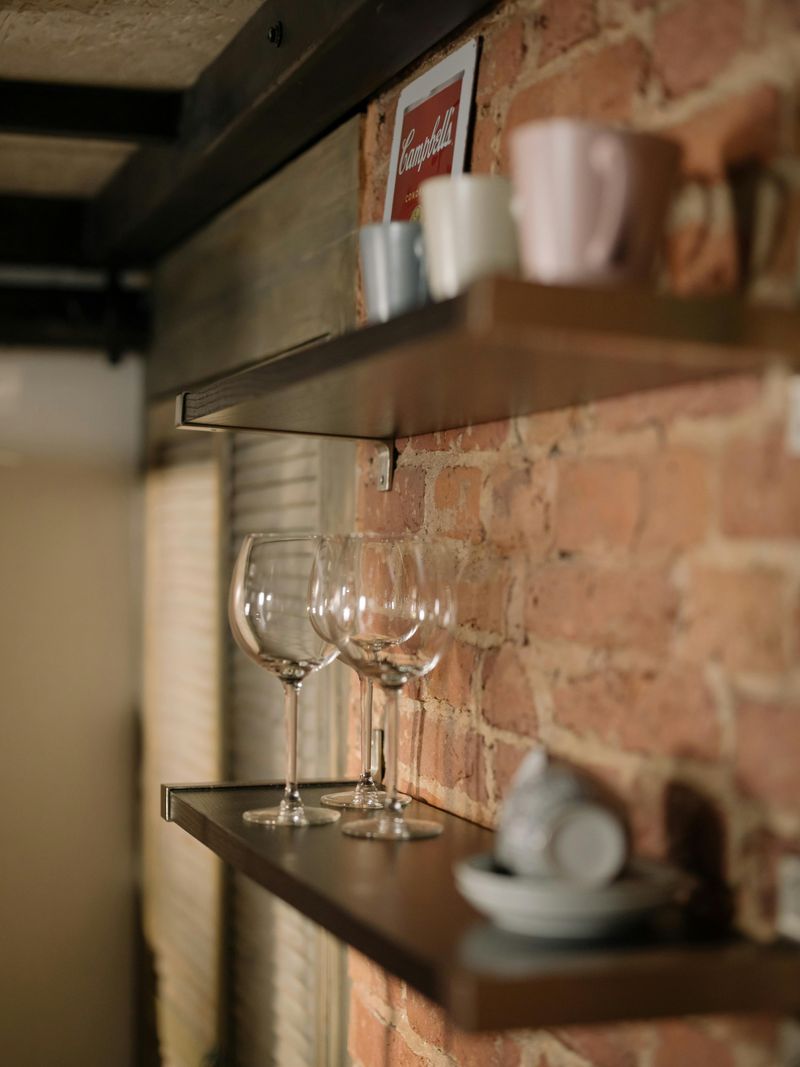
Pinterest made open shelving look effortlessly chic, but the reality proves far more demanding. Every dish, glass, and bowl sits exposed to cooking grease, dust, and airborne particles that settle constantly.
Maintaining that magazine-worthy appearance requires daily attention and perfectly curated dishware. Most people lack the time or inclination for such high maintenance. Items also need to look aesthetically pleasing at all times, which limits practical storage options.
Designers working in real homes choose closed cabinetry for its practicality and longevity. Upper cabinets protect dishes while providing clean visual lines. If you love displaying special pieces, consider glass-front cabinets that offer protection while showcasing favorites. This compromise delivers style without the endless upkeep that open shelves demand from busy households.
7. Too Many Throw Pillows
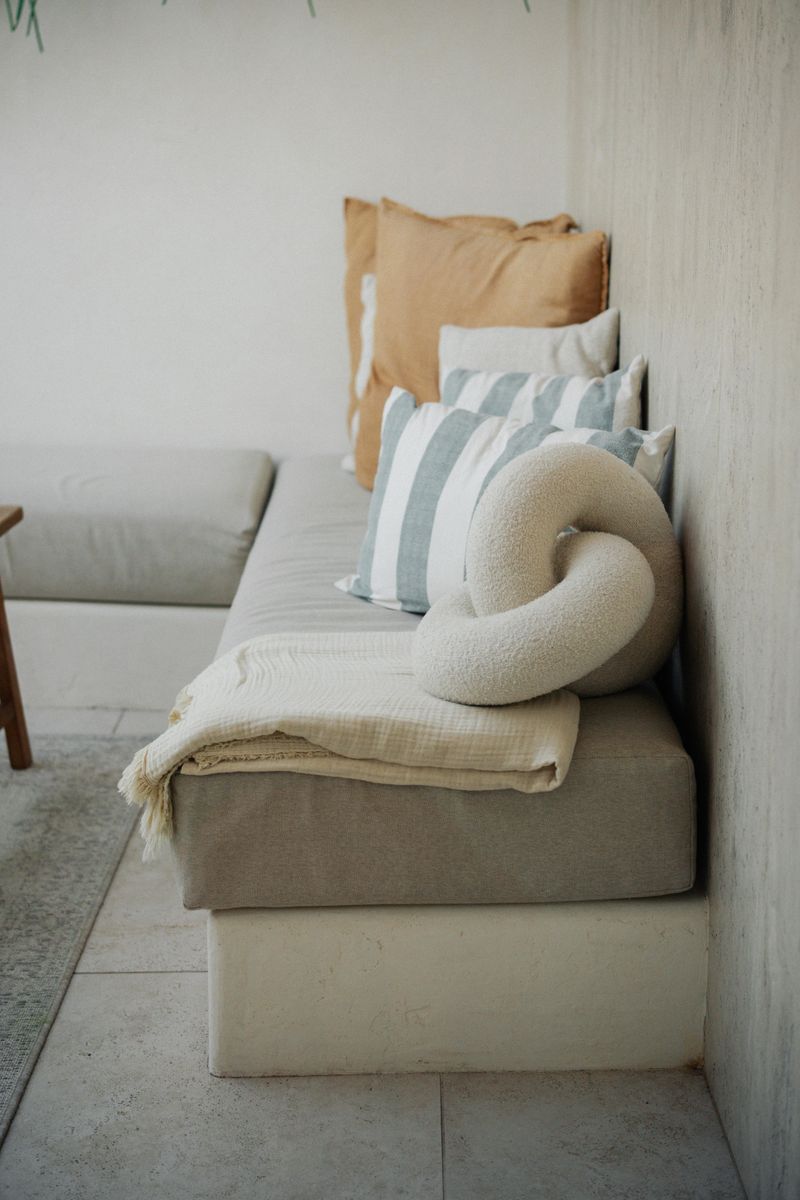
Piling sofas and beds high with decorative pillows creates visual chaos and practical frustration. You shouldn’t need to relocate a mountain of cushions just to sit down or sleep comfortably.
Professionals practice restraint, selecting fewer pillows of superior quality and design. Three to five thoughtfully chosen pieces on a sofa provide comfort and style without overwhelming the space. Each pillow should serve a purpose, whether functional support or adding texture and color.
Quality over quantity applies perfectly here. Invest in well-made pillows with interesting fabrics rather than buying cheap options in bulk. Consider scale, mixing different sizes for visual interest while maintaining breathing room. Your furniture should invite relaxation, not require a staging session before every use. Intentional styling always looks more sophisticated than excessive decoration.
8. Glossy Marble Countertops
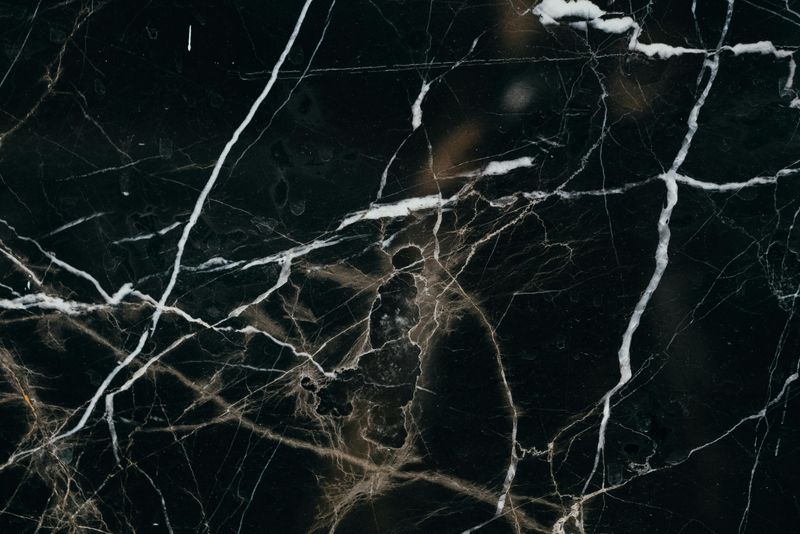
Marble’s luxurious appearance comes with significant maintenance headaches that designers working with real families understand well. That mirror-like polish scratches easily from everyday use, showing every mark and imperfection.
Acidic substances like lemon juice, wine, or tomato sauce etch the surface permanently, creating dull spots that ruin the finish. Stains penetrate the porous stone despite sealing efforts. What starts beautiful quickly becomes frustrating.
Honed marble finishes hide damage better, but professionals often recommend quartz or high-quality composites instead. These engineered materials deliver stunning aesthetics with superior durability and minimal maintenance. They resist staining, don’t require sealing, and maintain their appearance through years of heavy use. Beauty shouldn’t demand constant anxiety about every spill or scratch in your kitchen workspace.
9. Heavy Window Drapes
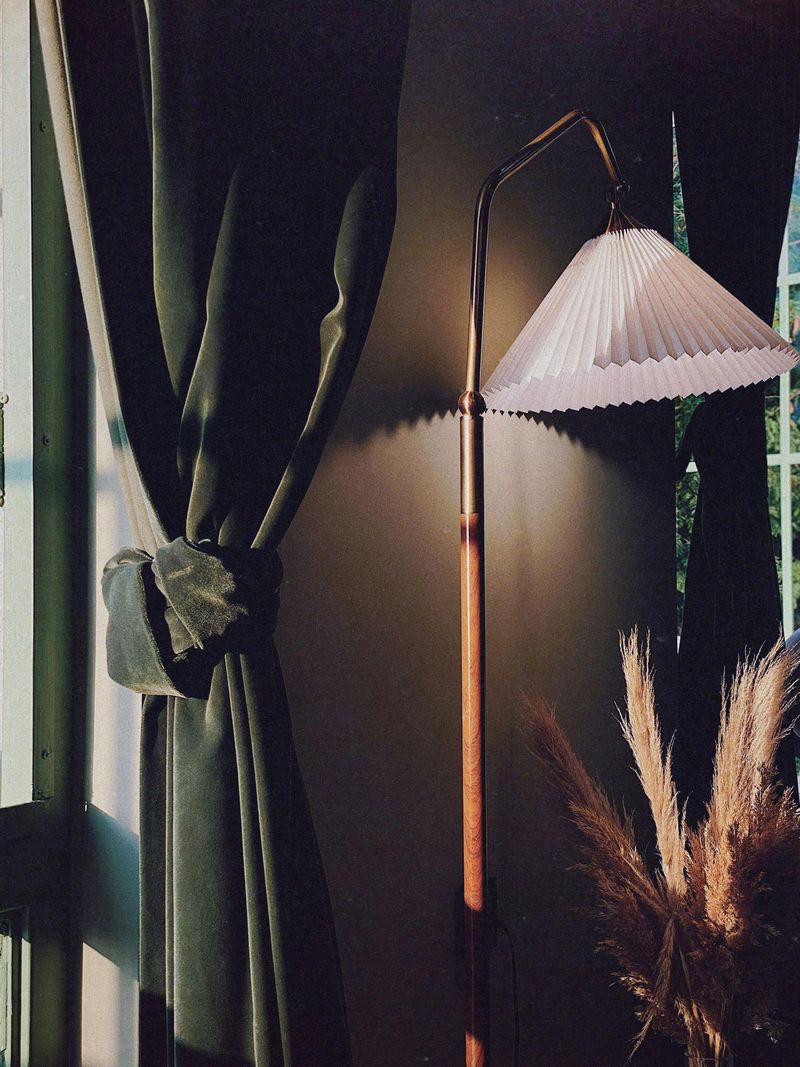
Thick, dark curtains blocking precious natural light make rooms feel smaller, darker, and stuck in the past. These weighty treatments collect dust and overwhelm windows rather than complementing them.
Natural light improves mood, makes spaces feel larger, and showcases your home’s best features. Blocking it with heavy fabrics contradicts fundamental design principles. Dark drapes also fade over time, looking tired and dated.
Designers favor lighter fabrics in neutral tones that filter light beautifully while maintaining privacy. Linen, cotton blends, and sheer materials create airy, fresh environments. Layering options like Roman shades with flowing curtains provides flexibility for different times of day. The goal is enhancing windows as architectural features while maximizing natural light that makes every space feel more welcoming and spacious.
10. Oversized Sectional Sofas
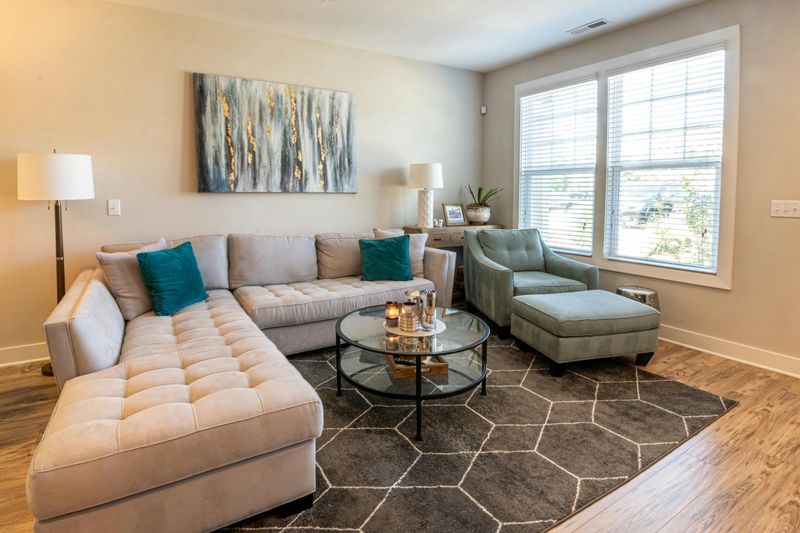
That enormous sectional might seem perfect in the furniture showroom, but it often dominates residential spaces and eliminates layout flexibility. Once positioned, it dictates your entire room arrangement with few alternatives.
Professionals prefer furniture scaled appropriately to room dimensions. Modular pieces offer sectional-style seating with reconfiguration options as needs change. Separate sofas and chairs create conversation areas while maintaining visual breathing room.
Proportionate seating allows traffic flow, accommodates various activities, and prevents your living room from feeling like one giant couch. Consider how you actually use your space before committing to furniture that limits possibilities. Flexibility and appropriate scale create more functional, attractive rooms than simply maximizing seating capacity. Your furniture should enhance your lifestyle, not constrain it with overwhelming presence.
11. Artificial Plants

Faux greenery instantly makes spaces feel staged and lifeless, lacking the organic energy that real plants provide. Even high-quality silk versions can’t replicate the subtle variations and natural beauty of living things.
Professionals recognize that plants bring life, literally and figuratively, into homes. They improve air quality, connect us to nature, and change subtly with seasons and growth. Fake versions offer none of these benefits.
Low-maintenance real plants like pothos, snake plants, or succulents thrive with minimal care. If you travel frequently, consider hardy varieties or ask neighbors to water occasionally. The authenticity and vitality of genuine plants far outweigh the convenience of artificial alternatives. Your home should feel alive and evolving, not frozen in artificial perfection that fools no one.
12. Faux Materials and Imitation Luxury Surfaces
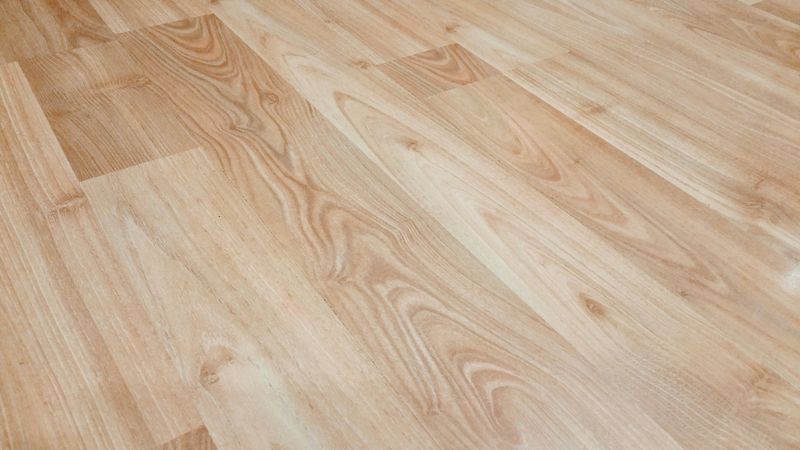
Laminate pretending to be wood, plastic masquerading as marble, and other superficial luxury finishes age poorly and cheapen spaces over time. Up close, these materials always reveal their true nature, creating disappointment rather than sophistication.
Designers prefer honest materials that wear gracefully. Real wood develops character through use; genuine stone improves with patina. Imitations simply look progressively worse, chipping, peeling, or fading unnaturally.
Budget constraints don’t require fakery. Simple, authentic materials like painted wood, concrete, or basic tile maintain integrity at accessible price points. Quality over pretense creates lasting beauty. Your home gains more from honest simplicity than from surfaces pretending to be something they’re not. Authenticity in materials, like everything else in design, proves timeless and ultimately more satisfying than chasing imitation luxury.