 MomSkoop

The old rule about a man walking on the curb side of the sidewalk started as protection from street splashes and passing traffic. Plenty of people still notice when someone quietly swaps sides on a walk downtown. Good manners in public rarely involve grand speeches or fancy clothes.
They show up in small moves, like a held door, a lowered voice, or a phone tucked away mid-chat. I love how these habits cost nothing and still make a stranger’s day a little easier. That’s the part that interests me most, because anyone can pick them up at any age. Some of these customs are centuries old, while others have quietly changed to fit modern life.
1. Holding the Door for Whoever Is Behind Him

A door swinging shut in someone’s face is a tiny disaster that nobody forgets.
Catching it for the next person takes about two seconds and zero special talent.
Gentlemanly door holding isn’t limited to dates or women.
It covers the parent pushing a stroller, the delivery driver with a stacked cart, the older neighbor with a cane, and the teenager glued to a backpack.
The guiding idea is simple: if someone is close behind you, keep the door open a moment.
Timing matters more than most people think.
If the person is still half a parking lot away, holding the door can turn into an awkward jog for them.
A good rule of thumb is to hold it when they’re a few steps behind, then let it go naturally if they’re farther.
Body language helps too.
Stand to the side so the doorway stays clear, and offer a quick nod or smile instead of a big performance.
Nobody wants a bow and a speech at the grocery store.
And when someone holds the door for you, a simple thank-you closes the loop.
Courtesy works best as a two-way street, or in this case, a two-way doorway.
2. Offering a Seat to Someone Who Needs It
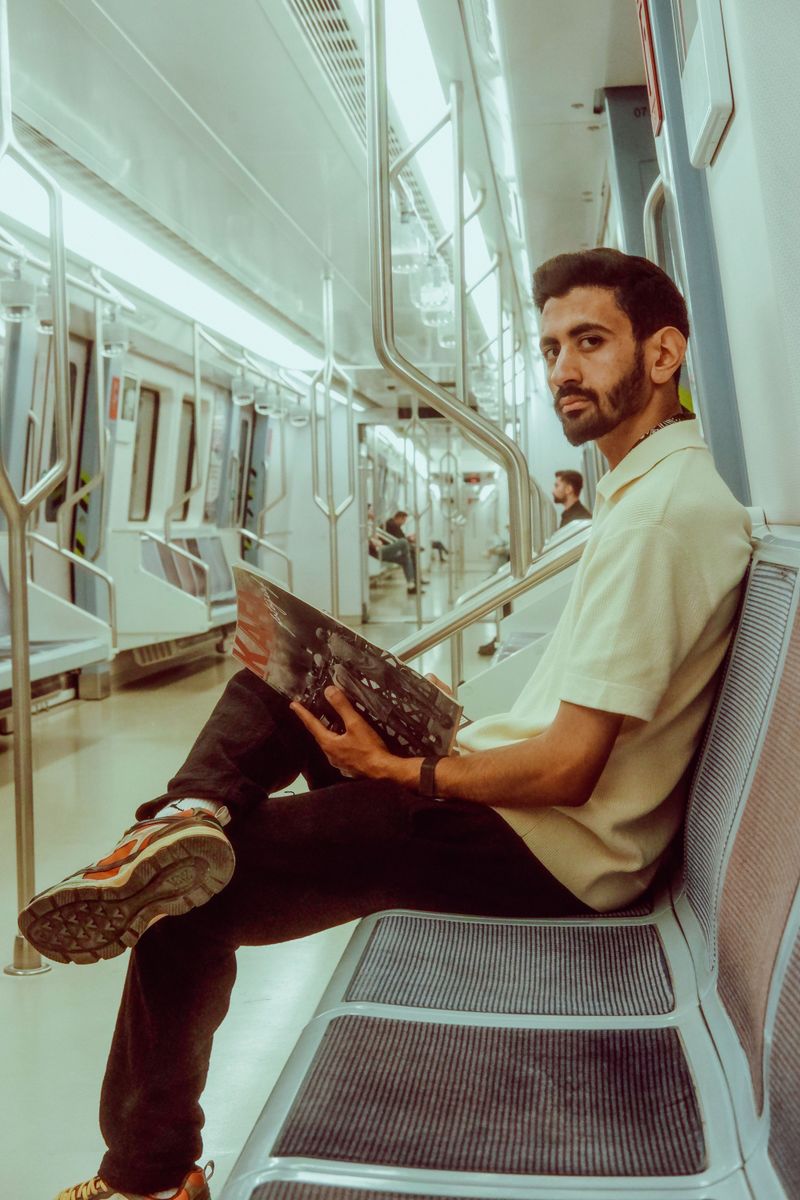
Crowded trains and busy waiting rooms reveal a lot about people.
The man who stands up without being asked is quietly showing what he values.
Modern seat etiquette focuses on need rather than gender.
An older rider, a pregnant passenger, someone with a cast, or a person juggling a toddler likely needs that seat more than a healthy adult scrolling through playlists.
Many transit systems post signs asking riders to give priority seats to people with disabilities, older adults, and pregnant riders.
Of course, not every need is visible.
Some people have conditions you can’t see, so it’s wise not to judge who is sitting down.
The goal is to pay attention, not to police other passengers.
When you offer, keep it low-key.
A simple “Would you like to sit?” works better than announcing it to the whole car.
If the person says no, accept that answer with a smile and move on.
Standing for a few stops might mean holding a pole and bracing for sudden brakes.
Still, that small effort can make a real difference for someone whose feet, back, or balance is having a rough day.
3. Helping With Heavy Bags and Boxes

Grocery bags have a sneaky habit of splitting at the worst possible moment.
A guy who steps in to help gather rolling oranges earns instant hero status.
Offering a hand with heavy items is one of the most practical courtesies around.
You might see someone wrestling a suitcase up subway stairs, lifting a box into a car trunk, or balancing three bags plus a toddler.
A quick offer can turn a struggle into an easy task.
The key word is offer.
Ask first with something like “Can I give you a hand with that?” before grabbing anything.
Some people prefer to handle their own belongings, and reaching for a stranger’s bag without asking can feel alarming.
If they accept, follow their lead about where things go and how to carry them.
A fragile box of dishes needs a different grip than a bag of dog food.
Lift with your legs, not your back, so your good deed doesn’t end with a sore spine.
And if they politely decline, that’s perfectly fine.
The offer itself still shows awareness and kindness, which is the heart of good public manners.
4. Sharing an Umbrella in the Rain
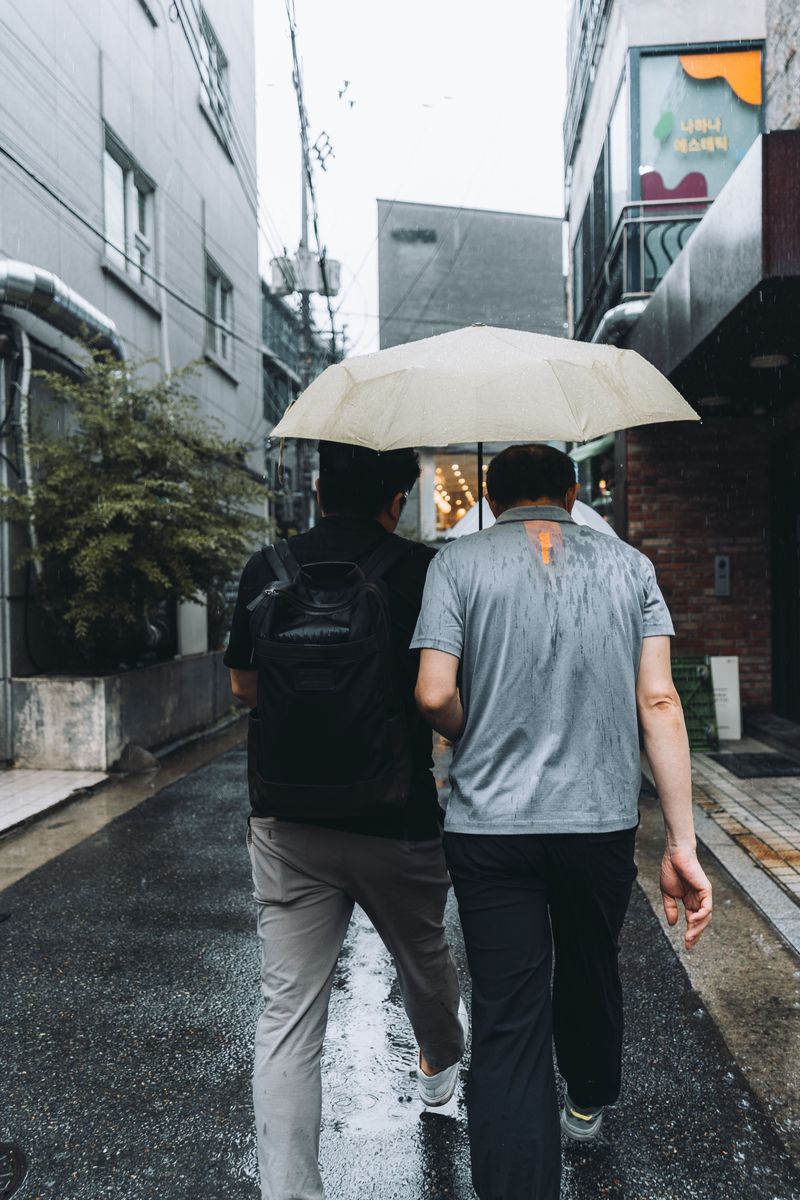
Sudden downpours turn sidewalks into obstacle courses of soggy shoes and frizzy hair.
A man holding an umbrella over a companion becomes the most popular person on the block.
Sharing works best with a little geometry.
Hold the umbrella slightly toward the other person, since they’re the guest under your little roof.
You might end up with one damp shoulder, but that’s the classic price of this gesture.
Height differences matter here too.
If you’re much taller, lower the umbrella a bit so it doesn’t funnel rain straight onto your companion’s face.
Tall umbrellas held high can feel more like a gutter than a shelter.
A larger umbrella makes sharing much easier.
Compact styles fit nicely in a bag, but a full-size canopy covers two people far better.
Keeping one by the door or in the car means you’re ready when the forecast lies.
Watch out for others on the sidewalk as well.
Tilting your umbrella up or to the side when passing someone keeps you from poking eyes or dripping on strangers.
Rainy days test patience, so thoughtful umbrella handling feels like a small gift to everyone nearby.
5. Walking on the Curb Side of the Sidewalk
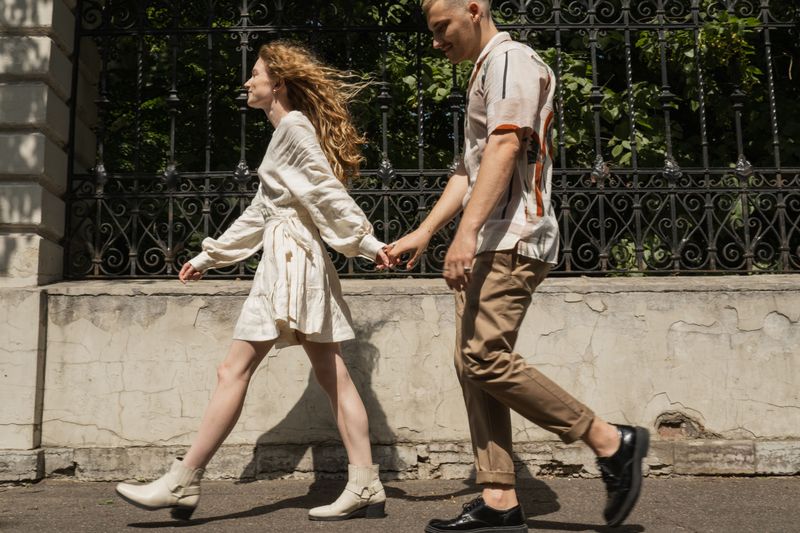
Long before cars, city streets were messy places full of horses, carriages, and puddles of who-knows-what.
Men walked closest to the road so their companions stayed clear of splashes and passing wheels.
That old custom still pops up today.
When walking with someone, a gentleman often takes the side nearest traffic.
It’s a quiet signal that he’s willing to take the splash from a speeding car or the gust from a passing bus.
Plenty of people now see this habit as charming rather than necessary.
Modern sidewalks are cleaner, and many people feel perfectly capable of handling the outer edge themselves.
That’s fair, so treat this one as a thoughtful option rather than a strict rule.
If you like the gesture, keep it smooth.
Switching sides with a subtle step works far better than a dramatic hop across your companion every time you turn a corner.
Nobody wants a sidewalk dance routine.
The spirit behind it matters most.
Paying attention to traffic, puddles, and crowded edges shows you care about the person beside you, whichever side you’re walking on.
6. Putting the Phone Away During Conversations
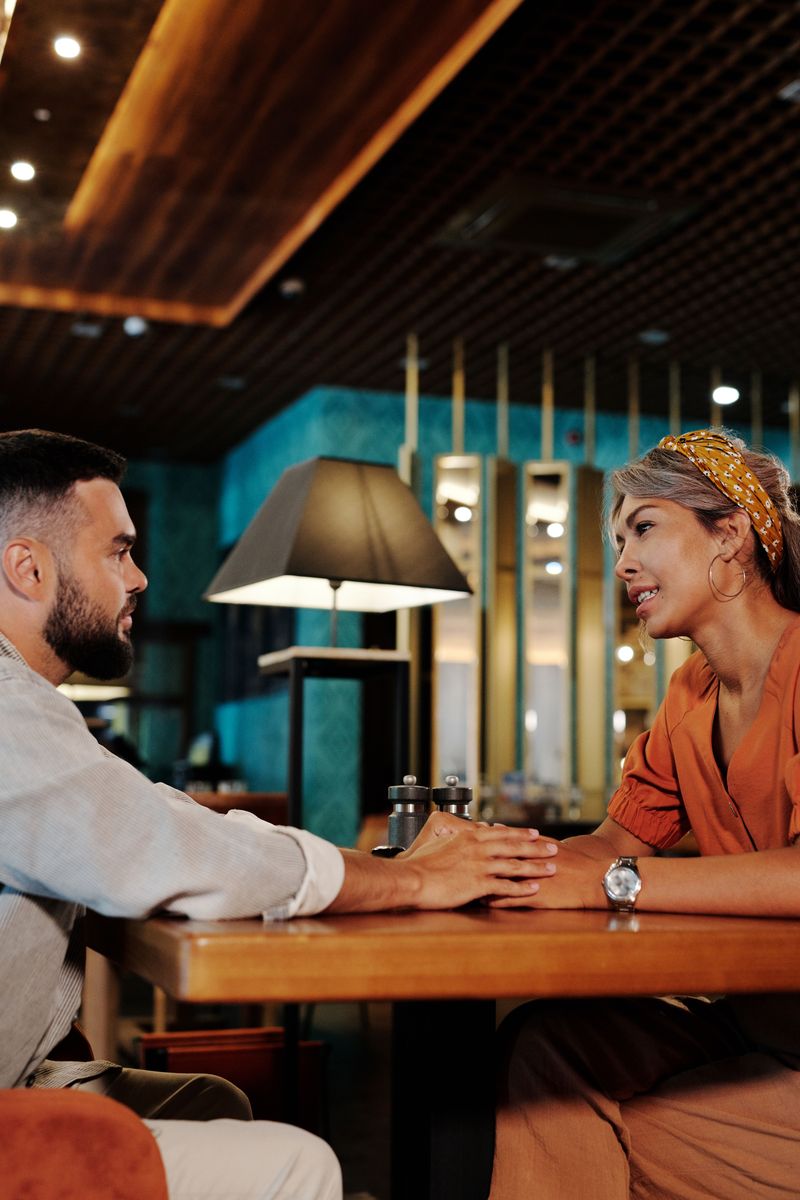
Few things deflate a story faster than watching your listener check a notification halfway through.
The phone glance may last two seconds, but the message lands loud and clear.
A gentleman gives people his full attention when they talk.
That means making eye contact, nodding along, and letting the other person finish before jumping in.
Interrupting, even with good intentions, can make someone feel brushed aside.
Phones are the biggest distraction here.
Slipping yours into a pocket or turning it face down on the table shows that the person in front of you comes first.
If you’re expecting an urgent call, mention it at the start so nobody feels ignored.
Active listening also involves asking follow-up questions.
Responding with “What happened next?” proves you heard the details rather than waiting for your turn to talk.
It turns a chat into a real conversation.
This habit works everywhere, from coffee dates to checkout lines.
Even a quick exchange with a coworker feels friendlier when you look up from the screen.
It’s a simple way to show respect, and honestly, the group chat can wait ten minutes.
7. Keeping His Voice at a Considerate Volume
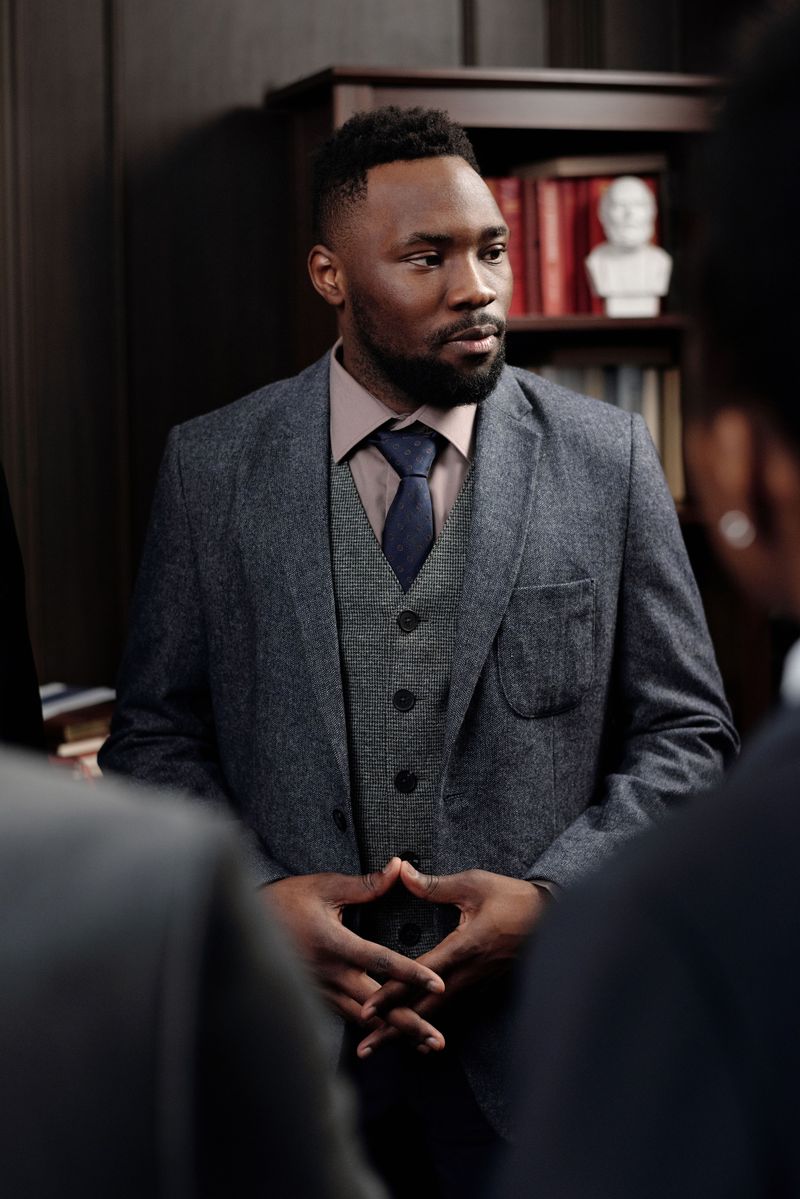
Speakerphone calls on a quiet train should probably come with a warning label.
Nobody signed up to hear a stranger’s dentist appointment details.
Gentlemanly behavior includes paying attention to your own noise.
Libraries, waiting rooms, buses, and restaurants are shared spaces, so a lower voice keeps the peace.
Many commuter rail lines even offer designated quiet cars where conversations and phone calls are discouraged.
Headphones are your friend for music, videos, and games.
Playing audio out loud in public turns your entertainment into everyone’s background noise.
Even a funny clip gets old when the person three seats away hears it on repeat.
Phone calls need a little planning too.
If a call gets long or personal, stepping outside or to a quieter corner protects your privacy and everyone’s patience.
You’ll probably feel more relaxed without an audience anyway.
None of this means you have to whisper all day.
Laughing with friends at a ballgame or cheering at a concert fits the setting perfectly.
The trick is reading the room and matching its energy, so your volume suits the place rather than overpowering it.
8. Treating Service Staff With Respect
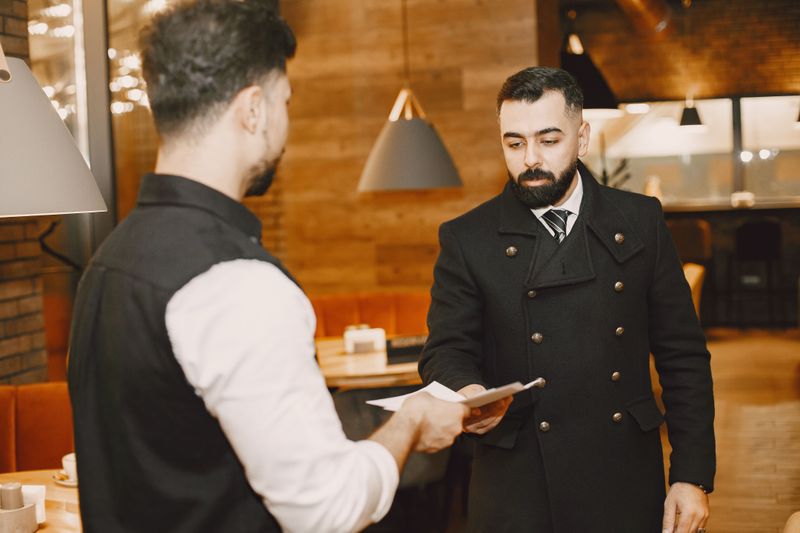
Watch how someone treats a server when the order comes out wrong.
That moment often says more about character than a first handshake ever could.
A gentleman treats cashiers, servers, baristas, and custodians with the same courtesy he’d show a boss or a close friend.
He says please and thank you, makes eye contact, and learns names when they’re on a name tag.
These small touches show he sees people, not just a service.
Mistakes happen, especially during a lunch rush.
When something goes wrong, calmly explaining the problem gets better results than snapping.
The person in front of you probably didn’t burn the toast personally.
Patience matters in long lines too.
Staff members can’t magically speed up a slow register or a jammed printer.
Keeping your cool and avoiding loud sighs makes the wait easier for everyone.
Little gestures add up.
Stacking plates neatly, cleaning up a spill you made, or tipping fairly where tipping is customary all help.
A kind word to a manager about great service can brighten someone’s whole shift.
Respect for service workers shows real class, no matter how fancy the restaurant or how simple the coffee order.
9. Showing Up on Time
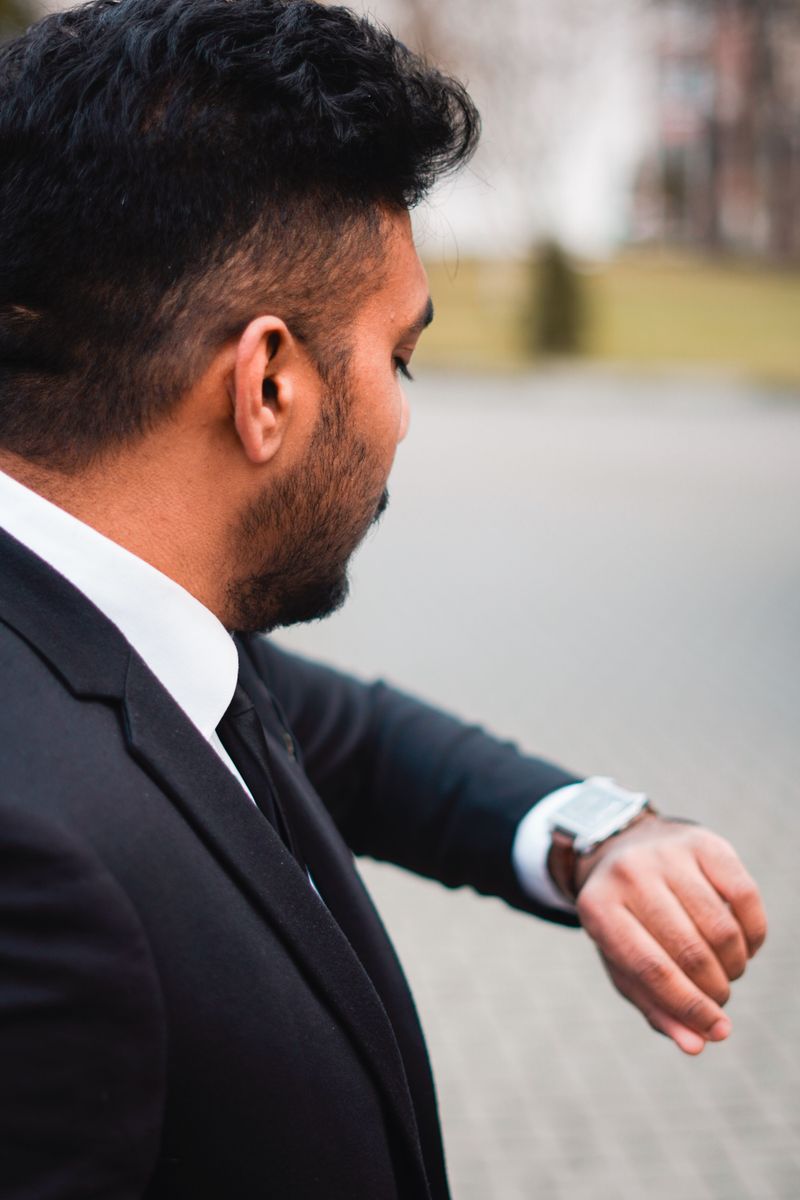
Ten minutes late might seem harmless to the person running behind.
To the person waiting alone at a table, it can feel like an hour of awkward menu reading.
Punctuality is a quiet form of respect.
Arriving on time tells others that their schedule matters as much as yours.
Whether it’s a job interview, a doctor’s appointment, or pizza with friends, showing up as planned builds trust.
A few habits make this easier.
Check traffic or transit times before leaving, and add a small buffer for surprises like a missing parking spot.
Setting a reminder on your phone helps when your day is packed.
Life still throws curveballs sometimes.
If you’re running late, send a quick message as soon as you know, with an honest arrival time. “Be there in 15” beats silence followed by a breathless excuse.
Arriving too early can create its own issues, especially at someone’s home.
Showing up 30 minutes before a dinner party might catch hosts still cooking.
For private events, aiming to arrive right on time or a few minutes after usually works best.
For public meetups, a few minutes early is a nice cushion.
10. Letting Others Go First
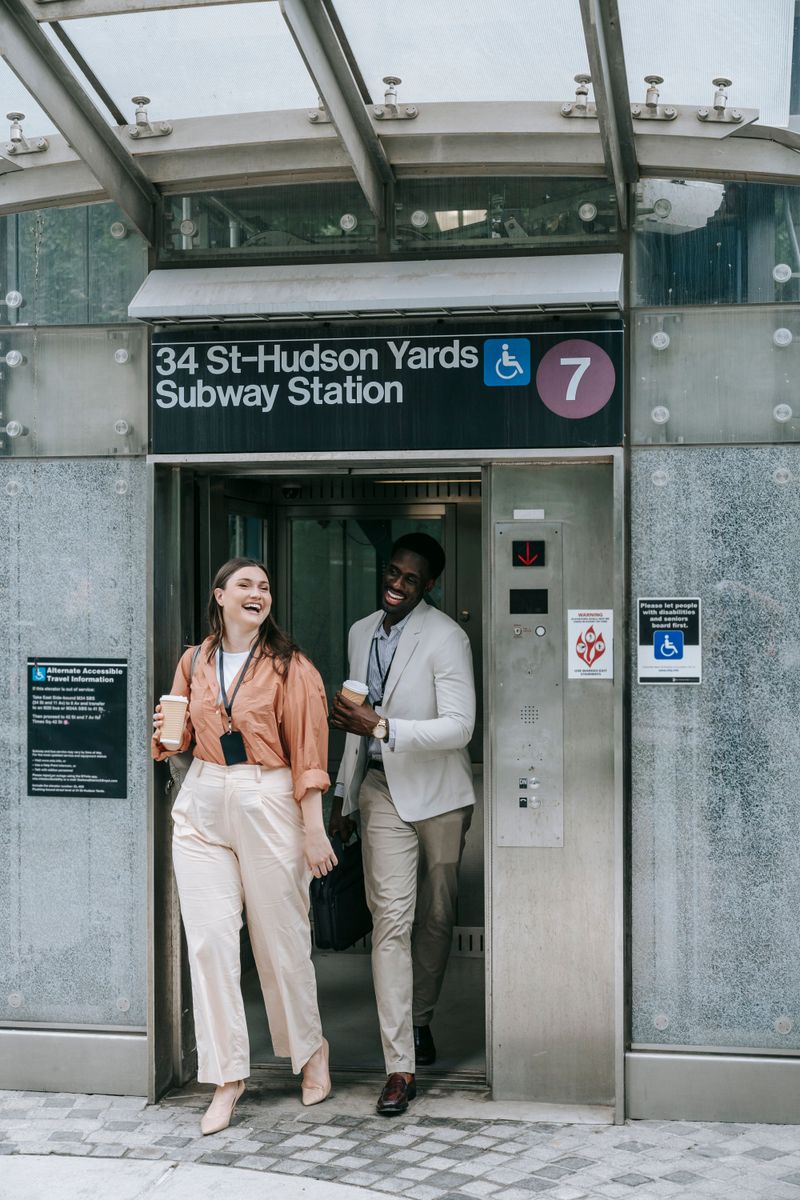
Elevators reveal a surprising amount about human nature.
Some people charge forward like the doors might vanish, while others pause and wave someone ahead.
A gentleman often lets others go first, whether entering a room, exiting an elevator, or merging into a line.
A simple hand gesture and a friendly “After you” keep things moving without fuss.
There’s a practical side to elevator etiquette.
Let people step off before you step on, since squeezing in while others try to leave creates a human traffic jam.
The same logic works for trains and buses.
Grocery lines offer another chance to be generous.
If someone behind you holds just a carton of milk while your cart overflows, letting them go ahead saves them a long wait.
It costs you a minute or two at most.
Common sense still applies.
If insisting on going last would hold up a crowd, just keep moving.
Two people stuck in a polite “No, you first” standoff can block a doorway longer than anyone rushing through.
Graceful courtesy reads the situation and keeps the flow going smoothly.
11. Making Sure Others Are Settled Before Sitting
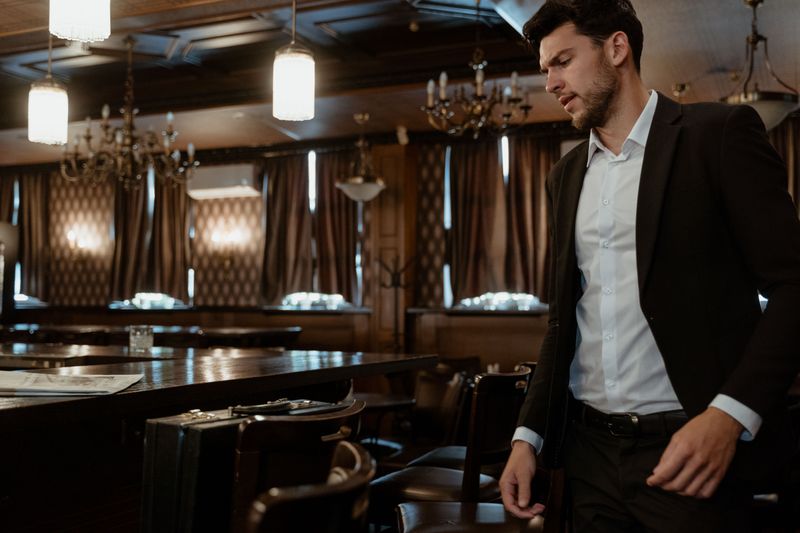
Pulling out a chair might look like something from an old movie.
Yet this small gesture still pops up at restaurants, weddings, and family dinners.
The idea is simple: make sure your companions are comfortable before you get comfortable.
A gentleman might pull out a chair, help someone slip off a coat, or let guests choose the best seat first.
At a group table, he waits until others are seated or nearly settled before sitting down himself.
Coat help takes some finesse.
Hold the coat open at shoulder height so the other person can slide their arms in easily.
When helping them remove it, gently take it from the shoulders rather than tugging on sleeves.
Not everyone wants this kind of help, and that’s okay.
If a companion seems happy pulling out their own chair, there’s no need to make it a contest.
Paying attention to their comfort is the real goal.
These touches also apply beyond dates.
Helping a grandparent into a booth or offering the seat with the view to a visiting friend shows the same spirit.
Thoughtful hosting starts before the menus even arrive.
12. Respecting Personal Space and Boundaries
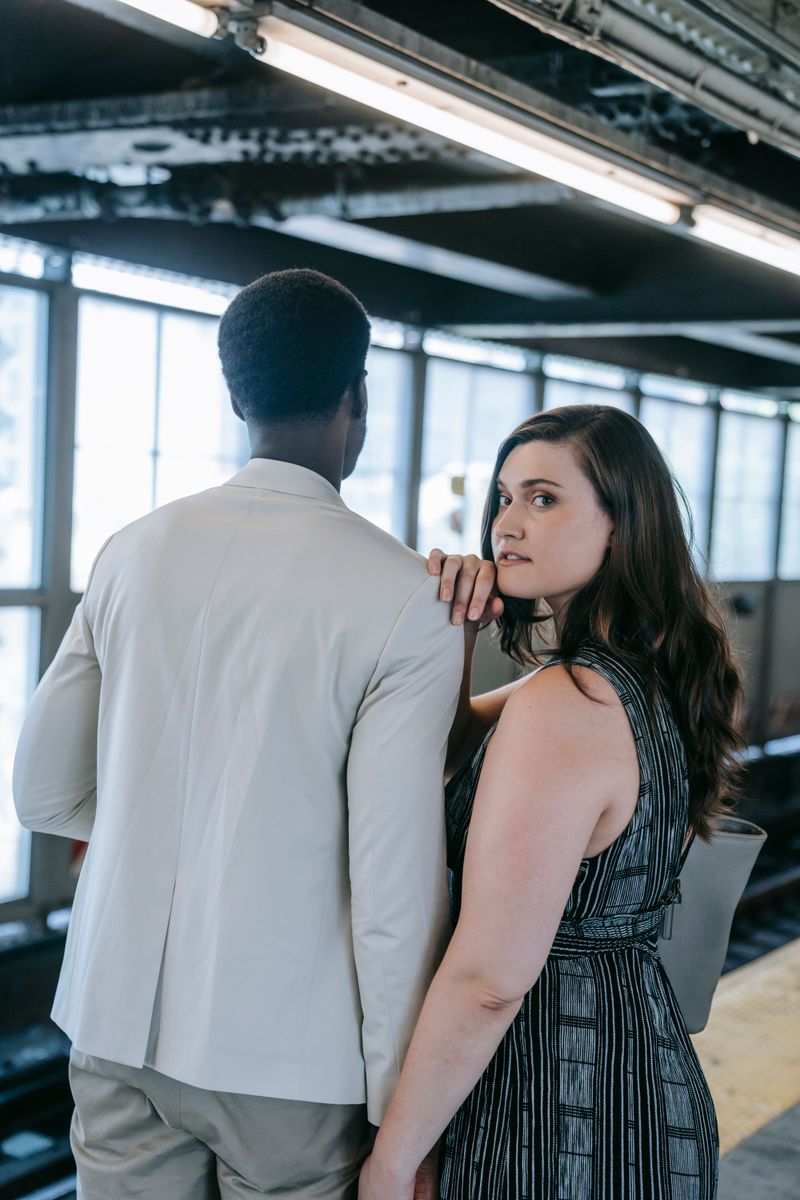
Standing so close in line that you can read someone’s text messages is a surefire way to make them uncomfortable.
Personal space matters, even in busy places.
A gentleman keeps a comfortable distance from strangers when possible.
In lines, he leaves a little gap instead of hovering over the next person’s shoulder.
On crowded trains, where space is tight, he keeps his bags close and avoids spreading out across extra seats.
Boundaries go beyond physical space.
Prying into someone’s personal life, commenting on their appearance, or asking nosy questions can feel intrusive.
If someone seems uninterested in chatting, a polite nod is enough.
Touch deserves extra care too.
Some people love hugs, while others prefer a handshake or a simple wave.
Following the other person’s lead avoids awkward or unwelcome moments.
Comfort zones can differ by culture, family background, and personality.
A friendly backslap might feel natural to one person and startling to another.
Watching body language, like stepping back or crossing arms, gives helpful clues.
Respecting boundaries shows that you value people as individuals, and that kind of awareness makes public spaces feel a lot more relaxed for everyone sharing them.