 MomSkoop

Early dates can feel like a minefield, especially when small habits reveal bigger issues. I want to help you spot common behaviors that unintentionally turn women off so you can do better. Read on for clear examples and gentle alternatives that actually work.
1. Complaining About Modern Dating
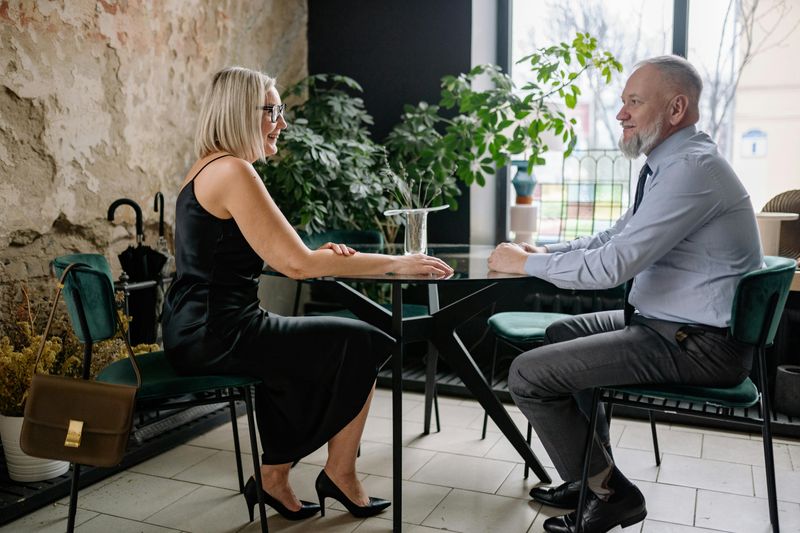
I notice that when a man spends the first date complaining about modern dating, it creates a negative tone fast.
Women pick up on that energy and it makes the conversation feel like a therapy session rather than a chance to connect.
Complaints about apps, ghosting, or “kids these days” can come across as bitter or stuck in the past.
Instead of listing grievances, I recommend asking curious, upbeat questions that invite stories and shared experiences.
Keep the mood light and show adaptability – that goes much further than a rant about how dating used to be.
2. Comparisons with Exes

Bringing up an ex as a comparison on an early date is a quick way to dampen chemistry.
It signals unresolved feelings and invites awkwardness, which is the opposite of building trust and curiosity.
Women often interpret comparisons as a measuring game where they may never measure up, and that can shut down openness.
If you want to highlight something you liked before, frame it as a neutral preference rather than a benchmark to beat.
Focus on the present person sitting across from you and ask about her preferences instead – that creates intimacy without baggage.
3. Oversharing About the Past

Dumping too many personal details from decades past on a first or second date can overwhelm anyone.
Women might feel burdened by intimate trauma, long-winded career histories, or excruciating financial troubles before a rapport has been built.
Early dates are for tasting the person, not full autobiographies that eat up time and emotional space.
Save deep revelations for when trust has already developed and both people are willing to support one another.
I suggest keeping stories concise and relevant – a few vivid anecdotes show personality without offloading your entire emotional load too soon.
4. Constantly Discussing Age

Talking obsessively about age during early dates tends to make the encounter awkward and uncomfortable.
When the conversation keeps circling birth years, milestones, or physical decline, it signals anxiety rather than confidence.
Women often want to connect over values, interests, and humor instead of a countdown to age-related concerns.
Mentioning age once or twice is fine, but turning it into the theme of the date can feel limiting and morbid.
Shift the focus to shared activities, curiosity, and energy levels – those details tell you more about compatibility than a number ever will.
5. Acting Rigid

Rigid behavior – insisting on plans, routines, or ways of doing things without flexibility – quickly kills the easygoing vibe of early dates.
Women appreciate partners who can adapt and laugh when plans shift or mishaps happen.
Sticking stubbornly to a script or schedule makes the date feel like an interrogation, not a chance to explore chemistry.
Flexibility shows emotional maturity and a willingness to co-create experiences together.
Practice offering options and asking preferences instead of dictating the agenda – that invites collaboration and warmth rather than control.
6. Showing Poor Emotional Regulation

When emotions spike quickly – anger, impatience, or defensiveness – it creates discomfort and signals instability on a date.
Women notice if a man struggles to stay calm or takes small slights too personally.
Emotional regulation is about being steady under stress and able to communicate needs without turning tense or hostile.
If the first date includes visible outbursts or sulking, it’s a major red flag for future conflict management.
Demonstrating calm curiosity and the ability to pause when upset makes you more approachable and trustworthy than reactive passion ever could.
7. Talking More Than Listening

Dominating conversation and not giving space for the other person to speak is a common turn-off on early dates.
Women value being heard and appreciated, and monologues can feel dismissive and self-centered.
Listening actively – asking follow-ups and reflecting feelings – demonstrates respect and genuine curiosity.
If you catch yourself doing all the talking, pause and invite her perspective instead of filling every silence.
Balanced exchanges create rapport, while one-sided speeches make it hard to know if interests align.
Aim for meaningful back-and-forth rather than a performance.
8. Trying Too Hard to Look Young

Desperately trying to appear younger through clothing, slang, or stories can come off as inauthentic and mildly embarrassing.
Women usually prefer honesty and someone comfortable in their stage of life rather than forced imitation of youth culture.
Overcompensation raises questions about self-acceptance and long-term compatibility.
Instead of chasing a youthful image, emphasize vitality through hobbies, humor, and curiosity that naturally signal an active life.
Confidence in your current identity is more attractive than any attempt to rewind the clock – be real and energetic without pretending to be someone else.
9. Being Overly Pessimistic

Consistently negative comments about the world, relationships, or future prospects drain the mood on early dates fast.
Women are generally drawn to partners who offer hope and constructive perspectives rather than chronic gloom.
Pessimism can make you seem closed off to possibilities and enjoyment, which undermines shared adventure.
Switching to solution-focused or curious framing shows resilience and emotional resourcefulness.
Avoid turning the date into a venting session; instead, sprinkle in hopeful anecdotes or plans that reveal a capacity for joy and forward momentum.
10. Expecting Praise for Basic Behavior

Expecting compliments or gratitude for simple courtesies like opening a door or paying the bill can come across as insecure or entitled on early dates.
Women notice when basic kindnesses are treated as exceptional rather than normal courtesy.
Acts of consideration should be genuine and not performed for validation or public applause.
If gestures are transactional, they lose warmth and feel manipulative instead of thoughtful.
Practice doing nice things without announcing them or expecting a medal – sincerity makes the behavior meaningful and builds real rapport.
11. Rushing Intimacy

Pressuring for physical or emotional intimacy too early creates discomfort and signals a lack of respect for boundaries.
Women often pull back when the pace feels accelerated or manipulative, even if the intention is affection.
Building trust takes time, and early dates are for testing comfort levels and shared values.
If intimacy is rushed, it sinks future potential because it undermines safety and mutual consent.
Prioritize clear communication and read consent cues – moving slowly and attentively shows maturity and increases the chance of deeper connection later.
12. Patronizing Her

Speaking in a condescending or overly protective tone makes a woman feel diminished rather than admired, and that tone quickly kills attraction.
Patronizing comments can be subtle but they build a barrier to equal partnership.
Women appreciate respect, autonomy, and being treated as an equal rather than someone who needs advice at every turn.
If you catch yourself explaining things unnecessarily, pause and ask if she wants input or prefers to share her view.
Approach conversations with curiosity and humility – that fosters equality and allows authentic connection to grow.