 MomSkoop

Some people just have a way of making everyone around them feel comfortable and respected. Polite people are not born that way overnight; they build small habits that become second nature over time.
These everyday actions might seem simple, but they make a huge difference in how others feel. Read on to discover the 12 things truly polite people do without even thinking about it.
1. Say Please and Thank You
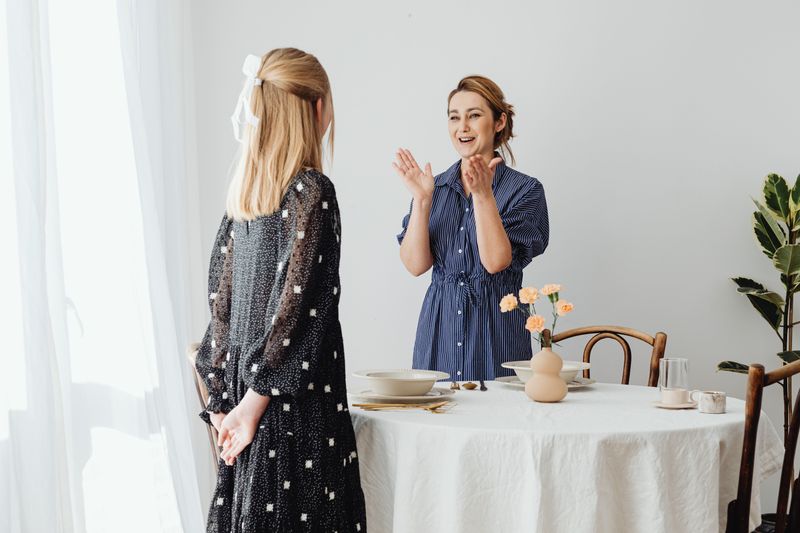
Two small words carry more weight than most people realize.
Saying “please” and “thank you” signals that you see the other person as a human being, not just someone there to serve you.
These phrases cost nothing but leave a lasting impression.
Studies on social behavior show that gratitude strengthens relationships and even boosts the mood of both the giver and receiver.
When you say thank you sincerely, people remember it.
Kids who grow up hearing these words regularly tend to use them naturally as adults.
Making “please” and “thank you” a daily habit is one of the easiest ways to show respect.
Start small, stay consistent, and watch how people respond with more warmth.
2. Hold the Door for Others
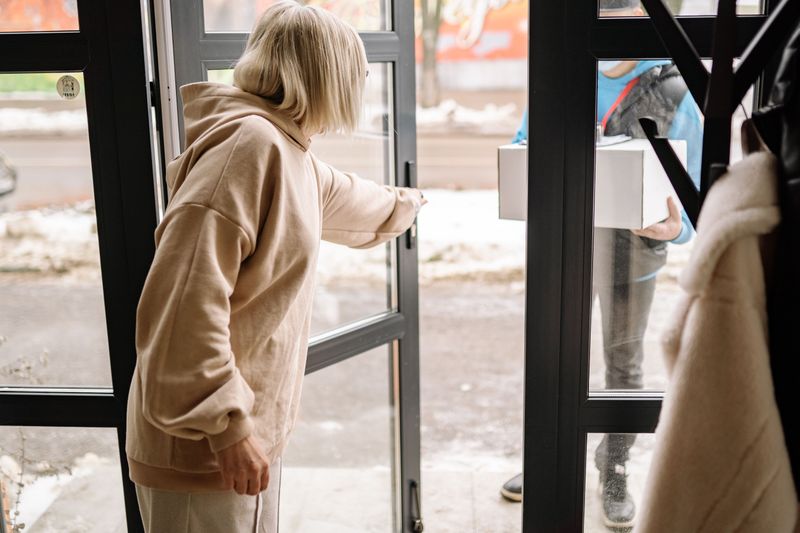
Picture this: you walk toward a door, and someone ahead of you lets it swing shut right in your face.
Not a great feeling, right?
Holding the door open for someone takes about three seconds but sends a clear message that you notice and care about the people around you.
This small act of courtesy has been a social norm for centuries across many cultures.
It is especially meaningful when done for someone carrying bags, pushing a stroller, or moving slowly.
Polite people do it automatically without expecting applause or a reward.
The habit also creates a ripple effect.
When someone holds the door for you, you are more likely to do it for the next person.
Kindness really is contagious.
3. Let People Finish Speaking
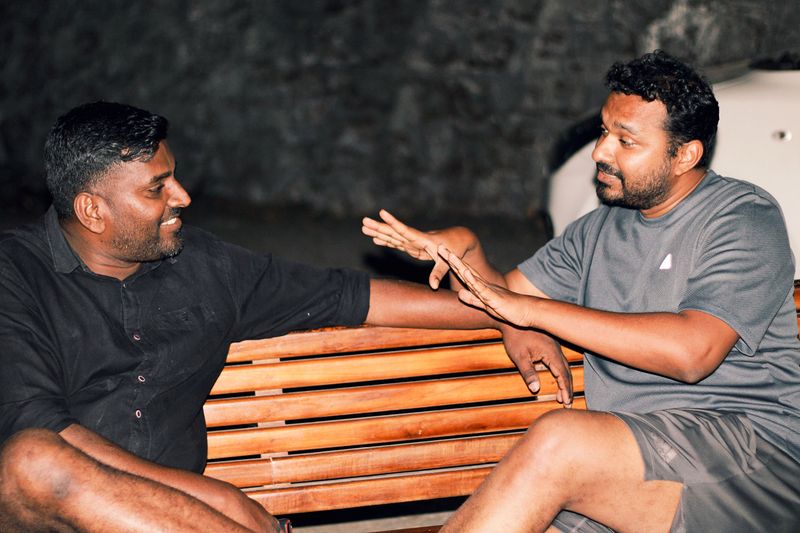
Interrupting someone mid-sentence is one of the fastest ways to make them feel unimportant.
Polite people have mastered the art of patience in conversation.
They wait, listen, and only respond once the other person has fully expressed their thought.
Active listening is actually a skill that many adults never fully develop.
When you genuinely wait for someone to finish, you absorb more of what they are saying and give a much better response.
It also shows confidence because you are not scrambling to get your words in.
Next time you feel the urge to jump in, take a breath and hold on.
The person speaking will notice your patience, and the conversation will flow far more naturally as a result.
4. Offer Their Seat When Someone Needs It More
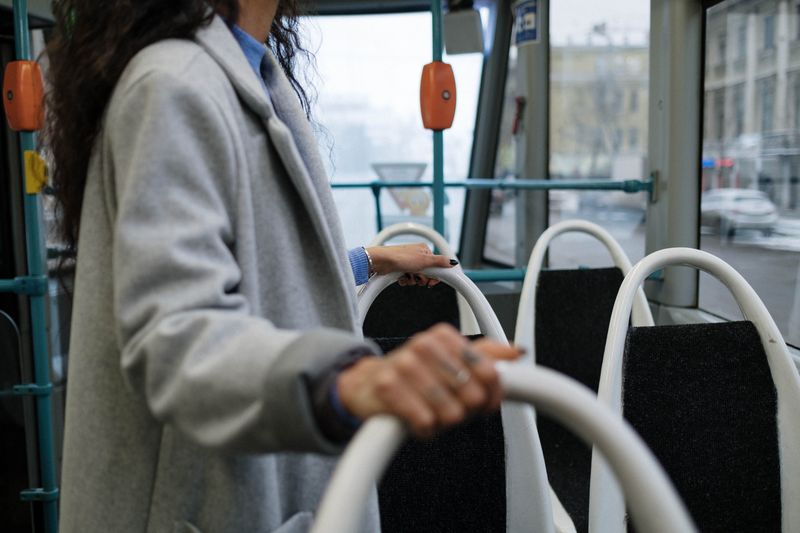
On a packed subway or a crowded waiting room, spotting someone who needs a seat more than you do and acting on it is a quiet form of generosity.
Polite people do not wait to be asked.
They read the room, notice the elderly passenger or the exhausted parent, and simply stand up.
This habit reflects empathy in action.
You are putting another person’s comfort ahead of your own convenience, even briefly.
That shift in perspective is something genuinely polite people carry with them everywhere they go.
Interestingly, offering your seat can spark a chain reaction of goodwill in a crowded space.
One selfless move often inspires others nearby to pay attention and look out for each other too.
5. Apologize When They Make a Mistake
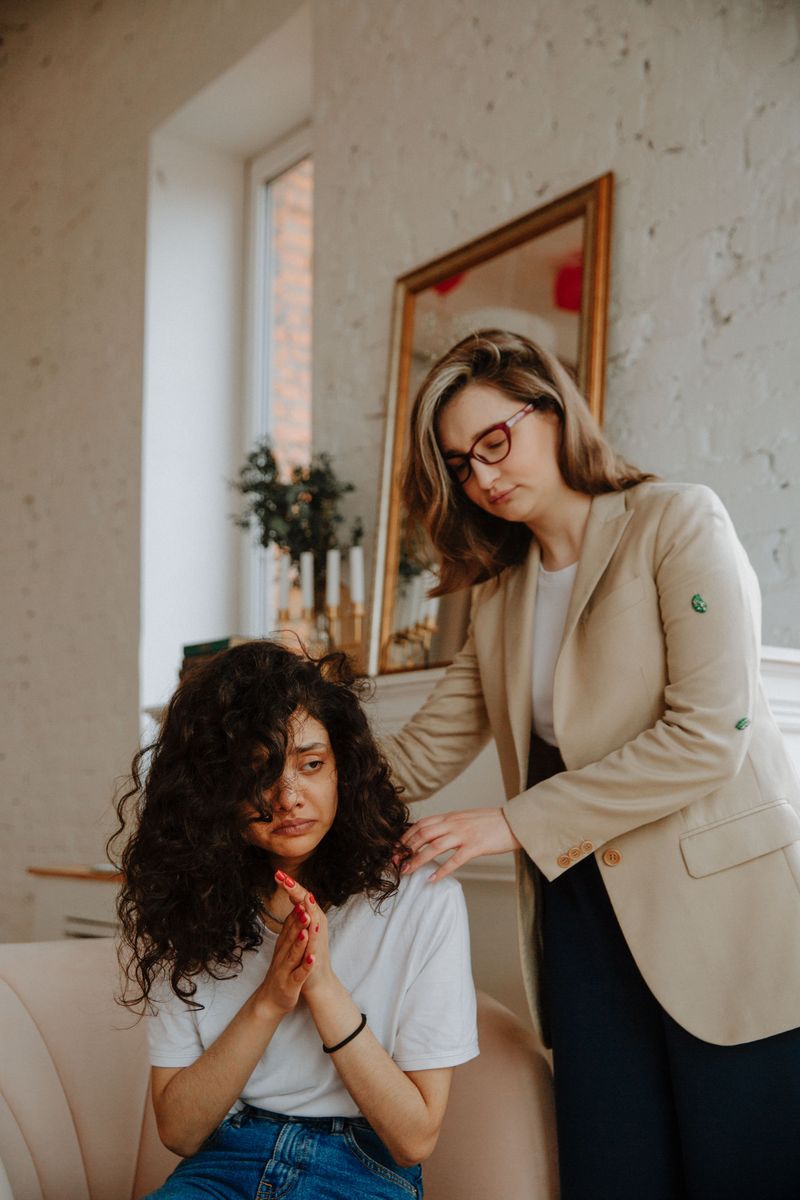
Everyone messes up.
The difference is what you do next.
Polite people do not make excuses or shift the blame onto someone else.
They own their mistakes, say sorry clearly, and mean it.
A genuine apology can repair trust faster than almost anything else.
The key word here is “genuine.” Saying sorry just to end an argument does not count.
Real apologies acknowledge what went wrong, show that you understand the impact, and signal that you will try to do better.
That combination is powerful and rare.
Apologizing also takes courage.
It means setting your ego aside and putting the relationship first.
Polite people understand that admitting fault is not a weakness.
It is actually one of the strongest things a person can do.
6. Keep Their Voice Down in Public
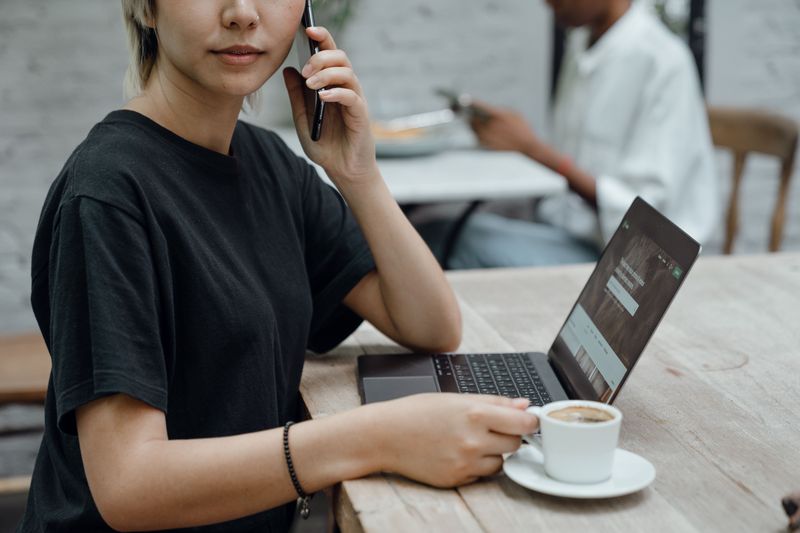
Have you ever been in a quiet restaurant and had your whole meal disrupted by someone at the next table practically shouting into their phone?
It is an experience most people know too well.
Polite individuals are naturally aware of their volume in shared spaces.
Keeping your voice at an appropriate level in public shows that you respect the people around you.
Libraries, movie theaters, hospitals, and public transit all have their own unwritten sound expectations.
Polite people pick up on those cues and adjust without being reminded.
This habit also reflects self-awareness, one of the core qualities of truly considerate people.
Being mindful of how much space your noise takes up is a simple but meaningful way to coexist respectfully with strangers every single day.
7. Put Their Phone Away During Conversations
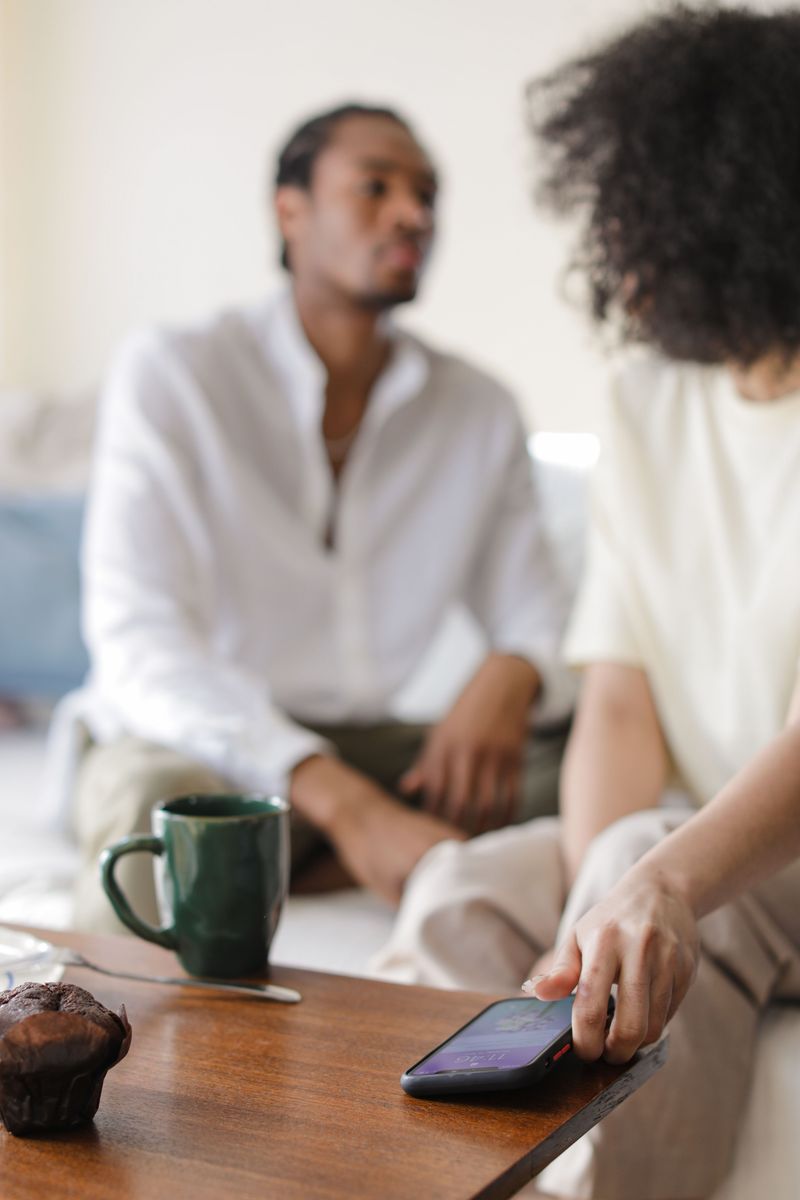
Few things feel as dismissive as talking to someone who keeps glancing at their phone.
Polite people know this, and they make a point of putting their device away when someone is speaking to them.
Full attention is one of the greatest gifts you can offer another person.
Research from multiple universities has shown that even having a phone visible on a table during a conversation reduces how connected both people feel.
The device does not even need to be in use.
Its presence alone signals divided attention.
Choosing to put the phone away is a small but powerful statement.
It says, “You matter more than my notifications right now.” In a world that is constantly buzzing for attention, that choice stands out more than ever before.
8. Give Others Enough Personal Space
Standing too close to someone you barely know can make them feel uneasy or even trapped.
Polite people naturally respect personal boundaries, maintaining a comfortable distance in conversations and in crowded settings.
Most cultures have an unspoken “bubble” of personal space that people expect to be honored.
In fact, the concept of personal space was first studied by anthropologist Edward T.
Hall in the 1960s.
He found that most people in Western cultures prefer about an arm’s length between themselves and acquaintances.
Crossing that boundary without permission can trigger real discomfort.
Being mindful of space shows emotional intelligence.
Polite individuals read body language, notice when someone steps back, and adjust accordingly.
That sensitivity makes others feel safe and respected in their presence without a single word being spoken.
9. Clean Up After Themselves

Leaving a mess for someone else to deal with is one of the most passive ways of saying you do not care about the people around you.
Polite people clean up after themselves whether they are at home, at work, or out in public.
It is a habit rooted in accountability and basic respect.
Think about shared spaces like break rooms, public restrooms, or picnic areas.
When one person leaves things clean, others are more likely to follow suit.
The reverse is also true.
A messy space gives others silent permission to add to the chaos.
Cleaning up after yourself also takes the burden off custodians, coworkers, and family members who would otherwise handle it.
Recognizing that your actions affect others is the foundation of truly considerate behavior.
10. Show Up on Time
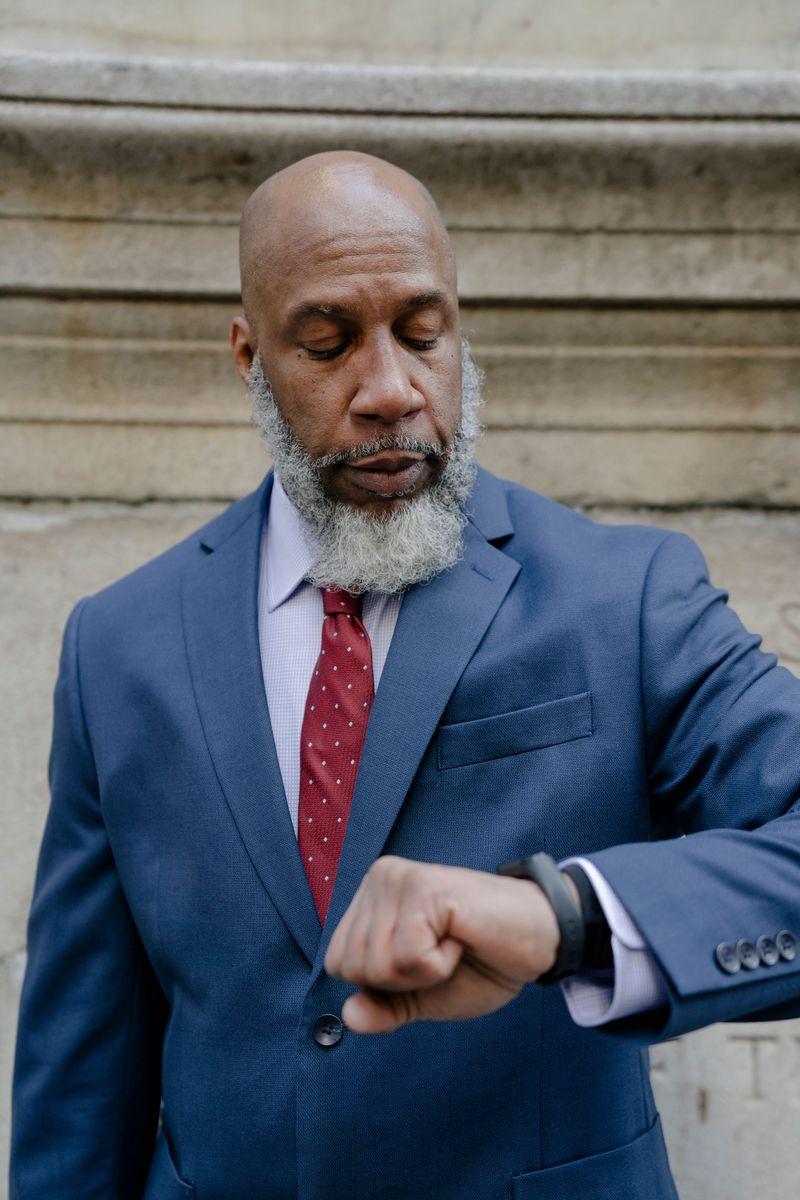
Punctuality is a form of respect that often goes unspoken.
When you show up on time, you are telling the other person that their schedule and their time matter to you.
Polite people take this seriously, whether it is a casual lunch with a friend or an important work meeting.
Chronically running late sends the opposite message, even if that is never the intention.
It signals that your time is more valuable than theirs, and over time, it erodes trust.
People start to plan around your tardiness, which is a frustrating position to put them in.
Building punctuality into your routine is mostly a planning habit.
Leave a few minutes earlier than you think you need to.
That buffer alone can transform how reliably you show up for the people who count on you.
11. Offer Help Without Being Asked
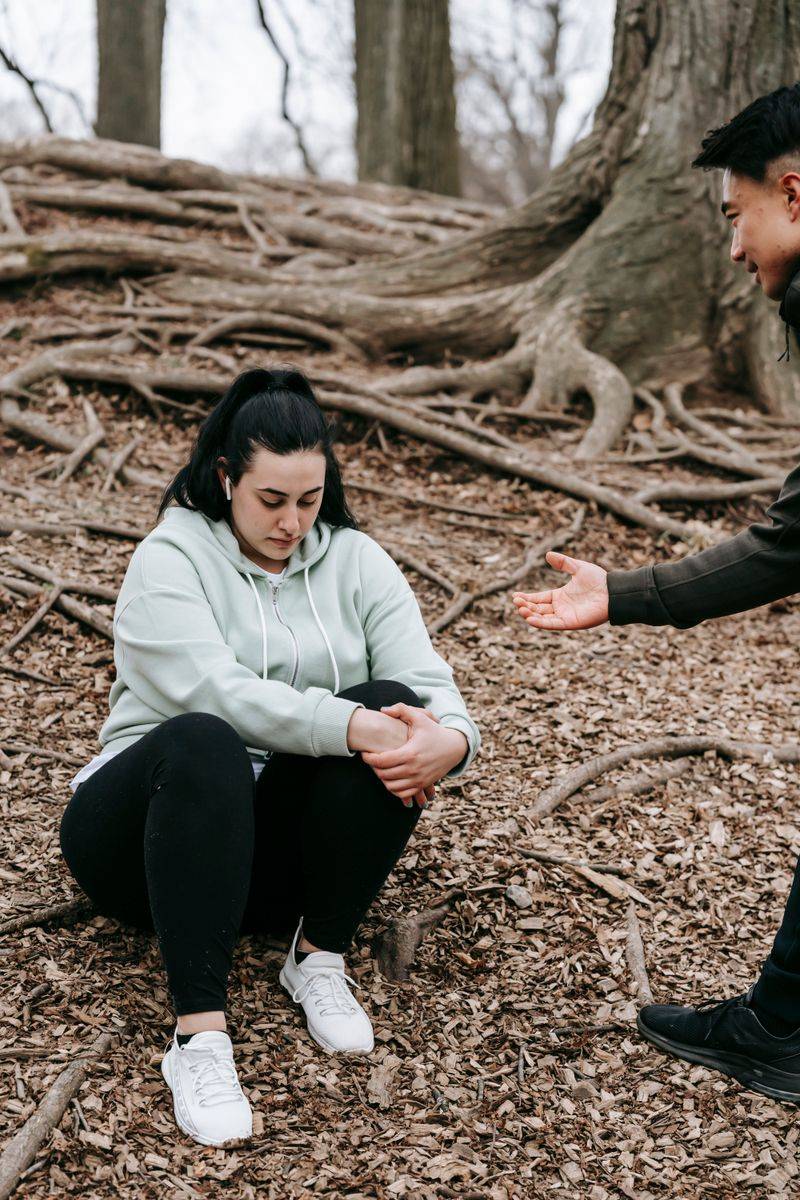
There is something genuinely heartwarming about a person who sees a need and steps in before anyone has to ask.
Polite people are observant.
They notice when a coworker is overwhelmed, when a neighbor is struggling with heavy bags, or when a friend looks like they could use a hand.
Waiting to be asked can sometimes be too late.
The moment passes, the struggle continues, and the opportunity to connect through kindness is gone.
Offering help proactively shows that you are paying attention and that you genuinely care about the people in your world.
Of course, reading the situation matters.
Always offer in a way that does not embarrass or pressure the other person.
A simple, “Can I give you a hand?” is usually all it takes to make someone’s day noticeably better.
12. Treat Everyone With the Same Respect
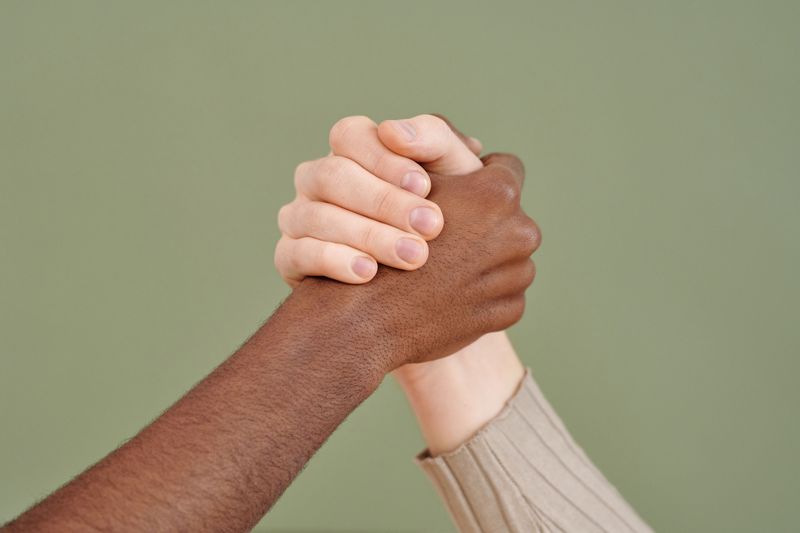
How you treat people who can do nothing for you says everything about your character.
Polite people do not reserve their best manners for bosses, clients, or people they want to impress.
They are just as kind to the janitor as they are to the CEO, and they mean it both ways.
This consistency is rare and powerful.
Most people sense immediately when they are being treated differently based on their job title, appearance, or social status.
That sting of being dismissed or overlooked is something genuinely respectful people work hard never to cause.
Equal respect is not about pretending everyone is identical.
It is about recognizing that every person deserves basic dignity.
Polite individuals carry that belief with them into every room they enter, and it shows in everything they do.