 MomSkoop

We live in a world that loves to make certain things look prettier than they really are.
From movies to social media, we are constantly fed ideas about what life, love, and success are supposed to look like.
But many of these ideas are doing more harm than good, especially for women.
Here are 12 things we seriously need to stop putting on a pedestal.
1. Treating Romantic Relationships Like the Ultimate Life Goal

Somewhere along the way, society decided that finding “the one” is the greatest thing a woman can accomplish.
Movies, songs, and even well-meaning relatives reinforce this idea constantly.
But a relationship is not a finish line.
Your worth is not measured by your relationship status.
Plenty of deeply fulfilled women are single, and plenty of unhappy women are partnered up.
Chasing love as a goal rather than a natural connection often leads to settling for less than you deserve.
Focus on building a life you love first.
Love can be a beautiful part of that life, but it should never define it.
2. The Idea That Losing Your Virginity Is Some Magical, Perfect Moment

Pop culture has spent decades selling the idea that a first sexual experience is supposed to be cinematic, painless, and deeply meaningful.
That is a lot of pressure to put on one moment.
For many people, the reality is awkward, confusing, or simply unremarkable.
Building up this moment as something sacred can leave people feeling like they did something wrong when it does not match the fantasy.
That shame is unnecessary and unfair.
Your first time does not define your sexuality or your worth.
What matters far more is that any sexual experience you have is safe, consensual, and on your own terms.
3. Motherhood as Something Purely Beautiful and Fulfilling

Motherhood can absolutely be meaningful and joyful.
But the version we often see on social media, glowing moms in matching outfits with perfectly behaved children, is missing a huge chunk of the truth.
Raising children is exhausting, emotionally draining, and relentless.
Many mothers feel guilt, grief for their former lives, and a deep sense of isolation.
These feelings are normal, but they rarely get airtime because they do not fit the “blessed” narrative.
When we romanticize motherhood, we set women up to feel like failures when reality hits.
Honest conversations about the hard parts are not pessimistic.
They are necessary and overdue.
4. Being Constantly Busy or Overworked as a Sign of Success

“I have been so busy lately” has somehow become a humble brag.
Hustle culture convinced an entire generation that rest is laziness and that your calendar should always be overflowing.
But exhaustion is not a trophy.
Chronic overwork leads to burnout, health problems, strained relationships, and a complete loss of joy.
Being productive is great, but running yourself into the ground is not ambition.
It is self-destruction with a motivational quote slapped on top.
Real success includes having time to breathe, laugh, and simply exist.
Protecting your energy is not weakness.
It is one of the smartest things you can do for yourself.
5. The Fantasy Version of Romance Itself

Movies have a lot to answer for.
Grand gestures, perfectly timed confessions, and love interests who always know exactly what to say have warped what many people expect from real relationships.
Actual romance is much quieter and far less dramatic.
Real love looks like someone remembering how you take your coffee, showing up when things are hard, or simply sitting in comfortable silence together.
It is built slowly through small, consistent moments, not sweeping declarations.
When the fantasy does not match reality, people abandon perfectly good relationships chasing something that does not exist.
Appreciating the real thing is a skill worth developing.
6. Picture-Perfect Weddings and Relationships for Social Media

Wedding culture has gone completely off the rails.
What used to be a personal celebration has turned into a performance, carefully curated for an audience of followers who will scroll past it in three seconds.
Couples go into serious debt chasing the “perfect” day.
Beyond weddings, many relationships exist primarily for content.
Couples post highlight reels while hiding real problems, creating a false image that puts pressure on everyone watching to measure up.
A relationship that looks good online but feels hollow in private is not something to envy or aspire to.
The best relationships rarely need an audience to feel real.
7. The “Perfect Life” Timeline: Career, Marriage, Kids, House

By 25, you should have a career.
By 28, a serious relationship.
By 30, married.
By 32, kids.
By 35, a house.
Sound familiar?
This rigid timeline has caused an enormous amount of unnecessary anxiety for women who are simply living life at their own pace.
Life does not follow a script, and it should not have to.
Some people find their calling at 40.
Some have kids young and thrive.
Others never want them and are completely content.
Measuring your life against a checklist someone else wrote is a fast track to feeling like you are always behind.
You are not behind.
You are just living your own story.
8. Toxic or “Crazy” Exes Being Seen as Dramatic or Exciting

There is a strange tendency to turn chaotic relationship stories into entertainment.
The jealous ex, the unpredictable partner, the relationship that was “so intense” it burned everything down.
These stories get laughs at brunch, but they deserve a second look.
Describing controlling behavior, emotional manipulation, or volatility as “passionate” or “exciting” is dangerous.
It normalizes patterns that are genuinely harmful and can make people more likely to repeat them.
Drama in a relationship is not a sign of deep connection.
It is usually a sign of incompatibility, poor communication, or worse.
Calm, steady love is not boring.
It is actually the goal.
9. Suffering as Something Noble or Character-Building

“Pain makes you stronger.”
“Everything happens for a reason.”
“What does not kill you makes you stronger.”
These phrases are meant to comfort, but they can also pressure people to endure things they should walk away from.
Not every hard experience is a lesson.
Sometimes bad things just happen, and surviving them does not automatically make you wiser or more resilient.
Framing suffering as noble can stop people from seeking help or removing themselves from harmful situations.
You do not have to earn your peace through pain.
Choosing comfort, safety, and ease is not weakness.
Protecting yourself is one of the bravest things you can do.
10. Struggling in Silence Instead of Asking for Help

Somewhere, the idea of the strong, silent woman who handles everything alone became aspirational.
She never complains, never asks for help, and somehow keeps it all together.
But that image is not strength.
It is isolation with better PR.
Asking for help is one of the most emotionally intelligent things a person can do.
It requires self-awareness, trust, and courage.
Suffering in silence, on the other hand, leads to resentment, burnout, and mental health struggles.
You were never meant to carry everything alone.
Leaning on others does not make you weak or needy.
It makes you human, and there is real power in admitting that.
11. The Idea That Love Should Be Intense, Dramatic, or Painful

If you grew up watching telenovelas or certain romance films, you might have absorbed the idea that real love is supposed to hurt a little.
That the highs are worth the crushing lows.
That intensity equals depth.
It does not.
Relationships that run on emotional highs and lows are often signs of anxious attachment, incompatibility, or even manipulation.
The butterflies-and-heartbreak cycle can feel addictive, but it is not sustainable or healthy.
A loving relationship can be warm, consistent, and drama-free without being boring.
Feeling safe with someone is not a consolation prize.
For many women, it turns out to be the most romantic thing of all.
12. Sacrificing Your Well-Being Just to Maintain a Relationship
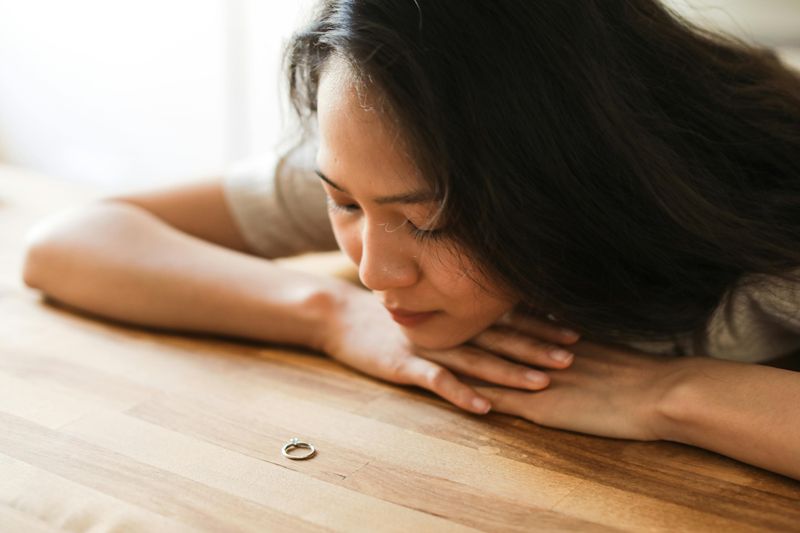
Giving up your friends, your hobbies, your goals, and your mental health to keep a relationship alive is not devotion.
It is self-erasure.
And yet, women are often praised for how much they sacrifice, as if losing themselves is proof of how deeply they love.
A healthy relationship should add to your life, not hollow it out.
A partner who requires you to shrink, disappear, or give up your identity is not someone worth keeping at that cost.
You are not a supporting character in your own story.
Your well-being is not negotiable.
Love that demands you abandon yourself is not love.
It is control wearing a romantic disguise.