 MomSkoop
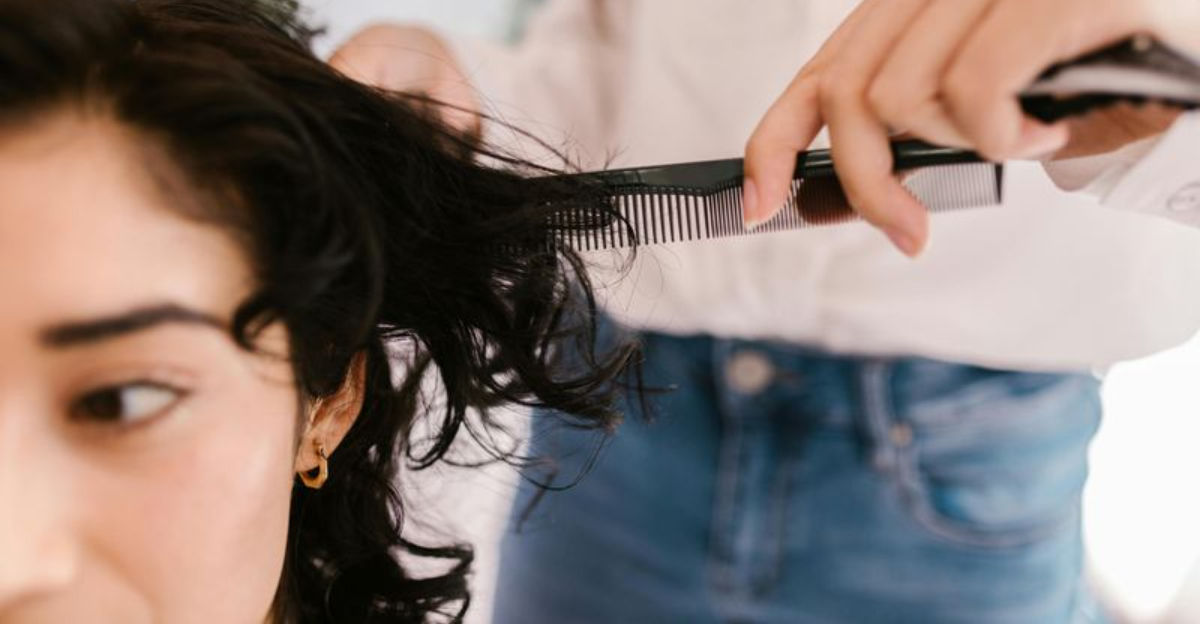
Your hairdresser genuinely loves helping you look and feel amazing, but there are a few things that happen in the salon chair that can make their job a lot harder. Most stylists are too polite to bring these things up, so the frustration quietly builds behind that friendly smile.
Knowing what not to do can actually improve your results and make every appointment smoother for everyone involved. Here are the habits your stylist secretly wishes you would leave at the door.
1. Showing Up Late
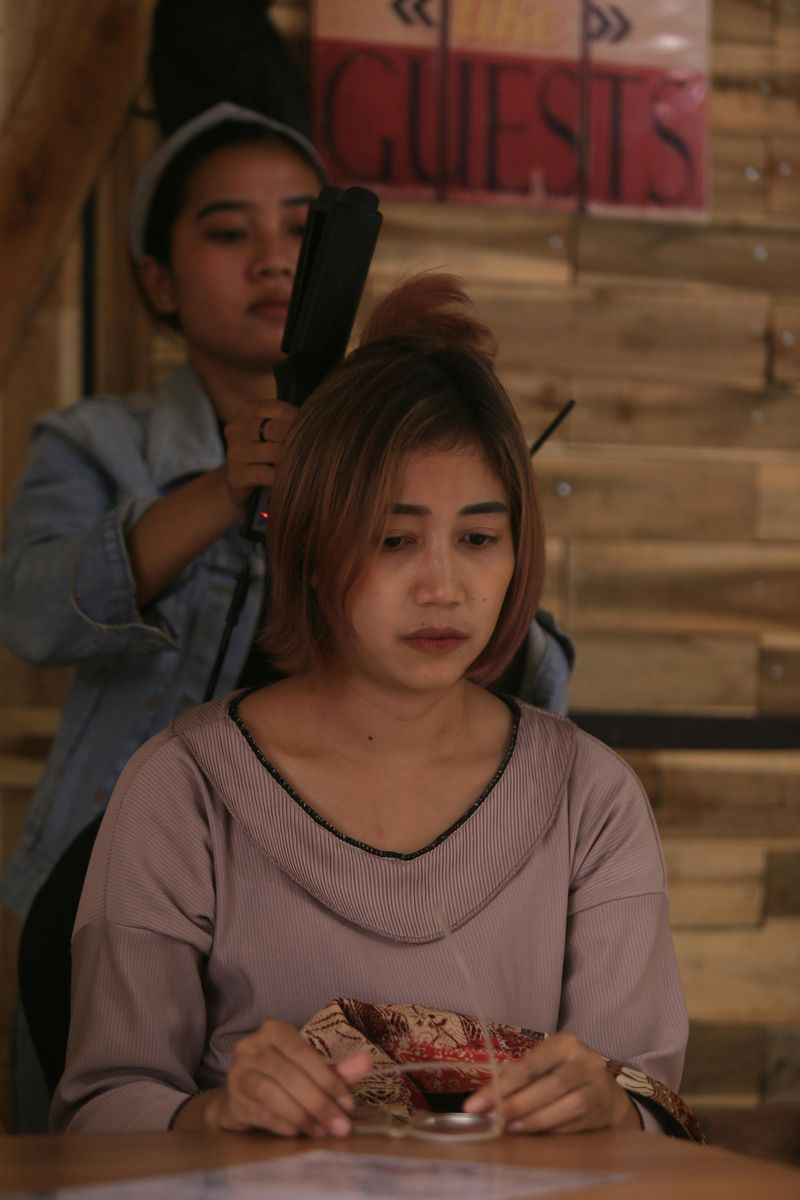
Running a few minutes behind might seem harmless, but even a 10-15 minute delay can throw off an entire day of back-to-back appointments.
Your stylist has carefully scheduled time for each client, and when one slot runs over, everyone else feels it.
Arriving late often means your service gets shortened so the next client isn’t kept waiting.
That could mean skipping a deep conditioning treatment or rushing through a blow-dry you were really looking forward to.
If you know you’re going to be late, call ahead so your stylist can adjust.
Being respectful of their time shows you value their work just as much as they value yours.
2. Coming In With Extremely Dirty or Product-Heavy Hair
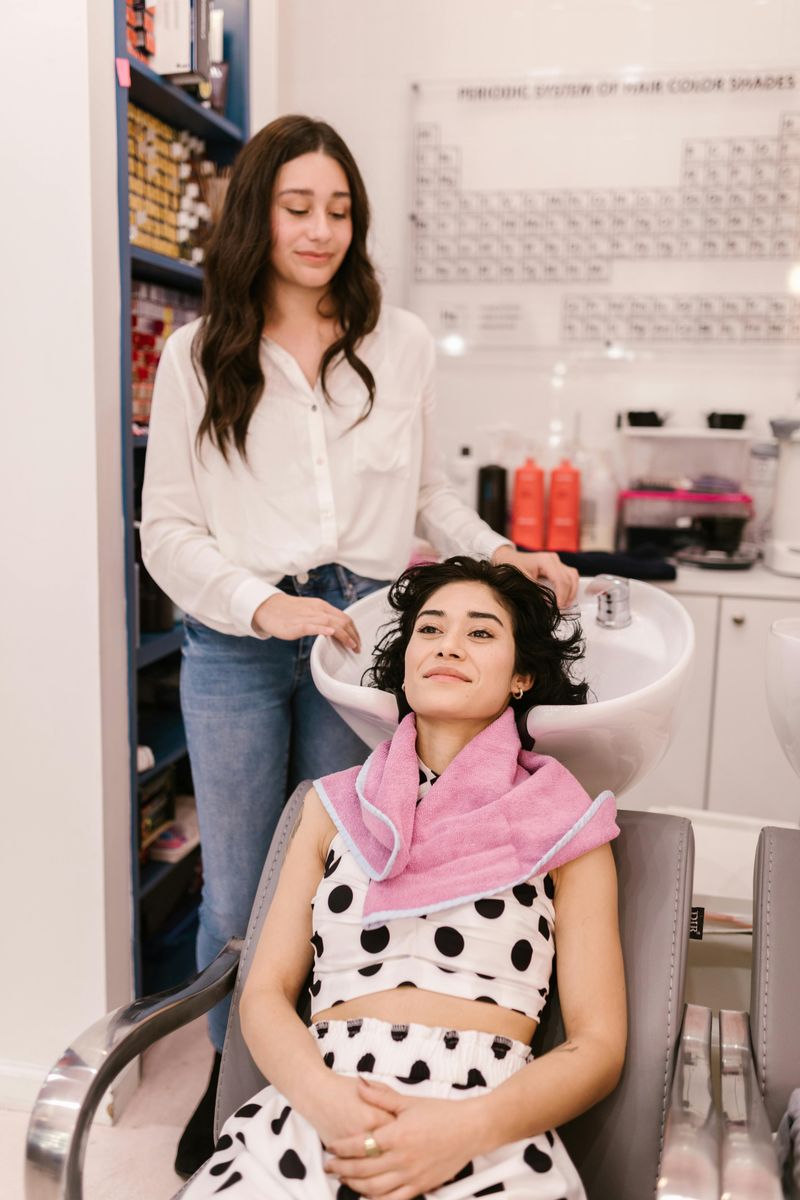
There’s a big difference between skipping one wash and showing up with weeks’ worth of dry shampoo, oils, and product buildup caked into your strands.
Heavy residue can actually interfere with how color adheres to the hair and how treatments penetrate the shaft.
Stylists understand that some natural oil is totally fine before a color appointment.
But when buildup is extreme, it can throw off the final result in ways that are tough to predict or fix.
A quick heads-up before your appointment gives your stylist time to plan accordingly.
They may ask you to wash beforehand or schedule extra time for a clarifying treatment so everything goes smoothly.
3. Using Box Dye Right Before Your Appointment
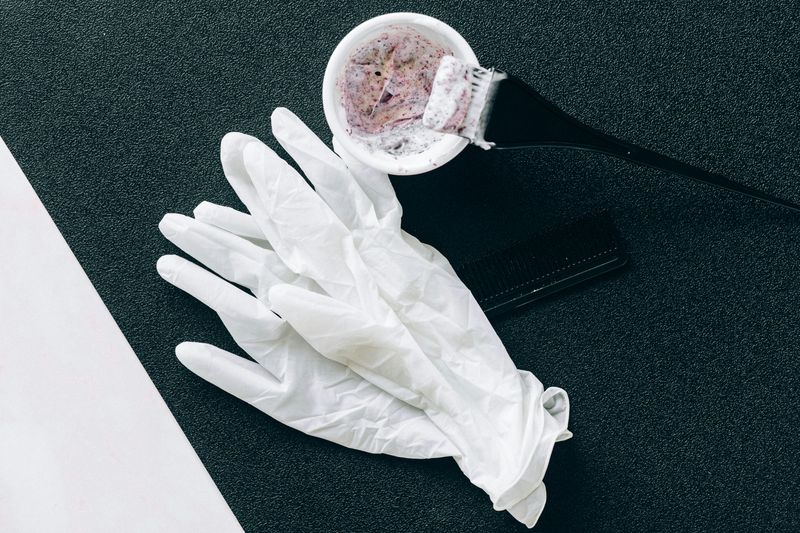
Box dye is one of the trickiest surprises a stylist can encounter.
The chemicals in at-home color kits are often unpredictable, and they can react badly with professional products in ways that damage hair or produce uneven, muddy results.
When a client comes in after recently using box dye, color correction becomes a much longer, more expensive process.
Your stylist has to figure out exactly what’s in your hair before they can safely move forward, and that takes real skill and time.
Always tell your stylist if you’ve used box dye, even months ago.
Honesty here protects both your hair and your wallet, and it helps your stylist deliver the best possible outcome for you.
4. Being Vague About What You Want
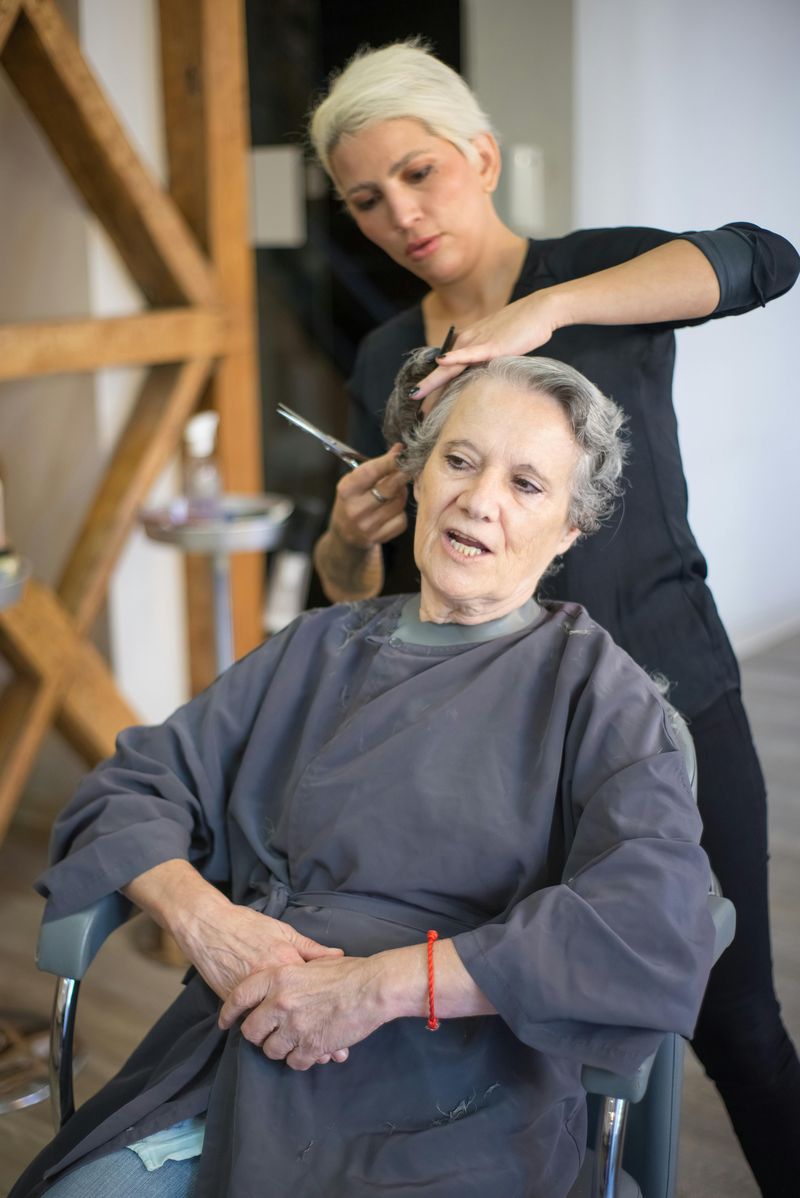
“Just do whatever you think” sounds easygoing, but it puts your stylist in a tricky spot.
Without clear direction, they’re essentially guessing what will make you happy, and that’s a gamble nobody wants to take when scissors are involved.
Phrases like “something different” or “a little shorter” mean completely different things to different people.
What feels like a trim to you might feel like a drastic chop to your stylist, or the other way around.
Bringing reference photos, describing your lifestyle, and talking about what you liked or didn’t like before all help enormously.
The more specific you can be, the easier it is for your stylist to give you exactly what you’re picturing.
5. Expecting Unrealistic Results From Photos
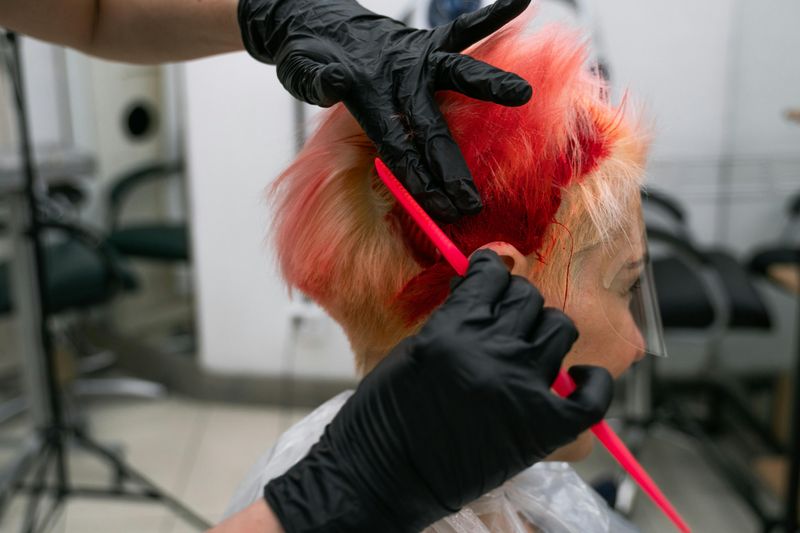
Pinterest and Instagram are full of stunning hair transformations, but what you see online isn’t always what’s possible in real life.
Lighting, professional photography, filters, and even Photoshop play a massive role in how those results look on screen.
Beyond that, hair type matters enormously.
A photo of silky, fine, platinum blonde hair on someone who started with untreated light brown hair is a very different starting point than dark, coarse, chemically processed hair that’s been colored multiple times.
Your stylist isn’t trying to crush your dreams when they manage expectations.
They’re protecting your hair and making sure the end result is something genuinely beautiful and achievable for your specific hair, not just a filtered version of someone else’s.
6. Not Mentioning Your Full Hair History
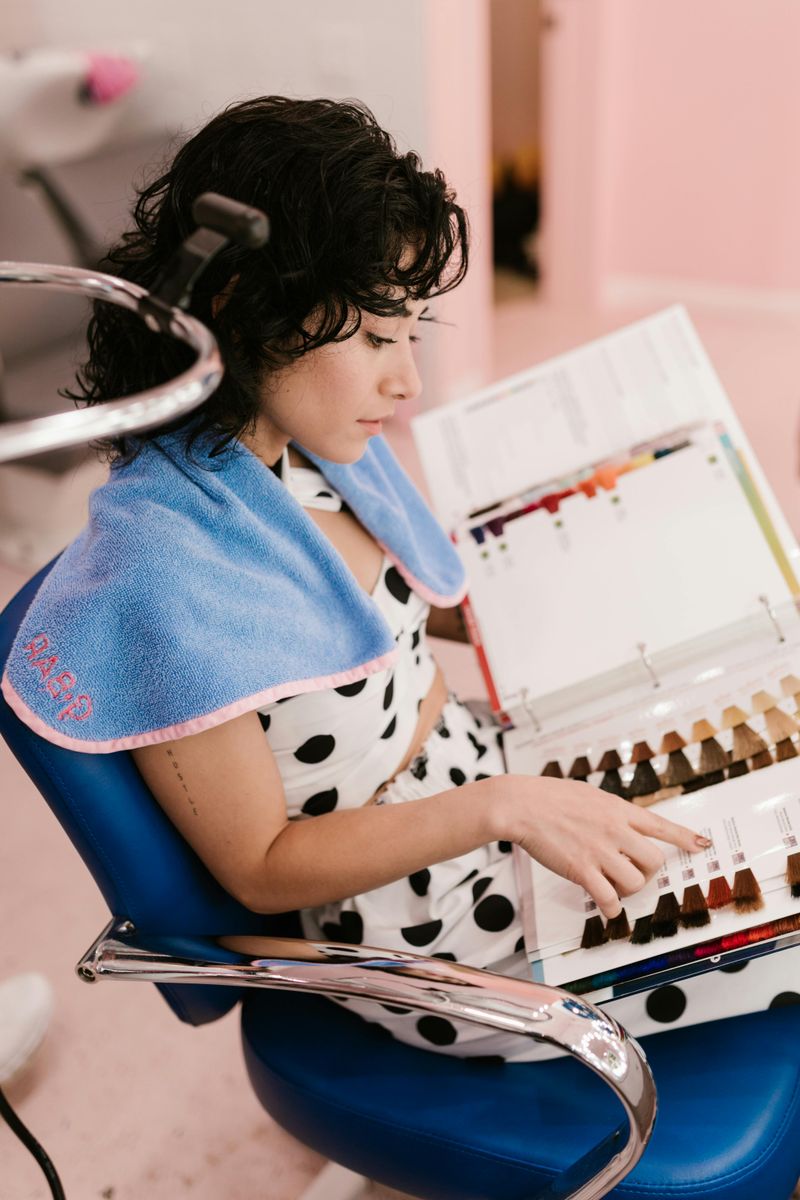
Your hair holds onto its past, even when you think it doesn’t.
Previous color, keratin treatments, relaxers, henna, and even certain clarifying shampoos all leave traces that affect how your hair responds to new treatments.
Skipping these details isn’t just unhelpful, it can be genuinely risky.
Mixing certain chemicals, like bleach over henna or color over a relaxer, can cause breakage, uneven results, or worse.
Think of your hair history like a medical history at the doctor’s office.
The more your stylist knows, the safer and more effective your appointment will be.
Even if something feels embarrassing to admit, your stylist has seen it all and just needs the facts to help you.
7. Moving Your Head Constantly During the Service
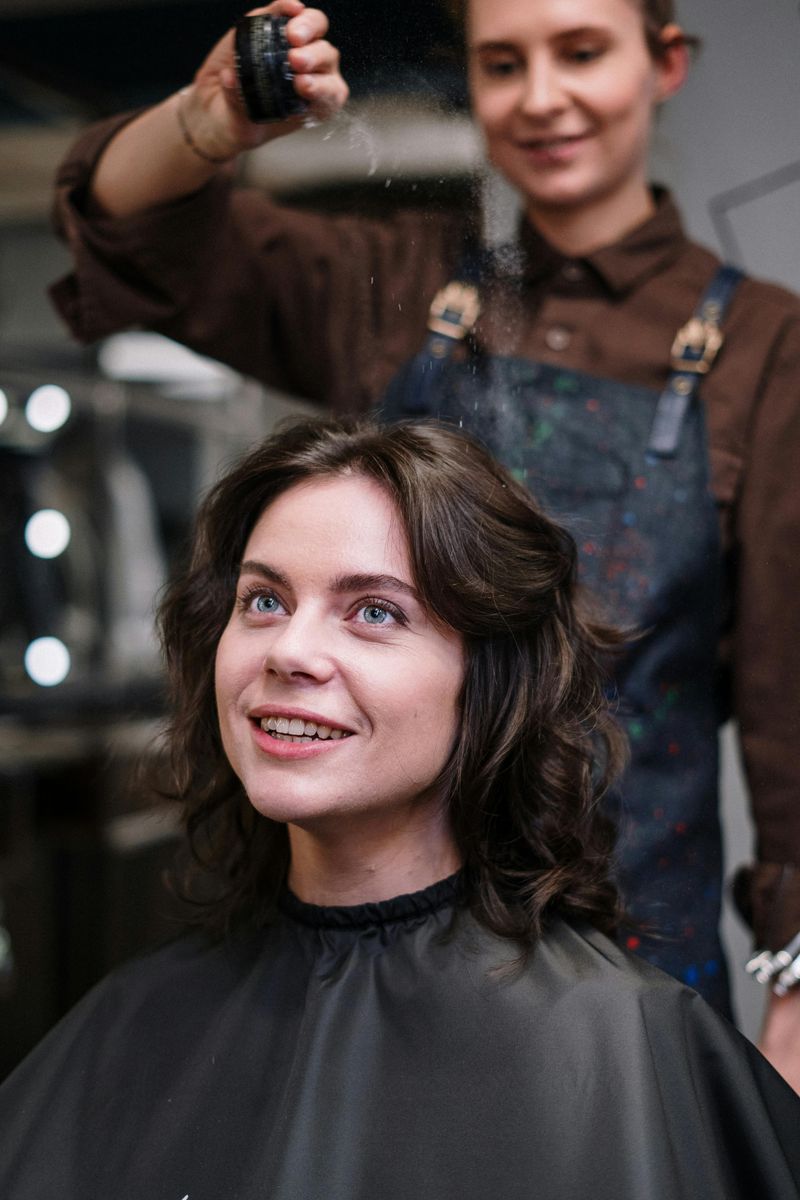
Staying still in the salon chair can feel surprisingly hard, especially during a long appointment.
But every time you move your head to glance at your phone, check a text, or look at something across the room, your stylist has to pause and readjust.
During a haircut, even a small head movement can throw off a line or layer.
During coloring, it can mean uneven sections and patchy results that take extra time to fix.
Your stylist will always tell you when it’s safe to move or turn your head.
Trusting their cues and resisting the urge to look around makes a real difference in the precision and quality of your finished look.
8. Talking on the Phone the Entire Appointment
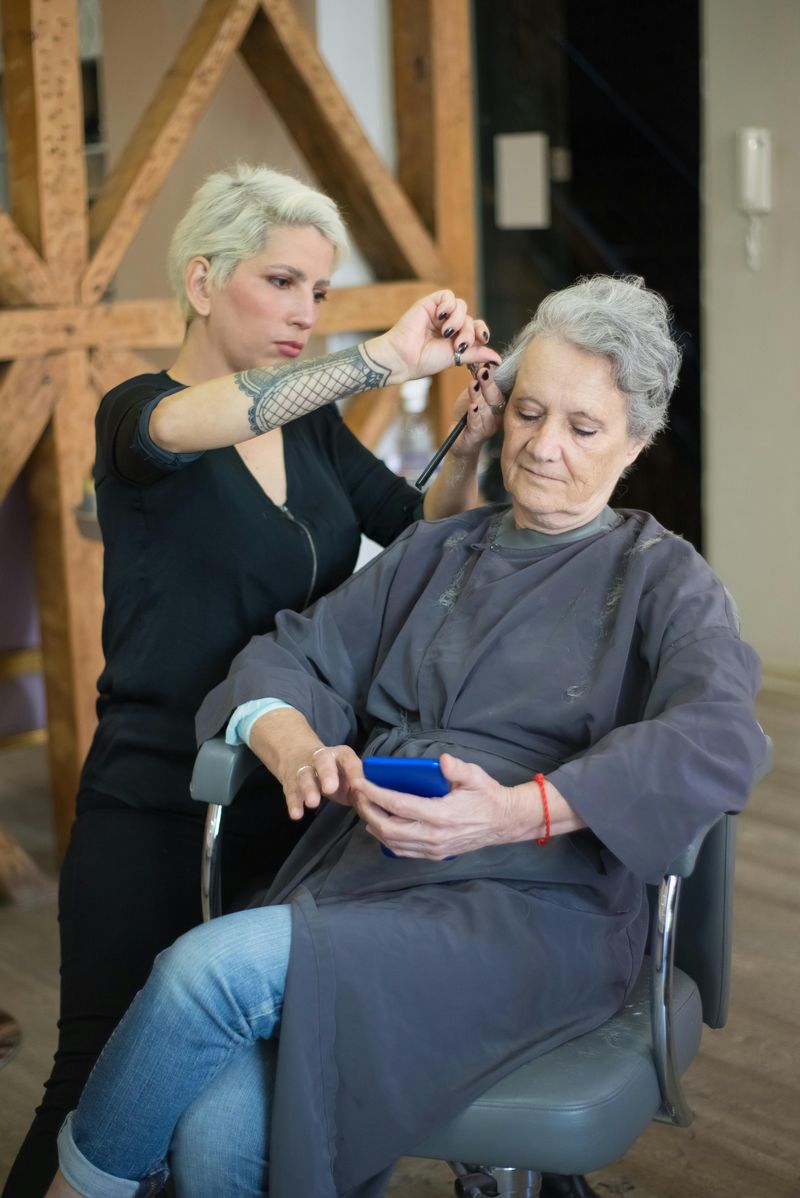
Everyone has busy days, and the occasional quick call is totally understandable.
But spending the entire appointment on your phone creates a communication barrier that makes it really hard for your stylist to do their best work.
There are moments during a haircut or color service when your stylist needs your full attention, whether it’s confirming a length, adjusting your head position, or checking in on how a result is looking so far.
A phone call makes all of that much harder.
Even more practically, tilting your head to hold a phone between your ear and shoulder is a precision nightmare.
Scheduling calls around your appointment, or using earbuds at least, goes a long way in keeping things running smoothly.
9. Bringing In Matted or Severely Tangled Hair Without Notice
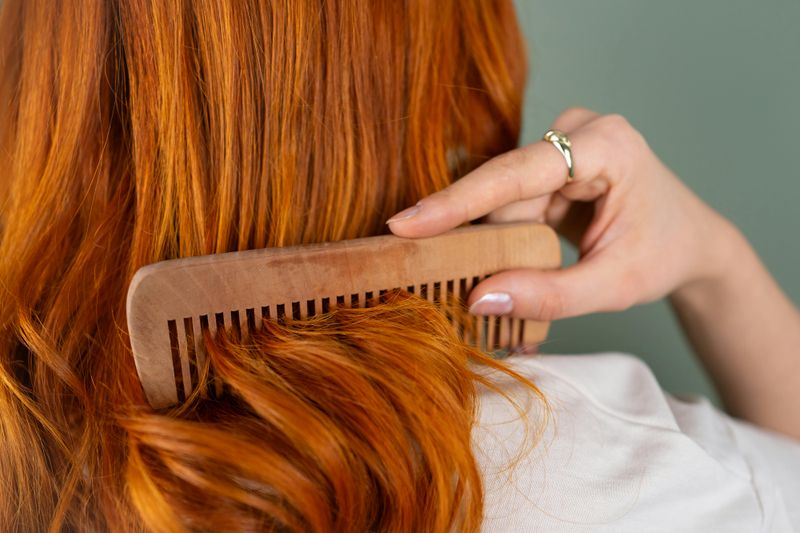
Severely tangled or matted hair isn’t just a styling challenge, it’s a time-consuming process that requires the right tools, products, and patience to handle safely.
Walking in without mentioning it ahead of time means your stylist likely hasn’t blocked enough time for it.
Detangling matted hair can take anywhere from 30 minutes to over an hour depending on severity.
That throws off every appointment scheduled after yours and can leave both you and your stylist feeling rushed and stressed.
A quick call or message before your appointment lets your stylist prepare properly, bring in the right products, and potentially schedule extra time.
Some salons may also charge an additional fee for detangling, so knowing ahead saves everyone an awkward surprise.
10. Skipping Trims but Expecting Healthy-Looking Length
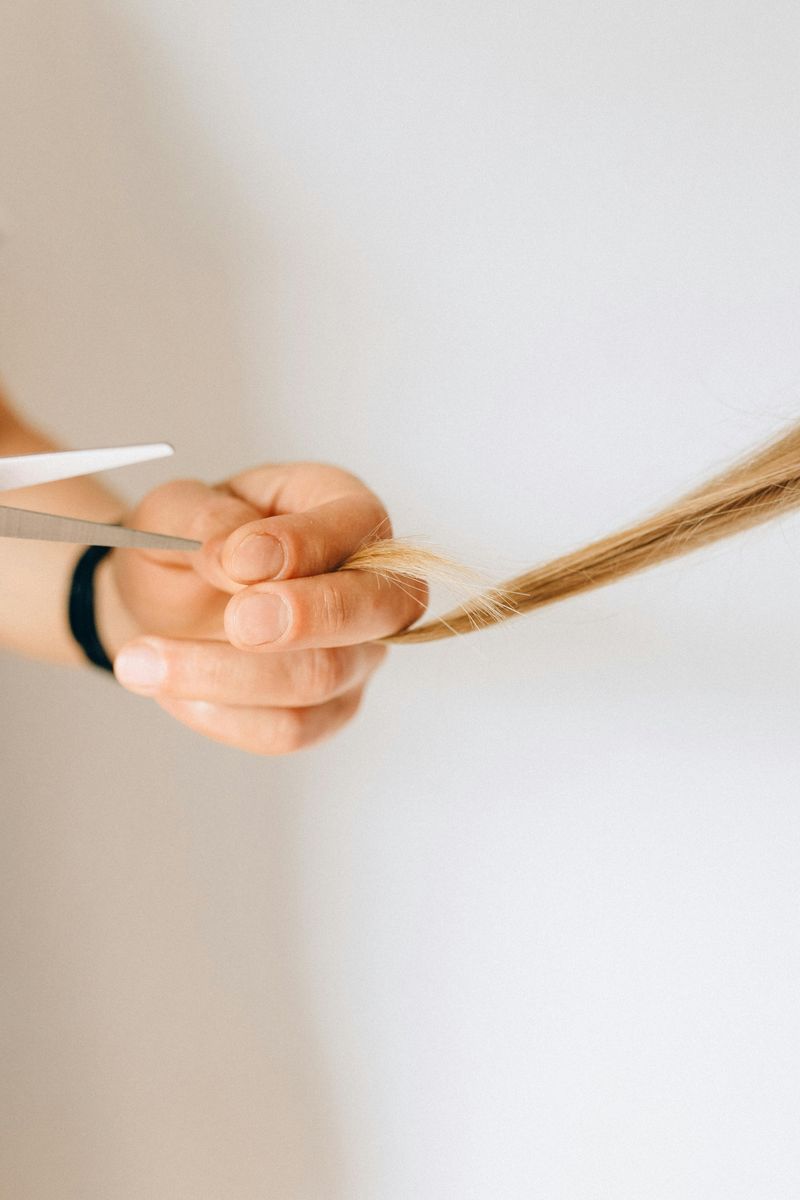
Growing out your hair is exciting, but skipping trims for months or even years in hopes of gaining length often backfires.
Split ends don’t just stay at the tip, they travel up the hair shaft over time, causing breakage that actually shortens your length.
Regular trims remove the damage before it can spread, keeping your hair looking fuller, shinier, and healthier overall.
Most stylists recommend a trim every 8-12 weeks depending on your hair type and goals.
Think of it like pruning a plant.
A small cut here and there actually encourages healthier growth in the long run.
Your stylist isn’t trying to take your length away.
They’re trying to protect what you’ve already grown and help you keep it.
11. Complaining About Past Stylists Excessively
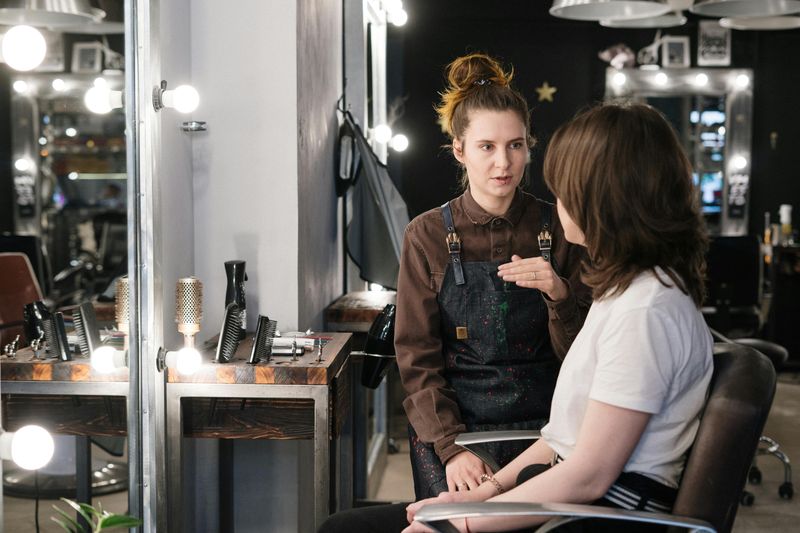
Venting about a bad hair experience is completely natural, and your new stylist genuinely wants to understand what went wrong before.
But spending a big chunk of the appointment listing everything your last stylist did wrong can actually work against you.
Excessive complaints can signal to your new stylist that you may be hard to please or that your expectations are difficult to meet, even when that’s not true at all.
It can also create an awkward energy that gets in the way of building a comfortable, trusting relationship.
Briefly sharing what didn’t work and what you’re hoping for this time is all that’s needed.
Keep it constructive, stay focused on what you want now, and let your new stylist show you what they can do.
12. Not Speaking Up If Something Feels Off
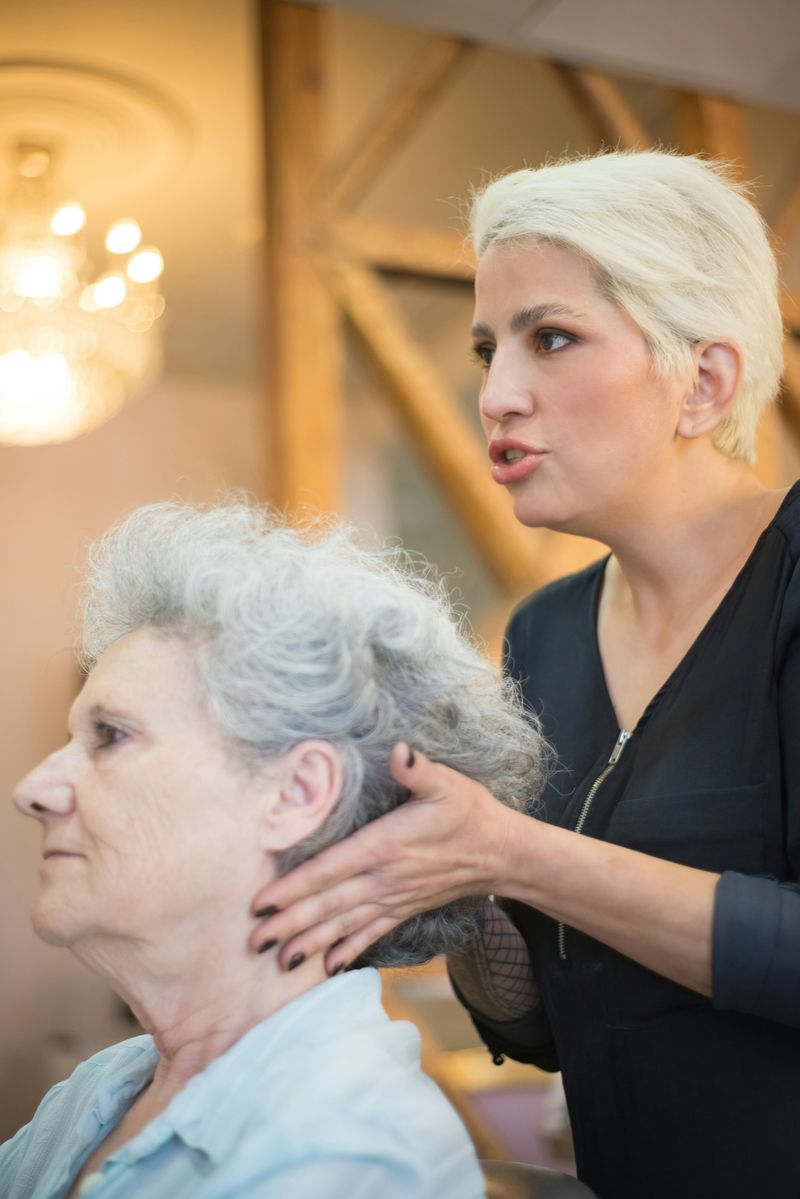
Staying quiet when something doesn’t look or feel right might seem polite, but it actually makes things harder for everyone.
Stylists genuinely want you to love your hair, and small adjustments are always easier to make mid-appointment than after you’ve walked out the door.
Whether the color looks too dark, the length feels shorter than expected, or the part isn’t sitting the way you imagined, saying something in the moment gives your stylist a chance to fix it right then and there.
Most issues can be corrected quickly when caught early.
Your stylist isn’t going to take it personally.
Honest feedback during the process is one of the most helpful things a client can offer, and it almost always leads to a result you’ll actually love.