 MomSkoop

Dating after 40 brings unique challenges and opportunities for meaningful connection. Understanding what might push potential partners away can help women build stronger, healthier relationships.
This guide explores common behaviors that may create distance in romantic partnerships, offering insights to help you attract the right person.
1. Chronic Negativity

Constantly seeing the glass half empty affects how others experience time with you.
When every conversation turns toward complaints, disappointments, or what went wrong yesterday, it drains the energy from potential connections.
Men seek partners who can balance realism with optimism, someone who acknowledges challenges but doesn’t dwell endlessly on them.
Shifting your focus toward solutions rather than problems makes interactions feel lighter and more enjoyable.
Practice noticing three positive things daily to retrain your brain toward appreciation.
Building this habit creates a more welcoming presence that naturally attracts healthier relationships.
Remember, positivity isn’t about ignoring difficulties—it’s about choosing where to direct your emotional energy for better outcomes.
2. Rigidity or Inflexibility

Relationships thrive on compromise and willingness to explore unfamiliar territory together.
When you insist everything must follow your established routines or reject new perspectives outright, it signals unwillingness to grow as a couple.
Men value partners who can adapt, experiment with different activities, and remain open to fresh ideas.
Maybe trying that new restaurant or considering a different vacation spot won’t hurt after all.
Flexibility demonstrates emotional maturity and shows you’re invested in creating shared experiences.
Start small by saying yes to one unexpected invitation each week.
This simple practice builds adaptability muscles and shows potential partners you’re ready for partnership, not dictatorship.
Growth happens outside comfort zones.
3. Unresolved Emotional Baggage

Everyone carries history, but continuously rehashing ex-partners or past hurts prevents forward movement.
When dates become therapy sessions about what your former husband did wrong, it signals you’re not emotionally available for something new.
Men want to build futures, not compete with ghosts from your past.
Processing pain through counseling or journaling helps you achieve genuine closure.
This doesn’t mean pretending previous relationships never happened—it means integrating those lessons without letting them dominate your present.
Notice if you mention exes within the first three dates; that’s usually a red flag.
Healing takes time, and that’s perfectly acceptable.
Just ensure you’ve done the internal work before inviting someone new into your emotional space.
4. Low Effort in Self-Care

Taking care of yourself sends a powerful message about how you value your own well-being.
Neglecting physical health, emotional needs, or mental wellness suggests you might not have energy left for a relationship.
Men find vitality attractive—not perfection, but genuine effort to maintain your health and happiness.
Self-care isn’t vanity; it’s necessary maintenance for living your best life.
Regular exercise, proper nutrition, adequate sleep, and activities that bring joy all contribute to an attractive energy.
When you feel good, it radiates outward and draws others toward you.
Start with one small daily ritual, whether it’s a morning walk or evening skincare routine.
Investing in yourself demonstrates self-respect that naturally attracts respectful partners.
5. Overgeneralized Cynicism About Men

Painting all men with the same negative brush because of previous bad experiences creates instant barriers.
Statements like “all men are liars” or “they only want one thing” reveal unhealed wounds that poison potential connections before they start.
Each person deserves evaluation based on their individual character, not someone else’s mistakes.
This defensive stance might feel protective, but it actually prevents you from recognizing genuine good guys when they appear.
Challenge these generalizations by identifying specific qualities you appreciate in the men already in your life—fathers, brothers, friends.
Not every man will hurt you.
Approaching new connections with cautious optimism rather than automatic suspicion opens doors to healthier partnerships built on trust instead of fear.
6. Poor Communication Habits
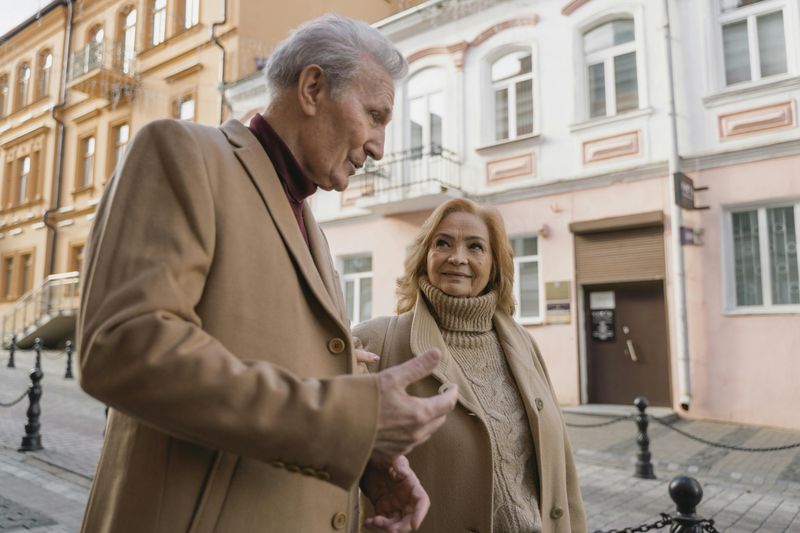
Healthy relationships require clear, honest dialogue about needs, feelings, and expectations.
Avoiding difficult conversations or resorting to hints, silent treatments, or passive-aggressive comments creates confusion and resentment.
Men aren’t mind readers—they need direct communication to understand what’s bothering you or what you need.
Saying “I’m fine” when you’re clearly upset doesn’t solve anything; it just builds walls.
Practice expressing thoughts calmly and directly, using “I feel” statements rather than accusations.
Good communication skills can be learned at any age through books, therapy, or conscious practice.
When both partners commit to open dialogue, conflicts become opportunities for deeper understanding rather than relationship-ending disasters.
Your voice matters—use it clearly.
7. Lack of Personal Interests or Curiosity

Having your own passions, hobbies, and curiosities makes you infinitely more interesting and attractive.
When your entire identity revolves around finding a partner or you’ve abandoned all personal pursuits, it creates pressure on relationships to fill every void.
Men appreciate women who maintain independent interests and continue learning throughout life.
Maybe you’ve always wanted to learn photography, take cooking classes, or join a book club—now’s the perfect time.
These activities don’t just make you more interesting; they also expand your social circles and boost confidence.
Passionate people radiate energy that naturally draws others in.
Plus, having your own life prevents relationships from becoming suffocating.
Rediscover what lights you up inside, then pursue it enthusiastically.
8. Overemphasis on Age or Appearance
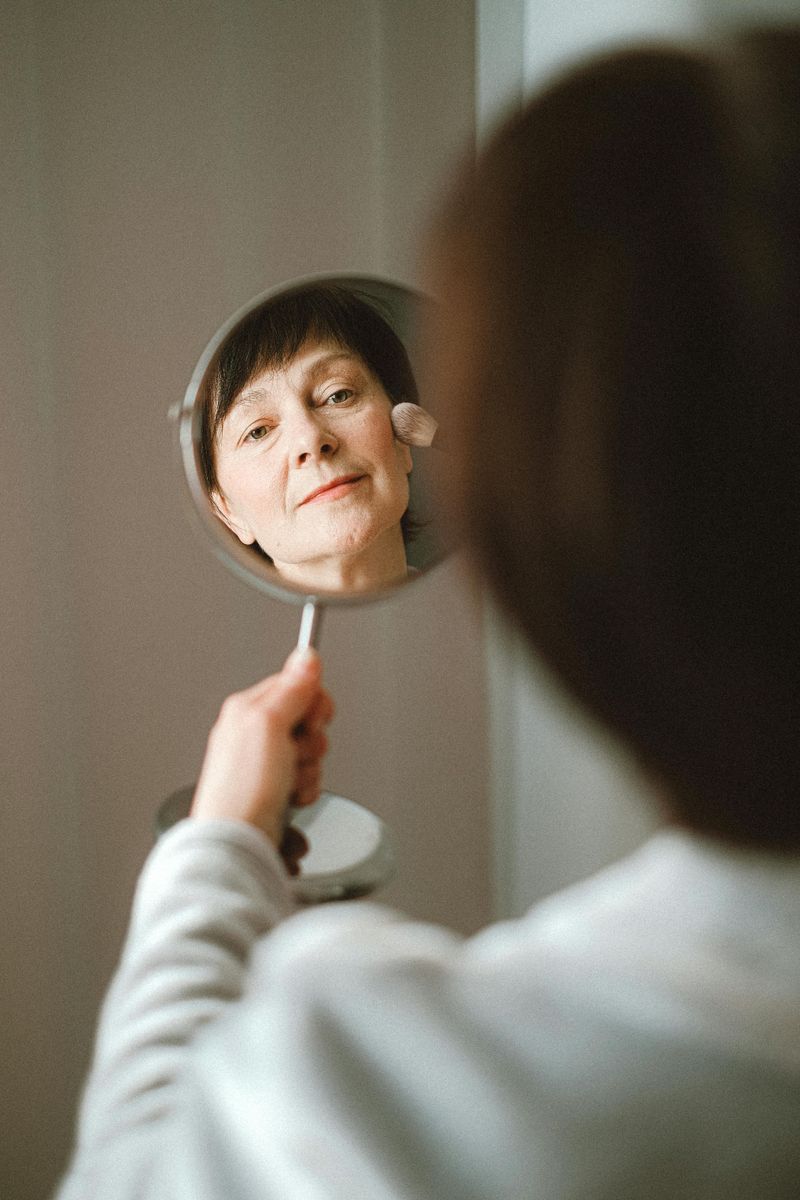
Constantly criticizing your appearance or obsessing over every wrinkle signals deep insecurity that affects relationship dynamics.
While it’s natural to notice physical changes, excessive focus on aging becomes exhausting for both you and potential partners.
Men are often more interested in confidence and how you carry yourself than perfect skin or a certain dress size.
Your worth isn’t determined by how closely you resemble your younger self.
Beauty at any age comes from self-acceptance, vitality, and the light in your eyes when discussing things you love.
Replace negative self-talk with appreciation for your body’s strength and resilience.
When you embrace aging gracefully rather than fighting it desperately, that confidence becomes your most attractive feature.
Age brings wisdom—own it proudly.
9. Emotional Unavailability
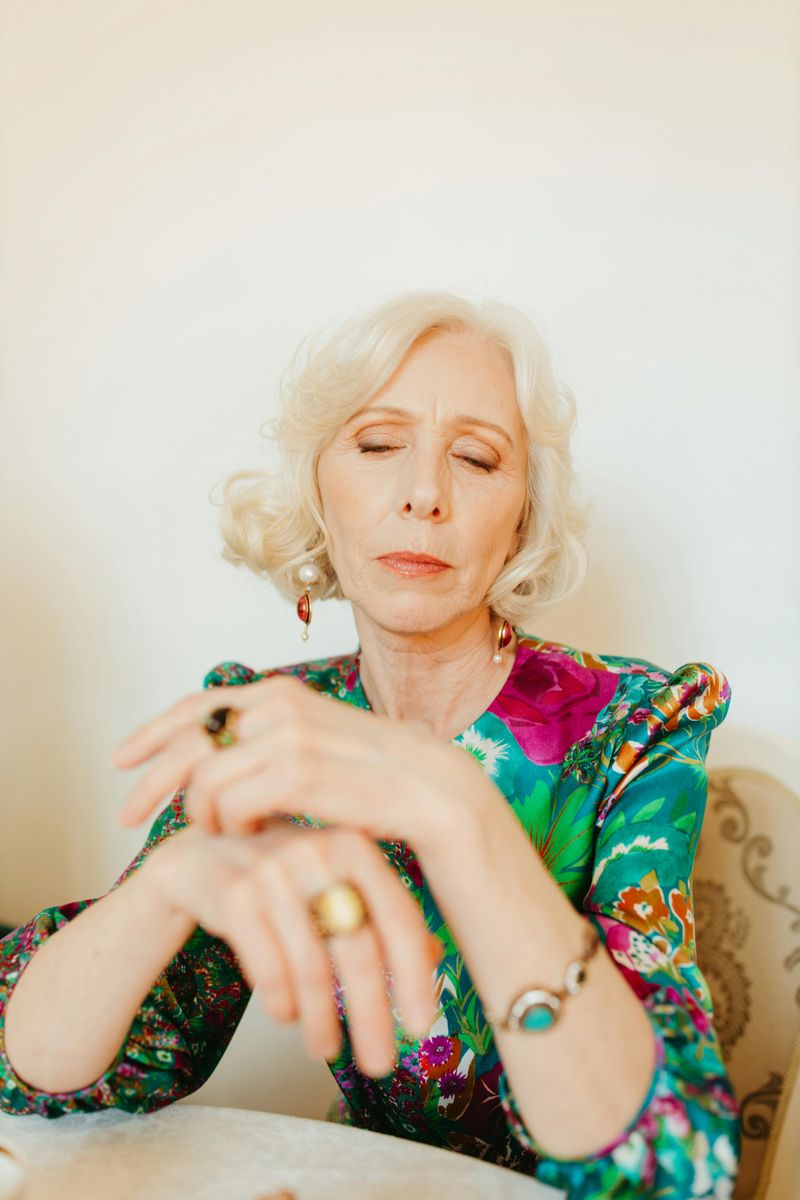
Building genuine intimacy requires vulnerability and willingness to share your authentic self.
When you keep emotions locked away, never opening up about fears, dreams, or deeper feelings, it prevents real connection from forming.
Men want emotional partnership, not just surface-level companionship.
Protecting yourself by never letting anyone truly see you might feel safe, but it guarantees loneliness.
Start small by sharing one genuine feeling or concern with someone you trust.
Vulnerability isn’t weakness—it’s the foundation of meaningful relationships.
If past hurts make emotional availability difficult, consider working with a therapist to develop healthier patterns.
Taking these brave steps toward openness allows the right person to truly know and love the real you, creating bonds that last.
10. Control-Oriented Behavior

Partnership means two equals collaborating, not one person directing every decision and detail.
Micromanaging how your partner dresses, spends time, or handles responsibilities suggests trust issues and need for excessive control.
Men value autonomy and respect within relationships, not constant supervision or criticism.
Controlling behavior often stems from anxiety or fear of unpredictability, but it suffocates connection.
Healthy relationships require trusting your partner’s judgment and allowing them space to be themselves.
Practice letting go of minor decisions—does it really matter which route he takes to the restaurant?
Focus on the bigger picture: mutual respect, shared values, and emotional connection.
When you release the need to control everything, relationships become more relaxed and enjoyable for everyone involved.
11. Dismissiveness Toward Change

Successful partnerships evolve over time, requiring both people to grow, compromise, and adjust together.
Rejecting any suggestion for change or refusing to consider your partner’s needs creates stagnation and frustration.
Men seek partners willing to build something dynamic, not someone locked into rigid patterns forever.
Maybe he wants to relocate for a career opportunity or suggests couples counseling—dismissing these outright without discussion shows inflexibility.
Growth doesn’t mean abandoning your values; it means staying open to evolution as individuals and as a couple.
Ask yourself: am I resisting because it’s genuinely wrong, or because it’s unfamiliar?
Embracing change together strengthens bonds and creates shared adventures.
Relationships that can’t adapt eventually crumble under life’s inevitable transformations.
12. Inconsistent Boundaries

Healthy boundaries create safety and respect in relationships, but extremes in either direction cause problems.
Being overly guarded prevents intimacy, while having no boundaries invites disrespect and codependency.
Men appreciate partners who know their limits and communicate them clearly without aggression or constant shifting.
One day you’re sharing everything; the next you’ve completely shut down—this inconsistency creates confusion.
Establishing boundaries isn’t about building walls; it’s about defining where you end and others begin.
Learn to say no without guilt and yes without resentment.
Consistent boundaries demonstrate self-respect and help partners understand how to treat you appropriately.
This balance creates relationships where both people feel secure, valued, and free to be themselves authentically.