 MomSkoop

Relationships teach us lessons that books and movies never quite capture. When it comes to understanding men, real-life experience often reveals surprising truths that shift how we see communication, emotions, and connection.
1. Their Silence Doesn’t Always Mean They’re Mad

Quiet moments don’t automatically signal anger or disappointment. Men often retreat into silence simply to organize their thoughts or decompress after a long day.
This mental reset helps them process emotions internally before speaking. Unlike the assumption that something must be wrong, their silence is usually just a way to recharge.
Understanding this pattern prevents unnecessary worry and miscommunication. Giving him space during these times shows respect for his processing style. When he’s ready, he’ll reengage naturally without needing to be prompted or questioned repeatedly about his mood.
2. They Fix Things as a Way of Showing Love
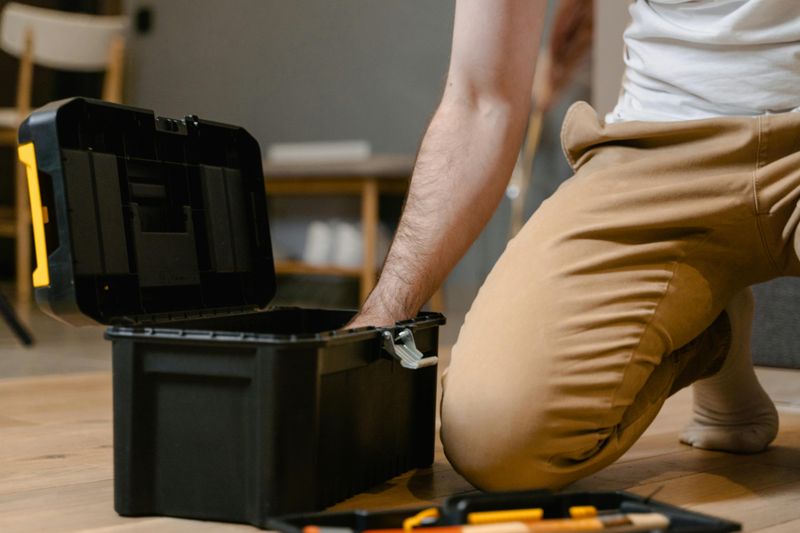
Actions speak louder than words for many men. Instead of verbal declarations, they demonstrate affection through practical acts of service.
Repairing a leaky faucet, solving a tech problem, or handling a difficult task becomes their love language. These gestures replace emotional vocabulary they might struggle to express.
Recognizing this pattern helps you see care where you might have missed it before. When he steps in to fix something, he’s saying he values your comfort and wants to make life easier. Appreciating these efforts validates his way of showing he cares deeply about you.
3. They Don’t Hold Grudges the Same Way Women Do

Emotional processing differs significantly between genders. While women may replay conflicts and analyze feelings deeply, men typically release frustration much faster.
Once an argument ends, many men genuinely move on without dwelling on what was said. They prefer forward momentum over rehashing past disagreements.
This doesn’t mean they don’t care—it’s just a different coping mechanism. Their ability to let go quickly can actually strengthen relationships by preventing resentment buildup. Learning this truth helps avoid the trap of assuming he’s ignoring unresolved issues when he’s simply already processed and released them.
4. They Need Praise for the Smallest Chores

Even basic tasks feel meaningful when acknowledged. Men respond powerfully to appreciation, no matter how small the contribution might seem.
Taking out the garbage, loading the dishwasher, or organizing the garage becomes more rewarding when noticed. This positive reinforcement motivates continued effort and participation.
A simple thank you or genuine compliment goes further than you might expect. Recognition validates their contribution to the household and relationship. Understanding this need helps create a cycle of appreciation where both partners feel valued for their efforts, strengthening the overall dynamic between you both.
5. They Truly Value Unstructured Alone Time

Solo activities aren’t about avoiding you—they’re about emotional maintenance. Time spent gaming, tinkering with projects, or simply zoning out helps men recharge their mental batteries.
This unstructured downtime allows them to process the day without external demands. It’s a crucial part of their self-care routine that keeps them balanced.
Respecting this need strengthens rather than threatens your connection. When he returns from his alone time, he’s typically more present and engaged. Recognizing that this isn’t rejection but restoration helps you support his well-being while maintaining a healthy relationship dynamic.
6. Their Confidence Often Hides Major Insecurity

Bravado frequently masks deep-seated fears and self-doubt. What appears as unshakeable confidence often serves as protective armor against feeling inadequate or not measuring up.
Many men worry constantly about being good enough—as partners, providers, or protectors. They hide these vulnerabilities until they feel completely safe emotionally.
Creating a judgment-free space allows these insecurities to surface naturally. When he finally opens up about his fears, it signals tremendous trust in you. Understanding that confidence is sometimes a shield rather than reality helps you respond with compassion when those walls eventually come down.
7. They Communicate Best When They Are Doing Something

Side-by-side activities unlock deeper conversations. Men often open up more naturally during tasks like driving, walking, or working on projects together.
Removing the intensity of direct eye contact reduces pressure and makes sharing easier. The activity provides a comfortable distraction that paradoxically facilitates better communication.
Scheduling important talks during these moments yields better results than formal sit-down conversations. He’ll likely share more freely when his hands are busy and the focus isn’t entirely on the emotional exchange. This discovery transforms how you approach meaningful discussions and creates opportunities for genuine connection.
8. They Are Very Sensitive to Criticism From You

Critique lands differently when it comes from someone they love. Even mild comments from a partner can feel like major judgments about their worth or capabilities.
Men invest heavily in their partner’s opinion of them. Negative feedback from you carries exponentially more weight than from anyone else.
Framing concerns carefully preserves both honesty and connection. Leading with appreciation before addressing issues softens the impact without diluting your message. Recognizing this sensitivity helps you communicate needs effectively while protecting his emotional security. Balance becomes key—being truthful without being unnecessarily harsh maintains respect while addressing genuine concerns.
9. They Need Very Clear and Direct Instructions

Subtle hints vanish into thin air with most men. What seems obvious to you often registers as completely invisible to him.
Implied expectations and indirect suggestions simply don’t compute the same way. They respond far better to straightforward requests that leave no room for guessing or interpretation.
Being direct isn’t rude—it’s effective communication that respects both parties. Saying exactly what you need eliminates frustration on both sides. This truth saves countless arguments born from unmet expectations he never knew existed. Clear communication creates harmony where hinting only breeds confusion and disappointment.
10. They Actually Enjoy Routine and Predictability

Familiar patterns provide comfort and reduce daily stress. Men often find peace in knowing what to expect and following established rhythms.
Routine creates mental space by eliminating constant decision-making fatigue. Predictable schedules make them feel grounded and secure in their environment.
This preference doesn’t mean they’re boring—it means they value stability. Regular habits free up mental energy for more important decisions and challenges. Understanding this need helps you appreciate why he orders the same meal or follows similar weekend patterns. That consistency isn’t lack of imagination; it’s deliberate emotional management.
11. They Express Love Through Loyalty and Consistency

Grand romantic gestures matter less than daily reliability. Men demonstrate commitment by consistently showing up, keeping promises, and remaining steady through challenges.
Their version of love focuses on unwavering presence rather than dramatic declarations. Being there day after day speaks volumes more than occasional flowers.
This steady devotion deserves recognition even when it lacks flash. The quiet dependability of a man who stays through difficulties reveals his true character. Learning to value this consistent loyalty over sporadic romance helps you see the depth of his feelings expressed through actions rather than words.
12. They Downplay Struggles to Avoid Appearing Weak

Minimizing problems serves as self-protection for many men. They often hide worries to avoid burdening you or seeming vulnerable and incapable.
Cultural conditioning teaches them that strength means handling everything alone. Admitting struggles feels like admitting failure or inadequacy.
Creating safety for vulnerability takes time and consistent reassurance. When he finally shares genuine concerns, it represents enormous trust in your relationship. Responding with support rather than judgment encourages continued openness. Understanding this tendency helps you read between the lines when he says everything is fine, offering support without forcing him to admit he’s struggling before he’s ready.