 MomSkoop

Technology has changed almost everything about how we connect with the people we love. Modern couples face unique challenges and opportunities when it comes to staying close in a world filled with screens, apps, and constant notifications.
From texting throughout the day to setting boundaries around social media, partners are finding creative ways to keep their relationships strong while navigating the digital landscape.
Understanding these new communication strategies can help any couple build healthier habits and deeper connections.
1. Staying Connected Through Instant Messages and Texts

Quick messages throughout the day have become a love language all their own. Couples send funny memes, share random thoughts, or just check in with a simple heart emoji between meetings or classes. These small digital touches help partners feel present in each other’s lives even when they’re physically apart.
Texting allows you to share moments as they happen without waiting for the end of the day. A photo of your lunch, a complaint about traffic, or a quick “thinking of you” can strengthen your bond in surprisingly powerful ways. The key is finding a balance that works for both people.
Some couples prefer constant conversation while others like occasional updates. Talking openly about texting expectations prevents misunderstandings and hurt feelings down the road.
2. Making Video Calls a Regular Ritual
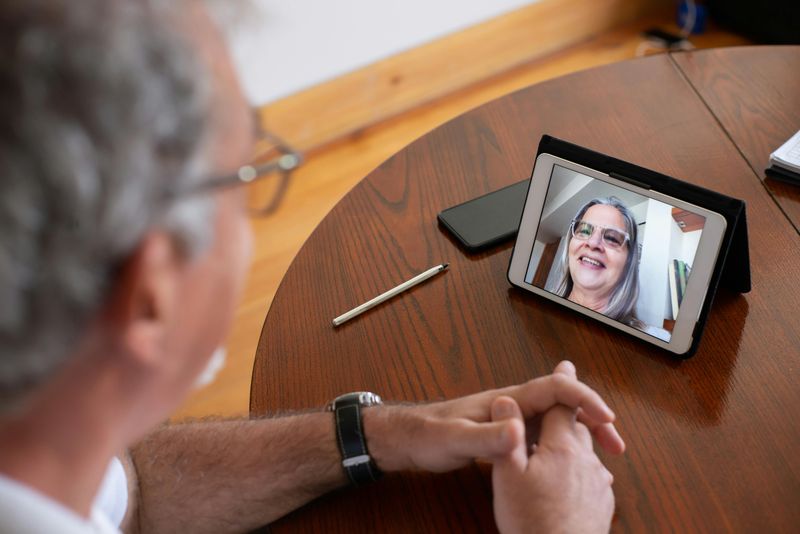
Seeing your partner’s face on a screen beats hearing just their voice or reading their words. Video calls bring back the visual connection that texts and phone calls can’t provide, letting you catch facial expressions, body language, and those little smiles that make your heart skip.
Long-distance relationships especially depend on scheduled video dates to maintain intimacy. Couples might eat dinner together over FaceTime, watch movies simultaneously, or simply talk about their day while seeing each other’s reactions. Regular video sessions create structure and something to look forward to.
Even couples living together sometimes use video calls when traveling for work. The technology bridges gaps that previous generations simply had to endure.
3. Creating Shared Digital Boundaries

Healthy relationships require agreements about when phones belong in your hands and when they should stay in your pocket. Many couples establish rules like no devices during meals, putting phones away after a certain hour, or keeping bedrooms screen-free zones.
These boundaries aren’t about control but about prioritizing real connection over digital distraction. When you’re scrolling through social media while your partner tries talking to you, it sends a message that your phone matters more than they do. Setting clear expectations prevents resentment from building up.
Every couple’s boundaries look different based on their needs and lifestyles. The important part is discussing and agreeing on them together.
4. Navigating Social Media as a Team

What you post online about your relationship can either strengthen or strain your partnership. Couples today must decide together what feels comfortable to share publicly—anniversary photos, vacation snapshots, or maybe nothing at all. Some people love broadcasting their love while others prefer keeping things private.
Problems arise when partners have mismatched expectations about social media sharing. One person might feel hurt seeing their relationship absent from their partner’s feed, while the other values privacy. Having honest conversations about these preferences prevents unnecessary arguments.
Establishing social media guidelines also means respecting each other’s digital footprint and not posting embarrassing photos without permission.
5. Honoring Different Communication Preferences

Not everyone expresses love the same way digitally. Your partner might prefer hearing your voice over the phone while you’d rather send a thoughtful text. Someone might feel closest during video chats while their significant other finds voice messages more personal and convenient.
Recognizing these differences prevents frustration and helps you meet each other halfway. If your partner feels more connected through calls but you hate talking on the phone, maybe you compromise with shorter daily check-ins. Flexibility shows you care about their comfort and needs.
Understanding communication styles also means respecting response times. Some people reply instantly while others need time to formulate thoughts.
6. Choosing Face-to-Face for Important Talks

Some conversations simply don’t belong in text messages. Big decisions, emotional topics, or conflicts need the full range of human communication—tone of voice, facial expressions, and physical presence. Trying to resolve arguments through texts usually makes things worse because messages lack emotional nuance.
Smart couples recognize when to put down the phone and talk in person. Breakup discussions, financial planning, or sharing difficult feelings deserve the respect of real face-to-face interaction. Even if it feels uncomfortable, these moments strengthen relationships when handled with care.
Waiting for in-person time shows maturity and commitment to healthy communication patterns that build lasting trust.
7. Building Connection Through Shared Digital Experiences

Distance doesn’t have to mean missing out on experiences together. Couples use technology creatively to share moments—streaming the same movie while video chatting, playing online games together, or maintaining shared calendars that keep everyone on the same page about schedules and plans.
Apps designed for couples let partners send private messages, share photos, or track important dates and memories. Some even play the same music simultaneously or collaborate on grocery lists and vacation planning. These digital tools create a sense of teamwork and togetherness.
Finding ways to do things together virtually keeps relationships vibrant when physical distance separates you temporarily or permanently.
8. Recognizing When Messages Get Misunderstood

A simple text can spark major misunderstandings because words on a screen lack tone, body language, and context. That message you meant as playful teasing might read as genuine criticism to your partner. An unanswered text could mean they’re busy, or you might worry they’re angry.
Successful couples learn to recognize these digital communication pitfalls and address them quickly. When something feels off about a message, they call or wait to discuss it face-to-face rather than making assumptions. Adding emojis helps convey emotion, but nothing beats actual conversation.
Being aware that miscommunication happens easily online makes you more patient and willing to clarify intentions before jumping to conclusions.
9. Protecting Device-Free Quality Time

Constant connectivity comes with a cost—the erosion of genuine presence. Forward-thinking couples intentionally create phone-free moments where they focus entirely on each other without the temptation of notifications pulling their attention away. Date nights become sacred technology-free zones.
Some partners establish evening routines where devices get plugged in across the room, making space for conversation, physical intimacy, or simply relaxing together without screens. These unplugged hours often become the most meaningful parts of their day. Relationships thrive when you’re fully present.
Even short device-free windows can dramatically improve connection and communication quality between partners who commit to trying it.
10. Checking In on Emotional Well-Being

Technology affects mental health and relationships in complex ways. Thoughtful partners regularly ask each other how their digital habits make them feel—is scrolling before bed causing anxiety? Does constant work email stress you out? Are social media comparisons hurting your self-esteem?
Building emotional intelligence around technology use means noticing when your partner seems distant or stressed by their devices. Maybe they need encouragement to take breaks or support in setting healthier boundaries with work communication. These conversations show you care about their overall wellness.
Paying attention to how technology impacts your relationship helps you make adjustments that protect both individual and couple happiness.
11. Maintaining Trust in the Digital Space

Technology makes it easier than ever to snoop, monitor, or obsess over what your partner does online. Checking their messages, tracking their location, or demanding passwords might feel justified when trust issues exist, but these behaviors usually damage relationships further rather than fixing underlying problems.
Healthy couples respect digital privacy and resist temptations to overshare relationship details online that might embarrass or expose their partner. Trust grows when you choose not to cross boundaries even when technology makes it possible. Transparency matters more than surveillance.
If trust problems exist, addressing them honestly beats spying or controlling behavior that erodes respect and intimacy.
12. Exploring Digital Tools for Relationship Growth

When communication challenges feel overwhelming, modern couples have resources previous generations never imagined. Online therapy platforms connect partners with licensed counselors through video sessions, making professional help more accessible and affordable. Relationship apps offer exercises, conversation starters, and tools for tracking progress on shared goals.
Some couples use meditation apps together to manage stress or journal apps to reflect on their relationship patterns. Digital resources remove many barriers that once prevented people from getting support—cost, scheduling conflicts, or stigma about seeking help.
Being willing to use technology for growth shows commitment to improving your relationship and communication skills together.