 MomSkoop

Growing up is different for every generation, and Millennials have carved out their own unique path.
From how they use technology to when they buy homes, this generation makes choices their parents might not recognize.
Economic shifts, new values, and digital tools have reshaped what it means to build a life today.
Here are twelve major ways Millennials are writing their own rulebook.
1. Marrying and Starting Families Later

Baby Boomers often married in their early twenties and started families right away.
Millennials, however, are waiting much longer before walking down the aisle or having children.
Many focus first on education, career building, and personal growth before making these big commitments.
Financial pressures play a huge role in this shift.
Student loans and high living costs mean young adults need more time to feel stable.
They also want to explore who they are and what they want from life before settling down.
This delay isn’t about avoiding commitment.
Instead, Millennials view marriage and parenthood as choices they want to make when they’re truly ready, not just because society expects it at a certain age.
2. Postponing Homeownership
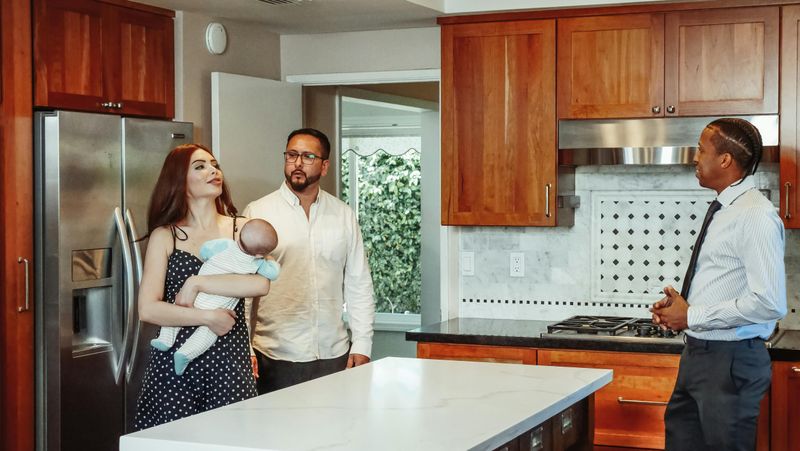
Owning a home used to be a standard milestone by age 30.
For Millennials, that dream has become much harder to reach.
Rising house prices, stricter lending rules, and heavy student debt make saving for a down payment incredibly challenging.
Many choose to rent longer than their parents ever did.
City living appeals to them because of job opportunities and social connections, even though urban rent eats up a large chunk of income.
Homeownership feels less urgent when flexibility matters more.
Some Millennials wonder if they’ll ever own property.
Others redefine success, focusing on experiences and freedom rather than a white picket fence and mortgage payments stretching decades into the future.
3. Prioritizing Experiences Over Possessions

Previous generations measured success through things: nice cars, big TVs, fancy furniture.
Millennials flip that script by spending money on concerts, travel adventures, and memorable events instead.
They’d rather collect passport stamps than collect stuff.
Social media amplifies this trend.
Sharing vacation photos or festival moments online brings more satisfaction than showing off material goods.
Experiences create stories, and stories build identity in ways possessions simply can’t match.
This shift also reflects practical thinking.
Moving frequently for jobs or living in smaller spaces makes owning less stuff more appealing.
Why buy a huge entertainment center when streaming services and laptops do the job just fine?
4. Choosing Convenience Like Takeout and Food Delivery

Home-cooked family dinners were routine for previous generations.
Millennials, though, embrace the convenience of ordering food through apps or grabbing takeout on busy evenings.
Their parents might have seen this as wasteful, but for Millennials, time is precious.
Long work hours and side hustles leave less energy for grocery shopping and cooking.
Food delivery services make eating well easier without the prep work.
Plus, trying different cuisines from local restaurants feels like a mini-adventure.
Critics say this habit costs more money.
Millennials counter that their time has value too, and sometimes paying for convenience means they can focus on work, hobbies, or simply relaxing after exhausting days.
5. Using Digital Technology for Daily Life

Smartphones weren’t around when Baby Boomers were young adults.
Millennials can’t imagine life without them.
These devices handle everything from banking to dating, shopping to learning new skills.
Apps organize their entire existence.
Social media platforms shape how they maintain friendships and build professional networks.
Online tools replace phone books, paper maps, and encyclopedias.
Information lives at their fingertips constantly, changing how they solve problems and make decisions.
This digital immersion feels natural, not overwhelming.
Where older generations had to adapt to technology later, Millennials grew up alongside it.
They navigate digital spaces with ease, treating online and offline worlds as equally real and important.
6. Valuing Purpose-Driven Brands and Ethical Buying

Brand loyalty meant something different to previous generations.
They stuck with companies offering quality and good prices.
Millennials add another layer: they want brands that match their values and make positive impacts on the world.
Environmental practices, fair labor conditions, and social justice stances influence purchasing decisions.
Millennials research companies before buying, often choosing smaller ethical businesses over convenient big-name corporations.
Their dollars become votes for the kind of world they want.
Companies noticed this shift and started marketing their values loudly.
Some genuinely changed practices, while others just talked a good game.
Millennials stay alert to greenwashing, calling out brands that fake caring just to make sales.
7. Seeking Flexible Work and Lifestyle Balance

The traditional career path looked pretty rigid: show up at the same office, work 9-to-5, retire after decades with one company.
Millennials question whether that model still makes sense.
They prioritize flexibility, seeking remote work options and non-traditional schedules.
Side hustles and freelance gigs supplement main jobs, providing both extra income and creative outlets.
Technology makes working from anywhere possible, so why spend hours commuting?
Balance between work and personal life matters more than climbing a corporate ladder.
Older generations sometimes see this as laziness.
Millennials argue they’re working smarter, not less hard.
They want careers that fit their lives, not lives that revolve entirely around careers and sacrifice everything else.
8. Prioritizing Wellness and Mental Health

Talking about therapy or mental health used to carry stigma.
Millennials broke down those walls, openly discussing anxiety, depression, and emotional wellbeing.
They recognize that mental health deserves the same attention as physical health, not shame or silence.
Fitness routines, meditation apps, and wellness practices fill their schedules.
Work-life balance isn’t just a buzzword but a genuine priority.
They reject the idea that grinding endlessly without breaks demonstrates strength or dedication.
Previous generations often powered through difficulties without seeking help.
Millennials take a different approach, viewing self-care and professional support as signs of wisdom, not weakness.
Taking care of yourself isn’t selfish—it’s necessary for long-term happiness.
9. Living with Roommates and Extended Social Households Longer

Baby Boomers typically moved from their parents’ homes into their own places with spouses.
Millennials follow a different path, often living with roommates well into their thirties.
High rent prices in cities make shared housing a financial necessity.
But economics isn’t the only reason.
Many enjoy the social aspect of communal living.
Roommates become chosen family, sharing meals, streaming subscriptions, and daily life.
It beats living alone in an expensive studio apartment.
This extended period of shared housing delays some traditional adult milestones.
However, it also creates strong friendships and support networks.
Millennials redefine what home looks like, proving families aren’t always related by blood.
10. Embracing Sustainability and Frugality
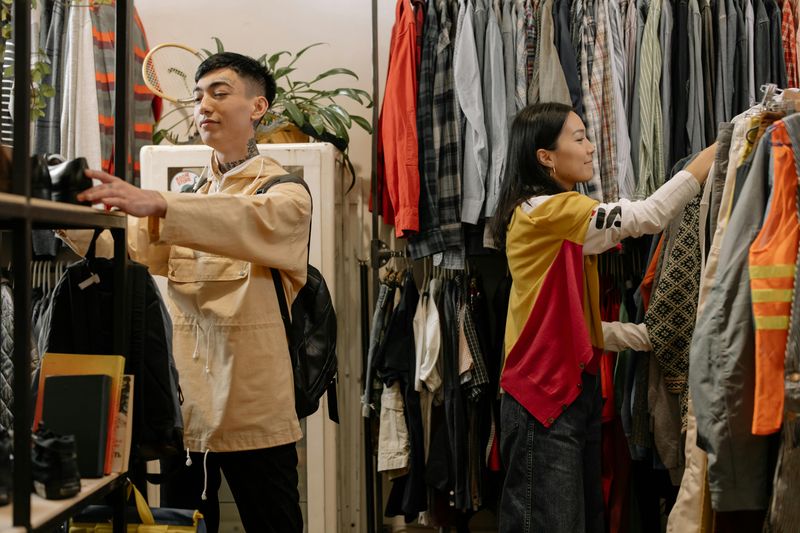
Thrift stores and secondhand shopping appeal to Millennials for multiple reasons.
Saving money matters, especially with tight budgets, but environmental concerns drive choices too.
Fast fashion and throwaway culture worry them deeply.
Repairing items instead of replacing them, buying used goods, and choosing sustainable products reduce waste.
Minimalism trends encourage owning less stuff overall.
Every purchase gets considered carefully rather than bought impulsively.
Their parents’ generation often equated new purchases with success.
Millennials find pride in clever frugality and environmental responsibility.
Vintage finds and upcycled items carry more appeal than brand-new mass-produced goods that harm the planet.
11. Communicating Digitally First

Phone calls made sense before texting existed.
Now, Millennials often find voice calls intrusive or awkward.
They prefer texting, messaging apps, and social media for most communication.
Written messages feel less demanding and easier to manage.
This preference baffles older generations who value hearing someone’s voice.
But Millennials appreciate having time to think before responding and handling multiple conversations simultaneously.
Digital communication fits their multitasking lifestyle perfectly.
Face-to-face interaction still matters for important moments.
But for everyday check-ins, quick questions, or casual updates, typing beats talking.
They’re not avoiding connection—just choosing different methods that feel more natural and efficient.
12. Being More Open About Challenging Topics

Previous generations kept certain topics private: money struggles, parenting doubts, relationship problems.
Millennials share these challenges openly, both online and in person.
Transparency replaces the old habit of pretending everything’s perfect.
Social media platforms let them discuss student debt, mental health journeys, and career setbacks publicly.
This honesty builds community and reduces isolation.
Others facing similar struggles realize they’re not alone.
Critics call this oversharing.
Millennials argue it’s healthier than suffering in silence.
Breaking taboos around difficult subjects creates space for real conversations and meaningful support.
Vulnerability becomes strength, not something shameful to hide.