 MomSkoop
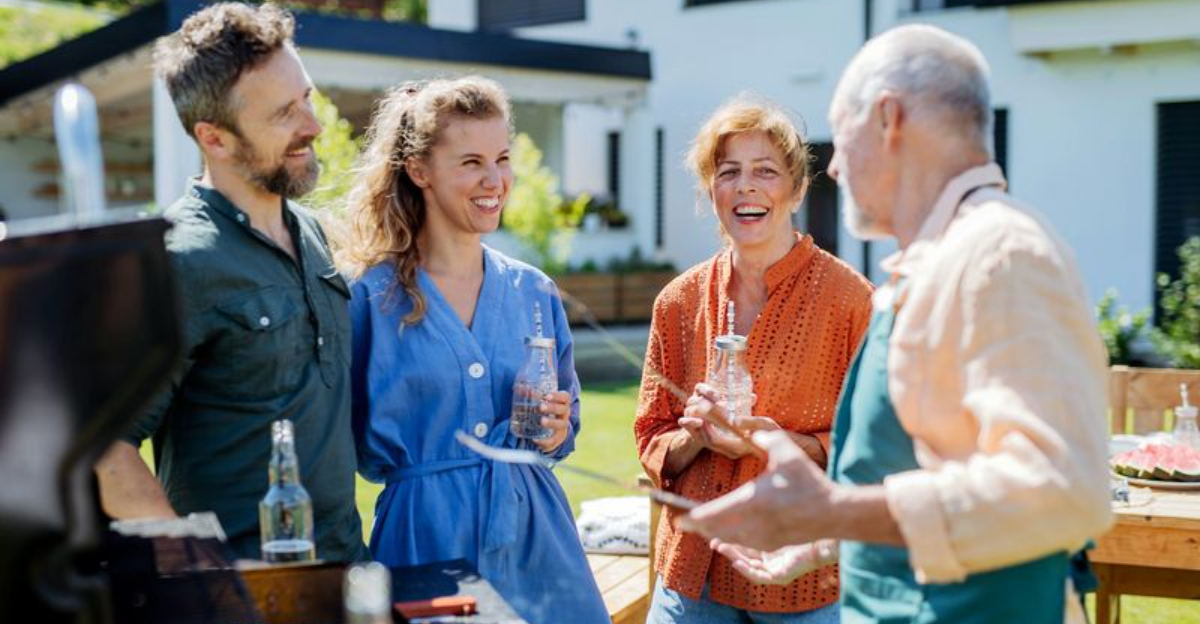
The way neighbors interact has shifted dramatically from one generation to the next. What once felt perfectly normal, like knocking on someone’s door without warning, might now feel intrusive to a younger neighbor.
Growing up in different worlds shaped by technology, privacy concerns, and changing social norms has created a real gap in expectations. Understanding these differences can help everyone on the block get along a little better.
1. Dropping By vs. Texting First

Remember when neighbors just showed up at the door with a smile and maybe a casserole?
For Boomers, dropping by unannounced was a sign of friendliness and community trust.
Nobody thought twice about it.
Gen Z sees things differently.
A surprise visit can feel like an invasion of personal space, especially for those who deal with anxiety or simply value their downtime.
A quick text beforehand shows respect for someone’s schedule and comfort level.
Neither approach is wrong, but knowing your neighbor’s preference goes a long way.
If you are unsure, sending a message first is usually the safer, more considerate move in today’s world.
2. Face-to-Face Chats vs. Digital Communication
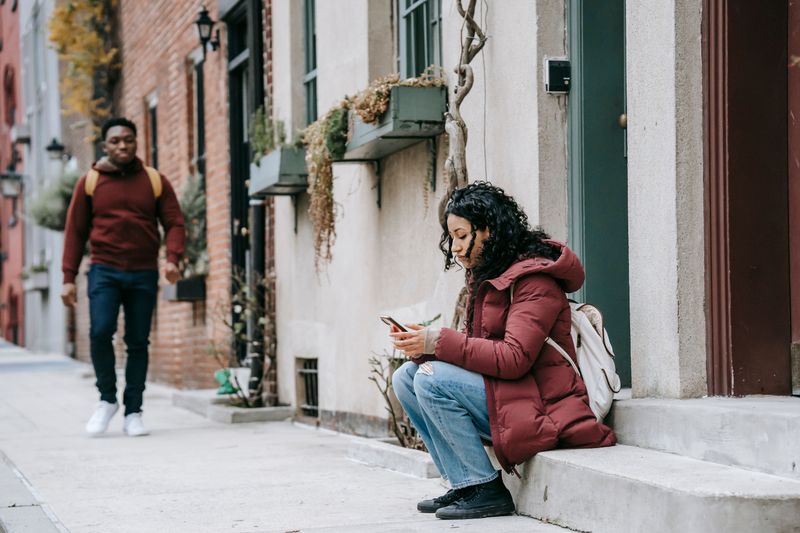
There was something genuinely warm about chatting over a fence or sitting on the porch with a neighbor on a summer evening.
Boomers built real relationships through those casual, face-to-face moments that happened naturally throughout the week.
Younger generations have shifted those conversations online.
Neighborhood apps like Nextdoor, group texts, and community social media pages have replaced a lot of in-person interaction.
For many Gen Z residents, this feels more efficient and less pressure-filled.
Both styles have real value.
Digital tools are convenient and fast, but in-person conversation builds deeper trust.
A healthy mix of both might actually be the sweet spot for modern neighborhoods trying to stay genuinely connected.
3. Borrowing From Neighbors vs. Ordering or Buying It
Asking a neighbor for a cup of sugar or borrowing a ladder used to be completely normal.
It was a small interaction that often led to longer conversations and stronger bonds between households on the same street.
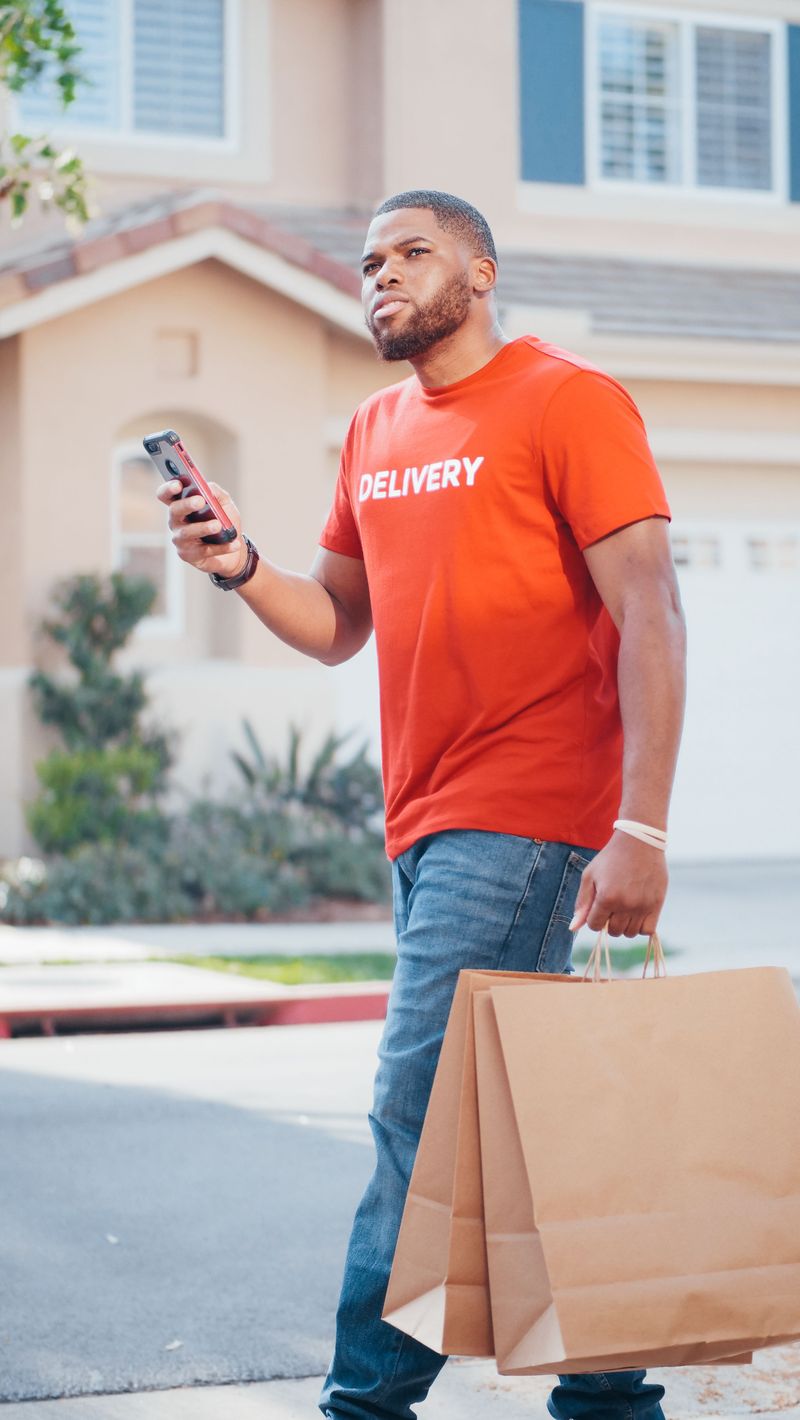
These days, Gen Z is more likely to pull out a phone and order what they need through an app.
Same-day delivery, online rentals, and tool-sharing platforms mean there is rarely a reason to knock next door.
It is fast, easy, and requires zero social interaction.
While convenient, this shift means fewer opportunities to connect with the people living closest to you.
Sometimes the old-fashioned ask is still worth it, even if it feels a little awkward at first.
4. Knowing the Whole Street vs. Smaller Social Circles
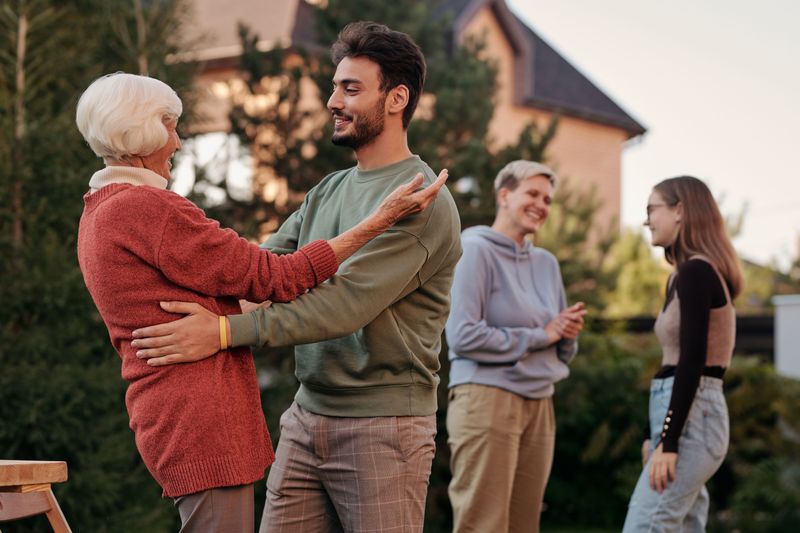
Older generations often took pride in knowing every family on their block by name.
Kids played together, parents shared news, and neighbors looked out for one another as a matter of daily life.
That kind of familiarity created a real sense of belonging.
Gen Z tends to maintain much smaller in-person social circles, especially when it comes to neighbors.
They may know one or two households well but feel little pressure to connect with everyone nearby.
Their broader community often lives online instead.
This is not necessarily a sign of unfriendliness.
It simply reflects a different model of connection.
Knowing fewer neighbors closely can still feel meaningful, especially when those relationships are built on genuine mutual respect.
5. Neighborhood Watch vs. Doorbell Cameras
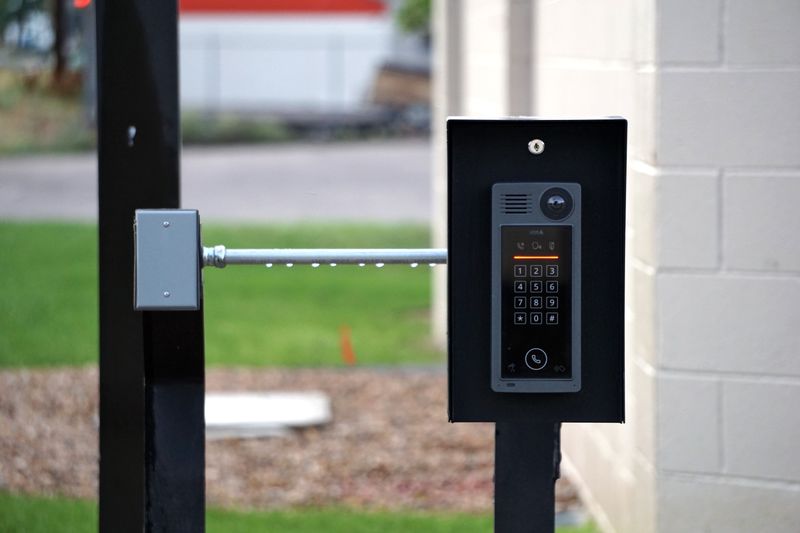
Neighborhood watch programs were once a real community effort.
Residents would keep an eye on each other’s homes, report unusual activity, and check in if something seemed off.
It required genuine participation and built trust among neighbors.
Smart technology has quietly taken over much of that role.
Doorbell cameras, motion-sensor lights, and phone alerts now handle what used to require a network of attentive neighbors.
Many households feel safer without ever needing to talk to the people next door.
The tradeoff is real, though.
Cameras can catch a porch thief, but they cannot offer the same reassurance as a neighbor who genuinely knows your routine.
Human awareness and tech tools together make the strongest safety net of all.
6. Welcome Visits vs. Low-Pressure Introductions
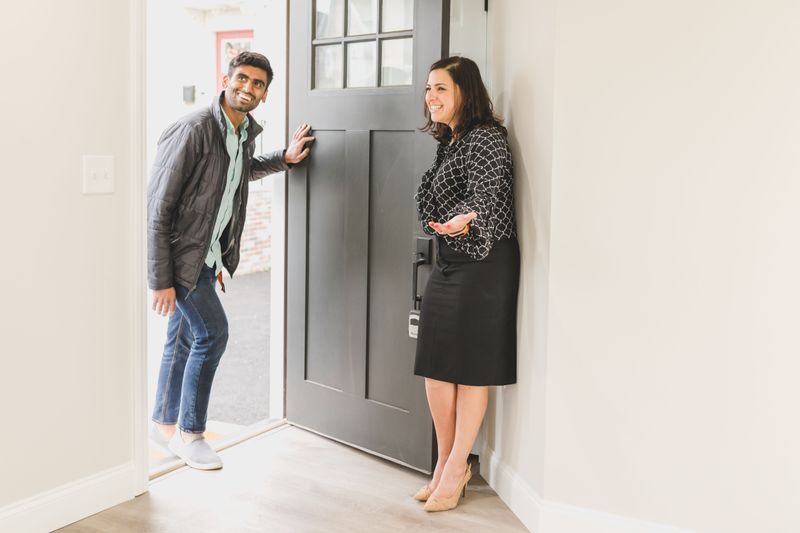
Bringing over a homemade pie or a warm dish to welcome new neighbors was once a beloved tradition.
It was a way to say, “We are glad you are here,” and it often kicked off a lasting friendship between households.
For many younger residents, that kind of visit can feel like pressure rather than warmth.
Gen Z may prefer a quick smile in the hallway, a friendly wave, or even a short introductory note slipped under the door.
Low-key acknowledgment feels more comfortable and less obligatory.
New neighbors still appreciate being noticed, even if the welcome looks different now.
A small, genuine gesture, whatever form it takes, still goes a long way toward starting things off on the right foot.
7. Open-Door Hospitality vs. Stronger Privacy Boundaries
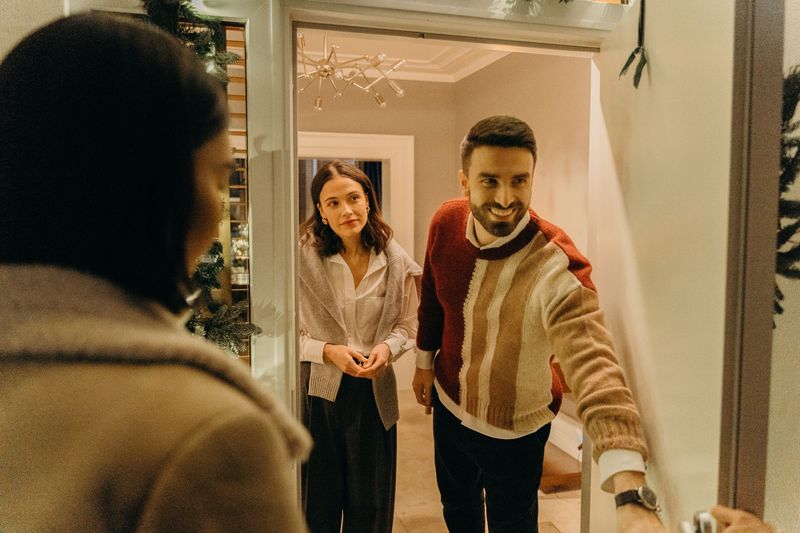
Casual drop-ins and open-door afternoons were practically a lifestyle for many Boomer households.
Neighbors wandered in for coffee, kids moved freely between homes, and spontaneous visits were a regular part of the week.
It felt warm and communal.
Gen Z places a much stronger emphasis on personal space and intentional socializing.
Home is often seen as a private retreat, not a community hub.
Planned hangouts are preferred over unscheduled guests, and that boundary is taken seriously.
Respecting those lines is not about being cold or unfriendly.
It is about understanding that people recharge differently.
Honoring someone’s need for personal space is actually one of the most considerate things a neighbor can do today.
8. Phone Calls vs. Text Messages

Calling a neighbor about a noise complaint, a misdelivered package, or a quick favor once felt perfectly reasonable.
Boomers grew up treating the phone call as a normal, friendly way to handle small neighborhood matters without making a big deal of it.
For Gen Z, an unexpected phone call from a neighbor can actually feel more stressful than helpful.
Texting is seen as less disruptive, easier to respond to on your own schedule, and far less pressure-filled.
It gets the message across without putting anyone on the spot.
If you are unsure which approach a neighbor prefers, starting with a text is usually a safe bet.
It leaves the door open for a call if needed, without catching anyone off guard.
9. In-Person Complaints vs. Written Messages
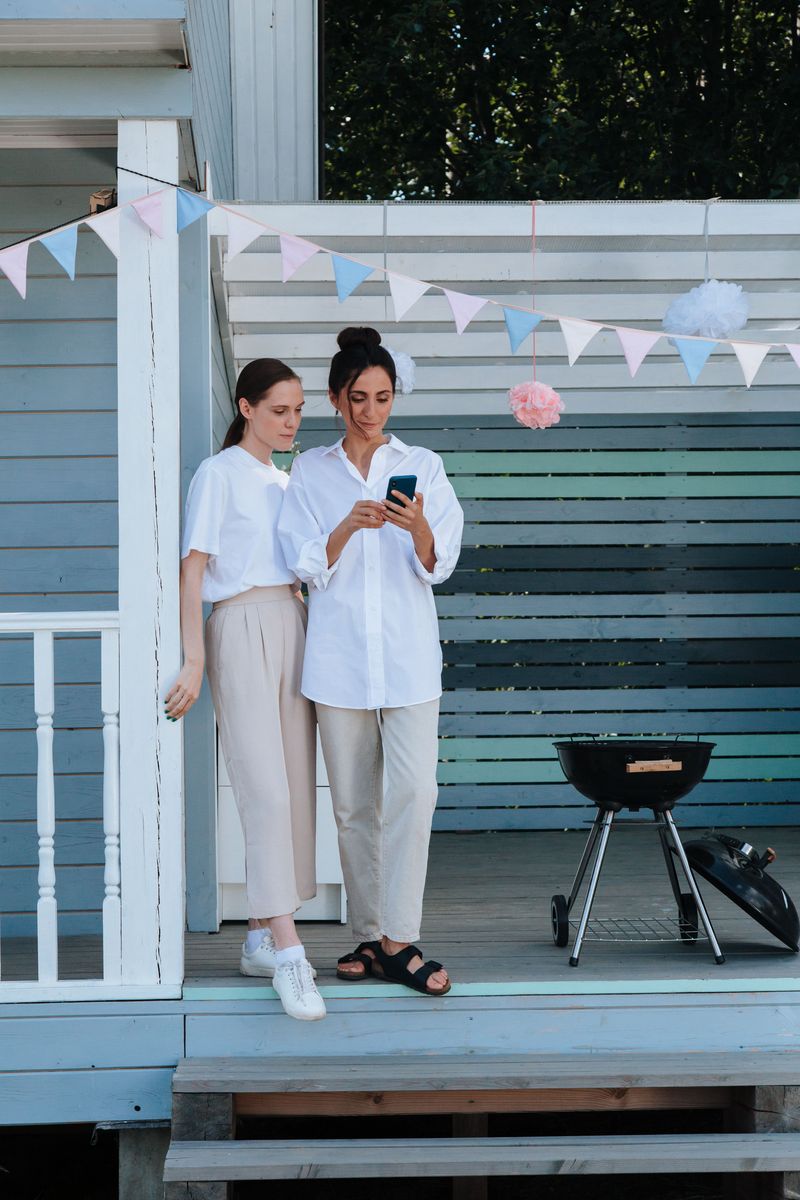
A noisy party next door once meant a knock at the door and an awkward but direct conversation.
Boomers generally handled neighbor issues face to face, which could be uncomfortable but often led to quick, personal resolution.
Today, many people prefer to send a written message through a building app, text, or community platform.
It feels less confrontational and gives both sides time to respond thoughtfully.
For conflict-averse individuals, written communication is a real relief.
Written complaints do have a downside, though.
Tone can be misread, and things can escalate faster in text than in person.
A calm, respectful message paired with a willingness to talk things out in person is often the most effective combination.
10. Community Events vs. Online Neighborhood Groups
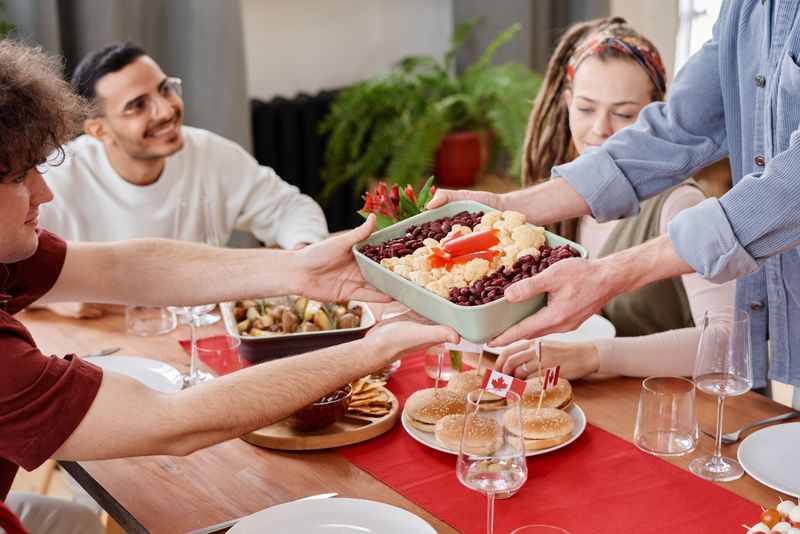
Block parties, local potlucks, and neighborhood association meetings were once the heartbeat of community life.
Boomers showed up, shook hands, and built real relationships through shared food and face-to-face conversation.
Those events created a sense of place and belonging.
Online neighborhood groups have largely replaced those gatherings for younger residents.
Platforms like Nextdoor or local Facebook groups let people share recommendations, report problems, and stay informed without ever leaving home.
Participation is easy, flexible, and low commitment.
Digital groups are genuinely useful, but they can also create distance.
Seeing a neighbor’s face and hearing their voice builds trust in a way that a comment thread simply cannot.
Even occasional in-person events can make an online community feel far more real.
11. Returning Favors vs. Respecting Boundaries

Traditional neighborliness often came with an unspoken scoreboard.
If someone watched your house while you were away, there was an understood expectation that you would return the favor.
It was a system built on informal obligation and community loyalty.
Gen Z tends to feel more comfortable breaking that cycle.
Asking directly for help is more common, and so is accepting a polite no without resentment.
There is less pressure to keep an invisible tally of who owes whom what.
This shift actually reduces a lot of social awkwardness.
When favors are offered freely rather than traded, they feel more genuine.
Clear communication about what you need and what you can offer makes neighborly relationships healthier and far less complicated for everyone involved.
12. Being Friendly vs. Being Friendly Without Being Close
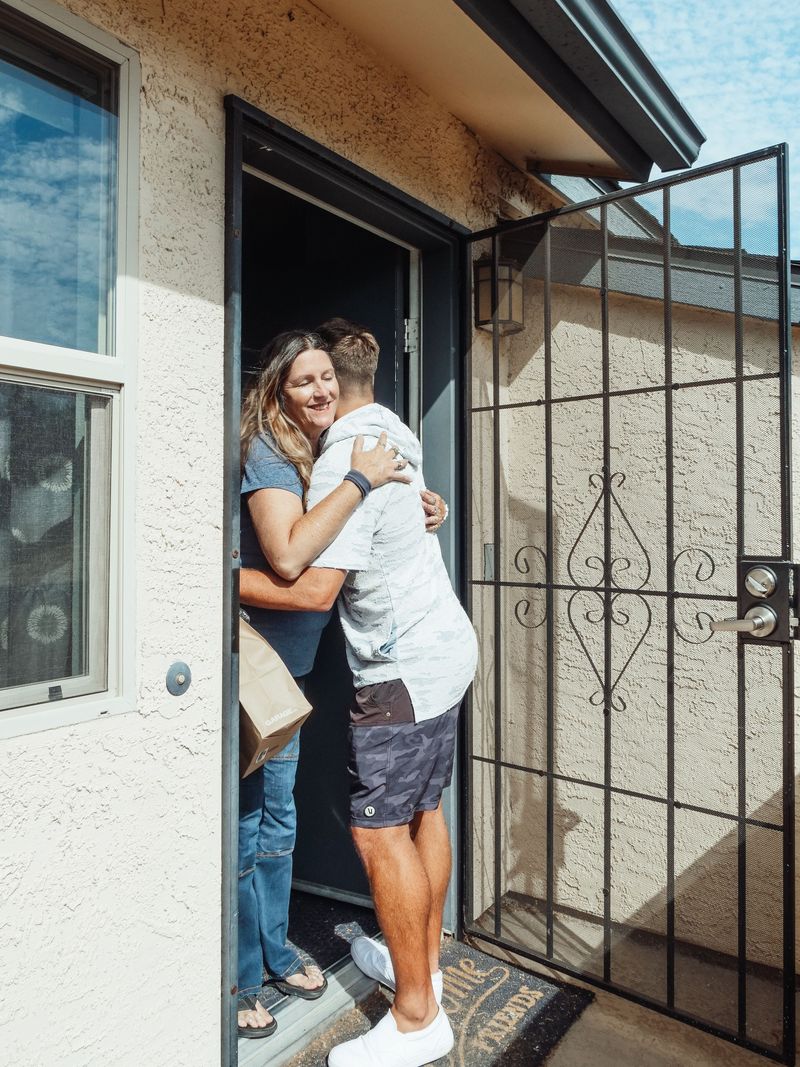
For Boomers, a good neighbor was someone you knew personally, someone who could name your kids, remember your birthday, and show up when things got hard.
Closeness was considered part of the package when it came to being a decent neighbor.
Gen Z has redefined what “good neighbor” actually means.
You can be considerate, respectful, and genuinely pleasant without ever sharing a meal or knowing someone’s last name.
Keeping noise down, handling shared spaces well, and respecting privacy all count as solid neighbor behavior.
Neither version is better; they just reflect different values.
What matters most is consistency and basic respect.
A neighbor who is quiet, considerate, and kind, even from a distance, is still a neighbor worth appreciating every single day.