 MomSkoop
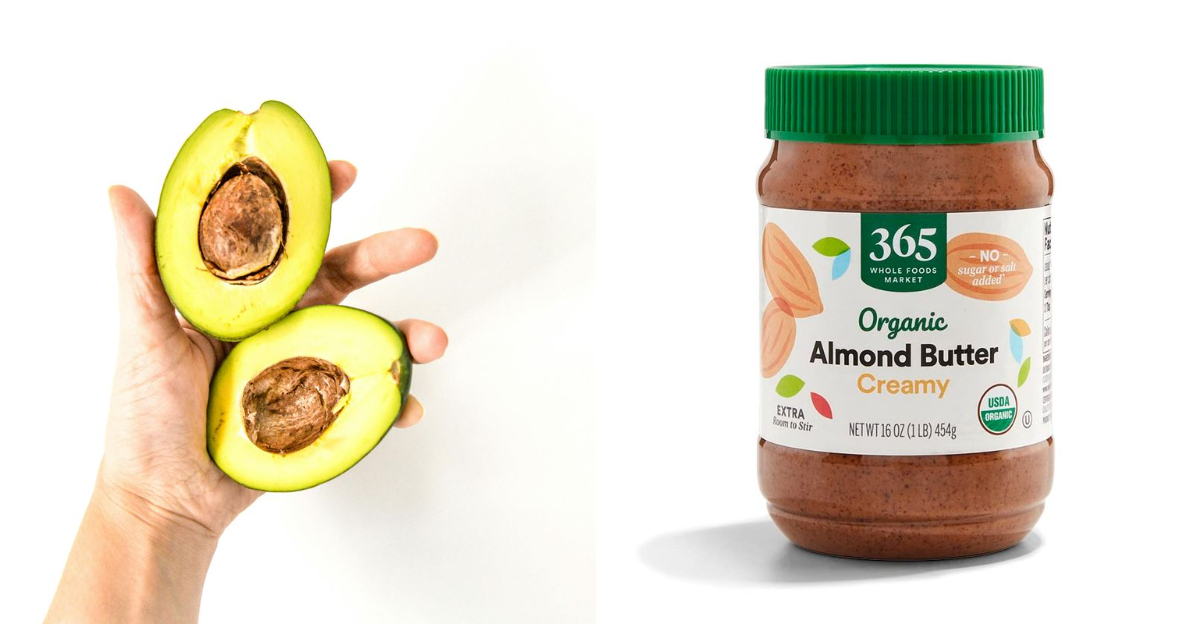
Ever wonder what a nutritionist actually puts in their grocery cart? Whole Foods is packed with options, but the pros have their go-to picks that make healthy eating easier and more delicious.
These staples show up week after week because they deliver real nutrition without a lot of fuss. Stock your cart with these 12 items and you might just eat like a nutrition expert every single day.
1. Organic Leafy Greens and Berries

Spinach, kale, and a handful of bright berries might just be the most powerful combo in the produce aisle.
Leafy greens are loaded with vitamins A, C, and K, while berries bring serious antioxidant power to the table.
Together, they form the backbone of a nutrient-dense diet.
Nutritionists grab these every single week without thinking twice.
Toss spinach into a smoothie, sauté kale with garlic, or scatter berries over oatmeal for an easy upgrade.
The fiber alone keeps your digestion happy.
Buying organic for these items matters most since they tend to carry more pesticide residue when grown conventionally.
2. Rotisserie Chicken

Few things beat the smell of a freshly cooked rotisserie chicken when you walk through the Whole Foods door.
It is one of the smartest shortcuts a nutritionist will ever recommend, offering lean protein that is already cooked and ready to go.
Check the ingredient label and you will usually find a clean, short list — just chicken, salt, and basic seasonings.
That simplicity is exactly what nutrition professionals look for.
Shred it over salads, stuff it into wraps, or pair it with roasted veggies for a fast weeknight dinner.
Meal prep just got a whole lot easier without sacrificing quality or nutrition.
3. 365 Canned Beans
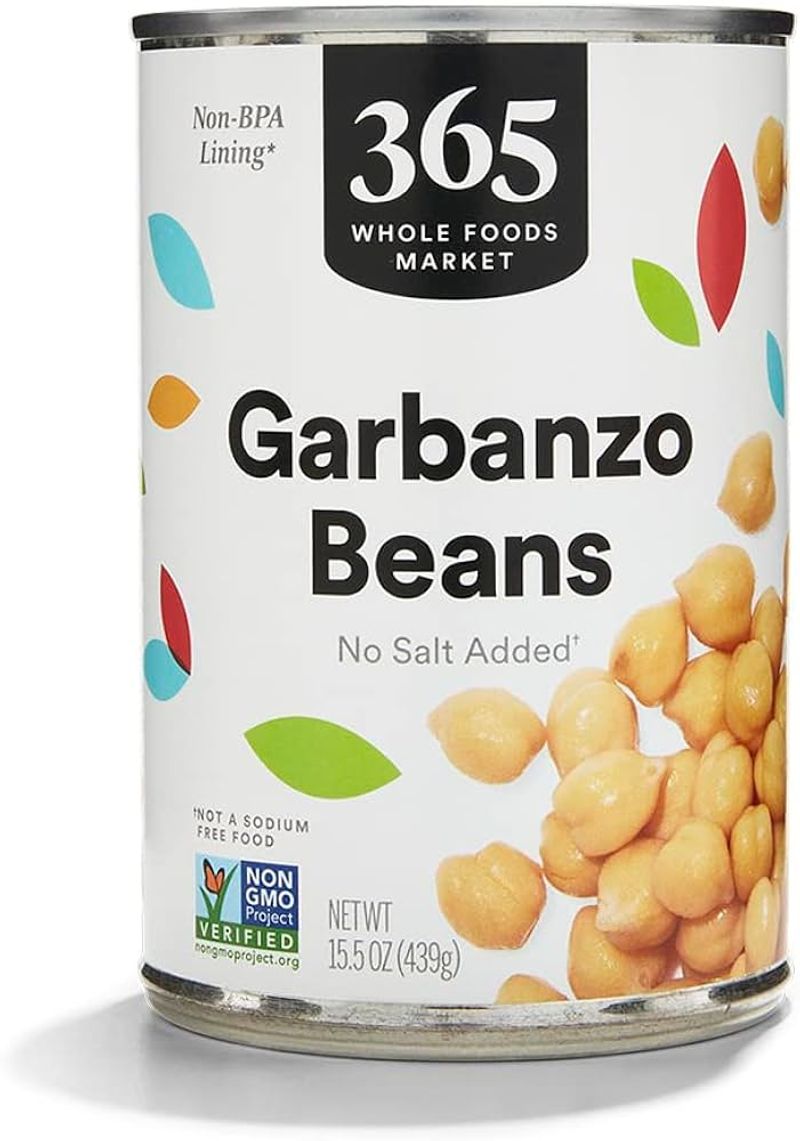
Canned beans are one of the most underrated items in the grocery store, and nutritionists know it.
The Whole Foods 365 brand keeps things clean with minimal added sodium and no unnecessary fillers.
Black beans, chickpeas, and lentils are all excellent picks.
A single cup of beans delivers a solid punch of both fiber and plant-based protein, which helps you feel full and supports steady blood sugar.
Toss them into grain bowls, blend them into soups, or pile them onto salads for an effortless nutrition boost.
Keeping a few cans stocked in your pantry means a healthy meal is always just minutes away.
4. Whole Grains: Quinoa, Brown Rice, and Oats

Complex carbohydrates get a bad reputation sometimes, but nutritionists will be the first to tell you that whole grains are absolutely worth eating.
Quinoa stands out because it is one of the few plant foods that contains all nine essential amino acids, making it a complete protein.
Brown rice and oats bring their own strengths — steady energy, heart-healthy fiber, and nutrients that refined grains simply cannot offer.
Oats in the morning keep hunger at bay for hours, which makes mornings feel a lot more manageable.
Batch-cooking a pot of quinoa or brown rice at the start of the week saves time and keeps healthy eating on track.
5. 365 Almond or Peanut Butter
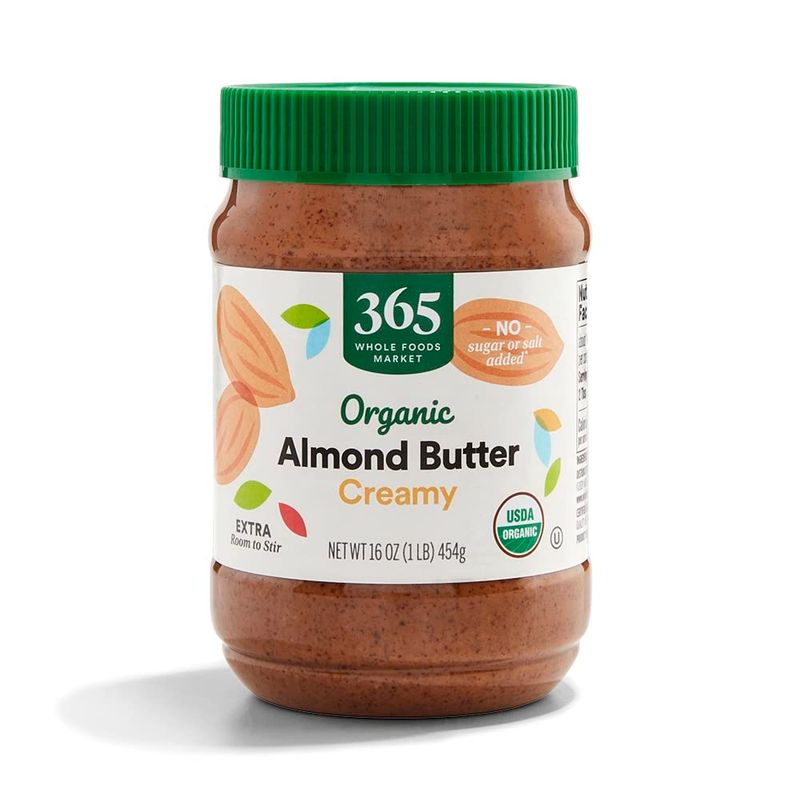
Nut butter with just one or two ingredients is exactly what a nutritionist looks for, and the 365 line at Whole Foods delivers that without the added sugars or hydrogenated oils found in many popular brands.
Almond butter is rich in vitamin E and magnesium, while peanut butter brings affordable, satisfying protein.
Spread it on apple slices, swirl it into oatmeal, or blend it into a smoothie for healthy fats that keep you energized between meals.
The monounsaturated fats in both options support heart health over time.
Reading labels on nut butters is a habit nutritionists swear by — the shorter the ingredient list, the better.
6. Plain Greek Yogurt
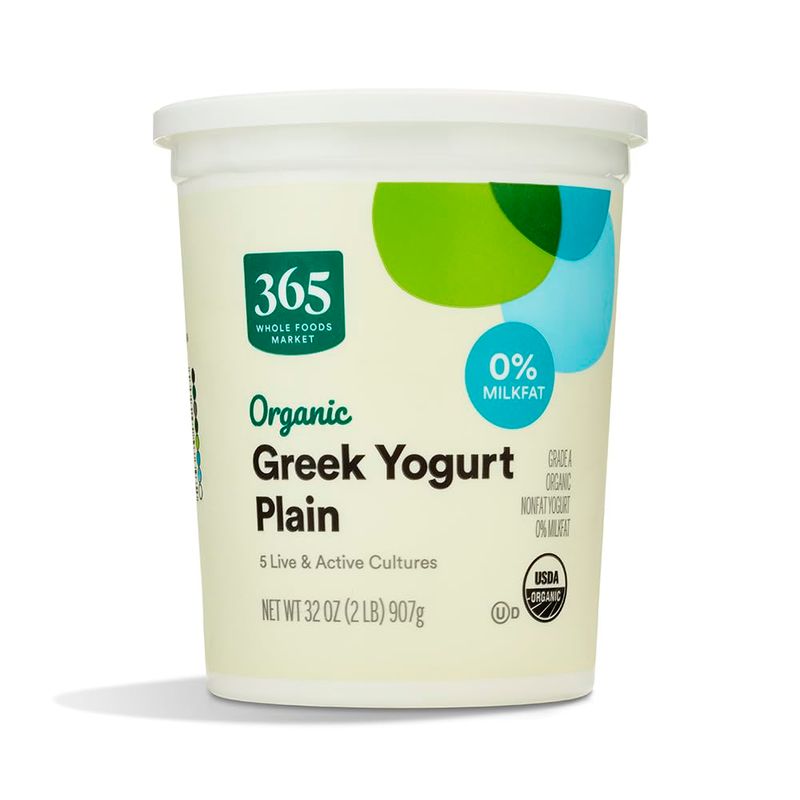
Plain Greek yogurt is one of those foods that quietly does a lot of heavy lifting in a healthy diet.
With nearly double the protein of regular yogurt and live active cultures that support gut health, it earns its place in every nutritionist’s cart.
The key word here is plain — flavored varieties are often packed with added sugar that cancels out many of the benefits.
Use it as a base for smoothies, a swap for sour cream, or a creamy topping for grain bowls.
Stir in fresh fruit or a drizzle of honey if you want a little sweetness without going overboard on added sugars.
7. Pasture-Raised Eggs
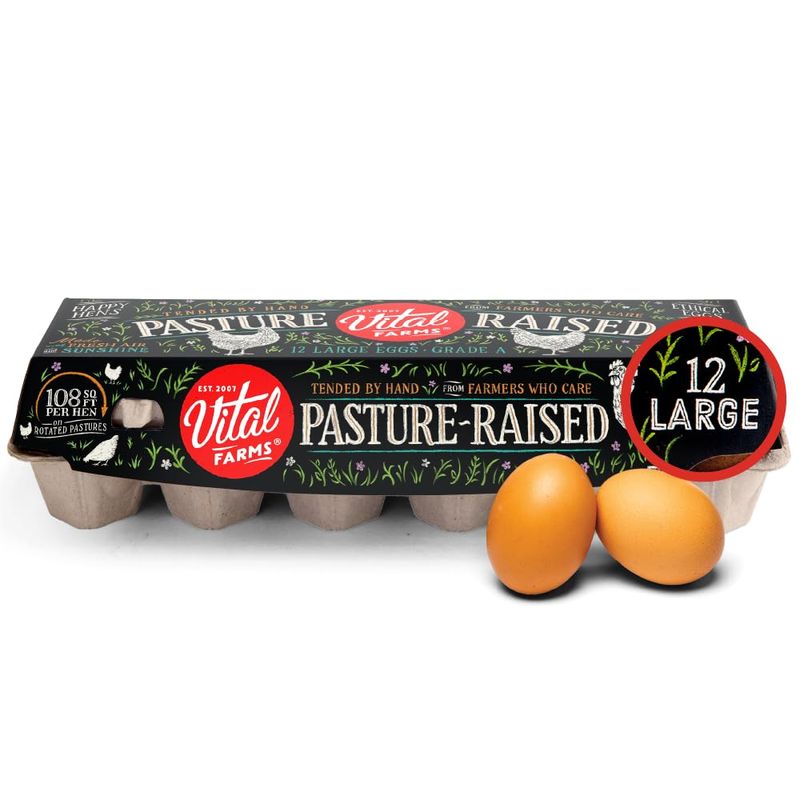
Eggs have had a complicated history in nutrition headlines, but the science has settled: they are one of the most nutrient-dense foods you can eat.
Pasture-raised eggs take things a step further, offering higher levels of omega-3 fatty acids and vitamin D compared to conventional eggs.
Nutritionists appreciate that eggs work at every meal — scrambled for breakfast, hard-boiled as a snack, or poached on top of a grain bowl for dinner.
Each egg delivers high-quality protein along with choline, a nutrient that supports brain health and is often overlooked in most diets.
Spending a little more on pasture-raised is a worthwhile upgrade that your body will thank you for.
8. Frozen Edamame

Frozen edamame might be the most convenient plant-based protein in the entire freezer aisle.
Pop a bag in the microwave for a few minutes and you have a snack or meal addition that is genuinely packed with nutrition — protein, fiber, and folate all in one small green pod.
Nutritionists love recommending edamame because it appeals to people who think healthy eating is complicated or boring.
Toss shelled edamame into grain bowls, stir it into fried rice, or simply eat it straight from the bag with a sprinkle of sea salt.
Did you know edamame is just young soybeans harvested before they fully harden?
Fresh, simple, and seriously good for you.
9. Chia Seeds and Flaxseeds
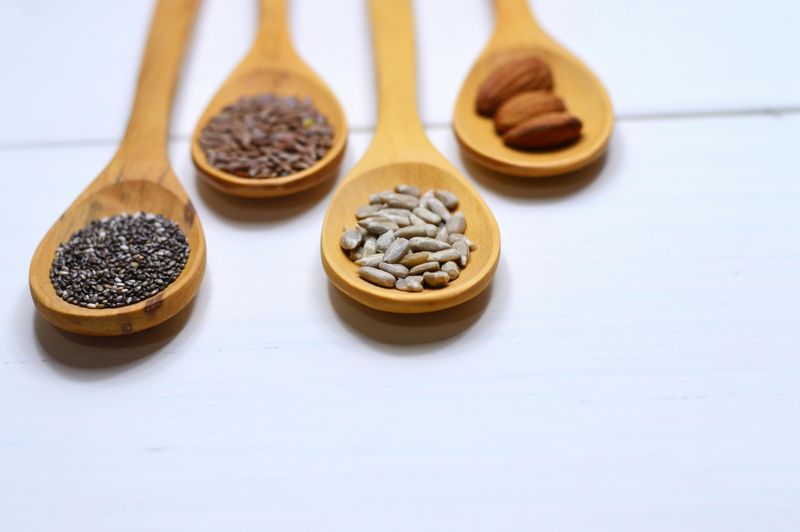
Tiny but mighty is the best way to describe chia seeds and flaxseeds.
Both are packed with omega-3 fatty acids, the kind that support brain function and reduce inflammation throughout the body.
A single tablespoon added to your morning routine can make a noticeable difference over time.
Chia seeds absorb liquid and turn into a gel-like texture, making them perfect for overnight oats, smoothies, or homemade pudding.
Flaxseeds work best when ground, which helps your body actually absorb their nutrients — sprinkle them over yogurt or blend them into shakes.
Nutritionists consider these two seeds among the easiest ways to boost the nutritional value of almost any meal.
10. Avocados

Avocados became a cultural phenomenon for good reason — they taste incredible and deliver impressive health benefits at the same time.
The monounsaturated fats found in avocado are the heart-healthy kind that can help lower bad cholesterol when eaten as part of a balanced diet.
Beyond the healthy fats, avocados are a solid source of potassium and fiber, two nutrients most people do not get enough of.
Smash one on whole grain toast, slice it over a salad, or blend it into a smoothie for a creamy texture without dairy.
Nutritionists keep a few on the counter at different ripeness levels so there is always one ready to eat.
11. Canned Artichoke Hearts
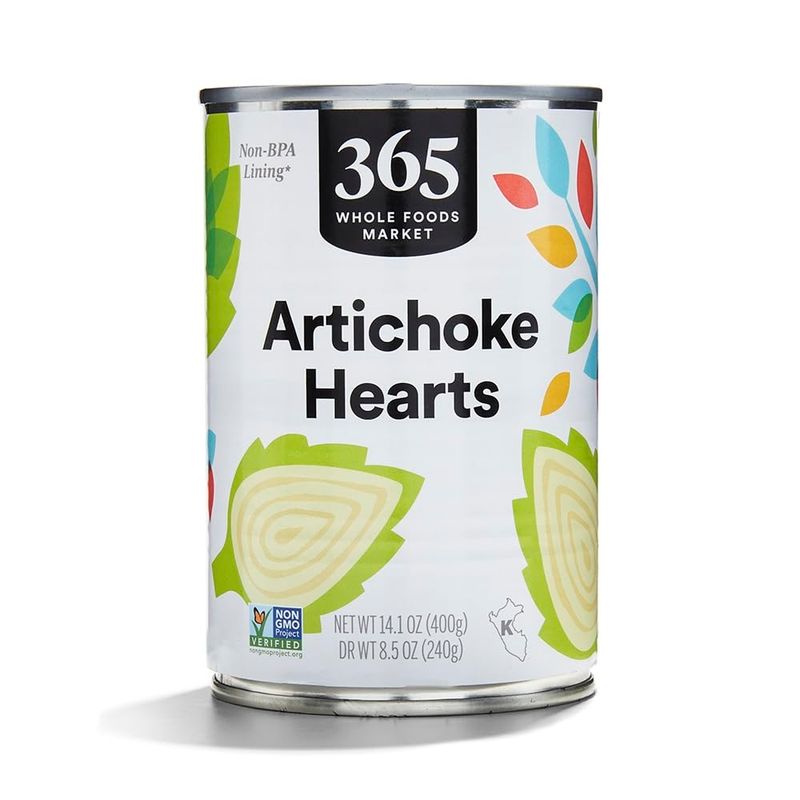
Artichoke hearts do not always get the spotlight they deserve, but nutritionists know they are hiding serious nutritional value in that unassuming can.
They rank among the highest fiber vegetables available, and they deliver folate, vitamin C, and magnesium in a convenient, shelf-stable package.
Chop them up and toss them into pasta, layer them onto a homemade flatbread pizza, or mix them into a simple salad with olive oil and lemon.
The mild, slightly earthy flavor pairs well with a wide variety of ingredients without overpowering a dish.
Stocking a few cans means you always have a nutrient-rich ingredient ready when fresh vegetables are running low in the kitchen.
12. Kombucha and Fermented Foods

Your gut is home to trillions of bacteria that influence everything from digestion to mood, and fermented foods are one of the best ways to keep that ecosystem thriving.
Kombucha, sauerkraut, and kimchi are all loaded with live probiotic cultures that support a healthy gut microbiome.
Nutritionists reach for the Whole Foods refrigerated section regularly to pick up a bottle of kombucha or a jar of raw kraut.
The key is choosing options that are unpasteurized since heat kills the beneficial bacteria that make these foods worth eating.
Even a small daily serving of fermented food can add up to meaningful gut health benefits over weeks and months of consistent use.