 MomSkoop
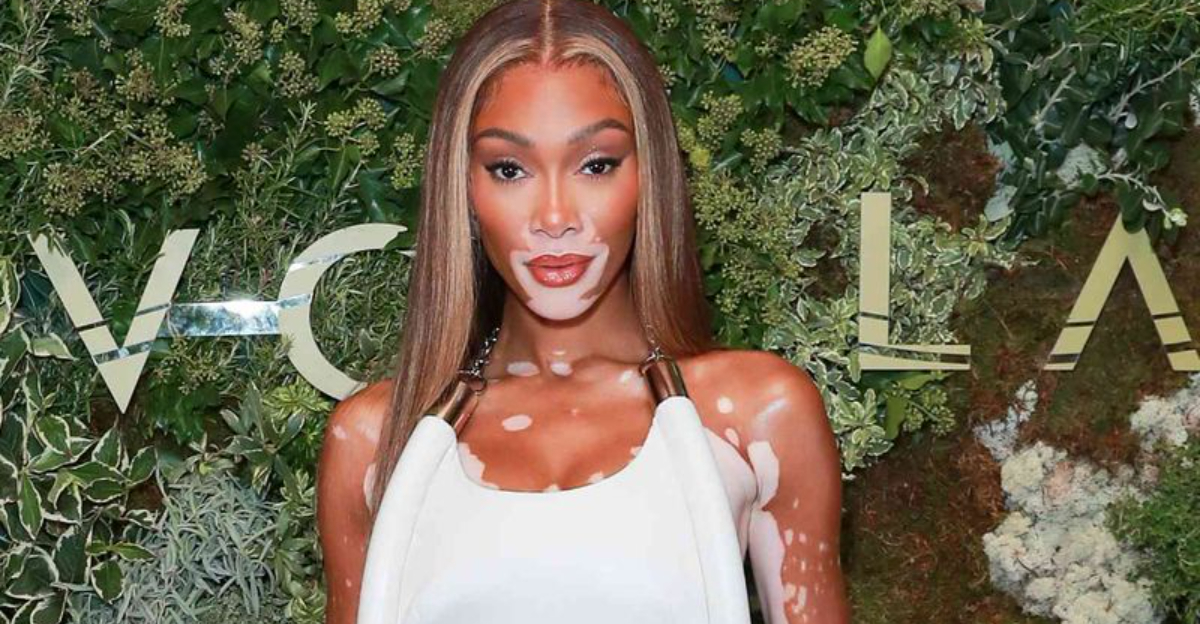
Black women have faced countless criticisms about their appearance throughout history, from hair texture to skin tone to facial features. Yet time and again, powerful voices have risen to challenge these narrow beauty standards with confidence and grace.
These thirteen icons didn’t just ignore the critics—they transformed the conversation entirely, proving that true beauty comes in infinite forms and that self-love is the ultimate act of rebellion.
1. Lupita Nyong’o
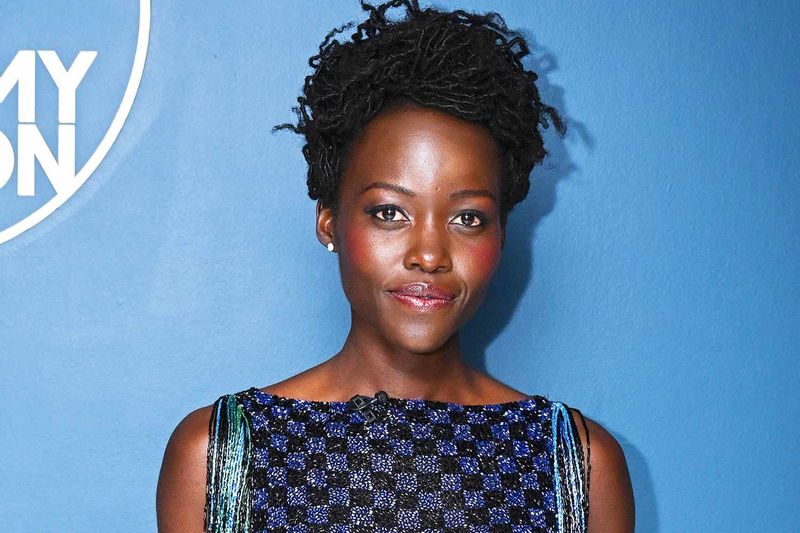
Growing up in a world that often favored lighter complexions, Lupita faced constant messages that her deep, rich skin wasn’t beautiful enough.
She heard these words so often that she almost believed them herself.
Everything changed when she saw supermodel Alek Wek on television, a woman who looked like her and was celebrated globally.
That moment planted a seed of self-acceptance that would bloom into powerful advocacy.
Today, Lupita uses her platform to speak openly about colorism and the importance of representation.
Her Oscar-winning talent combined with her willingness to share her journey has inspired millions of young girls to see their dark skin as absolutely gorgeous.
She proves that the features society once rejected can become symbols of worldwide admiration and respect.
2. Viola Davis
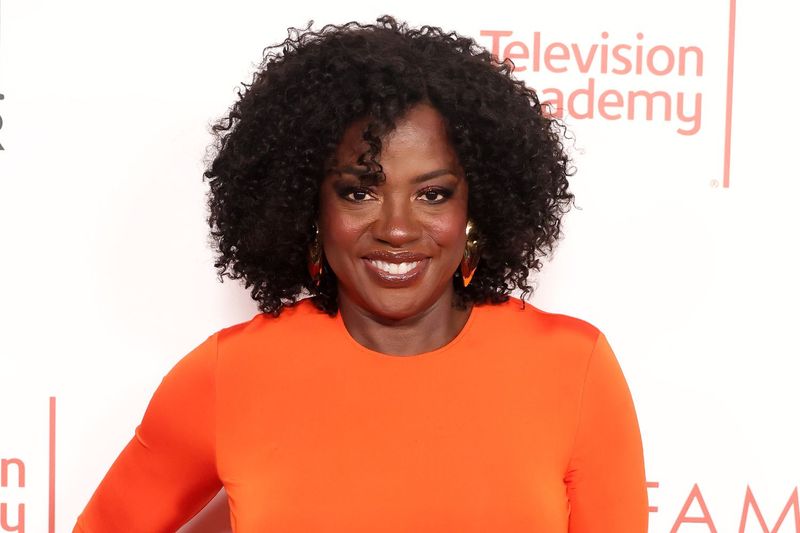
When Viola removed her wig and makeup on television, revealing her natural face and hair texture, the internet exploded with conversation.
Some praised her bravery while others criticized her appearance, but she remained unbothered by the noise.
For decades, Hollywood demanded that Black actresses conform to European beauty standards, wearing wigs and heavy makeup to appear more “acceptable.” Viola decided she was done playing that game.
Her decision to embrace her natural self at every age has opened doors for authenticity in entertainment.
She speaks candidly about aging, natural hair, and rejecting the pressure to look eternally young.
Through award-winning performances and honest interviews, she’s shown that real beauty radiates from confidence and refusing to apologize for simply existing as yourself, wrinkles and all.
3. Winnie Harlow
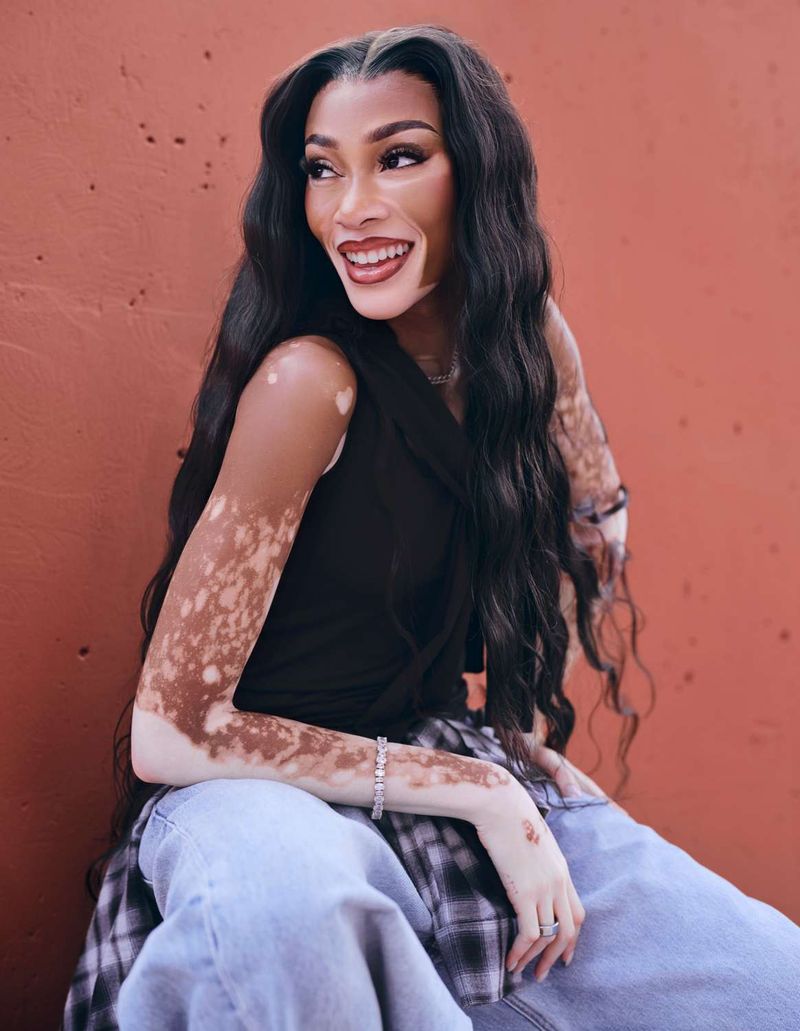
Bullies called her “cow” and “zebra” because of the white patches covering her brown skin.
The skin condition vitiligo made Winnie’s childhood incredibly painful, and she struggled to find any representation of beauty that looked like her.
Rather than hiding behind makeup or staying out of the spotlight, she posted photos on social media celebrating her unique appearance.
Her confidence caught the attention of fashion industry leaders who saw something extraordinary.
Now she walks runways for the world’s biggest designers and appears in major beauty campaigns.
Her success hasn’t just changed her life—it’s changed how millions view skin conditions and difference.
Young people with vitiligo finally have someone who looks like them gracing magazine covers, proving that so-called “flaws” can actually be stunning trademarks of individuality and strength.
4. Rihanna
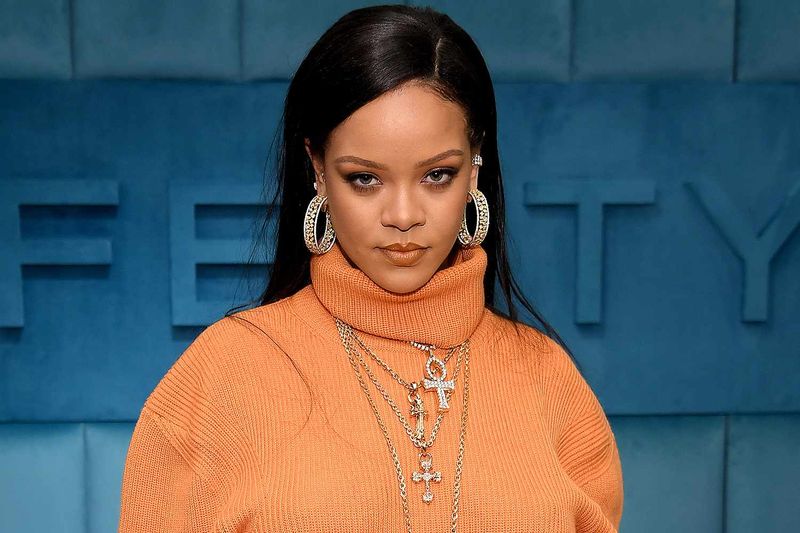
Did you know Rihanna was told early in her career to lose weight and look more “conventional” for mainstream success?
She responded by doing exactly the opposite, experimenting with every hair color, style, and fashion choice imaginable.
Her high forehead, which some considered unflattering, became part of her signature look that she flaunted confidently.
She refused to shrink herself or her bold features to fit anyone’s narrow definition of pretty.
Through her Fenty Beauty line, she revolutionized the makeup industry by creating products for every skin tone, not just the typical few shades offered before.
She’s built an empire on the principle that everyone deserves to feel beautiful exactly as they are.
Her fearless self-expression has given countless fans permission to experiment, take risks, and love themselves loudly.
5. Issa Rae
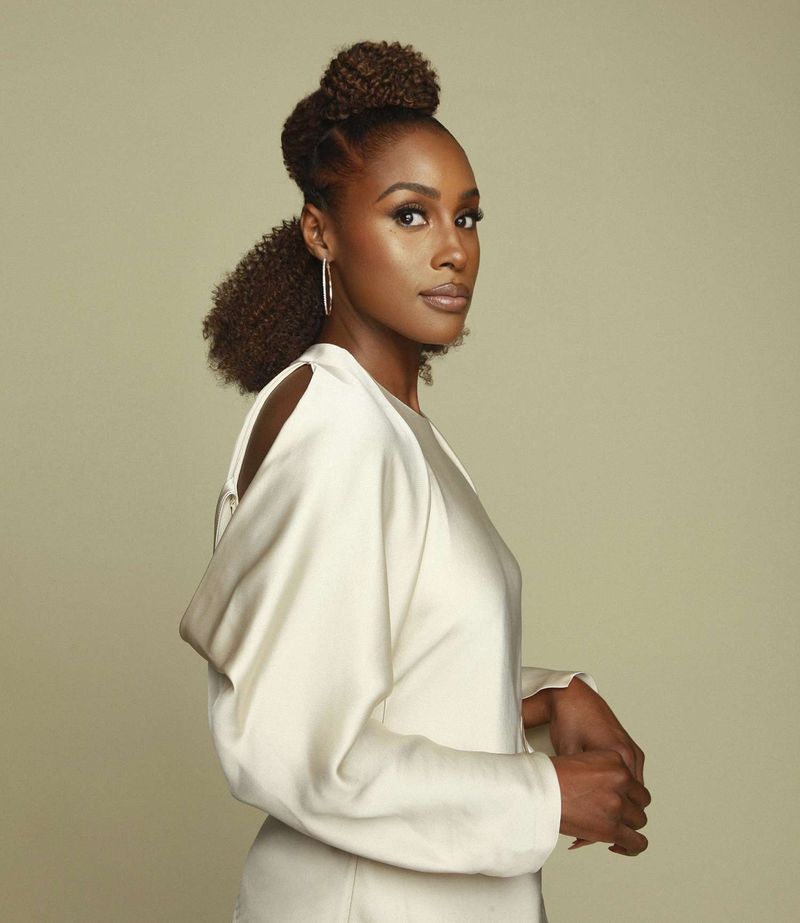
Hollywood traditionally celebrates a very specific type of Black woman—light-skinned, long-haired, and fitting European features.
Issa Rae arrived on the scene looking like your actual friend or cousin, not a fantasy.
Her web series and television shows featured women with natural hair, everyday fashion, and realistic bodies.
She made awkwardness and authenticity cool in an industry obsessed with perfection.
Critics questioned whether her girl-next-door appearance could carry a show, but audiences responded with overwhelming support.
She proved that relatability is actually more powerful than unattainable glamour.
By consistently showing up as her genuine self—natural hair, minimal makeup, and all—she’s created space for women who don’t fit the traditional mold.
Her success demonstrates that audiences are hungry for real representation, not just polished fantasies that nobody can actually achieve in daily life.
6. Naomi Campbell
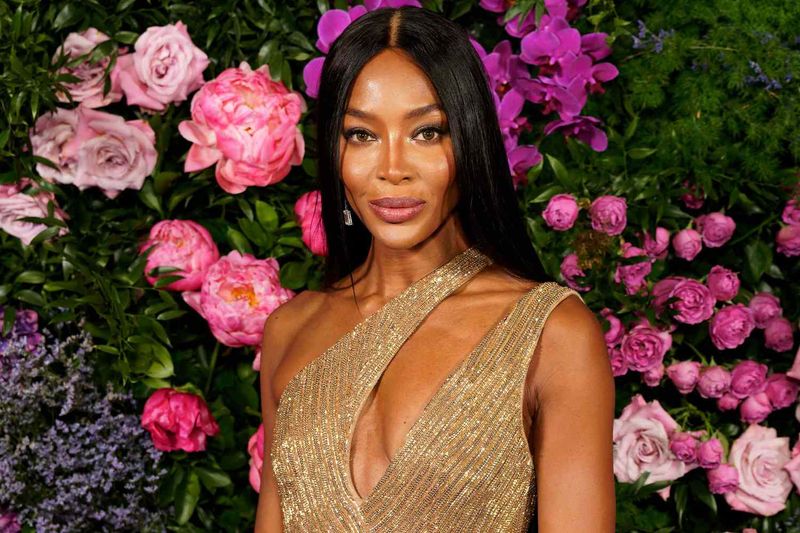
Magazine editors literally told Naomi she was “too Black” to sell covers in the 1980s and 90s.
Rather than accepting this racist limitation, she fought back publicly and demanded equal treatment throughout her career.
She became the first Black woman on the covers of French Vogue and Time magazine, breaking barriers that many said were impossible.
Her success forced the fashion industry to confront its prejudices.
Even at the peak of her fame, she spoke openly about the discrimination she faced, refusing to stay quiet for career safety.
Her willingness to call out racism while maintaining her position as a top model paved the way for the diverse runways we see today.
Decades later, she continues advocating for models of color, ensuring the doors she kicked open stay open for future generations seeking their place in fashion.
7. Danai Gurira
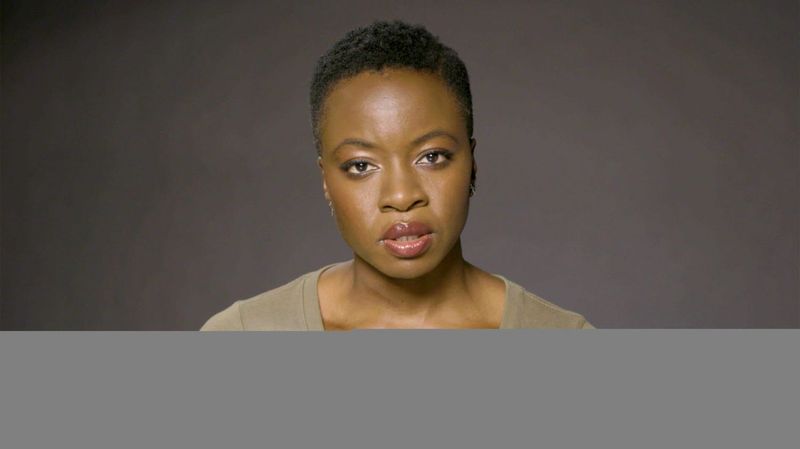
Long, flowing hair has been considered essential for feminine beauty for centuries, especially in Western culture.
When Danai shaved her head for a role, many assumed she’d wear wigs everywhere except on camera.
Instead, she showed up to premieres, award shows, and interviews with her beautiful bald head on full display.
Her sculpted features and radiant confidence proved that hair doesn’t define femininity or attractiveness.
Critics questioned whether this bold choice would limit her career opportunities, but it actually expanded her range and visibility.
She became known not just for her acting talent but for her fearless approach to beauty standards.
By refusing to cover up, she’s inspired women dealing with hair loss, those who simply prefer short styles, and anyone tired of society’s rigid rules about how women should look to be considered beautiful or professional.
8. Angela Bassett
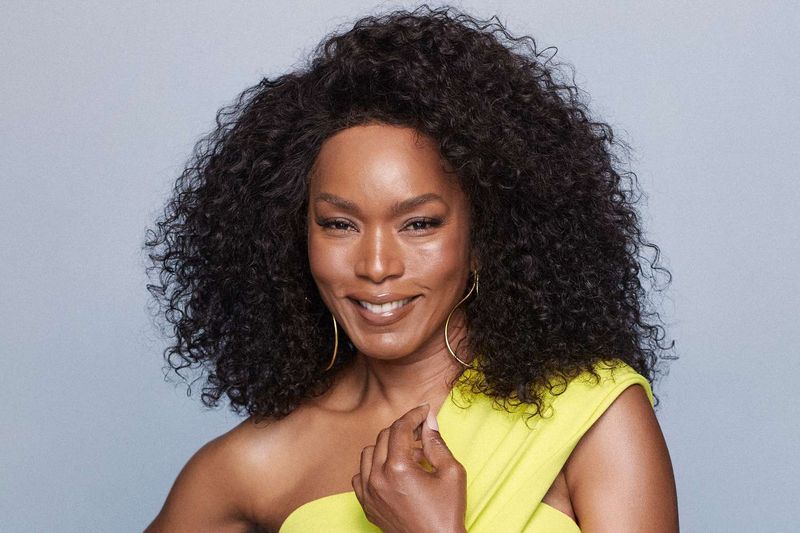
Angela’s muscular physique and commanding presence challenged Hollywood’s preference for delicate, fragile femininity.
She built strength and maintained fitness in an era when women were encouraged to stay small and unthreatening.
Her roles often showcased powerful, complex Black women who were both beautiful and formidable.
She refused to soften her edges or downplay her physical strength to appear more traditionally feminine.
Now in her sixties, she continues to stun on red carpets with a physique that would impress someone half her age.
She’s completely rewritten the narrative about aging, beauty, and what’s possible for Black women in entertainment.
Her dedication to health and her refusal to retire into invisibility shows that glamour and strength aren’t opposites—they’re complementary forces.
She’s living proof that you can age powerfully and beautifully on your own terms.
9. Jodie Turner-Smith
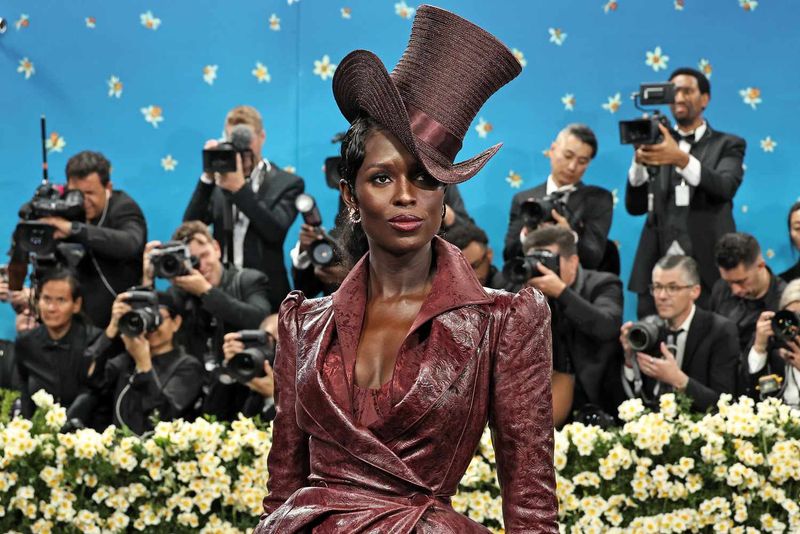
With her statuesque height, angular features, and dark skin, Jodie embodies a beauty that fashion magazines once considered too unconventional for mainstream success.
Early in her career, she faced rejection for not fitting the typical Hollywood mold.
She responded by leaning into exactly what made her different, choosing bold fashion risks and embracing her distinctive look.
Her red carpet appearances consistently generate buzz because she refuses to play it safe.
Fashion houses now compete to dress her, recognizing that her unique beauty photographs spectacularly and commands attention.
She’s spoken about the importance of representation and seeing herself reflected in media growing up.
By owning her striking features and experimental style, she’s expanded the definition of leading lady beauty.
Her success proves that what makes you different isn’t a disadvantage—it’s your superpower waiting to be unleashed.
10. Whoopi Goldberg
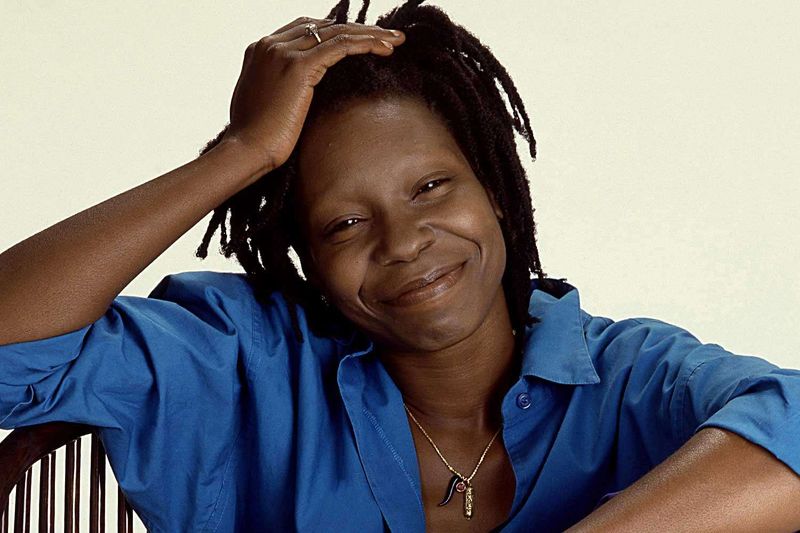
Whoopi never wore the wigs, the makeup, or the conventional femininity that Hollywood expected from leading ladies.
She showed up exactly as herself—dreadlocks, comfortable clothes, and zero apologies.
Industry insiders warned that her unconventional appearance would limit her to comedy roles, but she went on to win an Oscar, Emmy, Grammy, and Tony.
Her talent spoke louder than any criticism about her looks.
She’s been open about rejecting beauty standards that felt fake and uncomfortable, choosing authenticity over acceptance.
Her decades-long career proves that talent, intelligence, and personality matter far more than fitting into a narrow beauty box.
Young women watching her success learned that you don’t have to perform traditional femininity to be successful, respected, or beautiful.
Sometimes the most revolutionary act is simply being yourself without explanation or justification.
11. Alek Wek
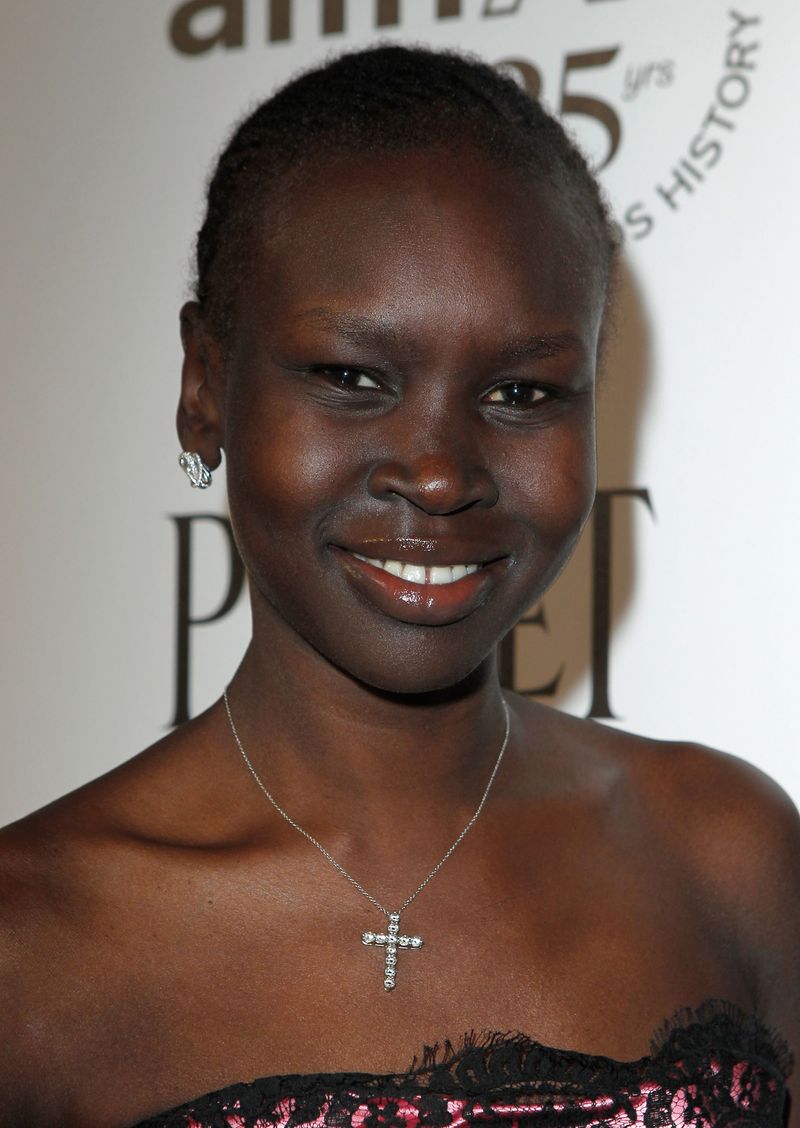
Born in South Sudan, Alek arrived in the fashion world when the industry had extremely narrow standards about acceptable beauty.
Her very dark skin, short natural hair, and distinctly African features were considered unmarketable by many agencies.
One designer saw something different—a stunning beauty that challenged Western assumptions.
Her breakthrough changed the entire conversation about what beautiful could look like on international runways.
She became one of the first African models to achieve global supermodel status, appearing in top magazines and campaigns worldwide.
Her success opened doors that had been locked for generations of dark-skinned African women.
She’s spoken about how her visibility helped girls who looked like her finally see themselves as beautiful.
By simply existing in spaces that had excluded her, she fundamentally shifted global beauty standards and proved that African features deserve celebration, not criticism.
12. Tessa Thompson
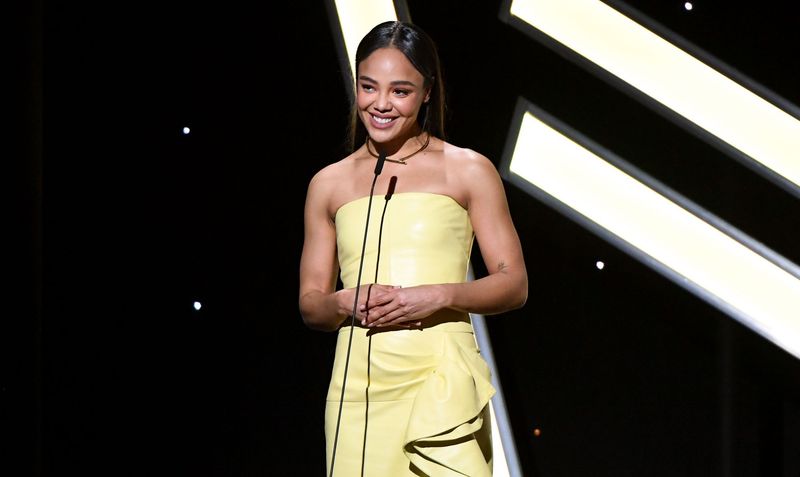
Tessa refuses to be categorized, whether in her acting roles or her personal style.
She mixes masculine and feminine elements, rocks bold colors and patterns, and experiments constantly with her appearance.
Her approach to beauty is playful and ever-changing, rejecting the idea that women must maintain one consistent look.
She’s shown up to events in everything from elegant gowns to sharp suits, always looking stunning.
Critics have tried to label her style as confusing or attention-seeking, but she sees it as honest self-expression.
Her fluid approach to fashion and beauty has resonated with young people who feel constrained by rigid gender expectations.
By refusing to pick a lane and stay in it, she’s demonstrated that beauty doesn’t require consistency—it thrives on creativity, experimentation, and the freedom to change your mind.
Her boldness encourages others to explore rather than conform.
13. Tracee Ellis Ross
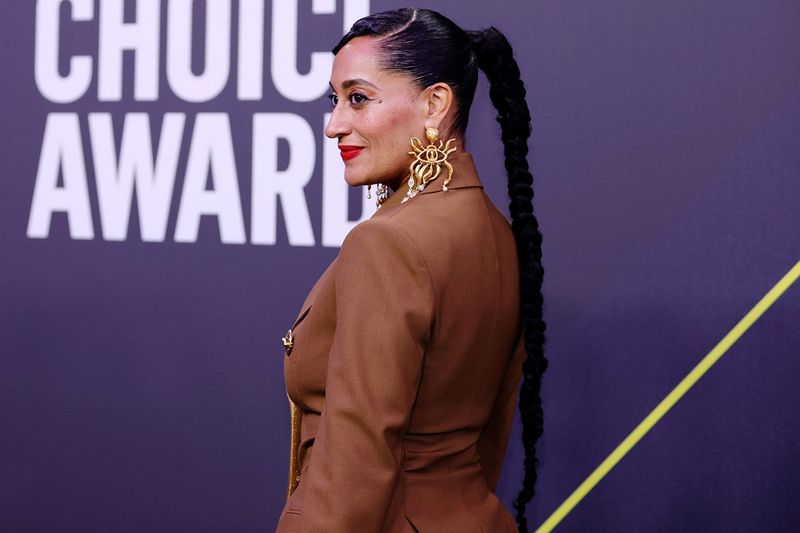
For years, Tracee straightened her naturally curly hair to fit Hollywood standards, feeling like her real texture wasn’t professional or beautiful enough.
The day she decided to embrace her curls marked a turning point in her relationship with herself.
She became one of the most visible advocates for natural hair, showing her wash routines, styling techniques, and the beauty of shrinkage on social media.
Her openness helped normalize textured hair in professional settings.
She launched a hair care line specifically for curly and textured hair, filling a gap that major companies had ignored for decades.
Her joyful approach to beauty—full of dancing, laughter, and celebration—shows that self-love doesn’t have to be serious or political.
It can simply be fun.
By documenting her natural hair journey publicly, she’s helped countless women embrace their own texture and find joy in their unique beauty.