 MomSkoop
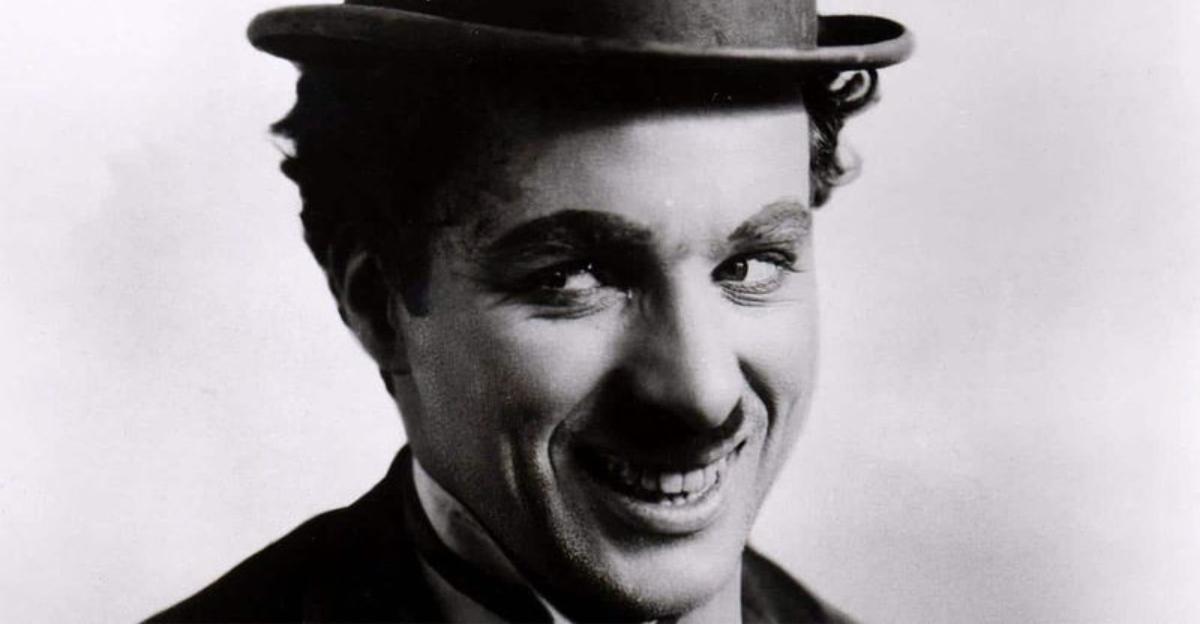
Fame can be a double-edged sword, especially when the world changes around you. Many celebrities who were once adored for their talent, charm, or charisma now face criticism for actions and attitudes that clash with modern values.
Looking back at these iconic figures reminds us how much society has evolved and how the standards we hold people to have shifted dramatically over the decades.
1. John Wayne
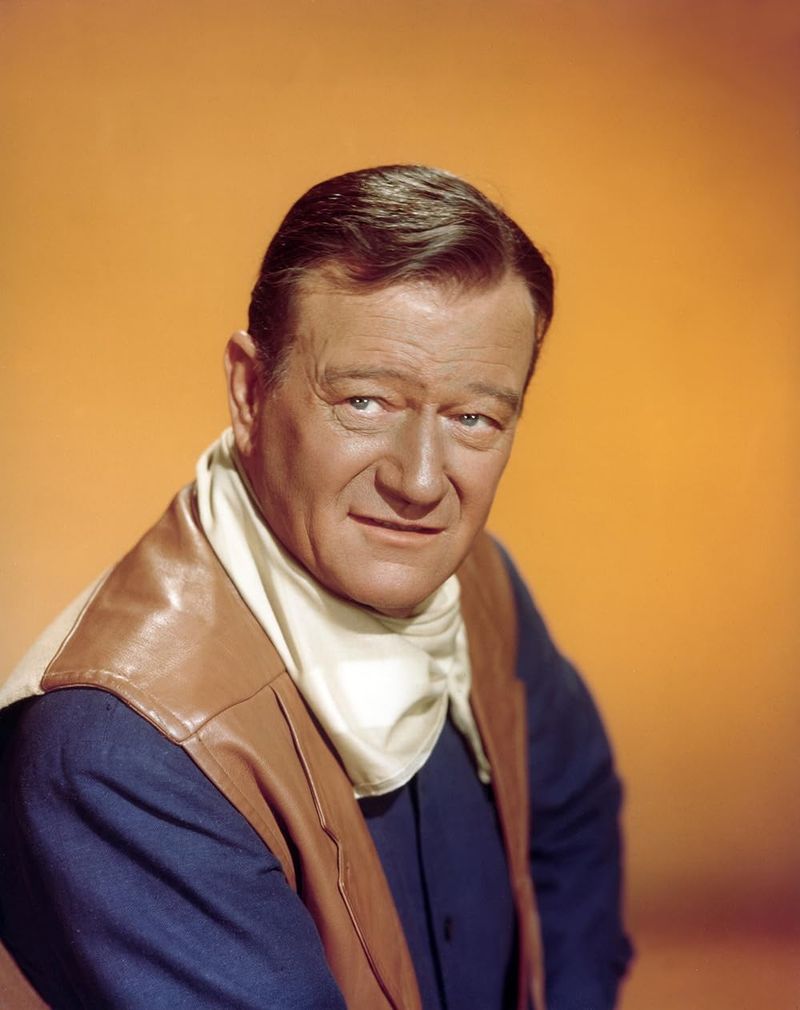
For decades, John Wayne represented the ultimate American hero on screen, starring in countless Westerns and war films that defined entire genres.
His tough-guy persona and patriotic image made him a household name and cultural icon.
But interviews from his past reveal troubling views on race and gender that would never fly in today’s world.
Wayne openly expressed opinions that conflict sharply with contemporary values of equality and respect.
While his cinematic contributions remain significant, his public statements would likely spark massive outrage now.
The gap between his on-screen heroism and off-screen attitudes shows how much society has progressed in demanding accountability from its stars.
2. Charlie Chaplin
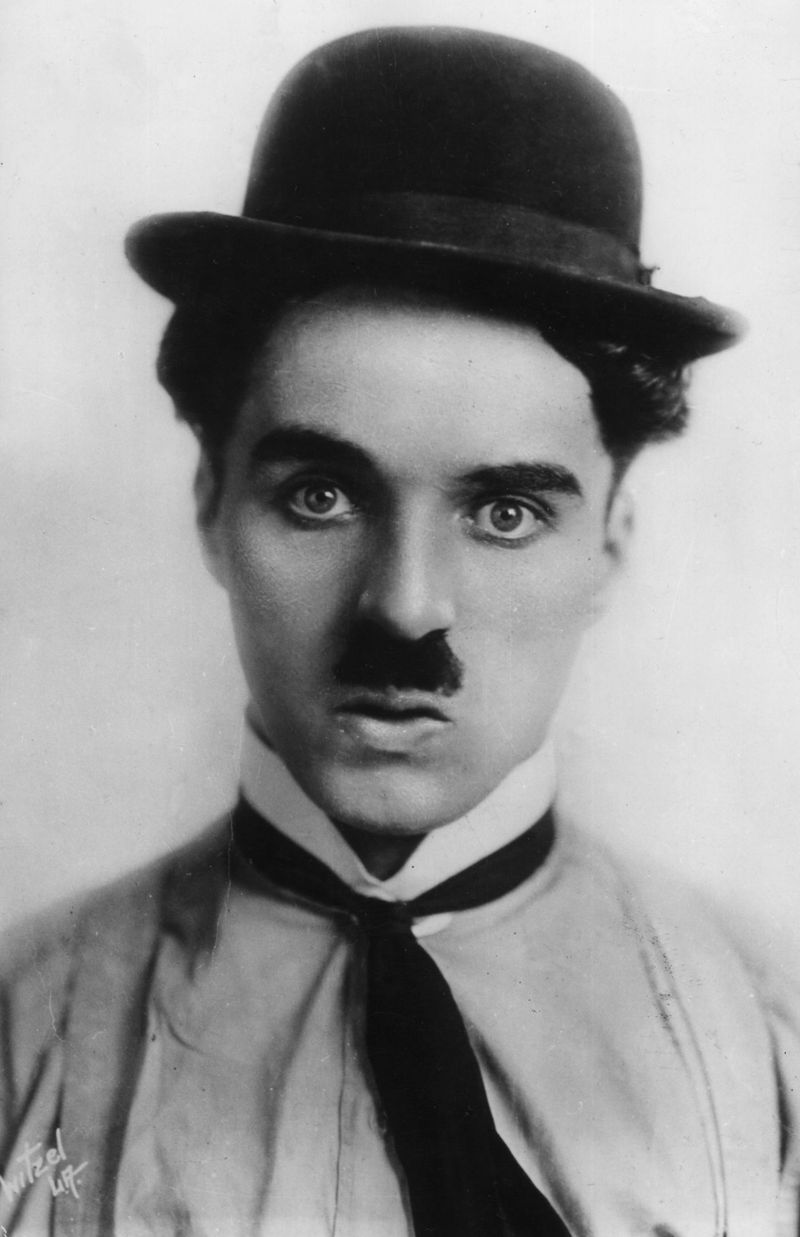
Charlie Chaplin revolutionized silent cinema with his brilliant physical comedy and unforgettable character, the Tramp.
His films brought laughter to millions and influenced generations of filmmakers worldwide.
Yet behind the genius lay a personal life that would raise serious red flags today.
Chaplin had multiple relationships with women significantly younger than himself, some teenagers when the relationships began.
During his era, such behavior was often overlooked or dismissed by the media and public.
In our current climate, these patterns would dominate headlines and likely overshadow his artistic achievements entirely, sparking conversations about power dynamics and appropriate conduct that simply didn’t happen back then.
3. Elvis Presley
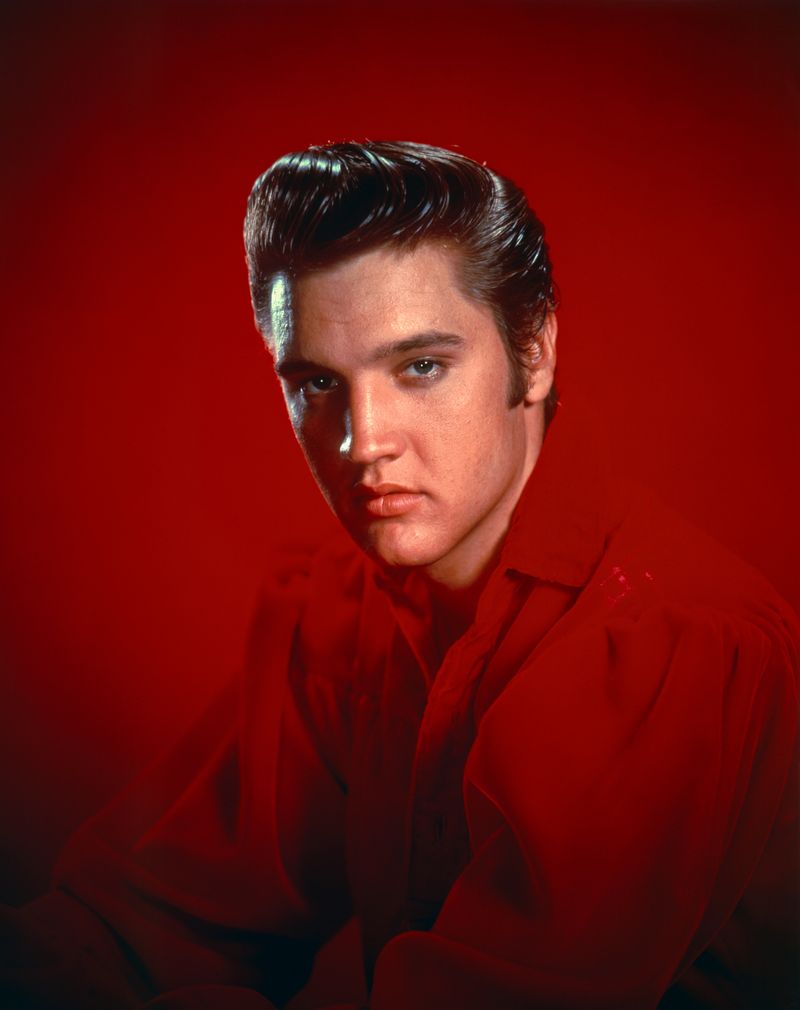
The Kind of Rock and Roll transformed popular music through electrifying performances and groundbreaking recordings.
His influence on music, fashion, and youth culture cannot be overstated.
However, modern audiences increasingly question aspects of his legacy that were once celebrated without hesitation.
Critics today point to cultural appropriation, as Elvis profited enormously from Black musical traditions while Black artists faced discrimination and limited opportunities.
Additionally, his relationship with Priscilla began when she was only fourteen years old, a fact that would trigger immediate controversy now.
While his musical contributions remain undeniable, these uncomfortable truths complicate how we view his story today.
4. Marilyn Monroe
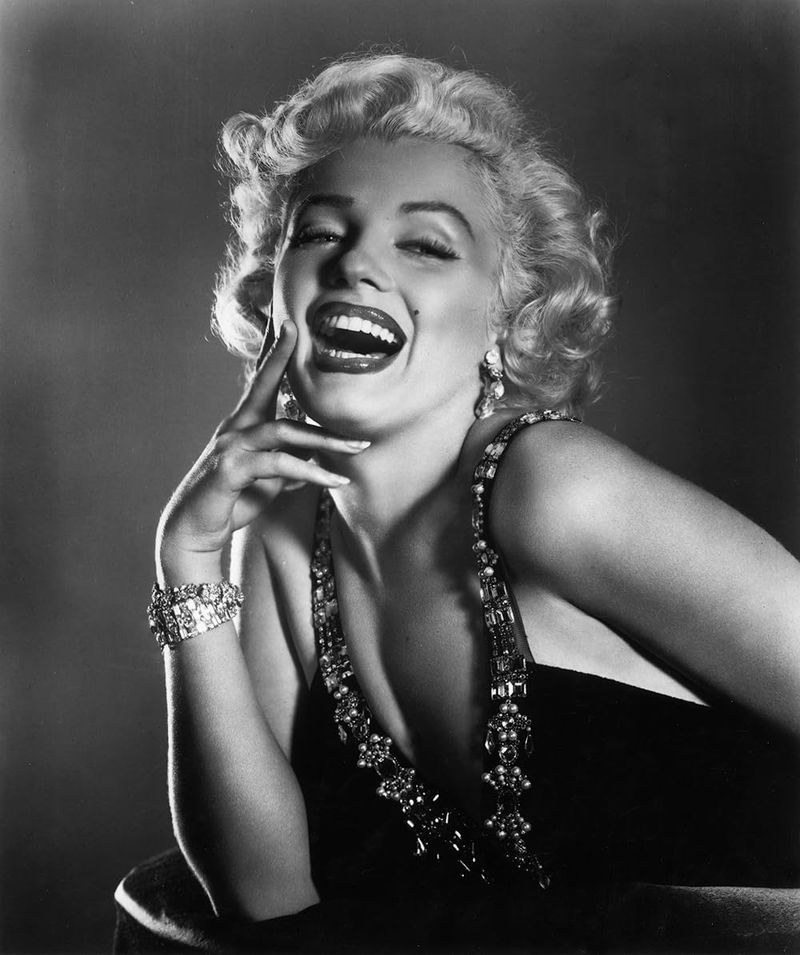
Marilyn Monroe captivated audiences as Hollywood’s ultimate blonde bombshell, starring in beloved films and becoming a global symbol of glamour.
Her image adorned posters, magazines, and became synonymous with 1950s beauty standards.
But looking closer reveals a darker story of exploitation and systemic mistreatment.
Studios controlled nearly every aspect of her life, from her appearance to her public persona, while dismissing her intelligence and ambitions.
They profited enormously from her vulnerability and struggles, offering little genuine support.
Today, we recognize this treatment as exploitation and misogyny rather than acceptable business practices, reframing Monroe as a victim of an industry that used and discarded her rather than simply a tragic star.
5. Clint Eastwood
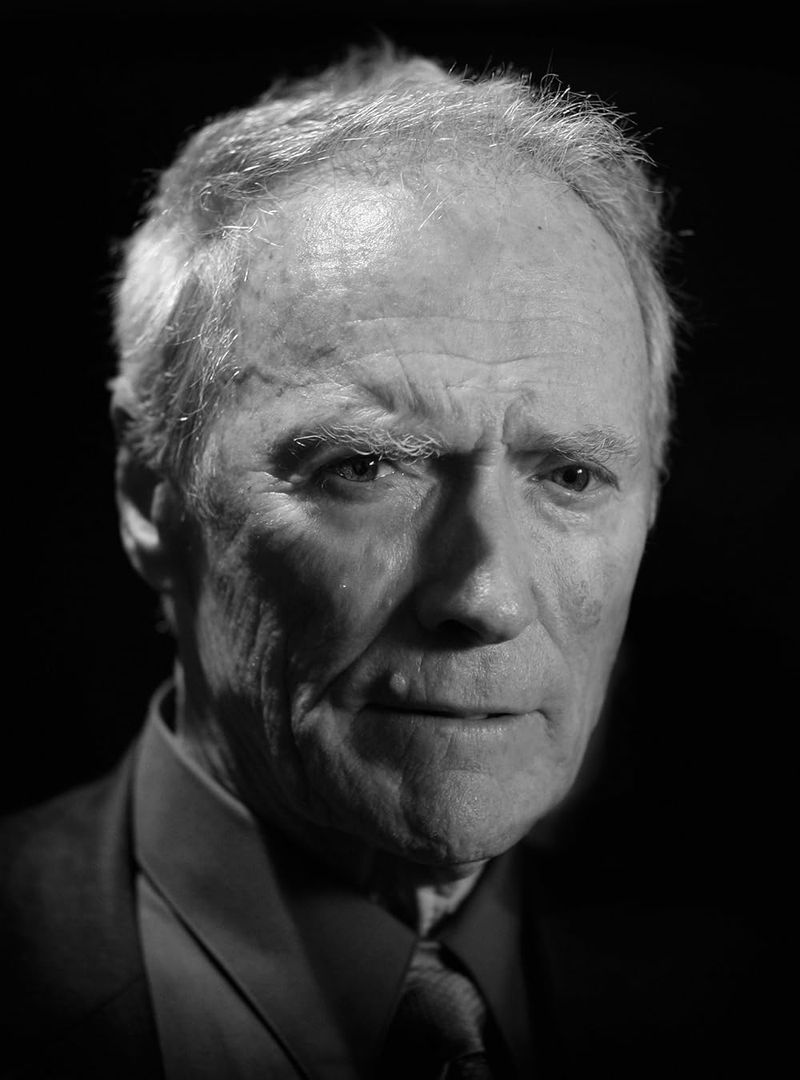
Clint Eastwood built an extraordinary career portraying tough, no-nonsense characters who took justice into their own hands.
His roles in Westerns and action films made him a legend, and his transition to acclaimed directing cemented his Hollywood status.
Yet the values his characters embodied have become increasingly controversial.
Many of his films celebrate vigilante justice, traditional masculinity, and individualism in ways that clash with modern sensibilities about violence, authority, and gender roles.
His public political statements have also sparked debate and criticism.
While his talent remains undisputed, the themes he championed throughout his career are now frequently questioned rather than automatically celebrated as heroic or admirable.
6. Sean Connery
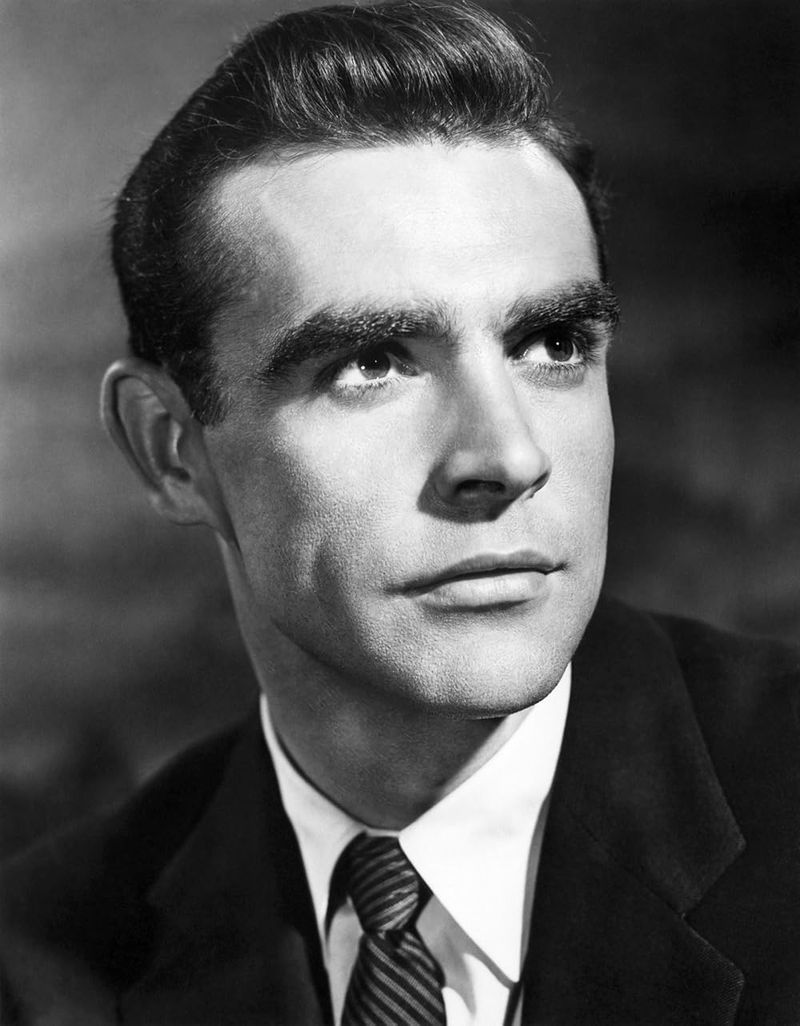
Sean Connery embodied James Bond—suave, sophisticated, and long celebrated as the ultimate ladies’ man—but his real-life views on women cast a far darker shadow.
In several interviews, most notably with Barbara Walters in 1987, he openly defended hitting women, arguing that slapping a woman was justified if she was “hysterical” or refused to “let it go.”
Disturbingly, he never meaningfully retracted or apologized for these remarks.
The comments stood in stark contrast to his polished public image and have aged especially poorly in light of modern conversations about gender and abuse.
Rather than being framed as a lapse or a product of the times, his statements were repeated consistently over the years.
As a result, they remain a troubling part of his legacy, complicating how audiences reassess both the man and the myth he helped create.
7. Woody Allen

Woody Allen was celebrated as a unique comedic genius and cinematic auteur, creating dozens of acclaimed films over several decades.
His neurotic characters and witty dialogue earned him numerous awards and devoted fans.
However, his reputation has been profoundly affected by allegations and patterns in both his personal life and artistic work.
His relationship with Soon-Yi Previn, his former partner’s adopted daughter whom he knew since childhood, became public in the 1990s and remains controversial.
Additionally, his films frequently feature relationships with significant age gaps and power imbalances.
In today’s cultural climate, with heightened awareness of such dynamics, he would likely face far greater scrutiny and significantly less institutional support than he historically received.
8. Frank Sinatra
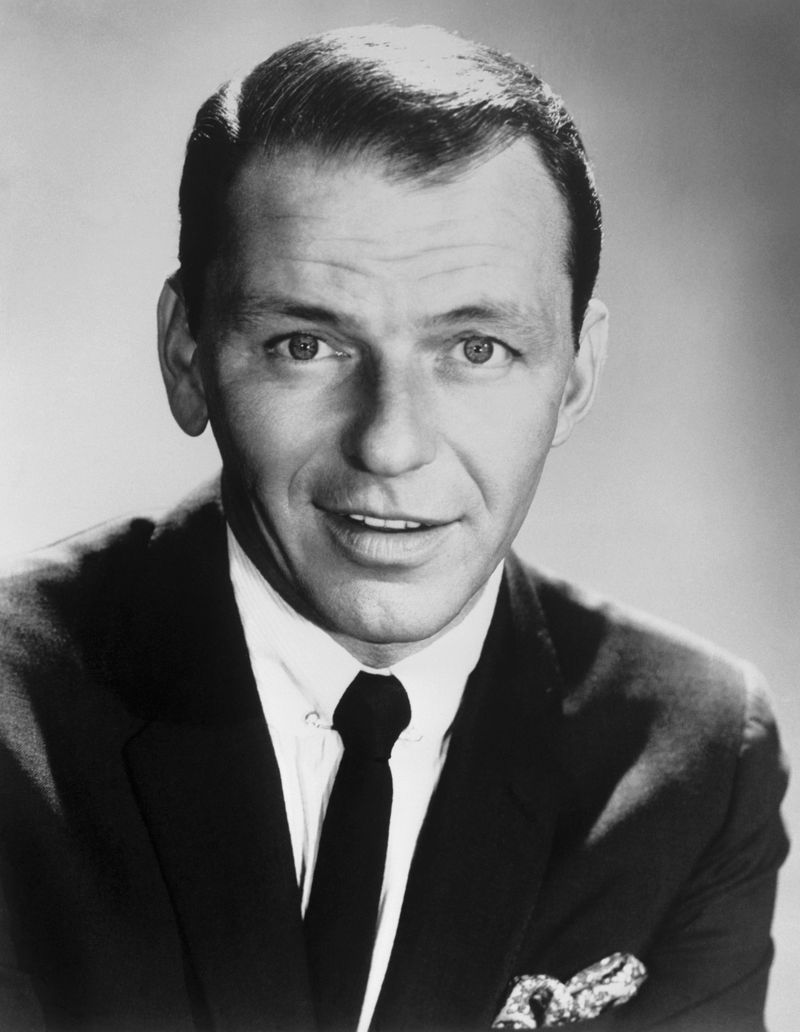
His velvet voice and magnetic stage presence made him one of the most beloved entertainers of the twentieth century.
His music defined an era, and his Rat Pack persona epitomized cool sophistication.
Yet beneath the charm lay a volatile temperament and questionable associations that complicate his legacy.
Sinatra was known for his explosive anger, mistreatment of women, and rumored connections to organized crime figures.
At the time, these traits were often romanticized as part of his tough-guy mystique or simply ignored.
Today, such behavior would be examined critically rather than excused, and his conduct toward others would likely overshadow his undeniable musical talents in public discourse and media coverage.
9. Brigitte Bardot
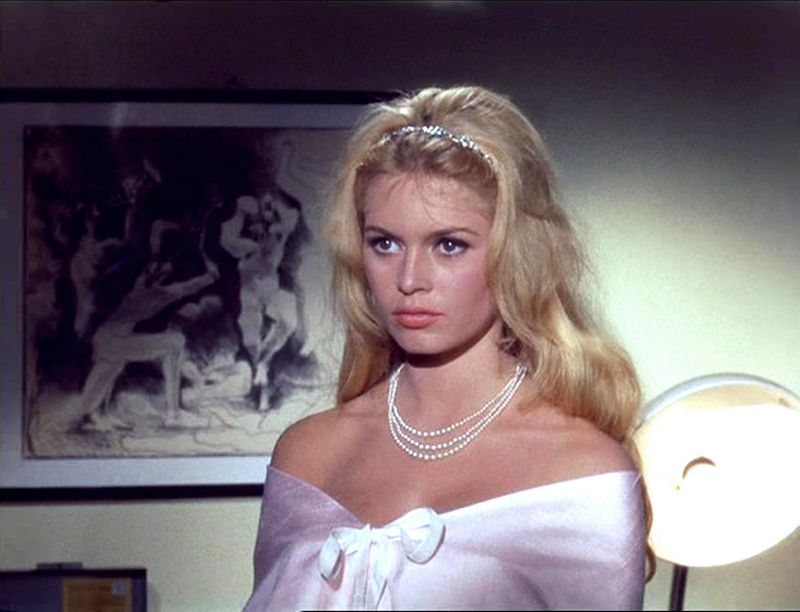
Brigitte Bardot became an international icon of beauty and sexuality during the 1950s and 60s, representing a new kind of liberated femininity in European cinema.
Her films and fashion sense influenced popular culture across continents.
But her later public statements have dramatically altered how many people view her legacy.
Bardot has made numerous controversial comments about immigration and race that have drawn widespread condemnation.
While she once symbolized progressive attitudes toward sexuality and freedom, these later positions contradict that image entirely.
In today’s media environment, such statements would immediately dominate coverage and likely erase much of the goodwill she built through her earlier cultural contributions to film and fashion.
10. Marlon Brando
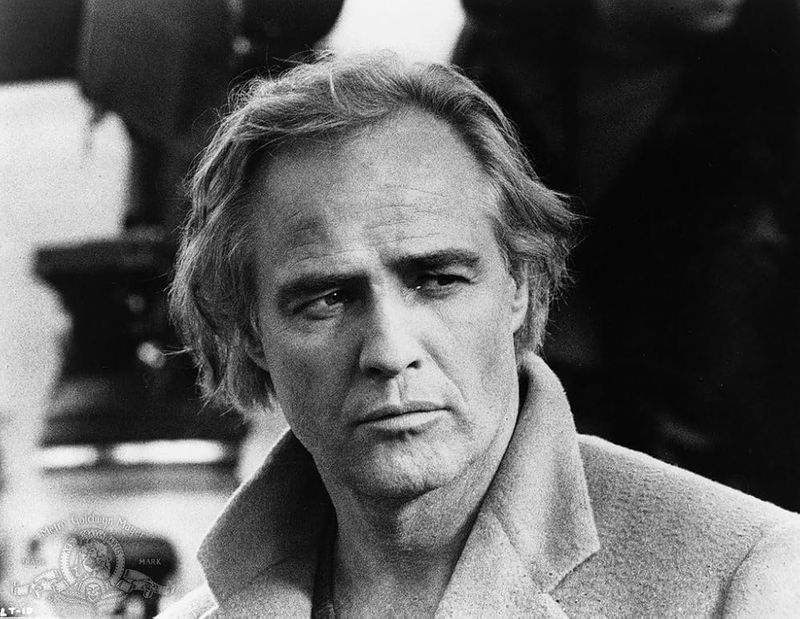
Marlon Brando revolutionized acting with his method approach, bringing unprecedented emotional depth and realism to the screen.
His performances in classic films remain studied and admired by actors worldwide.
However, his erratic behavior and personal excesses would face far less tolerance in the modern entertainment industry.
Brando was notorious for difficult on-set conduct, unprofessional behavior, and personal chaos that disrupted productions.
During his era, such actions were often excused as the acceptable price of genius.
Today’s industry increasingly demands accountability and professionalism regardless of talent level, meaning Brando’s behavior would likely result in fewer opportunities and greater consequences rather than being romanticized or overlooked as it often was during his career.
11. Alfred Hitchcock
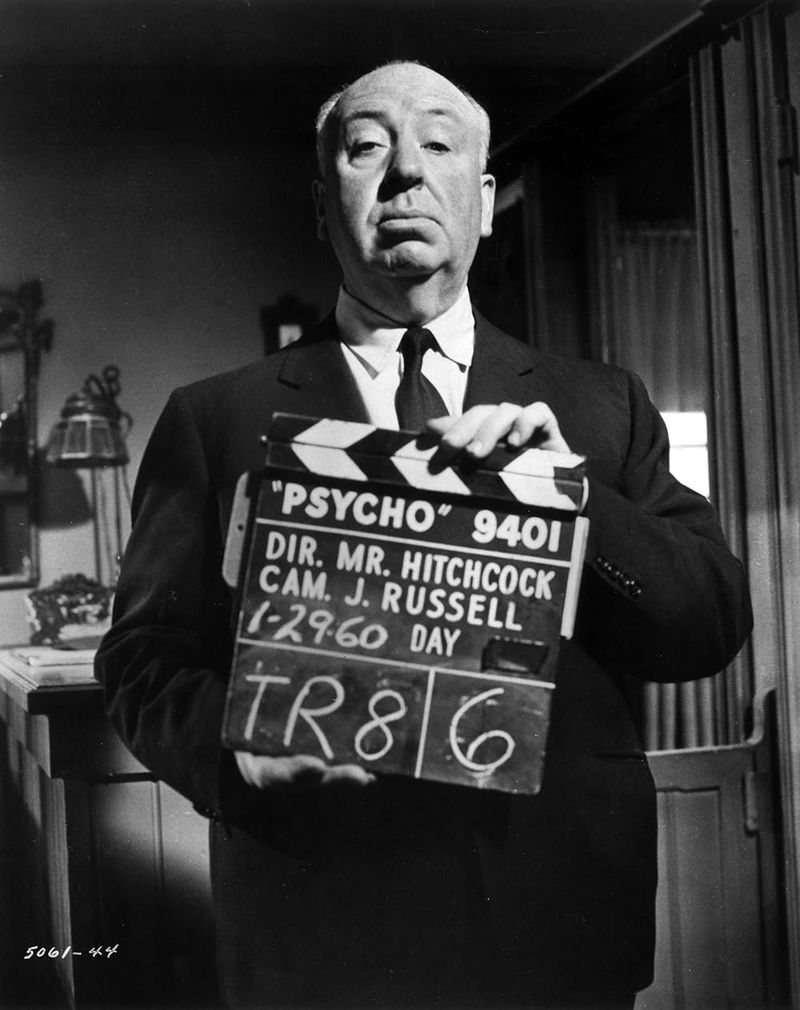
The so-called master of suspense abused his power in the workplace.
Tippi Hedren’s descriptions of Alfred Hitchcock’s conduct during the filming of The Birds and Marnie are deeply unsettling.
She said he became fixated on her, repeatedly made advances, and, after she refused him, deliberately retaliated.
According to Hedren, he subjected her to punishing conditions on set, including forcing her to endure repeated attacks by live birds, and later used his influence to effectively derail her career when she would not comply.
At the time, this behavior was widely known within Hollywood but largely ignored or excused.
Hitchcock continued to be celebrated as an untouchable artistic genius, with his work canonized and taught in film schools around the world.
12. Johnny Carson
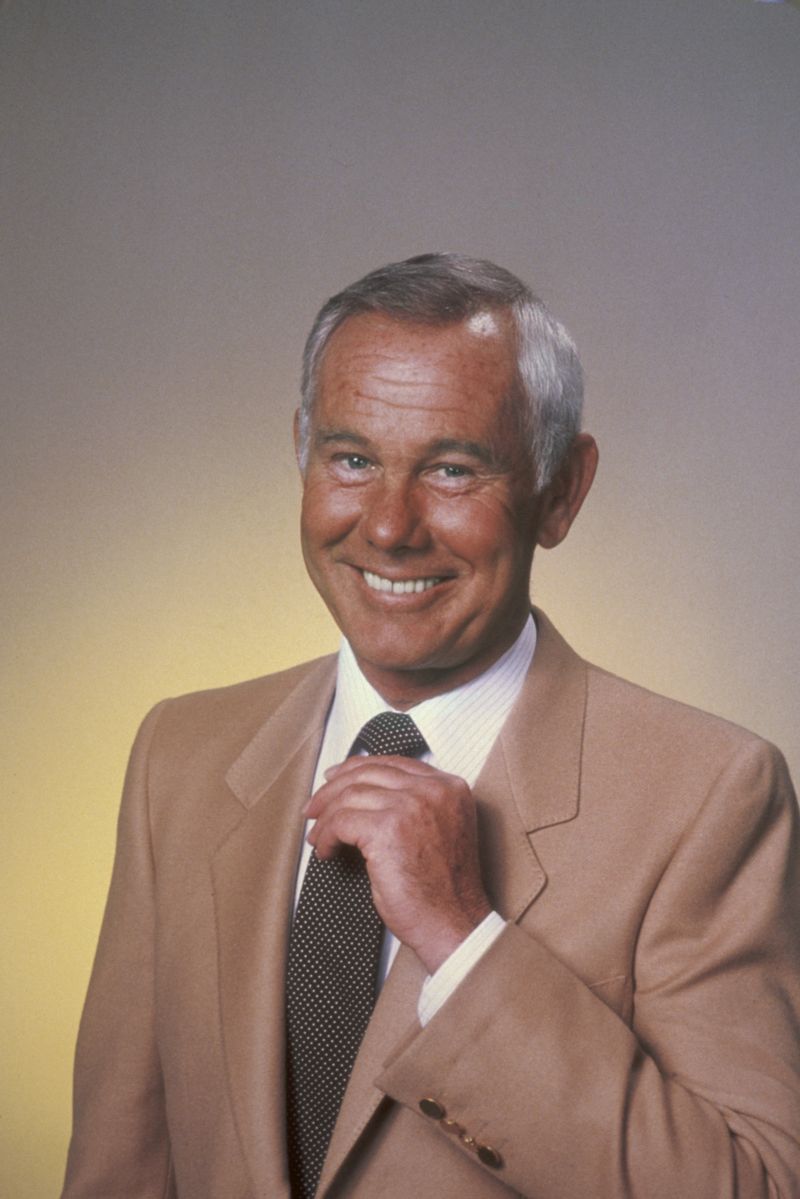
Johnny Carson ruled late-night television for thirty years, setting the standard that all future hosts would be measured against.
His wit, timing, and interview skills made The Tonight Show essential viewing for millions.
Yet rewatching those episodes today reveals humor that relied heavily on outdated stereotypes.
Many of Carson’s jokes targeted women, minorities, and reinforced traditional gender roles in ways that were standard for network television at the time.
While audiences laughed then, such material would be incompatible with today’s expectations around inclusivity, representation, and respectful humor.
The comedy landscape has evolved significantly, and what passed as harmless entertainment in Carson’s era now serves as examples of how mainstream media perpetuated harmful stereotypes.
13. Howard Stern (early career)

Howard Stern built a massive following during his early career as a shock jock who pushed every boundary imaginable.
His provocative style, offensive humor, and willingness to say anything attracted millions of devoted listeners.
That same approach, however, would face immediate and severe consequences in today’s media landscape.
Stern’s early content routinely crossed lines regarding race, gender, and decency that would now result in swift advertiser boycotts and platform removal.
While he has evolved considerably over the years, his initial rise to fame relied on material that current broadcasters, streaming services, and advertisers would never tolerate.
The media environment has changed dramatically, prioritizing accountability and inclusivity over shock value and controversy for its own sake.