 MomSkoop
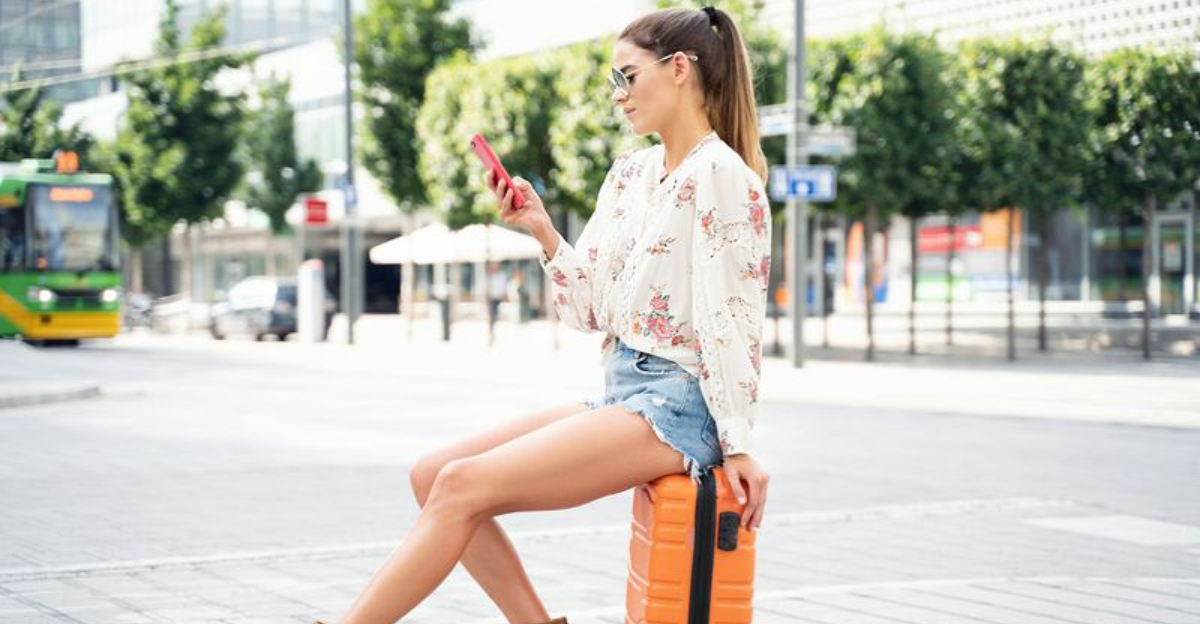
Packing for a trip to Europe sounds exciting until you realize your suitcase weighs more than you do and your feet are covered in blisters by day two. What you wear while traveling can make or break your entire experience, from navigating cobblestone streets to visiting centuries-old cathedrals.
A few smart clothing choices can save you serious stress, money, and discomfort. Skip these common mistakes and you will be ready to explore Europe in style and comfort.
1. Overpacking Your Suitcase With Too Many Outfits

Picture this: you are lugging a massive suitcase up a narrow staircase in a Paris metro station, sweating and frustrated while other travelers breeze past you.
Overpacking is one of the most common travel traps, and it happens when people stuff their bags with outfits for every possible scenario.
The smarter move is to build a capsule wardrobe using versatile pieces that mix and match easily.
Neutral colors, layerable items, and multi-use clothing go a long way.
Aim to pack no more than two weeks of outfits in a carry-on.
You will thank yourself on every train ride, bus transfer, and uphill cobblestone street you encounter.
2. Ignoring Local Style Norms in Fashion-Forward Cities

Milan and Paris did not earn their fashion reputations by accident.
Locals in these cities tend to dress with intention, favoring polished, put-together looks over athletic wear and oversized hoodies.
Rolling up in full athleisure gear can make you stick out like a sore thumb.
You do not need a designer wardrobe to blend in.
Simple upgrades like swapping sweatpants for dark-wash jeans or trading a graphic tee for a clean linen shirt make a real difference.
Europeans often prioritize quality over quantity in their clothing choices.
Dressing slightly more refined shows cultural awareness and can even lead to warmer interactions with locals along the way.
3. Choosing Impractical Shoes for Long Walking Days

Cobblestone streets look charming in photos, but they are brutal on the wrong footwear.
Heels sink into gaps, thin-soled sandals offer zero support, and fashionable but flimsy sneakers fall apart after just a few days of heavy use.
European cities demand a lot from your feet.
On a typical sightseeing day, travelers easily walk eight to fifteen miles.
Your shoes need to handle that mileage without causing pain or damage.
Look for supportive sneakers, quality walking shoes, or comfortable leather boots that offer both style and durability.
Footwear that works hard and still looks decent is worth every penny when you are on the move all day.
4. Not Breaking In New Shoes Before Your Trip
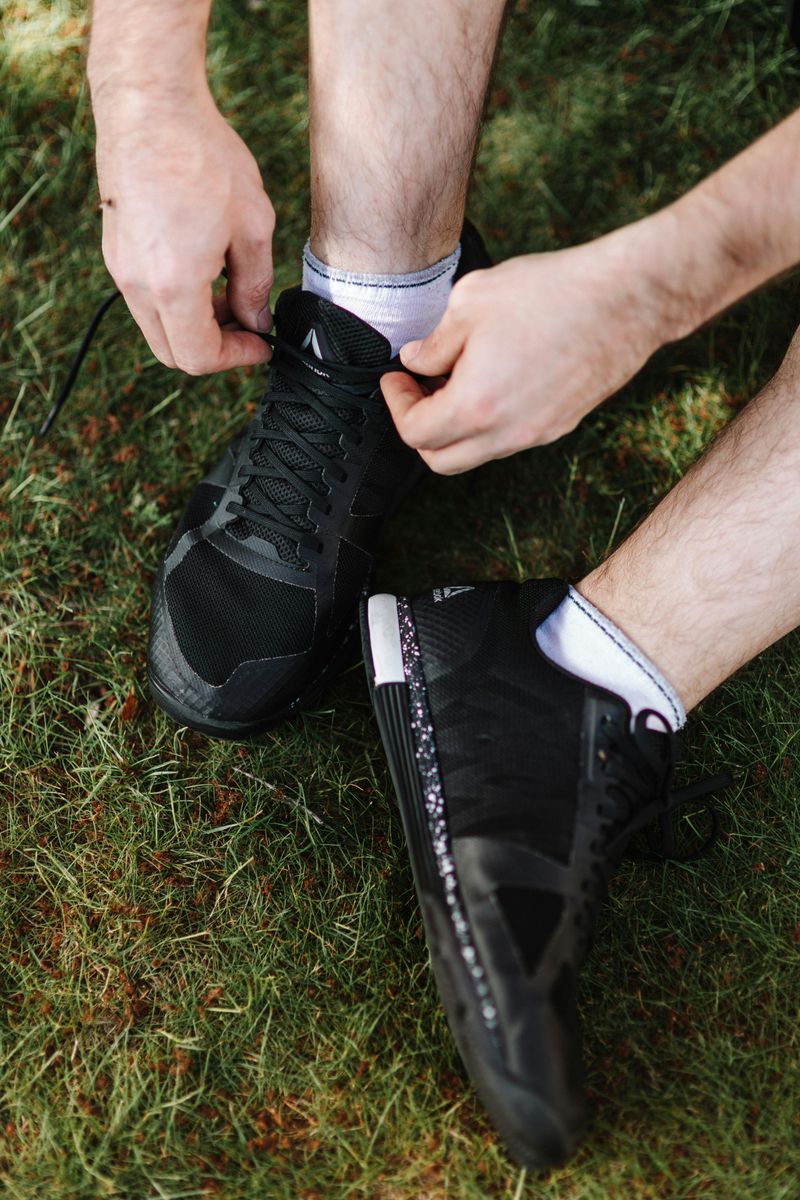
New shoes and full travel days are a painful combination.
Fresh out of the box, most shoes have stiff materials that rub against your skin in all the wrong places.
A single day of heavy walking in unbroken shoes can leave you with blisters that sideline you for the rest of your trip.
Start wearing your travel shoes at least two to three weeks before departure.
Walk around your neighborhood, run errands, and wear them for extended periods so the material softens and molds to your feet.
Toss a few blister bandages in your bag just in case.
This one small step of preparation can prevent days of unnecessary pain abroad.
5. Packing for Only One Climate or Season
Europe is not one place with one weather pattern.
A single trip might take you from the sunny warmth of Barcelona to the cool, misty mornings of Edinburgh, sometimes within the same week.
Packing only summer clothes or only warm layers is a recipe for being caught off guard.
Think about your full itinerary before you pack.
Research average temperatures for each destination and each part of the day, since mornings and evenings can feel dramatically different from midday.
Lightweight, packable layers that work across multiple climates are your best friends.
A compact rain jacket, a lightweight cardigan, and a few breathable basics can cover a wide range of European weather conditions.
6. Skipping Layers Even During Summer Travel

Summer in Europe can be gloriously warm during the day, but once the sun dips below the horizon, temperatures can drop faster than expected.
Many travelers pack only shorts and tank tops for warm-weather trips and end up shivering through evening dinners or outdoor events.
A lightweight cardigan, a thin denim jacket, or even a stylish scarf can completely change your comfort level after dark.
These items fold down small and add almost no weight to your bag.
Layers also come in handy in air-conditioned museums, restaurants, and trains, which are often kept surprisingly cold.
Packing smart means thinking beyond midday heat and planning for the full range of your day.
7. Bringing Bulky Jackets and Heavy Sweaters

That giant puffer jacket might keep you warm, but it will also eat up half your luggage space and weigh down your bag significantly.
Heavy sweaters and thick wool coats are hard to compress and even harder to carry around when the weather warms up mid-trip.
Packable down jackets are a game changer for European travel.
They compress into a small pouch, weigh almost nothing, and provide serious warmth when needed.
Merino wool base layers are another smart alternative since they are thin, warm, and odor-resistant.
Choosing packable, lightweight outerwear means you can stay comfortable across changing temperatures without sacrificing precious suitcase real estate on bulky items you will resent carrying.
8. Wearing Flashy or Attention-Grabbing Clothing

Standing out in a crowd might feel fun at home, but in busy European tourist areas, flashy clothing and visible jewelry can attract the wrong kind of attention.
Pickpockets and petty thieves often target people who look like obvious tourists, and loud outfits can signal that loud wallets are nearby.
Dressing in understated, neutral tones helps you blend into local crowds more naturally.
Leave the expensive watches, chunky gold jewelry, and designer logos at home or locked in your hotel safe.
This is not about being boring.
It is about being smart.
Traveling low-key keeps you safer, more comfortable, and ironically, far more stylish in the eyes of savvy European locals.
9. Forgetting Modest Clothing for Religious Sites
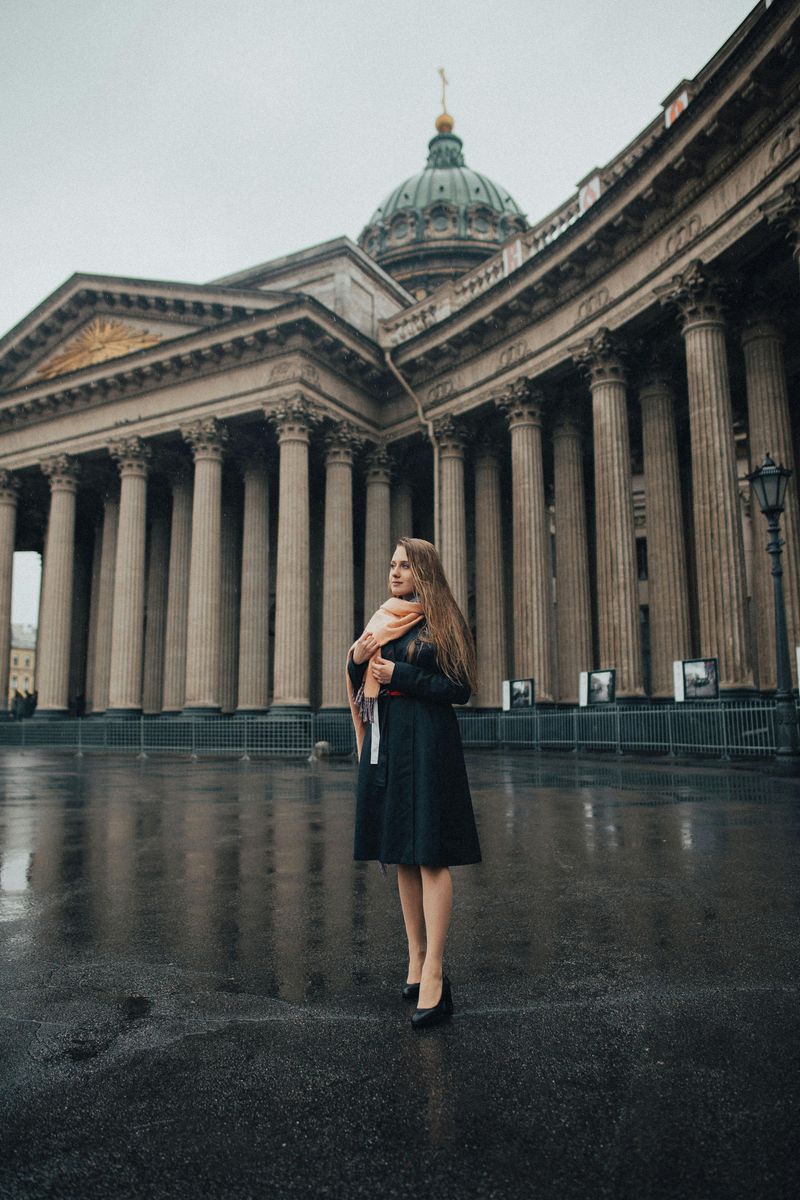
Across Europe, some of the most breathtaking places to visit are ancient churches, cathedrals, and mosques.
Many of these sites have strict dress codes requiring visitors to cover their shoulders and knees.
Show up in a tank top and shorts, and you may be turned away at the door or handed an unflattering paper shawl.
Always pack at least one or two modest outfit options.
A lightweight maxi skirt, a pair of linen trousers, or a scarf large enough to wrap around your shoulders can save the day.
These items take up minimal space and open doors to some of Europe’s most awe-inspiring cultural landmarks.
Respect for local customs goes a long way in any foreign country.
10. Packing High-Maintenance or Wrinkle-Prone Fabrics
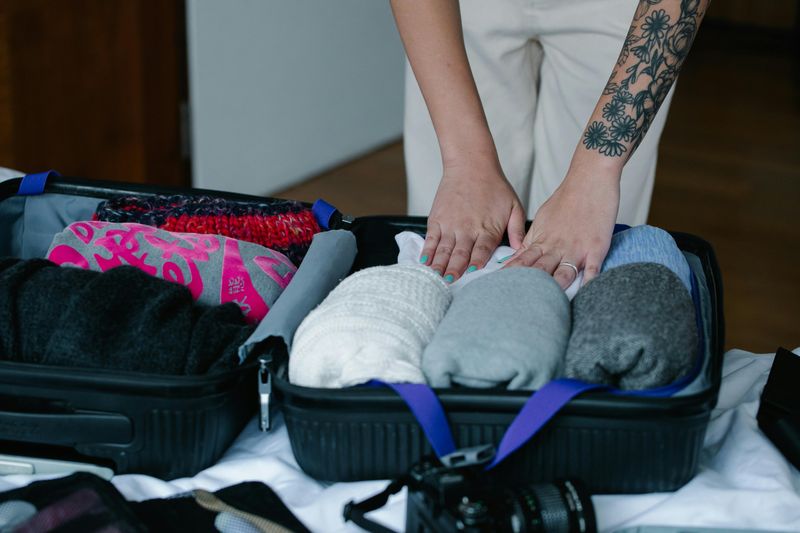
Silk blouses and crisp linen suits look incredible in fashion magazines but are a nightmare on the road.
Without access to a proper iron or dry cleaner, high-maintenance fabrics turn into wrinkled, sad-looking messes that are impossible to style confidently.
Stick to travel-friendly fabrics like jersey knit, synthetic blends, or merino wool.
These materials resist wrinkles naturally, dry quickly after washing, and hold their shape even after being stuffed in a bag for hours.
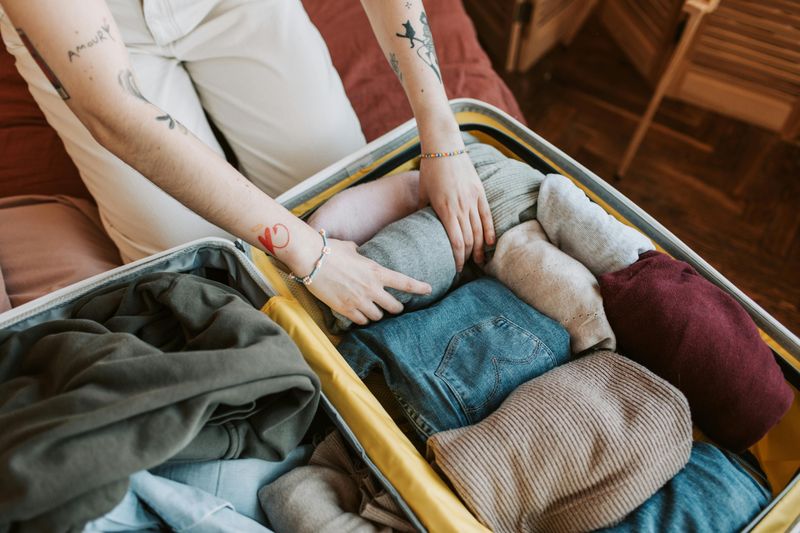
Rolling your clothes instead of folding them also reduces creasing significantly.
When you are moving between cities every few days, low-maintenance clothing is not just a convenience.
It is a genuine travel essential that keeps your outfits looking polished with minimal effort.
11. Not Planning for Laundry Access During Your Trip

Running out of clean clothes halfway through a three-week trip is a very real problem that catches many travelers off guard.
Without a plan for laundry, you either pack way too much or end up wearing the same outfit for four days straight, neither of which is ideal.
Research laundromats, hotel laundry services, or hostel washing machines along your route before you leave home.
Quick-dry fabrics make hand-washing in a sink easy and efficient.
Packing a small travel detergent packet takes up almost no space but solves a huge problem.
Planning your laundry schedule like you plan your sightseeing means you can pack lighter, travel easier, and always have a fresh outfit ready when you need one most.
12. Ignoring Pickpocket Risks When Choosing Bags and Clothing
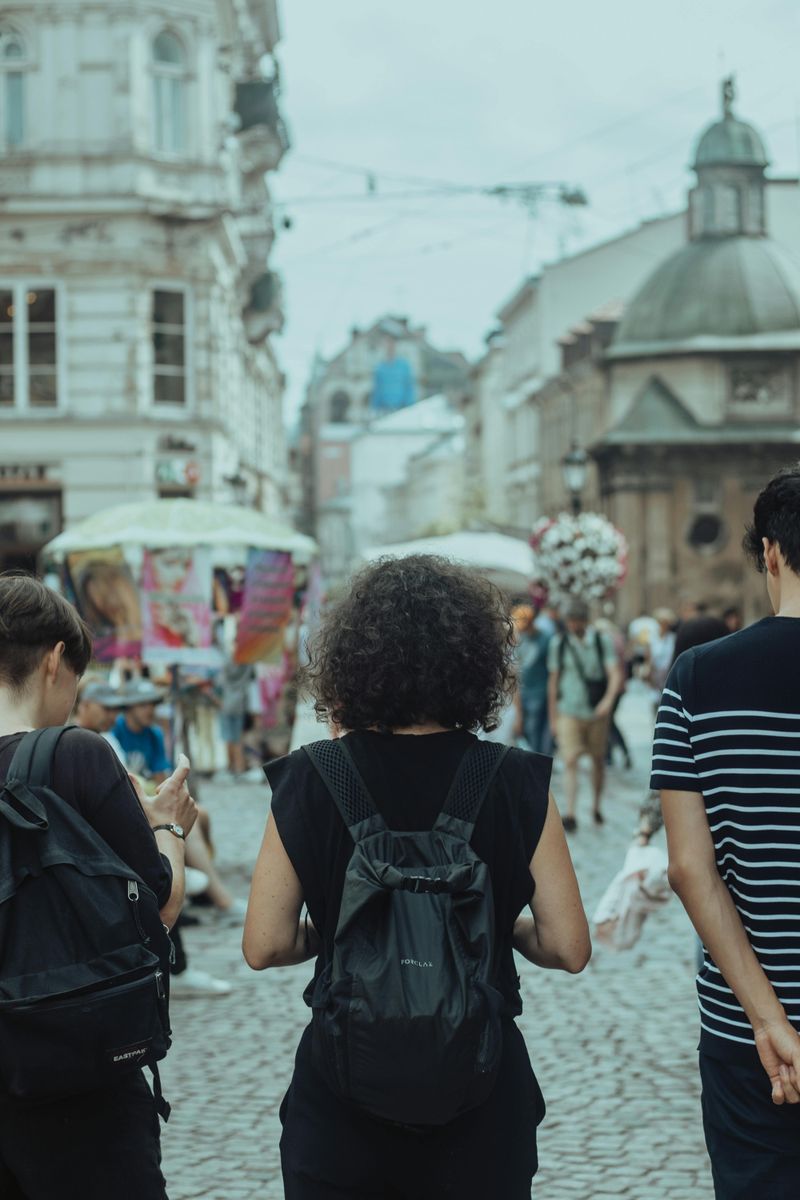
Crowded tourist spots in cities like Rome, Barcelona, and Prague are well-known hotspots for pickpockets.
Open tote bags, back pockets stuffed with wallets, and loose-fitting clothing with shallow pockets all make it easier for thieves to help themselves to your belongings without you noticing.
Opt for bags with secure zippers and wear them in front of your body in busy areas.
Anti-theft crossbody bags and hidden money belts are popular among experienced travelers for good reason.
Clothing with zippered pockets adds another layer of security for your phone and cards.
Being thoughtful about how and where you carry your valuables is one of the most practical things you can do to protect yourself while exploring Europe.
13. Choosing Fashion Over Function on Long Travel Days

There is nothing wrong with wanting to look good on your travels, but sacrificing every ounce of comfort for the sake of style tends to backfire fast.
Tight jeans, stiff structured blazers, and towering boots might photograph beautifully, but after twelve hours of airports, trains, and walking tours, they become instruments of misery.
The best travel outfits strike a balance between looking put-together and actually feeling good to wear all day long.
Stretchy trousers, breathable tops, and supportive footwear can still look sharp without punishing your body.
Comfort and style are not enemies.
With a little creativity, you can find pieces that do both jobs well and keep you enjoying your European adventure from morning until well past sunset.