 MomSkoop
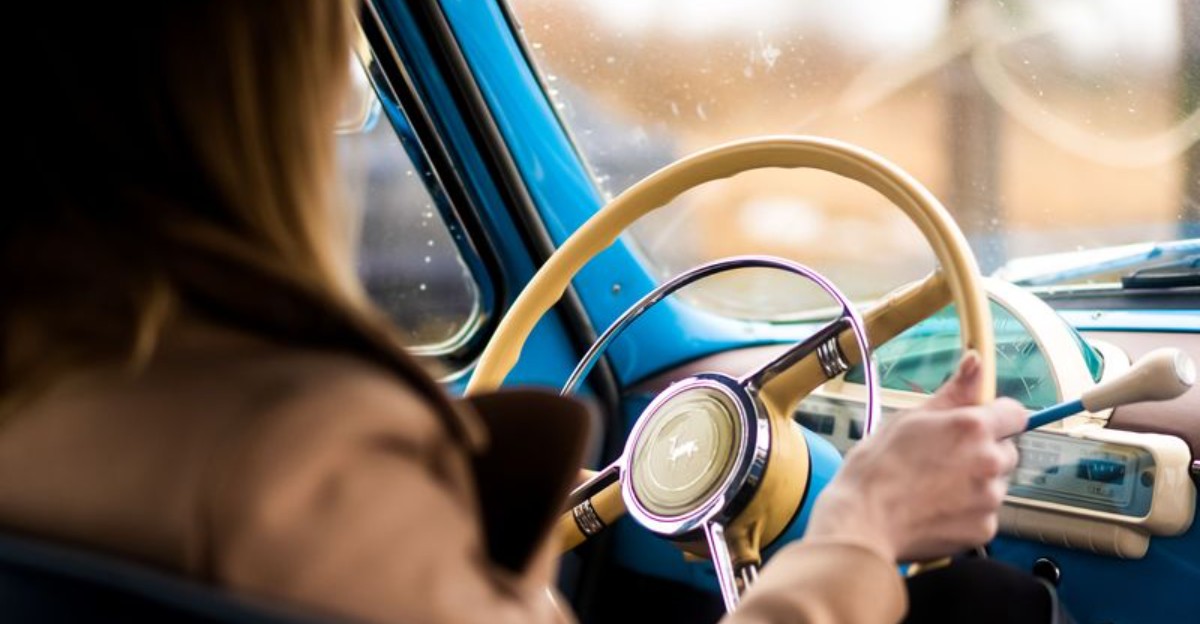
Driving today looks very different from what it did just a few decades ago. Cars have changed, technology has changed, and so have the habits that drivers relied on every single day.
Many of the routines that older drivers knew by heart have quietly faded away, replaced by GPS, keyless entry, and digital everything. If you have ever wondered what it was like to hit the road before all these modern conveniences, you are in for a fun and eye-opening look back.
1. Driving with one arm resting out the open window
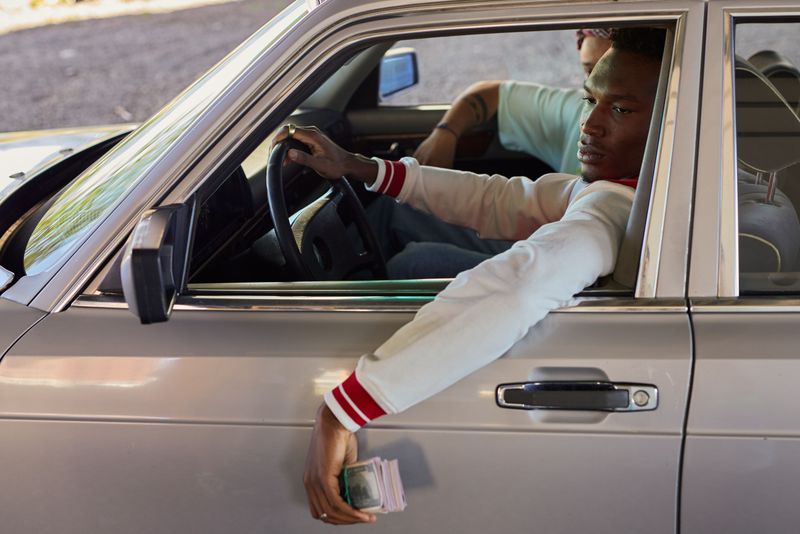
There was something undeniably cool about cruising down the highway with your arm hanging out the window, feeling the warm breeze rush past.
Before air conditioning became standard in cars, open windows were the only way to stay comfortable on a hot summer drive.
Drivers naturally rested their arms on the door frame as the miles rolled by.
It became such a common habit that it felt like a symbol of freedom and relaxed road-trip energy.
You would see it in movies, in old photographs, and on every neighborhood street during summer.
Younger drivers today, sealed inside climate-controlled cabins, rarely experience this simple pleasure.
It was casual, breezy, and honestly a little bit wonderful.
2. Using a paper road map while traveling
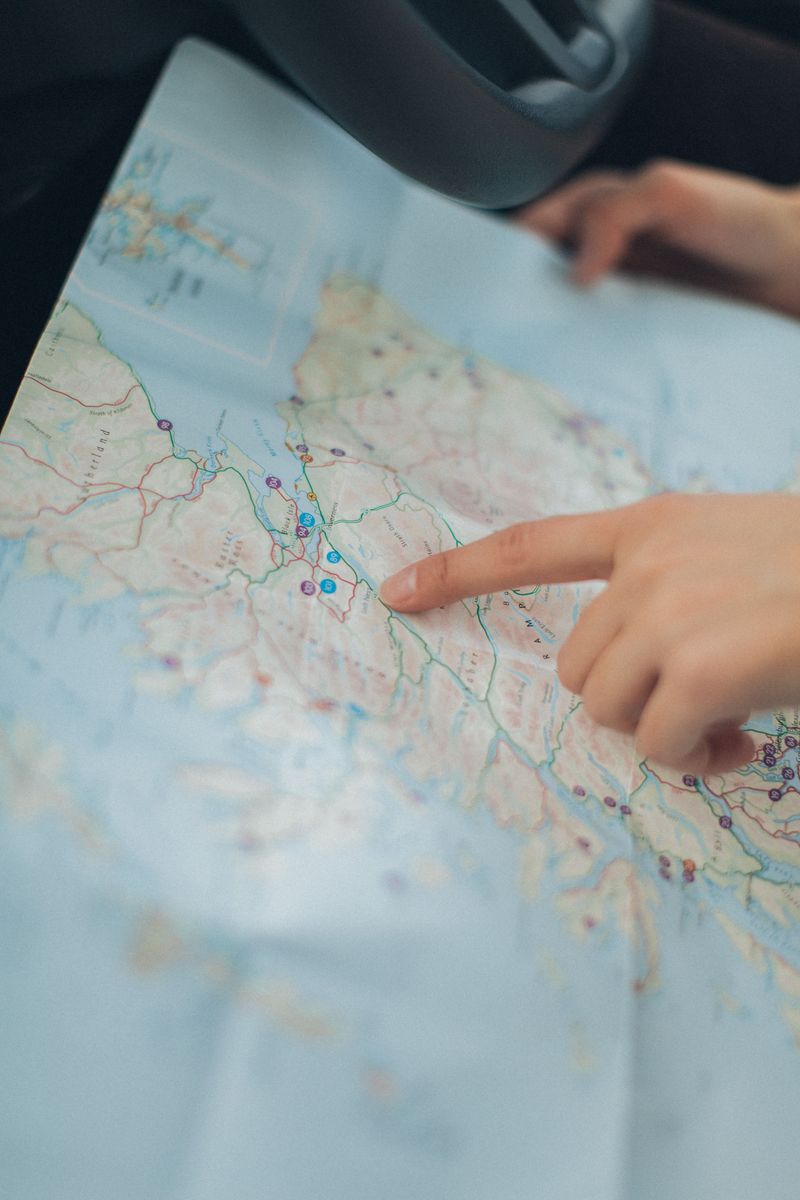
Before GPS existed, every glove compartment held a folded paper map, usually a little crumpled and marked up with pen from previous trips.
Planning a road trip meant spreading the map across the kitchen table the night before, tracing the route with your finger and writing down exit numbers on a notepad.
Navigating with a paper map required real focus and teamwork.
The driver would call out landmarks while the passenger scrambled to find the right fold.
Getting lost was a genuine possibility, and finding your way back felt like a small victory.
Younger drivers who have only known GPS might find it hard to imagine trusting a piece of paper to get somewhere hundreds of miles away.
3. Stopping at a roadside gas station for directions
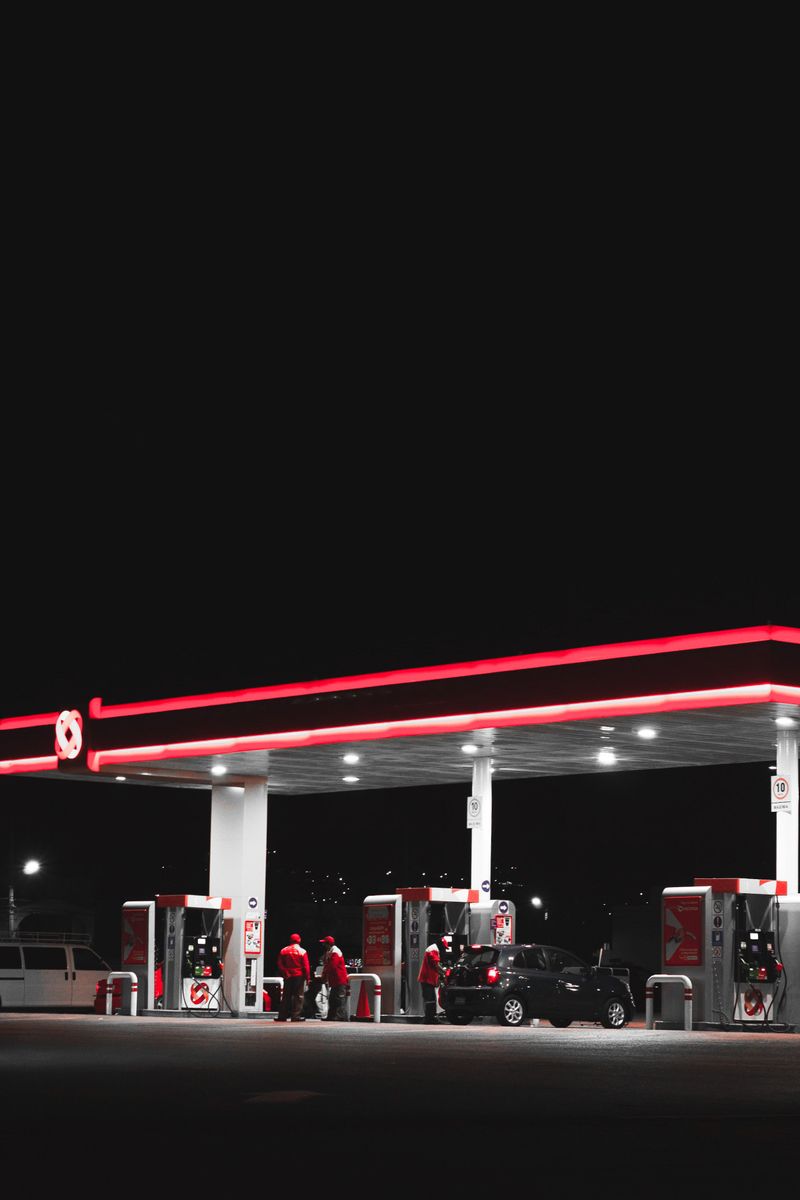
Getting lost on a road trip before smartphones meant pulling into the nearest gas station and asking the attendant for help.
Gas station workers back then were often locals who knew every back road and shortcut in the area.
They would lean on your car window and draw a quick map on a napkin without hesitation.
It was a surprisingly social experience.
You might end up chatting for a few minutes, learning about a great diner down the road, or hearing a tip about road construction ahead.
Today, most gas stations are self-serve, and nobody really stops to ask for directions anymore.
That friendly roadside exchange is one of the quieter losses of the modern driving era.
4. Cleaning the windshield by hand at a gas station
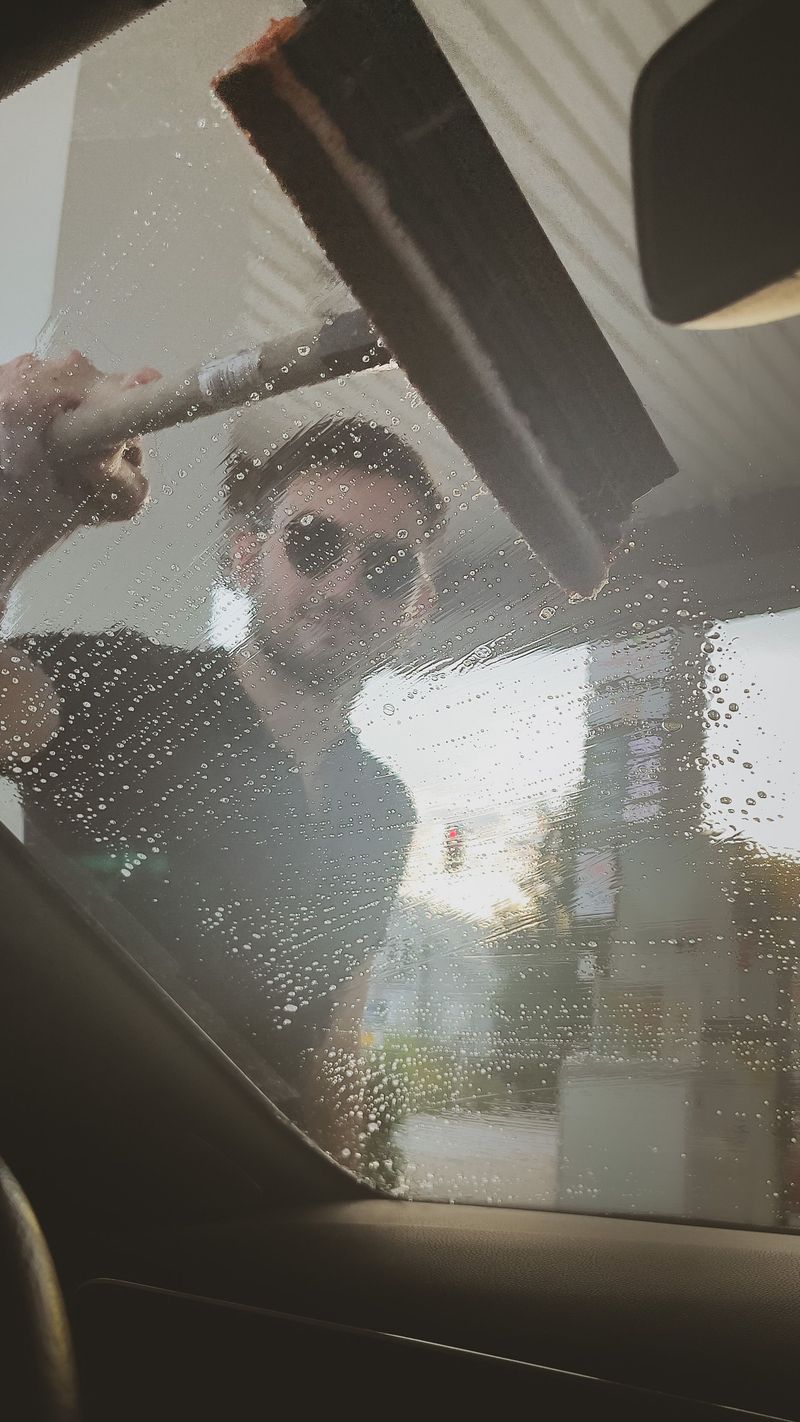
Gas stations used to keep a bucket of soapy water and a squeegee right next to the pump, and drivers used them every single time they stopped for fuel.
Road grime, bug splatter, and dust built up fast on windshields, especially on long highway drives.
Cleaning the glass was just part of the routine, like checking the oil.
Many stations had attendants who would do it for you as part of full-service fueling.
The squeegee swipe, followed by a quick wipe with a paper towel, left the windshield crystal clear.
Today, most pumps have a small squeegee station nearby, but few drivers bother to use it.
Back then, a clean windshield felt like a matter of safety and pride.
5. Checking under the hood before a long road trip
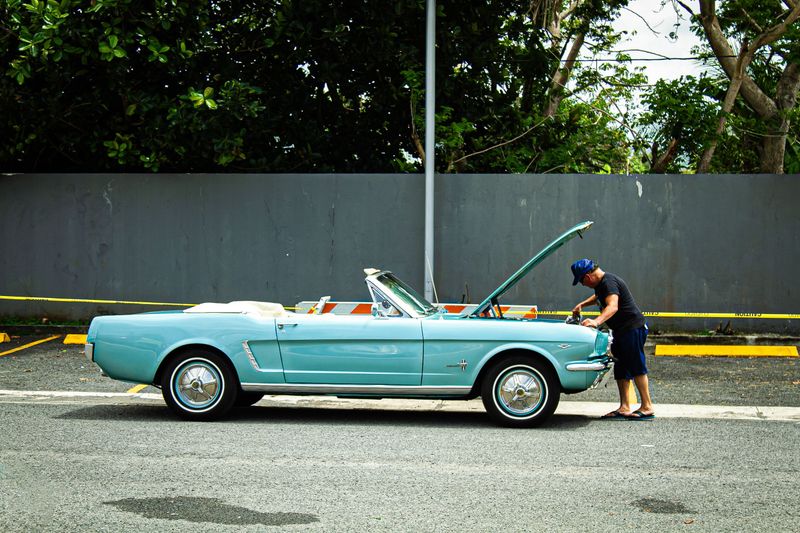
Older cars required a lot more hands-on attention than the vehicles we drive today.
Before heading out on any long trip, experienced drivers would pop the hood and run through a mental checklist: oil level, coolant, belts, hoses, and battery terminals.
Skipping this step could mean breaking down in the middle of nowhere.
Mechanics were not always nearby, and roadside assistance was not a phone call away for most people.
Knowing your engine gave drivers real confidence and self-reliance.
Today, modern cars have sensors for almost everything and alert you when something needs attention.
But there was something grounding about getting your hands a little dirty and knowing your car was ready to roll before mile one.
6. Changing a flat tire on the roadside yourself
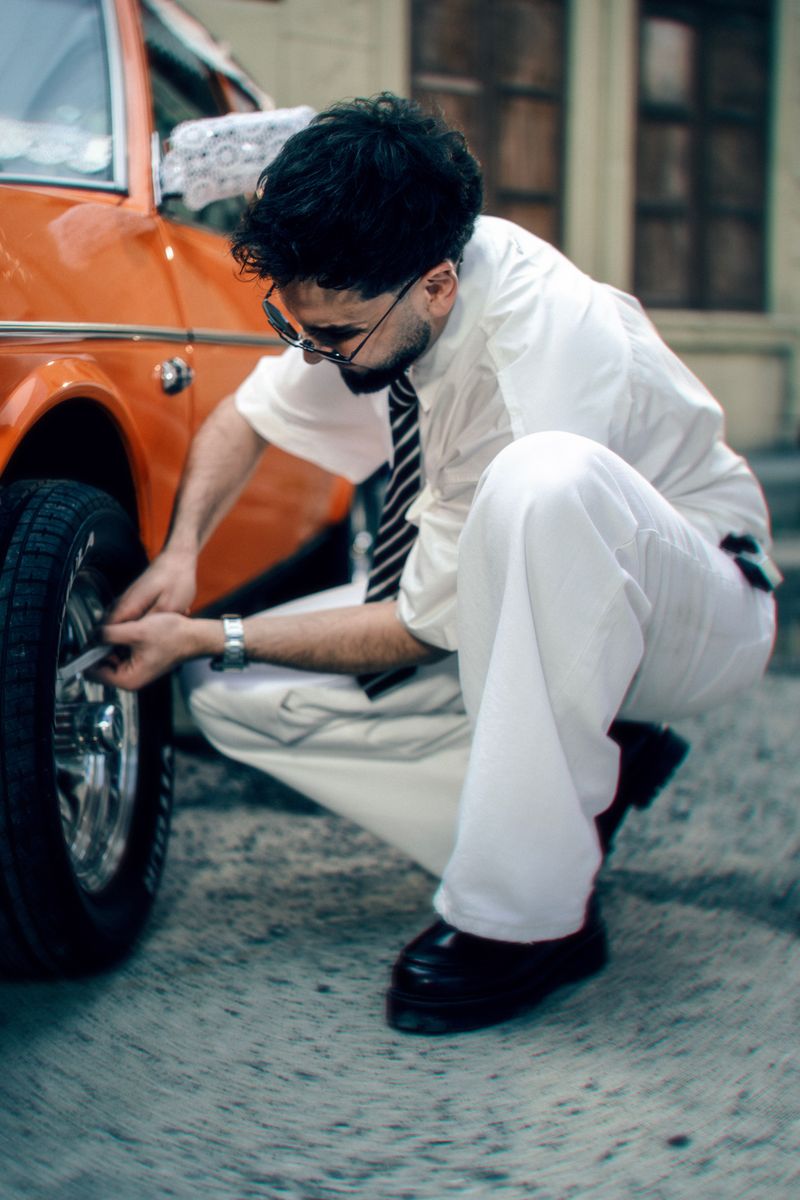
Flat tires happened far more often with older vehicles, and calling for help was not always a realistic option.
Knowing how to change a tire was considered a basic life skill, taught by parents and sometimes even covered in driver’s education class.
You pulled over, grabbed the jack and spare from the trunk, and got to work.
The process involved loosening the lug nuts, lifting the car with a scissor jack, swapping out the flat, and tightening everything back down in a star pattern so the wheel sat evenly.
It was sweaty, sometimes frustrating, and always a little triumphant when finished.
Many younger drivers today have never changed a tire themselves, relying instead on roadside apps or run-flat technology to handle the problem.
7. Keeping a spare tire in the trunk
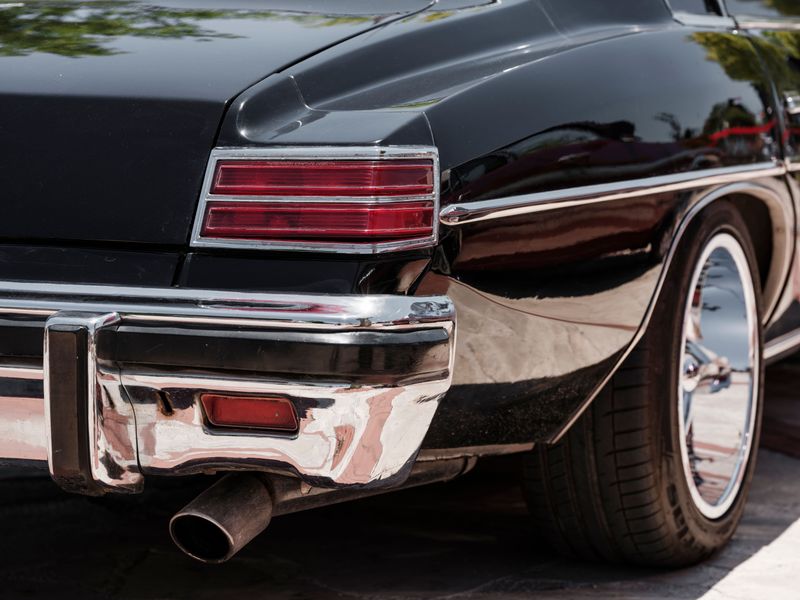
Every car used to come with a full-size spare tire tucked into the trunk, and drivers never thought twice about it.
It was simply part of the car, like the seats or the steering wheel.
When a tire blew out, you had everything you needed right there with you to handle it yourself.
Over time, automakers started replacing full-size spares with smaller “donut” tires, and some modern cars skip the spare entirely in favor of run-flat tires or tire inflation kits.
Many newer drivers are surprised to find no spare in their trunk at all.
The old habit of checking your spare before a road trip, making sure it was properly inflated, was a small but genuinely important ritual that kept drivers prepared for the unexpected.
8. Using a physical car key in the ignition
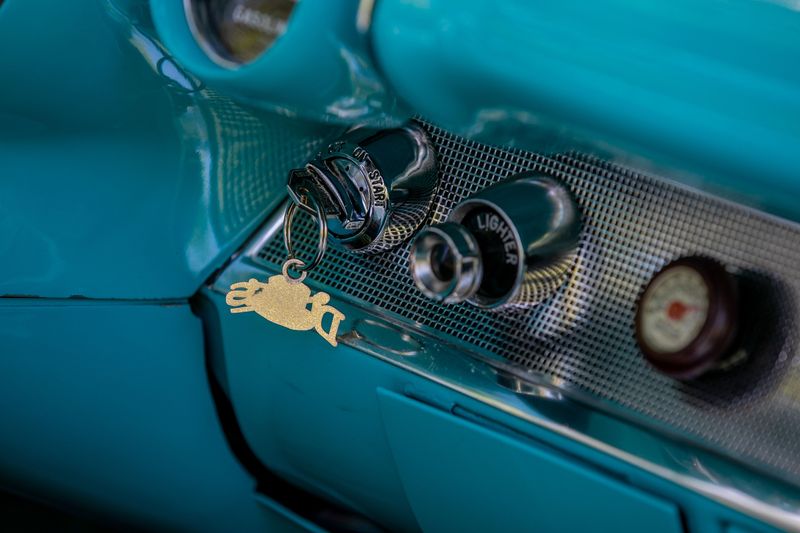
Turning a physical metal key in the ignition was the universal starting ritual for every driver for most of the twentieth century.
The satisfying click of the key engaging, followed by the rumble of the engine coming to life, was a small moment that bookended every drive.
Drivers also used the same key to unlock the door, the trunk, and sometimes the glove compartment.
Losing your car keys was a genuine crisis, not just an inconvenience.
Spare keys were precious, and locksmiths were called more than a few times to help stranded drivers.
Today, keyless entry and push-button start have made the physical key nearly obsolete in newer vehicles.
For older drivers, the feel of a key in hand still carries a deep sense of familiarity.
9. Rolling windows down with a manual crank
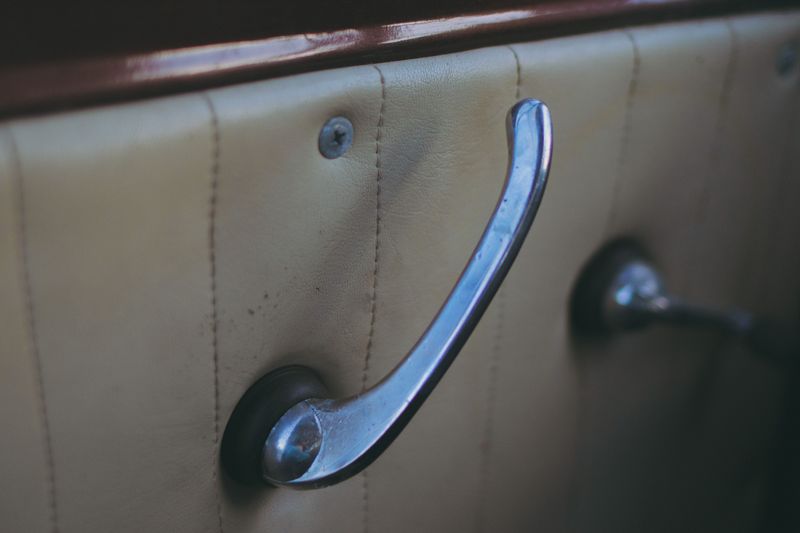
Long before power windows became standard, every car had a small crank handle on the inside of each door.
Rolling the window down meant grabbing that handle and turning it in circles, sometimes several full rotations to get the glass all the way down.
It was a totally normal part of driving that nobody thought much about.
Kids in the back seat would race to see who could roll their window down fastest.
On hot days, getting air flowing through the car meant everyone cranking at once.
The mechanism was simple and almost never broke, which was part of its charm.
Power windows eventually took over, but the manual crank had a satisfying, tactile quality that a button press simply cannot replicate for anyone who grew up with it.
10. Driving a manual transmission
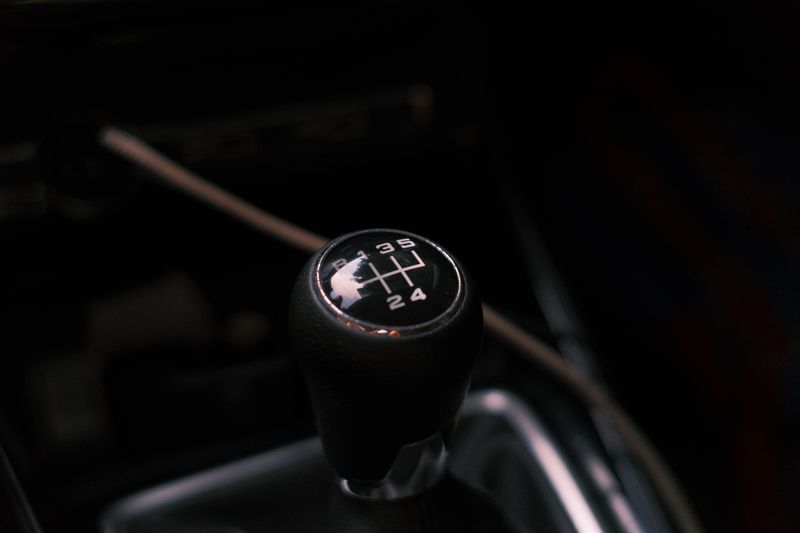
Knowing how to drive a stick shift was once considered as basic as knowing how to drive at all.
Manual transmissions required the driver to press the clutch pedal, select the right gear, and release the clutch smoothly while giving the engine gas.
Get it wrong and the car would stall, lurch, or roll backward on a hill.
Learning to drive a manual often meant stalling repeatedly in a parking lot while a patient parent or older sibling coached from the passenger seat.
The skill became second nature over time, and many drivers loved the feeling of control it gave them.
Today, manual transmissions are rare in new cars, and a growing number of licensed drivers have never touched a clutch pedal in their lives.
11. Listening to the car radio for traffic reports
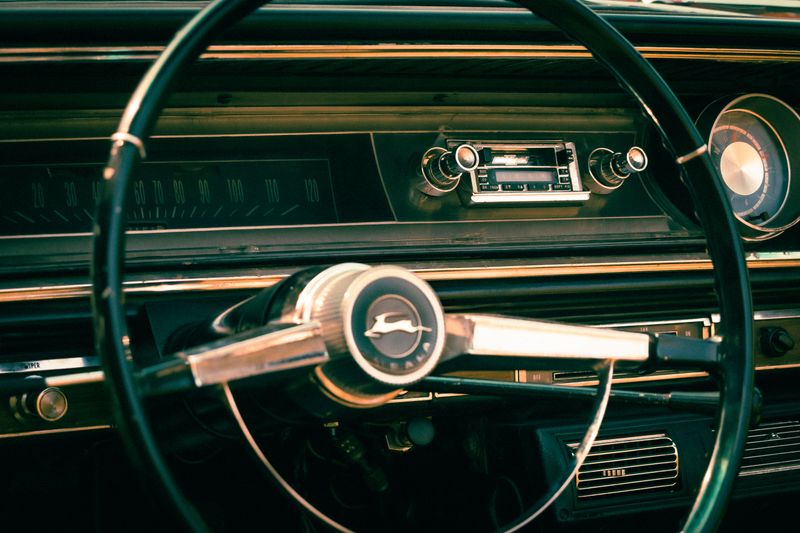
Before traffic apps and real-time GPS routing, drivers relied on the AM radio to find out what was happening on the roads ahead.
Local radio stations broadcast traffic reports on a regular schedule, usually every ten minutes during rush hour, and drivers tuned in carefully to catch updates before hitting congested stretches.
Missing the report meant waiting for the next one, sometimes adjusting your route based on what you heard and your own knowledge of local roads.
It required patience and a bit of guesswork.
Some stations had dedicated traffic helicopters that gave aerial updates, which felt impressively high-tech at the time.
Today, apps like Waze update in real time, but there was something communal about thousands of drivers all listening to the same broadcast together.
12. Playing cassette tapes while driving
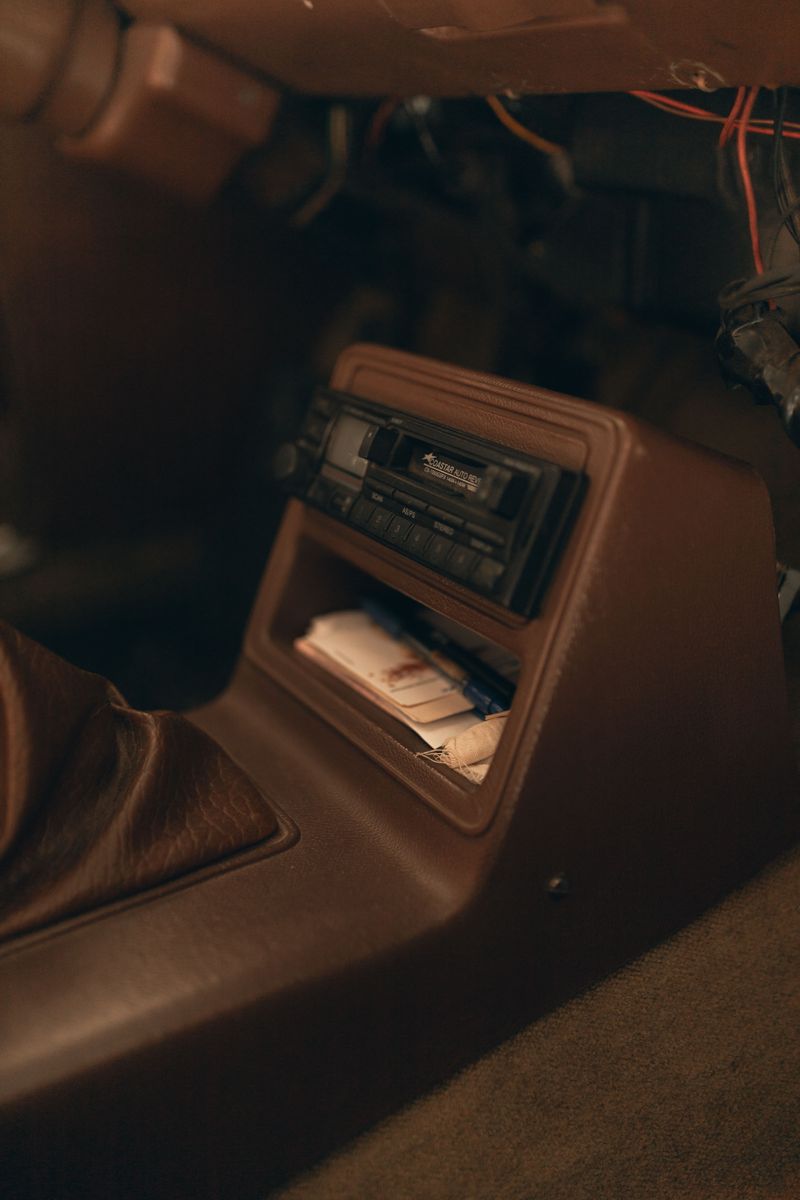
Before streaming, before CDs, and long before aux cables, the cassette tape was the king of in-car entertainment.
Drivers would carefully select a tape from a collection stored in a soft case on the visor or tucked into the center console, slide it into the deck, and let the music roll.
Making a mixtape for a road trip was practically an art form.
Cassettes had their quirks: the tape could unspool and get tangled, requiring the classic pencil-in-the-reel rescue technique to wind it back.
Rewinding to your favorite song meant waiting, not just tapping a screen.
Despite the hassle, there was real joy in the ritual.
Younger drivers who have only known playlists and Bluetooth speakers are missing out on a surprisingly personal way to experience music on the road.
13. Paying for gas before pumping with cash inside the station
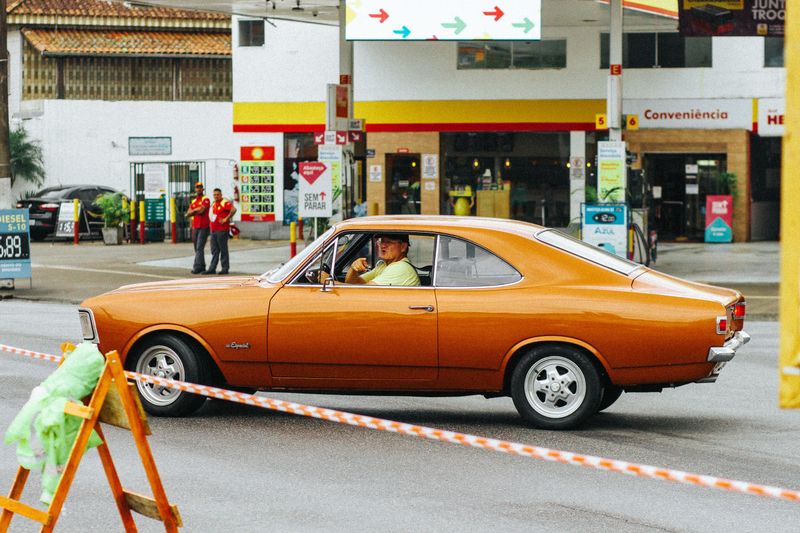
Paying at the pump was not always an option.
Drivers used to walk inside the station, hand over cash, and tell the attendant exactly how much fuel they wanted before heading back out to the pump.
It added a few extra minutes to every fill-up but was simply the way things worked.
This routine created a small social moment that modern gas stops completely skip.
You might chat with the attendant about road conditions or local weather while counting out your dollars.
Pre-paying with a card right at the pump only became widespread in the late 1990s, changing the whole experience overnight.