 MomSkoop
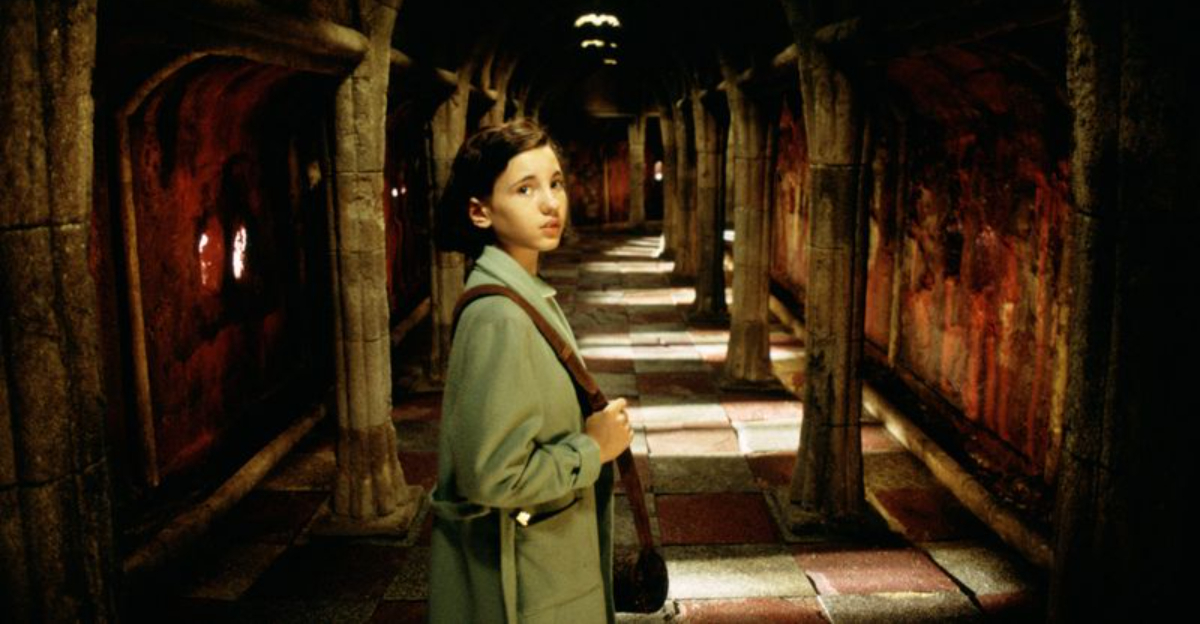
If you want movies that stay with you long after the credits roll, this list is a great place to start. These films deliver unforgettable stories, striking visuals, and emotional depth that can reshape how you think about cinema.
You will find fantasy, heartbreak, political history, dark comedy, and raw coming-of-age energy here. Each one offers a powerful reason to explore Spanish-language filmmaking more deeply.
1. Pan’s Labyrinth (2006)
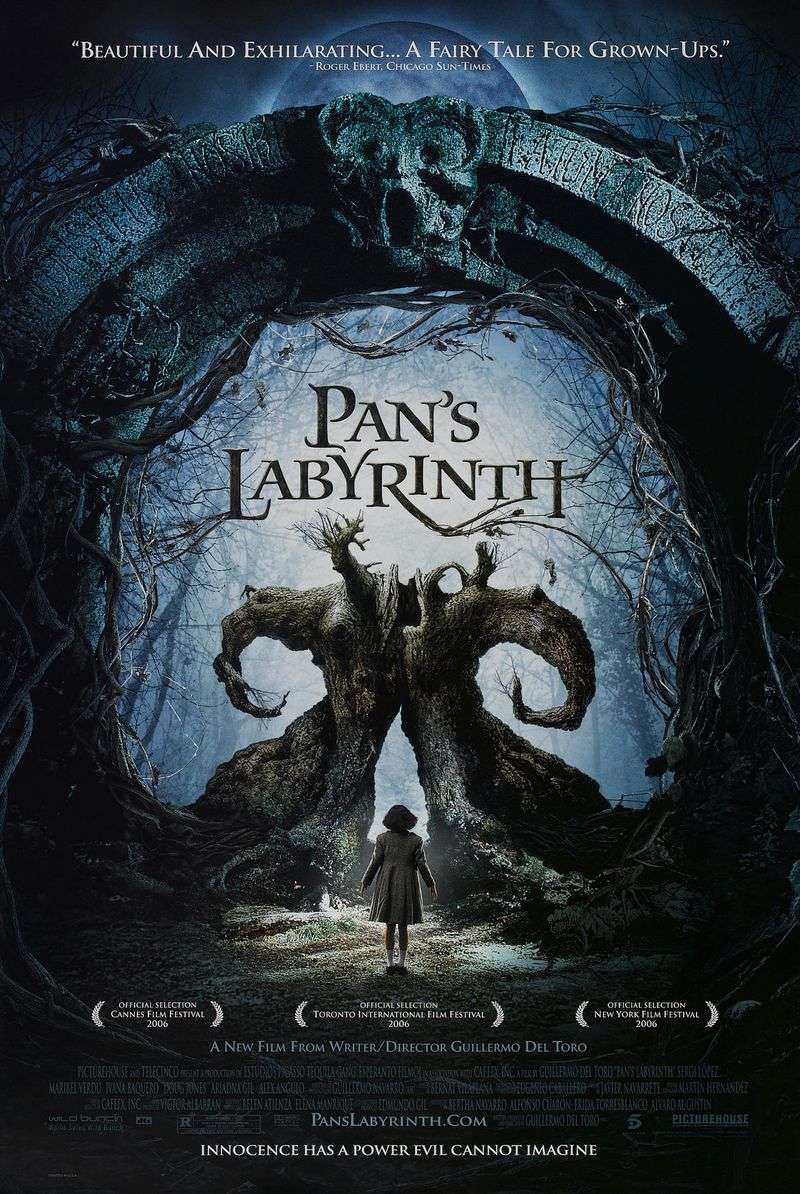
Pan’s Labyrinth pulls you into a world where childhood wonder collides with fascist brutality, and that contrast is exactly why it feels unforgettable.
Guillermo del Toro builds every frame with storybook beauty, but he never lets you forget the fear surrounding Ofelia.
You watch fantasy become both escape and resistance.
What makes this film essential is how confidently it trusts you to hold cruelty and hope at the same time.
The creatures, practical effects, and wartime setting create a rich emotional experience instead of empty spectacle.
If you want a movie that feels magical, tragic, and politically sharp all at once, this is one you absolutely need to see.
2. Roma (2018)
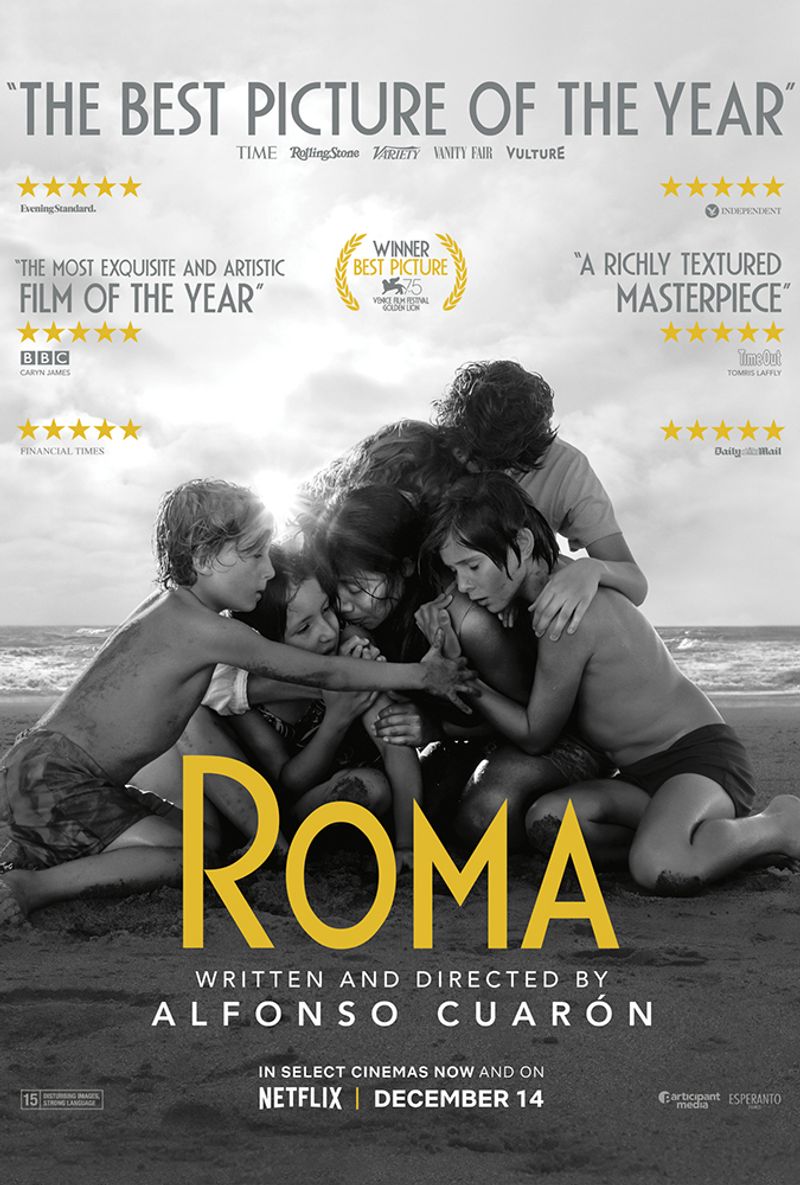
Roma is quiet on the surface, yet it lands with enormous emotional force once you settle into its rhythm.
Alfonso Cuaron turns memory into something tactile, letting ordinary routines reveal class, love, loneliness, and devotion.
You do not just observe Cleo’s life, you begin to feel the weight she carries.
The black and white photography is stunning, but the film never feels distant or decorative.
Every carefully staged moment opens into something deeply human, whether it is family chaos, political unrest, or private grief.
If you appreciate patient storytelling that rewards attention with heartbreak and beauty, Roma becomes impossible to shake.
3. Y Tu Mamá También (2001)
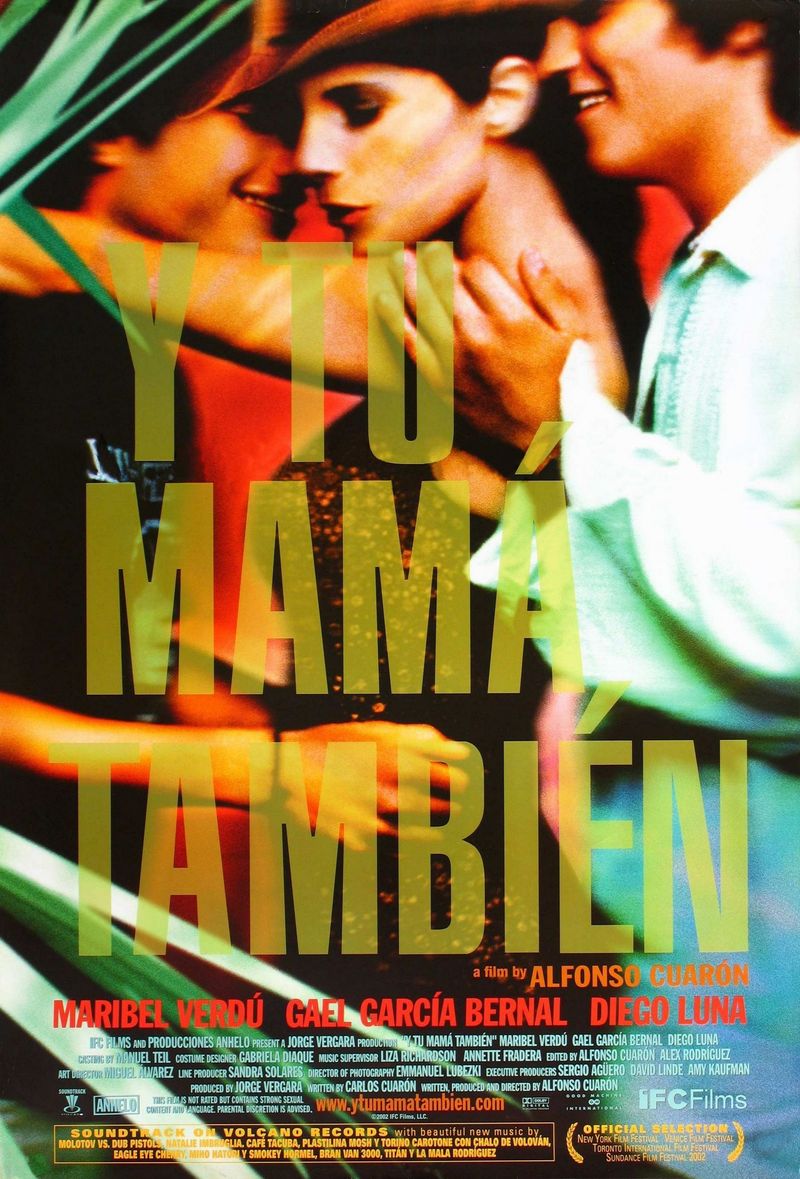
Y Tu Mamá También starts like a loose, sexy road movie, but it keeps deepening until you realize how much is happening beneath the banter.
Alfonso Cuaron captures youth with all its swagger, insecurity, selfishness, and sudden vulnerability.
You get humor, desire, and painful self-discovery in the same breath.
What makes it essential is the way private drama meets larger social realities without feeling forced or preachy.
The narration, the shifting friendships, and the sense of movement give the film a restless honesty that feels alive.
If you want a coming-of-age story that is bold, messy, and surprisingly profound, start here.
4. The Spirit of the Beehive (1973)
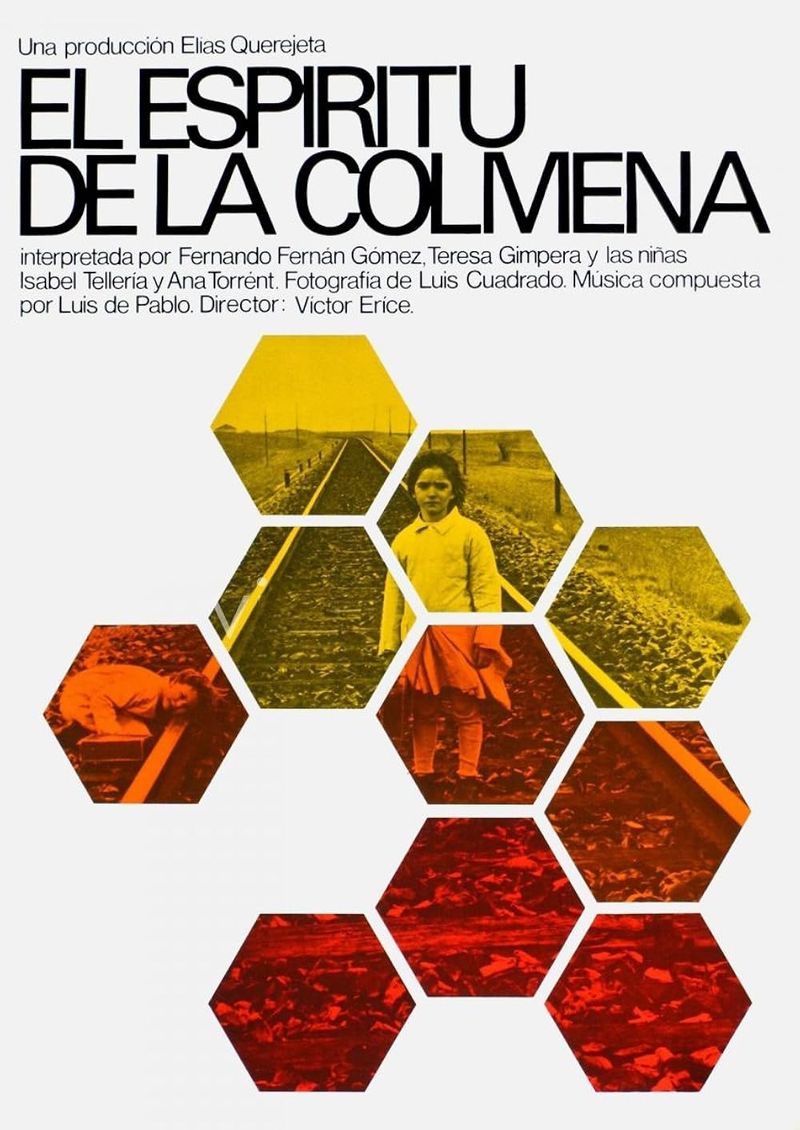
This is one of those films that changes your idea of what cinema can do with silence.
Victor Erice tells the story through looks, spaces, and atmosphere, letting a child’s imagination transform a quiet village into something mysterious and haunted.
You feel curiosity and loneliness in every frame.
Its power comes from suggestion rather than explanation, which makes the emotions linger longer.
The film reflects postwar Spain indirectly, using childhood wonder and fear to reveal a damaged world adults cannot fully explain.
If you are open to slow, poetic storytelling, this is a mesmerizing experience that rewards patience with lasting resonance.
5. All About My Mother (1999)

All About My Mother is overflowing with color, feeling, and compassion, yet it never turns sentimental in an easy way.
Pedro Almodovar creates a world where grief, reinvention, and chosen family blend into something tender and vibrant.
You meet unforgettable women who feel complicated, funny, flawed, and fiercely alive.
This film is essential because it understands pain without losing generosity or style.
The performances are rich, the dialogue is sharp, and every emotional turn feels earned rather than manipulated.
If you want a movie that celebrates resilience while acknowledging loss, All About My Mother offers one of the warmest and most humane viewing experiences in modern Spanish cinema.
6. City of God (2002)
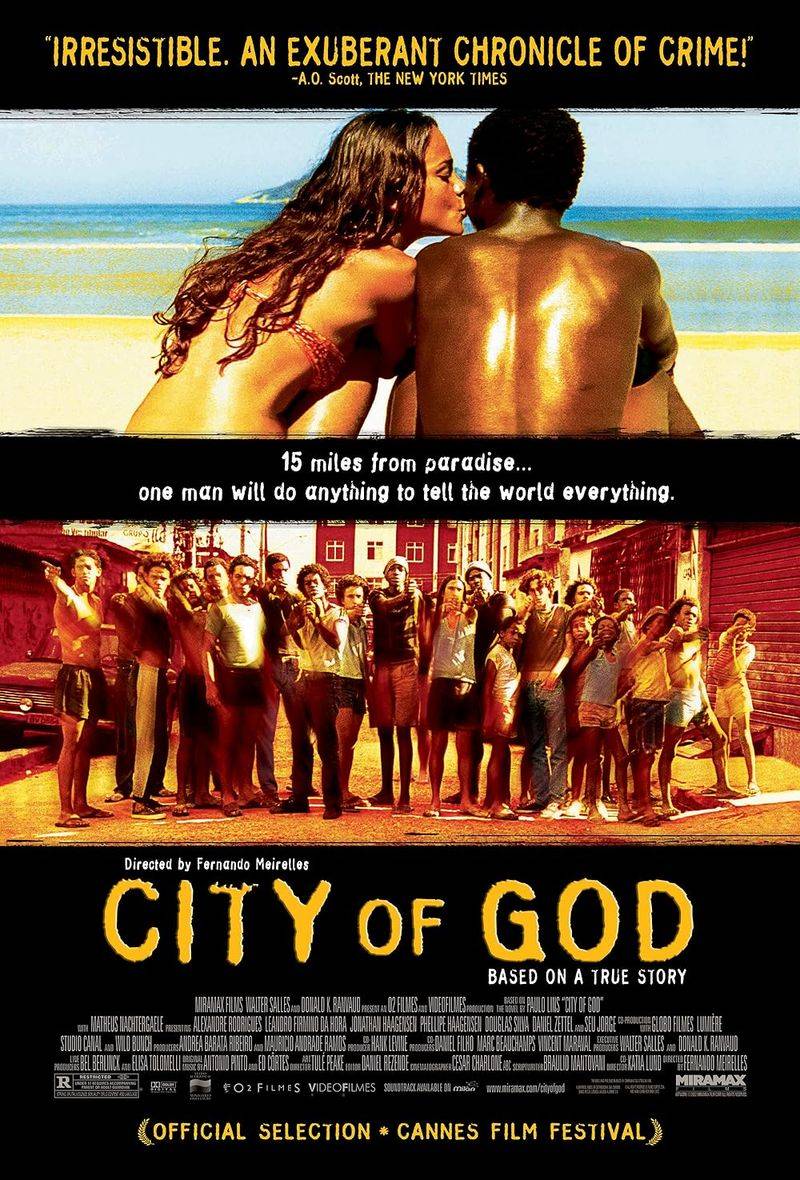
City of God hits with explosive energy from its first moments, and it rarely lets you breathe after that.
Fernando Meirelles and Katia Lund turn a brutal coming-of-age story into something visually electric, fast, and unforgettable.
You are pulled into the lives of kids growing up inside violence that feels both immediate and systemic.
Even with its speed and style, the film never loses sight of human stakes.
The storytelling is sharp, the ensemble is extraordinary, and the social critique emerges naturally from character and place.
If you want a movie that feels urgent, propulsive, and devastating while still being masterfully crafted, City of God is absolutely essential viewing.
7. The Secret in Their Eyes (2009)
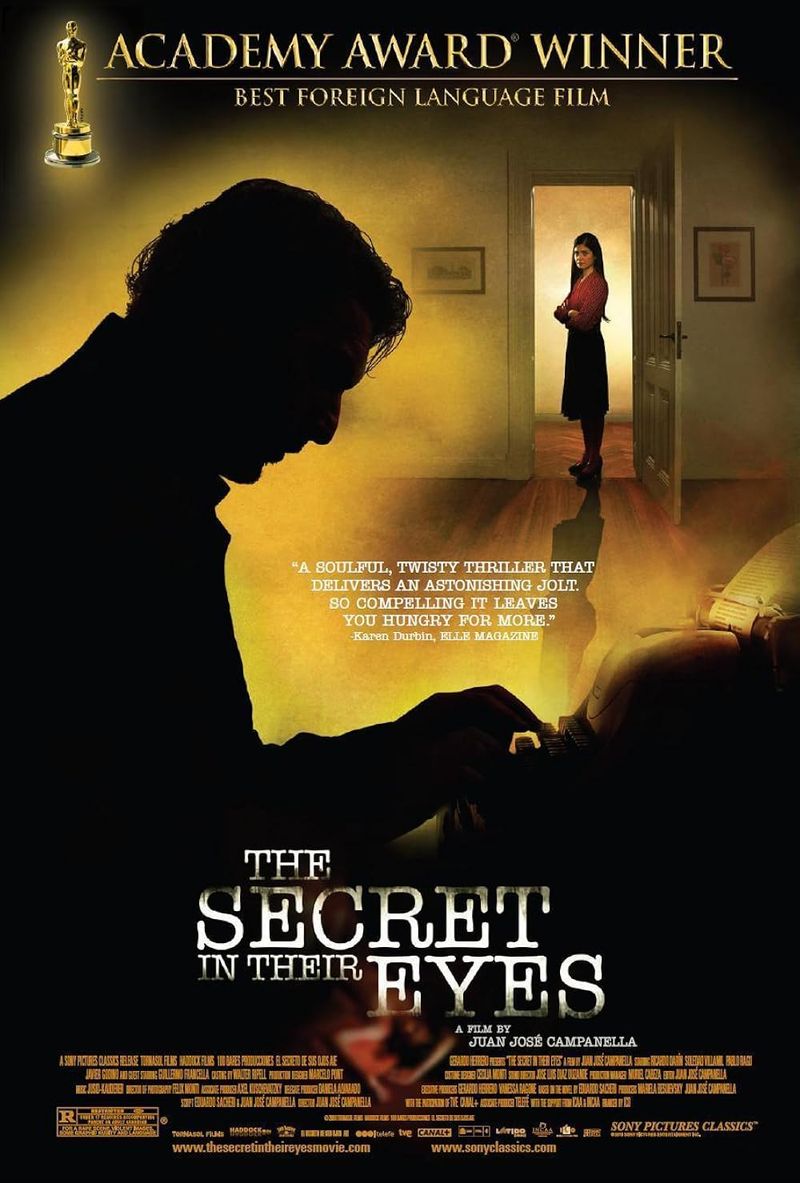
The Secret in Their Eyes gives you the satisfaction of a gripping mystery while quietly becoming something much sadder and deeper.
Juan Jose Campanella weaves murder, memory, love, and political trauma into a story that keeps expanding the more you think about it.
You come for the suspense, then stay for the emotional ache.
What makes it memorable is its balance of genre pleasure and moral seriousness.
The performances are deeply felt, the famous stadium sequence is thrilling, and the film keeps asking what justice really means when time keeps moving.
If you enjoy intelligent thrillers with genuine heart, this one delivers both tension and haunting emotional payoff.
8. Amores Perros (2000)

Amores Perros is raw, chaotic, and emotionally bruising in a way that feels completely alive.
Alejandro G.
Inarritu uses a crash and three connected stories to show how love, ambition, betrayal, and desperation collide in Mexico City.
You are thrown into messy lives that refuse easy judgments.
The structure gives the film momentum, but its real strength is emotional intensity.
Every storyline reveals another layer of social division and personal damage, while the performances keep everything grounded and urgent.
If you want a movie that feels fierce, unsparing, and full of cinematic confidence, Amores Perros remains one of the most powerful debuts you can watch in contemporary Latin American cinema.
9. Wild Tales (2014)
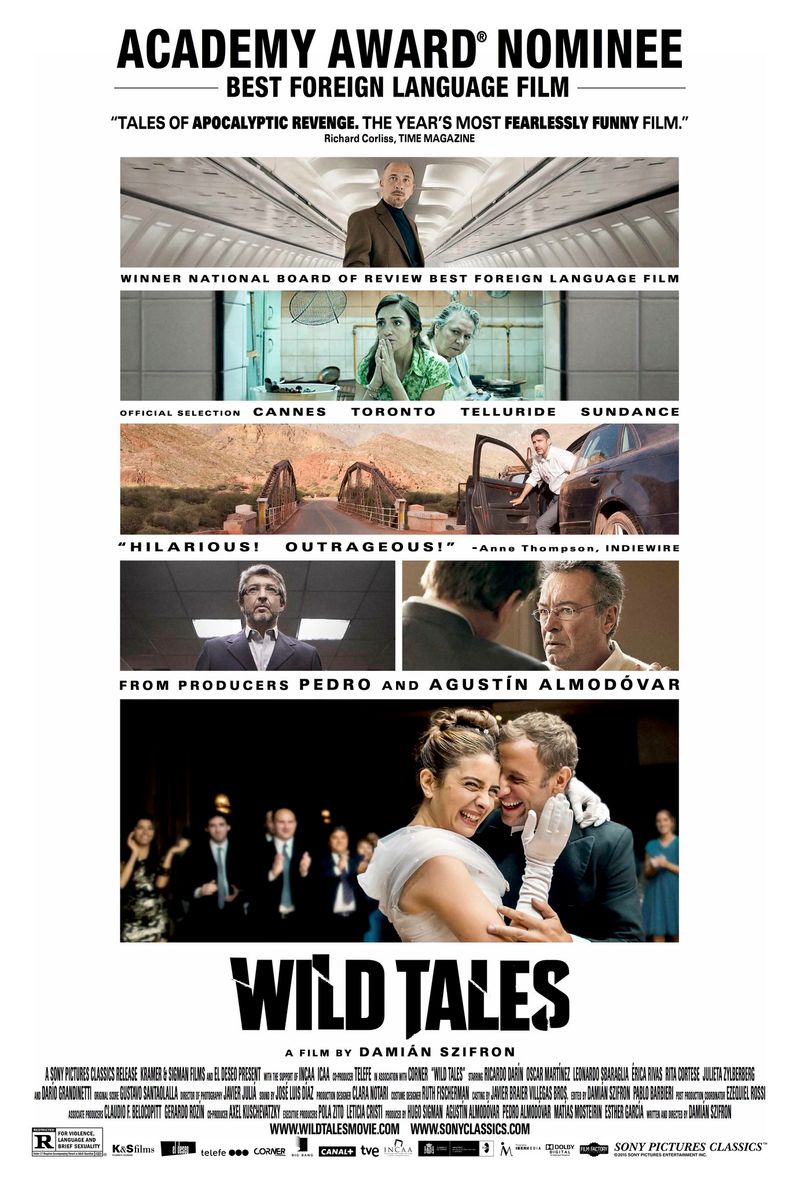
Wild Tales is the rare anthology where every segment feels like it could become your favorite by the end.
Damian Szifron takes everyday frustration, humiliation, and rage, then pushes each situation into wickedly entertaining extremes.
You laugh, wince, and recognize just enough truth to make the chaos even funnier.
What makes the film essential is its precision.
Each story is tightly built, the performances are terrific, and the escalating absurdity never loses its connection to real social pressure and human pride.
If you enjoy dark comedy with sharp teeth, Wild Tales gives you six brilliantly nasty reminders that civilization can crack faster than anyone wants to admit.
10. Viridiana (1961)
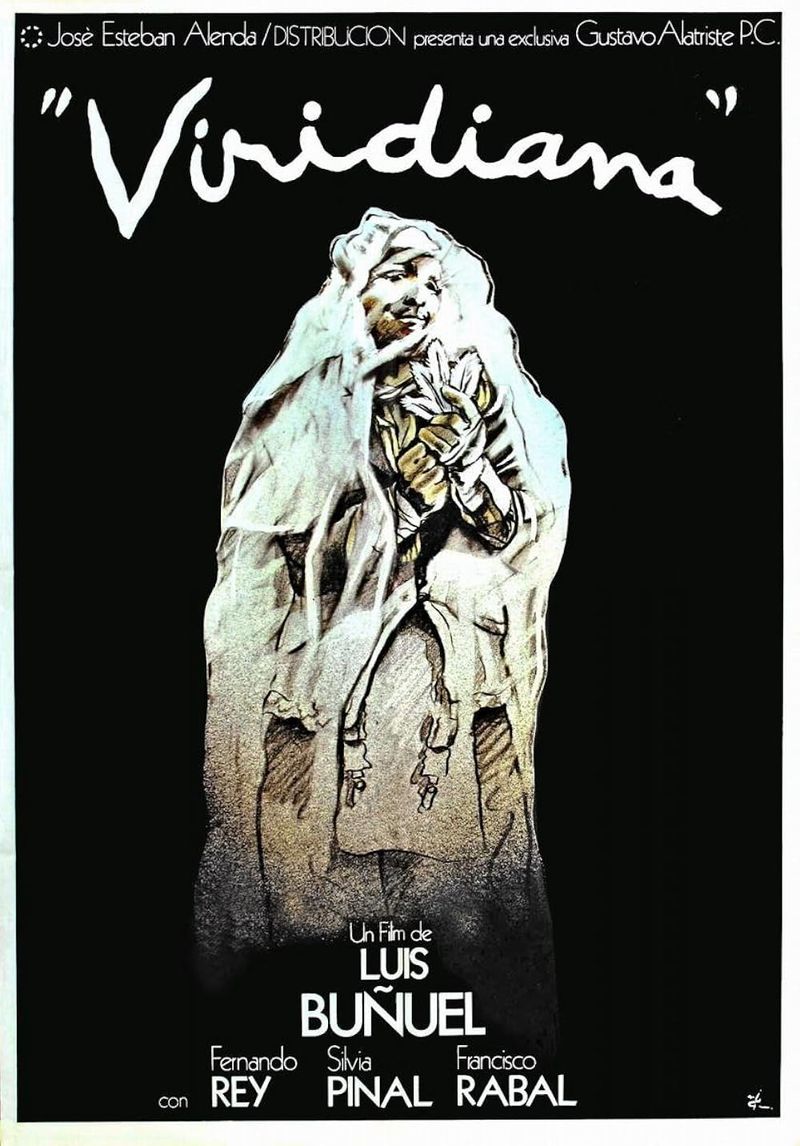
Luis Bunuel attacks hypocrisy with a calm, ruthless intelligence that never announces itself too loudly.
What begins as a story about charity and innocence gradually becomes something far stranger, darker, and more satirical.
You can feel the film pulling apart religious idealism and social respectability in real time.
Its images are unforgettable, especially when Bunuel turns sacred symbolism into something unsettling and ironic.
The film invites you to question good intentions, power, desire, and the performance of virtue without giving easy moral comfort.
If you want to see why Bunuel remains so influential, Viridiana offers a brilliant, provocative, and surprisingly modern place to start.
11. Talk to Her (2002)
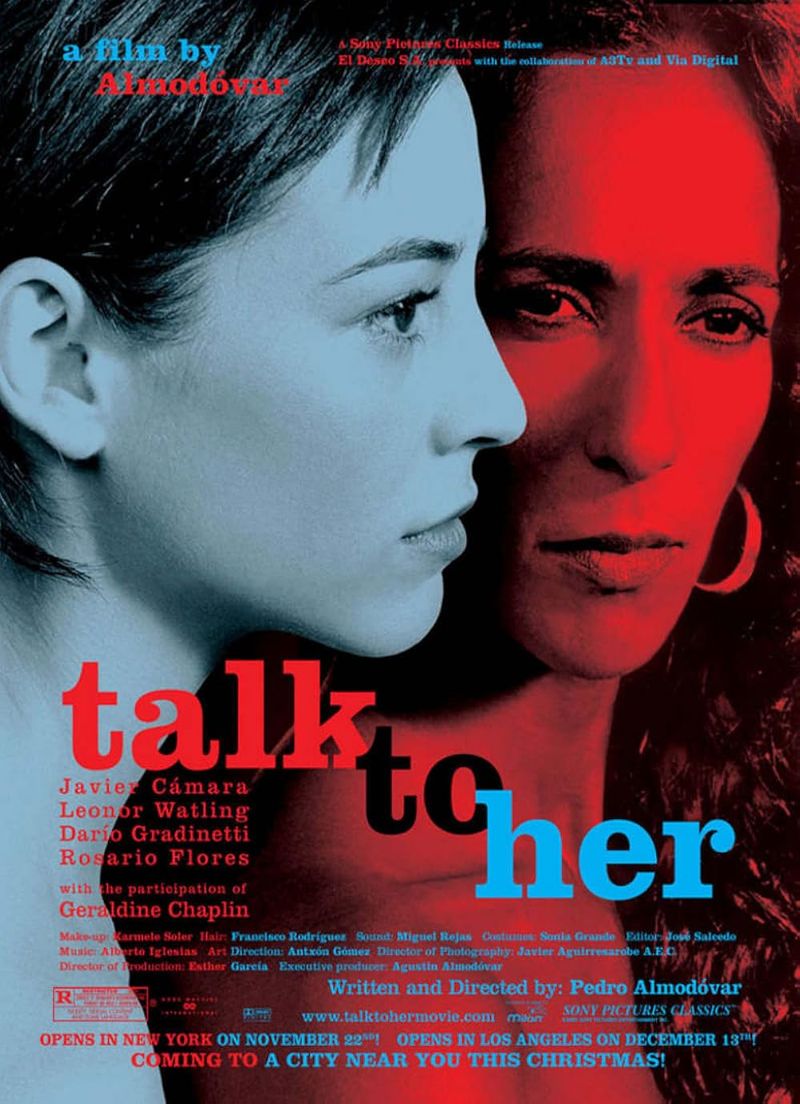
Talk to Her is delicate, strange, and quietly devastating, which is exactly what makes it so hard to forget.
Pedro Almodovar tells a story about loneliness, care, obsession, and misread intimacy with remarkable control and empathy.
You may not always know how to feel, but that uncertainty becomes part of the film’s power.
Instead of simple moral clarity, the movie gives you emotional complexity that keeps unfolding afterward.
The performances are restrained, the structure is elegant, and even small moments carry enormous weight.
If you are drawn to films that challenge you while remaining deeply humane, Talk to Her is one of Almodovar’s most daring and affecting achievements.
12. Like Water for Chocolate (1992)
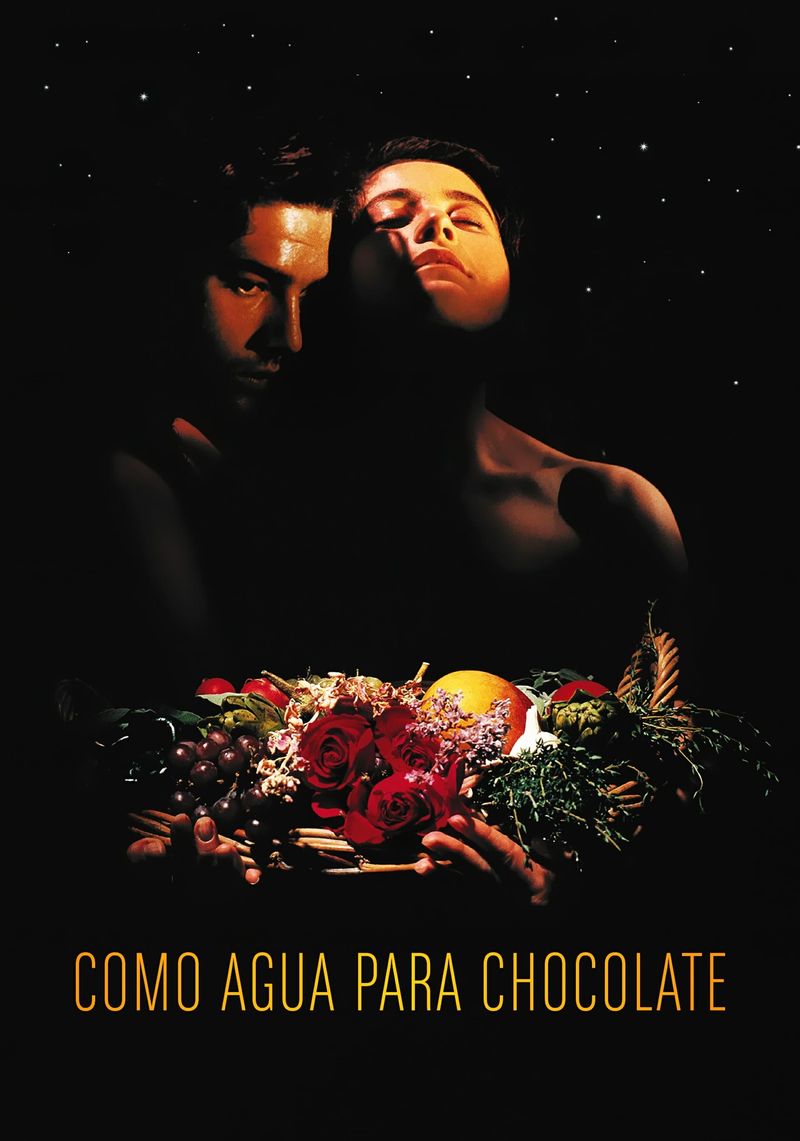
Like Water for Chocolate gives you romance, family conflict, and magical realism in a form that feels sensuous from beginning to end.
Alfonso Arau turns food into emotion, desire, memory, and rebellion, making each dish part of the storytelling rather than decoration.
You can almost taste the longing in every scene.
The film works because it embraces melodrama without apology while staying emotionally sincere.
Its visual richness, humor, and aching love story make it both accessible and distinctive, especially if you enjoy stories where domestic spaces hold enormous power.
If you want a film that is passionate, enchanting, and rooted in cultural tradition, this is an easy recommendation.
13. The Official Story (1985)
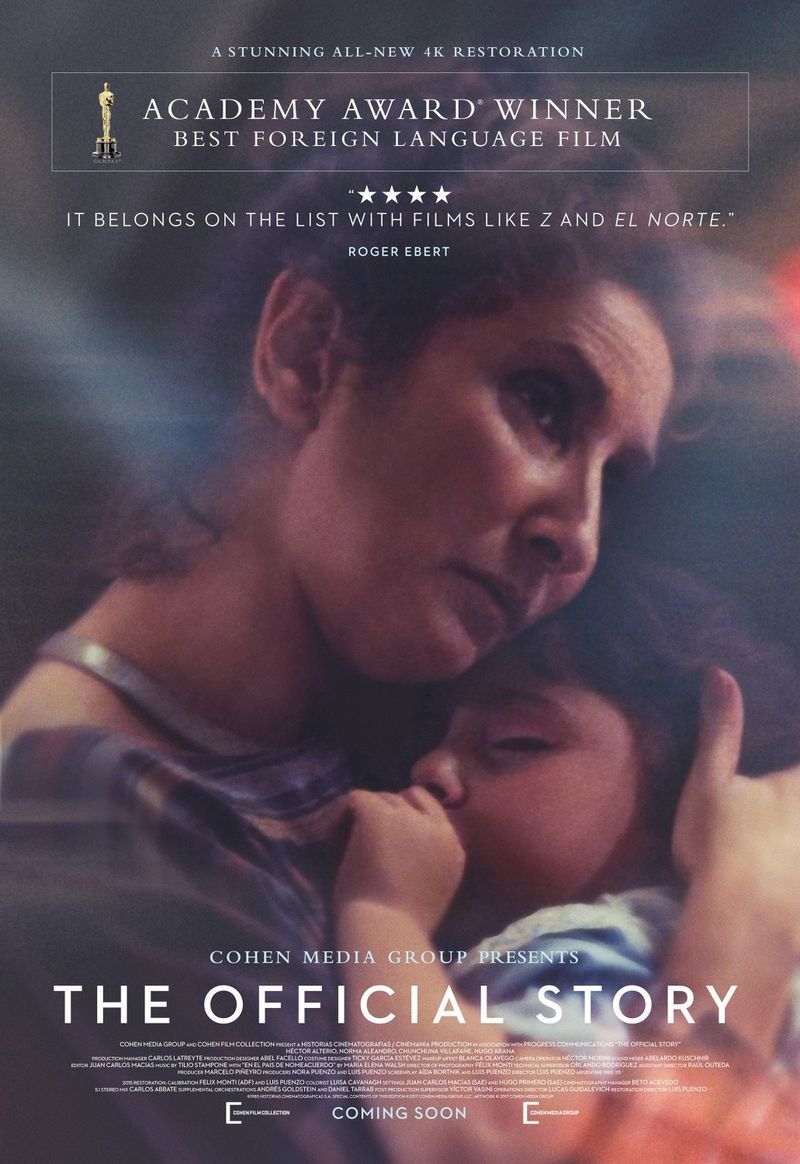
The Official Story begins with personal unease and grows into a shattering confrontation with national horror.
Luis Puenzo follows a woman whose comfortable life starts to crack as she questions what happened during Argentina’s dictatorship.
You experience the terror of realizing that ignorance can be both personal and political.
What makes the film essential is its emotional directness.
It does not rely on spectacle to expose violence, because the damage appears in family life, silence, and the search for truth.
The central performance is superb, carrying confusion, denial, fear, and awakening with painful clarity.
If you want cinema that bears witness with intelligence and feeling, this is indispensable.