 MomSkoop

Things that once earned side-eyes and whispers are now part of normal life. From how we date to how we spend a Saturday, society has loosened up in surprising ways.
Looking at these changes shows how much our ideas about a good life have grown. Maybe a few of them describe your own routine too.
1. Going to Therapy

Not long ago, people whispered about therapy as if it were a secret.
Today, friends swap therapist tips the way they trade restaurant picks.
Many see it as regular care for the mind, much like a checkup for the body.
Therapy is not only for crisis moments.
People use it to handle stress, grief, school pressure, or plain old confusion about life.
Talking with a trained listener can give you tools you never learned growing up.
If you are curious, start small.
Ask a doctor or school counselor for ideas, or look for online options that fit your budget.
Trying a session does not lock you into anything, and finding a good match can take a few tries.
2. Living With Your Parents as an Adult
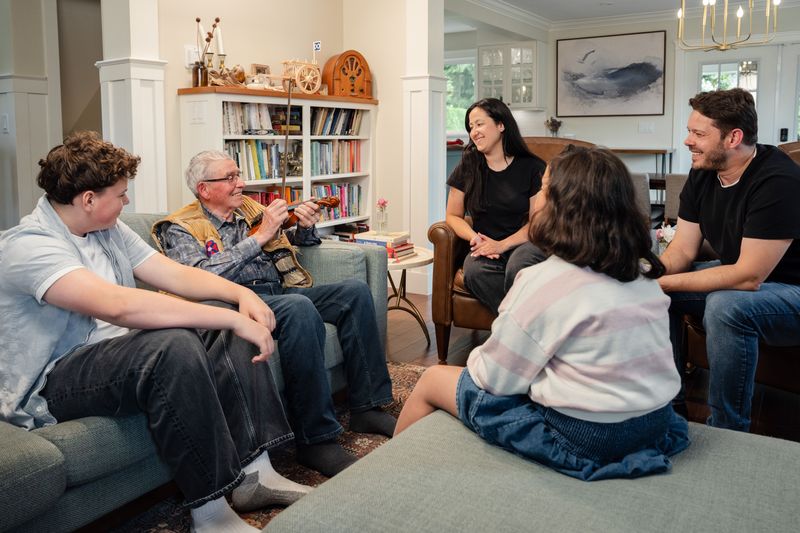
Picture a family dinner where three generations pass the rice around one table.
In many countries, that has always been normal.
Now more families in places once known for early moving out are choosing the same setup.
Rent prices, student loans, and caring for relatives all play a part.
Sharing a home can help a young adult save for a first house or start a business.
It can also mean grandparents get help with daily tasks.
Of course, it works best with clear talk.
Agree on chores, privacy, and money from the start.
A little planning turns a crowded house into a team effort, and nobody has to feel embarrassed about it.
3. Choosing Not to Drink Alcohol

Ordering a sparkling water at a party used to invite twenty questions.
Now bars proudly list fancy mocktails, and alcohol-free beer fills store shelves.
A growing number of people simply skip drinking and say so without fuss.
Reasons vary a lot.
Some want better sleep, some save money, and others have health or personal beliefs.
The term sober-curious describes people who try cutting back just to see how they feel.
If you want to try it, have a go-to drink in mind so you feel comfortable at events.
A short, friendly line like “I’m good, thanks” is enough.
Real friends care more about your company than what is in your glass.
4. Dating Online
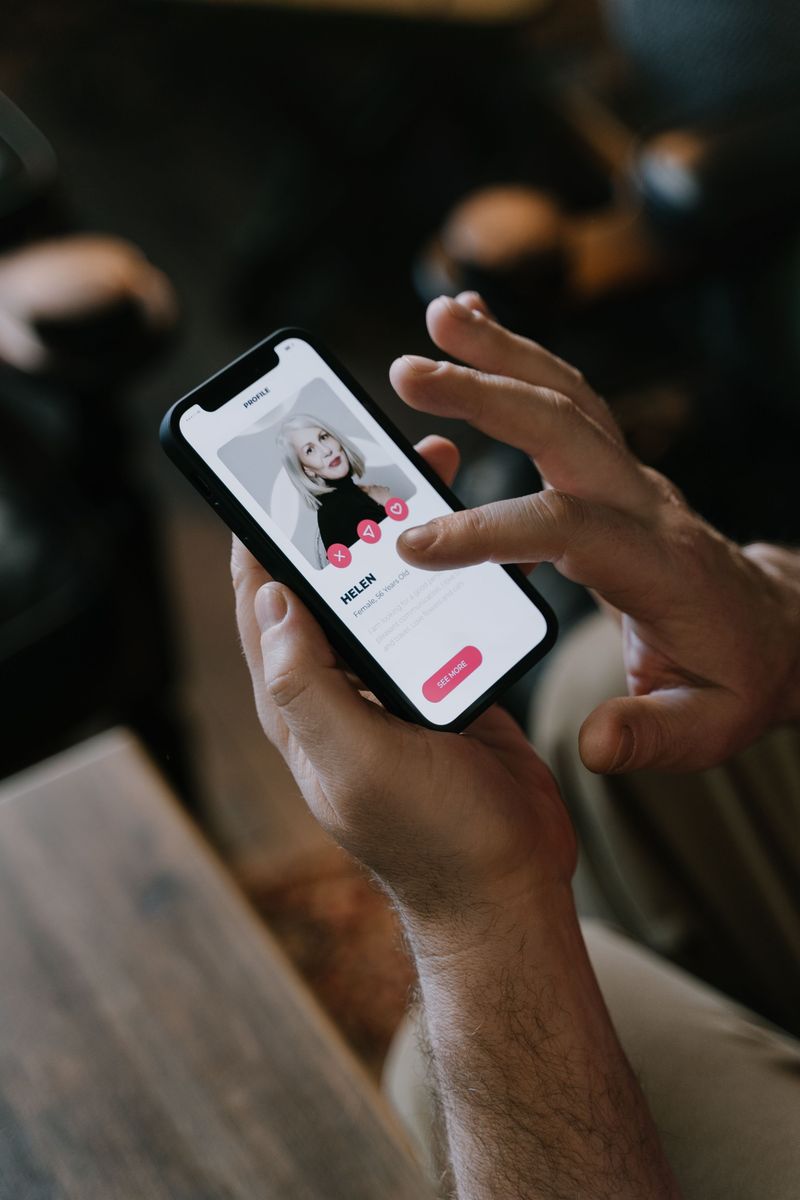
Meeting a partner through an app once sounded risky and a bit sad.
Fast forward, and a huge share of couples now say they met on a screen first.
Your cousin’s wedding story may well start with a swipe.
Apps simply widen the circle.
Busy schedules and small social groups make it hard to bump into new people, so technology helps fill the gap.
Profiles also let you share interests before the first hello.
Stay smart, though.
Meet in a public place, tell a friend your plans, and trust your gut if something feels off.
Treat it as one of many ways to connect, and keep a sense of humor about awkward first dates.
5. Eating Alone at Restaurants
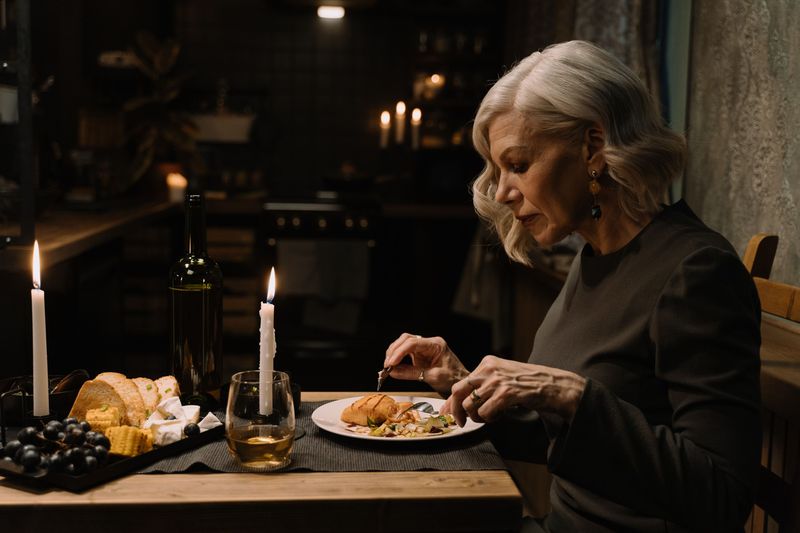
A table for one used to bring a sympathetic look from the host.
These days, solo diners are everywhere, and many say it is the best part of their week.
Nobody is rushing you or arguing over the appetizer.
Eating alone lets you pick the dish you really want and enjoy it slowly.
Some people bring a book or a notebook, while others simply watch the room.
Restaurants have noticed too, adding counter seats and small tables just for singles.
If it feels strange at first, try lunch at a casual spot.
Sit near a window or at the bar for a comfy view.
After a couple of visits, you may start looking forward to your own company.
6. Talking Openly About Mental Health

“I’m just really stressed lately.” Ten years ago, many people would have swallowed those words.
Now classmates, coworkers, and celebrities say them out loud, and others nod because they feel the same.
Words like anxiety, burnout, and depression have moved from medical books into everyday chats.
That shift helps people spot problems sooner and ask for help before things pile up.
It also reminds everyone they are not alone.
You can join in by listening well.
Skip quick fixes and say something simple like “That sounds hard, I’m here.” If a friend seems to be struggling a lot, gently suggest talking to a trusted adult or a professional.
7. Taking Mental-Health Days

Fact: your brain gets tired just like your legs after a long run.
Many offices now agree and treat a mental-health day as a real reason to rest.
Some even list it in their sick-leave rules.
A day off does not need to be fancy.
You might sleep in, take a long walk, cook something slow, or just stay quiet.
The goal is to recharge so you can come back with a clearer head.
To ask for one, keep your message short and honest.
You do not have to share every detail.
Planning rest before you hit your limit usually works far better than waiting until you are completely worn out.
8. Not Getting Married

Grandma may still ask when the wedding is, but fewer people are bothered by the answer.
Plenty of folks stay single, and many couples build long, happy lives together without a ceremony.
Surveys in many countries show marriage rates slowly falling.
People choose this path for many reasons.
Some value freedom, some want to avoid legal or money tangles, and some just never felt the need for a certificate.
Love, it turns out, does not require paperwork to be real.
If you are in this camp, you can answer nosy questions kindly and briefly.
Something like “We’re happy as we are” ends most chats.
Your relationship is measured by trust and care, not by a ring.
9. Choosing Not to Have Children

Few questions feel as loaded as “So, when are you having kids?” Yet more adults now say clearly that parenthood is not in their plans.
Being child-free is being talked about as a thoughtful life choice, not a mystery to solve.
People give many reasons, including career goals, money, health, or simply not feeling the pull.
Many child-free adults stay close to nieces, nephews, and friends’ kids, becoming favorite aunts and uncles.
If someone shares this choice with you, respond with respect instead of advice.
A kind “that makes sense” goes a long way.
Every family shape, big or small, can hold plenty of love.
10. Changing Careers Later in Life

Meet Ruth, who left accounting at 47 to become a nurse.
Stories like hers are popping up everywhere.
A winding career path is now seen as brave, not flaky.
Jobs change fast, and people live and work longer than past generations did.
That gives many workers time for a second or third act.
Skills like managing people, solving problems, and staying calm carry over almost anywhere.
If you are thinking of a switch, test the waters first.
Take a night class, volunteer, or chat with someone who does the job.
Small steps reveal whether the new road fits, and they make the leap feel far less scary.
11. Buying Secondhand Clothes
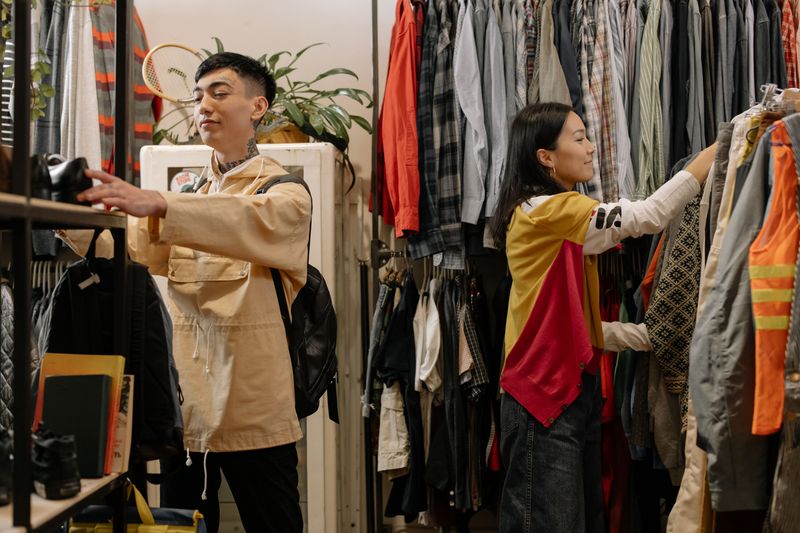
Once upon a time, shoppers slipped into thrift stores and hid the bags.
Now people proudly post their finds online.
A one-of-a-kind jacket for a few dollars is a total win.
Secondhand shopping has picked up fans for three big reasons: it saves money, it cuts waste, and it makes your style stand out.
Resale apps and vintage shops have made the hunt easier than ever.
For the best luck, go often and check the sizes outside your usual one.
Look closely for stains, loose seams, and missing buttons.
A quick wash or small repair can turn a forgotten piece into your favorite outfit.
12. Playing Video Games as an Adult

The average gamer is no longer a kid in a basement.
Studies show many players are well into their thirties and beyond.
Gaming is now as ordinary as watching a movie.
Adults play to unwind, to meet friends, or to enjoy big stories.
Some games build teamwork, planning, and quick thinking.
Others are simply cozy places to relax after a long day.
Balance is the key, as with any hobby.
Set a time that leaves room for sleep, exercise, and people in real life.
Playing with family or coworkers can even turn a screen into a fun shared memory.
13. Setting Boundaries With Family and Friends

“No, I can’t make it this weekend.” Those few words once felt rude to say.
Now many see them as a healthy way to protect time and energy.
Boundaries are simply rules about what you can handle.
They might mean limiting late-night calls, skipping a gathering, or saying you will not lend money.
Clear limits often make relationships stronger because resentment has less room to grow.
When you set one, stay kind and direct.
Try “I care about you, and I need some quiet time tonight.” People may need a moment to adjust, and that is okay.
Sticking with it shows you respect yourself and them too.