 MomSkoop

Back in the 1970s, teenagers were expected to handle real-world tasks long before they graduated high school. From fixing a flat tire to cooking a full meal from scratch, these practical skills were simply part of growing up.
Fast forward to today, and many college graduates find themselves stumped by the same everyday challenges. Whether it’s the rise of technology or a shift in how we’re taught, some truly useful abilities have quietly faded away.
1. Reading Paper Maps

Before GPS existed, getting from point A to point B meant spreading out a paper map across the dashboard and actually reading it.
Teens in the ’70s could trace routes, calculate distances, and navigate entire road trips using nothing but a folded atlas.
It was a skill that demanded focus and spatial thinking.
Today, many young adults freeze up the moment their phone loses signal on a back road.
Paper maps require you to understand scale, landmarks, and cardinal directions — concepts that GPS apps handle automatically.
Without that hands-on practice, map-reading confidence has quietly disappeared from one generation to the next.
2. Performing Basic Car Maintenance

Saturdays in the ’70s often meant popping the hood alongside a parent and learning how engines actually worked.
Teens routinely changed tires, checked oil levels, replaced spark plugs, and jump-started dead batteries without calling for help.
Cars were simpler machines back then, which made tinkering much more accessible.
Today’s vehicles are packed with computer systems that require professional diagnostic tools, which partly explains why hands-on car skills have faded.
But even basic tasks like checking tire pressure or adding coolant leave many college grads scratching their heads.
Knowing how to care for your car isn’t just convenient — it can genuinely save you money and keep you safe on the road.
3. Writing Professional Letters

Long before email existed, writing a well-structured formal letter was something teenagers were expected to master.
Whether applying for a first job, sending a thank-you note, or filing a complaint, clear and professional written communication carried real weight.
Schools drilled students on proper salutations, tone, and closing phrases.
Nowadays, texting and casual messaging have replaced much of that formality.
Studies show that many recent college graduates struggle to write a proper business letter without help.
The ability to sound polished and professional on paper is still critically important in the workplace.
Employers notice when a candidate’s written communication feels sloppy or informal, and that first impression can make or break an opportunity.
4. Balancing a Checkbook

There was a time when managing money meant sitting down with a checkbook register and carefully tracking every single purchase by hand.
Teens learned to subtract, reconcile bank statements, and catch errors before they turned into overdraft fees.
That process built a strong, intuitive understanding of where money was going.
Today, banking apps do most of the heavy lifting automatically, which sounds helpful until the app glitches or a charge slips through unnoticed.
Many young adults admit they have no real system for tracking their spending beyond checking their phone balance.
Learning to balance a checkbook manually teaches budgeting discipline that no app can fully replace.
It turns out, doing the math yourself makes you a much more careful spender.
5. Cooking Meals From Scratch

Ask a teenager in 1975 what was for dinner, and there was a good chance they were the one cooking it.
Many teens grew up learning to prepare full meals — roasted chicken, homemade soups, fresh-baked bread — without a single packet of seasoning mix in sight.
Cooking from scratch was just part of running a household.
Today, microwave meals, delivery apps, and pre-packaged everything have made scratch cooking feel almost old-fashioned.
But knowing how to prepare real food from raw ingredients is one of the most empowering skills a person can have.
It saves money, supports better health, and gives you total control over what goes into your body.
Plus, homemade meals almost always taste better anyway.
6. Sewing and Mending Clothes
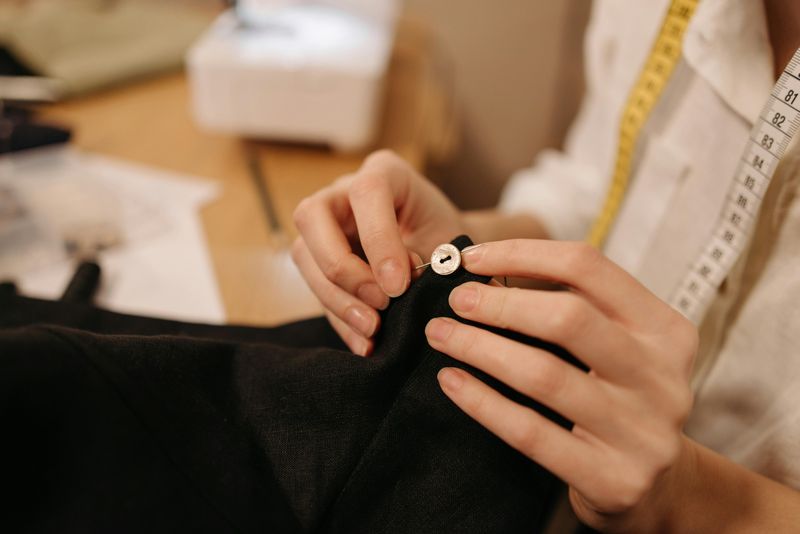
A missing button or a torn seam was never a reason to throw away a perfectly good piece of clothing in the 1970s.
Teens — both boys and girls — were taught to thread a needle, sew on buttons, repair seams, and hem pants without much fuss.
It was considered a basic life skill, like knowing how to do laundry.
Fast fashion has made it easier and cheaper to toss and replace clothing than to fix it, which means sewing skills have become surprisingly rare.
But mending your own clothes saves money, reduces waste, and extends the life of items you actually love.
Even learning just a few basic stitches can make a real difference in your day-to-day life without requiring any fancy equipment.
7. Using Basic Household Tools
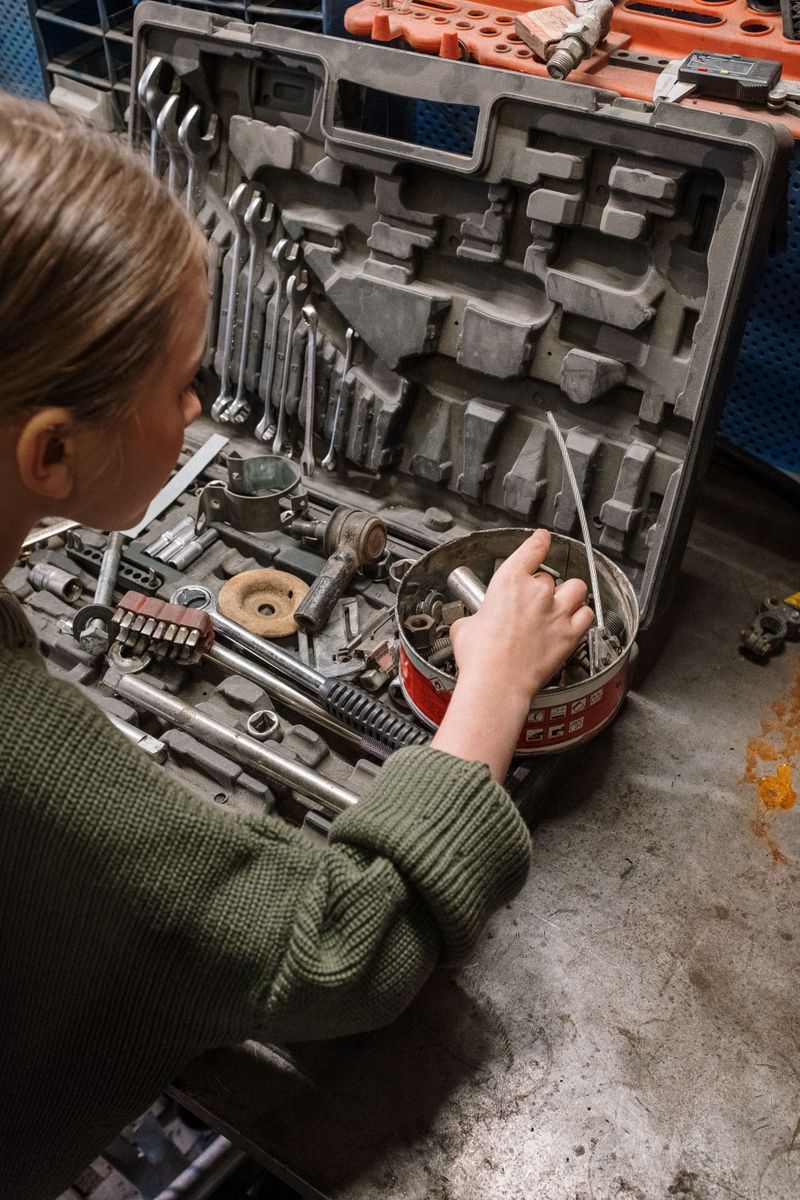
Hammers, screwdrivers, wrenches, and drills were familiar objects in most ’70s households — and teenagers actually knew how to use them.
Hanging a picture, assembling furniture, tightening a loose hinge, or fixing a squeaky floorboard were tasks that teens tackled without much hesitation.
Working with tools was something you simply picked up over time.
Surveys of young adults today reveal that a surprising number have never used a power drill or don’t know the difference between a Phillips and flathead screwdriver.
Basic home repair skills save a significant amount of money and reduce the need to call a professional for every small fix.
Knowing your way around a toolbox is empowering, practical, and — honestly — not that hard to learn once someone shows you the ropes.
8. Growing Food and Gardening

Victory gardens had left a lasting impression on American households, and by the 1970s, growing your own vegetables was still a widely practiced and respected skill.
Teens helped tend family gardens, understood planting seasons, and knew the difference between soil that was ready to grow and soil that needed work.
It connected them directly to where food actually comes from.
Today, most young adults have never planted a seed in the ground.
With grocery stores on every corner, the idea of growing your own food can seem unnecessary — until supply chains get disrupted or budgets get tight.
Gardening also reduces stress, encourages patience, and produces genuinely fresh food.
Even a small container garden on an apartment balcony is a meaningful start for anyone curious about trying.
9. Memorizing Important Information

Before smartphones stored every contact, address, and appointment, people actually memorized the information they needed most.
Teens in the ’70s could rattle off a dozen phone numbers, knew their friends’ addresses by heart, and could give clear driving directions without looking anything up.
Memory was a tool that got exercised constantly.
Today, many people can barely recall their own phone number, let alone anyone else’s.
While technology makes storing information effortless, over-relying on devices weakens the brain’s natural ability to retain details.
Memorization also builds stronger focus and cognitive habits that pay off in school, work, and everyday problem-solving.
Challenging your brain to remember things — even small things — is a habit worth bringing back regardless of how many apps you have.
10. Making Phone Calls Confidently

Picking up the phone and calling a stranger — a doctor’s office, a business, a potential employer — was just something teens did without overthinking it in the 1970s.
There were no texts to hide behind and no online forms to fill out.
You called, you spoke clearly, and you handled whatever came up in real time.
Phone anxiety is now so common among young adults that it has its own recognized term.
Many college graduates admit to avoiding phone calls altogether, preferring to text or email even when a quick call would be far more efficient.
The ability to communicate clearly and confidently over the phone remains an important professional skill.
Practicing it regularly, even for small tasks, can make a noticeable difference in how capable and self-assured you come across.
11. Managing Without Instant Information

When a question came up in the 1970s, you couldn’t just ask your phone for the answer.
Teens headed to the library, flipped through encyclopedias, asked knowledgeable adults, or simply figured things out through trial and error.
That process of searching, evaluating sources, and piecing together information built genuine critical thinking skills.
Instant access to search engines has made life more convenient in countless ways, but it has also quietly eroded the patience and problem-solving muscles that come from working through uncertainty.
Many young adults today struggle when a clear answer isn’t immediately available.
Learning to sit with a problem, research methodically, and think independently are skills that serve you well in every area of life — and they’re worth deliberately practicing even in an age of instant answers.
12. Handling Everyday Paperwork

Tax forms, rental applications, insurance documents, and government paperwork were things teens in the ’70s learned to navigate early on.
Understanding what each section meant, filling out forms accurately, and knowing how to mail official documents were skills passed down within families.
Getting paperwork right mattered because mistakes had real consequences.
Today, many young adults feel completely overwhelmed by official documents, even relatively simple ones.
Digital forms have helped somewhat, but understanding what you’re actually signing or submitting remains a critical skill that technology hasn’t replaced.
Knowing how to read and complete paperwork correctly protects you legally and financially.
Taking the time to learn what common forms require — rather than guessing or skipping sections — is one of the most underrated adulting skills there is.
13. Fixing Things Instead of Replacing Them

A broken bicycle chain, a wobbly chair leg, a cracked appliance handle — in the 1970s, the first instinct was to fix it, not toss it.
Teens grew up watching adults repair everything from household appliances to clothing to furniture, and they naturally absorbed that same fix-it mindset.
Throwing something away felt wasteful when a little effort could restore it.
Consumer culture today pushes constant replacement over repair, which has made that problem-solving resourcefulness increasingly rare.
But repairing items instead of replacing them saves money, reduces environmental waste, and builds a satisfying sense of capability.
Learning basic repair skills — whether it’s patching a tear, tightening a loose joint, or replacing a worn part — gives you real independence and keeps useful things out of the landfill where they really don’t belong.