 MomSkoop

Turning 50 is a milestone worth celebrating, but it’s also a perfect time to take a hard look at the habits that might be holding you back. Some patterns that worked in your 30s or 40s can quietly drain your energy, happiness, and health as you move into this new chapter.
The good news is that small, intentional changes can make a huge difference. Here are 13 habits worth leaving behind so you can thrive in the years ahead.
1. Neglecting Your Health

Skipping the doctor’s office feels harmless until it isn’t.
After 50, your body starts sending quieter signals, and catching issues early can literally save your life.
Regular checkups aren’t just for sick people — they’re for smart people.
Movement matters more now than ever.
Whether it’s a daily walk, light stretching, or swimming, keeping your body active supports your joints, heart, and mood.
Recovery time also increases with age, so rest is not laziness — it’s strategy.
Build a routine that includes sleep, nutrition, and movement.
Your future self will be grateful you started now rather than waiting for a problem to force your hand.
2. Resisting Change

Change has a funny way of showing up whether we invite it or not.
The people who resist it often find themselves feeling stuck, frustrated, and left behind — while those who embrace it tend to stay sharp and engaged with life.
After 50, adaptability becomes one of your greatest strengths.
The world shifts fast — workplaces evolve, technology advances, and social dynamics transform.
Staying flexible doesn’t mean abandoning your values; it means staying relevant and open.
Think of change as a workout for your brain.
Every time you adapt to something new, you’re building mental resilience.
That kind of flexibility keeps life interesting and keeps you growing well beyond your 50s.
3. Living in the Past

Nostalgia is a beautiful thing — until it becomes a place you live in full time.
Your past experiences shaped who you are, and there’s real value in honoring them.
But replaying old regrets or clinging to former versions of yourself can quietly rob you of the present.
After 50, the richest opportunities often lie ahead, not behind.
Relationships, passions, and adventures are still very much available — but only if you show up for them now.
Try shifting your mindset from “what was” to “what’s next.” Gratitude for the past mixed with curiosity about the future is a powerful combination that keeps your energy moving in the right direction.
4. Avoiding New Skills or Learning

Here’s a surprising fact: the brain retains the ability to form new connections well into old age.
That means learning something new at 50, 60, or even 70 isn’t just possible — it’s genuinely good for you.
Whether it’s picking up a new language, exploring a creative hobby, or finally figuring out that software everyone keeps talking about, continuous learning sharpens focus and boosts confidence.
It also gives you something to look forward to each day.
Avoid the trap of thinking you’re “too old” for new things.
Curiosity has no expiration date.
Signing up for that class or watching that tutorial might just open a door you never expected to find.
5. Holding Grudges

Carrying a grudge is like hauling a heavy backpack everywhere you go — exhausting and completely optional.
Research consistently shows that unresolved anger raises stress hormones and can negatively impact heart health and sleep quality.
Forgiveness doesn’t mean what happened was okay.
It means you’re choosing your peace over your resentment.
After 50, time feels more precious, and spending it on bitterness starts to feel like a bad trade.
Letting go frees up emotional energy you can redirect toward people and experiences that actually bring you joy.
You don’t have to forget or reconcile — sometimes simply releasing the anger internally is enough to feel significantly lighter and more at ease.
6. Overcommitting Your Time

Saying yes to everything sounds generous, but it often leads to burnout, resentment, and a calendar that leaves no room for you.
After decades of people-pleasing, your 50s are the perfect time to get serious about protecting your energy.
Learning to say no — kindly but firmly — is one of the most empowering skills you can develop.
Every “no” to something draining is a “yes” to something meaningful.
Your time is a finite resource, and you get to decide how it’s spent.
Start small if it feels uncomfortable.
Decline one unnecessary obligation this week.
Notice how it feels.
That little bit of breathing room can quickly remind you how valuable your time — and your peace — truly is.
7. Comparing Yourself to Others

Scrolling through social media and seeing someone else’s highlight reel can make even the most grounded person feel behind.
But comparison, especially after 50, is a game with no winners — only distraction from your own meaningful path.
Everyone’s journey looks different at this stage of life.
Some people are retiring early, others are starting new careers, and some are reinventing themselves entirely.
None of those paths are better or worse — they’re just different.
Your benchmark should be your past self, not someone else’s present.
Ask yourself: Am I growing?
Am I happier than I was?
Those are the questions worth sitting with.
Your story doesn’t need to look like anyone else’s to be worth celebrating.
8. Ignoring Financial Planning
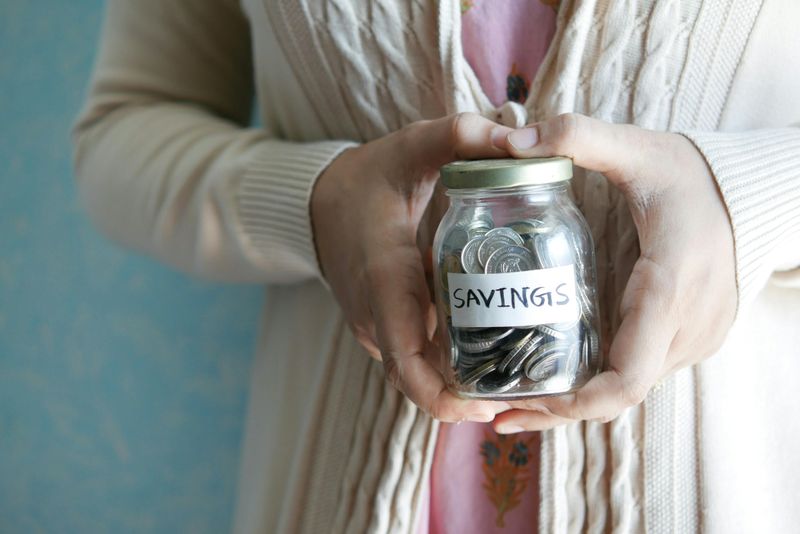
Money conversations can feel uncomfortable, but avoiding them gets more costly with every passing year.
After 50, the window for building a solid financial cushion is still open — but it’s narrowing, and intentional action matters more now than ever.
Retirement planning, emergency funds, and investment reviews aren’t just for wealthy people.
They’re tools for anyone who wants financial security and peace of mind in the decades ahead.
Even small, consistent steps compound over time.
If you haven’t already, consider scheduling a session with a financial advisor.
Understanding where you stand today — and what adjustments to make — can completely change your outlook on the future and reduce a significant source of daily stress.
9. Staying in Unfulfilling Relationships

Life is too short — and your 50s make that clearer than ever — to spend time in relationships that consistently drain rather than nourish you.
Whether it’s friendships, romantic partnerships, or family dynamics, the quality of your connections directly impacts your well-being.
Mutual respect, genuine support, and honest communication are the foundations of relationships worth keeping.
If those elements are missing, it may be time to have a hard conversation or, in some cases, quietly create more distance.
Surrounding yourself with people who celebrate your growth, challenge you with kindness, and show up consistently is one of the most powerful investments you can make in your happiness and long-term emotional health after 50.
10. Dismissing Younger Perspectives

There’s a quiet trap that some people fall into after years of experience: assuming they already know best.
While wisdom is earned, dismissing younger voices means missing out on fresh ideas, new approaches, and perspectives that can genuinely improve your thinking.
Younger generations grew up in a different world — one shaped by technology, shifting social values, and new challenges.
Their viewpoints aren’t a threat to your experience; they’re a complement to it.
The best conversations happen when both sides genuinely listen.
Staying open to different perspectives keeps your mind flexible and your relationships richer.
Curiosity about how others see the world is a quality that keeps people vibrant and connected at any age.
11. Skipping Self-Care

Self-care gets a bad reputation sometimes — people assume it’s indulgent or selfish.
But after 50, tending to your mental and emotional health isn’t optional; it’s foundational to everything else you want to do and be.
Stress that goes unmanaged accumulates in the body and mind.
Simple habits like journaling, spending time in nature, practicing gratitude, or even just unplugging from screens for an hour can reset your nervous system in meaningful ways.
Physical health gets most of the attention, but emotional well-being quietly drives everything — your relationships, your productivity, and your joy.
Treating yourself with the same care you’d offer a good friend is not weakness.
It’s wisdom.
12. Fear of Starting Something New

Colonel Sanders founded KFC at 62.
Vera Wang designed her first dress at 40.
Julia Child published her first cookbook at 49.
The idea that reinvention has an age limit is simply not supported by history — or by the people living proof of it.
Fear of starting something new often masquerades as practicality. “It’s too late,” “I’m too old,” “What if I fail?” — these are stories, not facts.
After 50, you actually have advantages: life experience, self-awareness, and a clearer sense of what truly matters to you.
Whatever you’ve been putting off — a business, a creative pursuit, a bold lifestyle change — the best time to start is now.
Waiting only makes the fear louder.
13. Defining Yourself by Age

Age is a number.
It tells you how many times the Earth has traveled around the sun since you were born — nothing more, nothing less.
It does not define your capability, your worth, your creativity, or your potential for joy.
After 50, it’s easy to internalize cultural messages that suggest your best years are behind you.
They’re not.
Many people report their 50s and 60s as the most confident, purposeful, and satisfying decades of their lives.
Focus on what you can do, what you want to explore, and what gives your life meaning.
Curiosity and purpose are ageless qualities.
The moment you stop letting a number define you is the moment you truly start living on your own terms.