 MomSkoop
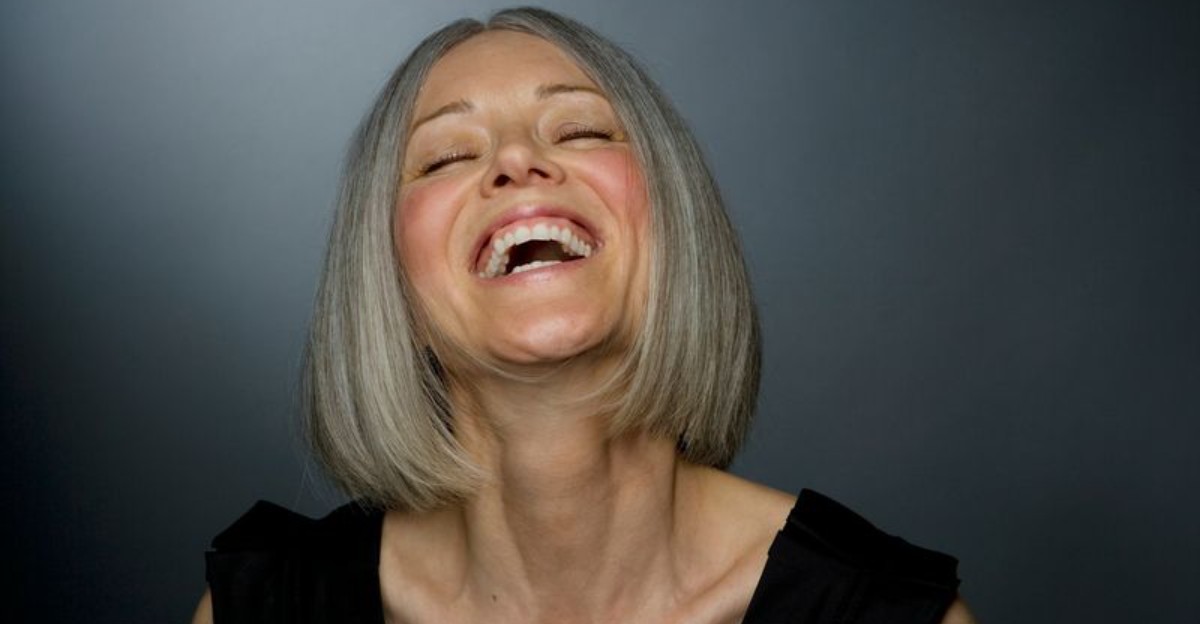
A haircut that looked fantastic at 40 can start to feel heavy and flat by 55, even if you never changed a single thing about it. Hair density, texture, and moisture often shift with age, so the same cut can land very differently a decade later. That detail fascinates me because it means the problem usually is not your hair itself. Most of the time, the culprit is a habit that quietly stopped matching the hair you have today.
Some of these habits involve color, while others come down to parting, product choices, or how often the flat iron comes out. Plenty of them are so routine that you might not notice them until someone points them out. None of this is about chasing youth or following strict rules after a certain birthday.
1. Keeping One Long Length With No Layers
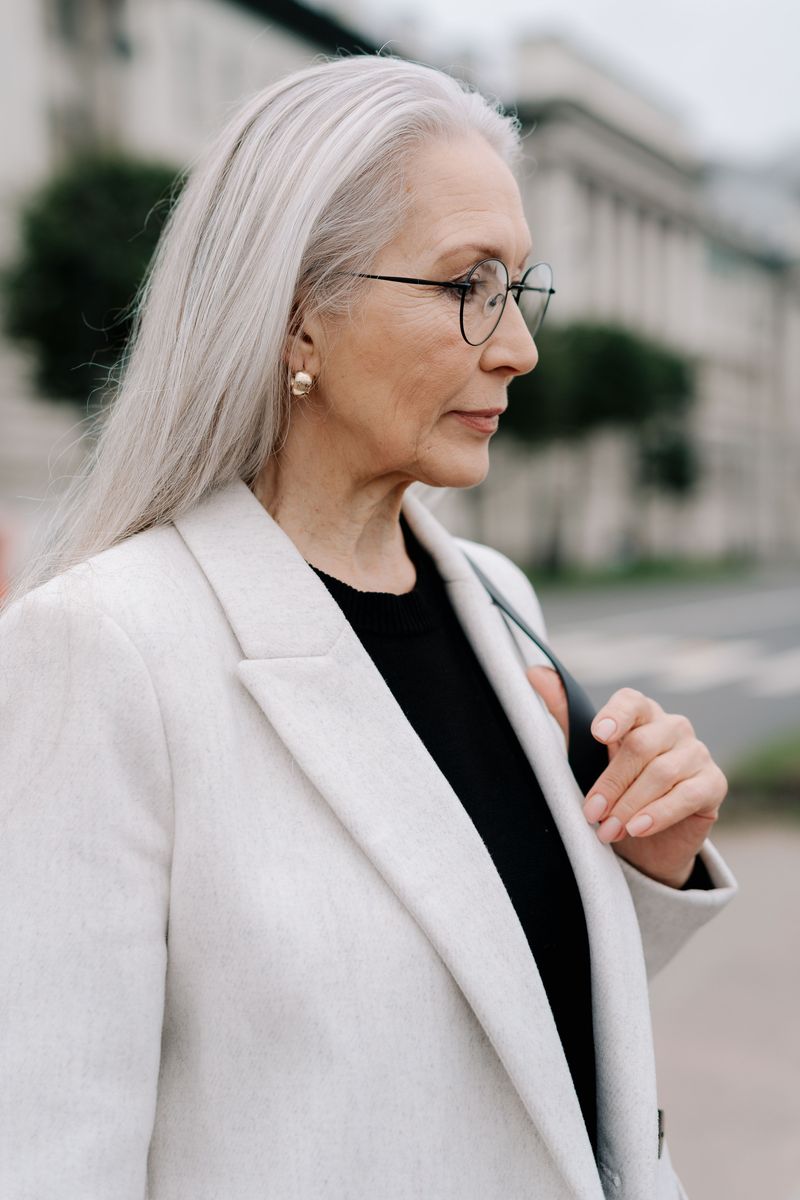
Long hair cut straight across at one length can act like a curtain pulling your whole face downward.
Gravity does a lot of work when there is no shape to fight back.
Hair texture and density often change after 50.
Strands may get finer, and there may be a little less of them overall.
When that hair is kept long and blunt with no layers, the ends can look thin and sparse while the top lies flat.
The result can read as limp rather than lush.
You do not have to chop it all off to fix this.
Long hair can absolutely work at any age, and plenty of women love wearing it.
The trick is shape.
Ask your stylist for long, soft layers that start around the cheekbones or jaw.
Those layers add movement and help guide the eye upward instead of down.
Face-framing pieces are another easy option if you want to keep most of your length.
A few lighter sections near the face can brighten things without changing the overall look much.
Think of it as editing, not erasing.
Your hair has changed over the years, and your cut can change with it.
Small shaping often makes the biggest difference.
2. Letting Your Roots Lie Flat
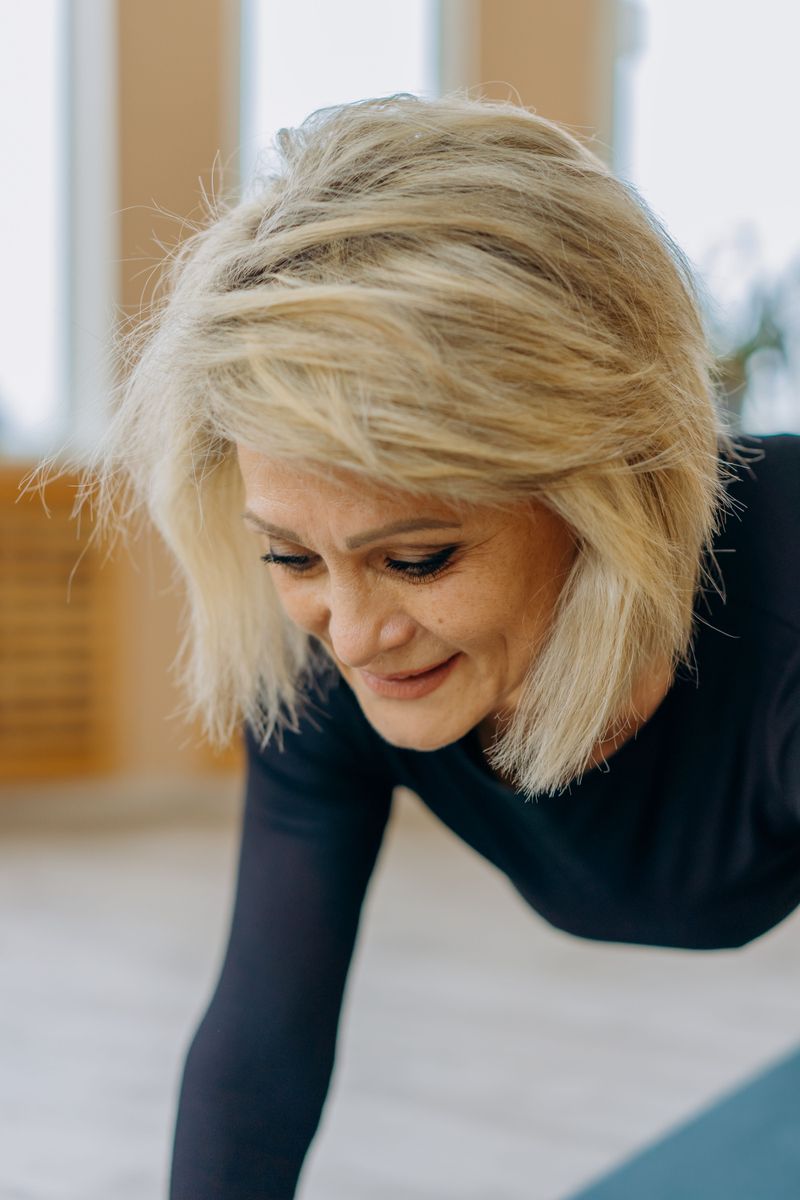
Flat roots are sneaky.
They rarely look dramatic in the mirror, yet they can change the whole outline of your face from the top down.
When hair hugs the scalp tightly, especially at the crown, it can highlight thinning spots.
It also makes the style look a bit tired, like it gave up halfway through the morning.
A little lift at the top creates a sense of energy that carries down to your features.
Getting that lift does not require a giant round brush or an hour of effort.
Try blow-drying your roots in the opposite direction of how they usually fall, then flipping them back.
That simple move can add noticeable height.
A lightweight root-lifting spray or mousse applied only at the scalp can help too.
Velcro rollers are another option worth trying.
Pop two or three at the crown while you do your makeup, then remove them and loosen the hair with your fingers.
Old school?
Sure, but they still do the job.
Your cut matters here as well.
A stylist can add subtle layers near the crown to help hair stand up on its own.
Less fighting, more lift.
3. Adding Too Many Layers to Fine Hair
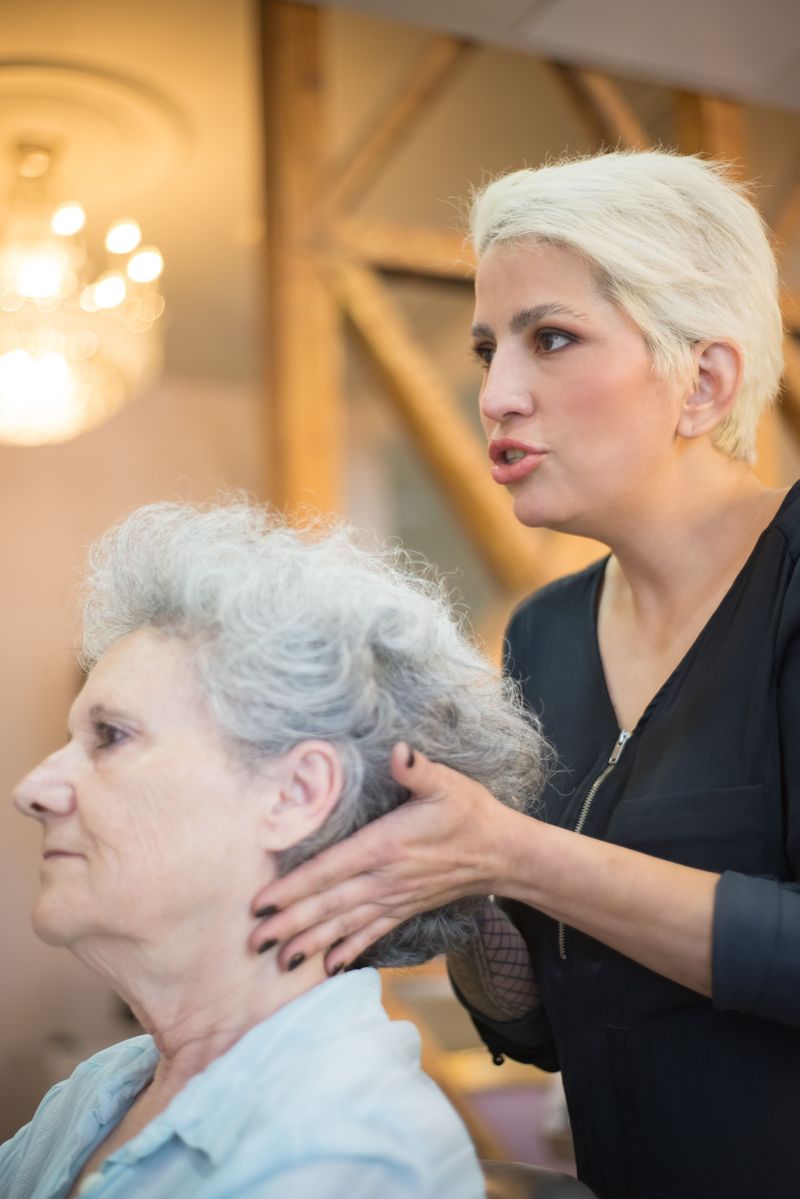
Layers are wonderful, right up until they are not.
Fine hair can only handle so much slicing before it starts looking like it lost an argument with the scissors.
Each layer removes some weight and bulk.
On thick hair, that is often the goal.
On fine hair, too many layers can take away the density you actually need, leaving ends that look stringy, frizzy, or see-through.
Heavy feathering can also make the style lose its structure.
So what works better?
Many fine-haired women do well with fewer, longer layers or a mostly blunt cut with just a touch of shaping.
A blunt edge at the bottom makes hair look thicker because the ends stay full.
Bobs and lobs with soft, minimal layering are popular choices for this reason.
Be specific when you sit in the salon chair.
Tell your stylist that your hair is fine and that you want to keep as much fullness as possible.
Ask how many layers they plan to add and where.
Bring a photo if you can, since words like choppy or textured mean different things to different people.
A little communication saves a lot of growing out.
4. Choosing Harsh, Blunt Bangs
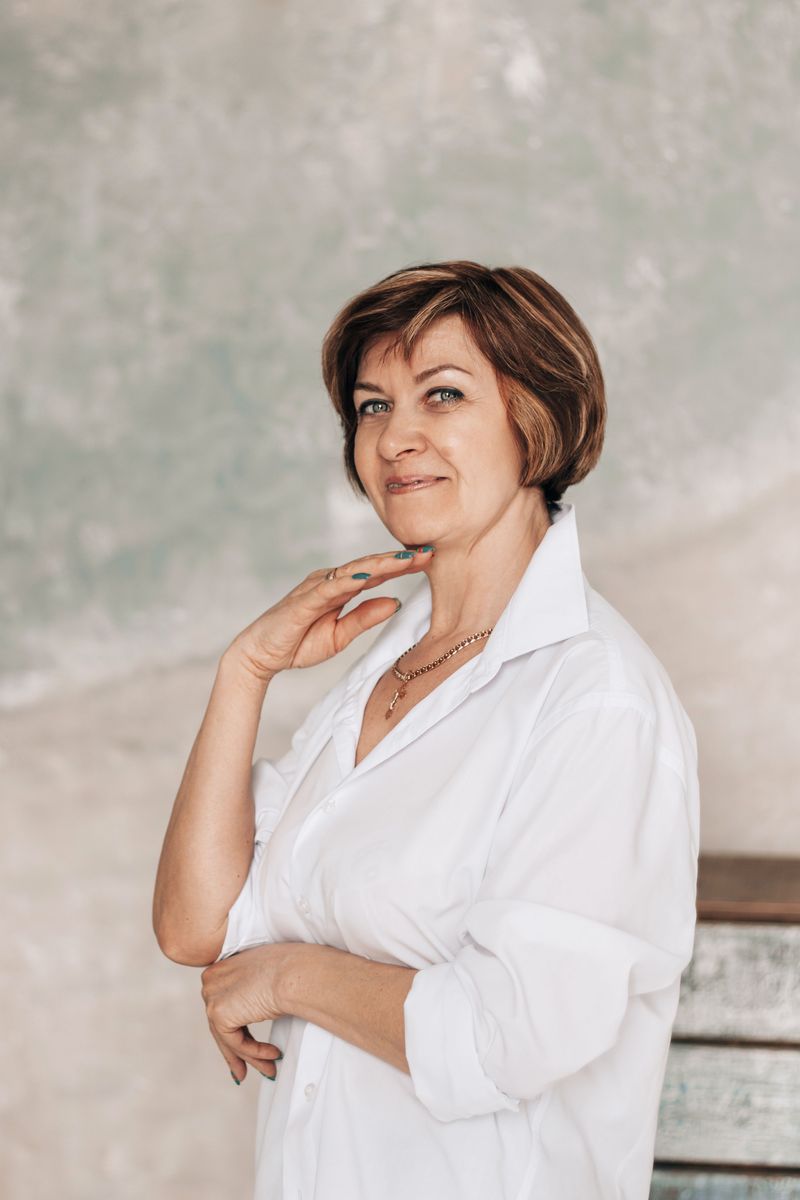
Bangs can be a fun reset, though the style you pick matters a lot.
Severe, straight-across fringe and tiny micro bangs tend to create a hard line right across the forehead.
That sharp edge frames the face in a stark way.
It can draw the eye straight to fine lines around the eyes or to areas where the face has lost some fullness.
Micro bangs in particular leave very little softness to balance things out.
Good news, though.
You do not need to give up bangs entirely if you love them.
Softer styles like curtain bangs, wispy fringe, or side-swept pieces can blend gently into the rest of your hair.
They frame your eyes and cheekbones without creating one strong horizontal line.
Curtain bangs are especially easy to live with because they part in the middle and sweep to each side.
They grow out gracefully too, which is a gift if you change your mind.
Wispy bangs give a lighter, airier feel.
Ask your stylist to cut fringe slightly longer than you think you want.
Hair often springs up once dry, and you can always trim more later.
Patience beats panic in bang decisions.
5. Wearing the Same Haircut for Decades
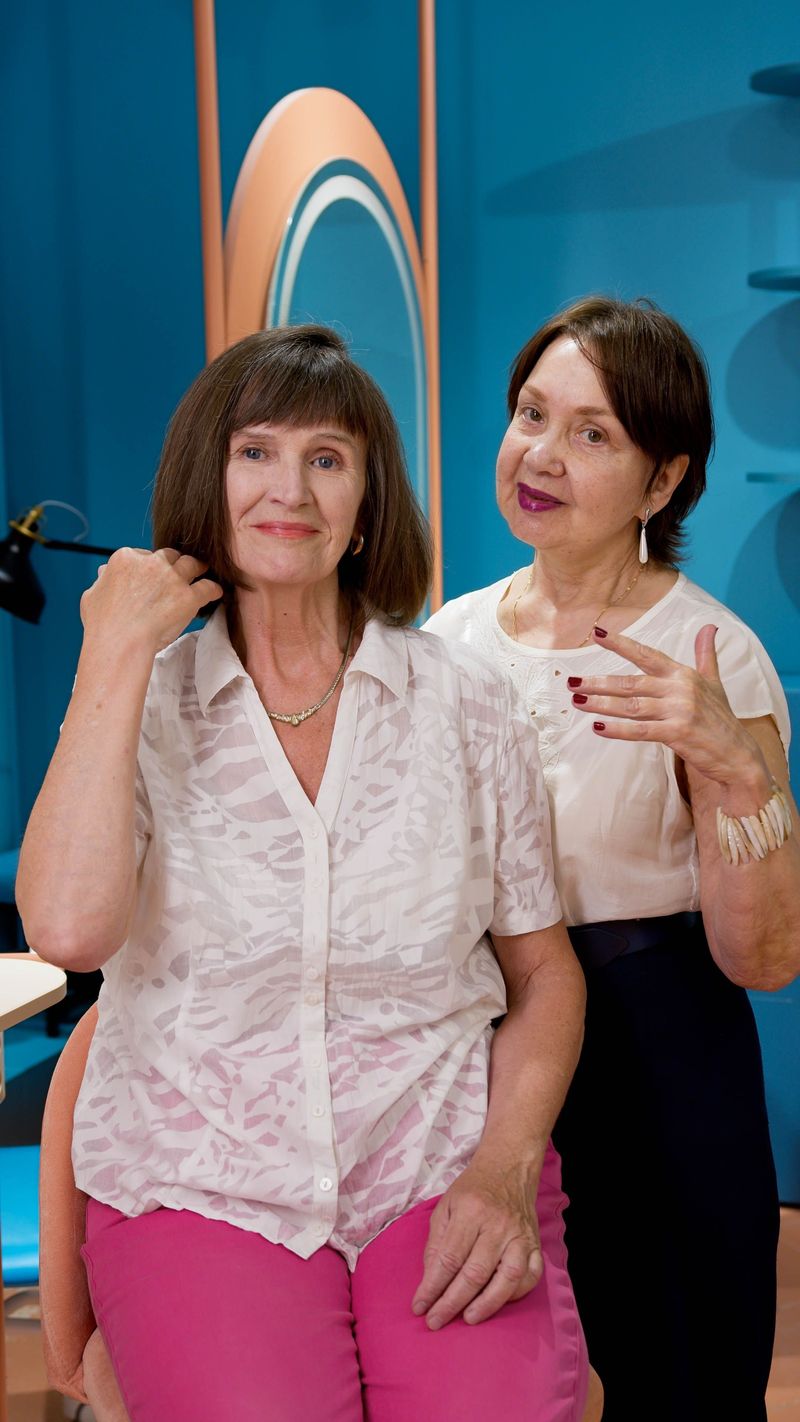
Loyalty is a lovely quality in friends.
In haircuts, it can sometimes backfire.
Keeping the exact same style for twenty years can make a whole look feel stuck in time.
Your hair has likely changed in texture, thickness, and the way it moves.
Your face shape may have shifted a bit too.
A cut that flattered you perfectly in 1998 may not be showing off your best features now.
It makes sense why people hold on.
A familiar cut feels safe, and you know exactly how to style it in five minutes.
Nobody wants to gamble on a new look and spend months regretting it.
You can update without going wild.
Try one small change at a time, like adjusting the length by a couple of inches or adding a few face-framing pieces.
Changing your part or softening the shape can also refresh things.
Another idea is booking a consultation with a new stylist, just to hear a fresh opinion.
You do not have to take their advice.
Sometimes, though, a new pair of eyes spots possibilities you stopped noticing years ago, and that conversation alone can spark a fun change.
6. Going Overboard With Volume

Big hair had a glorious run, and nobody is erasing those memories.
Still, a towering, sprayed-stiff style can send a strong signal about which decade it came from.
Very tall volume, tight perms, and helmet-like updos are often tied to older trends.
When hair barely moves because it is locked in place, it can look a bit formal and dated.
The overall effect may add years rather than energy.
Volume itself is not the problem, of course.
Some lift is great, as you read earlier with flat roots.
The goal is balance.
Soft fullness that moves when you turn your head tends to look healthier than height that stays frozen in a breeze.
Consider swapping heavy teasing for a texturizing spray or a light mousse.
These give body without the crunch.
If you love hairspray, choose a flexible-hold formula so your hair still has some swing.
For perms, modern options often create looser waves instead of tight, uniform curls.
Talk with your stylist about a softer wave pattern if you want built-in body.
Hair that bounces usually looks more relaxed and current than hair that stands guard.
7. Keeping Hair Slicked Back or Pin Straight
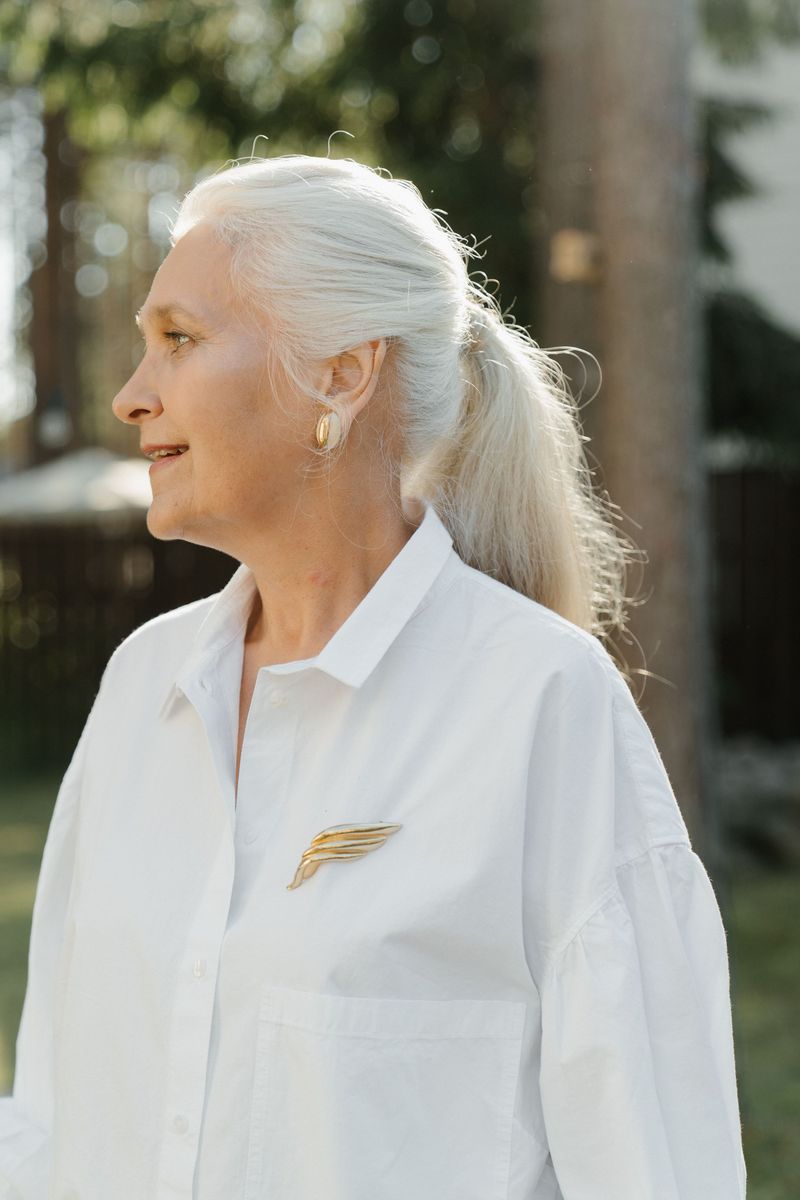
Ultra-polished hair looks great on a runway.
In everyday life after 50, though, it can sometimes come across as severe.
A tight, slicked-back ponytail or bun pulls hair flat against the scalp.
That can make thinning areas more visible and remove any softness around the face.
Poker-straight hair can do something similar by emphasizing facial features rather than gently framing them.
Hair that looks too perfect often lacks the natural movement that makes a style feel relaxed.
A little bend or wave tends to look friendlier and more lived-in.
You still get a neat look without the stiffness.
Want to keep your sleek ponytail?
Try loosening it slightly at the crown and pulling out a few soft pieces near your temples.
Placing the ponytail a bit higher can also give a subtle lift to the overall look.
For straight styles, consider using a large round brush while blow-drying to add some bend at the ends.
You can also run a flat iron with a slight twist of the wrist for gentle movement.
A small amount of shape keeps the polish while adding softness, which is a nice compromise for busy mornings.
8. Dyeing Hair One Flat Dark Shade
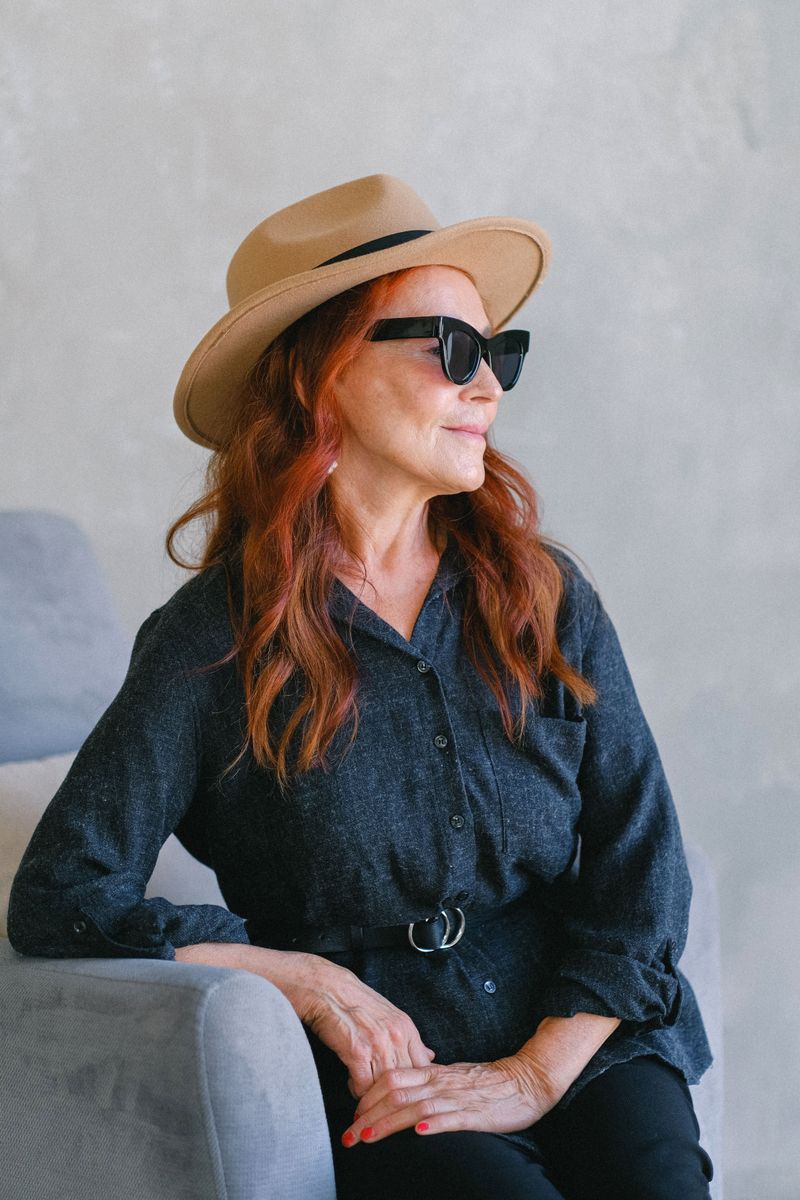
Jet black or deep espresso from root to tip might feel like a safe way to cover gray.
The catch is that skin usually gets a bit lighter with age, so the contrast grows stronger over time.
A solid dark shade next to lighter skin can make shadows stand out more, including under-eye circles and fine lines.
It can also look flat because there is no variation in tone.
Real hair naturally has lighter and darker strands mixed together.
Then there is the regrowth issue.
With very dark color, gray or white roots show up fast.
That can mean frequent touch-ups and a stripe at your part that seems to appear overnight.
One option is going a shade or two lighter than your usual color.
Another is asking for highlights or lowlights to add dimension.
Even a few soft lighter pieces around the face can brighten things up.
Your skin tone matters most when picking a color.
A good colorist can help you find a shade that complements your complexion instead of competing with it.
Gentler contrast often means easier upkeep, which your calendar and your wallet may both appreciate.
9. Going Too Light or Too Ashy
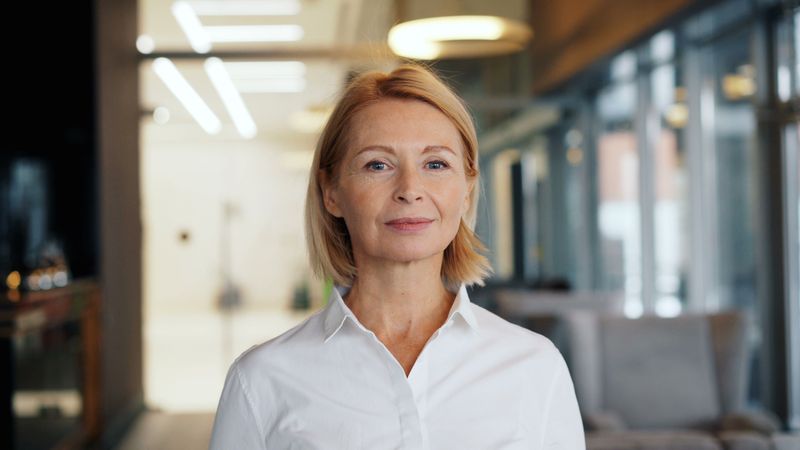
Platinum blonde has serious star power, but it does not play nicely with every complexion.
Very icy or ashy shades can pull color away from your face.
Skin often loses some pigment and warmth with age.
Ash blonde tones are cool by nature, and they can make the face look sallow or washed out.
Ultra-light platinum can have a similar effect, leaving skin looking dull next to all that brightness.
There is also the bleach factor.
Getting hair that light usually means repeated lightening, which can leave strands brittle and dry.
Damaged blonde hair tends to look straw-like rather than glowing.
Warmer blonde shades are a popular fix.
Golden, honey, or buttery tones can add life back to your skin.
You can keep a light look overall while weaving in warmer pieces for balance.
If you love being blonde, protect your hair along the way.
Ask about bond-building treatments during color appointments, and use a moisturizing conditioner at home.
Purple shampoo can control brassiness, though overusing it may push hair back toward that flat ashy look.
Moderation helps here, as it does in most things involving bleach and a bathroom sink.
10. Reaching for Hot Tools Every Day
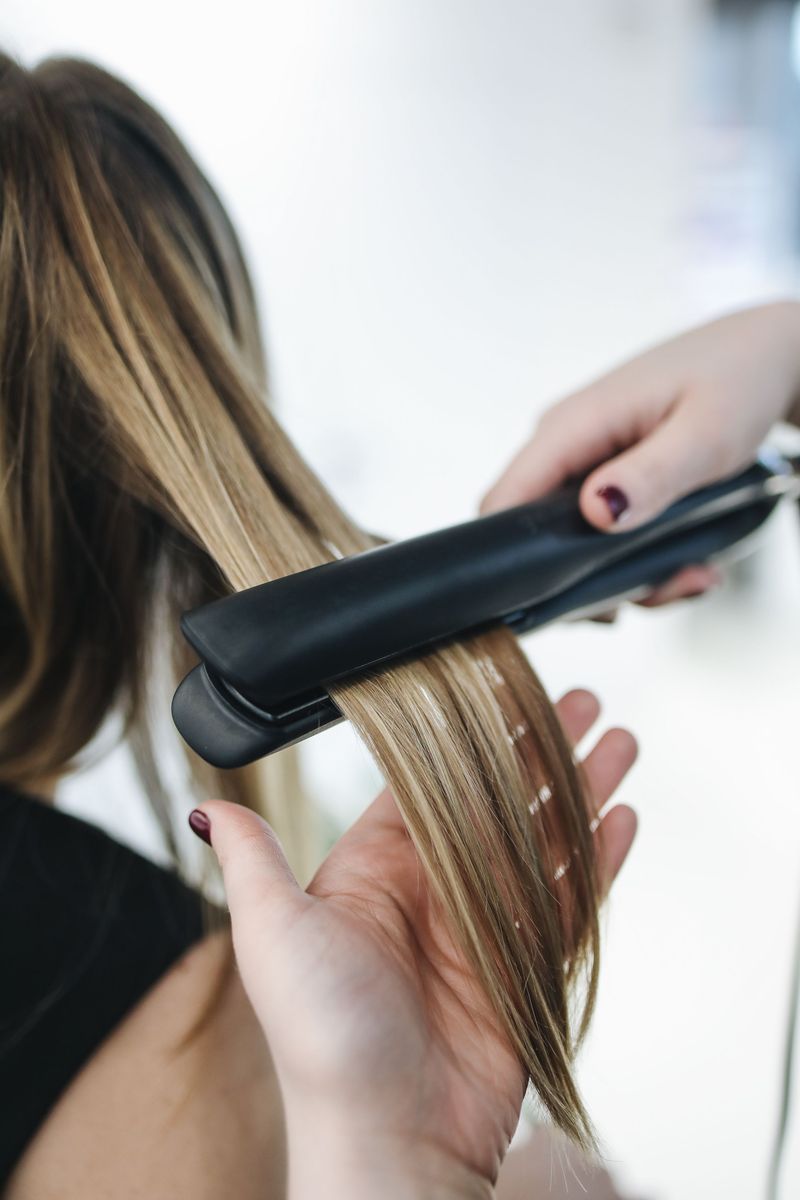
Your flat iron is probably your loyal morning sidekick.
Unfortunately, daily heat can leave hair looking more worn out than you intended.
Blow dryers, curling irons, and flat irons can strip moisture from hair.
Over time, that leads to dryness, brittleness, and breakage.
Hair that snaps easily looks dull and frayed instead of smooth.
Aging hair is already more likely to be thinner and drier.
That makes it even more sensitive to heat.
What your hair handled easily at 30 may cause more damage now.
Cutting back does not have to mean giving up styling.
Try air-drying partway before you blow-dry, so the tool spends less time on your hair.
Lower heat settings are worth using too, since many tools have adjustable temperatures for a reason.
Always apply a heat protectant before styling.
It adds a layer of defense that helps reduce damage.
Heatless options can also be fun, like braiding damp hair at night for waves by morning or using soft rollers.
Giving your hair a few days off each week lets it recover, and you might enjoy the extra time back in your mornings.
11. Using Harsh or Heavy Products
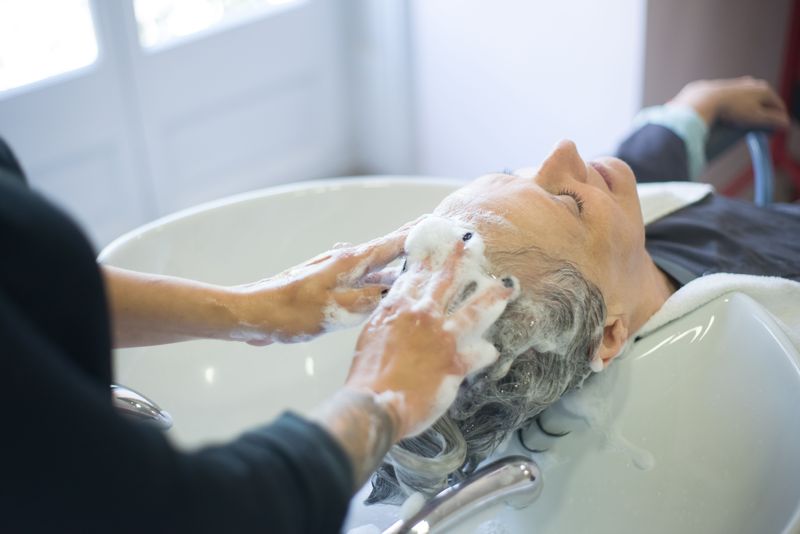
That squeaky-clean feeling after shampooing can be misleading.
Sometimes it means your hair just lost the oils it needed.
Strong shampoos, especially those with harsh sulfates, can strip natural oils from the scalp and strands.
The result may be dryness, irritation, and hair that feels coarse or frizzy.
Since hair tends to get drier with age, that stripping effect can show up more.
Styling products cause a different kind of trouble.
Heavy creams, sticky gels, and some products with high drying alcohol content can weigh hair down or dry it out.
Fine hair, in particular, can end up looking limp and greasy at the same time, which seems unfair.
Switching to a gentler, moisturizing shampoo is an easy first step.
Many brands label their formulas sulfate-free if you want to try that route.
Pair it with a conditioner made for dry or mature hair.
For styling, lighter is often better.
Lightweight mousse or spray formulas give hold without heaviness.
Start with a small amount and add more only if needed.
Your hair will usually tell you within a week or two whether a new product is a keeper.
12. Skipping Trims and Conditioner
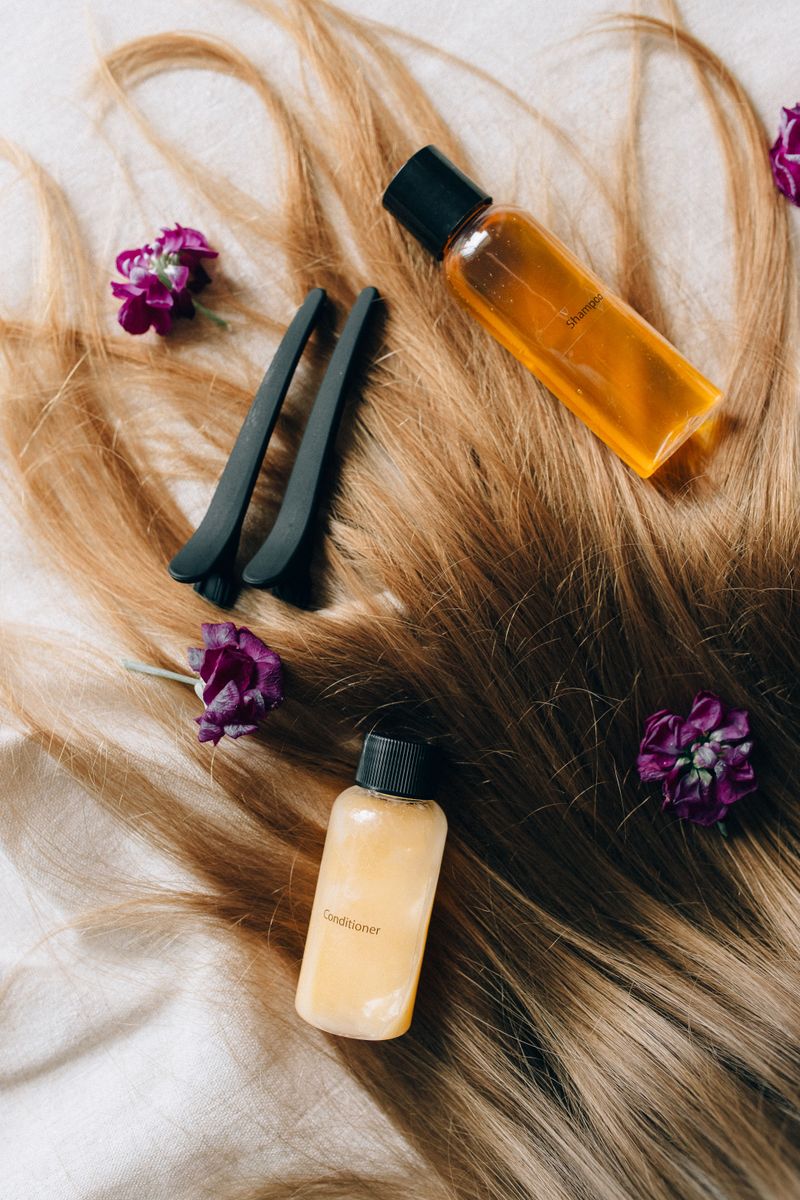
Stretching time between salon visits seems harmless.
Split ends, however, keep a very close eye on the calendar.
When trims get skipped, those frayed ends can travel upward and cause more breakage.
Hair starts to look thin and ragged at the bottom, even if the rest is healthy.
A regular trim keeps ends neat and helps your cut hold its shape.
How often should you go?
It depends on your hair and style.
Shorter cuts usually need more frequent visits to stay sharp, while longer hair may stretch a bit further.
Your stylist can suggest a schedule that fits your routine and budget.
Conditioner deserves more credit too.
Some people skip it to save time or because they fear it will weigh hair down.
Yet conditioning after shampooing helps moisturize, detangle, and protect strands from damage.
If regular conditioner feels too heavy, try applying it only from the midlengths to the ends.
A lightweight leave-in spray is another option.
Once a week, a deep conditioning mask can give dry hair a boost.
These small steps add up, and healthier hair tends to reflect light better, which naturally makes it look fresher.
13. Never Changing Your Part
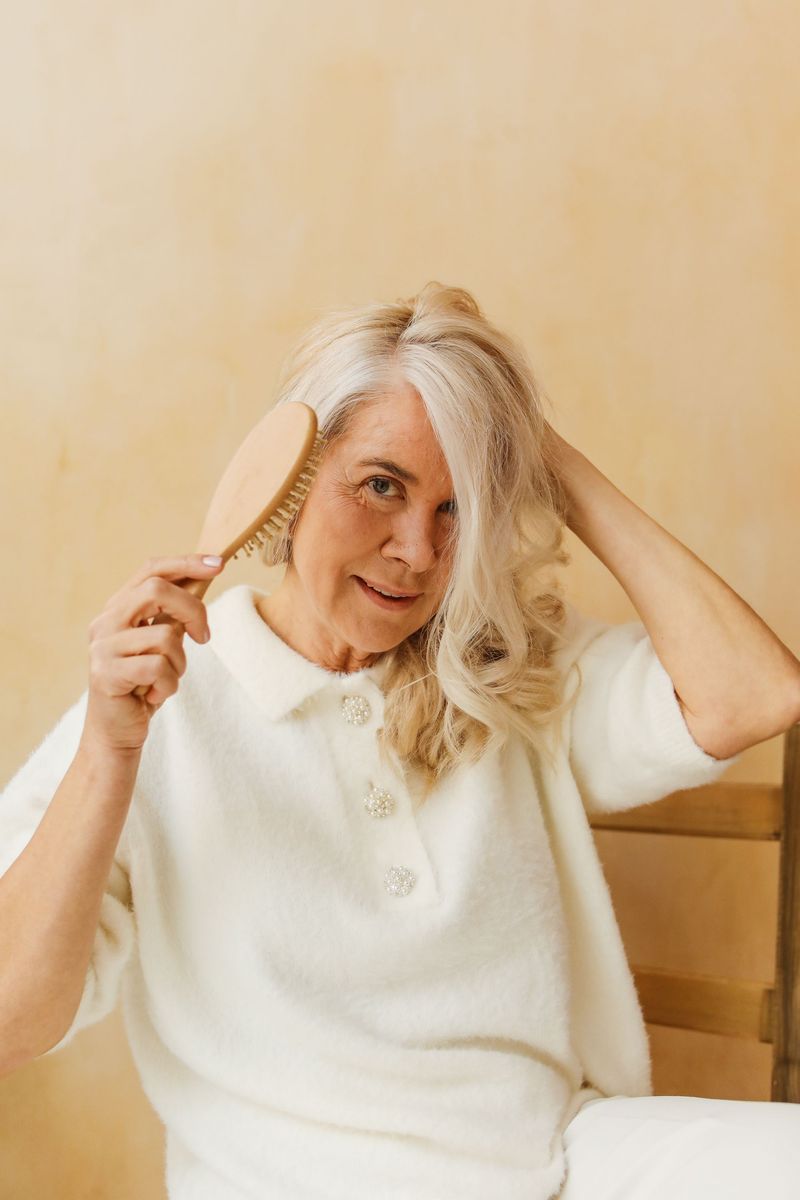
Your part might be the most overlooked detail in your entire routine.
Most people set it once and then forget it exists for decades.
A severe center part or a deep side part you never move can cause a few issues.
Hair tends to flatten along a part you use daily.
That can make thinning near the front more noticeable and highlight sharp angles in the face.
Flipping your part is one of the easiest experiments you can try.
Move it an inch over or switch sides entirely.
Hair often lifts at the root when it is pushed in a new direction, giving you instant volume with zero cost.
Some stylists suggest a slightly offset or zigzag part to help hide visible scalp and add lift.
Pairing a new part with soft face-framing layers or wispy bangs can also soften the overall look.
Fair warning: hair can be stubborn about this change at first.
Try blow-drying it into the new position while damp so it cooperates.
Give it a week before you decide.
Something this small might end up being your favorite update, and it requires nothing more than a comb and a little curiosity.