 MomSkoop
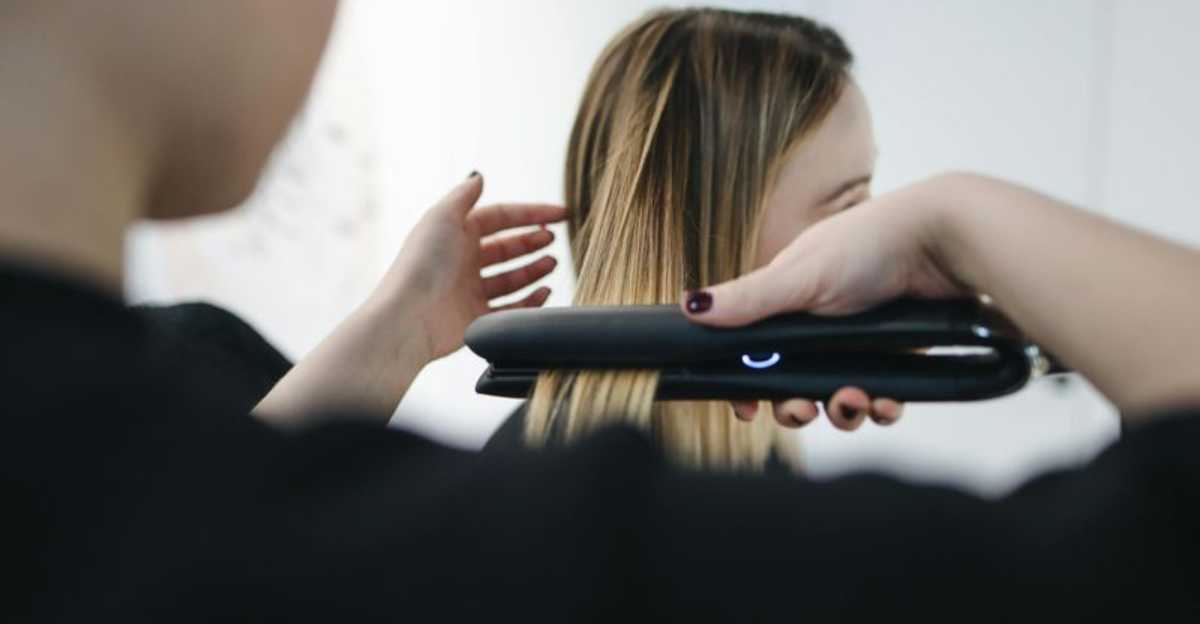
Some of the most popular hair trends look amazing on social media but quietly wreak havoc on fine hair. Fine hair is naturally thinner and more fragile than other hair types, making it extra vulnerable to damage from styling, chemicals, and tension.
Many people follow these trends without realizing the long-term consequences until they notice thinning, breakage, or hair loss. Knowing which trends to avoid can save your strands before the damage becomes too hard to reverse.
1. Tight Slicked-Back Buns
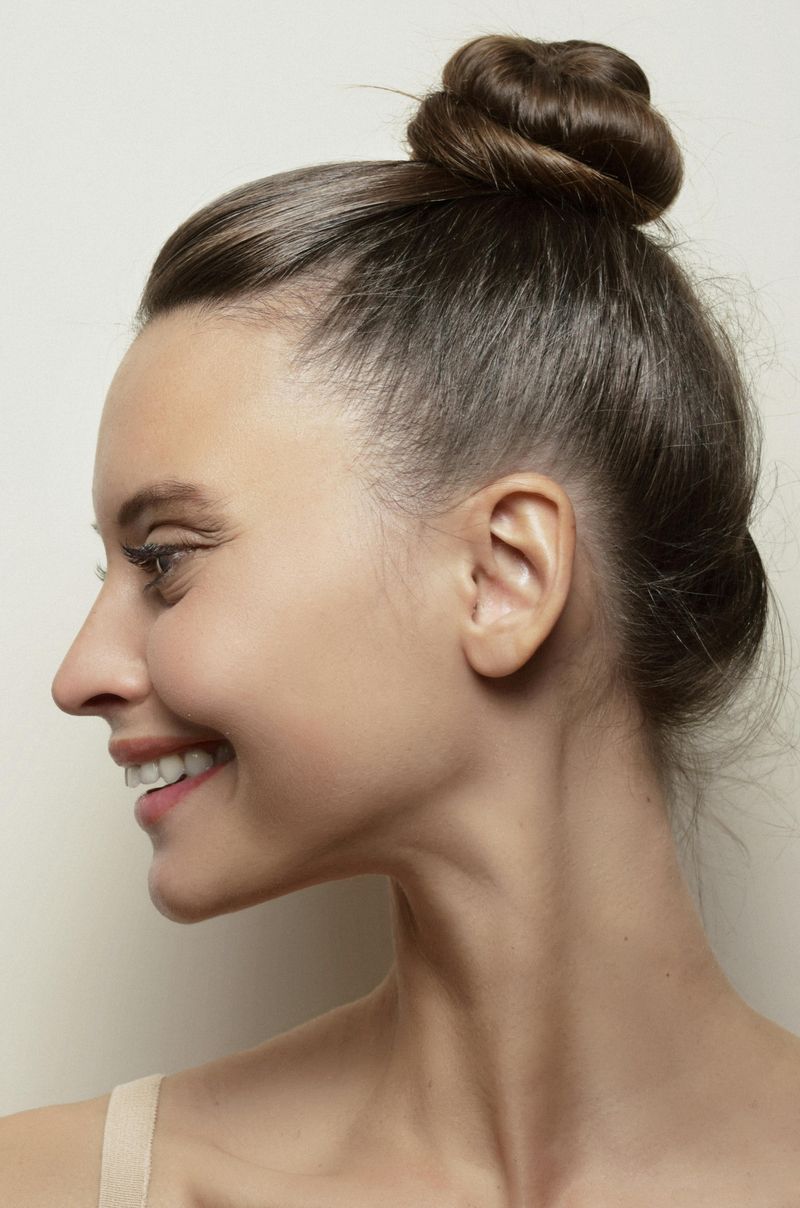
That ultra-sleek bun might look polished and put-together, but for fine-haired people, it can quietly start destroying your hairline.
Constant pulling creates serious tension on already-delicate follicles, and over time, that stress adds up fast.
Traction alopecia is a real condition caused by repeated tight hairstyles, and fine hair is especially prone to it.
The strands near your temples and crown are the first to snap or thin out.
You might not notice the damage right away, but the gradual hair loss becomes harder to hide.
Swap tight buns for loose, low styles secured with soft scrunchies.
Your follicles will thank you for the breathing room, and your hair will look fuller too.
2. Frequent Bleach-Blond Transformations
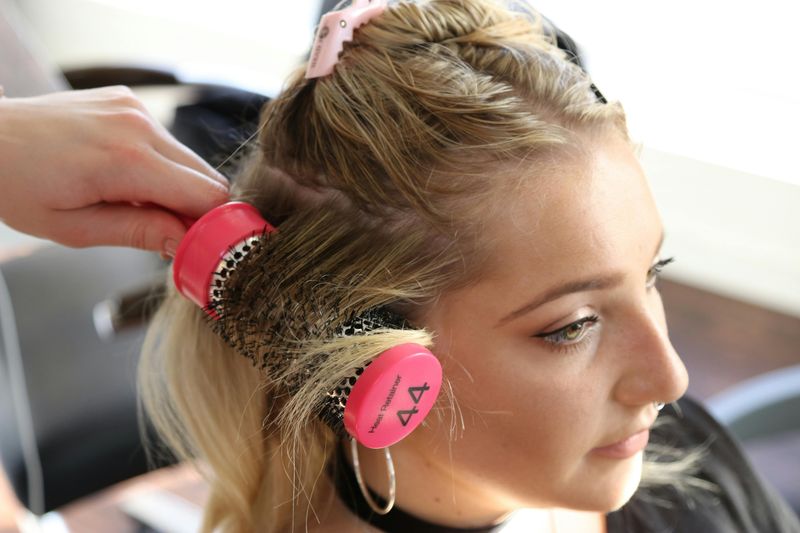
Going platinum might be the dream, but bleach is basically a wrecking ball for fine hair.
The chemical process strips away the protein and moisture that thin strands desperately need to stay strong and elastic.
After repeated bleaching sessions, fine hair starts to feel mushy when wet and stretchy when pulled.
Split ends travel up the shaft quickly, and the overall appearance becomes noticeably thinner.
Some damage from over-bleaching is simply permanent.
If you love the blond look, ask your colorist about gentler alternatives like balayage or highlights that avoid saturating every strand.
Going slowly and spacing out appointments gives your hair time to recover between chemical services.
3. Daily Heat Styling
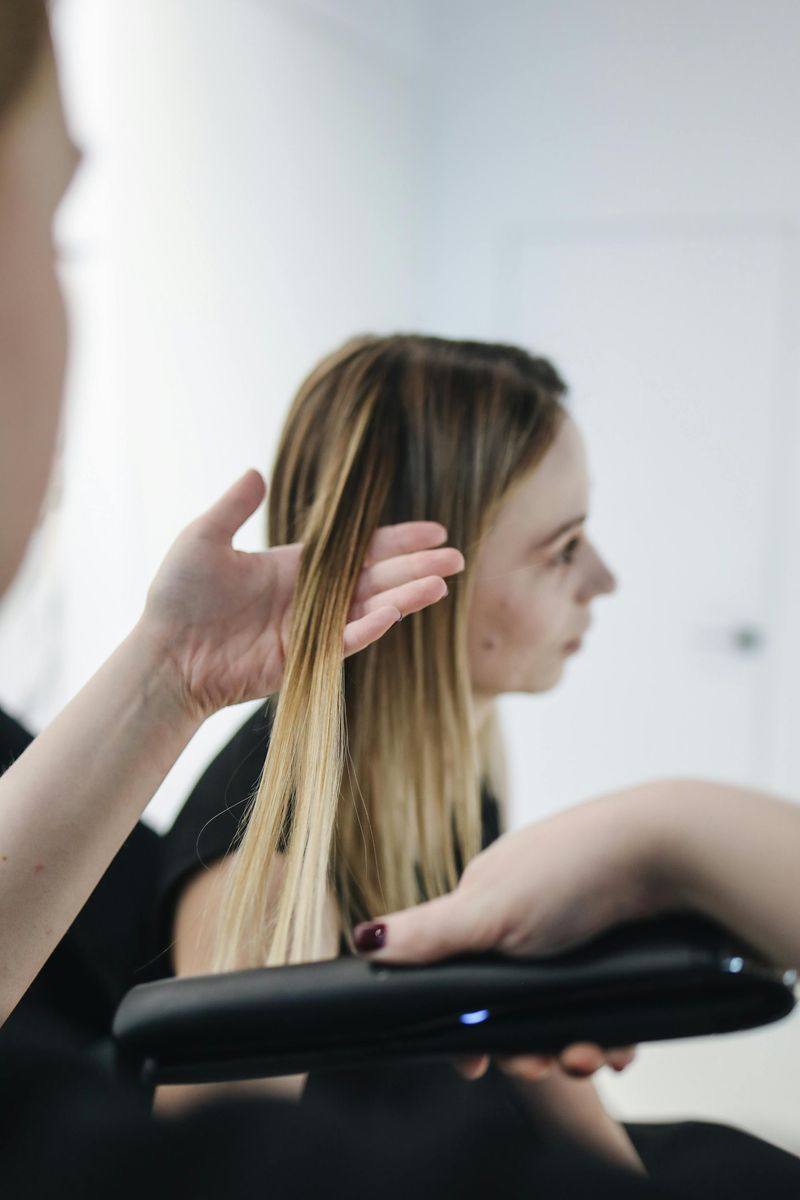
Flat irons and curling wands feel like everyday essentials for a lot of people, but fine hair heats up faster than thicker strands, which means it burns more easily too.
Using high heat daily is like slowly cooking your cuticle away.
Once the outer cuticle layer is damaged, hair loses its shine, becomes rough, and breaks without much effort.
Fine hair has fewer protective layers to begin with, so the erosion happens faster than you might expect.
Try cutting back to heat styling just two or three times a week and always use a quality heat protectant.
Heatless curl methods and air drying are genuinely worth exploring when your hair is this fragile.
4. Heavy Hair Extensions
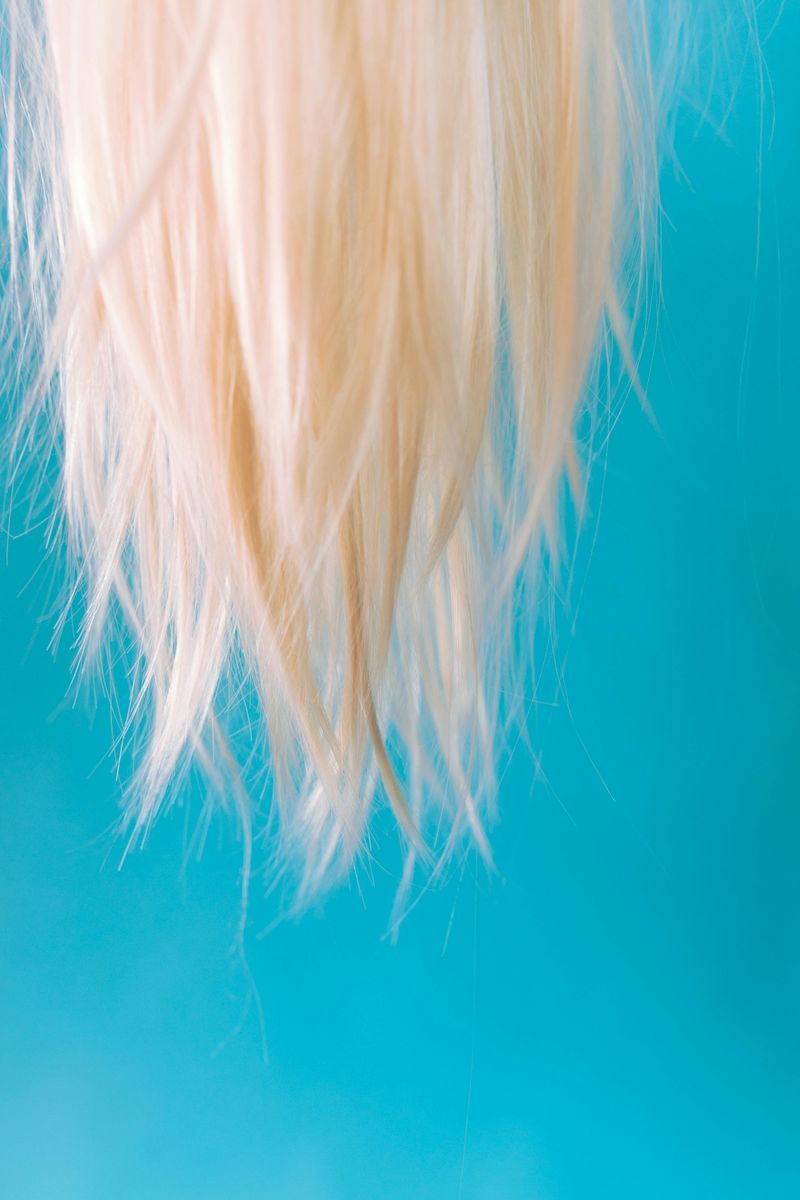
Extensions are a go-to fix for people who want more volume or length, but they come with a hidden cost for fine-haired individuals.
Tape-ins, sew-ins, and even some clip-ins place significant weight and stress directly on the root area.
Fine hair follicles simply are not built to handle that kind of sustained tension.
Shedding, bald spots near attachment points, and breakage where extensions sit are all common outcomes.
Many people only realize the damage after removing their extensions.
Lightweight clip-in extensions used occasionally are a much safer option.
Better yet, focus on volumizing products and blowout techniques that create the illusion of fullness without pulling your real hair down and causing lasting harm.
5. Overusing Dry Shampoo
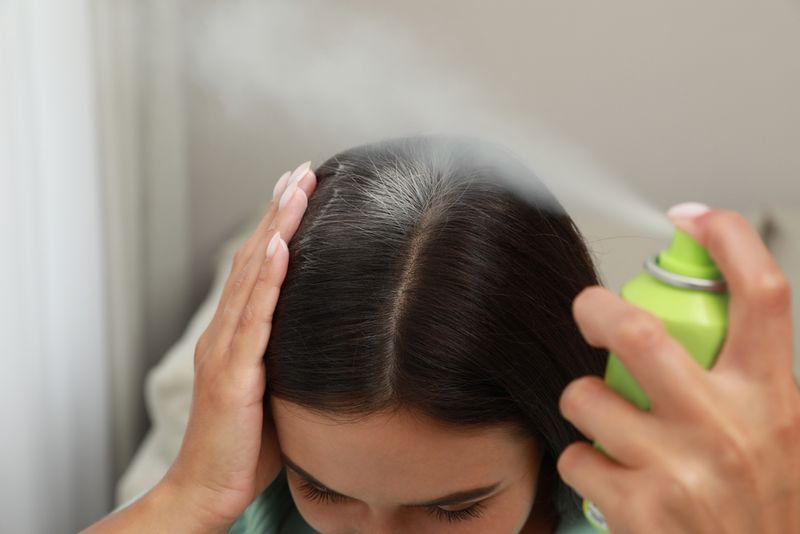
Dry shampoo feels like a miracle product on busy mornings, but leaning on it too heavily creates a slow-building problem.
The starchy residue accumulates at the roots, clogs follicles, and dries out the scalp over time.
For fine hair specifically, the buildup creates an artificial stiffness that makes strands snap during brushing.
You might be brushing what feels like clean hair, but the product buildup is making each stroke more damaging than it should be.
Using dry shampoo once or twice a week is generally fine, but it should never replace actual washing.
Clarifying shampoos used monthly can help remove stubborn buildup and keep your scalp environment healthy enough to support new growth.
6. Wet Hair Slick Styles
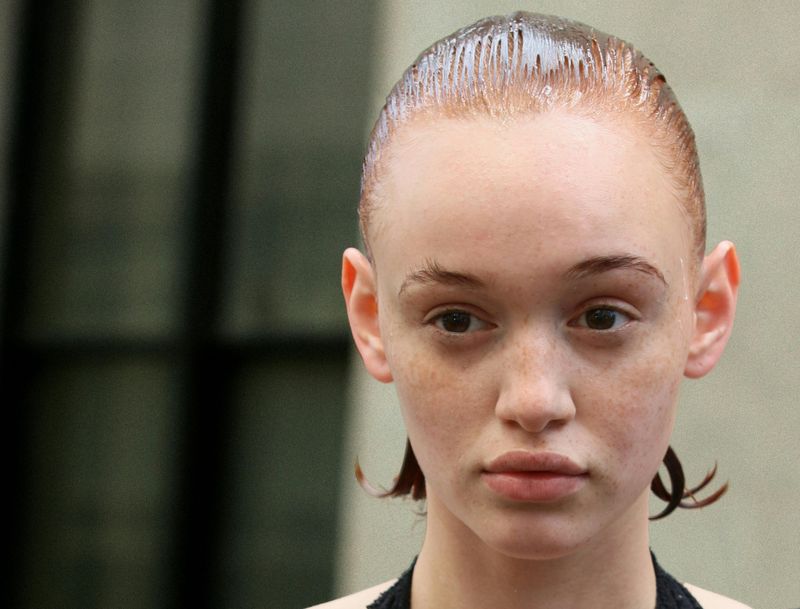
The wet-look trend is everywhere right now, and it does look incredibly chic.
But styling hair while it is still dripping wet is one of the most damaging things you can do, especially if your strands are fine and fragile.
Wet hair stretches much more easily than dry hair, which means it snaps under tension without much resistance.
Add a tight comb-through with gel on top of that, and you have a recipe for serious breakage near the hairline and crown.
If you love slick styles, let your hair dry at least 70 percent before applying product and styling.
Using a wide-tooth comb instead of a fine-bristle brush also dramatically reduces the snapping risk while your hair is still damp.
7. Layering Too Aggressively
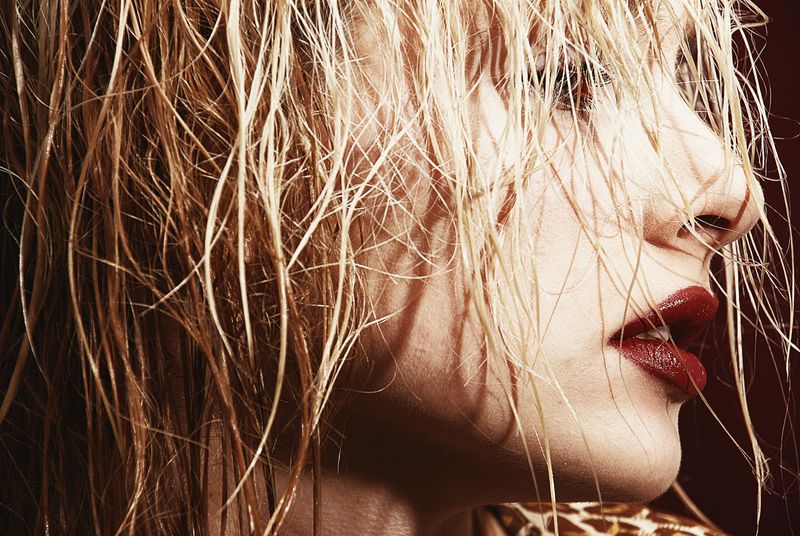
Layers are supposed to add movement and life to hair, but when they go too extreme on fine hair, the opposite happens.
Razor-cut layers and heavy graduation can leave fine strands looking wispy, sparse, and fragile around the edges.
Aggressive layering removes too much bulk from hair that did not have much to spare.
The perimeter becomes thin and breakage-prone, and the overall style can look stringy rather than voluminous.
What was meant to add bounce actually removes density.
Ask your stylist for soft, minimal layers that preserve weight at the ends.
Blunt cuts or slight bevels actually make fine hair look thicker and fuller, which is usually the goal anyway when managing this hair type.
8. Keratin Treatments Done Repeatedly
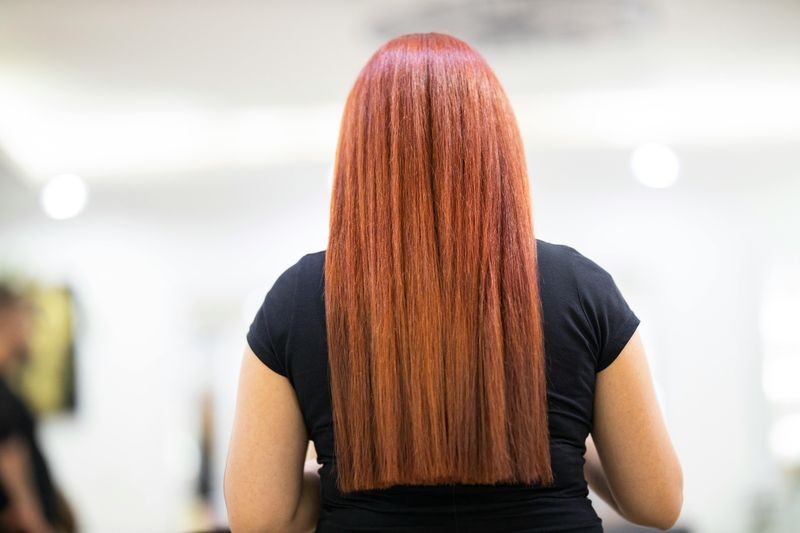
Keratin treatments promise smooth, frizz-free hair, and the first one often delivers exactly that.
The problem starts when people repeat the process every few months without giving their hair time to recover from the chemical and heat exposure involved.
Some smoothing formulas contain harsh chemicals that, combined with the intense heat used to seal them in, lead to protein overload in fine hair.
Too much protein makes strands stiff, brittle, and prone to snapping.
The hair also loses its natural movement and starts looking flat and lifeless.
Space keratin treatments at least six months apart and follow up with moisturizing masks regularly.
Fine hair needs a balance of protein and hydration, and tipping too far toward either extreme causes noticeable damage.
9. Sleeping in High Ponytails
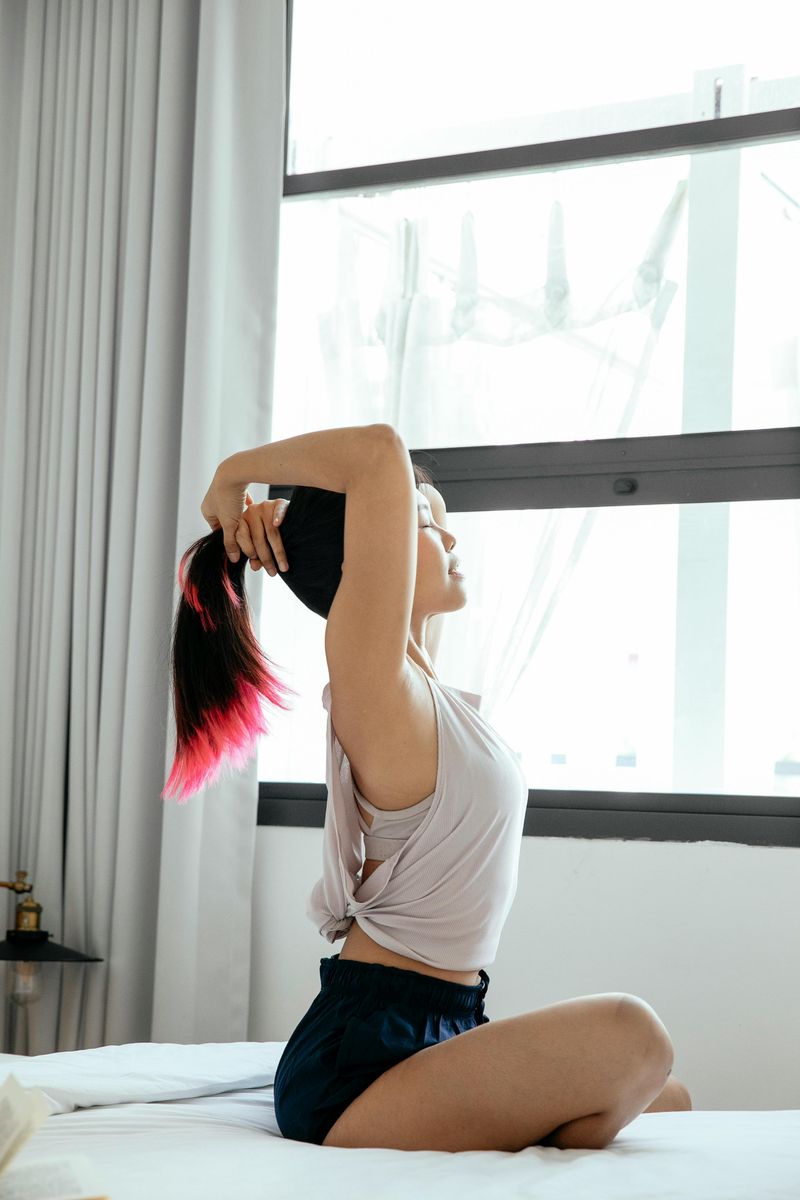
Sleeping with your hair pulled up seems harmless, maybe even protective, but a tight high ponytail creates hours of uninterrupted tension and friction every single night.
That adds up to a shocking amount of stress on fine strands over weeks and months.
Crown hairs are the most common casualty, snapping right where the elastic sits.
Temples gradually recede, and the mid-lengths tangle and weaken from rubbing against the pillow.
Fine hair simply cannot handle this kind of nightly abuse without showing the damage.
Switch to a loose braid or a soft scrunchie low at the nape of your neck before bed.
Pairing that habit with a silk pillowcase reduces friction even further and makes a real difference in hair health over time.
10. Trendy Curtain Bangs Without Maintenance

Curtain bangs are undeniably cute, but keeping them looking right requires constant blow-drying, round-brush rolling, and reshaping with heat tools.
For fine hair, that daily routine hits the most vulnerable part of your head the hardest.
The front hairline naturally has the most delicate strands on the entire head.
Applying heat to this zone repeatedly weakens the follicles and causes visible thinning right where you least want it.
Many people with fine hair notice their bangs becoming see-through within just a few months.
Embrace the natural wave of your curtain bangs on low-heat or no-heat days.
Using a diffuser on a cool setting instead of a round brush at high heat preserves both the style and the integrity of those fragile front sections.
11. Excessive Texturizing Sprays
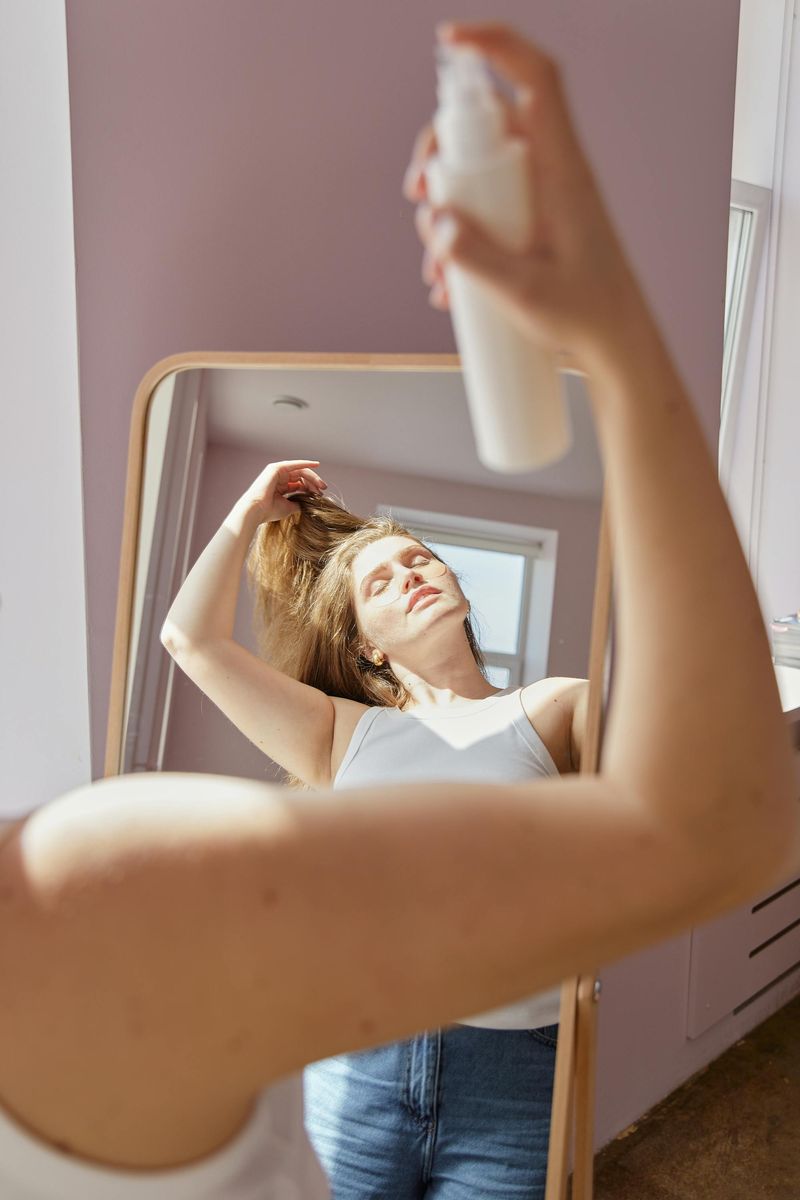
Salt sprays and gritty texturizing products have been trendy for years because they create that effortless beachy look.
The catch is that these products work by roughing up the hair cuticle, which is exactly what fine hair does not need more of.
Regular use strips away the natural softness and elasticity that keeps strands resilient.
Ends begin to split faster, shine disappears entirely, and hair starts to feel coarse and dry to the touch.
Over time, the damage compounds and becomes harder to undo with just conditioning treatments.
Reach for lightweight volumizing mousses or root-lifting sprays instead.
These products add body without stripping moisture, and they work beautifully on fine hair without leaving behind the roughness that texturizing sprays cause.
12. DIY Color Experiments
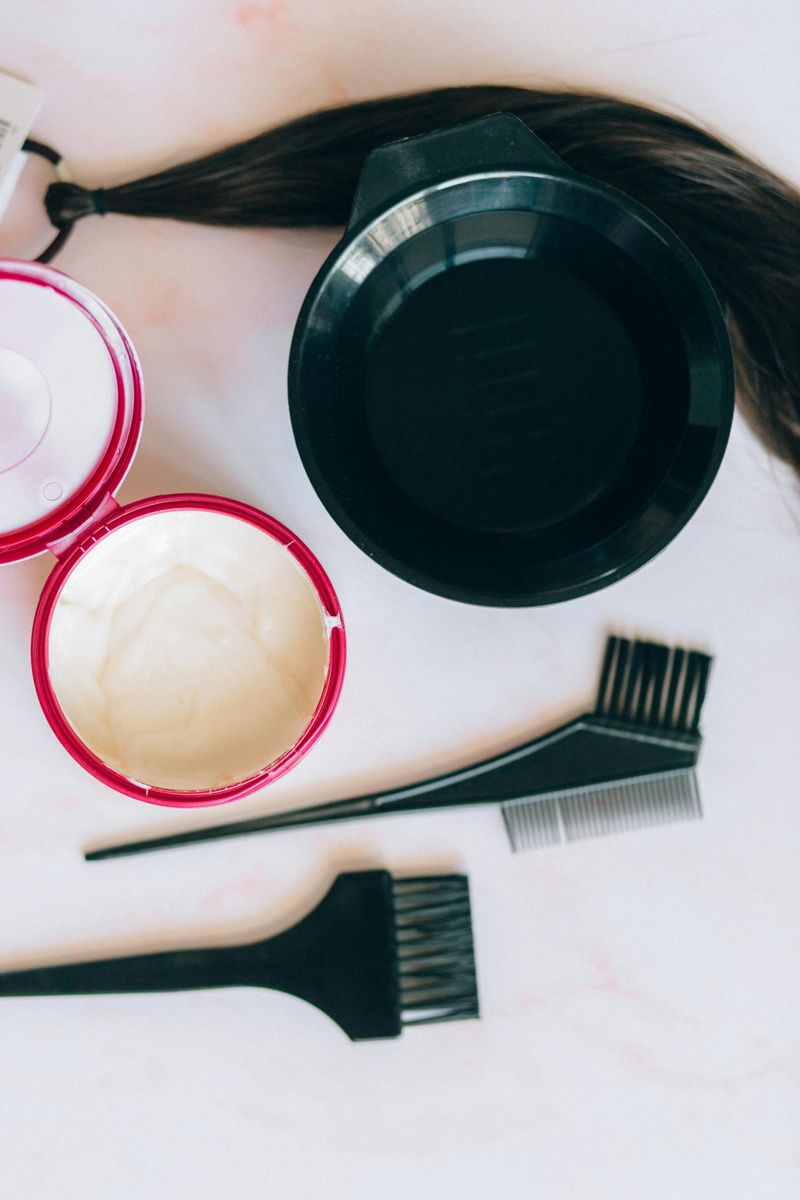
TikTok color hacks are incredibly tempting, especially when the results look so easy and stunning on screen.
But fine hair pays a steep price for DIY color gone wrong, particularly when chemicals get layered on top of each other without professional guidance.
Box dye corrections, bleach-and-tone experiments, and at-home keratin hybrids frequently overlap product onto previously processed sections.
Fine hair has less internal structure to resist that kind of chemical stress, so it breaks, becomes gummy, or develops uneven porosity fast.
When you want a color change, visiting a professional colorist is worth every penny.
They can assess your hair’s current condition and choose formulas that achieve your goal without pushing fragile strands past their breaking point.
13. Over-Brushing for Healthy Shine
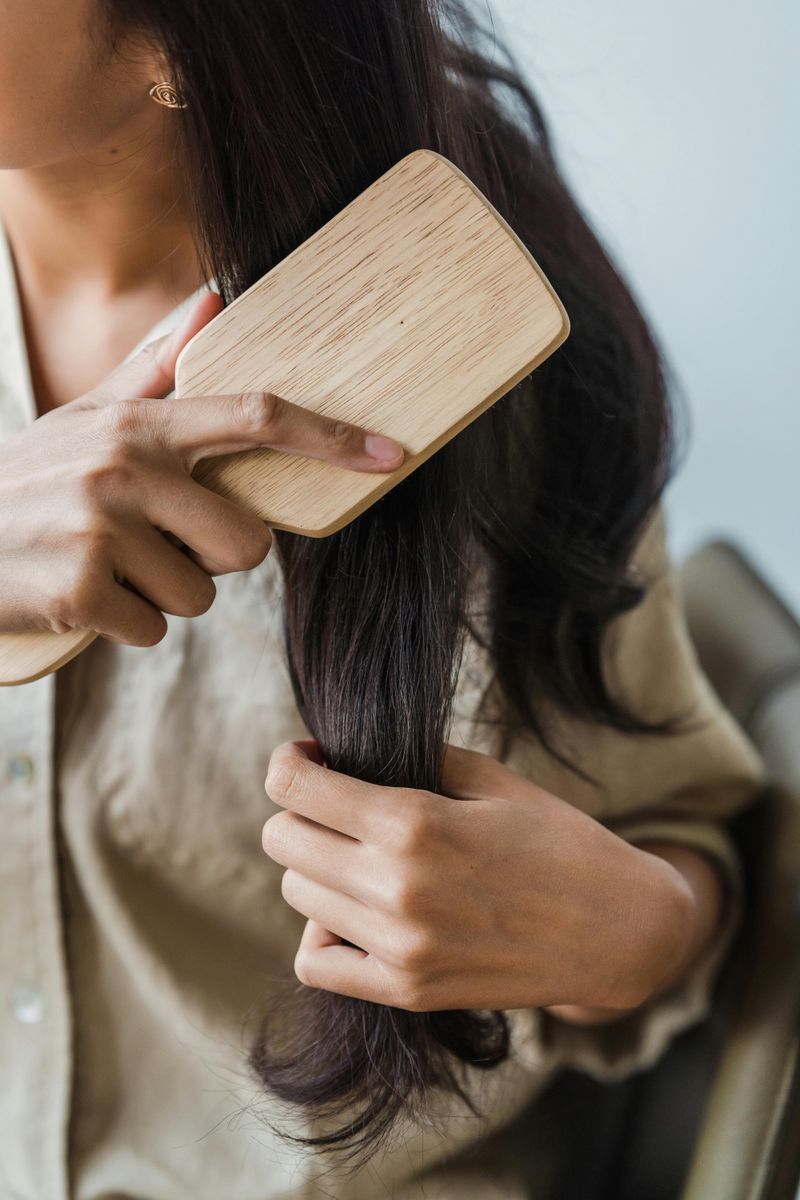
The old advice about brushing your hair 100 strokes a night for shine has been around forever, but for fine hair, that habit causes far more harm than good.
Every extra stroke creates friction along the cuticle, and fine strands are not built to handle that kind of repeated mechanical stress.
Static builds up, flyaways multiply, and the already-thin strands weaken with every unnecessary pass of the brush.
The oil distribution benefit that people expect is minimal compared to the damage caused by over-brushing fine hair.
Brush only when needed to detangle, starting from the ends and working upward gently.
A wide-tooth comb or a soft paddle brush with flexible bristles is a much kinder tool for managing fine hair without creating extra breakage.